REVIEW · ROME
Half-Day Small Group Food and Wine Tasting Tour in Rome
Book on Viator →Operated by Nicom Tours · Bookable on Viator
Rome tastes better when you follow your nose. This small-group food and wine walk links Campo de’ Fiori to Trastevere, with stops built around classic Roman eating: salami and wine, cheese and pairings, crispy pizza, fried baccalà, and a gelato finish. What I like most is the sense that this is a real dinner in parts, not tiny bites, plus the way the food comes with context—why PGI salami matters, and how the wines fit in. One thing to consider: it’s a walking tour, and it leans heavily into fried comfort food, so pacing and expectations matter.
I also like that the format stays social. With a cap of 15 travelers, you’re more likely to chat with your group (and the guide), instead of feeling swallowed by a crowd. In the guide names that show up across past departures—like Catia, Francesca, Fiametta, and Metea—the common thread is upbeat, practical storytelling about Roman food culture.
Your evening runs roughly from 5:30pm to about 9:30pm, starting at Ristorante La Carbonara in Campo de’ Fiori and ending in Trastevere near a gelateria. If you’re short on time, this is a smart way to eat your way through neighborhoods without trying to plan every stop yourself.
In This Review
- Key Things That Make This Rome Food Tour Worth Your Time
- Meet in Campo de’ Fiori: The Best Starting Point for an Eating Plan
- PGI Salami and Aperitivo Wine: How the Tour Sets Up Taste Like a Story
- Cheese Shop Pairings: What You Learn by Tasting Two Things Together
- Baccalà Fritto and Supplì: Two Roman Snacks That Eat Like Dinner
- Pizza by the Slice: The Rome Way to Eat Without Overthinking
- Walk Time: Why the Tour Uses Steps Between Food Stops
- Trastevere Supper: Antipasto, Two Primi, and Two Wines
- Gelato Finale in Trastevere: Leave Room for the Sweet Ending
- Price and Value: Is $90.58 a Smart Deal?
- Who Should Book This Rome Food and Wine Tour
- Quick FAQ
- FAQ
- What’s included in the Half-Day Food and Wine Tasting Tour?
- How long is the tour?
- Where do I meet the guide, and where does the tour end?
- What’s the group size?
- What dietary needs can be handled?
- Is the tour suitable for people with limited mobility?
- What’s the cancellation policy?
- Should You Book It?
Key Things That Make This Rome Food Tour Worth Your Time
- PGI salami aperitivo with wine: you get the why, not just the bite
- Cheese shop pairings: more than a snack break, it’s a guided taste
- Roman fried classics: baccalà fritto and supplì are part of the main event
- Pizza by the slice: you’ll eat it the Roman way—fast, fresh, and street-smart
- Trastevere supper: antipasto plus two primi with two wines
- Gelato finish: you end with something sweet and simple—exactly on time
Meet in Campo de’ Fiori: The Best Starting Point for an Eating Plan
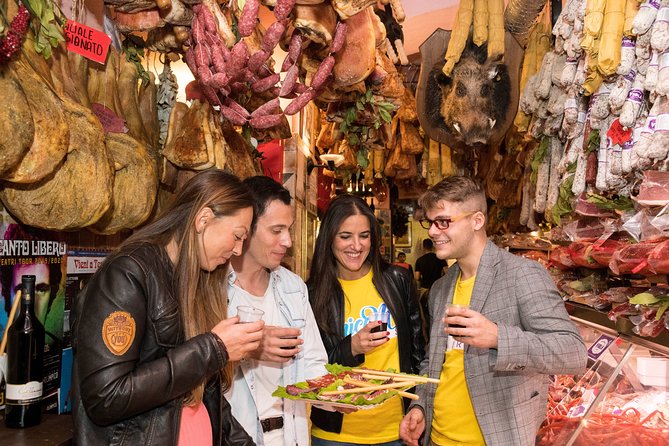
The tour begins at Ristorante La Carbonara, right by Campo de’ Fiori (meet at 5:15pm, start walking at 5:30pm). This is a strong launch pad because you’re in the center of Rome’s action early enough that you’ll feel the city wake up into evening.
I like that the tour isn’t a vague “wander and taste” setup. You’re set with a clear rhythm: walk through Rome’s streets, stop at food counters and shops, then sit down for a proper meal later in Trastevere. If you’re trying to get your bearings fast while still eating well, this is a great fit.
One practical note: because it’s a walking tour with multiple stops, you’ll do best if you show up with decent energy. Wear shoes you trust. Rome sidewalks don’t care about your schedule.
You can also read our reviews of more food & drink experiences in Rome


PGI Salami and Aperitivo Wine: How the Tour Sets Up Taste Like a Story
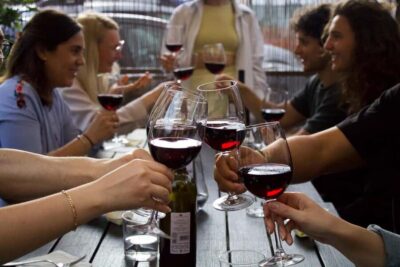
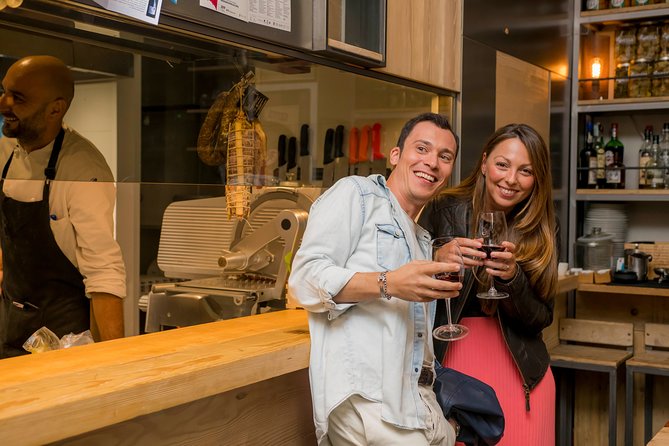
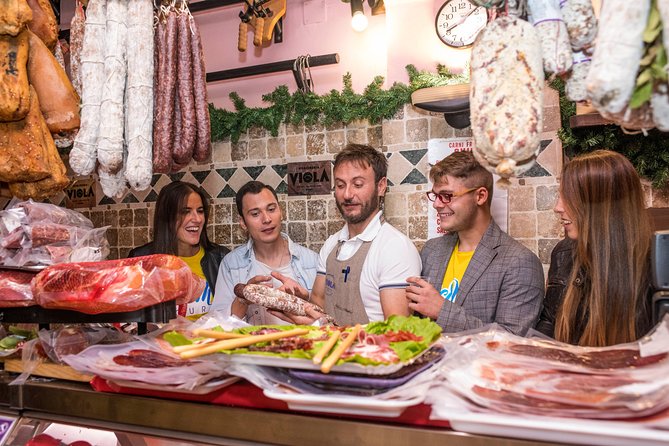
The first tasting moment is a classic aperitivo-style stop: wine paired with artisan salami. The guide explains the salami’s PGI (protected geographical indication), which is one of those unsexy food terms that actually matters in real life.
Here’s why I think that’s valuable: PGI isn’t marketing fluff. It’s a quality signal tied to place and production. When you hear the story while tasting, it changes how you read the flavor—salt level, texture, and that unmistakable cured-meat depth that good salami has.
You’re also not stuck eating the same thing repeatedly. The tour moves from cured meats into cheese, and then into fried Roman specialties. That variety keeps the evening from turning into one long snack blur.
Cheese Shop Pairings: What You Learn by Tasting Two Things Together
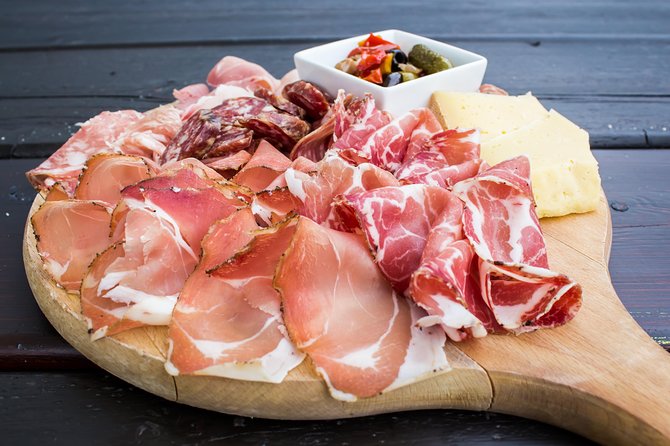
Next up is a historical cheese shop stop, where you sample additional PGI produce and pair it with another wine. The point isn’t only to taste. It’s to notice what changes when you switch the pairing.
I especially like how this part teaches you to think like a local diner. In Italy, wine often plays a supporting role to food texture and salt—not just to “make it taste better,” but to balance it. If you’ve ever found wine tastings confusing, this format helps because it’s always anchored to something you can point to and compare.
If you’re a cheese person, this stop is a highlight. If you’re not, you’ll still get something out of it: a better sense of why Italian foods come as pairings, not single-ingredient experiences.
Baccalà Fritto and Supplì: Two Roman Snacks That Eat Like Dinner
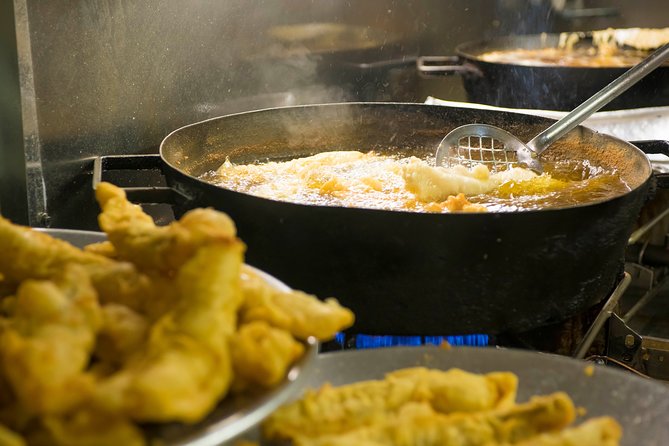
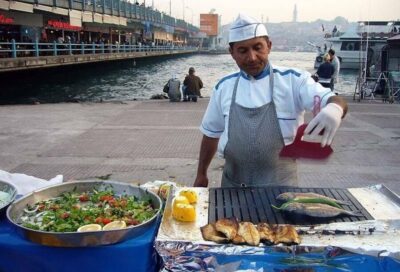
Then comes a signature Rome dish: baccalà fritto—fried, salted cod. Fried fish can sound like a tourist trap, but in Rome it’s one of those “locals order it because it’s good” dishes. The crisp exterior plus the salty, briny flavor works fast and well with wine.
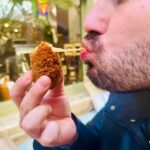
Right after that, you’ll also try supplì, the fried risotto rice typically found in Roman street food culture. Supplì are one of those foods that feel like a bite but finish like a meal. The inside is creamy, the outside is crunchy, and the contrast is what makes it addictive.
Practical expectation: this tour includes multiple fried items. If you’re craving grilled, light, or veggie-heavy food, you might feel a little less wowed than you hoped. One past guest also pointed out how much frying shows up—so I’d treat that as part of the deal, not a surprise.
Pizza by the Slice: The Rome Way to Eat Without Overthinking
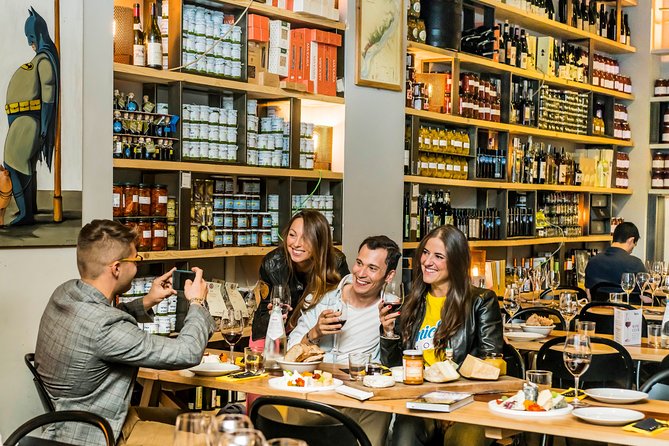
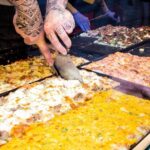
You’ll visit two other eateries for crisp pizza, ordered by the slice. This is one of my favorite parts of the experience because it’s authentic and efficient. You’re not waiting on a table of multiple courses. You’re eating what’s meant to be eaten right there, right now.
There’s also something satisfying about getting pizza as a planned stop within a structured walking route. You get variety in the night without losing the “I’m eating like a Roman” vibe.
Tip: take your time, but don’t slow down too much between stops. The tour uses walking to pace you after big tastings, so if you linger too long, you’ll feel it later.
A few more Rome tours and experiences worth a look



Walk Time: Why the Tour Uses Steps Between Food Stops
After the pizza and fried bites, there’s a short walk to help work off what you’ve already eaten. Some walking food tours can feel random. Here, the walking is more like pacing and transit—Rome is too big to keep cars out of the equation, and too beautiful to see from inside a van.
Still, keep expectations realistic. You’re going to walk more than you might on a typical “food tour bus ride.” One person noted there were moments that felt like extra steps or retracing, so plan for that possibility. If it’s raining, you’ll still be moving—one guest even mentioned enjoying the tour despite rain.
If you want to make the most of it, walk with purpose. Smile at your guide. Ask one question. The stories come faster when you’re in motion.
Trastevere Supper: Antipasto, Two Primi, and Two Wines
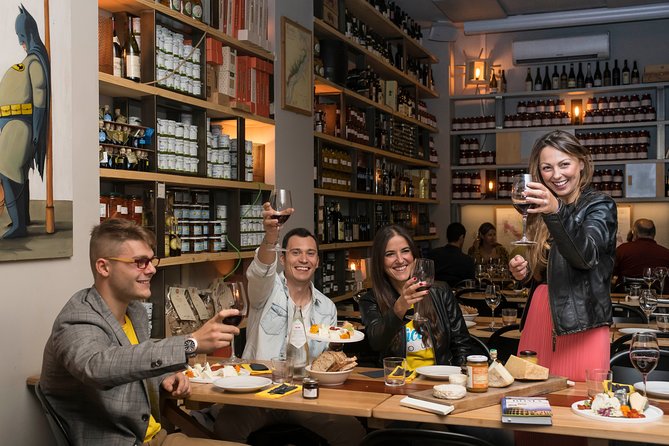
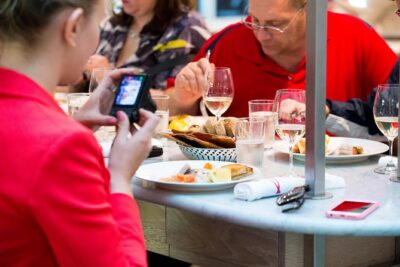
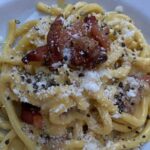
This is where the tour turns from tastings into an actual supper. In Trastevere, you sit down in a cozy restaurant for traditional Roman food: antipasto, then two primi (first course) dishes, washed down with two varietals of wine.
Based on the sample menu, you may see pasta like pasta all’Amatriciana and another course such as la carbonara. I’m not just listing names here. The reason this part matters is that you stop eating “on the go” and switch to a calmer meal format. It’s the best moment to slow down, chat, and really taste.
And because wine is included again, it feels like the dinner is finished as a whole, not patched together from snacks. That’s the big value play of this tour: you get the guide-guided tastings and a real meal.
Gelato Finale in Trastevere: Leave Room for the Sweet Ending
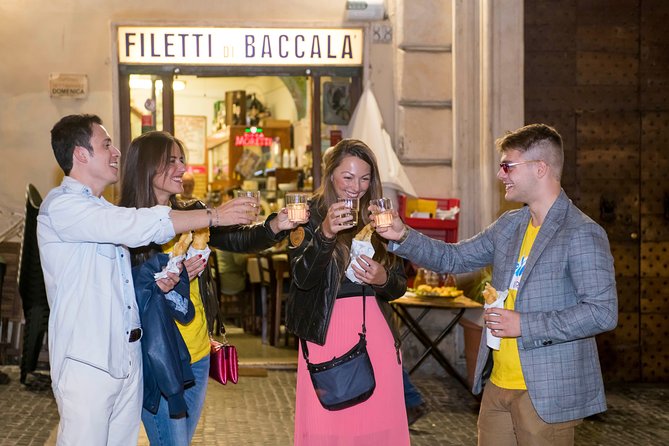
You finish around 9:30pm outside a gelateria in Trastevere. This final stop is more than a cute photo moment. Gelato is the reset button—cool, sweet, and simple after salty and fried food.
In terms of pacing, the ending is a smart design. You’re not stuffed and then asked to chase dessert somewhere far away. You’re guided to the gelato finish while the evening still feels fresh.
One tip: if you want to enjoy gelato, don’t spend the whole night trying to “save room.” You’ll end up eating anyway. Better plan: keep your pace steady and don’t go wild on seconds.
Price and Value: Is $90.58 a Smart Deal?
At $90.58 per person for about 4 hours, the value comes from what’s included: all food and wine plus an expert guide. This isn’t a tour where you pay for instruction and then keep paying for meals.
When you break it down by experience, you’re covering:
- aperitivo-style wine and salami
- cheese tastings with wine pairings
- Roman fried specialties (baccalà fritto and supplì)
- pizza by the slice at multiple stops
- Trastevere supper with antipasto, two primi, and wine
- gelato to close
That’s a lot of edible ground in half a day. If you’d otherwise spend part of your evening paying for dinner and drinks on your own, this format can feel like a built-in “food plan” with guided context and a set route.
Who Should Book This Rome Food and Wine Tour
This tour is a strong match if you want:
- a small-group evening with a guide
- classic Roman flavors: salami, cheese, pizza by the slice, baccalà fritto, supplì
- a mix of walking and seated eating
- wine included with multiple stops
It’s less ideal if you:
- strongly dislike fried foods
- need a very slow, minimal-walking experience
- prefer major landmarks over neighborhood food culture (this is food-first)
If you’re visiting Rome for the first time, I think it’s a great way to understand how Romans eat. And if you’ve been before, it still offers a different route through Trastevere and back through the center.
Quick FAQ
FAQ
What’s included in the Half-Day Food and Wine Tasting Tour?
Food and wine are included, along with an expert guide. You should expect to pay nothing extra for the tastings and the supper, aside from tips.
How long is the tour?
It runs for about 4 hours. The schedule starts around 5:30pm and typically ends around 9:30pm.
Where do I meet the guide, and where does the tour end?
You meet at Ristorante La Carbonara, Campo de’ Fiori 23, 00186 Roma at 5:15pm for a 5:30pm start. The tour ends in Trastevere outside a gelateria.
What’s the group size?
It’s a small group with a maximum of 15 travelers.
What dietary needs can be handled?
You should advise any specific dietary requirements at booking. Some guests indicate requests like food allergies can be accommodated.
Is the tour suitable for people with limited mobility?
The tour calls for moderate physical fitness. Since it involves walking between several eateries, it may not be ideal for very limited mobility.
What’s the cancellation policy?
You can cancel for a full refund if you cancel at least 24 hours in advance of the experience’s start time. Free cancellation applies up to that point.
Should You Book It?
I’d book this if you want an easy, structured way to eat a full Rome dinner across multiple neighborhoods—without guessing where to go or what to order. The wine + food pairing style and the mix of Roman classics (salami, cheese, baccalà fritto, pizza by the slice, supplì, and gelato) make it a fun “taste of Rome” night.
Just go in knowing two things: there’s plenty of walking, and there’s a lot of fried food. If that fits your comfort zone, this is excellent value for a half-day evening.