REVIEW · ROME
Rome Campo de Fiori and Jewish Ghetto Street Food Tour
Book on Viator →Operated by Italy Street Food Tours · Bookable on Viator
Food and streets collide in Rome.
This 2.5-hour small-group walk connects Campo de’ Fiori and the Jewish Ghetto to real neighborhoods you can picture, with snacks that keep coming as you move. I like that you’re not just sightseeing off a list; you’re also tasting Rome as you learn why each stop matters.
I also love the practical setup: you get multiple sweet-and-savory samples plus beer and wine included, so you’re not playing menu math while you’re on the move. And the guides often weave in story detail you can actually use when you’re standing in the square, like the Giordano Bruno connection tied to Campo de’ Fiori.
One big consideration: this tour does NOT accommodate vegan, gluten-free, or dairy-free diets. Vegetarian is possible (not vegan), but if you need stricter dietary options, you’ll want to choose something else.
In This Review
- Key Things To Know Before You Go
- A Campo de’ Fiori to Jewish Ghetto Food Walk That Actually Makes Sense
- Timing, Pacing, and Where You Start/Finish
- Stop 1 at Campo de’ Fiori: Giordano Bruno and Your First Big Taste
- Antico Forno Roscioli: Where the Tour Feels Like Real Roman Eating
- The Jewish Ghetto Stop: Quartiere Ebraico With Food Tied to Place
- Largo Argentina and Piazza della Minerva: Sights Between Bites
- Sant’ Eustachio Finale: Gelato and a Clear End Point
- What You’ll Eat and Drink: The Real Menu Value
- Price Check: $53.92 for Snacks, Drinks, and Local Story Thread
- Guide Style: Why Names Matter Here
- Who This Tour Suits Best (And Who Should Rethink It)
- Simple Tips to Make Your Evening Better
- Should You Book This Rome Street Food and Jewish Ghetto Tour?
- FAQ
- How long is the Rome Campo de’ Fiori and Jewish Ghetto Street Food Tour?
- How much does the tour cost?
- How many stops are included?
- What’s included in the price?
- What is the main food on the sample menu?
- Are vegetarian or vegan options available?
- Is the tour offered in English?
- Where do you meet and where does the tour end?
- Does the tour run in bad weather?
- What if I need to cancel?
Key Things To Know Before You Go
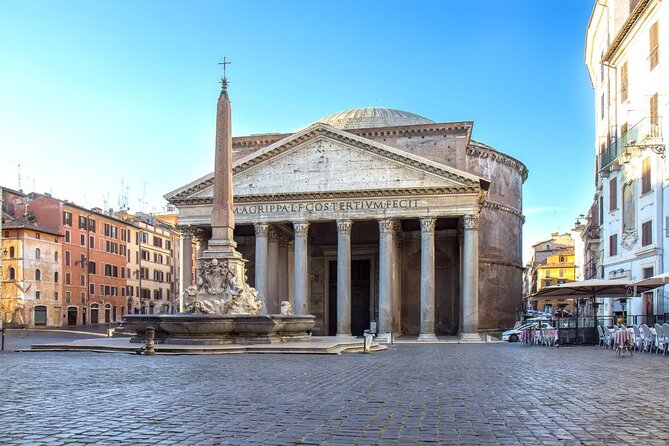
- Six food stops in ~2.5 hours, ending near Sant’Eustachio, so you get momentum without feeling rushed.
- Max 15 people, which usually means more personal attention and easier questions to ask the guide.
- Beer and wine are included with tastings, a real value boost versus buying drinks at each stop.
- A full hour in the Jewish Quarter, plus a specific food tasting linked to the neighborhood.
- Smart-casual dress and rain-or-shine, so bring comfy shoes and a light layer.
- Not vegan, not gluten-free, not dairy-free, so dietary fit is the make-or-break factor.
A Campo de’ Fiori to Jewish Ghetto Food Walk That Actually Makes Sense
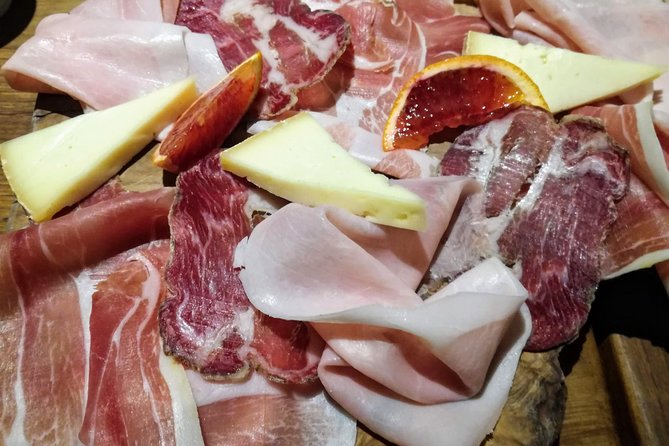
Rome can feel like a blur on day one. This tour helps you focus. You start at Piazza Campo de’ Fiori, then move through a set of classic sights and story-heavy streets that naturally connect to food—salami, pizza, suppli, and a Jewish-quarter themed tasting—ending at Piazza di S. Eustachio.
The best part is how the walking route supports the concept. Campo de’ Fiori isn’t a random starting point. It’s a square with layers, and your guide ties those layers to what you’re eating. Then the route brings you into the Jewish Ghetto area (Quartiere Ebraico) for a longer chunk of time, so you’re not just “passing through.”
This is also an easy sell for people who like food tours but hate when they turn into a checklist of tiny samples. You still get enough variety to feel like you ate a proper sequence, not just nibbled, and the group size is kept small (up to 15), which keeps the pace friendly.
You can also read our reviews of more food & drink experiences in Rome

Timing, Pacing, and Where You Start/Finish
The tour runs about 2 hours 30 minutes and is structured around six stops:
- Magia a Campo de’ Fiori (about 30 minutes)
- Antico Forno Roscioli (about 20 minutes)
- Antico Quartiere Ebraico (about 1 hour)
- Area Sacra di Largo Argentina (about 20 minutes)
- Piazza della Minerva (about 10 minutes)
- Sant’ Eustachio (about 10 minutes)
That timing matters. You get one longer block in the Jewish Quarter, plus shorter stops for key sights, so you’re not stuck in long lectures. The walk is also designed to be workable even if you’re not a super fast walker.
You’ll meet in Piazza Campo de’ Fiori (near a taxi and bus stop) and end at Piazza di S. Eustachio. That matters too: it’s not a “back where you started” loop, so the route can help you keep exploring after the tour.
Dress code is smart casual, and the tour runs rain or shine. Translation: plan for some pavement time. Wear shoes you can walk in for a few hours, and bring a light umbrella or rain jacket if the forecast looks messy.
Also, this one tends to fill—on average it’s booked about 44 days in advance—so don’t wait until the last minute if you’re traveling in peak season.
Stop 1 at Campo de’ Fiori: Giordano Bruno and Your First Big Taste
Piazza Campo de’ Fiori sets the tone. Your guide shares the story of philosopher Giordano Bruno and how this square kept changing roles over the centuries. That might sound like standard tour talk, but the point is practical: when you understand the place, the food part feels less random.
You’ll also start sampling right here with fresh Roman street food. This is your opening “taste map,” where you’ll get familiar flavors early—things like salami and wine, plus other savory bites that make you want to keep going.
One extra benefit: Campo de’ Fiori is a naturally social square. Even if your group is international, the vibe makes the tour feel like you’re blending local life with your guided route, not just following someone holding a clipboard.
Antico Forno Roscioli: Where the Tour Feels Like Real Roman Eating
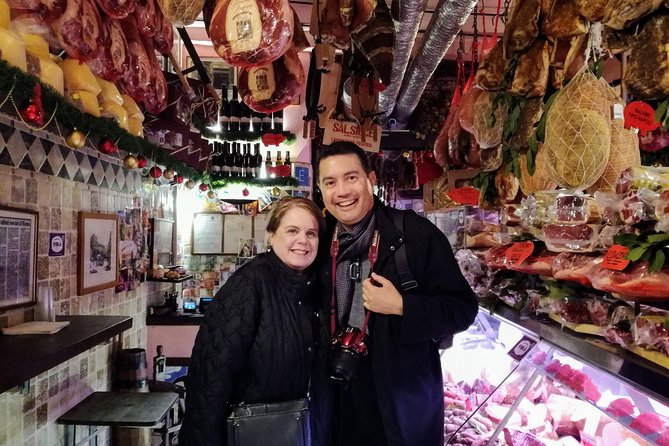
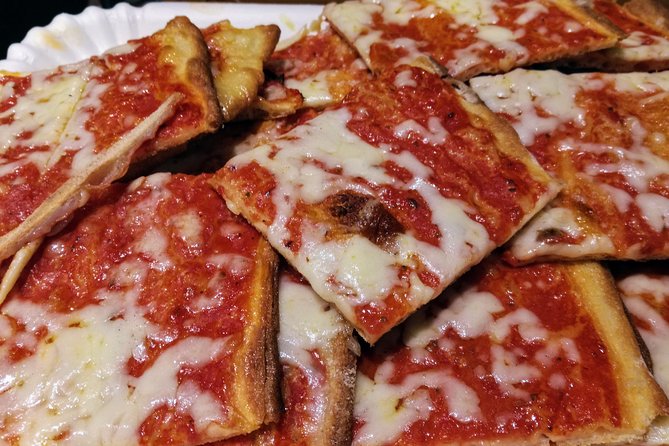
Next you head to the area tied to Antico Forno Roscioli, one of the names that signals this will be more than generic food-tour fare. The tour keeps feeding you here, and this is typically when the tasting sequence shifts into classic Roman staples like pizza and other baked or fried comfort foods.
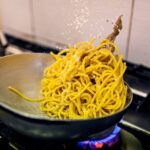
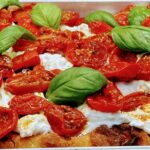
What I like about this stop is the focus on “grab-and-go” eating culture. Suppli and pizza show up on the menu, and this stop is part of how the tour keeps the tastes moving along in a logical order—savory first, then sweets later.
Because the exact item-by-item mapping to each stop can vary (places may change), treat this as part of the rhythm rather than a promise of one specific bite at one exact minute. But the overall expectation stays the same: you’re eating real Roman street-style food along the walk.
The Jewish Ghetto Stop: Quartiere Ebraico With Food Tied to Place
The heart of the experience is the Antico Quartiere Ebraico stop, which lasts about one hour. This is where the tour’s theme becomes more than marketing. You’ll get neighborhood context while tasting something tied to the Jewish culinary world—on the sample menu, that shows up as Jewish artichoke or zucchini flowers, depending on what’s seasonal.
Here’s the honest consideration to keep in mind. This is a food tour, not a full museum-style deep study of Jewish ghetto life. You’ll get meaningful context, but if your main goal is detailed history of daily life, restrictions, and community structure, you might want to plan extra reading or a separate history-focused visit.
Still, the value is clear: you’re seeing the actual streets and eating food connected to them. Food is often the fastest way to make a place feel real, and this stop gives it time.
A few more Rome tours and experiences worth a look


Largo Argentina and Piazza della Minerva: Sights Between Bites
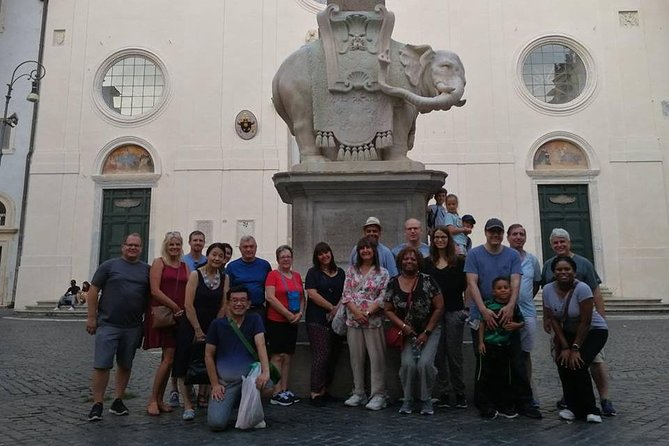
After the Jewish Quarter, you head toward Area Sacra di Largo Argentina (about 20 minutes). This segment works well because it breaks up the food portion with a change of scenery. One practical detail: some guides use a tablet to show images of ruins you’re walking past, which helps you understand what you’re looking at when you’re standing on the street.
Then it’s onward to Piazza della Minerva (about 10 minutes). This stop is shorter, so it won’t drain you. Think of it as a quick “see and connect” moment—enough to keep your bearings for the walk, not enough to turn the tour into a sit-down lecture.
If you like photos, this is where you’ll probably want to pause for a quick shot—because you’ll be transitioning from food-heavy focus to city-view focus again.
Sant’ Eustachio Finale: Gelato and a Clear End Point
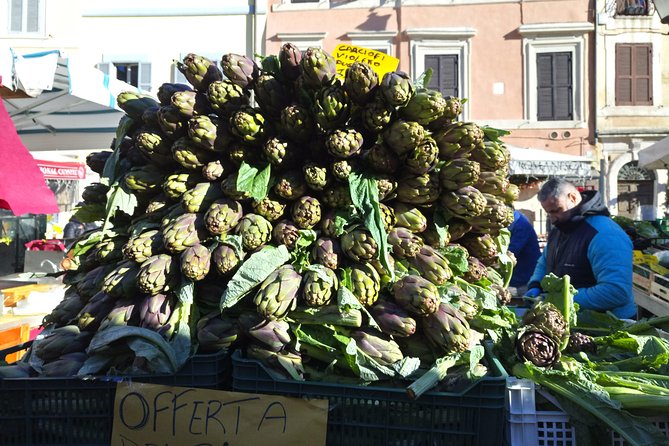
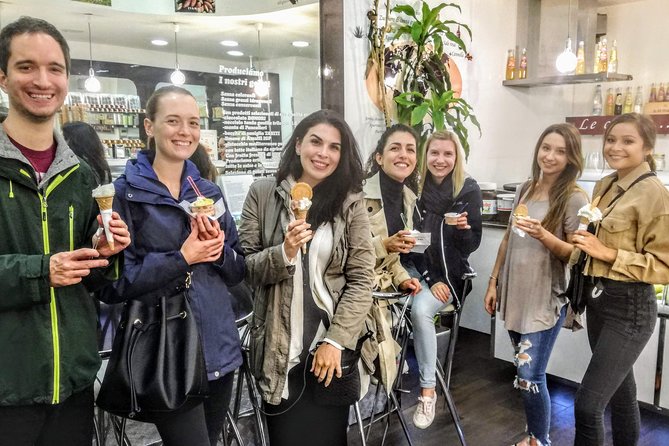
The last stop is Sant’ Eustachio (about 10 minutes) and that’s where gelato shows up as dessert on the sample menu. This final sweet bite is a nice reset. You’ve spent the walk moving through savory tastes and wine/beer moments, and gelato gives your palate a chance to clear.
Also, ending at Piazza di S. Eustachio is convenient for continuing your evening. You’re not stuck standing at the original start point, and the end is placed so you can transition to dinner or a longer wander.
If you’re the type who wants to keep eating right after dessert, this is the kind of tour that sets you up for it. You’ll know which flavors you liked most, so when you see something similar later, you’ll order with confidence.
What You’ll Eat and Drink: The Real Menu Value
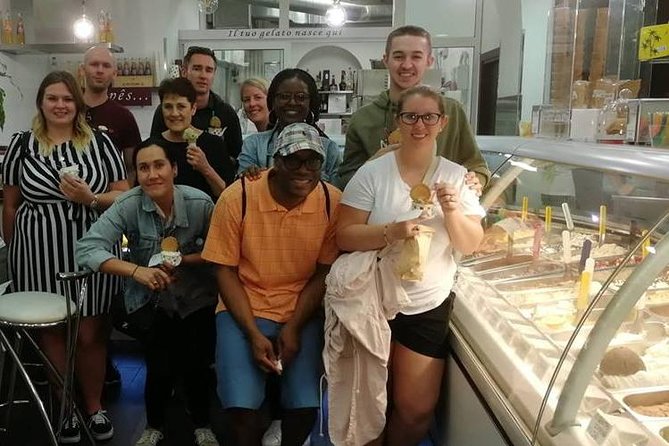
Here’s the menu expectation from the tour’s sample list:
- Salami and wine
- Pizza
- Suppli
- Jewish artichoke or zucchini flowers (seasonal)
- Gelato (dessert)
For drinks:
- Small tastings of beer and wine are included.
That drink inclusion is a big deal in Rome. Tastings help you taste variety without committing to full glasses each time. And since the tour is time-limited, it saves you from hunting down drink spots between bites.
Vegetarian is supported, but vegan is not. Also, the tour does not accommodate gluten-free or dairy-free needs. So if you’re trying to be careful with allergies or diet, confirm your needs in advance—this tour isn’t set up for substitutions.
Portions are meant as tastings across the route. You’ll leave feeling fed, especially because the sequence includes multiple savory items and a dessert. But don’t plan to skip your next meal; instead, treat this like a strong opening or a satisfying early-evening activity.
Price Check: $53.92 for Snacks, Drinks, and Local Story Thread
At $53.92 per person, the value works out best if you price it the way you actually spend money in Rome.
You’re paying for:
- A local guide and narration across multiple neighborhoods and sights
- A set of multiple food tastings
- Small tastings of beer and wine included
- A small group (max 15), which typically improves the flow and time for questions
If you were to buy pizza, cured meats, fried rice balls like suppli, and dessert separately—plus drinks—you’d likely spend more than you expected. The guide component is also doing real work: tying each stop into a bigger story, like the Giordano Bruno thread at Campo de’ Fiori and the Jewish Quarter focus.
The tour also benefits from being efficient. You’re getting a concentrated route in about 2.5 hours. That’s a practical win if you’re juggling limited time in the city.
So yes, it’s not cheap. But with snacks and drinks included and a small group format, it generally feels like fair value—especially for a first-time visitor who wants Rome to make sense fast.
Guide Style: Why Names Matter Here
One of the strongest themes in the tour experience is the guide energy. Past groups have reported exceptional, friendly guiding, and I’d treat that as a sign that you’re likely to get both food direction and place context.
Some guide names you might see associated with this tour include Ramona, Fabrizia, Barbara, Tizitiano, Greta, Debora, Chiara, Dario, Francesca, Arianna, and GianLuca. That doesn’t mean you’ll get the same person, of course, but it’s a useful clue: the guides attached to this experience tend to be people who talk with warmth and answer questions easily.
If your ideal tour includes humor and clear explanations, this is a good match. The walk also seems to include interesting route moments—like passing through a tucked-away passage that’s not obvious on standard maps—so you’ll feel like you found Rome, not just walked past it.
Who This Tour Suits Best (And Who Should Rethink It)
This tour fits you if:
- You want a small-group Rome experience with guided stops
- You like street food flavors and want to try a mix of savory and sweet
- You’re okay with the pace of a walking tour and want a structured route
- You eat meat and can handle typical Italian ingredients like dairy and wheat
It may not fit if:
- You’re vegan, gluten-free, or dairy-free (this tour is not built for those needs)
- You want a very detailed, classroom-level history of Jewish ghetto life (the Jewish Quarter stop is about one hour, which is meaningful but still part of a food tour)
Kids must be accompanied by an adult, and the tour language offered is English. Smart-casual dress helps everyone stay comfortable in mixed weather and standing/walking areas.
Simple Tips to Make Your Evening Better
Here’s how to get the most out of it without overthinking:
- Arrive hungry. This tour feeds you, but it’s tasting portions across time, not a full sit-down meal.
- Wear shoes for uneven streets. You’re walking multiple neighborhoods and you’ll likely stand for brief story moments.
- Plan for rain. The tour runs rain or shine, so bring a small rain solution.
- Ask questions while you’re there. The guide is part of the value, especially when you’re learning why the square or street matters.
- Know you’ll end with gelato. If you’re not a big sweet person, you can still enjoy it but pace yourself earlier.
Should You Book This Rome Street Food and Jewish Ghetto Tour?
I’d book it if you want a fun, structured first taste of Rome that mixes food with place storytelling, includes both beer and wine tastings, and keeps the group small enough that you can actually connect with the guide. The route from Campo de’ Fiori into the Jewish Quarter, then onward past Largo Argentina and Piazza della Minerva, gives you a satisfying evening arc.
I’d skip it if your dietary needs are vegan, gluten-free, or dairy-free. Also, if you’re coming mainly for deep Jewish ghetto history, treat this as a strong starting point rather than the final word—pair it with another history-focused stop later.
Bottom line: for most people who like walking tours and want to eat their way through Rome with guidance, this is a smart use of about 2.5 hours.
FAQ
How long is the Rome Campo de’ Fiori and Jewish Ghetto Street Food Tour?
The tour lasts about 2 hours 30 minutes.
How much does the tour cost?
It costs $53.92 per person.
How many stops are included?
There are six stops: Magia a Campo de’ Fiori, Antico Forno Roscioli, Antico Quartiere Ebraico, Area Sacra di Largo Argentina, Piazza della Minerva, and Sant’ Eustachio.
What’s included in the price?
You get snack street food samples, a local guide, small tastings of beer and wine, and a small group food walking tour.
What is the main food on the sample menu?
The sample menu includes salami and wine, pizza, suppli, Jewish artichoke or zucchini flowers (seasonal), and gelato for dessert.
Are vegetarian or vegan options available?
The tour can accommodate vegetarian participants (not vegans). Vegan is not accommodated. The tour also does not accommodate gluten-free or dairy-free participants.
Is the tour offered in English?
Yes, it’s offered in English.
Where do you meet and where does the tour end?
You start at Piazza Campo de’ Fiori and end at Piazza di S. Eustachio.
Does the tour run in bad weather?
Yes. The tour takes place rain or shine.
What if I need to cancel?
Free cancellation is available up to 24 hours in advance for a full refund. If you cancel less than 24 hours before the experience starts, the amount paid is not refunded.