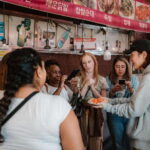
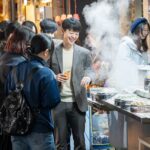
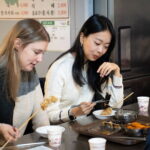
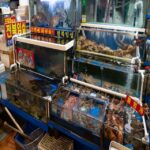
Markets overwhelm; this tour gives you a map. At Gwangjang Market, you get ordering help and stories behind what you’re eating, guided in-person by Taesong. I especially like how he turns the usual chaos of a big market into clear choices and good conversation.
My second big win: you don’t just snack. You sample a full spread across several stalls, with a pace that keeps moving without feeling rushed, so you finish 2 hours actually satisfied. The only real consideration is that the food list includes spicy rice cake, so if spice is a hard no, tell your guide early and you may want to plan for a gentler pace.
In This Review
- Key highlights you’ll feel right away
- Entering Gwangjang Market with a real plan for what to eat
- The one-stop itinerary that still gives you multiple “mini meals”
- Stop-by-stop breakdown: what you’ll actually sample
- Food list reality check: is it enough, and does it make sense?
- Why the guide matters more than the market
- Group size, pacing, and how crowded it really feels
- Timing and what to wear so you can actually enjoy it
- Price and value: paying $100 for a market meal with guidance
- Who should book this tour, and who should think twice
- Should you book Hidden Stories & Flavors Market Food Tour?
- FAQ
- How long is the Hidden Stories & Flavors Market Food Tour?
- Where does the tour start?
- Is there an admission fee to the market?
- What foods are included?
- Is the tour in English?
- How big is the group?
- What kind of ticket do I get?
- Is the tour near public transportation?
- What’s the cancellation policy?
- Does weather affect the tour?
Key highlights you’ll feel right away
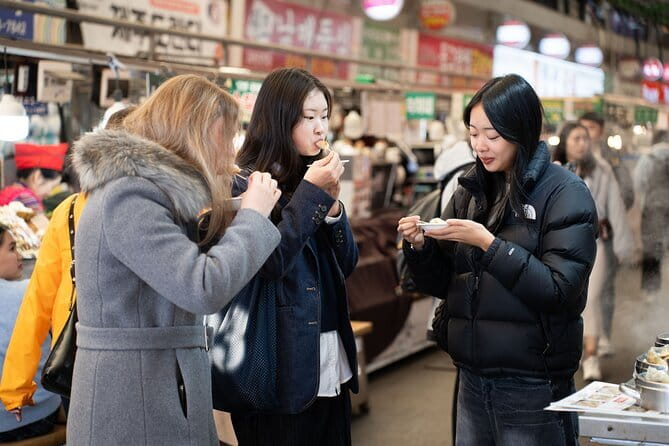
- Seven food stalls (so you get variety, not just one or two bites)
- Go hungry, leave full is the right strategy here, with multiple hot and sweet items
- Taesong’s ordering logic helps you avoid bad picks and long line chaos
- Modern Korea stories are woven in while you eat, not tacked on at the end
- Small group size (max 10) keeps the tour friendly and questions easy to ask
Entering Gwangjang Market with a real plan for what to eat
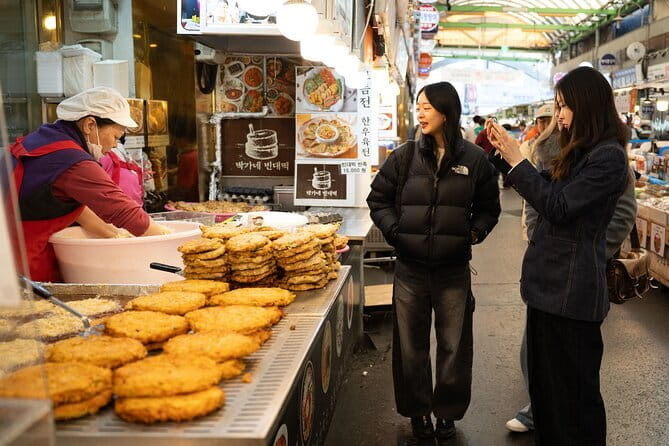
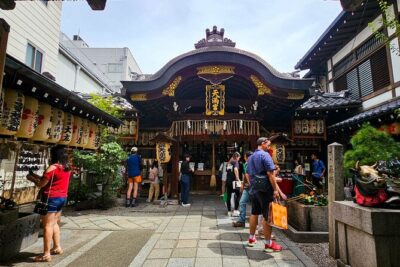
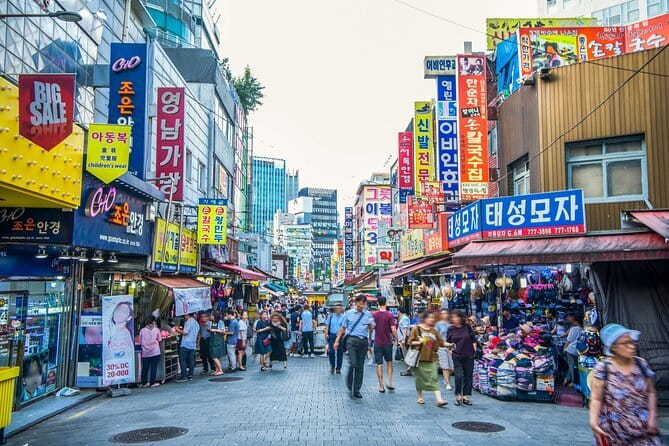
If you’ve ever walked through a Korean market, you know the feeling: smells everywhere, menus everywhere, and your brain starts blinking in confusion. What I like about this tour is that you’re not handed a long list and left to guess. You’re guided to the kind of stalls that make sense together, and you learn the “why” behind each pick as you go.
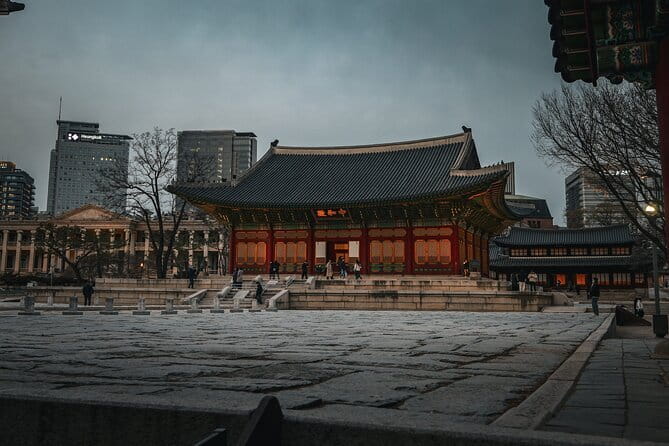
The market itself sits in Jongno District, and this tour starts at 407 Dongho-ro. That matters because Jongno puts you close to some of Seoul’s main movement lines, so you’re not stuck in a far-off corner. Once you’re there, the guide’s job becomes part translation, part taste-testing coach, and part story narrator.
You’ll also get historical and social context while you eat. The tone isn’t heavy in the sense of turning the meal into a lecture, but it’s real. You’ll hear perspectives tied to the Korean peninsula’s division, and there’s mention of the guide’s reserve forces experience. It’s the kind of context that makes street food feel connected to people’s daily lives, not just food photos.
You can also read our reviews of more food & drink experiences in Seoul
The one-stop itinerary that still gives you multiple “mini meals”
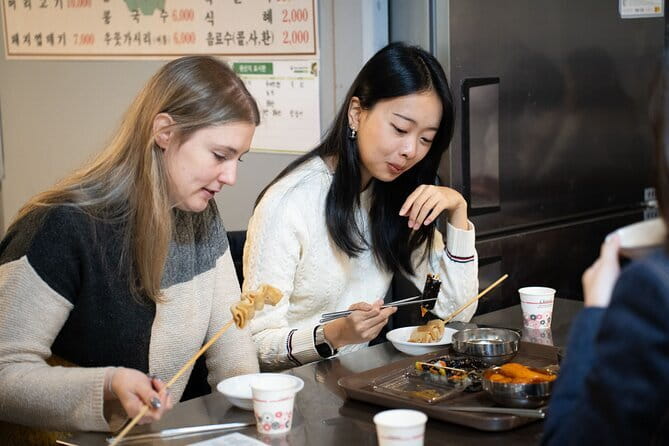
This tour technically centers on one place: Gwangjang Market. But inside those two hours, it plays like a chain of mini meals. That’s the trick with good market tours—one stop, many bites, and a rhythm you can follow.
Here’s the flow you can expect:
- You start with classic savory items that help you set the baseline for Korean street flavors.
- Then you move through additional stalls so you get different textures—chewy, crispy, saucy, and handheld.
- Finally, you finish with sweet snacks that make the whole meal feel complete.
The big takeaway: this isn’t only about tasting more. It’s about tasting in an order that makes sense. Dumplings and meat-based comfort items first help your stomach settle in. Later, when you hit the spicier and more intense bites like spicy rice cake, you’re ready for it.
A practical note from how the tour runs: the guide helps you time things so you’re not stuck staring at a line for half the tour. In the review details, people liked that Taesong got them into popular vendors before lines got long. In other words, the tour isn’t just “find the best stall.” It’s also “hit the best moment.”
Stop-by-stop breakdown: what you’ll actually sample
Even though it’s one market stop, the included foods are specific. This helps a lot if you’re hungry but cautious about what to order.
Savory lunch-style tastings typically include:
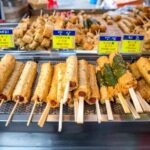
- Dumpling
- Meatball
- Korean hotdog
- Rice roll
- Spicy rice cake
- Fish cake
Snacks and sweet finish:
- Sweet Korean pancake
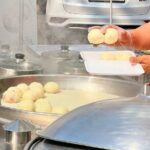
- Fish-shaped bun
You’ll also get bottled water. For a market food tour, water is not optional. It keeps the spice and salt manageable, and it also lets you enjoy the sweet items at the end instead of feeling like your mouth is permanently “locked.”
Food list reality check: is it enough, and does it make sense?
This tour is priced at $100 per person, and the value is tied to volume and variety. A big-market food tour can be a mixed bag—sometimes you pay for “one bite here, one bite there.” Here, the included list is substantial, and it’s built like a real meal plus dessert.
The best part is how the items cover different Korean street-food categories:
- Handheld and quick (hotdog style, fish cake style) for easy eating while walking.
- Chewy and filling (rice roll and rice cake) to keep you satisfied.
- Dumpling and meatball flavors that give comfort and protein before you go heavier on spice.
- Sweet items at the end (sweet pancake and fish-shaped bun) so the meal closes with something that balances salt and heat.
If you’re the kind of eater who likes to try a lot without paying for every individual stall on your own, this structure helps. You’re not juggling cash, menu choices, and translation all at once.
The only consideration is spice level. Spicy rice cake is explicitly on the list. If you’re sensitive to heat, don’t just hope it’s mild—use the tour to communicate your preference. A good guide can often steer you toward the best version for your taste level, even within a fixed menu set.
Why the guide matters more than the market
I’ve done enough guided food walks to know the difference between “someone who shows you stalls” and “someone who helps you eat well.” This one lands on the better side.
Taesong’s role isn’t only choosing what to eat. It includes:
- Picking vendors that have the best versions of each item
- Keeping you moving so you can hit popular stalls before lines stretch
- Explaining what you’re tasting as you go
That last part is what makes the experience feel like more than calories. When you understand what to notice—texture, seasoning style, the difference between similar street foods—you end up remembering it. And because the guide shares stories about modern Korea and the peninsula’s division, you also start connecting the food to everyday life and bigger realities.
One more practical win: people in the tour experience details liked that Taesong helped them locate the correct metro and transfer instructions afterward. That kind of support is small, but it’s a big stress reducer when you’ve just eaten your way through a crowded market.
A few more Seoul tours and experiences worth a look


Group size, pacing, and how crowded it really feels
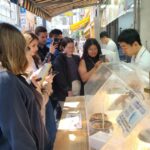
This tour caps at 10 travelers, and that’s a sweet spot. In bigger groups, guides can lose control of the walking rhythm. In tiny groups, the price can jump. With ten, you usually get:
- easier questions
- quicker decisions at each stall
- enough people to keep the energy going without turning it into a traffic jam
The pacing is built around a two-hour window, so expect steady movement rather than long sit-down meals. In a market setting, that’s a good thing. You see more, you taste more, and you don’t end up stuck waiting when vendors are busiest.
Also, the tour includes multiple kinds of food that are designed to be eaten while walking or in quick bursts. That means you’re not spending your short time waiting for a full plated meal to arrive. You’re sampling as you go, which is the right format for a traditional market.
Timing and what to wear so you can actually enjoy it
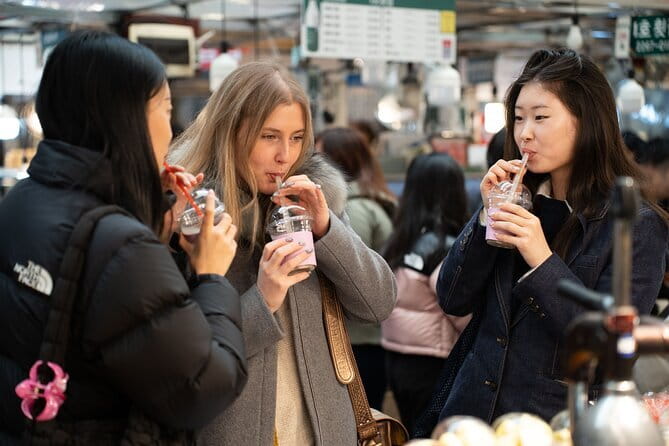
The tour runs about 2 hours, so you’ll want your body to cooperate. You’ll be standing, walking, and turning corners in a busy area.
Wear shoes you’d wear for a full neighborhood walk, not fancy dinner shoes. Bring a light layer because markets and subway stations can swing in temperature. If you’re planning to eat everything on the list, don’t schedule anything demanding right before it.
And go in with a simple mindset: you’re tasting a plan, not collecting souvenirs. Your “job” is to eat what’s in front of you and ask questions if something feels unclear.
Price and value: paying $100 for a market meal with guidance
Let’s talk money. $100 per person for a two-hour food tour sounds steep until you look at what you get:
- Multiple savory items that add up to more than a snacky sampler
- Sweet treats at the end
- Bottled water included
- In-person English guidance
- A small group experience
In other words, you’re not just paying for access to the market. You’re paying for someone to:
- translate and explain
- choose what’s worth your attention
- guide you past the most confusing parts of ordering
- manage timing so you don’t lose your tour to queues
If you’re already comfortable navigating Seoul markets alone, you could build your own food crawl. But if you want a smoother, higher-success route—especially if you’re not fluent in Korean—this kind of guided sampling can be good value. The real payoff is confidence: you leave knowing what you tasted and why it’s a classic.
Who should book this tour, and who should think twice
This tour is a strong fit if you want:
- A guided way to eat your way through Gwangjang Market
- English support while you order
- Enough food to feel like you actually ate a meal
- Context about modern Korean life tied to what you’re tasting
- A small group atmosphere that stays conversational
Think twice if you:
- Have strict dietary restrictions and need custom options (the provided info doesn’t spell out accommodations)
- Prefer super slow strolling with long rests and lots of downtime
- Don’t like any spice at all, since spicy rice cake is part of the included list
If you fall in the middle—some spice is fine, you want help choosing—that’s where this tour shines.
Should you book Hidden Stories & Flavors Market Food Tour?
I’d book it if your goal is a confident first (or second) market experience in Seoul. The mix of food variety, practical guidance, and modern Korea stories makes it more interesting than a basic street-food checklist.
You’ll likely enjoy it most if you:
- arrive hungry
- wear comfortable shoes
- come ready to ask questions (that’s where the guide’s value shows up)
If you’re price-sensitive, compare it to the cost of buying multiple items plus paying for translation support you might not have. For many people, the included food spread and the small-group guidance justify the cost.
FAQ
How long is the Hidden Stories & Flavors Market Food Tour?
It runs about 2 hours.
Where does the tour start?
The meeting point is 407 Dongho-ro, Jongno District, Seoul, South Korea.
Is there an admission fee to the market?
The itinerary lists admission as free.
What foods are included?
Included tastings include dumpling, meatball, Korean hotdog, rice roll, spicy rice cake, fish cake, plus sweet Korean pancake and a fish-shaped bun, along with bottled water.
Is the tour in English?
Yes. The tour includes in-person English.
How big is the group?
The tour has a maximum of 10 travelers.
What kind of ticket do I get?
You’ll receive a mobile ticket.
Is the tour near public transportation?
Yes, it’s listed as near public transportation.
What’s the cancellation policy?
You can cancel up to 24 hours in advance for a full refund.
Does weather affect the tour?
Yes. It requires good weather. If it’s canceled due to poor weather, you’ll be offered a different date or a full refund.