REVIEW · SEOUL
Private Downtown Seoul Food & Market Tour with 8+ Tastings
Book on Viator →Operated by Secret Food Tours · Bookable on Viator
Food and palace views come with snacks.
On this private half-day, I like the private guide who helps you handle the language barrier, plus the steady run of 8+ tastings so you’re not hunting for meals on your own. You also get to fold in major sights without turning your day into a chaotic checklist.
One thing to think about: dietary restrictions can be tricky, and the tour notes many restrictions may not be accommodated. If you have special needs, contact the operator before you book so you’re not stuck hoping.
In This Review
- Seoul Tower to Insadong in one guided food loop
- Quick hits before you go
- Why this Seoul food-and-sights format feels worth it
- Private guide help that actually changes what you eat
- Price and logistics: what $335 buys you in real life
- Timing, walking, and the Insadong finish near Anguk Station
- What you’ll eat: 8+ tastings that cover Korea’s range
- Stop-by-stop: Seoul Tower viewpoints to royal gates and traditional neighborhoods
- Seoul Tower area: views and orientation first
- Gyeongbokgung Palace area: Joseon-era scale you can feel
- Namdaemun market next to the Great South Gate: snack logic at street level
- Bukchon-style traditional village: photo-worthy hanok streets, minus the guesswork
- The main gate of Gyeongbokgung: a perfect photo anchor
- Another Five Grand Palaces site in a park: a slower, scenic finish
- The secret dish and the tea moment that wraps the day
- How to get the most out of a private food tour in Seoul
- Should you book this private downtown Seoul food and market tour?
- FAQ
- FAQ
- What is the duration of the Seoul private food and market tour?
- What time does the tour start?
- Where do you meet and where does the tour end?
- How many food tastings are included?
- What foods are included in the tour?
- Does the tour offer help with language or ordering?
- Is this a private tour?
- Are hotel pickup and drop-off included?
- What if I have dietary requirements?
- What is the cancellation policy?
Seoul Tower to Insadong in one guided food loop
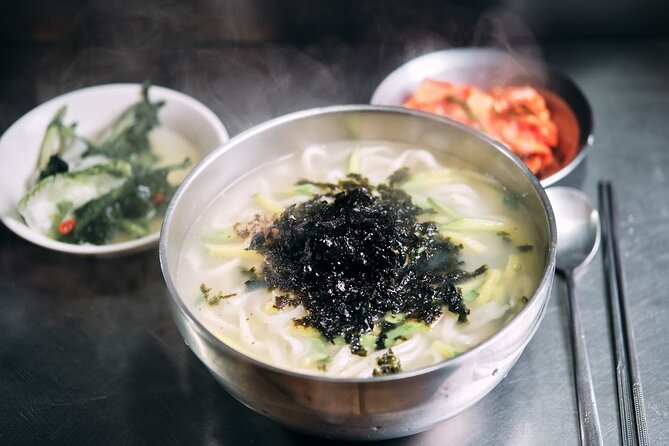
This tour is built for people who want real Seoul flavors and real Seoul landmarks, at a walking pace that still feels relaxed. It’s private, so you get undivided attention, and the guide can steer the route based on what you like.
You start at 214 Jong-ro, Jongno District at 10:00am, then finish in Insadong near a hidden teahouse. If you’ve ever tried ordering in Korea with a translation app and a prayer, the value of a good guide (here, names you may see include YL/Youla) is obvious fast.
Quick hits before you go
- Private, 3-hour format with 8+ tastings packed into downtown walking
- Language help so you can actually ask what you’re eating and why it works
- Market + palace contrast: old gates, hanok streets, and classic street-food textures
- Customizable route based on your tastes, not a rigid cookie-cutter plan
- Ends in Insadong near Anguk Station, a handy place to keep wandering afterward
You can also read our reviews of more food & drink experiences in Seoul
Why this Seoul food-and-sights format feels worth it
Seoul can be overwhelming. Signs, menus, neighborhoods, and subway lines all blur together fast—especially if you’re only here for a few days. This tour solves that by combining two things you need anyway: a good introduction to the city’s most recognizable areas and a guided food route that reduces decision fatigue.
The big win is pacing. It’s about 3 hours (a little over), which is long enough to feel like you did something meaningful, but not so long that you lose your appetite. And because it’s private, you’re not stuck with a loud group or someone else’s pace pulling you away from what you care about.
I also like how the “sights” aren’t random. You’re in central zones tied to Seoul’s identity—royal-era landmarks, traditional areas, and a major historic market. That context makes food taste better, because you’re not eating in a vacuum.
Private guide help that actually changes what you eat
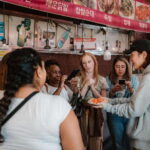
Food tours are always a bit of a gamble: you might get lucky with a guide, or you might get someone reading off a script. Here, the guide is the whole point. You’re there to overcome the language barrier, and that means you can understand what’s in front of you, not just eat it and move on.
In the feedback, the guide performance stands out—well spoken and heavy on helpful first-timer tips, plus extra restaurant recommendations for after the tour. That matters because the real question isn’t just what you ate today. The real question is what you’ll eat tomorrow, and what you’ll order when you’re standing in front of a menu.
Also, the tour can be adjusted to your tastes. If you know you want more savory than sweet, or you’re curious about dumplings versus rice cakes, you can steer the balance. You’re not stuck in a one-size-fits-all route.
Price and logistics: what $335 buys you in real life
At $335 per person, this isn’t a budget food stroll. But you’re paying for three things that are hard to replicate on your own:
- A private guide who helps you order, understand, and choose.
- Multiple tastings so you don’t have to stop for full meals all day.
- Time efficiency: you’re combining landmarks and food without wasting half your day figuring out where to go next.
If you were to plan this yourself, you’d still need translation help, you’d still have to decide between places, and you’d still risk ending up in areas that look touristy but don’t deliver. In other words, the cost buys you momentum.
You also start in a clear downtown point and finish where you can keep exploring. No hotel pickup/drop-off is listed, so you’ll want to reach 214 Jong-ro on your own. The upside is that it keeps the tour moving and keeps the schedule clean.
Timing, walking, and the Insadong finish near Anguk Station
The tour runs just over 3 hours with a 10:00am start. You’ll be on your feet, and the operator specifically suggests comfortable walking shoes. That’s practical advice, because royal palaces and market-adjacent streets involve uneven surfaces, stairs, and plenty of short stops for food.
You end in Insadong at a hidden teahouse. It’s about 100 meters away from Anguk Station (Line 3), which is useful if you plan to head somewhere else right after. Insadong is a good place to extend the evening, but you’re not locked into more tourist food—at this point you’ll have tastes and recommendations in your head.
A few more Seoul tours and experiences worth a look
What you’ll eat: 8+ tastings that cover Korea’s range
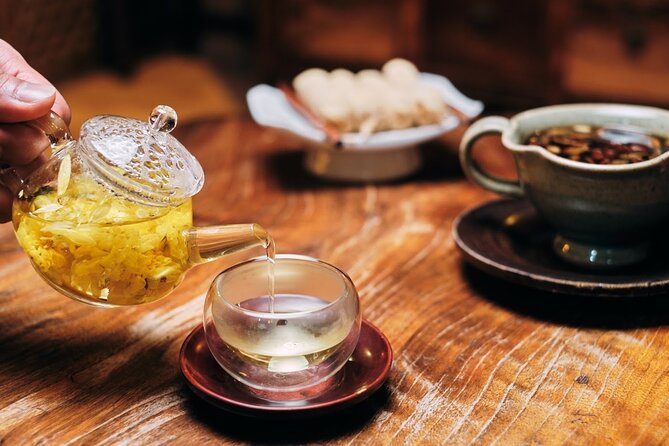
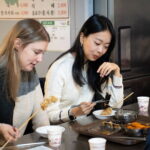
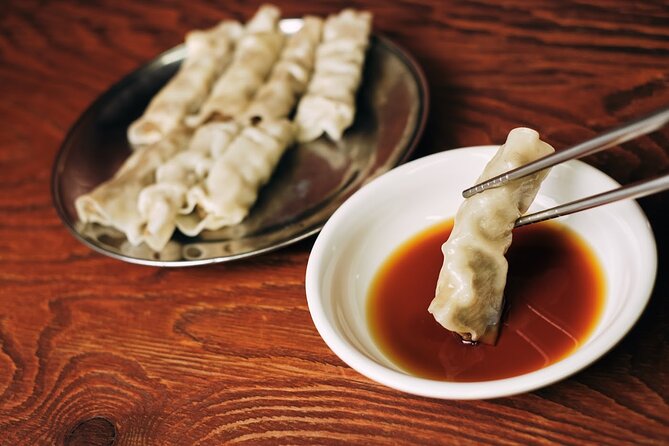
This tour’s menu is built to sample several styles of Korean comfort food, not just one category. You’ll get a mix of savory, street-food classics, and a couple of sweet or tea-paired bites. Here’s what’s listed as included:
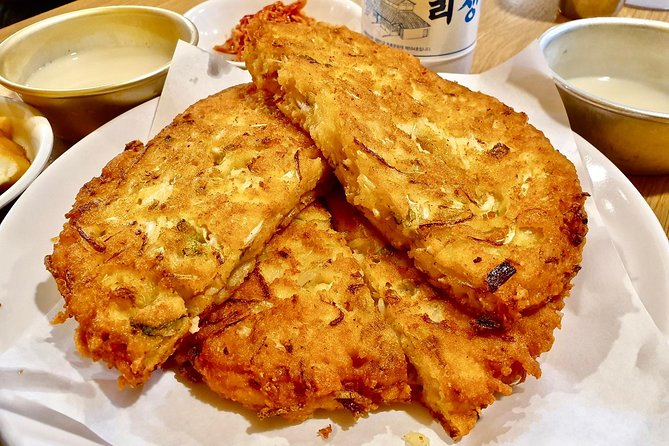
- Nukdujan mung bean pancake paired with sweet onions
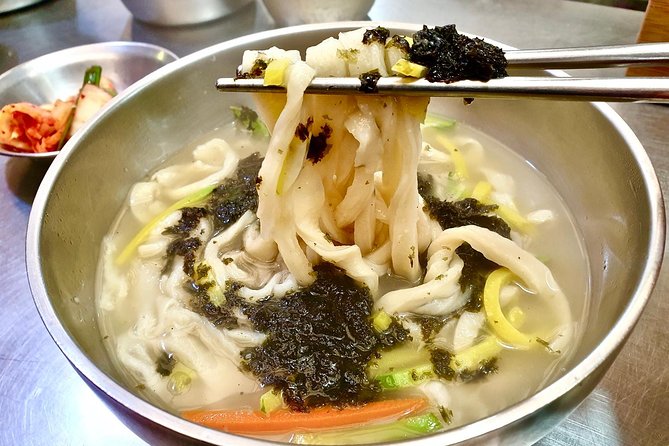
- Mandu (Korean dumplings) and tteokbokki (slightly spicy)
- Minced fish fillets with a bit of fish soup
- Freshly prepared kimbap plus sweet & salty cream bread
- A Korean honey snack: grilled rice cake with traditional tea
- Our delicious secret dish (the surprise element)
A smart way to think about this menu: it teaches your palate. You’ll taste chewy rice textures (rice cake), fermented-and-savory notes (tteokbokki often brings both), dumpling comfort, and clean, sea-forward flavors from the fish course. Kimbap is also a great “snapshot” food because it’s portable, familiar, and often shows up across Korean daily life.
Because you’re trying many items in a tight window, you’ll figure out quickly what you personally like: more spice, more savory broth, more crunchy vs. soft textures. That becomes useful when you later choose your own meal.
Stop-by-stop: Seoul Tower viewpoints to royal gates and traditional neighborhoods
Seoul Tower area: views and orientation first
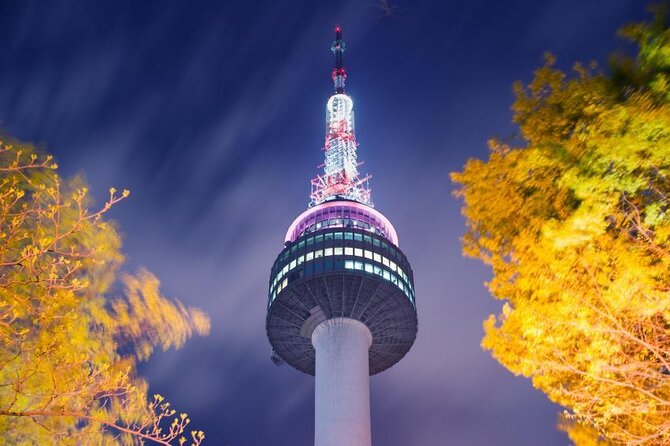
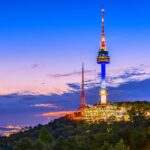
You’ll start with N Seoul Tower, also known as YTN Seoul Tower, on Namsan Mountain. Even if you’re not there for a full panorama stop, the tower area does two useful things early on.
First, it helps you get your bearings in Seoul’s geography. Second, it sets a “big city” mood before you shift into palace grounds and traditional neighborhoods. The drawback is simple: tower areas can involve walking and viewpoint lines. Your best move is to keep water handy and listen to your guide about where to pause for photos.
Food-wise, think of this as your warm-up phase: you’re getting oriented so the tastings and later neighborhood transitions feel logical, not random.
Gyeongbokgung Palace area: Joseon-era scale you can feel
Next you head to the main royal palace of the Joseon dynasty, built in 1395, located in northern Seoul. If you’ve only seen palaces from postcards, this is where the scale clicks.
Royal palace grounds are designed for movement—courtyards, gates, and long sightlines. That means you’ll likely do more walking than you expect, and it can be windy or sunny depending on the weather. The good part is that you’re not just photographing. You’re also learning how Seoul’s royal spaces shaped the city’s layout and identity.
One practical note: palaces can be crowded on peak days. A private guide helps because you can adjust pacing based on availability and conditions.
Namdaemun market next to the Great South Gate: snack logic at street level
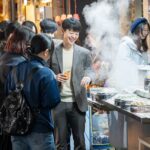
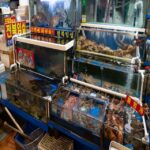
Then comes Namdaemun Market, a large traditional market next to Namdaemun, the Great South Gate. This is the kind of place where you learn what “market food” means in Seoul: quick bites, local staples, and flavors that work even at street speed.
This stop is one of the most valuable parts of the day because market food isn’t about Michelin-style polish. It’s about texture, heat control, freshness, and repeat orders. If you’re the type who needs a reason to trust street food, this is where your guide makes the case with clear, bite-sized samples.
Bukchon-style traditional village: photo-worthy hanok streets, minus the guesswork
After the market, you visit a traditional Korean village on a hill with history, located between Gyeongbok Palace, Changdeok Palace, and Jongmyo Royal Shrine. This is the zone where hanok architecture becomes the star: tight alleyways, rooftops, and that “old Seoul” feeling that’s hard to replicate anywhere else.
Here’s the practical drawback: hills and stairs. It’s not a long hike, but the terrain can slow you down. Wear shoes with grip and don’t plan to do heavy shopping right after if you’re tired.
Food-wise, the traditional village stop makes sense because it bridges the earlier palace setting with everyday life. You’re moving from royal structures into neighborhood-scale culture.
The main gate of Gyeongbokgung: a perfect photo anchor
You’ll also get the main and largest gate of Gyeongbokgung Palace, located in Jongno-gu. Gates like this aren’t just pretty. They’re landmarks that organize the whole area in your mind. After this, it’s easier to navigate on your own later because you can mentally map where you were.
When the crowd levels rise, your guide can help you time your photo moments and avoid pointless detours. That’s part of the “private” value you feel most.
Another Five Grand Palaces site in a park: a slower, scenic finish
One more stop focuses on a palace set within a large park in Jongno-gu, described as one of the Five Grand Palaces built by Joseon kings. This is a nice contrast after markets and hanok streets. Parks add breathing room, and the setting can help you transition from the “food rush” into the last hour.
The drawback: park time can feel like a pause if you were hoping for more street-food density. But paired with the overall pacing, it works as a cool-down before your final teahouse finish.
The secret dish and the tea moment that wraps the day
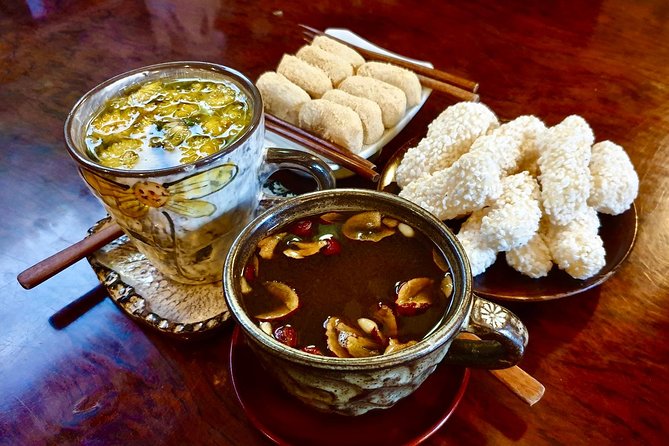
The tour includes a Korean honey snack of grilled rice cake paired with traditional tea, and it also has a secret dish. This is the part that keeps the experience from feeling like a checklist.
Tea pairing is especially helpful because Korean flavors often need context: sweetness can soften spice, and warmth can make chewy textures feel more comfortable. If you tend to skip tea on your trips, I’d still try it here—this is one of those cases where you’re sampling, not committing.
The finish at a teahouse in Insadong is also smart. By the time you land there, you’ll be ready to slow down, reflect, and plan the next meal with better instincts.
How to get the most out of a private food tour in Seoul
If you want this tour to pay off, do three small things:
- Ask questions mid-bite. With a private guide, you can. Things like spice level, key ingredients, and what to order next are easy to clarify.
- Go hungry but not starving. You’ll be eating multiple items across 3 hours.
- Be ready for menu adjustments. The tour notes itinerary and menu can change based on availability and weather. That’s normal in any city. The guide’s job is to keep the balance.
Also, keep your expectations grounded. This is tastings, not full meals at every stop. If you want a restaurant-style dinner included, you’ll need a different kind of tour. If you want a smart overview of Korean flavors with context, this hits the mark.
Should you book this private downtown Seoul food and market tour?
Book it if you:
- Want a guided mix of landmarks and food without translating and map-spinning all morning
- Like the idea of 8+ tastings covering multiple Korean styles
- Value a guide who gives practical advice and can tailor the day a bit to your tastes
Skip it (or ask hard questions before booking) if you:
- Have strict dietary needs, since many restrictions may not be accommodated
- Prefer fully self-guided travel and don’t want to follow a set route
- Need hotel pickup, since pickup/drop-off isn’t included
FAQ
FAQ
What is the duration of the Seoul private food and market tour?
The tour runs for about 3 hours, and the operator notes it runs a little over 3 hours.
What time does the tour start?
The start time is 10:00am.
Where do you meet and where does the tour end?
You start at 214 Jong-ro, Jongno District, Seoul. The tour ends in Insadong at a hidden teahouse, about 100 meters from Anguk Station (Subway Line 3, orange line).
How many food tastings are included?
The tour includes 8+ tastings.
What foods are included in the tour?
Included items listed are nukdujan mung bean pancake with sweet onions; mandu and slightly spicy tteokbokki; minced fish fillets with a bit of fish soup; freshly prepared kimbap and sweet & salty cream bread; a Korean honey snack of grilled rice cake with traditional tea; and a secret dish.
Does the tour offer help with language or ordering?
Yes. The tour is designed to help you overcome the language barrier with the support of your guide.
Is this a private tour?
Yes. It’s private, and only your group will participate.
Are hotel pickup and drop-off included?
No. Hotel pickup and drop-off are not included.
What if I have dietary requirements?
You should contact the operator in advance for dietary requirements. The tour notes that many tours are unable to accommodate certain dietary restrictions, so it’s important to check before booking.
What is the cancellation policy?
Free cancellation is available. You can cancel up to 24 hours in advance for a full refund, but refunds are not available if you cancel less than 24 hours before the experience’s start time.