REVIEW · HOI AN
Hoi An: Bike Tour to Countryside and Food Tour
Book on GetYourGuide →Operated by HOI AN FOOD TOUR · Bookable on GetYourGuide
Pedals, pagodas, and plates in Hoi An. This Hoi An bike tour + food crawl mixes a short cycling route with street-food tastings in real neighborhoods, plus countryside scenery. Two things I really like: the ride is only about 5 km, and you get 9 generous samples that can cover lunch or dinner.
The best part is how much food context you get while you’re moving—your guide ties dishes to everyday life, family kitchens, and local food history. One consideration: the portions can be big enough that you should come with a light meal, not a full stomach.
In This Review
- Key reasons this Hoi An tour works
- How Hoi An feels best when you pedal
- Cycling logistics: 5 km of riding and a small-group vibe
- Tra Que Vegetable Village and the taste of the countryside
- Chuc Thanh Pagoda (from 1454) before your next bite
- The food plan: 5 tastings, 9 dishes, and how it adds up
- Vietnamese coffee and the art of pacing
- Optional balut, dietary needs, and what you should check
- Guide energy: learning culture from people who actually live here
- What to wear on a rainy-leaning bike day
- Price and value: why $35 feels fair here
- Who should book this Hoi An bike and bite tour?
- Should you book? My honest take
- FAQ
- How long is the Hoi An bike and food tour?
- How much does the tour cost?
- What’s included in the price?
- Is pickup and drop-off included?
- Do I need to eat before the tour?
- What happens if it rains?
- How many tastings and dishes are included?
- Is balut included for everyone?
Key reasons this Hoi An tour works
- 5 km, not a suffer-fest: enough cycling to feel like an outing, with plenty of stops for food and photos
- 9 samples across 5 tastings: you’ll try more than a typical snack tour, and most people skip dinner
- Countryside + old Hoi An in one run: rice paddy areas, Tra Que Vegetable Village, and Chuc Thanh Pagoda
- Local guidance that connects the dots: expect culture and food background tied directly to what you eat
- Generous pacing with breaks: you’re eating through the afternoon, not sprinting between booths
- English-speaking small group: up to 12 people, so it stays friendly and manageable
How Hoi An feels best when you pedal
Hoi An is made for walking, sure. But on a bike, the town turns into something else. You get quick access to places that feel lived-in, not staged. And because your route includes countryside stops, you get that classic Hoi An contrast: old-world lanes and working fields.
This tour is built for food-first sightseeing. You’re not just collecting photos. You’re learning why certain dishes show up where they do, who makes them, and what ingredients matter. That’s a big deal in Vietnam, where many favorites are tied to region, family practice, and local ingredients.
One more practical point: the tour runs rain or shine. If you’re the type who gets grumpy in drizzle, plan for it. A light rain layer and steady shoes make this a whole lot more enjoyable.
You can also read our reviews of more food & drink experiences in Hoi An

Cycling logistics: 5 km of riding and a small-group vibe
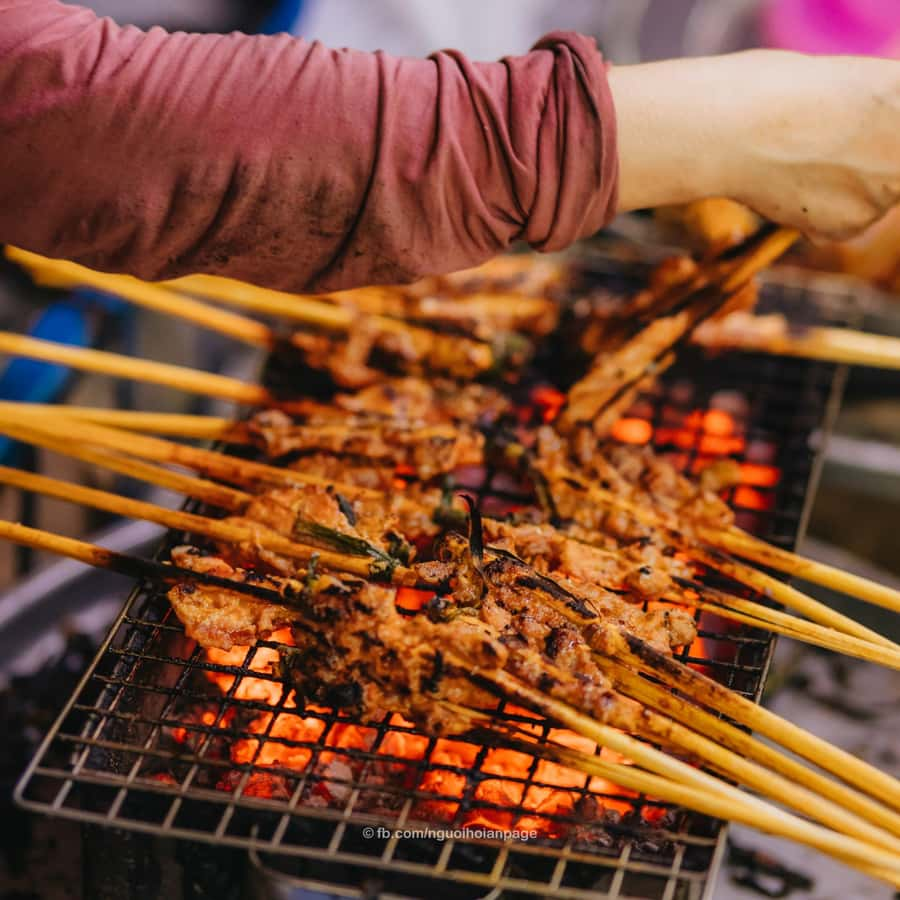
The ride itself is about 5 km total, so you don’t need to train for it. You’ll cycle at a casual touring pace with frequent stops. The goal is comfort and access, not speed.
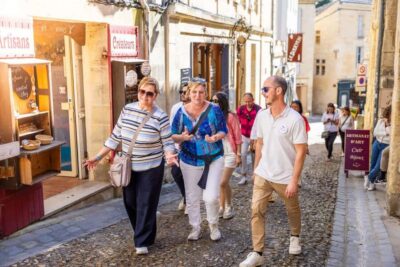
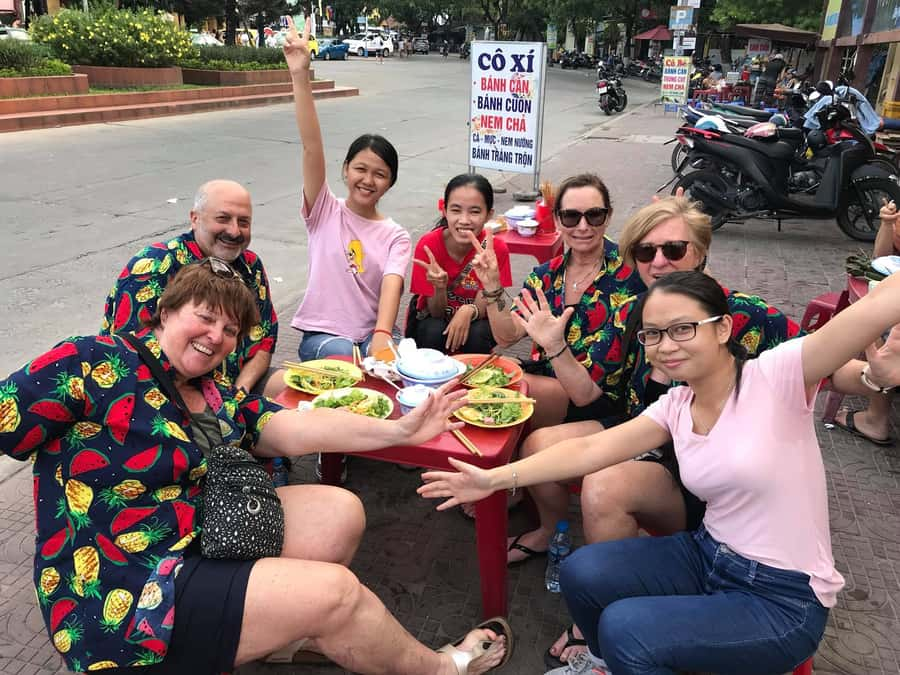
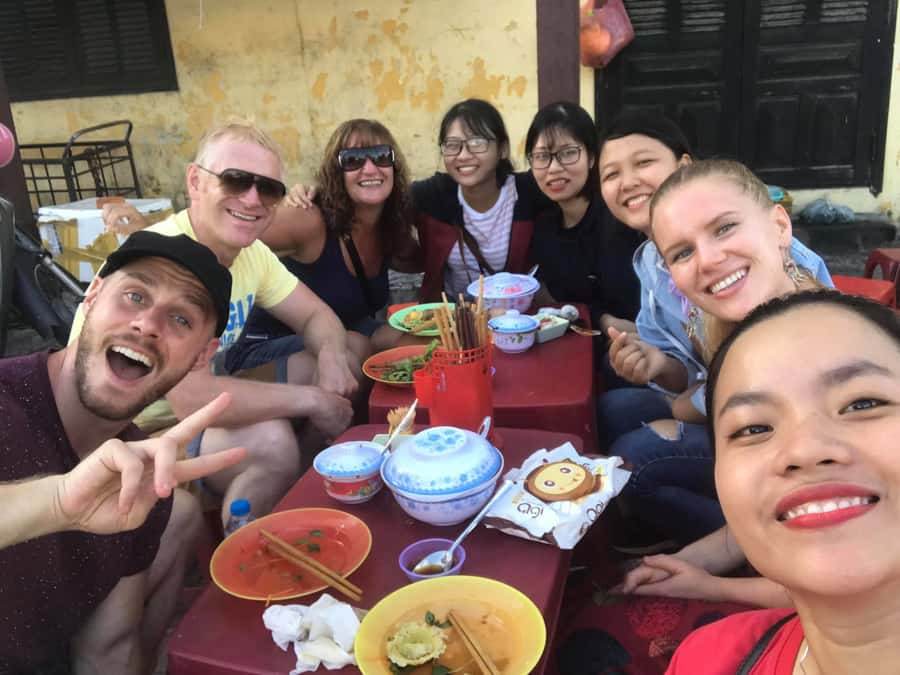
Group size is capped at up to 12, which matters. In a big group, food tours become traffic-jams and rushed orders. In a small group, you can actually hear your guide explain what you’re eating and why it’s special. You also have an easier time navigating the streets when your guide is managing the route.
You’ll also want to plan around bike comfort. They ask for your height so they can set you up with a bike that fits. That’s not just a courtesy—on a tour like this, you’ll feel it if the bike is wrong.
Tra Que Vegetable Village and the taste of the countryside
One of the best parts of this afternoon is getting out of the center and into working-agriculture Vietnam. You’ll visit Tra Que Vegetable Village and spend time around rice paddy fields and vegetable-growing areas.
Why this matters: in Hoi An, lots of dishes aren’t just recipes. They’re built on what grows well nearby. When you see the environment that supports local produce, the food makes more sense on your plate. Even if you’re not a “farm person,” it clicks fast.
Tra Que is known for vegetables, and that connection shows up in how dishes are built—herbs, crunch, and fresh ingredients. Expect the tour to use the scenery as a teaching moment, not just a sightseeing checkbox. In at least one instance, guides add a short plant lesson that turns the garden stop into something hands-on and fun.
Chuc Thanh Pagoda (from 1454) before your next bite
You’ll also visit Chuc Thanh Pagoda, described as the oldest pagoda in Hoi An, founded in 1454. It’s the kind of place that gives you pause—part temple, part history lesson you can feel in the architecture and the atmosphere.
This stop works well in the middle of a food tour because it resets your brain. After bikes and bites, you get a cultural moment that grounds everything. You’re not treating food like entertainment only. You’re seeing how communities built spaces for worship and daily life—and how that same culture shapes eating habits.
If you’re short on patience for sightseeing, this is still worth it. It’s not a long detour. And because it’s part of the food loop, it doesn’t feel like you’re being dragged away from the fun.
The food plan: 5 tastings, 9 dishes, and how it adds up
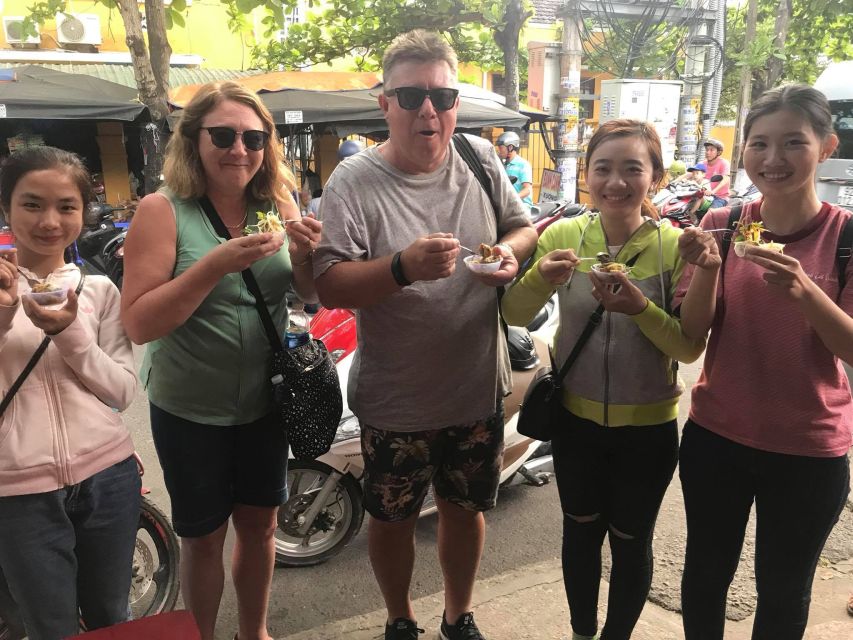
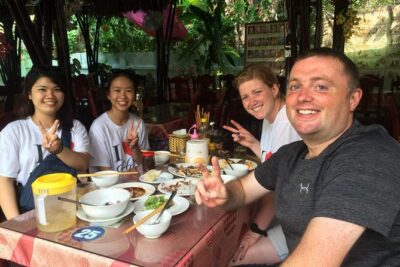
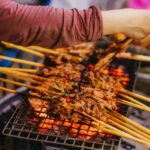
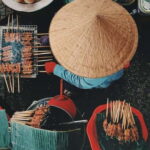
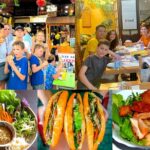
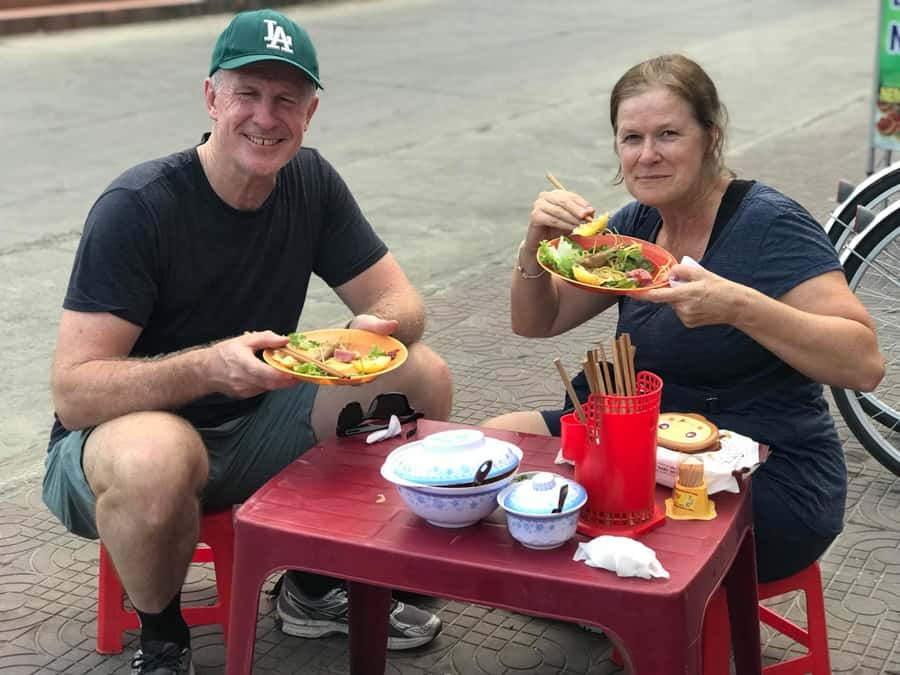
This is a street-food focused tour, and the schedule is built around that. You’ll hit 5 tasting locations with a total of 9 delicious samples. The experience is designed so most people won’t need dinner after.
Also: you should eat a light lunch before you go. That advice isn’t about being polite. It’s about comfort. The tour serves enough food to make you satisfied, not stuffed beyond reason.
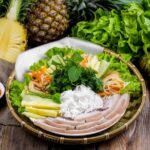
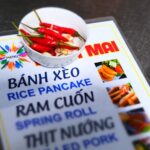
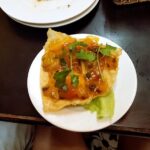
Here’s what you can expect to see on the menu:
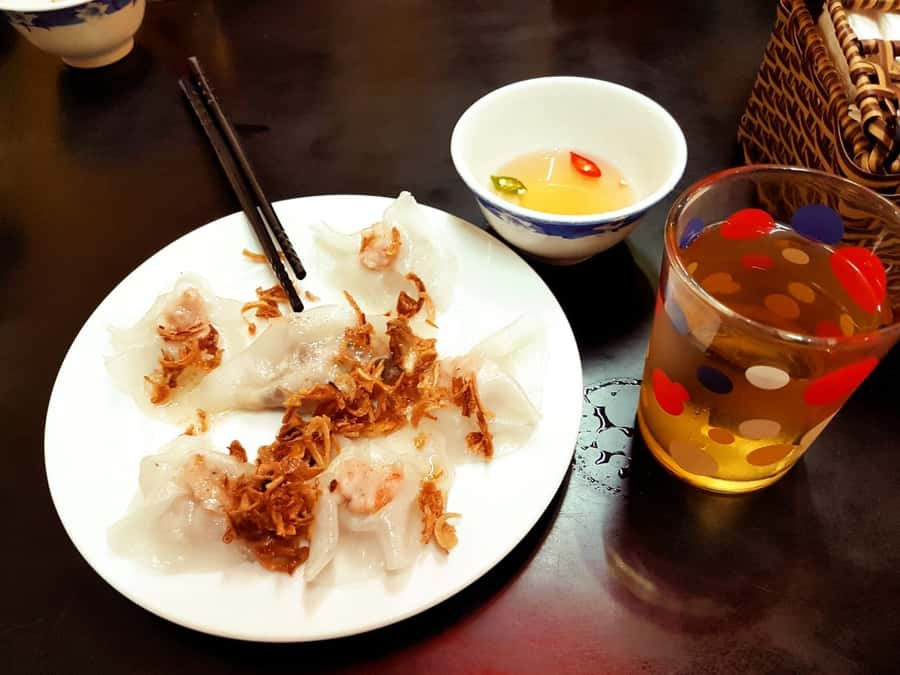
- White rose dumplings
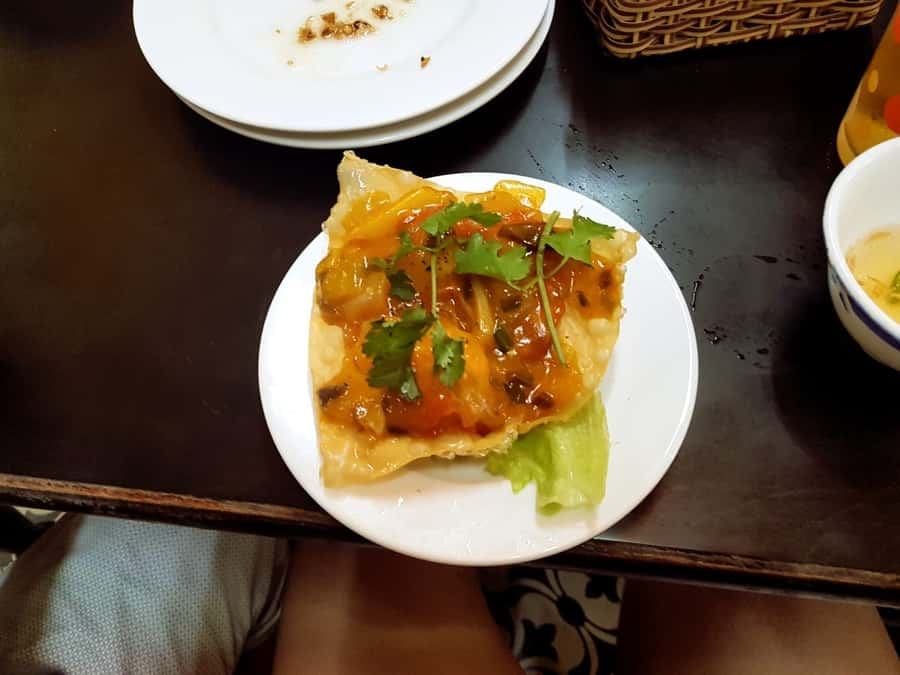
- Fried wonton
- Bun bo
- Local beef noodles soup
- Vietnamese coffee
- Bánh mì (Vietnamese sandwich)
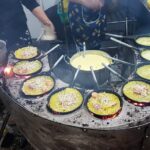
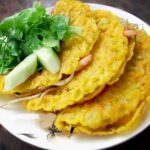
- Bánh khọt / savoury coconut pancake
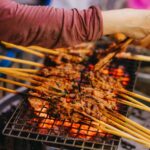
- Slice pork wrapped with rice paper
- Dessert
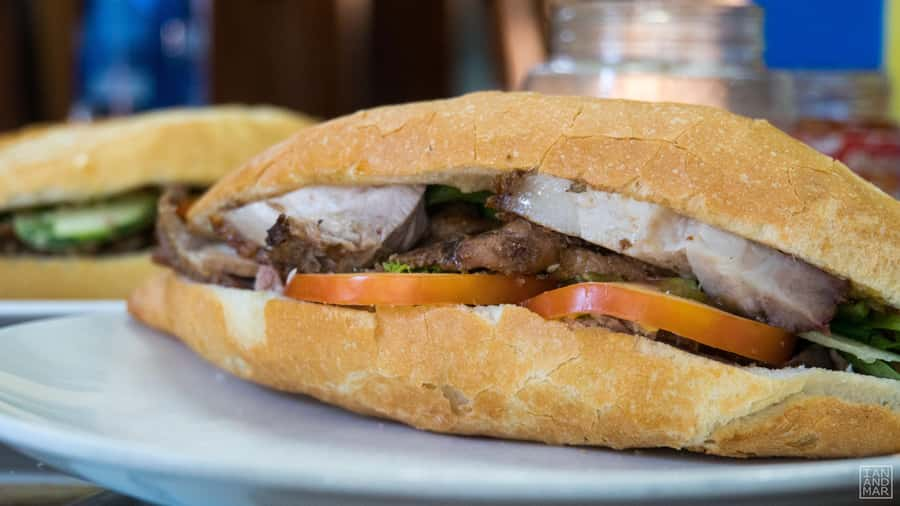
A few of these are straightforward, like bánh mì. Others are the kinds of dishes that only make full sense once you eat them. The pancakes, for example, show up in many forms across Vietnam, but the Hoi An style tends to feel specific to the region’s flavor balance—savory, aromatic, and often paired with the right dipping elements.
A few more Hoi An tours and experiences worth a look

Vietnamese coffee and the art of pacing
Coffee gets served on this tour, and that’s a smart move. Cycling builds appetite, and coffee fits naturally into mid-afternoon energy. Vietnamese coffee isn’t just caffeine here—it’s a ritual.
The pacing also helps your digestion. You’re not eating everything in one go. You’re cycling, arriving, tasting, learning, and moving again. That rhythm keeps the food tour from turning into a chaotic buffet line.
And yes, alcohol is part of the mix: 1 beer is included. If you prefer to keep it non-alcoholic, you can always enjoy the rest of the tastings at your pace—but the tour does include one beer by default.
Optional balut, dietary needs, and what you should check
The tour menu lists balut (optional). That’s a clear heads-up item. If you don’t want it, you can decide ahead of time. This is one of those topics where it helps to communicate before the tour so you’re not surprised at a stop.
Dietary requirements are something you should flag at booking. The tour asks you to advise needs in advance, including vegetarian questions like whether you can eat fish sauce or egg. That level of detail matters because Vietnamese cooking often hides these ingredients in sauces and broths.
If you’re vegetarian and strict, don’t just say vegetarian. Tell them what you can and cannot eat. That avoids awkward substitutions and keeps you confident you’ll enjoy every stop.
Guide energy: learning culture from people who actually live here
The guide is a major reason this tour earns a strong reputation. The experience leans on the idea that local food isn’t generic. It has names, histories, and family connections.
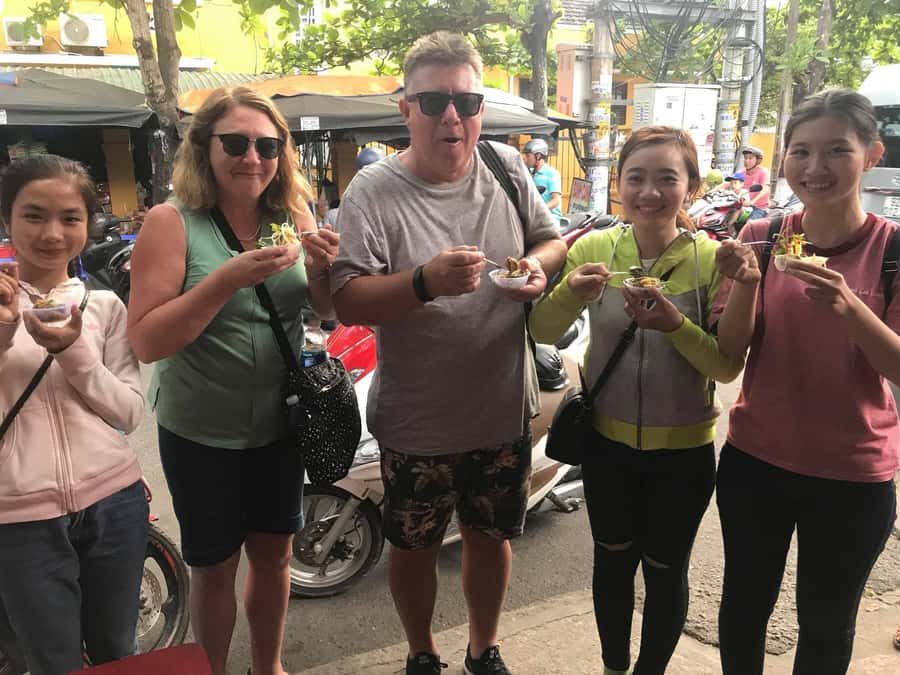
In recent departures, guides such as Kim, Andy, and Quinn have been highlighted for being friendly, attentive, and genuinely proud of Hoi An. The common thread is how they explain dishes at each stop—often with mini stories about the people making the food and the role the dish plays in local life.
This isn’t just trivia. When your guide tells you how a dish is made or where it fits in daily eating, you start noticing flavors and textures you might miss on your own. And you’ll walk away with a mental map of Hoi An’s food culture, not just a full belly.
What to wear on a rainy-leaning bike day
Since the tour runs rain or shine, you’ll want practical clothing. You can wear just about anything for cycling, but there’s one style note: women should not wear short dresses or skirts.
Other useful things to think about:
- Wear shoes you can walk in between tastings
- Bring a light rain layer if the sky looks uncertain
- Keep your bag secured so you’re not juggling stuff while riding
If you’re the type who gets cold, plan for it. Cycling with humid air can still feel chilly when drizzle starts.
Price and value: why $35 feels fair here
At $35 per person for about 4 hours, the value comes from what’s included and how the time is used.
You get:
- A bicycle
- An English-speaking guide
- Food tastings/dinner (the tour says enough for lunch or dinner for most people)
- Soft drink
- 1 beer
What’s not included is pickup and drop-off service. So you’ll need to be ready to meet the group where the tour starts.
If you’re comparing to other Hoi An food experiences, this one justifies its cost by bundling transport (bike), guide time, and a real run of multiple tastings. For $35, you’re not paying to sit and snack. You’re paying to move through the area and eat an actual meal’s worth of dishes.
Who should book this Hoi An bike and bite tour?
This is a great fit if you:
- Like food tours where you actually eat a lot, not just sample
- Want a mix of old Hoi An culture and countryside scenery
- Enjoy learning why dishes exist, not just what they are
- Prefer a small group (up to 12) where the guide can talk to you
It’s also useful for couples, because the pacing stays relaxed and shared—everyone’s focused on the same stops. Families with teenagers can also work well if the group is comfortable riding and eating multiple tastings, though check with the operator for child comfort if that matters to you.
If you hate bikes or you’re dealing with mobility limitations, you might not enjoy the cycling component. But if your goal is to see Hoi An in a way that tastes like it belongs to Vietnam, this tour is built for that.
Should you book? My honest take
If you’re spending limited time in Hoi An and you want both culture and food in one afternoon, I’d book it. The route hits real neighborhoods, countryside vegetable areas like Tra Que, and a history-heavy stop at Chuc Thanh Pagoda (1454). Then you reward it all with nine tastings across five locations, including dumplings, noodles, bánh mì, pancakes, and dessert.
Skip it only if you know you’ll struggle with big portions, you don’t want any optional items like balut, or you get thrown off by eating multiple dishes back-to-back. If that sounds manageable, this is one of the best ways to turn a sightseeing afternoon into a full-on Hoi An food day.
FAQ
How long is the Hoi An bike and food tour?
It lasts about 4 hours.
How much does the tour cost?
The price is $35 per person.
What’s included in the price?
You get a bicycle, an English-speaking guide, food tastings/dinner, a soft drink, and 1 beer.
Is pickup and drop-off included?
No. Pickup and drop-off service is not included.
Do I need to eat before the tour?
Yes. You should have a light lunch before the tour so there’s room for the tastings.
What happens if it rains?
The tour runs rain or shine.
How many tastings and dishes are included?
You visit 5 tasting locations and try 9 samples.
Is balut included for everyone?
Balut is listed as optional, so you can decide based on your comfort.