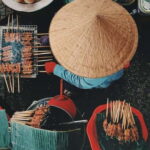
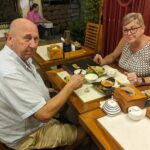
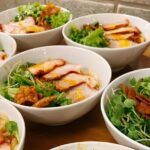
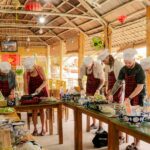
White rose dumplings and old-town lore go together. This private Hoi An tour pairs white rose dumplings with Bai Choi bingo, then threads those flavors through ancient streets and landmark stops. I like that it stays relaxed and personal, not a cattle-herd schedule, so you can ask questions while you eat.
Two things I really enjoy about how this runs: you get multiple classic dishes across Hoi An (not just one quick tasting), and you also see the places that explain why the food and cultures mix here. That mix matters in Hoi An, where Chinese assembly halls, Japanese-era architecture, and Vietnamese street food all sit within walking distance.
One consideration: you will walk and spend time around outdoor market streets, so if it’s hot or you’re not steady on your feet, plan for slower pacing and comfortable shoes.
In This Review
- Key points that make this Hoi An tour worth your time
- Why a private food tour works best in Hoi An
- Getting started: White rose dumplings, then off the main drag
- Fukian Assembly Hall (Phuc Kien): wishes, incense, and 1600s grit
- Quan Thang Ancient House: where the food story gets a home
- Mot tea break: herbal refresh before market walking
- Hoi An Market time: bargain, browse, and watch real trade
- Cao Lau lunch-stop energy: the noodles that signal Hoi An
- Japanese Covered Bridge + ancient-house landmarks: stop for the story
- Banh xeo pancake stop: your hands-on Hoi An moment
- Bai Choi bingo at 7 pm: fun with locals, not just a show
- Price, duration, and logistics: what you’re really paying for
- Who this tour suits best (and who should rethink it)
- Final call: should you book this Hoi An food tour?
- FAQ
- FAQ
- What foods are included on the Hoi An private food tour?
- How long is the tour in Hoi An?
- Is this tour private or shared?
- Does the tour include pickup?
- Are entrance fees and activities included?
- What is Bai Choi and when does it happen?
- Do I need to bring cash for the market stop?
- What if the weather is bad?
Key points that make this Hoi An tour worth your time
- White rose dumpling stop where you see how they’re made before you eat
- Fukian Assembly Hall (Phuc Kien) from 1696, including an incense-wishing moment
- Quan Thang Ancient House for the dumpling story tied to Chinese merchant life
- Hoi An Market time to browse and bargain, with a guided sense of what to try
- Cao Lau + banh xeo so you eat more than the usual postcard snacks
- Bai Choi bingo (7 pm) with a ticket and a local-style game that’s more about fun than prizes
Why a private food tour works best in Hoi An
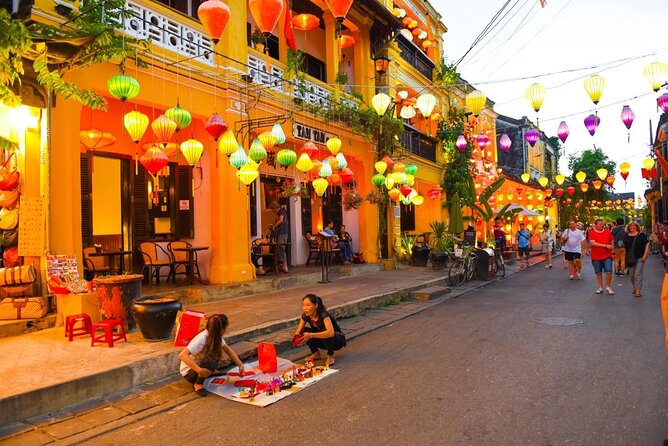
Hoi An is a place where food and architecture share the same streets. A private format helps because your guide can pace you based on appetite, weather, and questions. When it’s just you and your group, you’re less rushed at busy stalls, and you can spend a little extra time at the spots that click.
This tour is priced at $54 per person for about 3 to 5 hours, with private transportation included and entrance fees handled. That price can feel “fair” rather than “cheap,” and here’s why: you’re not just paying for a list of dishes. You’re also paying for access—time with a guide who knows what to order, where to go, and how to connect the food to the neighborhood history you’re walking through.
Also, the schedule is built around short stops, so you’re constantly moving between eating moments and cultural landmarks. That helps you avoid the common problem of food tours that turn into one long wait for the next meal.
You can also read our reviews of more food & drink experiences in Hoi An
Getting started: White rose dumplings, then off the main drag
The tour kicks off at a White rose restaurant for an up-close look at dumpling-making and then a tasting. White rose dumplings are one of those Hoi An foods that you can’t fully appreciate from a menu photo. Seeing the process first makes your bite make sense—texture, shape, and how the filling sits inside that delicate wrapper.
This first stop sets the tone. It’s not only about tasting; it’s about understanding why this dish is a Hoi An signature. You’re also getting momentum early, which I love. If you arrive hungry and ready to snack, the dumpling start makes the rest of the walk feel effortless.
Practical note: this is a stop with free admission listed, but it’s still included in the tour experience overall through the package structure. Just expect a focused food lesson, then you move on.
Fukian Assembly Hall (Phuc Kien): wishes, incense, and 1600s grit
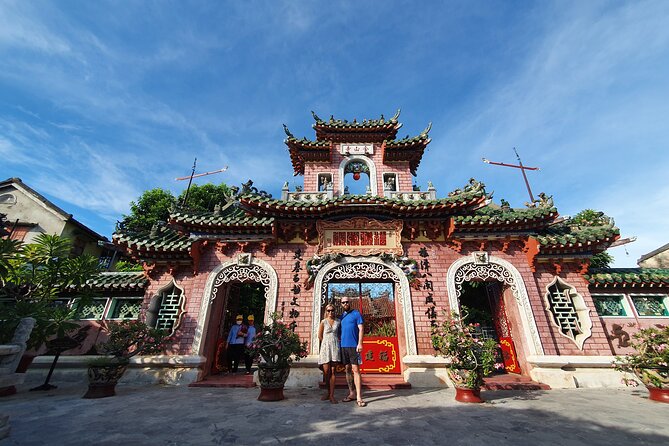
Next comes the Fukian Assembly Hall (Phuc Kien), built in 1696 and one of the oldest Chinese gathering places in Hoi An. Assembly halls are a big deal here because they were social hubs—places for community support, ceremonies, and cultural continuity.
What you’ll do during this stop is simple and memorable: you may get the chance to burn a circle incense stick and make a wish. It’s not about turning it into a ritual show. It’s more like learning how people used faith, tradition, and community space in day-to-day life.
This part of the tour is short, but it gives you context. When you later eat foods tied to Chinese merchant stories, the setting won’t feel random.
Quan Thang Ancient House: where the food story gets a home
After the assembly hall, you’ll visit Quan Thang Ancient House, described as the oldest ancient house built by a Chinese trader. The point here isn’t to read a wall of facts. It’s to see how people lived, then connect that setting to the story of white rose dumplings.
This is the kind of stop that makes a food tour feel more complete. Without it, dumplings are just dumplings. With it, the meal becomes a clue to how communities shaped Hoi An’s food identity.
The stop is timed around about 30 minutes, so don’t expect a museum-level experience. Expect a guided walk-through and a “why this matters” explanation that helps your brain remember what you tasted.
Mot tea break: herbal refresh before market walking
When you’ve done a couple landmark stops, the tour shifts gears to something you can feel in your body: tea. You’ll stop at a traditional local tea place called Mot and try a special local herbal tea that’s meant to make you feel fresh and cool.
Tea breaks like this are underrated on food tours. They reset your palate, especially after dumplings and the kind of rich flavors you get later in the evening. It also makes the pace smoother, so the walk doesn’t feel like nonstop eating.
If you’re the type who orders tea with every meal, you’ll appreciate this stop. If you’re not a tea person, this is still a good moment to try something local in a low-risk way.
A few more Hoi An tours and experiences worth a look

Hoi An Market time: bargain, browse, and watch real trade
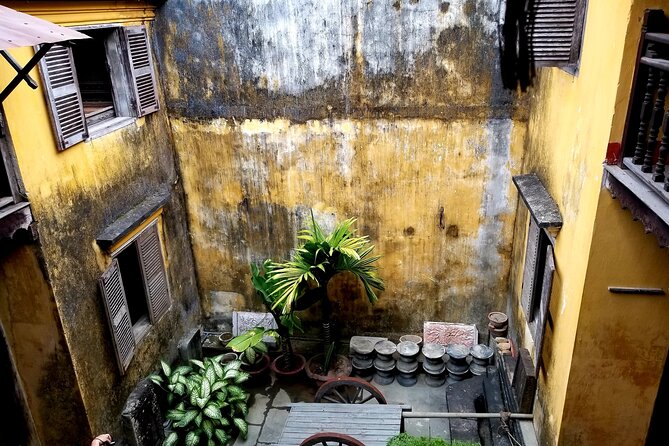
Then you hit Hoi An Market, where the tour leans into everyday life. You’ll have time to bargain with local people and buy something, or simply walk through and watch how shopping works.
This is valuable because market scenes show you how locals eat beyond the tourist highlight list. You learn what’s sold, how vendors talk, and what people grab for quick meals. You’re not just eating—you’re getting the rhythm of the place.
Tip: bargain gently and keep it friendly. You’re on a guided schedule, so decide quickly what you want, then move on. Your guide can steer you toward stalls that make sense for what you’ll eat next.
One logistical thing: there are two market-adjacent stops in the tour flow, so you’ll get both browsing time and a meal connection tied to local favorites.
Cao Lau lunch-stop energy: the noodles that signal Hoi An
Hoi An has a short list of foods that people treat like a must. In this tour, you’ll get an intentional stop to try Cao Lau, described as a traditional noodle dish only found in Hoi An.
The key value here is that you’re not just tasting another bowl. Your guide frames it as part of Hoi An’s top three: banh mi, white rose, and Cao lau. That makes the meal feel like a checklist with meaning, not a random sampling mission.
Cao Lau is a great choice for a tour because it’s something you can’t easily replicate later at home. You’ll taste it, then your guide will point out what makes it local—so you leave with a memory you can actually describe.
If you’re a “food-first” traveler, this is one of the moments you’ll remember most.
Japanese Covered Bridge + ancient-house landmarks: stop for the story
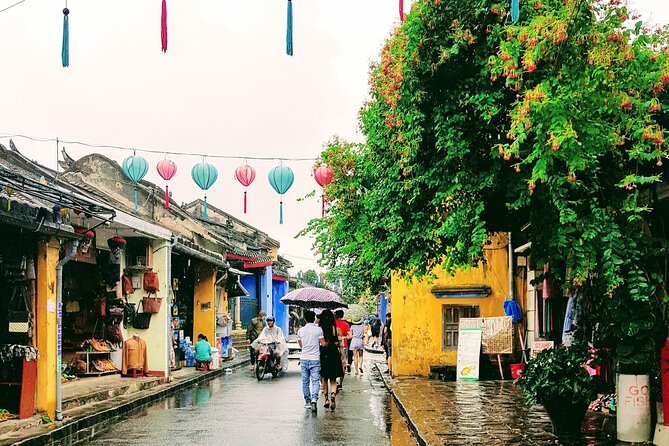
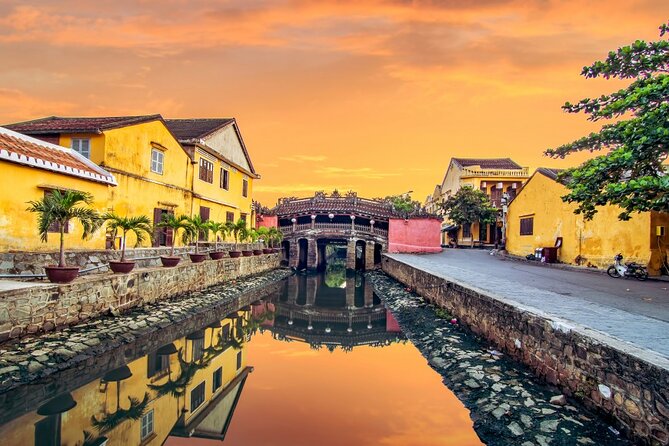
Next is the Japanese Covered Bridge, one of Hoi An’s iconic sights. This stop is timed to be short, but it’s still guided. You’ll hear the stories connected to the bridge and how it fits into the town’s older layers.
This is a smart pairing after Cao Lau. Your stomach gets a win, then your eyes get a win. Plus, landmarks like this help you see the tour’s bigger theme: Hoi An isn’t one culture. It’s multiple communities overlapping in the same streets.
Right after that, you’ll return for more food time with a pancake stop (next section). The bridge stop is a good mental reset before the final flavors.
Banh xeo pancake stop: your hands-on Hoi An moment
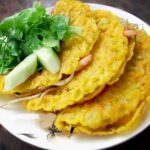
You’ll try a local pancake called banh xeo, which is very popular in Hoi An. This is another stop where the tour design works well: by the time you reach it, you’ve built context through dumplings and noodles, so the pancake feels like part of a food system, not just one more dish.
You’ll also try the pancake as a local-style experience during the stop, and the tour frames it as something you’ll likely remember long after you’re done walking.
This is a great moment to pace yourself. Banh xeo is satisfying, and you still have one major cultural activity left.
Bai Choi bingo at 7 pm: fun with locals, not just a show
The tour includes Bai Choi, a traditional bingo game with locals. It’s scheduled at night, and it runs starting at 7 pm. That matters because Bai Choi isn’t meant to be a daytime activity—it’s part of Hoi An’s evening street energy.
The game’s goal is described as more about enjoying the moment than winning big rewards. That’s what makes it fit a food tour: you’re still in “eat and experience” mode, but now you’re joining local tradition.
You also get a ticket, so you’re not scrambling to figure out timing or entry. Your guide keeps it smooth and helps you understand what’s going on so you can actually participate rather than stand back and watch.
If you want one activity that feels distinctly Hoi An and not like something you could do anywhere, Bai Choi is a strong pick.
Price, duration, and logistics: what you’re really paying for
At $54 per person for 3 to 5 hours, this tour is clearly in the “worth it if you like structure” category. You’re not getting an all-day experience, and it’s not designed to cover every monument in town. Instead, it focuses on a tight loop where each stop supports the next.
Here’s what you get for the money, based on what’s included:
- Meals you can actually name: Cao Lau, white rose, and Vietnamese pancake/banh xeo or banh mi style food stops
- Coffee and/or tea, including herbal tea
- All entrance fees
- Bai Choi bingo ticket
- Private transportation
- Pickup offered (note: port pickup fees are not listed as included)
So you’re paying for guidance, pacing, access, and food value—not just a stroll.
What to consider: the tour requires good weather. If the weather turns, you may be offered a different date or a full refund.
Who this tour suits best (and who should rethink it)
This is a great match if you:
- Want to eat multiple Hoi An specialties, not just one iconic dish
- Like history that shows up in everyday life—assembly halls, ancient houses, street traditions
- Prefer private pacing so you can move at a comfortable speed
- Enjoy interactive experiences like Bai Choi rather than only photo stops
It may be less ideal if you:
- Hate walking through markets and older streets
- Want a very long, museum-style day (this is a short-loop experience)
- Are extremely picky and need perfectly tailored options (the tour is built around set tastings)
Final call: should you book this Hoi An food tour?
I think you should book it if you want a smart mix of food + landmarks + a local evening activity without dealing with logistics. The structure keeps you fed, keeps the tour from feeling repetitive, and makes the culture make sense instead of being random sightseeing.
Book it especially if you’re the type who likes to leave with a clear list of what you ate—white rose dumplings, Cao Lau, banh xeo—and a clear memory of where it happened, from Fukian Assembly Hall to the Japanese Covered Bridge and Bai Choi.
FAQ
FAQ
What foods are included on the Hoi An private food tour?
The tour includes meals such as Cao Lau, white rose dumplings, and Vietnamese pancakes (banh xeo). It also includes coffee and/or tea, including herbal tea.
How long is the tour in Hoi An?
It runs for about 3 to 5 hours.
Is this tour private or shared?
It’s private. Only your group participates.
Does the tour include pickup?
Pickup is offered, and there is private transportation included. Port pick-up fees are not included.
Are entrance fees and activities included?
Yes. All entrance fees are included, as is a ticket for the Bai Choi bingo game.
What is Bai Choi and when does it happen?
Bai Choi is a traditional bingo game in Hoi An, and it starts at 7 pm every night according to the tour info. You’ll have a ticket to join during your visit.
Do I need to bring cash for the market stop?
You’ll have a chance to bargain and buy items at the market, but the tour also includes food and entrance fees. The info doesn’t specify payment methods, so having some small cash can be helpful.
What if the weather is bad?
The experience requires good weather. If it’s canceled due to poor weather, you’ll be offered a different date or a full refund.