REVIEW · MARRAKESH
Medina Tasting Tour: Experience Local Street Food & Culture!
Book on GetYourGuide →Operated by Marrakech Lifestyle · Bookable on GetYourGuide
Your stomach leads the way in Marrakech. This 4-hour medina tasting walk mixes street snacks, market culture, and a sit-down tanjia dinner that locals swear by. It starts in the big action around Jemaa el Fnaa and ends at Haj Lamine Hadj Mustapha.
I especially love the way the tour plans for variety: savory bites and sweets, plus a proper 2-course meal, not just wandering with samples. I also like the focus on market life, including spices and olives, and the guide-style storytelling from Youssef that connects what you eat to how Marrakesh works day to day.
The main drawback is simple: you truly need to come hungry, because you’ll be eating on and off for hours. And since this is the medina, plan on lots of walking, so comfortable shoes are not optional.
In This Review
- Key Things I’d Put on Your Radar
- Entering Jemaa el Fnaa: Where the Tour Finds Its Tempo
- The Souks and Markets: Spice, Olive, and Food You Can Explain
- Local Café Tastes: A Breather That Still Keeps You Eating
- Bakery Stop and Sweet-Savory Balance (Yes, You’ll Get Pastries)
- Street Food Stops in the Old Medina: Snacks, Stops, and Small Lessons
- The Hidden Food Moment: Mechoui Oven and Insider Access
- Tanjia at Chez Lamine Hadj Mustapha: The Dinner That Anchors the Tour
- What You’ll Actually Eat: A Practical Guide to Pacing and Portions
- Price and Value: Why $66 Makes Sense for a 4-Hour Food Plan
- Who This Tour Fits Best (and Who Might Want Something Else)
- Should You Book the Medina Tasting Tour?
- FAQ
- Where does the tour start?
- How long is the Medina Tasting Tour?
- What language is the guide?
- What food and drinks are included?
- Can the tour handle allergies or special diets?
- Is alcohol included?
Key Things I’d Put on Your Radar
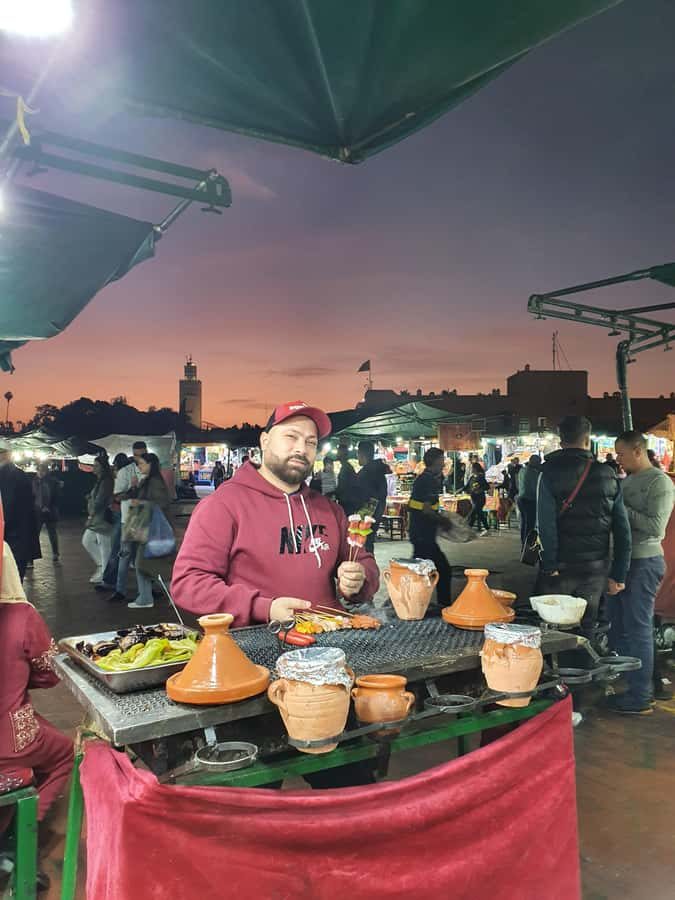
- Meeting at the Poste facing Jemaa el Fnaa: easy landmark, and you’re led in with an official red&green ribbon and badge.
- Jemaa el Fnaa start with snacks and photo stops: you get the square’s energy right away, then transition into the souks.
- Spice and olive market time plus a workshop: it’s not just looking; you’ll learn how ingredients and traditions show up in food.
- Small local café and bakery tastings: these breaks prevent the tour from feeling like only stand-up street food.
- Tanjia dinner at Haj Lamine Hadj Mustapha: the kind of finish that turns a food walk into a real meal.
- Clear anti-tourist-trap advice: you leave with practical instincts, not just memories of flavors.
Entering Jemaa el Fnaa: Where the Tour Finds Its Tempo
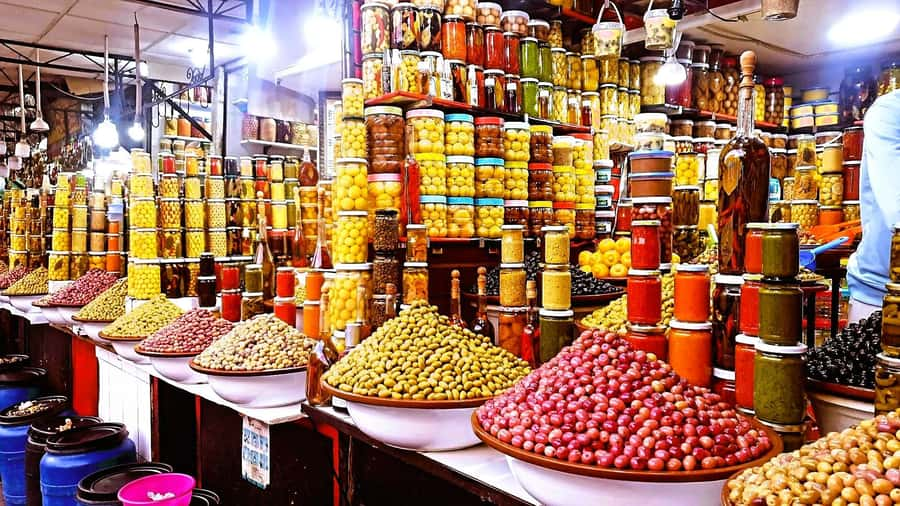
Jemaa el Fnaa is the loud heartbeat of Marrakech. This tour taps into that right at the start, with a meeting point at the main gate of the post office (Maroc Post Office) facing the square. You’ll see the guide with an official red&green ribbon and badge, then get moving on foot.
At the square stop, expect a short welcome rhythm: a bit of orientation, some guided touring, and first tastes that help you settle into medina life. There’s also a cocktail and welcome refreshments during this segment, plus photo opportunities and street-food snacks. The timing matters here. You’ll likely hit the “in-between” period where the square feels lively, but the guide can still manage the flow and keep you from getting swallowed by crowds.
One thing I like about starting here is that it helps you understand the difference between the tourist version of Marrakech and the local rhythm. You’re not just eating randomly. You’re being taught how the city feeds itself—one market and one stall at a time.
You can also read our reviews of more food & drink experiences in Marrakesh
The Souks and Markets: Spice, Olive, and Food You Can Explain
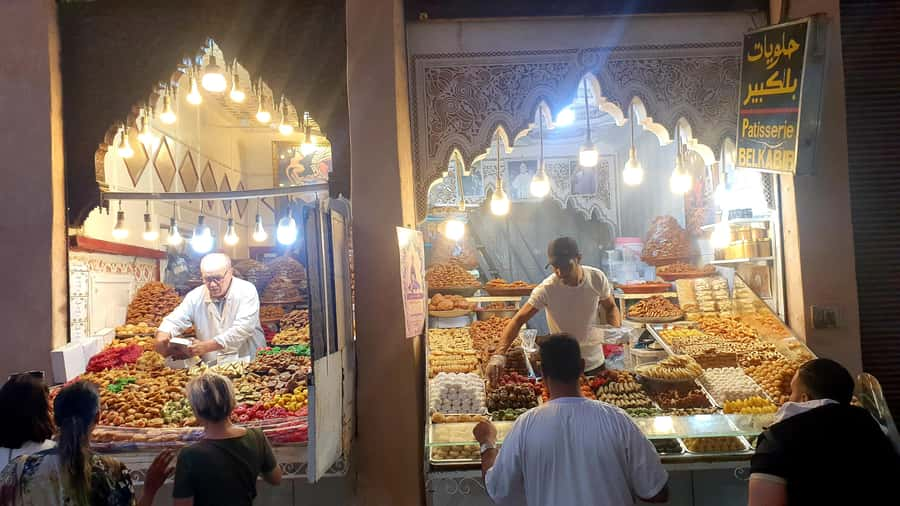
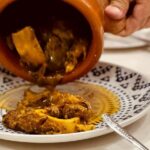
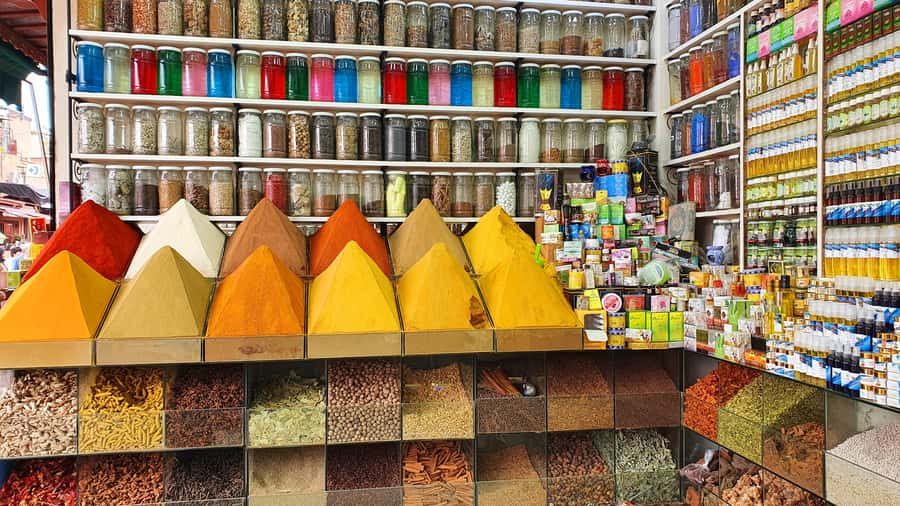
After the initial square energy, the walk becomes about the ingredients and the logic behind them. The route includes stops at colorful spice and olive markets, and you’ll also do a spices discovery workshop. That’s a smart setup because Moroccan street food can feel like one long flavor blur if you don’t know what you’re tasting.
What this portion gives you is context you can actually use later. If you’re the kind of traveler who wants to order confidently, this is where it starts. You’ll learn how spices are used and why certain flavors show up again and again across different dishes and stalls.
There’s also mention of a private terrace overlooking the spice market. Even if the tastes are the headline, that view helps you “place” the experience. You can see the market structure and understand why certain vendors are where they are. It’s also the kind of pause that makes the rest of the walk easier to enjoy instead of just survive.
And yes, you’ll get advice meant to keep you out of tourist traps. That matters more than people think. The medina rewards confidence, but you don’t want to fake it. A guide who knows where not to waste time can save your evening in a real way.
Local Café Tastes: A Breather That Still Keeps You Eating
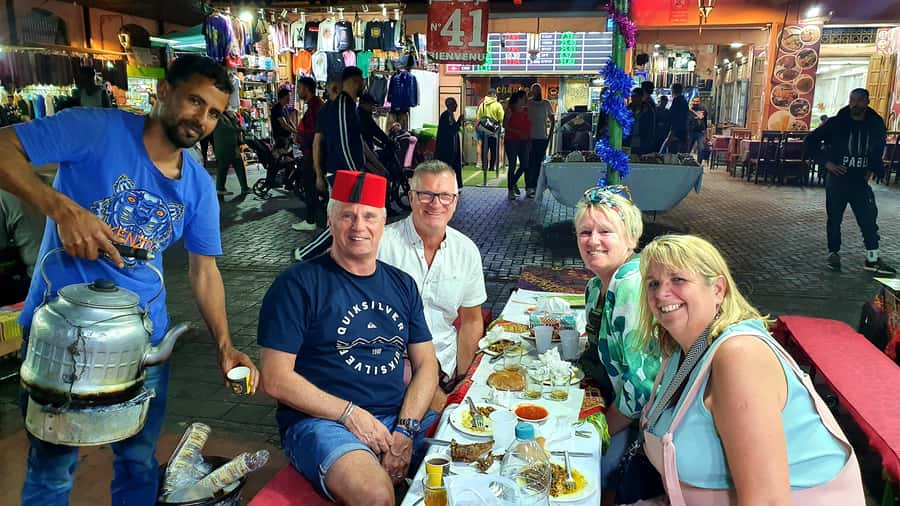
Next up is a local café tasting stop. This is a good design choice because the tour is built to keep your stomach happy without turning every minute into a sprint. Around 15 minutes here gives you time to try something specific, then regroup before you continue deeper into the souks.
This is also where the tour’s pace becomes more adult and less chaotic. Street food is fun, but constant motion can blur flavors fast. A café stop slows things down just enough to let you notice texture, spice level, and the difference between similar-looking dishes.
If you have any questions about what something is, this tends to be the moment when you’ll actually get answers rather than hearing them over a crowd. I’d call it a practical pause that makes the rest of the tastings make sense.
Bakery Stop and Sweet-Savory Balance (Yes, You’ll Get Pastries)
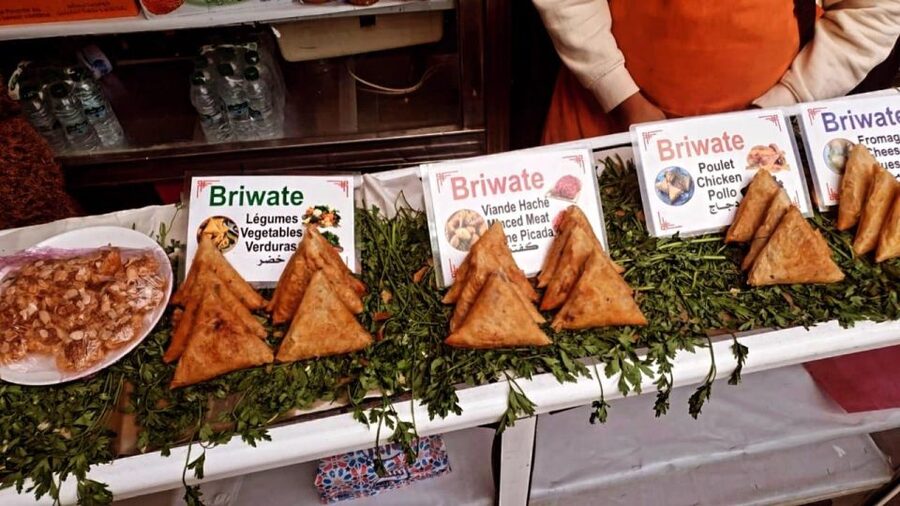
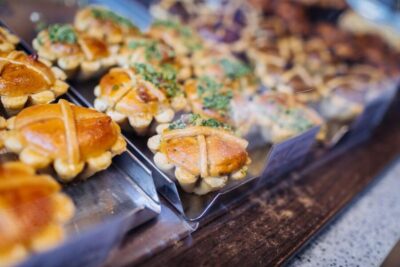
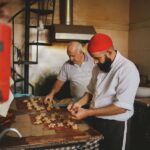
Moroccan pastries are a big part of this tour, and the bakery stop is one of the places where you’ll feel that. You’ll taste local baked treats for about 10 minutes, and it’s all part of the tour’s larger balance: sweet and savory side by side instead of a one-note sugar line.
From the included items, you can also expect Moroccan sweet & savory pastries plus dried fruits and nuts mix. That’s important for your pacing. Nuts and dried fruit are filling in a quiet way, so you’ll feel the benefits later when the street food keeps coming.
If you’re worried the tour will become bread-and-sweets overload, the route is designed to spread flavors out. The tastings aren’t only desserts. You’ll also get snack stops that lean savory, including market-style street bites.
The humor here is that you’ll probably start thinking you can handle it all. Then the pastry hits. Then you realize you should have brought your hunger from the airport. Eat carefully, sip water, and let the guide’s order do the heavy lifting.
Street Food Stops in the Old Medina: Snacks, Stops, and Small Lessons
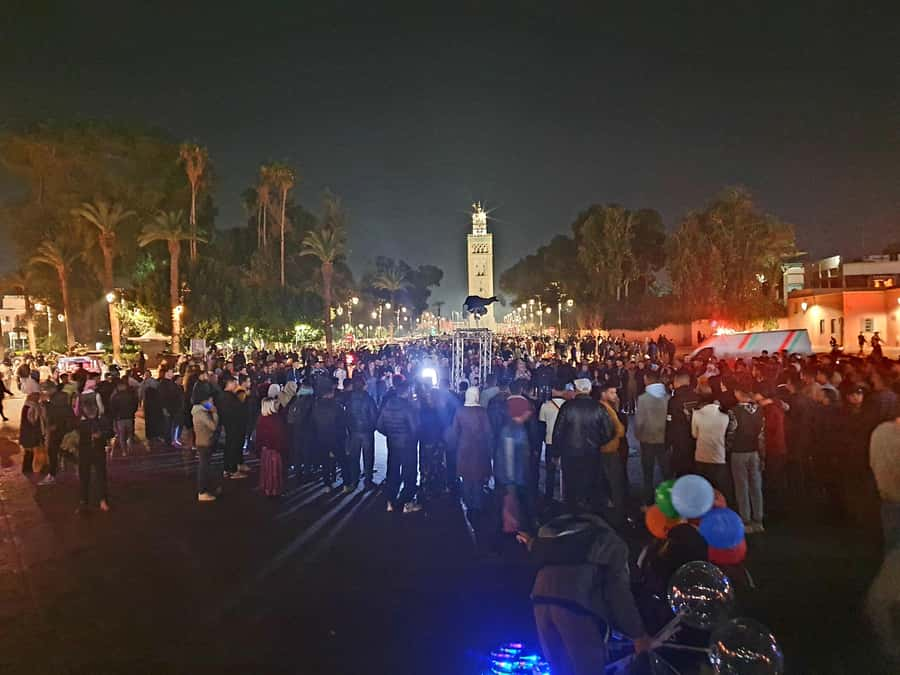
Several segments are built around street snacks and market wandering on foot, including food-market visits and quick tasting moments. One named stop is a street-food place called مطعم تزنيت, with around 10 minutes for street food and local snacks.
There’s also time for a market photo stop and visit at سوق الرحبة القديمة (Old Rahba Market). About 20 minutes here gives you a chance to see what people actually buy and how stalls work. If you like shopping, this is the kind of place where you can browse without feeling like you’re on display.
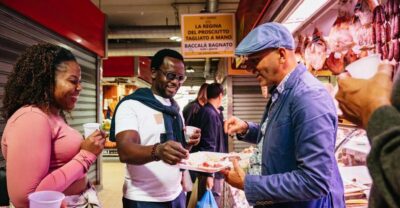
Another walk includes Souk Semmarine. It’s another street-focused segment with about 20 minutes of wandering and local snacks. These stops are valuable because they show you the “normal” side of Marrakech food culture: quick bites, repeated ingredients, and routine purchasing habits.
What I like most is that the tour isn’t trying to make every stop a performance. You’ll get multiple chances to taste and learn, and you’ll avoid the trap of only seeing the parts that exist for photos.
A few more Marrakesh tours and experiences worth a look
The Hidden Food Moment: Mechoui Oven and Insider Access
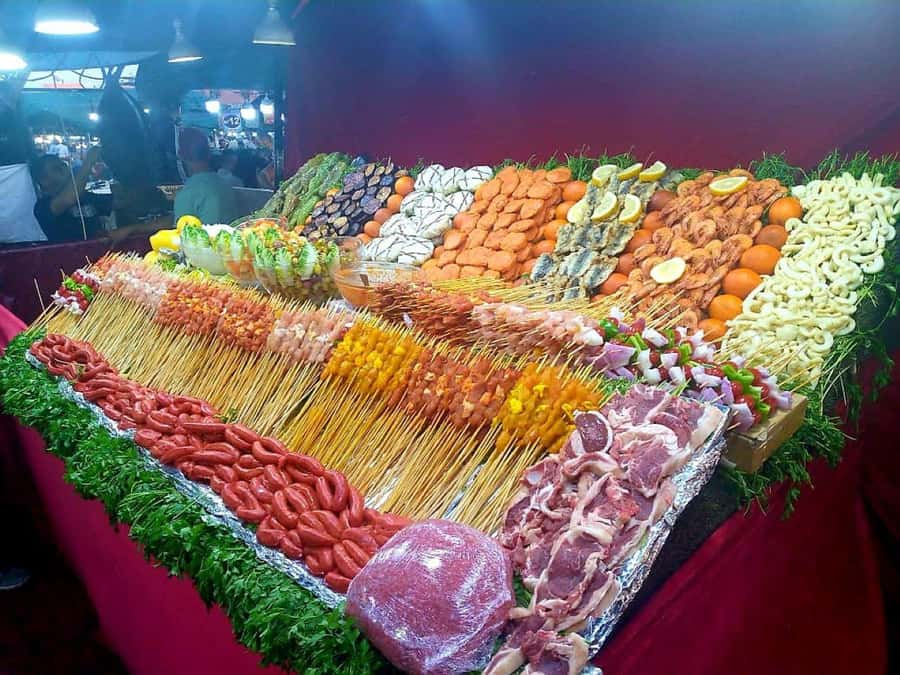
This is where the tour description gets more specific about what’s not obvious. The experience includes access to authentic places locals use, with a mention of an underground Mechoui oven as part of the experience.
While the exact form of that moment depends on timing, the point is clear: you get more than surface-level tasting. You’ll see how food is prepared in the Medina world, where cooking methods and ingredient choices are part of the identity, not just the background.
This kind of stop is what turns a food walk into a cultural experience. You taste, sure, but you also understand why that taste exists. It also helps you avoid the common problem of tour food: everything is good, but nothing feels connected.
The tour also mentions a stop at hidden spots only locals know and includes snack tastings tied to those stops. That’s the value for you if you’ve got limited time in Marrakech and you want to make the evening count.
Tanjia at Chez Lamine Hadj Mustapha: The Dinner That Anchors the Tour
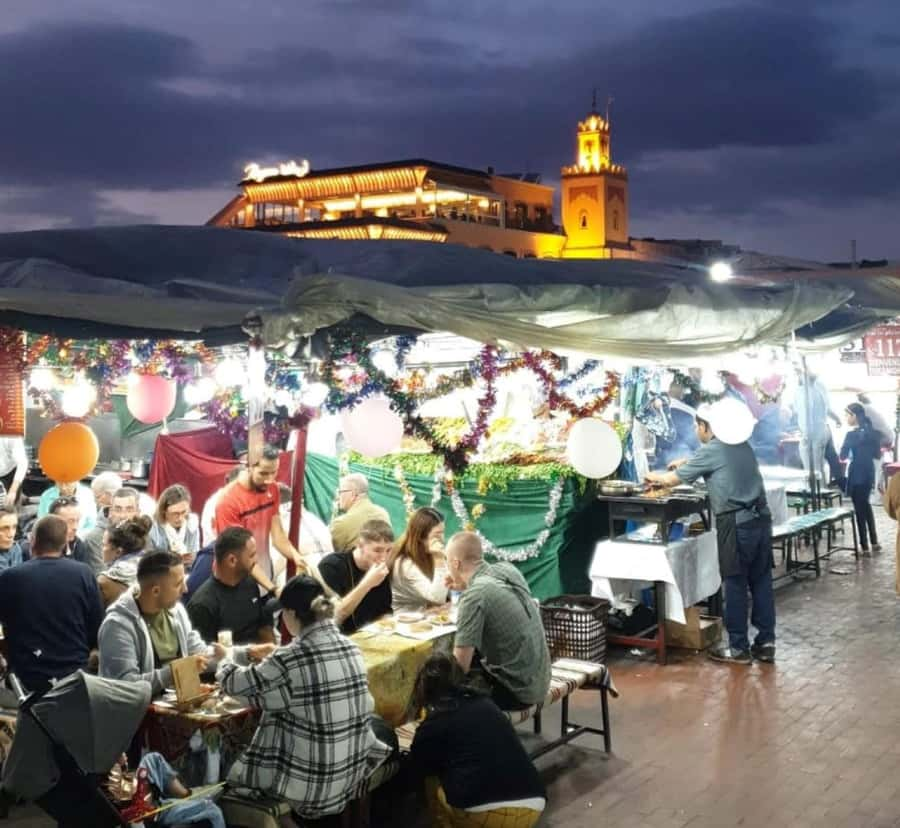
Every street food tour in Marrakech needs a “finish line,” and this one delivers. You end at Chez Lamine Hadj Mustapha (often referred to around the Medina as Haj Lamine). It’s an authentic tanjia dinner at a restaurant described as well known.
You’ll have about 1 hour here, and it includes tea plus dinner. The 2-course structure is built in: a starter at Jemaa el Fnaa and the main course at the tanjia joint. The main dish is beef Tanjia or vegetarian tajine, depending on what you select or what your needs require.
From an eat-like-a-local angle, tanjia is a great choice because it’s not just another stew. It’s tied to technique and tradition, and the dinner feels like a real meal rather than a final snack. After hours of bites, this is also where the tour manages satisfaction. You’ll still taste plenty, but you’ll also get the sit-down comfort of a proper course.
There’s also mention of tea ceremony plus a traditional dance show at a nearby viewpoint segment. That adds a short cultural layer without dragging the evening into a long performance schedule. It’s the kind of stop that breaks up the walk and gives you something to watch while you digest.
What You’ll Actually Eat: A Practical Guide to Pacing and Portions
This tour is designed for hungry people. Make that decision up front. The included items list a lot of food components, including fresh fruit juice of your choice, dried fruits and nuts mix, and Moroccan pastries, plus multiple street food tastings and two mint teas per person.
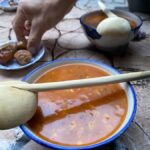
Then you add the 2-course meal: Harira soup as the starter at Jemaa el Fnaa, and beef Tanjia or vegetarian tajine as the main course at Haj Lamine Hadj Mustapha. Bottled water is included during dinner only, so you’ll want to pace your sips earlier in the night.
Here’s how I’d plan your appetite if you don’t want to feel stuffed and slow. Eat enough at the first square tastings to get your stomach moving, then let tastings stay small. When pastries appear, take a couple bites and come back later if you’re still hungry. If you’re someone who hates food waste, remember the guide is there to help you choose and manage the flow.
Also keep an eye on dietary needs. The tour data says you need to communicate special dietary requirements or allergies at least 4 hours before the tour so the team can plan accordingly. If you wait until you arrive, you’re more likely to lose options.
Finally, note that the itinerary and tasting stops may vary during Ramadan and local holidays. That’s not a dealbreaker, but it means you should stay flexible about exactly what you’ll see and taste on that specific night.
Price and Value: Why $66 Makes Sense for a 4-Hour Food Plan
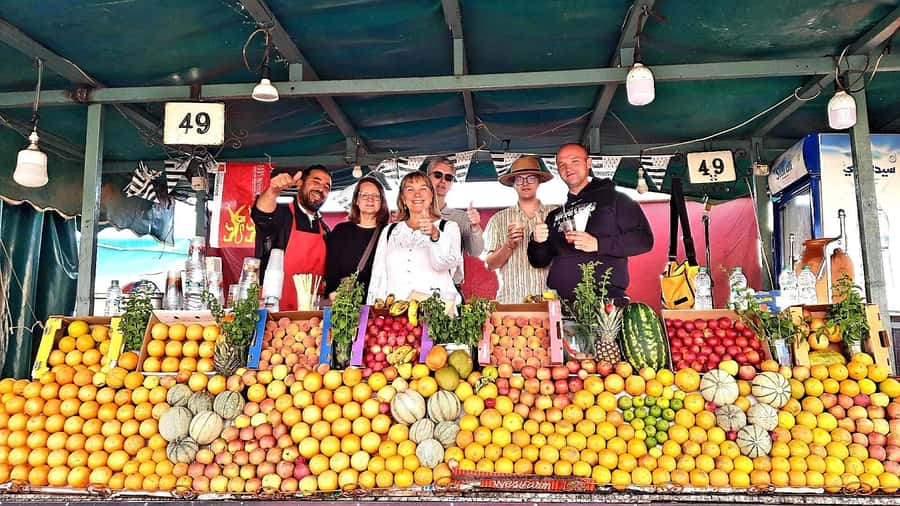
At $66 per person for about 4 hours, this tour isn’t priced like a quick snack stop. It’s priced like an evening meal with multiple tastings and guided access.
What you’re paying for is not only the food. You’re paying for:
- Guided navigation through the medina on foot
- Multiple tasting stops (not just one or two)
- Included drinks and snacks, including juice and mint tea
- A spice discovery workshop
- The big anchor dinner: Harira plus tanjia at Haj Lamine
If you were doing this on your own, you’d still spend money on food and drinks. The advantage here is that you also reduce the guesswork. You don’t have to figure out where to go, what to order, or how to avoid tourist-markup traps.
The value is even better if it’s your first night in Marrakech. Getting your bearings fast matters, and a food-based route gives you a practical map you’ll remember.
Who This Tour Fits Best (and Who Might Want Something Else)
This works best if you:
- Love street food but want structure
- Want a real dinner finish, not only samples
- Like learning the why behind flavors, spices, and local habits
- Prefer a guide who can steer you away from sketchy upsells
It might be less ideal if you:
- Hate walking in a dense medina environment
- Have a very restricted diet and need complex accommodations (still possible, just requires early communication)
- Want a slow, low-food experience. This one is very food-forward.
It also suits solo travelers well, and you can choose a private group option. Some people even report booking a private setup, so if you like a quieter pace, it’s worth asking for that.
Should You Book the Medina Tasting Tour?
I’d book it if you’re planning to eat your way through Marrakech and you want guidance that feels practical, not preachy. The strongest reason is the combination: market tastings tied to spice learning, plus a serious tanjia dinner at Haj Lamine Hadj Mustapha.
Skip it only if you want a light snack tour or you’re not into lots of walking and lots of food. If you do book, wear comfortable shoes, come hungry, and message your dietary needs early.
If you’re lucky, you’ll get a guide like Youssef, the kind who connects history and daily life to what’s on your plate and keeps the evening flowing smoothly.
FAQ
Where does the tour start?
The meeting point is in front of the main gate of the post office (Poste) facing the Jamaa el Fna square, at the Maroc Post Office area.
How long is the Medina Tasting Tour?
The tour lasts 4 hours.
What language is the guide?
The live tour guide offers English and French.
What food and drinks are included?
You’ll have several street food tastings plus a 2-course dinner. Inclusions include harira soup at Jamaa el Fna and beef tanjia or vegetarian tajine, fresh fruit juice of your choice, dried fruits and nuts mix, Moroccan pastries, 2 mint teas per person, and bottled water during dinner.
Can the tour handle allergies or special diets?
Yes, but you must communicate any special dietary requirements or allergies at least 4 hours before the tour so they can plan accordingly.
Is alcohol included?
Alcohol is not allowed on the tour, and additional drinks are not included.