REVIEW · MARRAKESH
Marrakech: Jemma El Fnaa Food Tour with Dinner
Book on GetYourGuide →Operated by Intrepid Urban Adventures - Europe · Bookable on GetYourGuide
Your first bites happen before the square settles. This 3.5-hour Marrakech food tour threads you from Jemaa el Fnaa into the medina lanes, then brings you back for dinner in the UNESCO square. You get the smell of spices in the market air, the crunch of street snacks, and the kind of night energy that only Marrakech does well.
I love how the route is built around real stop-and-taste moments, not just sightseeing. You’ll sample things like olives, dried fruits, nuts, and pastries, then keep moving through bread and other local treats with a guide who connects each flavor to local life. I also like the human touch: guides such as Najib and Ibrahim are repeatedly singled out for making the history practical and easy to follow, not heavy or boring.
One thing to consider: this is a walking-with-crowds evening, and you’ll want to dress for it. Cover shoulders and knees, wear long pants, and bring a light layer for after dark. If you’re hoping for zero adventurous-sounding items, check with your guide, since you may come across dishes like cow hoof or sheep’s head in the souks.
In This Review
- Key things to know before you go
- Why this Jemaa el Fnaa food tour works so well at night
- The starting point: Derb Zaari or the square itself
- Riad Zitoun Jdid: getting oriented before the real tasting starts
- Mellah: a sense of place and a good chance for Jewish-style sweets
- The spice market: cumin, saffron, ginger, pepper, turmeric in plain language
- Souks and breads: where Marrakech gets real
- Dinner at Chez Lamine Hadj Mustapha in the UNESCO square
- Price and pacing: is $46 a smart deal?
- Who should book this tour, and who might want to choose something else
- Should you book the Marrakech Jemma El Fnaa Food Tour with Dinner?
- FAQ
- Where is the meeting point?
- How long is the tour?
- What is included in the price?
- How many people are in the group?
- Can vegetarians and vegans join?
- Is it suitable for gluten intolerance?
- What should I wear and bring?
- Is this tour child-friendly?
- Is the tour carbon neutral?
Key things to know before you go
- 3 tastings plus dinner: plan on eating more than you think, and keep lunch light.
- Spice market lesson by smell: cumin, saffron, ginger, pepper, and turmeric get explained in real time.
- Medina navigation with a small group: max 12 means you’re not lost in the crowd.
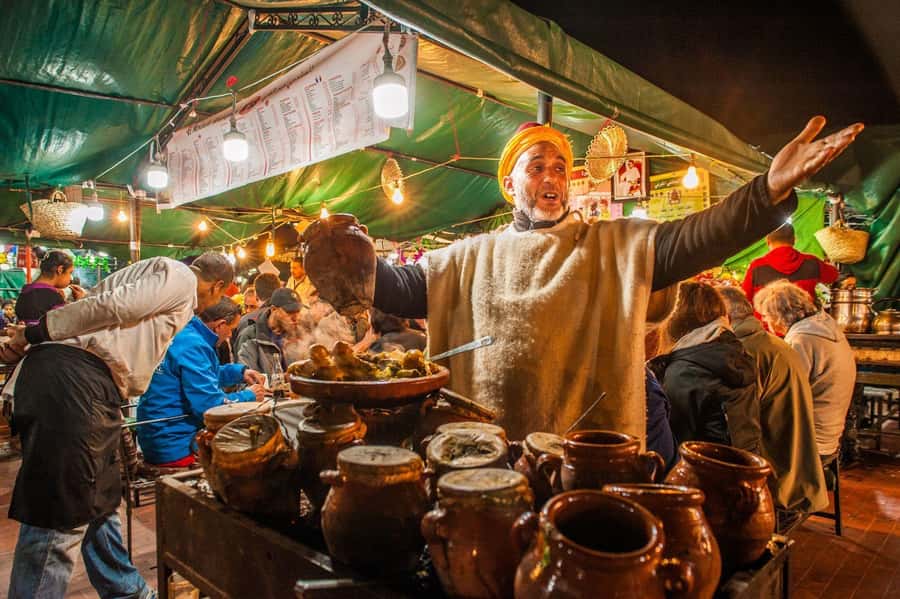
- Jemaa el Fnaa dinner at night: expect performers and the square’s busy atmosphere while you eat.
- Dress rules matter in Morocco: modest clothing helps you step into family-run spots comfortably.
- Vegetarian and vegan options exist: gluten intolerance is the one limitation called out.
Why this Jemaa el Fnaa food tour works so well at night
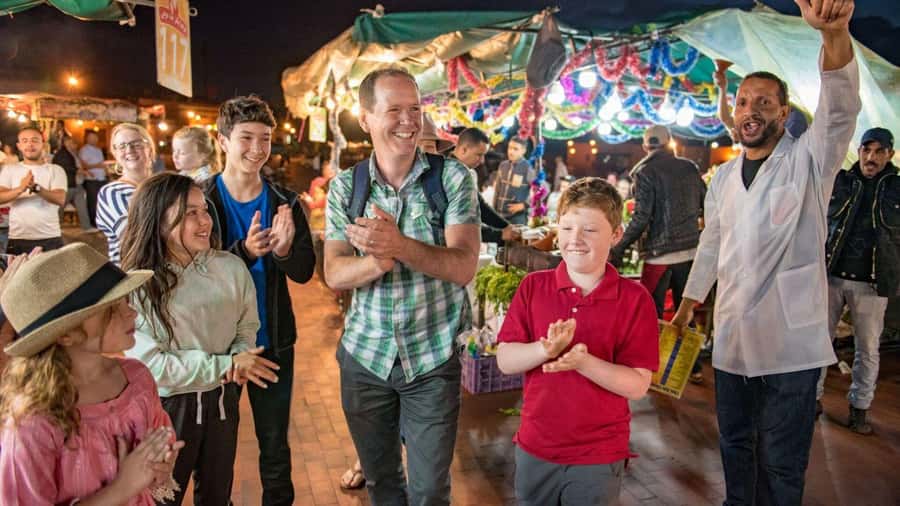
Jemaa el Fnaa changes hour by hour. Early evening is when you can still feel Marrakech waking up, and later it turns into a loud, sensory show of food, music, bargaining, and people-watching. The smart move is doing a guided food route during that window, because you’re not just looking at the square. You’re learning how the city’s food culture feeds the square.
This tour is also good value for the time. For $46 and about 210 minutes, you’re paying for two things that are hard to do alone: (1) guided tastings across the souks, and (2) a sit-down Moroccan dinner in the UNESCO square area. That combo saves you from the usual Marrakech trap of wandering hungry, guessing, and then paying tourist prices for one meal.
The pacing is built to keep you moving, but not rushed. You get stops for small tastings, then you get a fuller meal at the end. It’s a format that works especially well if it’s your first evening in the medina and you want to get your bearings fast.
You can also read our reviews of more food & drink experiences in Marrakesh
The starting point: Derb Zaari or the square itself
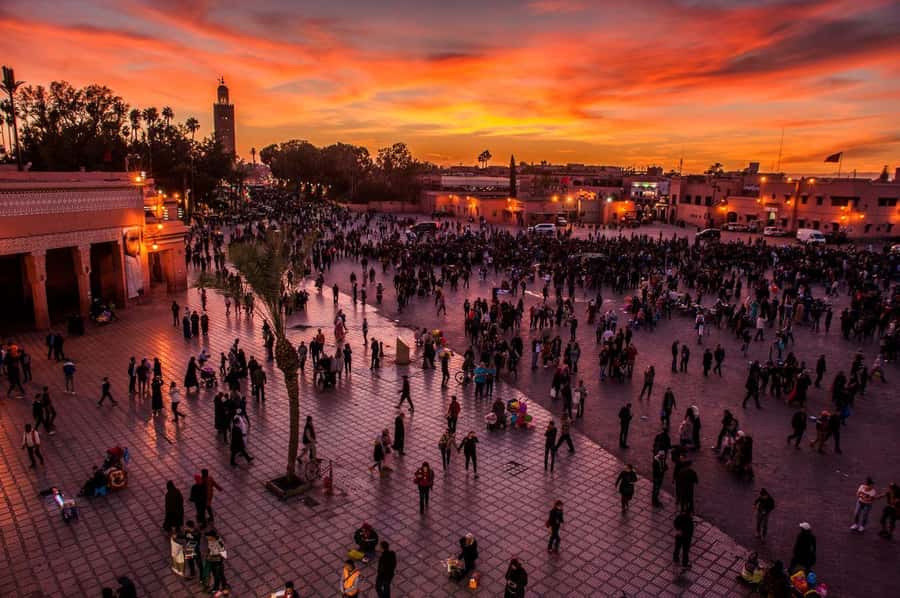
Your meeting point can vary depending on the option you book, with two common starts listed: 11 Derb Zaari or Jemaa el Fnaa. Either way, the goal is the same: get you into the medina lanes quickly and safely, without making you fight the crowd on your own.
If you’re starting near 11 Derb Zaari, you’re likely to ease into the maze of narrow streets before the full intensity of the square hits. If you’re starting at Jemaa el Fnaa, you begin with the most obvious sense of place first: the noise, the smells, and the sense that people have been trading and eating here for centuries.
A small but practical tip: go with comfortable shoes and keep your phone tucked away when you’re crossing through tighter lanes. Your guide is there to handle the turns and the crowd flow, and you’ll enjoy the food more when you’re not constantly watching your footing.
Riad Zitoun Jdid: getting oriented before the real tasting starts
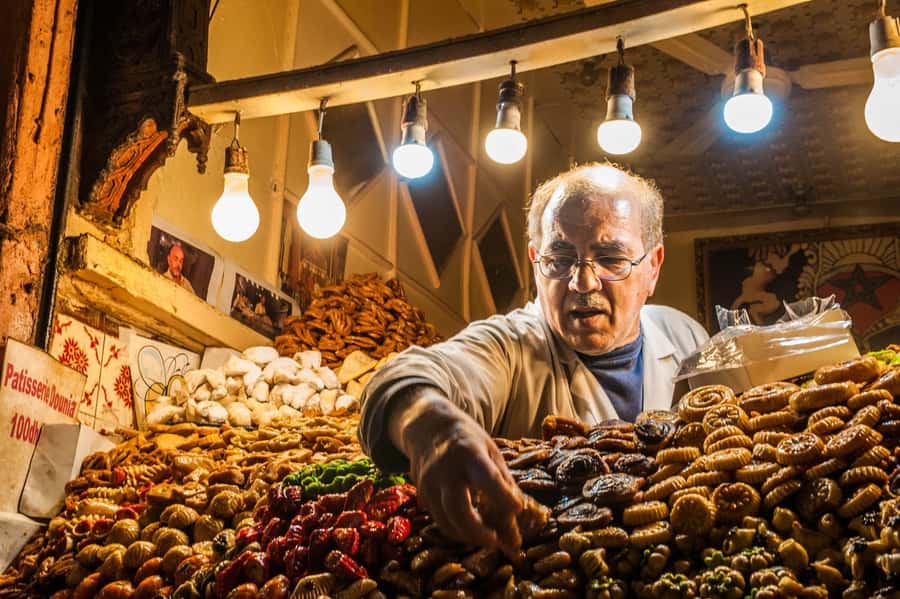
Riad Zitoun Jdid is one of the stops on the walking route. While this part isn’t about a single big meal, it matters because it’s how you learn Marrakech’s layout by walking it. You’re moving through a mix of street life and shopfront scenes, which helps you understand how people actually use these neighborhoods day to day.
This segment also tends to set the tone for the whole tour. Your guide frames what you’re about to see—food shops, street snacks, and market stalls—so later tastings make more sense. Instead of just tasting olives or pastries, you learn the why: trade traditions, what people buy for quick energy, and how flavors line up with daily life.
If you’re the kind of person who hates feeling lost in a new city, this is the part you’ll appreciate most. It’s like the tour’s warm-up lap.
Mellah: a sense of place and a good chance for Jewish-style sweets
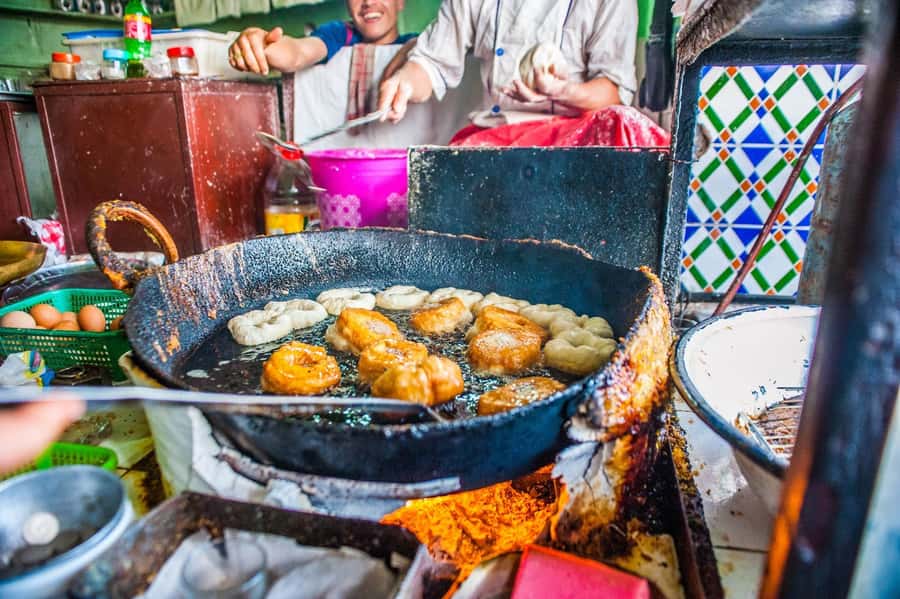
The route includes Mellah, the historic Jewish quarter area of Marrakech. One of the most distinctive things this tour can include here is the chance to try Jewish-style donuts in a spot that’s hard to find on your own. It’s the kind of food detour that makes the tour feel like more than a generic souk walk.
Even if your exact snack lineup varies by day, Mellah is valuable because it gives context. Your guide ties the neighborhood’s identity to the way Marrakech shares food traditions, not just ingredients.
Practical mindset: treat this section like a flavor checkpoint. You’re tasting something specific, but you’re also building a mental map of where different food cultures show up in the city.
The spice market: cumin, saffron, ginger, pepper, turmeric in plain language
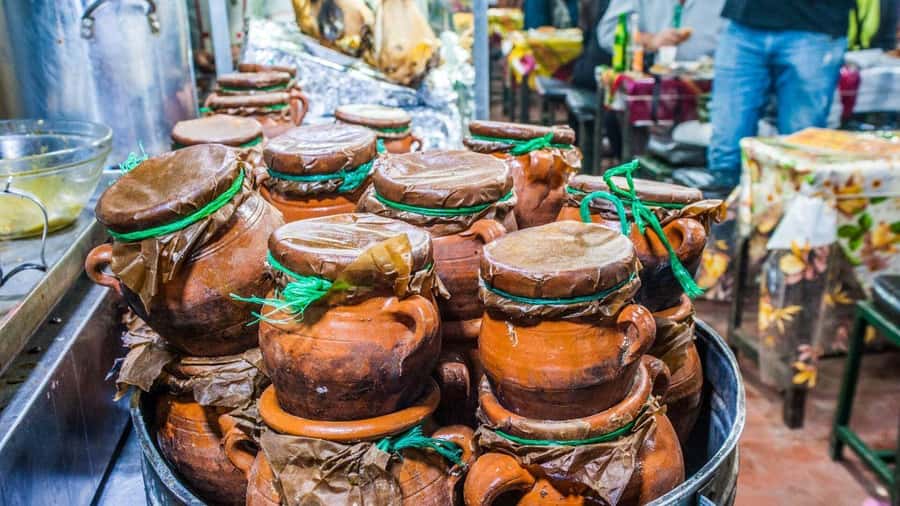
Then comes the spice market segment, where the experience turns from eating to understanding. As you walk through the stalls, you’ll notice the aromas right away—cumin, saffron, ginger, pepper, and turmeric are called out as key spices you’ll encounter.
This part is useful because spices in Morocco aren’t just for show. They’re tied to everyday cooking, street snacks, and the way meals taste deeper than you expect. Your guide’s job here is to translate smell into knowledge you can actually remember.
What I like about this style of explanation is that it’s practical. You start noticing how one spice shows up as warmth, another as sweetness, another as heat. Later, when you’re eating soup or sweets, you’ll recognize pieces of the flavor story.
If you have sensitive taste or allergies, this is a good moment to speak up. Since you’re talking with your guide during the market stops, you can ask what’s in what you’re about to taste.
Souks and breads: where Marrakech gets real
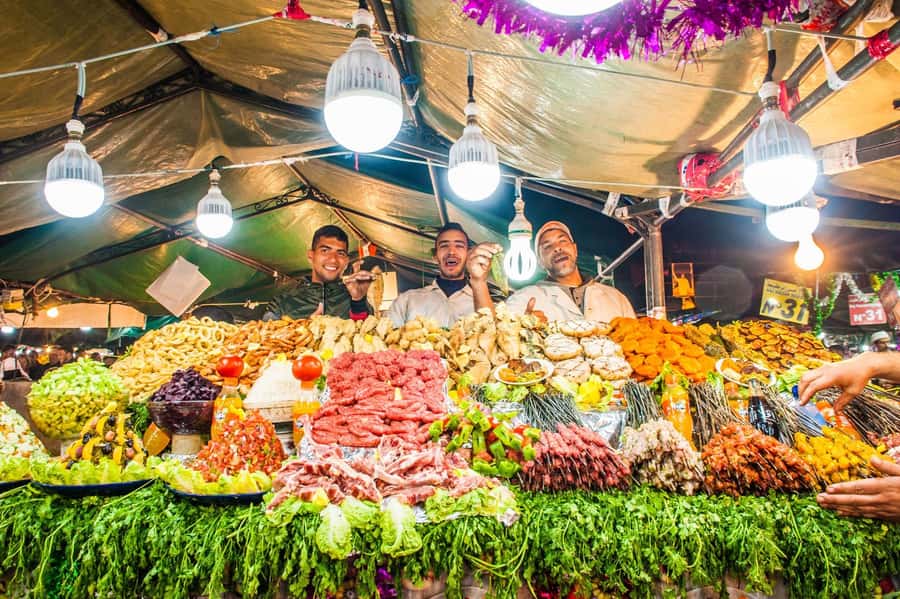
After the spice market, the route moves through souk sections, including Souk Semmarine later on the overall flow. The theme stays consistent: you’re not just sightseeing. You’re watching how ingredients move through hands—shop to stall to plate.
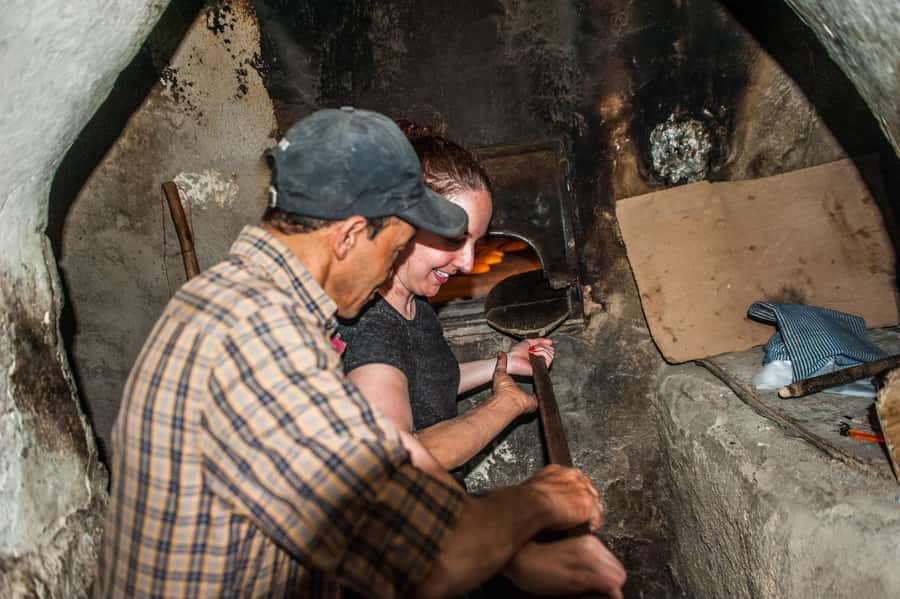
You’ll get to see and taste bread traditions as part of this food walk. Morocco’s bread culture is a big deal, and your guide helps you spot what makes one kind different from another—more than just name or shape.
And yes, you might encounter the more adventurous items the souks are famous for, including dishes like cow hoof or sheep’s head. The tour wording gives you that expectation, but your comfort level matters. If you’d rather stick to the classics, ask your guide for alternatives within the tasting plan.
Two practical tips for the souks:
- Pace yourself. Come hungry, but don’t cram bites back-to-back.
- Keep an eye on your water. The medina air can feel dry and warm, and you’ll taste more if you’re not dehydrated.
Dinner at Chez Lamine Hadj Mustapha in the UNESCO square
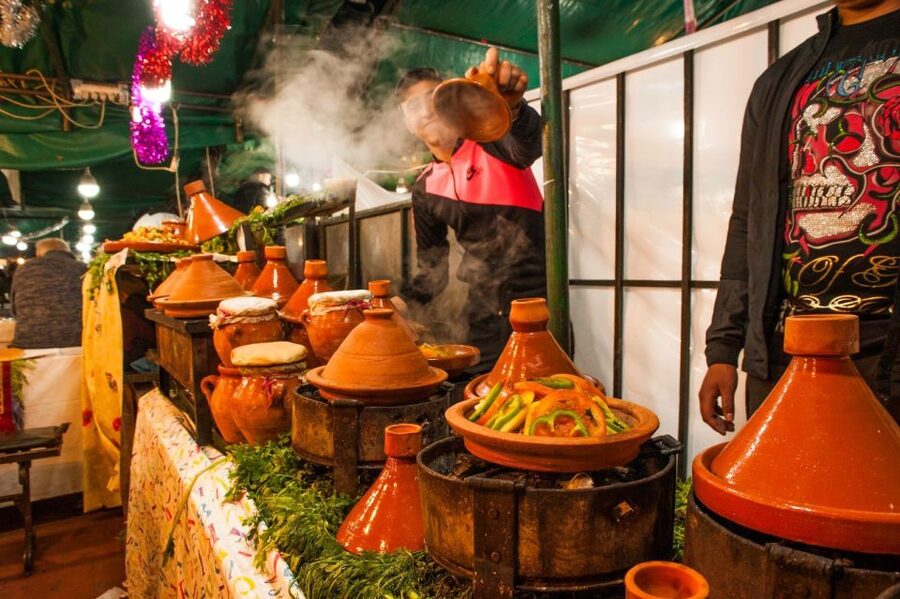
The climax is dinner at Chez Lamine Hadj Mustapha Jemaa El Fna, where the plan is to eat in the area of Jemaa el Fnaa with the square’s night energy around you. This is the moment you stop walking and settle in.
What makes this dinner work is the setting. You’re eating Moroccan food while the square keeps doing its thing—people, performers, and the famous on-the-scene characters people talk about, including snakes and monkeys. It’s not quiet. But it’s memorable in a way that a restaurant off the main square rarely delivers.
The tour also gives you time to ask questions and slow down. Dinner is where the guide can connect dots: why the spices you smelled show up again, how typical dishes fit into Moroccan daily routines, and what to look for on your own after the tour ends.
Also, this is where you’ll likely feel the real value. The dinner stop turns the experience from a snack tour into a full meal you can count on, not a collection of tiny bites.
Price and pacing: is $46 a smart deal?
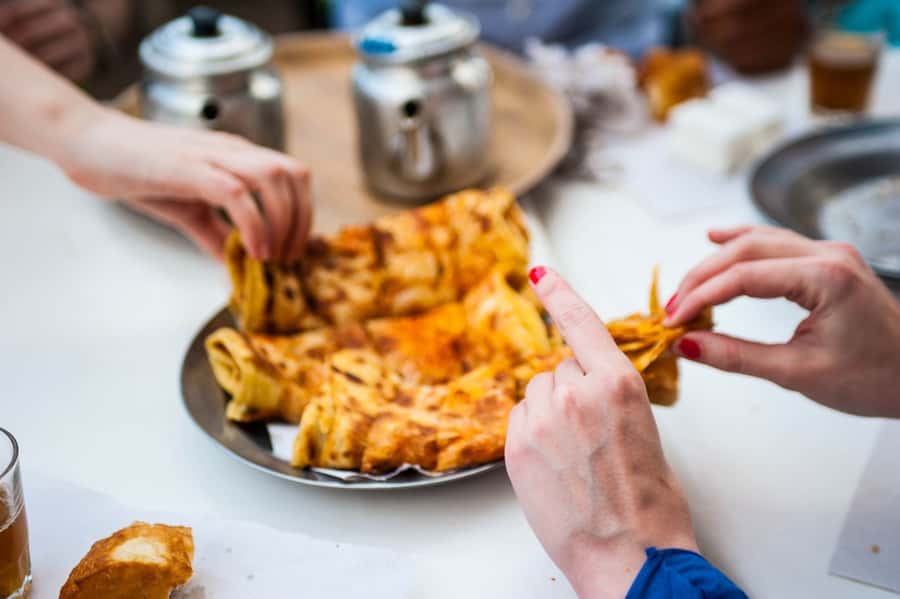
At $46 per person for about 210 minutes, this tour is priced like a food experience, not like a short walk. You’re getting a guide, a walking route, 3 tastings, and a Moroccan dinner. Those pieces matter because they reduce the two biggest costs of doing this solo: time and uncertainty.
Time-wise, 3.5 hours is enough to feel like you did something substantial on your first evening in Marrakech. Uncertainty-wise, the guide handles where to go and what to try, and also helps you deal with the crowd without turning it into a stressful negotiation.
One note from the vibe of the experience: it’s not a light appetizer outing. Even with just three included tastings listed, the tour’s flow includes multiple snacking moments before dinner. So, do what people who enjoy the tour do best: skip lunch or go very light.
Who should book this tour, and who might want to choose something else
Book it if you:
- Want your first Marrakech evening to be food-forward, not just photo stops
- Enjoy learning while you eat, especially spices and local cooking styles
- Like small groups (max 12) because you can actually ask questions
- Want dinner in the UNESCO square area rather than an off-menu “maybe” meal
Consider something else if you:
- Have strict dietary needs beyond vegetarian/vegan, since gluten intolerance is specifically mentioned as not supported
- Hate crowds. You’re walking through busy market areas at night
- Want a calm, quiet dining experience. This is Marrakech at full volume
This tour is also a good fit for families, with infants (0–5) noted as free and the tour described as child-friendly. Just remember the dress expectations in the medina, since that affects comfort for everyone.
Should you book the Marrakech Jemma El Fnaa Food Tour with Dinner?
If you’re deciding between wandering on your own and doing one guided “food orientation” evening, I’d lean toward booking this. It’s a smart first-day choice because it gives you flavors you can remember and a map of how the city’s food areas connect.
The best reason to book is the combo: souk tastings plus a dinner stop near Jemaa el Fnaa. It’s hard to recreate that pairing without spending extra time searching, and it’s exactly the kind of experience that becomes more fun once you know what you’re tasting.
My checklist before you go:
- Wear modest clothing (shoulders and knees covered)
- Plan to arrive hungry, and drink water
- Expect a lively crowd and step carefully in tight lanes
If that sounds like your kind of Marrakech evening, this is an excellent pick.
FAQ
Where is the meeting point?
The meeting point can vary depending on the option you book. Two locations listed are 11 Derb Zaari and Jemaa el Fnaa.
How long is the tour?
The duration is 210 minutes (about 3.5 hours).
What is included in the price?
The price includes a guide, a walking tour, 3 tastings, and a Moroccan dinner at a local restaurant.
How many people are in the group?
The tour is offered as a small-group experience with a maximum of 12, and a private group option is also available.
Can vegetarians and vegans join?
Yes, the tour can cater to vegetarians and vegans.
Is it suitable for gluten intolerance?
No, the tour can’t cater to gluten intolerance.
What should I wear and bring?
You should bring a long-sleeved shirt and long pants. A jumper is also recommended in case it gets cool after dark. Morocco’s dress expectations are conservative, so cover shoulders and knees.
Is this tour child-friendly?
Yes. It is described as child-friendly, and infants (0–5) are free. If you have a child under 12, you should notify the operator.
Is the tour carbon neutral?
Yes, the tour is described as carbon neutral and operated by a B Corp certified company.