REVIEW · BARCELONA
Barcelona Gracia Neighborhood Local Food & History Tour
Book on Viator →Operated by Devour Barcelona Food Tours · Bookable on Viator
Gràcia is made for breakfast cravings. This small-group Barcelona food and history tour threads together Gràcia street corners, Gaudí nearby sights, and real Catalan eating habits.
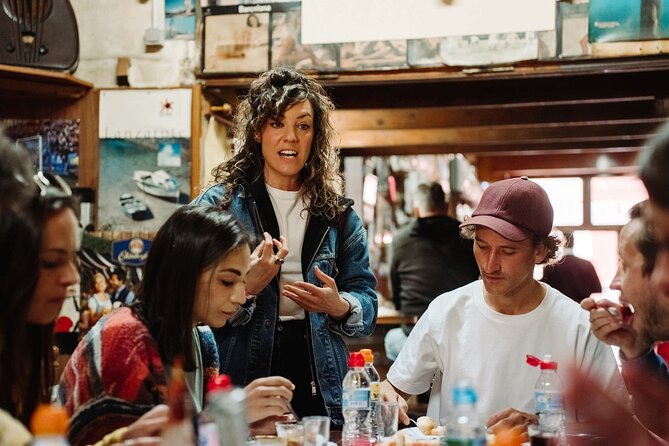
I love the sheer volume of tasting—you’re set up to eat like it’s breakfast and lunch, not just snack your way through a few bites. I also love how the drinks are part of the story, from vermouth culture to cava at a historic market.
One thing to plan for: the menu leans meat-forward, so vegans and very strict vegetarians should expect limited swaps at some stops.
5 key things that make this tour worth your time
- Small group (max 12) means more time talking with the guide and the shop owners
- 12+ food tastes built to satisfy, not just sample
- At least 10 tastings plus multiple drinks, including vermouth and cava
- A Gaudí arc from Casa Vicens to the La Pedrera finish along Passeig de Gràcia
- Family-run spots + a real market stop for food that feels local, not staged
In This Review
- Why Gràcia Works So Well for a Food-and-History Tour
- Starting at Farmàcia Les Carolines: Your “Local” Jump-Off Point
- Casa Vicens and Gaudí’s Early Spark in Gràcia
- The Pastry Stop That Sets the Tone: Old-School Baking Since 1916
- Cal Pep Bodega: Vermouth, Catalan Wine Habits, and Classic Dishes
- Placa de la Virreina and Mustafa’s Syrian Pastries to-Go
- The Nut and Dried-Fruit Snack Stop: A Quick Bite Between Stories
- Mercat de la Llibertat: Modernist Market Energy and Cava Aperitivo
- Lunch at Bar Roure: Catalan Tapas and Your Wine-or-Beer Choice
- Passeig de Gràcia Sight Passes: Casa Fuster and the La Pedrera Finish
- Price and Value: What $103.34 Buys You (and What It Doesn’t)
- Group Size, Guide Energy, and the Real Pace of the Day
- Dietary Options: What You Can Request, and What Might Still Be Tricky
- Who This Tour Is Best For
- Should You Book This Gràcia Food-and-History Tour?
- FAQ
- How long is the Barcelona Gràcia food and history tour?
- How many people are in the group?
- What’s included in the price?
- What’s not included?
- Where does the tour start and end?
- Is the tour in English?
- Can the tour accommodate dietary restrictions?
- Is the tour suitable for people with mobility impairments or wheelchairs?
- Can I cancel for free?
Why Gràcia Works So Well for a Food-and-History Tour
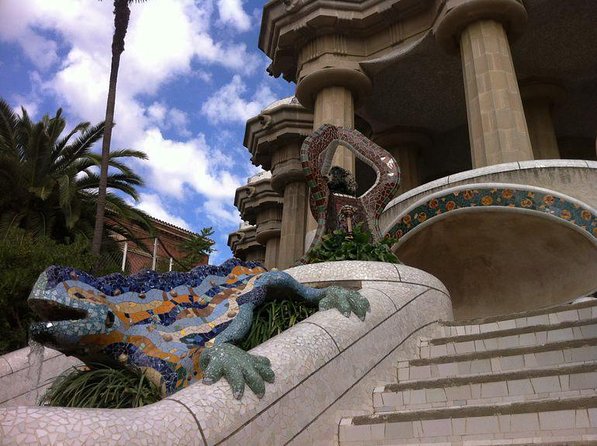
If you only visit Barcelona’s biggest sights, you miss the city’s everyday rhythm. Gràcia is where that rhythm shows up: neighborhood bakeries, old-school bodegas, and streets that still feel lived-in. That’s exactly what this tour is built around—food first, then the history that explains why these places look and taste the way they do.
The best part is that you’re not walking for the sake of walking. Every turn has a purpose: what people eat, how they drink, and which buildings or movements shaped the neighborhood. You end up with a mental map of Barcelona that goes past postcards.
Starting at Farmàcia Les Carolines: Your “Local” Jump-Off Point
You meet at Farmàcia Les Carolines on Carrer de les Carolines in Gràcia, with the tour starting at 10:00 am. That timing matters. A morning start lets you hit bakery energy while things are fresh and before the day gets too hot or too crowded.
Also, this is a walking tour with a moderate pace, designed so most people can keep up. Still, you should expect cobblestones and short stretches of steady walking. If you’re unsure, check with the operator—mobility impairment and wheelchairs can be accommodated, but it’s best handled with advance coordination.
Guides are English-speaking, and multiple guide names have come up in past groups—people like Victoria, Danny, Raquel and Irene, Norah, and Ester. That’s a good sign: you’re likely to get both food storytelling and practical context as you go.
You can also read our reviews of more food & drink experiences in Barcelona
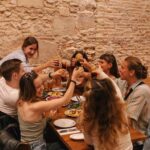
Casa Vicens and Gaudí’s Early Spark in Gràcia
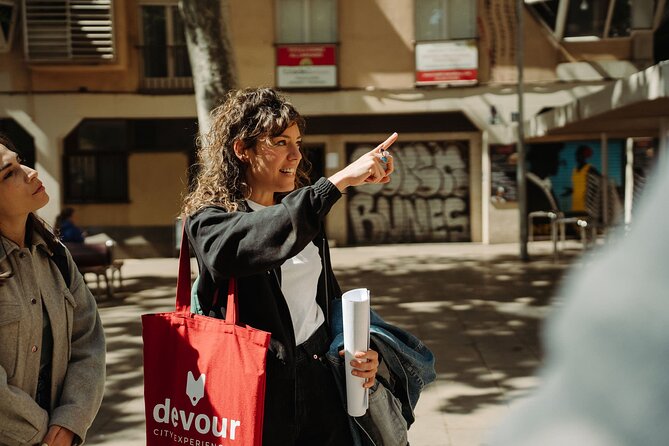
Stop one brings you to Casa Vicens, Gaudí’s first major project—right in the Gràcia orbit. The stop is short (about 15 minutes), and admission isn’t included. That’s important for expectations: you’re getting the “spotlight moment,” not an all-out museum visit.
Still, this quick introduction gives you something useful for the rest of the day. You see how Gaudí’s thinking evolved, and you’ll be better prepared for what you’ll notice later at La Pedrera. If you want to enter Casa Vicens, plan to buy tickets separately.
The Pastry Stop That Sets the Tone: Old-School Baking Since 1916
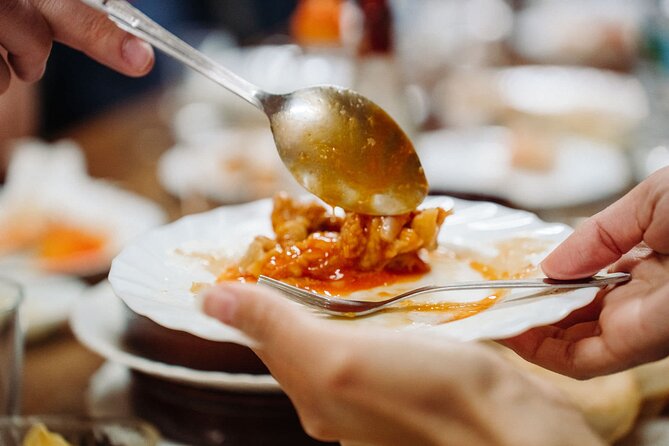
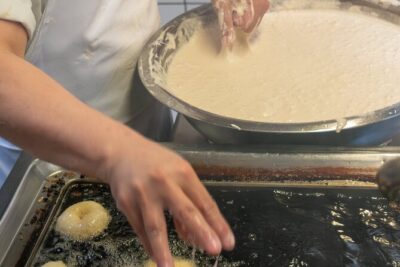
Next comes a Gràcia favorite for pastry breakfast energy: a third-generation family-run pastry shop open since 1916. Ten minutes may not sound like much, but this is exactly the point of the tour style. You get that first hit of Catalan flavor before you start stacking tastings.
This stop also acts like a “culture reset.” Catalonia’s food identity isn’t only about grand dishes—it’s about bread, butter, dough, and the small rituals of morning. By the time you leave the shop, you start tasting with more curiosity instead of just going along for the ride.
Cal Pep Bodega: Vermouth, Catalan Wine Habits, and Classic Dishes
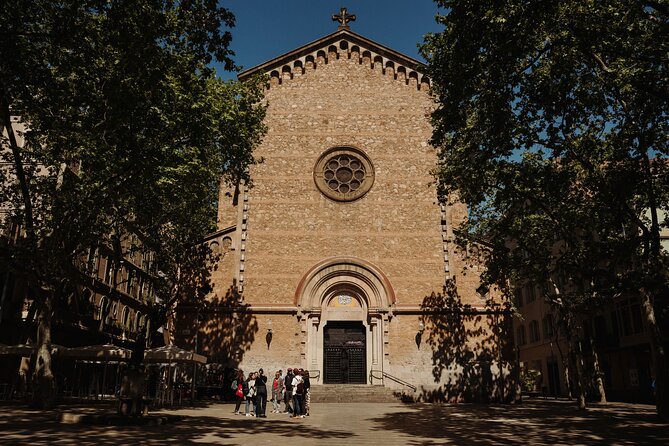
At Cal Pep, you step into a traditional bodega that’s been a staple since 1939. You get about 35 minutes here, and admission is included for what the tour does on-site.
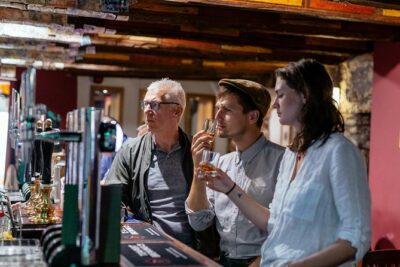
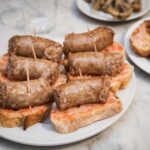
This is where the tour shifts from pastries to the deeper adult side of Catalan eating. You’ll try breakfast dishes and sip a glass of vermouth while learning how drinking works in Catalonia. If you’ve only ever seen wine as a drink that sits quietly next to meals, vermouth changes that. It’s a ritual, a mood, and often part of the social pace.
If you’re a light drinker, don’t worry—you’ll have control over how much you take at each sip, and the guide’s role is to guide you through what you’re tasting. But if alcohol is a concern, talk to the operator in advance about non-alcoholic options.
Placa de la Virreina and Mustafa’s Syrian Pastries to-Go
Placa de la Virreina and the nearby Sant Joan de Gràcia church connections to Gaudí add another layer: neighborhood history meets architecture you can actually point at. This stop is about 30 minutes and includes a tasting experience tied to the cultural mix in Gràcia.
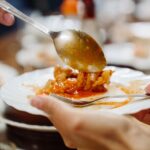
Then you hit Mustafa’s Syrian pastry shop. The smell alone is worth the trip—fresh-baked aromas hit you as soon as you step in. The tour includes picking up decadent homemade pastries to take away, so you can keep eating while walking and save more for later.
This is one of the more memorable parts for most food travelers, because it blends two things:
- You taste something specific right there.
- You walk away with something you can keep exploring with after the tour.
A few more Barcelona tours and experiences worth a look

The Nut and Dried-Fruit Snack Stop: A Quick Bite Between Stories
After the modernist architecture and a bit about Catalonia’s independence movement, the tour makes a short stop at a 150-year-old dried fruits and nuts shop. It’s about 15 minutes and includes a snack tasting of their specialty.
On paper, this can look like a “filler” moment. In practice, it’s a smart palate reset. Between richer bites, fruit-and-nut flavors clean up your taste buds and keep you from feeling weighed down. You’ll feel it later when the market and lunch start stacking up.
Mercat de la Llibertat: Modernist Market Energy and Cava Aperitivo
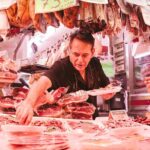
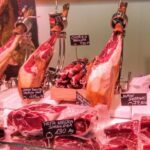
Mercat de la Llibertat is your market moment—about 30 minutes—and you’ll feel the place before you even start eating. Colors, sounds, and aromas do the job they’re supposed to do: give your senses a workout.
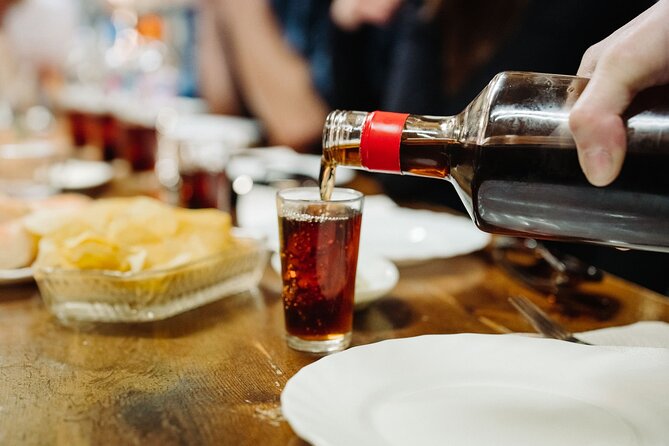
Here you stop at a market stall for an aperitivo with a refreshing glass of cava. This is one of the clearest examples of how the tour teaches you to eat like locals. Markets aren’t only for buying food; they’re for small moments—short meals, quick sips, and conversations.
This stop is also a helpful reminder that Barcelona’s food culture isn’t built only on restaurants. It’s built on stalls, trade, and everyday routines.
Lunch at Bar Roure: Catalan Tapas and Your Wine-or-Beer Choice
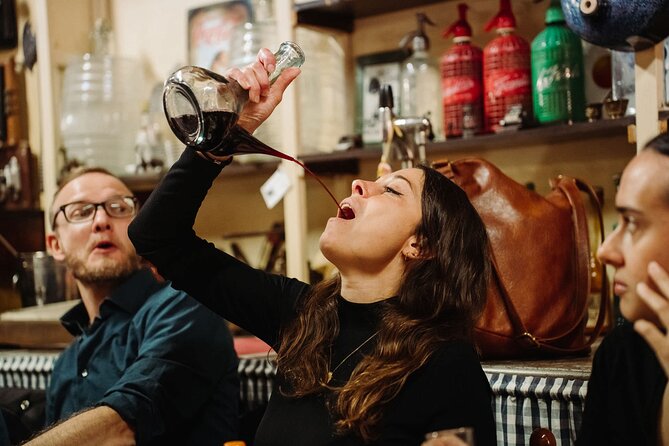
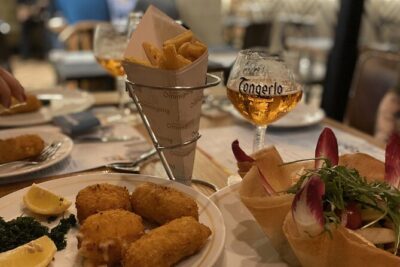
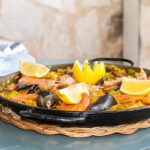
Bar Roure is where you settle in. You’ll spend about 35 minutes here, enjoying homemade lunch with typical Catalan tapas and your choice of wine or beer. Admission is included for the food and drinks the tour provides.
This lunch matters because it gives structure to the day. Earlier stops are spread out, and you may not always know how hungry you are until you sit down. At Bar Roure, the meal is the payoff: you get a set of tapas and a drink option that matches the way Catalan dining typically flows.
Also, this is the kind of place where it’s okay to slow down. You’re not rushing through tastings; you’re eating. And that’s where you start noticing flavor patterns—salt levels, bread pairings, how sauces show up across multiple stops.
Passeig de Gràcia Sight Passes: Casa Fuster and the La Pedrera Finish
On the way to the final stops, you’ll pass Hotel Casa Fuster, a refurbished modernist mansion on the high-end Passeig de Gràcia. That moment is brief (about 10 minutes) and admission isn’t included, but the point is context. Gràcia shows you local neighborhood Barcelona; Passeig de Gràcia shows you how the city’s style became polished and expensive.
Then you end at La Pedrera—Casa Milà—with a final stop of about 15 minutes. Admission isn’t included, but you’ll learn more about Gaudí’s career trajectory and finish with a sweet treat from Mustafa’s Syrian pastry shop.
You’ll also hear an explanation of Arab cultural influence on desserts in Spain. Even if you’ve read about this concept before, it lands better when you’ve already tasted something influenced by cross-cultural pastry traditions during the tour.
Price and Value: What $103.34 Buys You (and What It Doesn’t)
At $103.34 per person for about 3 hours 30 minutes, this tour isn’t a budget street-food sampler. It’s priced like a guided experience that includes multiple tastings, guided context, and entry where listed.
Here’s where the value shows up for you:
- You get 12+ food tastes, enough to cover both breakfast and lunch-level eating.
- You get several drinks (the tour is described as including four drinks in the highlights, while the included list states 3 drinks; either way, you’re not leaving sober).
- You spend your money on fewer, higher-quality stops instead of piecing together bookings and menus yourself.
What’s not included is also clear: some sights like Casa Vicens and the La Pedrera don’t include admission tickets. So if you want full interior visits, budget extra. The tour’s main goal is the walk-through story, not a complete museum ticket package.
Booking-wise, the tour is often reserved about 28 days in advance on average. If your dates are fixed (especially around weekends or peak travel), reserve early so you’re not stuck with fewer options.
Group Size, Guide Energy, and the Real Pace of the Day
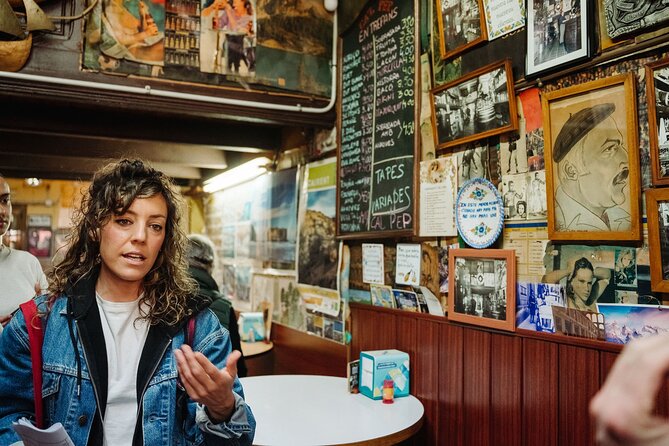
This experience runs as a small group—12 people or fewer. That matters because food tours can get loud and rushed with big groups. Here, the structure helps you stay engaged: ask questions, chat with hosts, and hear explanations without the guide shouting over everyone.
The pacing also helps. Stops aren’t too long, so you’re not waiting around for everyone to finish. But they’re long enough that you don’t feel like you’re just collecting bites on the move.
One practical tip: eat slowly even when you’re tempted to speed-run tastings. With this many stops and drinks, speed turns into regret later. If you’re taking photos, do it between tastings, not during them.
Dietary Options: What You Can Request, and What Might Still Be Tricky
The tour states it can accommodate vegetarians, pescatarians, gluten free (not celiac), non-alcoholic options, and pregnant women. That’s good news, and it’s enough flexibility for many travelers.
But there’s also a clear caution: the tour is not recommended for vegans, and it’s not described as the best fit for vegetarians because many included dishes are meat based. Also, you may not have a replacement food option at every stop.
So for you, the smart move is to contact the guest experience team ahead of time and be specific about what you avoid. If you’re vegetarian, ask how many stops typically have a meat-free alternative. If you’re gluten free, confirm what gluten-free means operationally for those specific tastings—especially since the tour says gluten free is not celiac.
If you do drink alcohol, great. If not, request your non-alcoholic option early so you don’t end up doing a compromise on the day.
Who This Tour Is Best For
This is a strong choice if you want:
- A Gràcia food experience with real local stops rather than only tourist-friendly restaurants
- Architecture context alongside eating, especially Gaudí-adjacent sights like Casa Vicens and La Pedrera
- A guided day where you’re not planning every bite yourself
It’s also a good fit for first-time visitors who want a neighborhood-based introduction to Barcelona’s food culture. If you already know the big sights, this tour helps you learn the everyday side that makes the city feel like Barcelona, not just Spain.
Should You Book This Gràcia Food-and-History Tour?
Book it if you want a guided walking day where you actually eat. The combination of 12+ tastings, multiple drinks, and neighborhood history makes it easier to understand Barcelona through the senses. You’ll finish with a stronger sense of where flavors come from—pastries, vermouth culture, market aperitivos, and the pastry crossovers that show up around Gràcia.
Skip it if your diet is strictly vegan or you strongly dislike meat-centered dishes and need guaranteed replacements at every stop. The tour can handle some accommodations, but the tour’s own description suggests limitations.
If you’re flexible, curious, and ready for a morning that turns into breakfast-to-lunch eating, this is one of the better ways to spend 3.5 hours in Barcelona—without feeling like you’re sightseeing instead of tasting.
FAQ
How long is the Barcelona Gràcia food and history tour?
It runs about 3 hours 30 minutes.
How many people are in the group?
The tour is a small group of 12 people or fewer.
What’s included in the price?
You get a local English-speaking guide, a walking tour, 12+ food tastes, and 3 drinks.
What’s not included?
Hotel pick-up/drop-off isn’t included. Admission tickets for Casa Vicens and Casa Milà (La Pedrera) are also not included.
Where does the tour start and end?
It starts at Farmàcia Les Carolines, Carrer de les Carolines, 26, Gràcia, and ends at La Pedrera – Casa Milà on Pg. de Gràcia, 92, in front of Casa Milà.
Is the tour in English?
Yes, the tour is in English.
Can the tour accommodate dietary restrictions?
The tour can accommodate vegetarians, pescatarians, gluten free (not celiac), non-alcoholic options, and pregnant women. However, it notes it’s not recommended for vegans and that there may not be a replacement option at every stop.
Is the tour suitable for people with mobility impairments or wheelchairs?
The operator says it can accommodate mobility impairment or wheelchairs, but you should contact the Guest Experience team.
Can I cancel for free?
Yes—free cancellation is available if you cancel at least 24 hours before the experience’s start time for a full refund.