REVIEW · NEW DELHI
Old Delhi Food Tour Safari – The Capital of Flavors
Book on Viator →Operated by TRAVEL INDIA ONE DAY · Bookable on Viator
Old Delhi tastes like a map. This private food tour in New Delhi is one of the quickest ways to get oriented while eating well, with Khari Baoli spices and Chandi Chowk lanes as the payoff. One consideration: the schedule moves through tight streets and busy markets, so comfy shoes and patience help a lot.
I like that you get a guide-led, group-adapted route that mixes food with a few key sights. You’re fed along the way with food and drinks included, plus a water bottle, and you’ll even use a tuk-tuk/rickshaw to get through the mess of Old Delhi.
In This Review
- Key takeaways before you go
- Entering Old Delhi the right way: food-first, direction-second
- Paharganj meet-up: getting oriented before the sensory overload
- Main street-food sampling: how the tour teaches you what to order
- Gurudwara Sis Ganj Sahib: a calm cultural pause with free entry
- Chandni Chowk area and the Row of Nine Houses: seeing the trade lanes
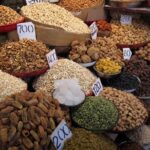
- Khari Baoli spice and nut market: where Delhi’s flavor economy starts
- Tuk-tuk and rickshaw ride: the practical shortcut through Old Delhi
- The guides make the difference: Danish, Sona, Sonal, and safe pacing
- What you’ll actually eat (and how that shapes your “memory” of Delhi)
- Price and logistics: why $8.35 can still be real value
- Who should book this Old Delhi Food Tour Safari
- Should you book it? My practical take
- FAQ
- FAQ
- How long is the Old Delhi Food Tour Safari?
- What does the tour cost?
- Is this tour private?
- Where do we meet the guide?
- What is included during the tour?
- Is the Khari Baoli spice market stop included?
- Are any admissions included or free at the stops?
- Can I choose a vegetarian-only option?
- What if the tour is canceled due to weather or plans change?
Key takeaways before you go
- Private, group-adapted experience that stays flexible for your pace and preferences
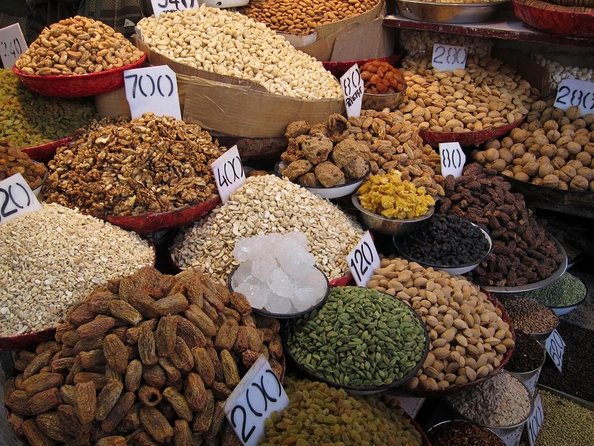
- Khari Baoli spice and nut market plus the wholesale-food culture behind Old Delhi flavor
- Street food samples like butter chicken, jalebi, and masala chai, not just sightseeing
- Gurudwara Sis Ganj Sahib as a meaningful stop with free admission
- Tuk-tuk and rickshaw rides so you’re not walking every step through crowds
- Vegetarian-only or heritage-focused options if you want to steer the focus
Entering Old Delhi the right way: food-first, direction-second
If your plan is a short stay in Delhi, the biggest challenge is not seeing things. It’s figuring out where to go, what to order, and how to move through the lanes without feeling lost. This tour is built for that problem. In about five hours, you’ll get both the food and the practical footing you need to understand what you’re looking at once the guide steps away.
The vibe is very much guide-led. You start at Paharganj near Hindustan by Backpackers heaven, meet your representative, and get an overview of what’s coming. Then you transition into Old Delhi’s main street-food world, where the point is to taste and learn in small chunks instead of trying to DIY your way through menus and lineups.
Two things I’d call out as high value for you:
- You’re not only eating. You’re also learning why the flavors make sense in this part of Delhi.
- You get support navigating crowds and deciding what’s worth stopping for, which matters when everything looks tempting at once.
You can also read our reviews of more food & drink experiences in New Delhi

Paharganj meet-up: getting oriented before the sensory overload
Your first stop is Paharganj, with the meeting point set at Hindustan by Backpackers heaven. This is where you’ll connect with the representative and get a quick overview of the Old Delhi food and heritage route.
Why this matters: Old Delhi can hit you all at once—smell, noise, traffic, and people. Starting with a short briefing helps you make better decisions later. You’re also less likely to waste time circling around before your day really starts.
One practical note from the tour info: the initial segment lists time with an admission ticket not included. That doesn’t mean you’ll pay for something right away, but it does suggest the early portion is more about getting organized than buying entry passes.
Main street-food sampling: how the tour teaches you what to order
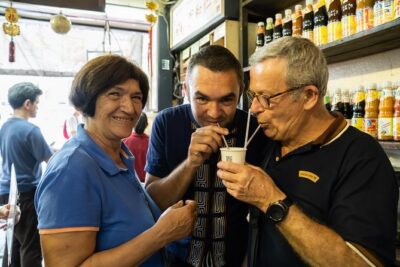
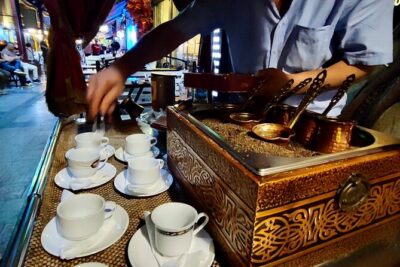
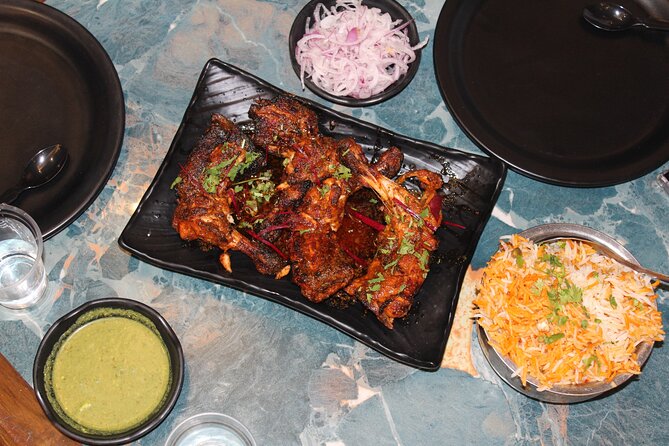
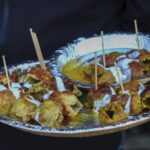
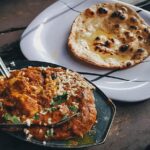
After the meetup, the route moves into Old Delhi’s street-food area. You’ll sample traditional favorites as you walk—think butter chicken, sticky-sweet jalebi, and masala chai. These aren’t random picks either. They’re classic signals of how Delhi’s food culture blends local preferences with Mughal-era cooking influence that shaped North Indian flavors over centuries.
What you’ll feel on this part of the tour is the difference between eating and learning.
- Eating: because you get food and drinks during the tour (and snacks are part of the plan).
- Learning: because your guide helps connect flavors to place, so you’re not just buying bite after bite.
And yes, it can be a lot. That’s why the guide-led pacing matters. You’ll keep moving, but not so fast that you miss what you’re tasting.
Gurudwara Sis Ganj Sahib: a calm cultural pause with free entry
One of the most grounding stops is Gurudwara Sis Ganj Sahib. The tour spends about an hour here, and admission is listed as free.
This is a Sikh temple dedicated to Guru Tegh Bahadur, who was executed by Aurangzeb. The gurudwara is tied to the site where he was beheaded, so it carries real historical weight beyond architecture and photos.
Why I like this inclusion for a food tour: it prevents Old Delhi from becoming only a flavor chase. You get a chance to shift gears—less street-food mode, more cultural context—so the rest of the day feels more meaningful.
Also, since this is a place of worship, you’ll want to be respectful with behavior and dress. If you’re unsure what that means practically, your guide can help you understand local expectations on the ground.
Chandni Chowk area and the Row of Nine Houses: seeing the trade lanes
Next you head toward Naughara, often described as the row of nine houses, in the Chandni Chowk area. The stop is about 30 minutes and also lists free admission.
Chandni Chowk matters because it’s one of the historical commercial hubs of Old Delhi, known for narrow lanes, traditional shops, and street food. The tour info notes it was established in the 17th century by Mughal Emperor Shah Jahan. Even if you’re not a history person, that detail gives you a mental frame: this area wasn’t built for modern shopping habits. It grew around older patterns of trade and gathering.
Here’s what you should watch for while you’re walking:
- how shopfronts and lane width affect where people pause for food
- how the market rhythm changes block to block
- how the architecture and street plan shape sightlines and crowd flow
One consideration: the lanes are tight, and you’ll be walking through active market areas. This isn’t a sit-down “food tasting menu in peace” kind of tour. It’s a guided walk where your guide helps you stay on track.
A few more New Delhi tours and experiences worth a look




Khari Baoli spice and nut market: where Delhi’s flavor economy starts
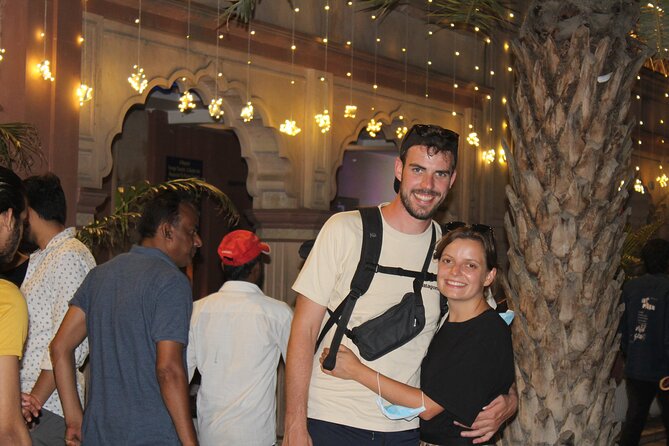
Then comes the heart of the “capital of flavors” idea: the wholesale spice and nut market of Khari Baoli. Your time here is about 30 minutes, and admission is listed as free.
The tour description calls Khari Baoli Asia’s largest wholesale spice market. That’s exactly the angle that makes this stop more than a quick photo moment. You’re seeing the supply chain logic behind what you ate earlier. When a city has a dedicated wholesale spice market on this scale, it shapes everything—what’s available, how it’s priced, and what local cooks can do with ingredients.
What I think you’ll enjoy most here is the sensory education:
- You start recognizing spice names by smell as you move along stalls.
- You see dried goods and nuts in commercial quantities, not souvenir sizes.
- You learn the wholesale mindset: spices aren’t just flavor; they’re also business.
A small heads-up: shopping in the market is not included. That’s good for value control. You’re not being pushed to buy, but if you do want to pick up spices or snacks to take home, you’ll pay out of pocket.
Tuk-tuk and rickshaw ride: the practical shortcut through Old Delhi
Old Delhi is busy, and walking every step would slow your food time. The tour includes a tuk-tuk ride/rickshaw component, and you finish with a rickshaw ride through the lanes.
This matters for two reasons:
- You cover more ground in the same time window.
- You stay comfortable enough to keep eating and enjoying the day instead of arriving exhausted.
If you’re new to Delhi, the rickshaw segment is also a confidence builder. You feel how the streets work and where you’d likely get stuck if you tried doing it alone.
The guides make the difference: Danish, Sona, Sonal, and safe pacing
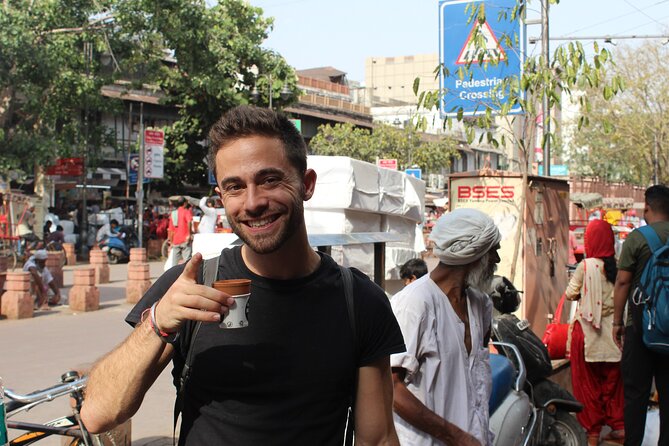
A strong food tour is not only about food. It’s about how your guide handles the day: where they take you, how they time bites, and how they keep you feeling good in crowded places.
The tour has standout guide feedback tied to names like Danish, Sona, and Sonal. The common thread in the praise is that these guides are friendly, talk you through what you’re eating, and make sure you’re comfortable and safe while moving through Old Delhi’s lanes.
How to use this as a traveler: when you book, pay attention to the guide name assigned to your date if you can. If you’ve seen Sona/Sonal or Danish listed for that day, you can feel extra confident that the guide interaction style is a big part of the value here.
What you’ll actually eat (and how that shapes your “memory” of Delhi)
You should expect a real street-food sampling rather than a few small bites for show. The tour overview specifically calls out classics like butter chicken, jalebi, and masala chai.
Here’s why that set works for you:
- Butter chicken gives you a rich, creamy anchor so the day has a familiar “North Indian” baseline.
- Jalebi is a quick read on Old Delhi’s sweet tooth and frying/syrup technique.
- Masala chai connects to everyday life here, not just restaurant culture.
Because the tour includes food and drinks, you’re not stuck calculating every cost mid-walk. And the water bottle inclusion helps you stay functional through spicy and sweet stops.
If you have dietary needs, the tour offers flexibility. You can opt for a vegetarian-only food crawl option, or choose a heritage-focused route. That flexibility is important in a city where menus can shift from stall to stall.
Price and logistics: why $8.35 can still be real value
The listed price is $8.35 per person, with an average booking window of about 10 days in advance. For a five-hour private tour in central Old Delhi that includes food and drinks plus market time and transport, the price-to-time ratio is hard to beat.
What you’re getting for that price:
- Street food and snacks
- Food and drinks (so you’re not paying separately for every stop)
- Water bottle
- Spice market tour
- Tuk-tuk/rickshaw ride
- A guide who acts like your in-city friend and navigator
- A private setup where only your group participates
What isn’t included:
- Hotel pick-up/drop-off
- Shopping
- Any admission ticket that’s not listed as free (the meeting time at Paharganj notes admission ticket not included)
If your hotel is outside the area, factor in the cost of getting to the meet-up point. That’s the most common “hidden” variable with low-priced city tours: not the tour cost, but how you arrive.
Who should book this Old Delhi Food Tour Safari
This is a good match if:
- you only have a few hours in Delhi and want immediate payoff
- you want street food, not a museum-only day
- you’re okay with walking and moving through crowded lanes with a plan
- you like your cultural context delivered through food and real places
It may be less ideal if:
- you need a super slow pace with frequent long breaks
- you hate markets and prefer sit-down dining only
- you expect a quiet, low-stimulation experience
The private format helps. You can adjust the route toward heritage or vegetarian focus, which makes the tour feel more “about you” than a fixed checklist.
Should you book it? My practical take
Book it if you want Old Delhi to feel understandable fast—through food, spices, and a couple of meaningful stops. The combo of Khari Baoli (where flavor supply starts), Chandni Chowk lanes (where it shows up in daily life), and Gurudwara Sis Ganj Sahib (where the day gains a human-cultural anchor) is a strong use of a half day.
Skip it or reconsider if you’re looking for a calm, luxury-paced tour or you have major mobility constraints that make market walking difficult. Also, if you plan to do lots of shopping, remember market shopping isn’t included—so budget separately.
FAQ
FAQ
How long is the Old Delhi Food Tour Safari?
The tour runs about 5 hours.
What does the tour cost?
The price is listed as $8.35 per person.
Is this tour private?
Yes. It’s a private tour/activity, and only your group participates.
Where do we meet the guide?
The meeting point is at Hindustan by Backpackers heaven in Paharganj.
What is included during the tour?
Inclusions list food and drinks, a water bottle, a tuk-tuk ride/rickshaw, street food/snacks, a spice market tour, and your tour guide.
Is the Khari Baoli spice market stop included?
Yes. The tour includes a spice market tour at Khari Baoli, where you’ll explore wholesale spices and nuts.
Are any admissions included or free at the stops?
Gurudwara Sis Ganj Sahib lists admission as free. The Chandni Chowk/Naughara stop also lists free admission, and the Khari Baoli market stop lists free admission. The Paharganj first meeting segment notes an admission ticket is not included.
Can I choose a vegetarian-only option?
Yes. There are flexible options, including a vegetarian-only food crawl.
What if the tour is canceled due to weather or plans change?
Cancellation is listed as free up to 24 hours in advance for a full refund. The experience requires good weather; if it’s canceled due to poor weather, you’ll be offered a different date or a full refund.