REVIEW · TOKYO
Tokyo: Tsukiji Fish Market Food and Culture Walking Tour
Book on GetYourGuide →Operated by Japan Wonder Travel · Bookable on GetYourGuide
Tokyo’s food maze starts at Tsukiji. This 3-hour Tsukiji Outer Market walking tour turns sensory overload into an easy game plan, with tastings that help you know what to order and why. I love the big, crowd-winning stops like Wagyu beef skewers and the final fish meal, because you leave full and satisfied. I also love the culture layer: your guide connects today’s stalls to how Tokyo’s food world developed around the market. One thing to keep in mind: this isn’t built for vegans or vegetarians, and it may be affected on Wednesdays and Sundays when some stalls can’t serve items like omelet, fish cake, and fruit.
You meet your guide at the main gate of Tsukiji Honganji-Temple, then you work your way through the outer market with a small group. The tour runs with an English live guide and includes top-grade tastings along the route, plus a closing sushi or seafood bowl portion depending on the day.
In This Review
- Key Things I’d Be Excited About
- Tsukiji Outer Market: The Fast Track to Tokyo Street Food Smarts
- Where You Start: Tsukiji Honganji-Temple and Getting Oriented
- Stop 1: Your First Taste of the Outer Market (About 30 Minutes)
- Stop 2: Two and a Half Hours of Tastings and Market Wisdom
- If You’ve Never Done a Market Tour Before
- The Wagyu Skewer Moment: Why It Works So Well Here
- Fish, Seafood, and the Closing Meal: Sushi or Seafood Bowl
- Timing Note: You Might Eat in the Middle of the Day’s Energy
- Omelet, Fish Cake, and Fruit: What Changes on Closure Days
- Pacing and Walking: The Part You Should Actually Plan For
- Price and Value: Is $96 a Good Deal?
- Who This Tour Fits Best (And Who Should Skip It)
- Practical Tips Before You Go
- Should You Book It?
- FAQ
- What’s the meeting point for the tour?
- How long is the Tsukiji Fish Market food and culture walking tour?
- What’s included in the tastings and meal?
- Is the final meal sushi or a seafood bowl?
- Can I request vegetarian, vegan, halal, or gluten-free options?
- When is the fish market closed?
- What happens on Wednesdays and Sundays?
- How big is the group, and is it strenuous?
Key Things I’d Be Excited About
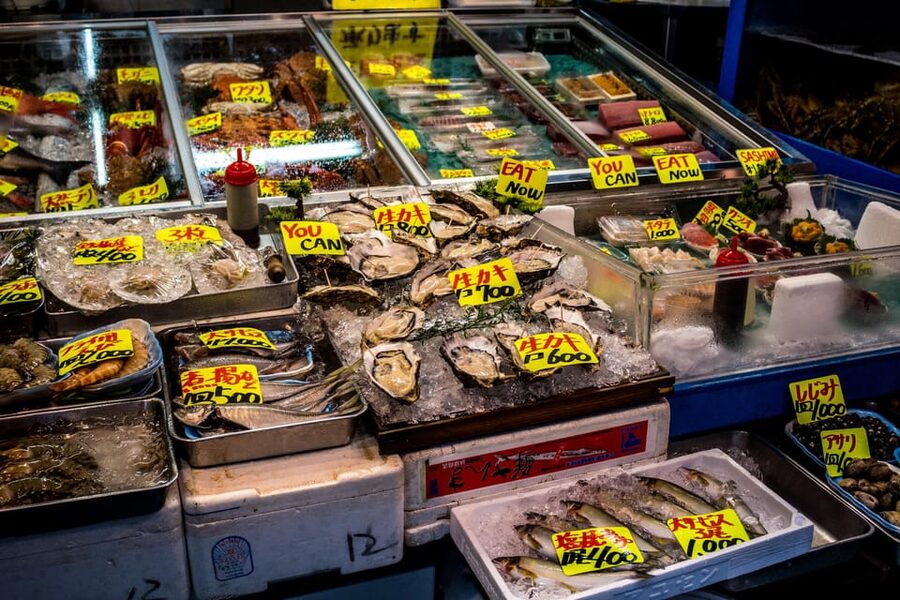
- Wagyu skewers plus real market-style snacks so you’re not stuck eating just one thing
- A small group (2 to 8) that makes it easier to hear your guide and actually ask questions
- Temple-area start that grounds you in the neighborhood, not just the food
- Sushi vs seafood bowl at the end, chosen by the day’s setup
- Clear contingency planning on closure days with alternative meal arrangements if a stop can’t serve
Tsukiji Outer Market: The Fast Track to Tokyo Street Food Smarts
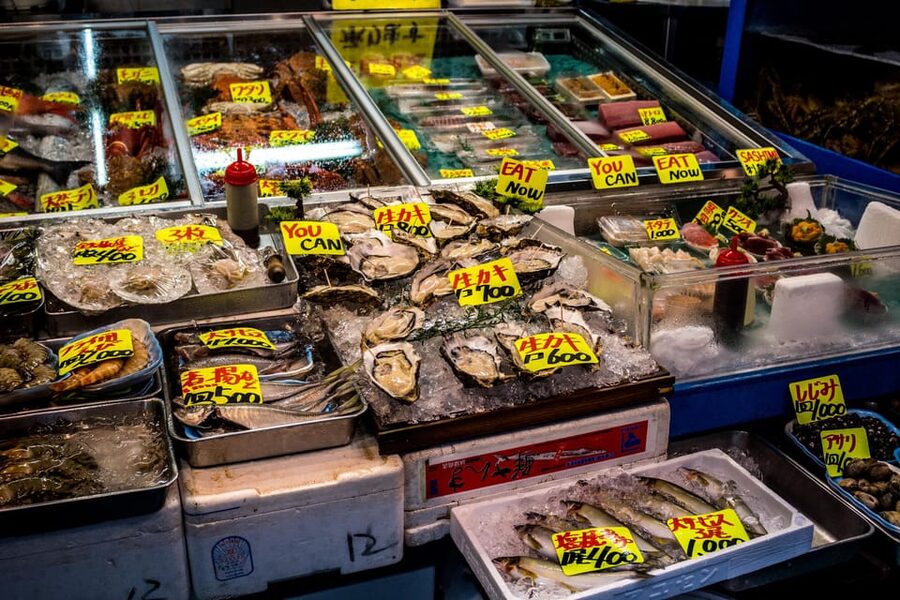
Tsukiji has a reputation that can make it feel like a theme park. This tour helps you cut through that. You’re not just wandering; you’re learning the logic behind the stalls—how vendors think, how buyers choose, and what makes certain foods “worth the hype.”
The outer market is where you’ll feel the energy of Tokyo’s food culture at street level. It’s a maze of narrow lanes, busy counters, and constant sampling. The value here is that you get a route and context, so you don’t spend your limited time asking random questions to overwhelmed vendors.
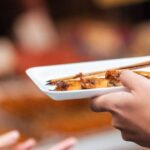
And yes, the food is the main event. You’ll be tasting multiple items, including high-grade Wagyu beef skewers, fresh fish bowl or sushi (depending on the day), Japanese omelet, fried fish cake, and seasonal fruits. That’s exactly what you want on your first market visit: variety without the guesswork.
You can also read our reviews of more walking tours in Tokyo
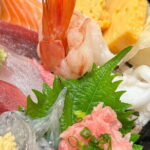
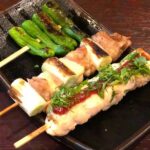
Where You Start: Tsukiji Honganji-Temple and Getting Oriented
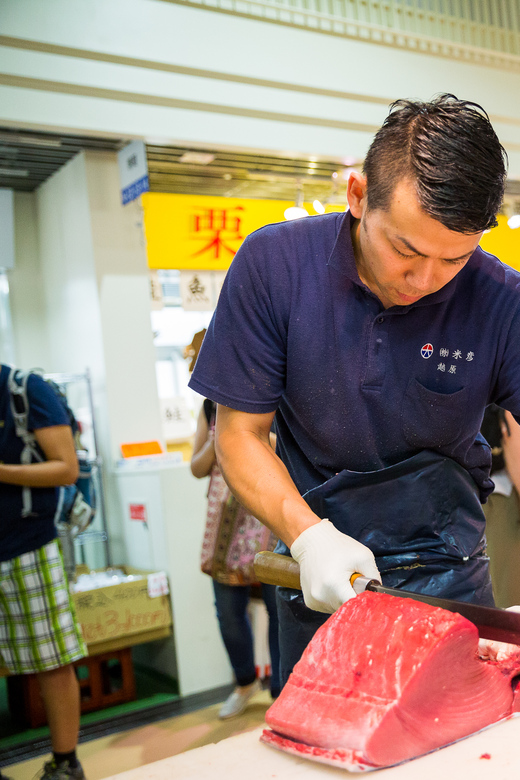
The meeting point matters more than most people expect. You start at the main gate of Tsukiji Honganji-Temple, which puts you in the right neighborhood mood immediately. It also helps you get your bearings fast, because you’ll begin the walking with a guide who can steer you through the market’s layout.
You’ll also get cultural and food context from the start—this isn’t a “follow me, eat now” stroll. Guides on this tour are repeatedly praised for explaining how the area works and how food culture links back to the market’s role in Tokyo. If you enjoy learning small rules—how to behave at a shrine, how to interact with vendors—this tour tends to deliver that kind of practical background.
Stop 1: Your First Taste of the Outer Market (About 30 Minutes)
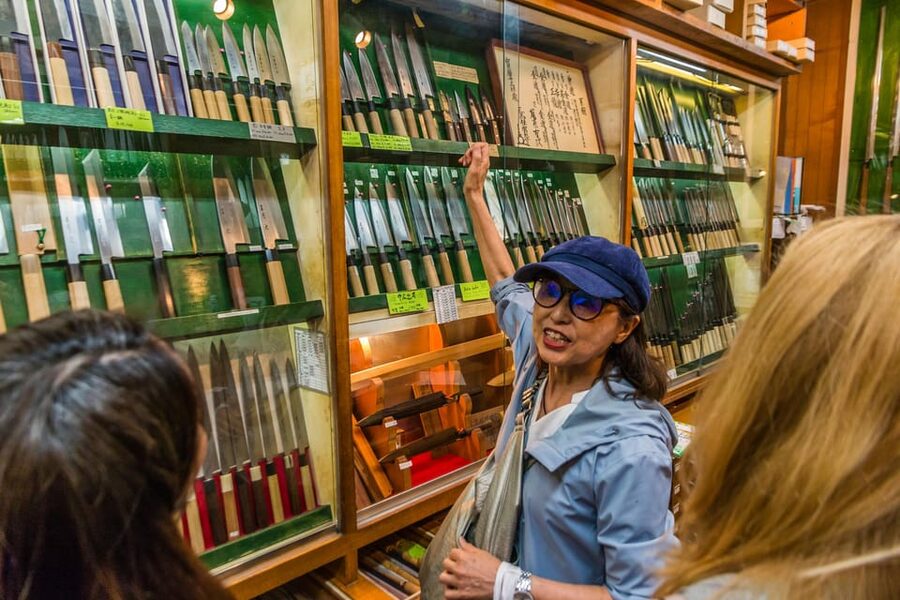
After meeting your guide, you head into the Tsukiji Outer Market area for a short guided walk (around 30 minutes). Think of this as your orientation phase.
You’ll see how the market is organized and start tasting early, so you don’t end up waiting until the end to get your first win. This is also when you learn the “how to order” mindset. In a place like Tsukiji, people who speak Japanese can sometimes feel like they’re watching a private film. A good guide bridges that gap.
What you might notice right away:
- Vendors and counters that specialize in one thing
- Lines that form for specific items (not just because it’s popular)
- How your guide explains what’s best to eat and when
If you’re the type who gets overwhelmed in crowded food halls, this early structure is a huge plus. You’ll know what you’re looking at instead of just smelling it.
Stop 2: Two and a Half Hours of Tastings and Market Wisdom
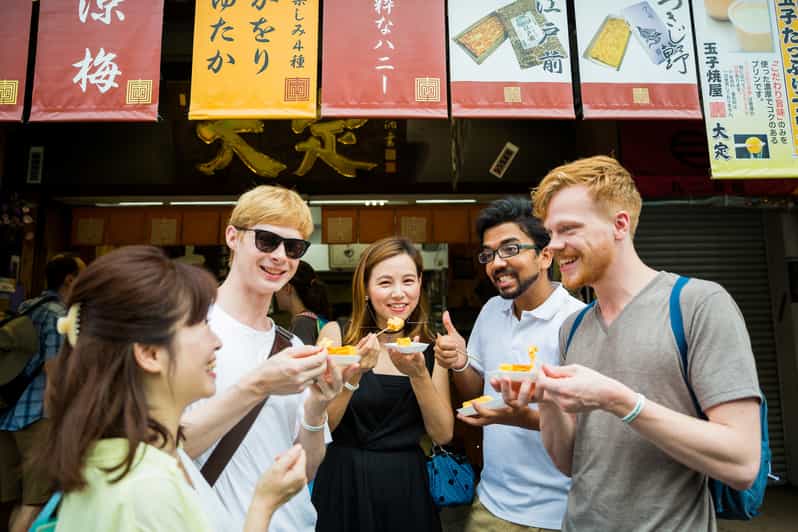
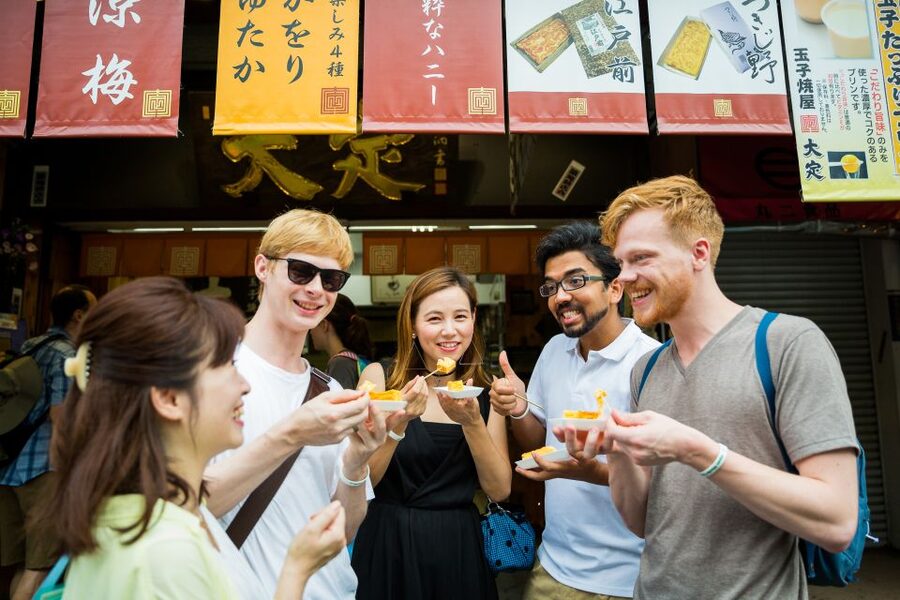
The heart of the tour is the longer outer-market portion (about 2.5 hours). This is where the tour becomes more than sampling. You’re actively guided through stalls selling fish and seafood, plus Japanese street foods built for on-the-go eating.
Expect a sequence of tastings that typically covers:
- Wagyu beef skewers (often the standout stop for people)
- Fish-based items such as sushi or a seafood bowl
- Japanese omelet and fried fish cake
- Seasonal fruits
The important value here is that you’re learning the “menu behind the menu.” Your guide isn’t just naming foods—they’re explaining the culture of what you’re eating: how market sourcing affects quality, why certain items are eaten at specific times, and how Japanese food culture treats ingredients as the hero.
This is also where your guide helps with vendor interactions. Multiple guides are described as making conversations feel easy, so you’re not left translating by hand while everyone else moves on. You’ll also be able to choose what to buy along the way if something catches your eye.
If You’ve Never Done a Market Tour Before
Here’s the trick: markets are not “one big store.” They’re dozens of micro-specialists. A guided route helps you hit more of what matters without spending your time stuck in the wrong line.
You can also read our reviews of more food & drink experiences in Tokyo



The Wagyu Skewer Moment: Why It Works So Well Here
Wagyu skewers aren’t just a tasty souvenir. They’re a smart introduction to what makes Tsukiji special.
High-quality beef in a skewer format is built for instant evaluation. You can taste texture, richness, seasoning, and balance quickly. And because it’s served in the market rhythm, you’re not waiting for a sit-down meal to understand the food.
People often single out this stop because it delivers both:
- A flavor payoff that feels instantly premium
- A learning payoff: it shows how market-quality ingredients can turn into simple street food
If you’re curious about what “top-grade” Wagyu means in real life, this tour gives you a benchmark—then you can decide if you want to chase similar flavors later in Tokyo.
Fish, Seafood, and the Closing Meal: Sushi or Seafood Bowl
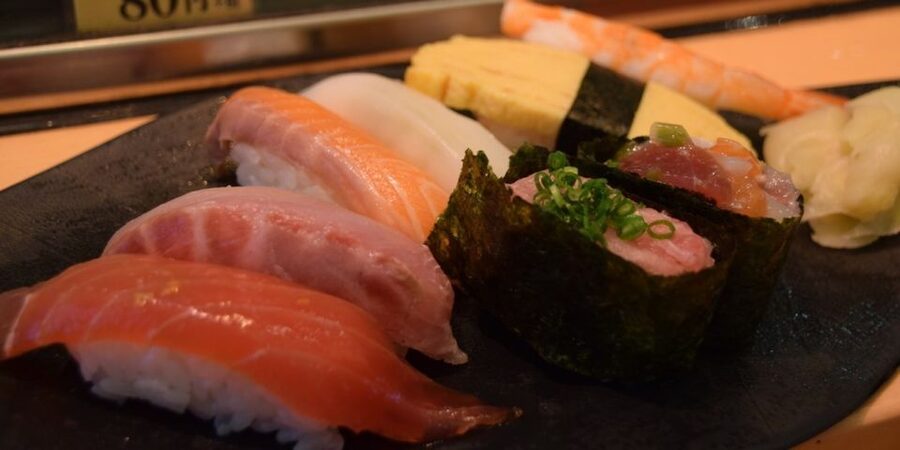
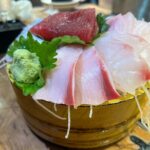
You end at a restaurant serving either a sushi set or a seafood bowl, depending on the day. The tour description is straightforward here: the final meal is a fish bowl or sushi serving to wrap things up, before returning toward Tsukiji Station.
This last step is valuable for two reasons:
- It prevents the “I sampled a lot but still feel hungry” problem.
- It gives you a more complete taste of the market’s seafood world, not just finger-food bites.
Some guides are also credited with more hands-on seafood moments—like demonstrations of fish cutting or filleting for a sashimi-style bowl. Your tour package may not always include the same showy element, but it’s clear the program is designed to end with a real fish-focused finale, not a random dessert stop.
Timing Note: You Might Eat in the Middle of the Day’s Energy
Markets get intense, and crowds are part of the deal. That’s why a 3-hour format works. You can see a lot, eat a lot, and still have enough stamina to continue your Tokyo day afterward.
Omelet, Fish Cake, and Fruit: What Changes on Closure Days
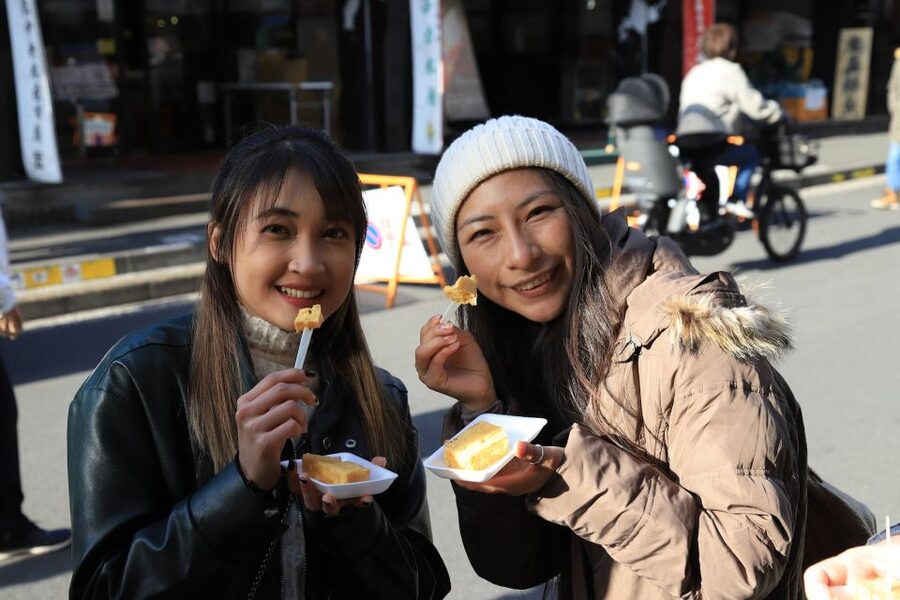
Tsukiji’s schedule isn’t uniform. The fish wholesale side (Uogashi) is closed on Wednesdays, Sundays, and other closed market days. And on those closure days, the tour notes that Japanese omelet, fish cake, and fruits cannot be served because the shops are closed.
What I like about how this tour handles it: it’s transparent. You won’t show up expecting a specific item and then act surprised. The tour also states that if the restaurant suddenly closes and can’t provide the meal, an alternative will be offered.
So your takeaway for planning:
- If you’re visiting on a Wednesday or Sunday, your menu may shift.
- The Wagyu and the seafood finale are still the main goal, but a few side items may not happen.
If you can choose dates, weekdays often feel easier than peak crowd times—but that’s more about comfort than food quality.
Pacing and Walking: The Part You Should Actually Plan For
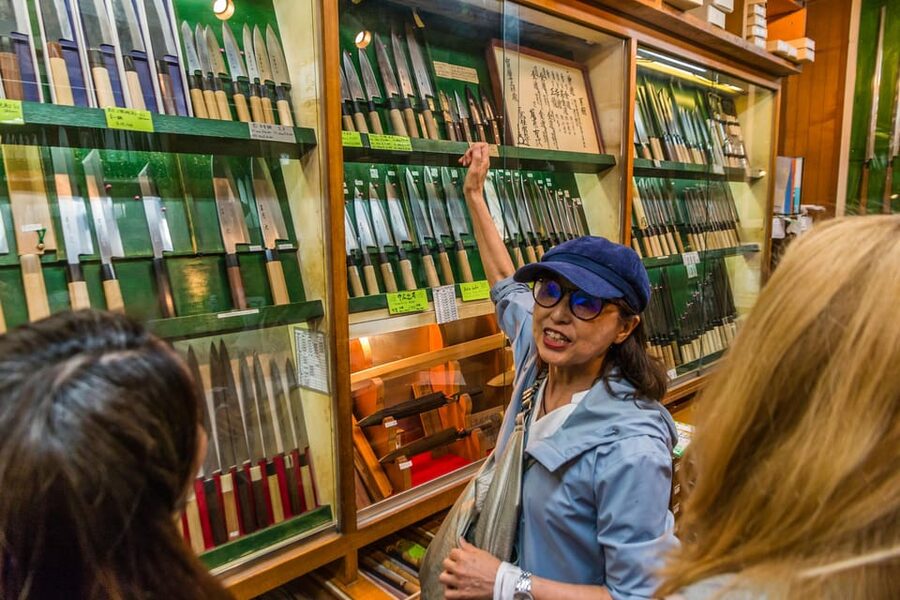
This is a moderate-walking tour. It’s also not suitable for people with mobility impairments or wheelchair users.
Here’s what “moderate” means in a market context: you’ll move through narrow lanes, you’ll stand for short periods, and you’ll be in and out of small stalls where sightlines are tight. If you’re someone who likes to browse slowly, you’ll still enjoy it—just know the route is set and you’ll keep flowing.
Group size is small (2 to 8), which matters because it changes how the tour feels:
- You’re less likely to be lost in a sea of bodies
- Your guide can keep the group together
- You can ask questions without shouting
On crowded market days, small groups turn “chaos” into something manageable.
Price and Value: Is $96 a Good Deal?
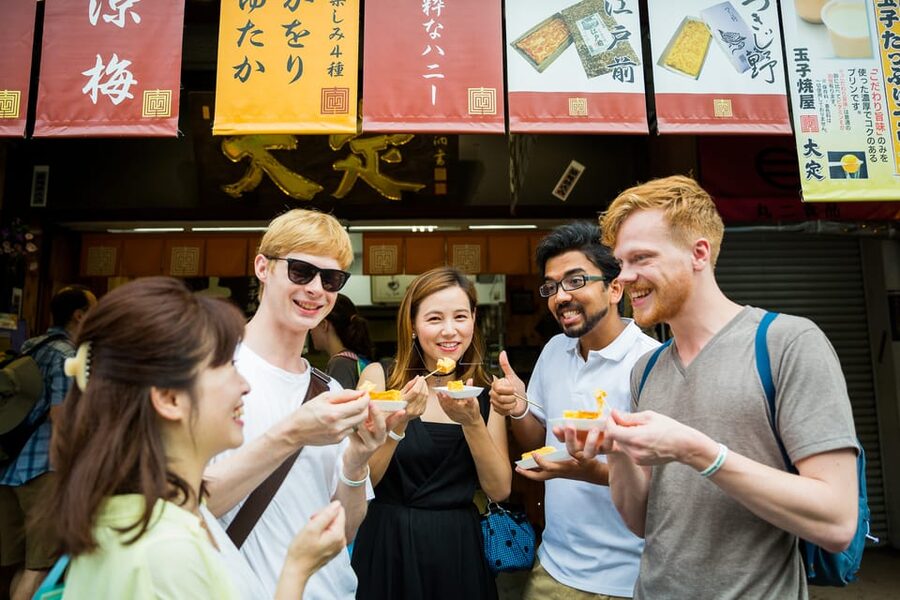
At $96 per person for about 3 hours, the tour is priced like a premium food experience—not like a casual street-food wander.
Why it can still be a solid value:
- Multiple included tastings (not just one snack)
- Higher-end items like Wagyu skewers
- A guided route that saves you time in a place that’s hard to navigate
- A culture component that helps you understand what you’re eating
- Small group format, which often reduces waiting and confusion
Where you should be honest with yourself:
- If you don’t care about learning and just want to snack cheaply, you might spend less eating on your own.
- If you need specific dietary rules (vegetarian, vegan, halal, gluten-free), this tour doesn’t accommodate them, so you’d be better off choosing a different type of food tour.
Bottom line: if you want a structured, high-quality taste of Tsukiji without doing homework, $96 can feel fair.
Who This Tour Fits Best (And Who Should Skip It)
This tour is a great fit if you:
- Want an easy entry point to Tokyo food culture
- Like guided tasting routes where you can compare items
- Enjoy seafood and beef-based Japanese street food
- Prefer small groups over big bus-style tours
Skip it if you:
- Need vegetarian/vegan/halal/gluten-free options (the tour explicitly can’t accommodate those)
- Have mobility limitations that make market walking difficult
- Want a long sit-down meal at a traditional restaurant pace
Also, there’s a minimum drinking age of 20. The tour doesn’t list alcoholic items in the included menu, but the policy is there, so plan accordingly if you’re thinking about sake or beer.
Practical Tips Before You Go
A few small moves will make the tour smoother:
- Wear comfortable shoes. You’ll be on your feet and weaving through crowds.
- Bring a camera if you like to document stalls and signage, but keep it quick—people are moving.
- Dress comfortably for weather. The tour is an outdoor-heavy walk in a crowded area.
If this is your first visit to Tokyo, I’d treat this tour as your “food orientation day.” After it, you’ll have a better sense of what you want to return for—whether that’s more skewers, a specific fish counter, or another fruit stall.
Should You Book It?
I’d book this tour if you want a structured way to eat well in Tsukiji without wasting time figuring out what’s worth it. The big included wins—Wagyu skewers, a seafood-focused finale (sushi or seafood bowl), and multiple tastings—make it feel like more than a quick snack stop. Add the small-group format and the culture explanations, and it becomes a practical introduction to Tokyo’s market food world.
I wouldn’t book it if you need vegetarian/vegan/halal/gluten-free accommodations, or if you know you can’t handle moderate walking and tight crowded spaces. And if you’re traveling on a Wednesday or Sunday, go in expecting the menu to shift due to closures.
If you can match those conditions, this is one of the easiest ways to enjoy Tsukiji like you actually know what you’re doing.
FAQ
What’s the meeting point for the tour?
Meet your guide at the main gate of Tsukiji Honganji-Temple when the tour starts.
How long is the Tsukiji Fish Market food and culture walking tour?
The tour lasts 3 hours.
What’s included in the tastings and meal?
You get a walking tour with local professional guide insights, plus tastings that include high-grade Wagyu beef skewers, Japanese omelet, seasonal fruits, fried fish cake, and a fresh fish bowl or sushi at the end (depending on the day).
Is the final meal sushi or a seafood bowl?
It depends on the day and time—your final serving is either sushi or a seafood bowl.
Can I request vegetarian, vegan, halal, or gluten-free options?
No. This tour unfortunately does not accommodate vegetarian, halal, or gluten-free requests, and it is not suitable for vegans or vegetarians.
When is the fish market closed?
The fish market (Uogashi wholesaler market) is closed on Wednesdays, Sundays, and other closed market days.
What happens on Wednesdays and Sundays?
On Wednesdays, Sundays, and other closed market days, Japanese omelet, fish cake, and fruits cannot be served because shops are closed. Depending on the day, the tour still provides an alternative if the meal can’t be provided.
How big is the group, and is it strenuous?
It’s a small group tour for 2 to 8 people, with a moderate amount of walking. It is not suitable for people with mobility impairments or wheelchair users.