REVIEW · ROME
Rome: Eat Like a Roman Ghetto & Campo de’ Fiori Food Tour
Book on GetYourGuide →Operated by Hili srl · Bookable on GetYourGuide
Two-and-a-half hours. One very full stomach. This street food tour links Roman classics with real neighborhood stories, from Campo de’ Fiori to the Jewish Ghetto, where food and memory share the same streets. I especially love the mix of Campo de’ Fiori market energy with old-Rome landmarks, and I also like that the tastings feel like a meal rather than tiny bites.
One thing to keep in mind: it’s not a good fit if you’re gluten intolerant or looking for vegan options, and drinks aren’t listed as included.
In This Review
- Key Things You’ll Notice
- Campo de’ Fiori and the Ghetto: Why This Walk Works
- Meeting Up and Getting Your Timing Right
- Morning Market Bonus: Truffle, Olive Oil, and Vinegar
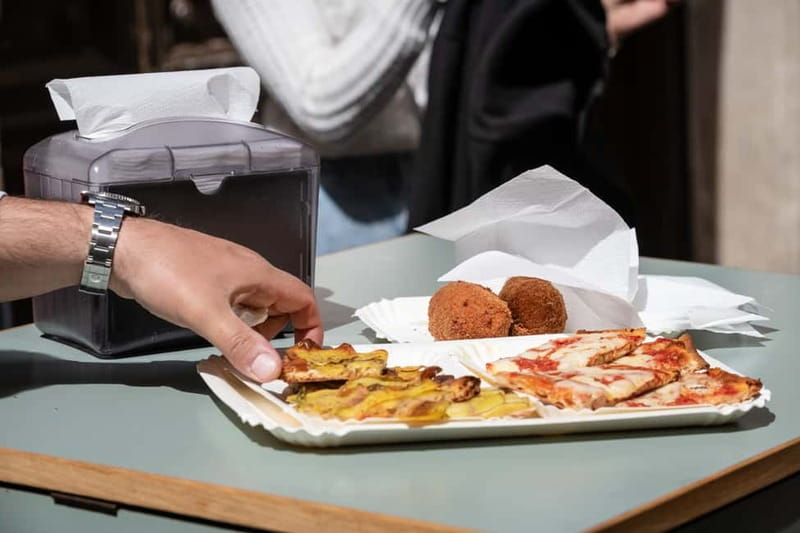
- Supplì and Panini: The Roman Street-Food Starter Pack
- Roman-Style Pizza: How It Fits Into the Snack Culture
- Jumping From Landmarks to Bites at Campo de’ Fiori
- The Jewish Ghetto Stop: Carciofo alla Giudia Up Close
- Largo di Torre Argentina and Caesar’s Assassination Story
- Gelato Finale at Gunther Gelateria: Finish Strong
- Price and Value: Is $50 Worth It?
- Dietary Needs and Who Should Book (and Who Shouldn’t)
- Who This Tour Fits Best
- Should You Book This Rome Food Tour?
- FAQ
- How long is the Rome: Eat Like a Roman Ghetto & Campo de’ Fiori Food Tour?
- What tastings are included on the tour?
- Do you visit the Campo de’ Fiori market?
- Are vegetarian options available?
- Is the tour suitable for vegans or gluten intolerance?
- Is the tour wheelchair accessible?
Key Things You’ll Notice
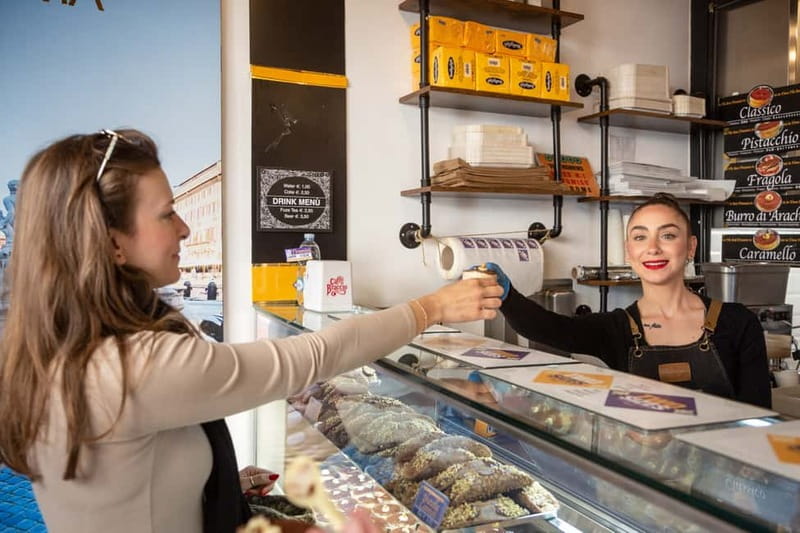
- Market-first start (morning tours): fruit-market time plus tastings like olive oil, truffle, and vinegar.
- Five tastings that add up: supplì, porchetta panini, Roman-style pizza, fried artichokes, and gelato.
- Jewish Ghetto focus: you taste carciofo alla Giudia and hear the neighborhood’s story.
- History tied to food stops: Julius Caesar’s assassination site is part of the walking route.
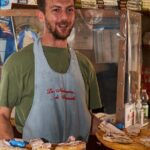
- Guides get high marks: people single out hosts like Leonardo, Daniele, Alessandra, Arianna, and Tiziana for fun pacing and strong city know-how.
- You finish near major sights: the gelato stop lands close to big Rome moments, so you can keep exploring afterward.
Campo de’ Fiori and the Ghetto: Why This Walk Works
Rome can be overwhelming on day one. This tour gives you a tight route with a clear theme: how Romans eat, snack, argue, celebrate, and remember—street by street. You start in the central area around Piazza Navona, then wind your way toward Campo de’ Fiori and the Jewish Ghetto, hitting landmark touchpoints as you go.
What makes it especially smart is how it connects two different vibes. Campo de’ Fiori is where people shop and snack while the day warms up. The Jewish Ghetto area is where the food feels like part of a living culture, not just a tourist performance. And because the guide keeps talking while you eat, you’re not standing around waiting for “the history moment.”
You can also read our reviews of more food & drink experiences in Rome


Meeting Up and Getting Your Timing Right
You meet at the fountain in the middle of the square. The starting spot is listed as Piazza di San Simeone, and from there the tour moves mostly on foot through central Rome. With a 2.5-hour duration, you’ll cover a good chunk of ground without feeling like your day turns into a cardio class.
My practical advice: don’t plan breakfast-heavy and don’t plan to eat a big lunch right before. Multiple guests describe leaving the tour very full, which makes sense. Five tastings over a short walk means you’ll eat real portions, not just “one taste for the photo.”
Morning Market Bonus: Truffle, Olive Oil, and Vinegar
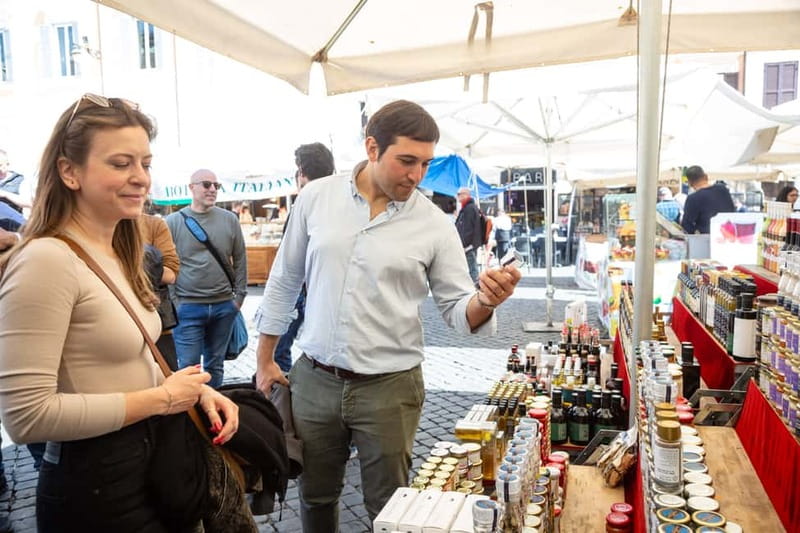
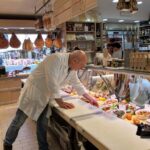
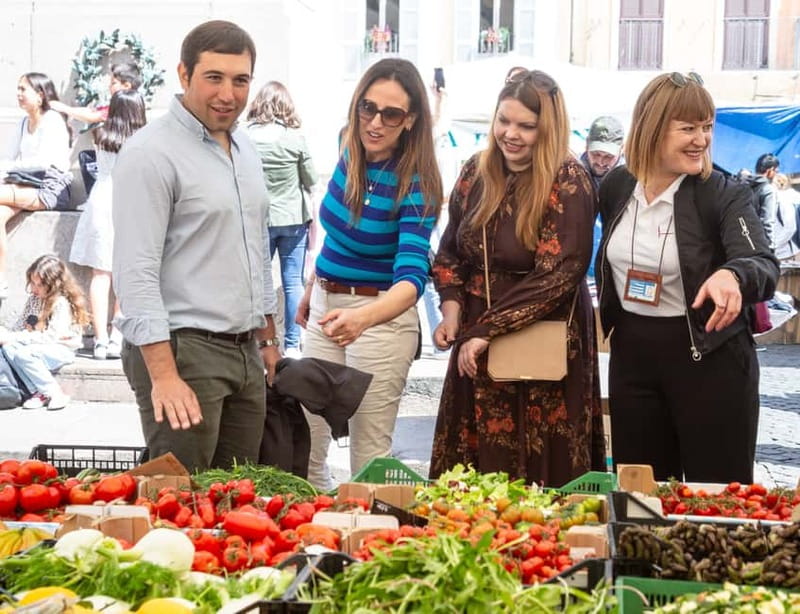
If you’re on a morning departure, this is where the tour turns from “good food walk” into “Rome food lesson.” You visit Campo de’ Fiori’s lively market area for a focused chunk of time, and there’s also a tasting component tied to Italian pantry staples: olive oil, truffle, and vinegar.
This matters because truffles and vinegar can sound like fancy buzzwords until you taste them properly. You’ll also get a sense for what Italians actually use day-to-day: sharp vinegars for cutting through fat, quality olive oil for finishing, and truffle flavors that can be subtle when used well. Even if you think you know olive oil, tasting it in context usually changes how you shop afterward.
Supplì and Panini: The Roman Street-Food Starter Pack
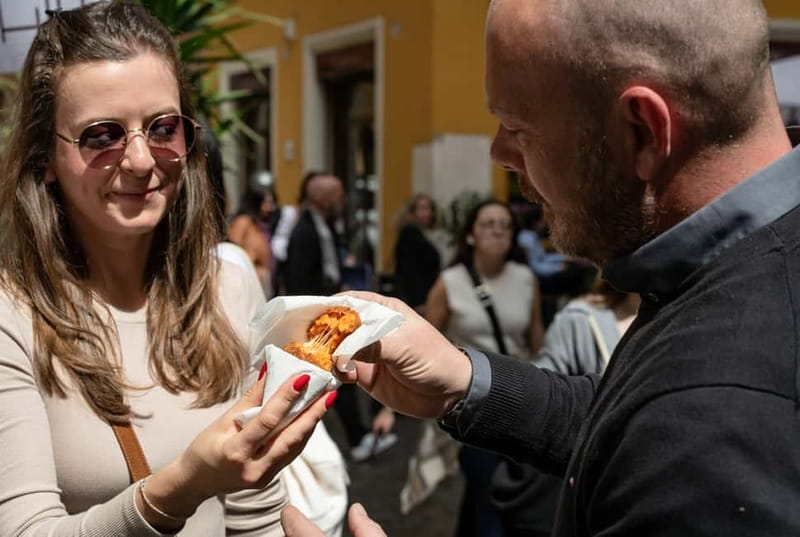
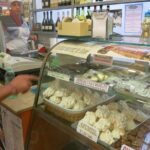
Your first savory hits are classic for a reason. You’ll taste supplì, the deep-fried rice ball that’s famous in Rome for its crisp shell and creamy interior. It’s the kind of snack that teaches you something fast: Roman street food is built for real cravings—hot, salty, and easy to eat while walking.
Next up, you’ll likely get a porchetta panini stop, with a porchetta sandwich as part of the included tastings. Porchetta in Rome isn’t just pork—it’s pork treated like a flavor event. The guide’s story typically helps you understand why this style of roast-and-sandwich became such a street staple.
Vegetarian options are available, which is a big plus. You’ll still get the full sequence of Roman flavors, without forcing you to “just skip the meat stop.” (Still, if you have strong dietary needs, tell the provider ahead of time.)
Roman-Style Pizza: How It Fits Into the Snack Culture
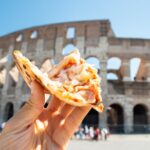
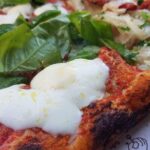
Then comes Roman-style pizza as part of the tastings. This isn’t the slow, sit-down version you might expect from a big pizzeria meal. The street-food logic is different: quick, sliceable, and designed to be eaten on the move or in a short stop.
This is one of the smartest parts of the tour for first-timers. You see how Roman food fits into the day. Instead of treating pizza like a single grand dinner decision, you learn how locals treat it as a reliable option when they’re hungry and busy.
A few more Rome tours and experiences worth a look



Jumping From Landmarks to Bites at Campo de’ Fiori
Between tastings, the route keeps you moving through key squares and sights. You’ll pass areas like Piazza and Passetto del Biscione and stroll past points such as Teatro Marcello. You’ll also get a stop-by, not a sit-down lecture, which keeps the pace friendly.
One subtle win here: the guide helps you connect the dots. You’ll hear stories while you walk, so when you see a landmark name again later, it feels less random. It’s not just “here’s a building.” It’s “here’s why this mattered.”
The Jewish Ghetto Stop: Carciofo alla Giudia Up Close
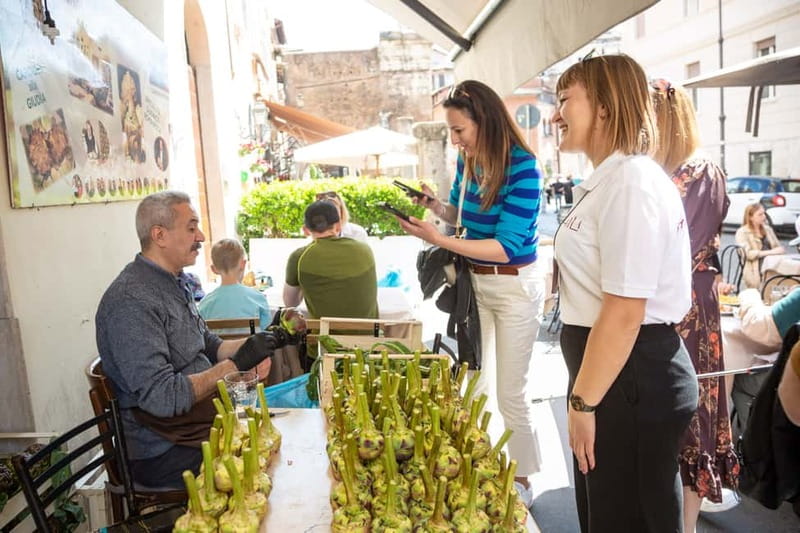
The Jewish Ghetto portion is a major highlight. The included tastings feature carciofo alla Giudia, the famous fried artichokes. This is one of those dishes where the name alone won’t do it justice. The artichoke comes out crisp, golden, and deeply savory—more than a side dish snack.
What makes this stop more than food is the way the tour frames the neighborhood. You’ll hear stories tied to the area’s significance and its culinary traditions. And as you walk, you’ll pass places like Portico d’Ottavia and the Turtle Fountain. You also spend time in the ghetto area rather than just cutting through.
Practical tip: fried artichokes are best when eaten fresh. So don’t hold it like a souvenir. Eat it, then keep walking. You’ll taste the crunch while it’s at its best.
Largo di Torre Argentina and Caesar’s Assassination Story

The route includes Largo di Torre Argentina, the site connected to Julius Caesar’s assassination. Even if you’ve heard the name before, hearing the story while you’re standing in the area makes it feel more real. The tour also threads in other classic Rome landmarks as you go, including Pantheon pass-by time.
This is where the guide style really matters. Guests consistently praise guides like Leonardo and Daniele for bringing the stories to life without turning the walk into a formal lecture. The result is a pace that stays fun, while still giving you context you can remember later.
Gelato Finale at Gunther Gelateria: Finish Strong
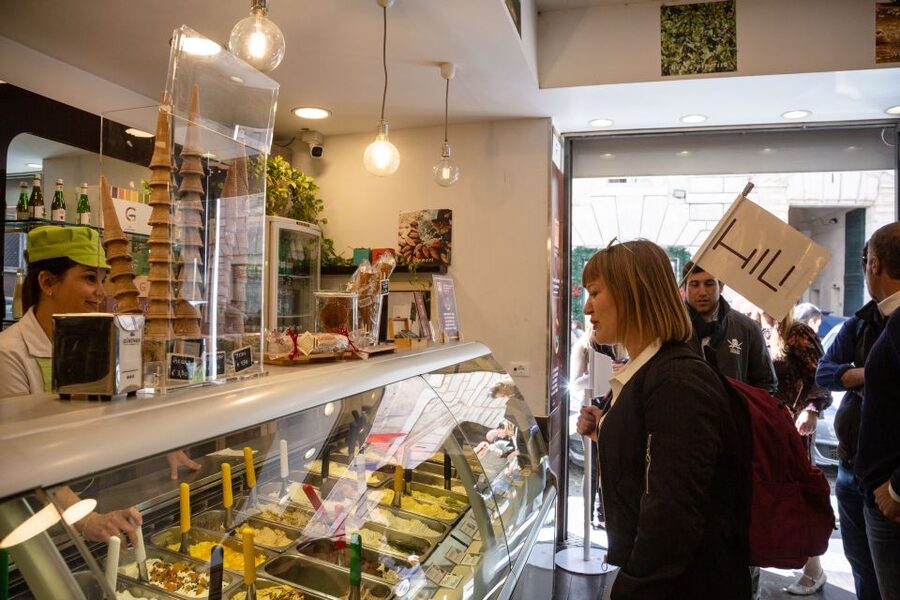
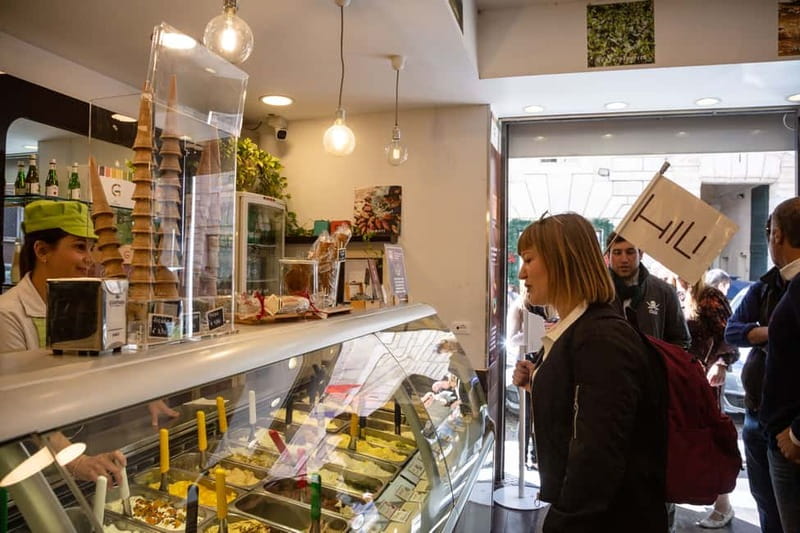
You end with artisanal gelato near iconic landmarks, with Gunther Gelateria called out as the final stop. This is a very “Rome” way to finish: something cold after savory and fried. It also gives you a clean landing point for the rest of your evening.
If you’re choosing flavors, think about balance. After fried rice, pork, pizza, and fried vegetables, a simple fruit or creamy base usually feels best. But if you’re the type who wants to compare several styles, this ending works because you’re already in a dessert rhythm.
Price and Value: Is $50 Worth It?
At $50 per person for about 2.5 hours, the value comes from two places: quantity and guidance. You’re getting five tastings that cover multiple Roman staples, plus market time (for morning tours) and a guided walk through central neighborhoods.
If you tried to replicate this on your own, you’d likely pay more for the same combination of food, without the “why” behind each stop. The guide is also a big part of the value. Many guests mention that hosts share great advice on where to eat next, and that the pacing keeps you from getting lost or wasting time in obvious tourist spots.
In other words: you’re not just buying food. You’re buying a route and a plan, which is what saves you energy in Rome.
Dietary Needs and Who Should Book (and Who Shouldn’t)
Here’s the straightforward reality check from the tour details:
- Vegetarian options are available.
- It is not suitable for vegans.
- It is not suitable for people with gluten intolerance.
- You should let the provider know about allergies and dietary restrictions.
So if you’re gluten-free, you’ll want to look for a different food experience that can guarantee safe substitutes. If you eat dairy and eggs, vegetarian should be workable, but still share your needs before you go.
Also note: drinks aren’t listed as included. Some guides may pair certain tastings with small additions, but don’t treat this as an open bar. Plan to bring your own water and budget for any extra beverages you want during the walk.
Who This Tour Fits Best
This is a great choice if you:
- want a first-night plan that helps you understand how Romans actually snack
- like food plus stories tied to real places
- prefer small-group walking over big-bus sightseeing
- enjoy learning from guides who keep the tone light and the pace steady
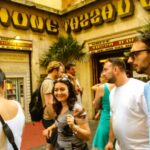
It’s also a strong pick for couples and solo travelers who want built-in conversation. Guests mention the guides actively engaging people, even chatting while you’re sitting during stops and then connecting that back to the tour along the way.
Should You Book This Rome Food Tour?
If you want a fast, flavorful intro to Rome that blends street food with meaningful neighborhood context, yes, this is an easy “book it” for most people. The five tastings are enough to act like a meal, and the route takes you through places you’ll want to revisit later.
The only clear reasons to skip are dietary fit (especially gluten intolerance and vegan needs) or if you dislike fried foods. If that’s you, you might enjoy a different food tour with safer substitutions.
If you do book, go hungry, wear comfortable shoes, and do one simple thing: ask your guide where they’d eat again tonight. You’ll leave with a plan, not just a plate.
FAQ
How long is the Rome: Eat Like a Roman Ghetto & Campo de’ Fiori Food Tour?
The tour lasts 2.5 hours.
What tastings are included on the tour?
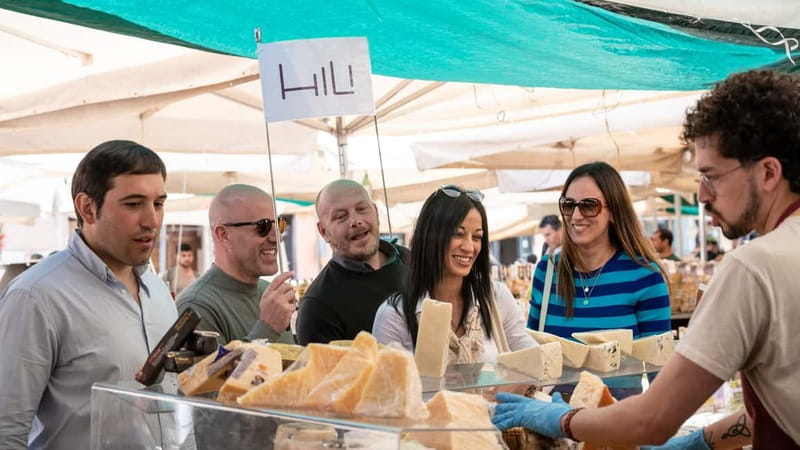
Included tastings cover panini with porchetta, supplì, Roman-style pizza, fried artichokes (Carciofo alla Giudia), artisanal gelato, and for morning tours only, an olive oil, truffle, and vinegar tasting.
Do you visit the Campo de’ Fiori market?
Yes, the Campo de’ Fiori food market visit is included, and it’s specified for morning tours.
Are vegetarian options available?
Yes. Vegetarian options are available, and you should inform the provider of any dietary restrictions when booking.
Is the tour suitable for vegans or gluten intolerance?
No. The tour is not suitable for vegans and it is not suitable for people with gluten intolerance.
Is the tour wheelchair accessible?
Yes, the tour is listed as wheelchair accessible.