REVIEW · ROME
Rome Street Food Tour – History, Craft and Authentic Taste
Book on Viator →Operated by Rosy Smart City Tours · Bookable on Viator
Food, history, and street corners in one walk. This tour mixes Rome’s oldest neighborhoods with a steady stream of tastings that add up to a real meal, not snack-size bites. I especially like the way the guide ties the food to the streets you’re standing on, so places like the Jewish Ghetto don’t feel like textbook names. One thing to keep in mind: if you need gluten or lactose adjustments, not every tasting can be guaranteed, and you’ll need to flag it when you book.
The route is built for getting your bearings fast, with a small group cap of 10 people so you can ask questions without shouting over the crowd. You’ll also see big landmarks from the outside, plus one craft stop when the mosaic shop is working. The only real drawback is that it’s a walking tour, and it goes in sun or rain unless conditions get extreme.
In This Review
- Quick highlights you’ll care about
- How this walking street-food route helps you understand Rome
- Largo dei Librari: the first skewers and red wine start the evening right
- Campo de’ Fiori: supplì, the old market, and the story behind the statue
- The mosaic artisan shop: how craft becomes a photo frame and a taste stop
- Passetto del Biscione: a shortcut with frescoes before pizza
- Area Sacra di Largo Argentina: Julius Caesar’s murder site, explained on foot
- The Jewish Ghetto stretch: Roman remains, a synagogue outside view, and carciofo alla Giudia
- Pantheon from the sidewalk: learn the big details without the inside wait
- Sant’ Eustachio gelato: a sweet reset before the final square
- Piazza Navona finale: tiramisu and the Four Rivers fountain
- Piazza della Minerva: Bernini’s elephant and a last story before you go
- What you actually eat: snacks that add up to a full meal
- Alcohol, dietary needs, and substitutions to plan around
- Guides and group size: why the walking feels personal
- Price and value: what $83.13 buys you in real terms
- Is this Rome street food tour worth booking?
- FAQ
- How long is the Rome Street Food Tour?
- Is the tour in English?
- What’s included in the price?
- Are alcoholic beverages included?
- How big is the group?
- Can vegetarians or people with dietary restrictions join?
- Does the tour include going inside the Pantheon?
- What if the mosaic shop isn’t available?
- Where does the tour start and end?
- What is the cancellation policy?
Quick highlights you’ll care about
- Up to 10 people means more face-time with your guide and less rushing.
- A true food run: skewers, supplì, sliced pizza, carciofo alla Giudia, gelato, tiramisu, plus a surprise bite.
- Jewish Ghetto focus pairs Roman remains and the synagogue area (outside only) with the classic deep-fried artichoke.
- Outdoor landmark viewing: the Pantheon is explained from the street, not visited inside.
- Mosaic workshop timing matters: it’s included on working days, otherwise you’ll get an extra food tasting.
How this walking street-food route helps you understand Rome
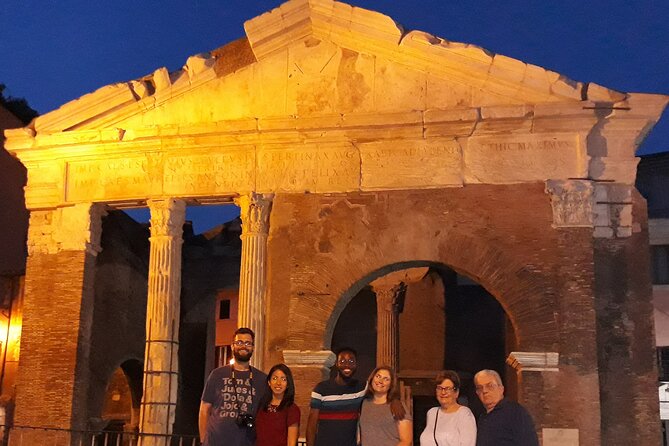
Rome can feel like a lot at once. This tour gives you a tight, 3-hour loop where each stop has a reason: a street, a dish, and a story you can connect on the ground. It’s one of the best ways to start a trip because you leave with a map in your head, not just photos on your phone.
The pace is also practical. You’re not stuck in one place waiting around for a single main event. You’re moving through neighborhoods like you live here, with frequent moments to eat, walk, and listen without the pressure of a formal museum schedule.
You can also read our reviews of more food & drink experiences in Rome


Largo dei Librari: the first skewers and red wine start the evening right
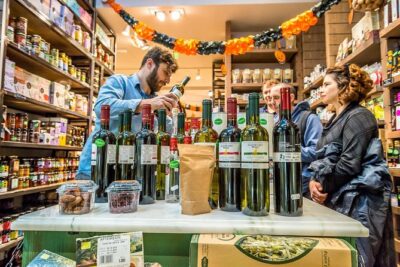
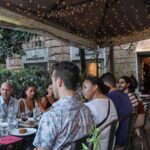
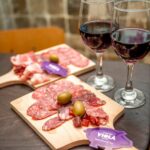
You meet in Largo dei Librari, right in Via dei Giubbonari, and the tour kicks off with an immediate bite. The first tastings are meat and cheese skewers, plus a glass of red wine.
This is a good opening for two reasons. First, it gets everyone comfortable with the group and the walking pace. Second, it sets a tone: the guide isn’t just showing sights, they’re showing what people actually eat as they move through the city.
Alcohol is optional here. If you want it, you’ll have that first glass; if not, you can skip and keep things light for the rest of the route.
Campo de’ Fiori: supplì, the old market, and the story behind the statue
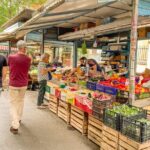
Next comes Campo de’ Fiori, famous for its market energy in the morning and for its landmark statue of Giordano Bruno. The area has that classic Roman mix of street life and history, and it’s a smart place for a food stop because you’re surrounded by everyday texture.
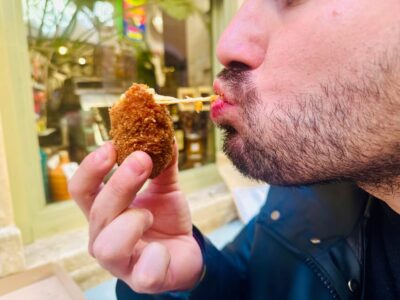
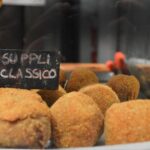
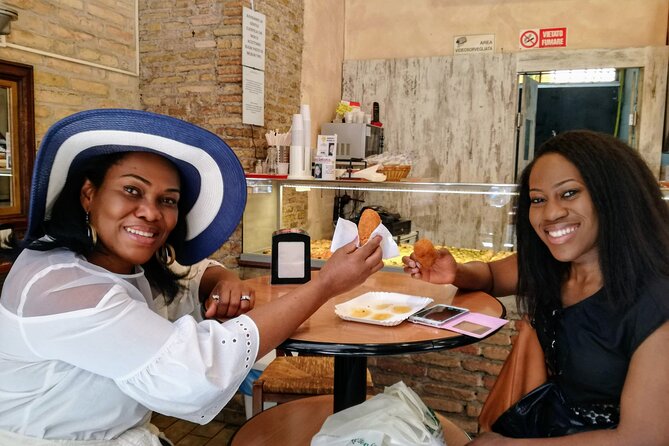
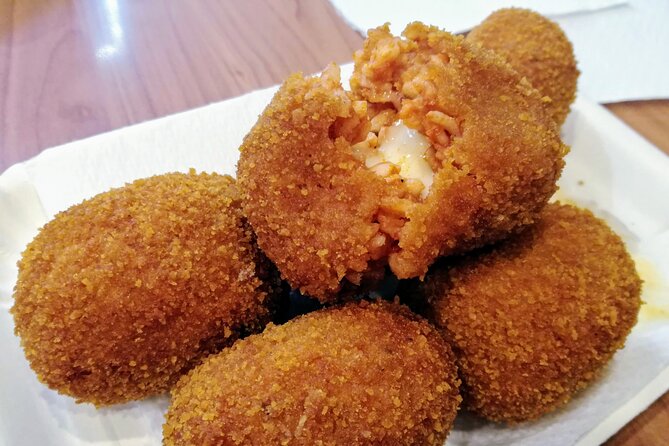
Your second tasting is supplì—fried rice balls typically filled with mozzarella and tomato sauce. It’s the kind of bite that’s easy to underestimate until you taste it: crispy outside, creamy inside, and absolutely built for walking.
The mosaic artisan shop: how craft becomes a photo frame and a taste stop
After Campo de’ Fiori, you head to a mosaic artisan shop. This is one of the less obvious parts of the tour, and it’s also one of the most memorable if you like making connections between art and daily work.
You’ll see how a mosaic is produced step by step, with an explanation that can include examples like a photo frame and how tiles get cut. During labor days, this shop visit is part of the experience, not just a peek from the doorway.
If the mosaic shop visit can’t happen because of timing or availability, you won’t be left empty-handed. The plan is to swap in an additional food tasting instead, so you still get that “craft interruption” feeling without losing the food momentum.
Passetto del Biscione: a shortcut with frescoes before pizza
Now you take the Passetto del Biscione, a shortcut through the alleys decorated with frescoes. This is one of those Rome moments where you realize the city isn’t just monuments. It’s also the small passages that funnel you from one story to the next.
From there, you head toward the pizza portion. The tour doesn’t send you to a formal sit-down meal; instead, you get samples of sliced pizza, which is perfect for street-food learning because you’re tasting style and technique rather than trying to eat an entire pizza before the next stop.
A few more Rome tours and experiences worth a look



Area Sacra di Largo Argentina: Julius Caesar’s murder site, explained on foot
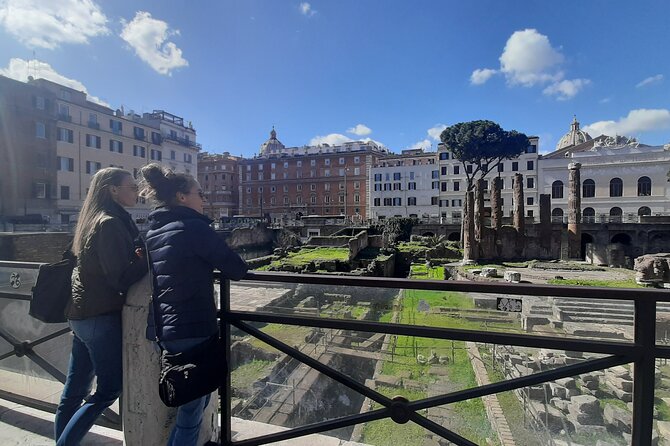
At Area Sacra di Largo Argentina, you’ll learn about the place where Julius Caesar was murdered. This stop works well in a food tour because it anchors the city’s timeline in a single concrete location, even if you’re only taking it in from the walking route.
Important practical note: the stop’s admission is not included. That doesn’t stop you from learning and seeing the area, but it helps to know that you shouldn’t assume you’ll pay zero to enter every sight along the way.
The Jewish Ghetto stretch: Roman remains, a synagogue outside view, and carciofo alla Giudia
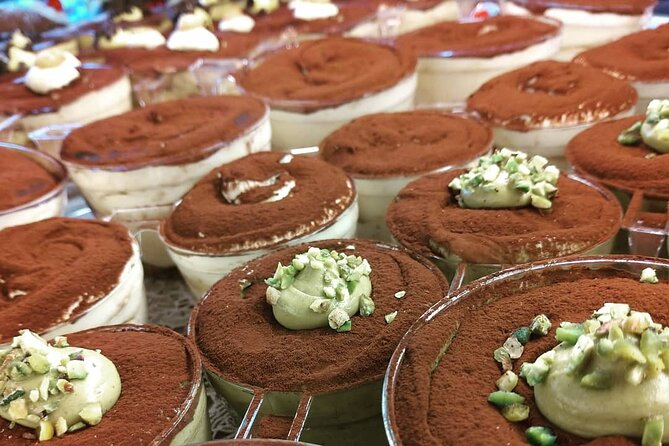
Then the tour shifts into one of the most meaningful parts of the route: the Ghetto. Here you’ll see remains of ancient Roman structures, plus the Rome synagogue area from outside only.
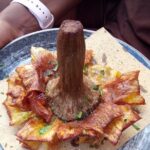
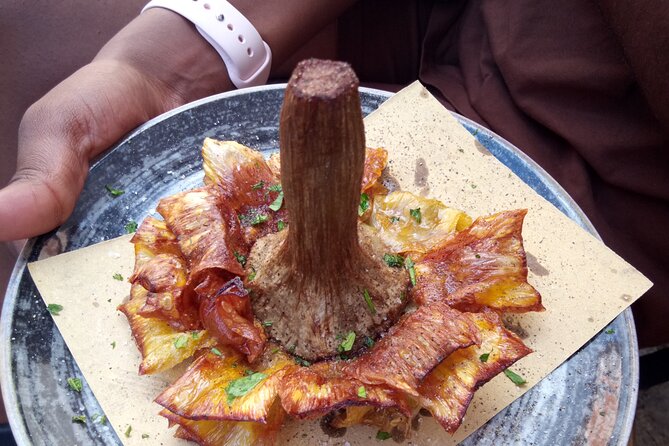
This is where the dish becomes the highlight. You’ll taste carciofo alla Giudia, the famous deep-fried artichoke that’s a must in Roman and Jewish culinary tradition. It’s crisp, rich, and a little dramatic on the plate—in a good way. If you love food that feels specific to a place, this is usually the stop that sticks with people.
It also tends to be the part of the walk where guides slow down to explain context. In past departures, guides such as Daniele have been especially praised for focusing on the Jewish Ghetto area and sharing it with passion and clarity.
Pantheon from the sidewalk: learn the big details without the inside wait
You’ll stop in front of the Pantheon and hear the main details, but this tour keeps it outside. That matters. You get the landmark connection and the story without getting stuck in long entry lines or spending time inside where you might feel rushed.
From a value standpoint, this approach is smart for a 3-hour tour. You’re keeping the schedule tight so you can still eat, walk, and see the next squares. And if you do want to go inside later, you’ll already know what to look for.
Sant’ Eustachio gelato: a sweet reset before the final square
After the historic stops, you’ll head to Sant’ Eustachio for gelato. This timing works because it’s a palate reset before the last “wow” portion of the tour.
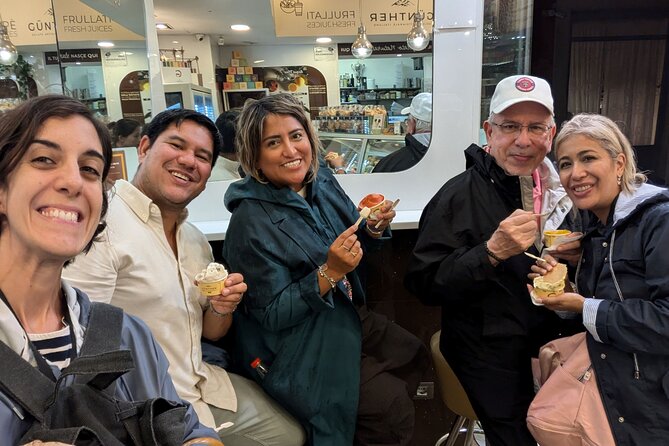
You’ll get gelato as part of the included tastings. In one guide-led experience remembered by people, pistachio gelato got called out as a favorite. Even if you don’t go for pistachio, the key is that you’ll finish the day with a classic Roman sweet that’s easy to appreciate after savory bites.
Piazza Navona finale: tiramisu and the Four Rivers fountain
Next up is Piazza Navona, one of Rome’s most memorable squares. The fountain of the Four Rivers makes a strong backdrop while you’re winding down the walking portion and gearing up for your last tastes.
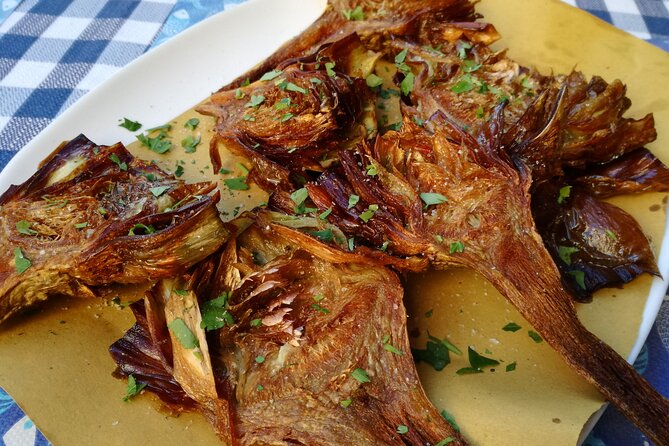
This is where you get the gran finale: tiramisu. That final dessert hits right after gelato, so if you’re the type who gets overwhelmed by too many sweets, you might want to pace your bites. For most people, though, tiramisu is the perfect wrap for the tour’s mix of crisp, savory, creamy, and sweet textures.
Piazza della Minerva: Bernini’s elephant and a last story before you go
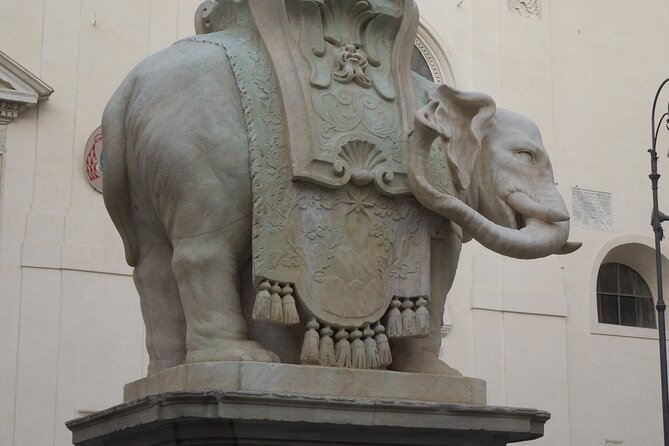
Near the end, you reach Piazza della Minerva, where you’ll admire the famous Bernini stone elephant and hear its history. This kind of final-stop trivia is exactly why walking tours beat checking boxes: you learn something small and specific that you can carry with you.
After that, you finish at Piazza Navona. It’s a handy landing spot since it’s easy to keep exploring from there—especially if you want to wander off on your own afterward.
What you actually eat: snacks that add up to a full meal
The tour is built around frequent tastings, and the included bites are enough to leave you satisfied. The menu typically includes:
- Starter: supplì (fried rice balls)
- Starter: sliced pizza samples
- Starter/Signature: carciofo alla Giudia (fried artichoke)
- Gelato
- Tiramisu
- Plus a surprise tasting
- Also included: meat and cheese skewers early on
The practical value here is that you’re not paying for a tour and then buying dinner afterward because you’re still hungry. It’s closer to a guided eating route than a small appetizer crawl.
Alcohol, dietary needs, and substitutions to plan around
Wine shows up early as part of the tastings, but the tour notes that alcoholic beverages can be bought separately based on preference. So you shouldn’t expect unlimited drinks, but you do have the option to include a glass.
Dietary restrictions are handled with care, but with real limits. Vegetarians (not vegans) can be accommodated if you tell the operator at booking. For gluten or lactose intolerance, participation is possible, but not every tasting can be guaranteed. The message is simple: communicate your needs when you book, and don’t count on last-minute changes.
One more smart heads-up: if the mosaic shop can’t run due to working days, it’s swapped for an additional food tasting. That keeps the tour balanced, but it also means you might not get the same craft stop every time.
Guides and group size: why the walking feels personal
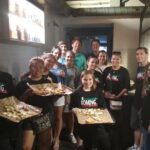
The tour keeps groups capped at 10 travelers, and that size changes everything. In a city where you can easily get swallowed by crowds, a small group makes it easier to hear explanations and feel comfortable asking questions.
People have mentioned guides by name, including Chris, Daniele, Mattia, Serena, and Virginia. Across those experiences, the common thread is engaging storytelling paired with patience while people ask what’s what. One detail that stood out in an account of a WhatsApp intro: getting a heads-up message ahead of time can make meeting up easier, especially on a first night.
If you want a tour where you don’t feel like you’re being rushed through history, this group size is a big reason it works.
Price and value: what $83.13 buys you in real terms
At $83.13 per person, you’re paying for more than food. You’re paying for a guided route through multiple neighborhoods, several tastings that cover savory and sweet, and at least one craft stop when the artisan shop is operating.
Let’s look at the practical value. You get multiple distinct Roman bites (skewers, supplì, pizza samples, fried artichoke, gelato, tiramisu, plus a surprise), and you also get the guide’s context for why these foods belong where they do. If you were to buy these items across town yourself, you’d likely spend similar money and still miss the street-by-street stories that connect it all.
Alcohol is extra if you choose to add more beyond what’s included, so your total cost depends on your preferences. But as an all-in guide-led meal, the pricing generally makes sense for a first-time Rome visitor.
Is this Rome street food tour worth booking?
Yes, if you want a first-night-friendly introduction to Rome with strong food coverage and real historical context. This tour is especially good for people who like learning why dishes exist, not just where to stand for photos.
Skip it or consider alternatives if you need strict gluten or lactose guarantees and haven’t already communicated your needs at booking. Also, expect a walking schedule. If you want a fully seated food experience, this isn’t the format.
If you like small groups, practical pacing, and a route that takes you through Campo de’ Fiori, the Jewish Ghetto, and major squares like Piazza Navona, then this is a solid bet.
FAQ
How long is the Rome Street Food Tour?
It runs for about 3 hours.
Is the tour in English?
Yes. The tour is offered in English.
What’s included in the price?
Included tastings are skewers, supplì, sliced pizza samples, fried artichokes, gelato, tiramisu, and a surprise. You also get a visit to a mosaic shop during its labor days.
Are alcoholic beverages included?
A first tasting includes a glass of red wine, and additional alcoholic beverages can be bought separately depending on your preferences.
How big is the group?
The tour has a maximum of 10 travelers.
Can vegetarians or people with dietary restrictions join?
Vegetarians (not vegans) can be accommodated if you advise at booking. People with gluten or lactose intolerance (not allergies) can participate, but not all tastings can be guaranteed, and you need to communicate your needs at the time of booking.
Does the tour include going inside the Pantheon?
No. The guide takes you in front of the Pantheon and explains it, but the Pantheon is not visited inside.
What if the mosaic shop isn’t available?
If the mosaic shop can’t be operated on that day, you’ll be offered an additional food tasting instead.
Where does the tour start and end?
The tour starts at Largo dei Librari, Via dei Giubbonari 90, 00186 Roma RM, and ends at Piazza Navona, 00186 Roma RM.
What is the cancellation policy?
You can cancel up to 24 hours in advance for a full refund. If you cancel less than 24 hours before the start time, the amount paid is not refunded.