REVIEW · TANGIER
Tangier Food Tour with a certified foodie local guide!
Book on GetYourGuide →Operated by Lost in the Souk · Bookable on GetYourGuide
Follow your nose through Tangier’s medina. I love how this food-first walking tour turns Morocco’s culture into something you can taste, from tea breaks to a typical lunch in the medina lanes. The guiding is the big draw: a certified foodie local guide connects each bite to the local lifestyle and customs.
My second favorite part is the way you keep moving with purpose—6 to 7 food stops that include street food and a food market visit, so you’re not just eating, you’re understanding. The only real consideration: it’s 3 hours of walking in the medina, so wear comfy shoes and come hungry, because you’ll finish full rather than just curious.
In This Review
- Key Highlights Worth Your Attention
- Tangier’s Medina, One Bite at a Time
- What You Actually Do in 3 Hours (And Why It Works)
- Meeting at Place Faro: Easy Start, Clear Target
- Tea, Breakfast, and the First Taste of Tangier
- Lunch and Local Spots: The Part That Often Feels Like the Real Trip
- Dessert and Street Food Stops: Where You Learn to Taste Differently
- Visiting the Food Market: Seeing the Ingredients Behind the Story
- The Souks Walk: Getting Lost on Purpose (With a Guide)
- Value and Price: Is $106 Worth It?
- Who This Tour Suits Best (And Who Should Skip It)
- A Few Practical Tips to Make It Feel Effortless
- Should You Book the Tangier Food Tour With a Certified Local Guide?
- FAQ
- How long is the Tangier Food Tour?
- What is included in the tour?
- Where is the meeting point?
- What kinds of foods will I try?
- How many food stops are there?
- What languages are offered?
- Is tipping included in the price?
Key Highlights Worth Your Attention
- 6–7 food stops: You’ll taste across breakfast, dessert, street food, and a typical lunch, usually in that medina-walking rhythm.
- Certified local foodie guide: The tour is led by a local certified guide who explains Moroccan cuisine and culture while you eat.
- Tea or coffee plus water: You’re not just sampling snacks; you get drinks included to keep you comfortable during tastings.
- Food market visit: You’ll get a look at where some ingredients and everyday food rhythms come from.
- Souks navigation (and getting lost on purpose): The walking tour is part of the experience, with plenty of chances to wander the Tangier lanes.
- History and lifestyle context: You get background on city heritage, daily life, and traditions tied to what’s on your plate.
Tangier’s Medina, One Bite at a Time
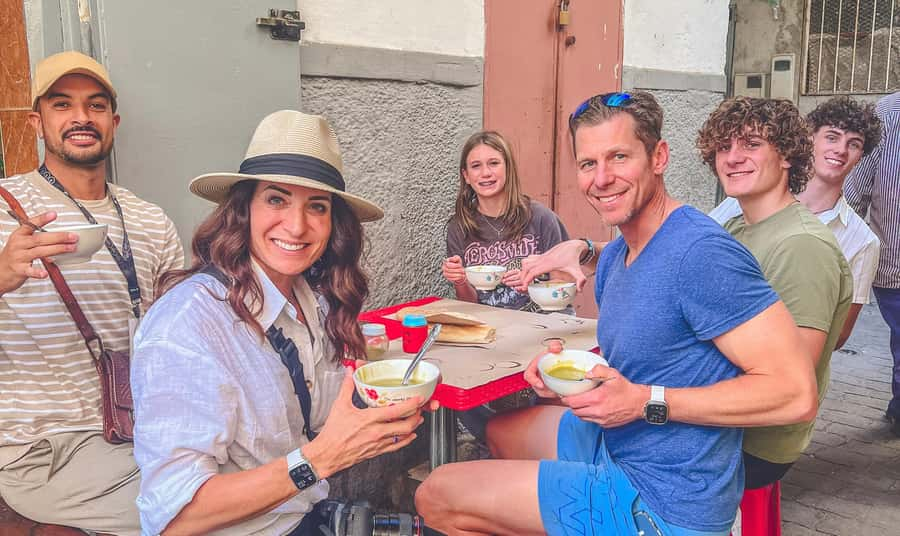
Tangier’s medina has that special kind of chaos that feels alive. One minute you’re walking through tight lanes, the next you’re in a spot where locals pause, sip tea, and order something they’ll eat without thinking too hard about it. This tour leans hard into that reality: you don’t “tour” Tangier by standing still. You travel by taste and short stops, with explanations that make the food feel personal instead of random.
I like that the focus stays on real Moroccan cuisine, not a museum version of it. The tour positions Moroccan cooking as part of the country’s heritage—passed down through generations—and that framing matters. When you’re listening to a guide tie a snack to daily customs, it clicks. You’re not just eating; you’re learning how Tangier families think about meals, timing, and what tastes belong together.
You can also read our reviews of more food & drink experiences in Tangier

What You Actually Do in 3 Hours (And Why It Works)
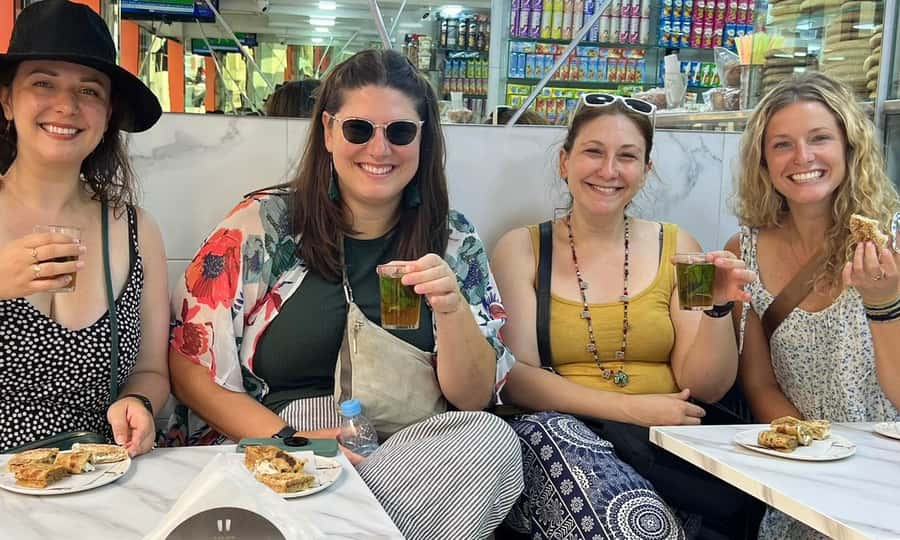
This is a compact, 3-hour experience built around walking and multiple food stops, typically 6 to 7 depending on season and availability. That format is ideal if you want a strong “first taste” of Tangier without committing a full day to food.
You start at Place Faro, meeting your guide at the middle cannon (there are 5 cannons at the meeting point). From there, the tour moves into Tangier’s medina with a set sequence of food moments—tea or coffee, breakfast-style bites, dessert, street food samples, and a typical lunch—plus time for sightseeing, a guided walk, and a food market visit.
Here’s the practical part: because it’s structured, you’re less likely to waste time hunting for good places on your own. And because it’s guided, you’re also less likely to feel awkward asking questions or trying to read the menu when Arabic script, local names, and portion sizes are doing their own thing.
Meeting at Place Faro: Easy Start, Clear Target
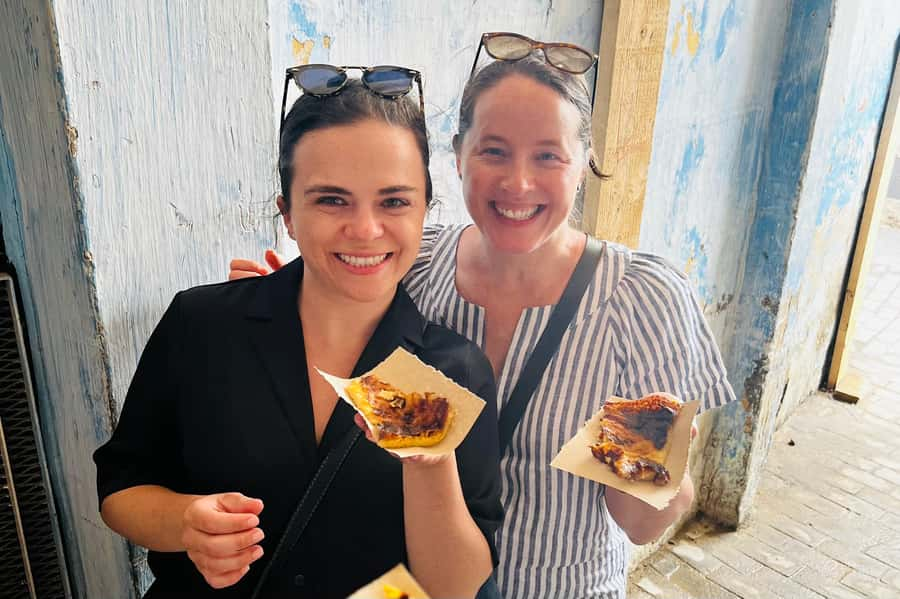
Place Faro is a simple anchor point. The big help is that you meet at the middle of the 5 cannons, which makes it far easier to find your guide quickly instead of playing guess-the-leader in a busy area. If you’re the kind of traveler who wants to get going fast, this start helps.
One small tip: arrive a few minutes early. Tangier’s medina can be a little unpredictable at street level, and you’ll want a calm moment before the walking and tasting begin.
Tea, Breakfast, and the First Taste of Tangier
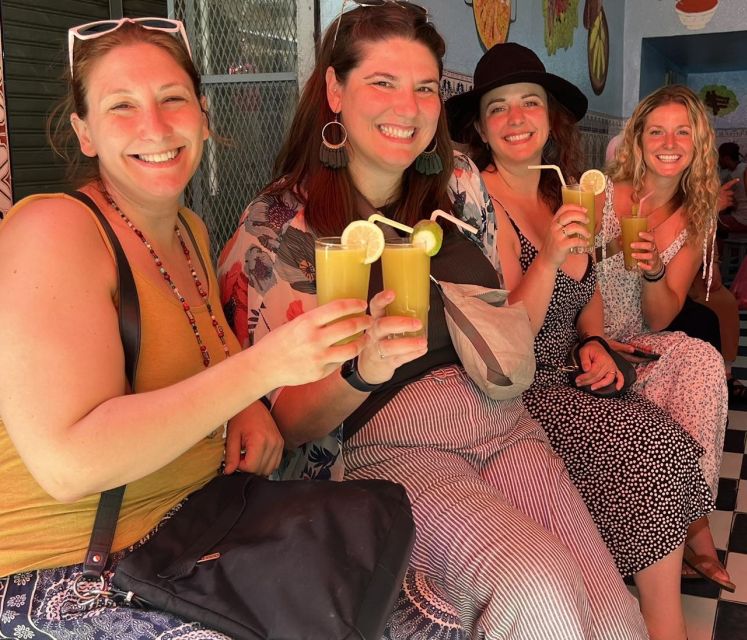
Early on, you’ll get your first drink (tea or coffee) and breakfast-style snacking. This matters more than it sounds. Starting with tea sets the tone for how Morocco moves through food—slower, conversational, and practical. It also gives you energy and hydration before you start stacking tastings.
In this phase, you’ll also begin hearing the themes the guide keeps returning to: how cuisine connects to everyday lifestyle and customs. The goal isn’t to recite facts. It’s to give you mental handles so later bites make sense.
If you’re sensitive to spice, this is the moment to quietly tell your guide your preferences. The tour is designed to take you through Moroccan flavors in a logical sequence, so small adjustments work best early.
Lunch and Local Spots: The Part That Often Feels Like the Real Trip
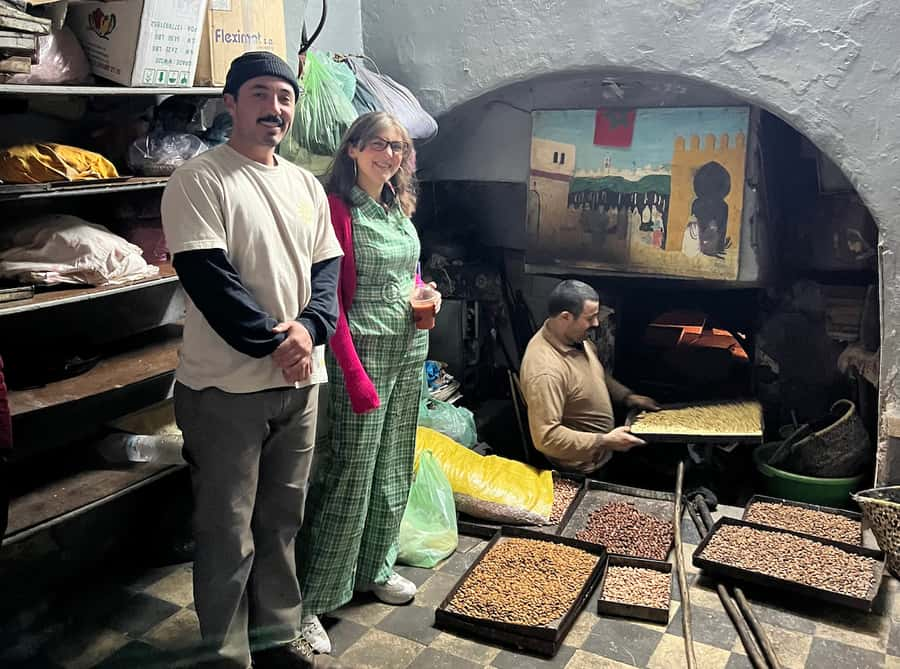
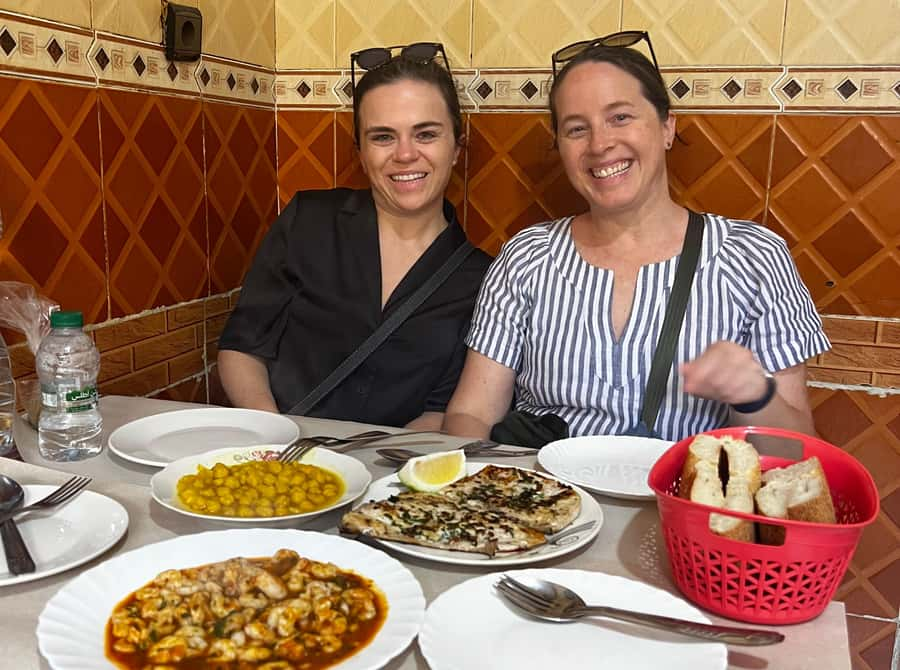
A major highlight is the typical lunch. Lunch on this kind of tour is where you stop thinking like a tourist and start eating like someone who’s figured out the neighborhood rhythm. This is also where the value shows up: you’re paying for access—someone who knows which places fit the story, not just what’s convenient.
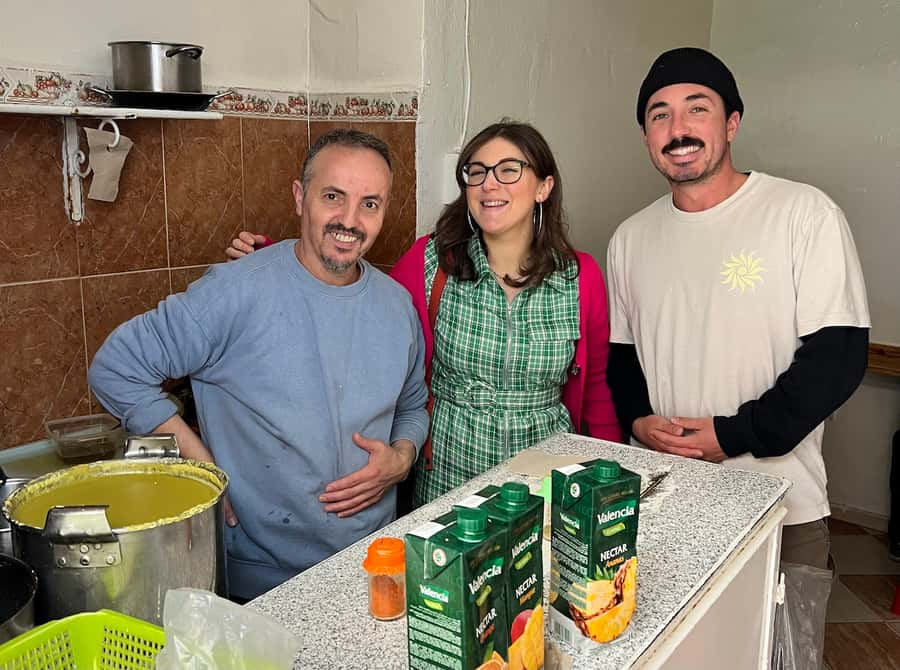
In guides’ stories shared during the experience, you can see the pattern: people often mention getting taken to spots where locals actually eat. Names like Hamid and Yasmin come up with praise for being passionate and clearly proud of Tangier, and Mohammed is described as friendly and knowledgeable. The consistent point across those comments is that the food choices aren’t random. They’re selected to match the culture you’re walking through.
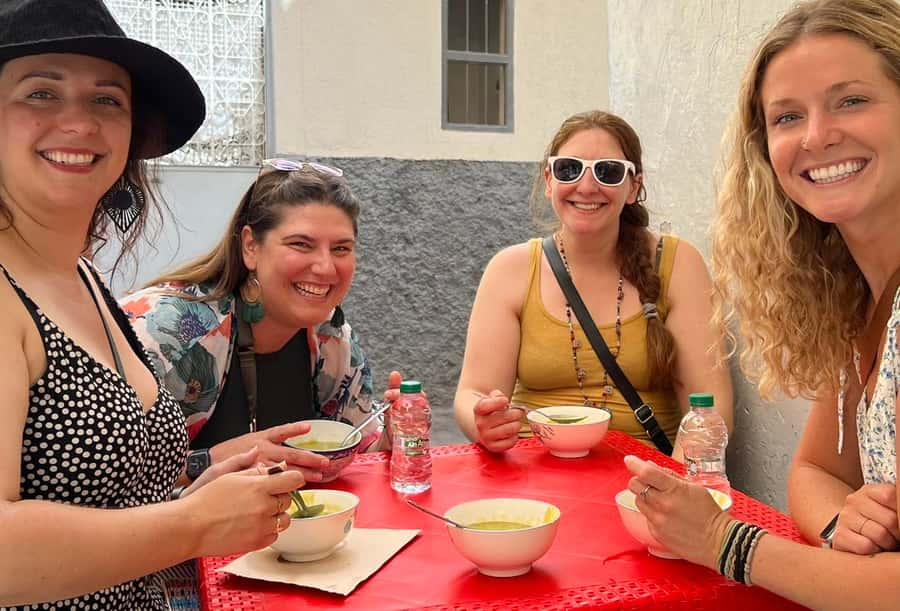
One dish that gets singled out in feedback is fava bean soup with crusty bread. If it’s available on your day, try it. It’s one of those foods that feels comforting, filling, and very “everyday Morocco,” which is exactly the point of the tour.
Dessert and Street Food Stops: Where You Learn to Taste Differently
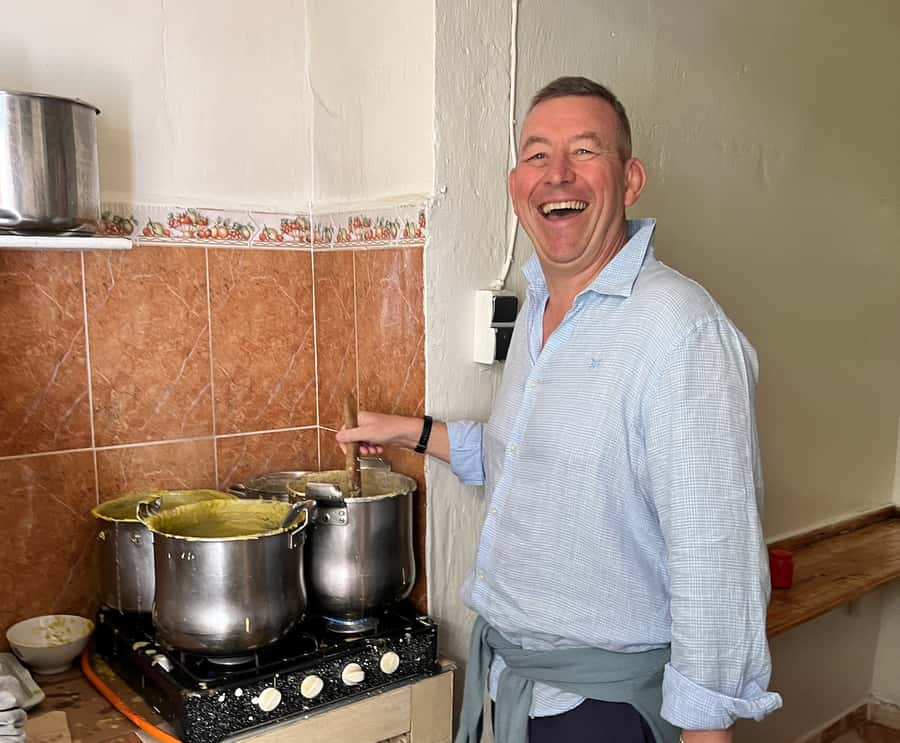
After the heavier meal moments, the tour shifts into sweetness and street food sampling. This segment is fun in a practical way: street food teaches you how locals handle quick meals and snacks between daily tasks.
Dessert stops also help you understand Moroccan balance. Many Moroccan sweets aren’t just “dessert” as a single concept. They’re part of the day’s flow and often come with tea culture right alongside them. If you’ve only had Moroccan food in restaurants far from the medina, this part helps you recalibrate what you think Moroccan cuisine means.
And yes—you’ll likely find yourself walking with sticky fingers at some point. That’s part of the deal in souks. Bring tissues if you like feeling in control.
Visiting the Food Market: Seeing the Ingredients Behind the Story
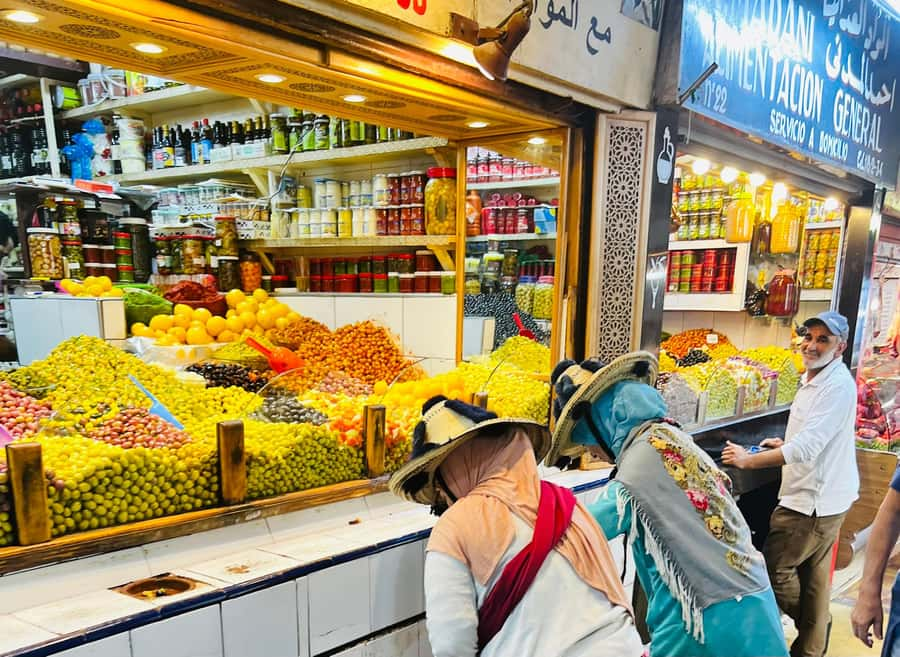
A food market visit is included, and it’s one of the strongest ways to make the tour feel grounded. Even if you can’t identify every ingredient by name, you’ll start connecting textures, colors, and everyday buying behavior to what you just tasted.
This is also where the guide’s explanations become more than background. Market stops help you understand the logic behind dishes: what ingredients are common, how flavors get built, and why certain foods show up again and again in Moroccan meals.
If you enjoy photography, this is a better time than the middle of the souks crush. You’ll have a more “organized” scene to look at, even though it’s still busy and lively.
The Souks Walk: Getting Lost on Purpose (With a Guide)
The tour description promises getting lost in the souks, and that’s the truth of medina walking. But with a guide, getting lost is less scary and more useful. You don’t need to figure out every turn because your guide is using the route to show you how Tangier’s spaces work.
The best part of this section is that it’s not only about food; it’s about how people live around the food. You’ll be moving through a city on foot, seeing storefront rhythms, snack sellers, and everyday interactions that don’t show up on typical sightseeing itineraries.
Still, keep expectations realistic: you’re going to be walking, and the medina streets can be crowded. This tour is a good fit if you like movement and don’t mind tight spaces.
Value and Price: Is $106 Worth It?
At $106 per person for about 3 hours, the price can feel steep until you break down what’s included. You’re not just buying a snack sampler.
You’re getting:
- 6 to 7 food stops
- A typical lunch
- Tea or coffee plus water
- A local certified guide
- A walking tour with history and lifestyle context
- Time that includes a food market visit and guided sightseeing
In other words, you’re paying for (1) meal access, (2) food sequencing, and (3) interpretation. If you were trying to do this on your own, you’d spend time searching, guessing, and often settling for places that are convenient rather than authentic. This tour buys you speed and trust, plus the explanations that help you remember what you ate—and why.
If you’re the type of traveler who loves food but also wants understanding, this price makes more sense. If you’re not much of a walker or you hate crowds, it’s better to pass and choose something shorter and calmer.
Who This Tour Suits Best (And Who Should Skip It)
I’d point this tour toward you if:
- You want a guided medina food experience rather than hunting for restaurants alone
- You like learning through taste and short storytelling
- You want an efficient “Tangier intro” in a few hours
- You enjoy street food and market energy
I’d think twice if:
- You want a mostly seated experience
- You’re strongly sensitive to crowds and tight streets
- You’re not interested in trying several different bites (because you’ll be eating through multiple stops)
A Few Practical Tips to Make It Feel Effortless
Come hungry. Not just a little hungry—properly hungry. The tour includes breakfast-style tastings, snacks, dessert, and a typical lunch, so you’ll get full. Wear comfortable shoes you can walk in for a few hours, since a walking tour is the core format.
Also, keep expectations flexible. The number of stops is 6 to 7 based on season and availability. That’s usually a sign the guide isn’t forcing a script with the wrong food or the wrong place. It’s part of why the experience stays local and realistic.
Finally, if you have preferences (spice level, vegetarian options, or anything you must avoid), raise it early with your guide. Your guide is the main variable that makes the tour work.
Should You Book the Tangier Food Tour With a Certified Local Guide?
Book it if you want Tangier’s medina through real eating, not just photos and viewpoints. The strongest reasons are simple: you get a certified foodie local guide, you eat through a structured set of tastings that includes lunch and street food, and you’re shown how Moroccan cuisine links to daily life and tradition.
Skip it if you want minimal walking or you don’t enjoy sampling lots of different foods in a short window. This tour is designed for people who like being on the move and tasting broadly.
If you’re deciding between trying to plan Tangier’s food on your own versus paying for guidance, this is the smarter choice. You’re buying access, context, and a route that makes the medina feel manageable—while still letting you get delightfully lost in the souks.
FAQ
How long is the Tangier Food Tour?
The tour lasts 3 hours.
What is included in the tour?
It includes 6 to 7 food stops (depending on season and availability), a typical lunch, water, tea or coffee, and a walking tour with highlights about Tangier’s history, plus local lifestyle and traditions. A local certified food tour guide is included.
Where is the meeting point?
Meet at Place Faro, at the middle cannon (between the other cannons).
What kinds of foods will I try?
You’ll have a mix of Moroccan cuisine across tea, breakfast, dessert, lunch, street food, local snacks, and food tastings, plus a food market visit.
How many food stops are there?
You’ll have 6 to 7 food stops depending on the season and what’s available.
What languages are offered?
The live guide speaks English, Spanish, French, and Arabic.
Is tipping included in the price?
Tips are not included when appropriate.