REVIEW · ROME
Lip smacking Rome Food Tour Experience in a Golf cart
Book on Viator →Operated by Rome in golf cart · Bookable on Viator
A golf cart turns Rome into easy mode. You get fast access to major sights, plus time in Trastevere that helps you see the Rome most people miss on their own.
I like the hotel pickup and drop-off in central Rome, because it cuts out the half-day “where do we meet?” stress. I also like that this is a private setup, so the pace stays human while you’re bouncing between viewpoints and piazzas.
One thing to consider: golf cart seating and sound can vary, so if you hate sitting sideways or want to hear every word, it’s worth asking how the cart is arranged.
In This Review
- Key points worth knowing before you go
- Why a golf cart Rome tour feels like a cheat code
- The route: Trastevere first, because Rome starts in the alleys
- Teatro di Marcello: ancient theatre, not a long stop
- Spanish Steps and Trevi Fountain: classic icons with sensible timing
- Spanish Steps (admission included)
- Trevi Fountain (free)
- Piazza del Popolo and Pincio: viewpoints and people-watching
- Piazza del Popolo (free)
- Passeggiata del Pincio (admission included)
- Sant’Ignazio di Loyola and Piazza Navona: where baroque details get real
- Chiesa di Sant’Ignazio di Loyola (free)
- Piazza Navona (free)
- Colosseum and Circus Maximus: big ruins, small time, big payoff
- Colosseum panoramic stop (admission not included)
- Circus Maximus (free)
- Price and value: is $400.99 per person worth it?
- Comfort, cart seating, and hearing your guide
- Accessibility, season, and the Jubilee restoration note
- Who should book this Rome golf cart food-and-sights tour?
- Should you book? My take
- FAQ
- How long is the Lip Smacking Rome Food Tour in a golf cart?
- What does the $400.99 per person price include?
- Is hotel pickup and drop-off included?
- Is the tour private?
- Is the tour offered in English?
- Which stops are included with admission tickets?
- Are there admission fees you should expect to pay?
- Is lunch included?
- What happens if the weather is bad?
- Can I cancel for a full refund?
- Are service animals allowed?
Key points worth knowing before you go
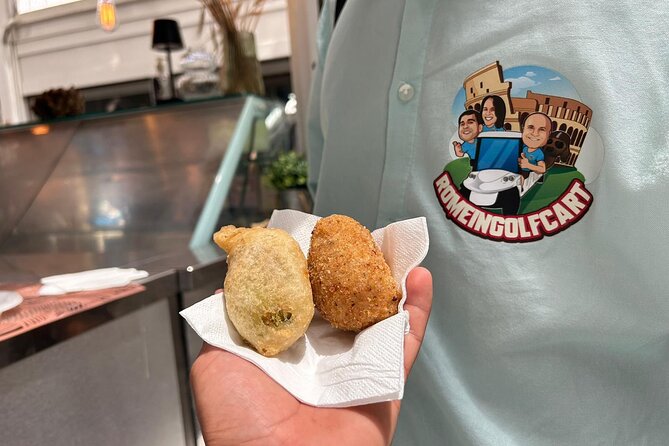
- Trastevere market time gives you a real neighborhood feel, not just postcard stops
- Hotel pickup in central Rome saves time and energy for walking and photos
- Private tour pace means you’re not trapped behind a big group timeline
- Admission mix: some sights are included, others cost extra or are outside views
- Seat orientation can matter—how you sit affects comfort and how well you hear the guide
Why a golf cart Rome tour feels like a cheat code
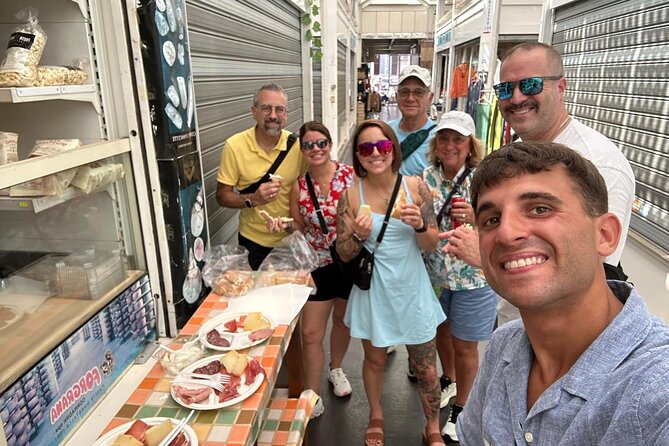
Rome is built for walking, but it can be built for suffering, too. This is the fix: a golf cart lets you cover a lot of ground in about 4 hours without burning your whole day on transit and traffic bottlenecks.
You’re still getting the Rome you came for—big public squares, major monuments, and classic neighborhoods. But instead of doing it all on foot, you’re doing it in a smarter order with an English-speaking local guide/driver steering you from stop to stop. Think of it as getting your bearings fast, then using the rest of your trip to go deeper on what you loved.
The best part is the balance. You’re not just driving past things. The route includes a neighborhood stop with markets and eateries, then layers in major landmarks so you leave with both atmosphere and iconic photos.
You can also read our reviews of more food & drink experiences in Rome


The route: Trastevere first, because Rome starts in the alleys
The tour kicks off in Trastevere, one of Rome’s most character-filled areas. You’ll spend around 30 minutes in the small lanes where you can feel the local rhythm: tiny shops, artisan workshops, Roman trattorias, and market energy that’s hard to reproduce as a “tourist” experience.
Here’s the practical value: Trastevere is where you learn what Rome tastes like at a neighborhood level. Even if the stop is short, your guide’s commentary can help you connect the dots—what this area does well, what to look for when you return on your own, and how to pick places that feel less like a trap.
After that, the tour shifts into archaeology and architecture mode, keeping walking light while giving you meaningful context.
Teatro di Marcello: ancient theatre, not a long stop
Next is the Teatro di Marcello, an ancient open-air theatre built in the late Roman Republic. You’ll have about 20 minutes here, and admission is not included.
This is a “stop, see, understand, move on” moment. You’ll likely be focusing on the exterior and the scale of the structure rather than a full ticketed museum-style visit. If you’re the type who wants long interior access and detailed time at exhibits, this may feel more like a highlight than a deep visit.
But as a fast history break between major landmarks, it works.
Spanish Steps and Trevi Fountain: classic icons with sensible timing
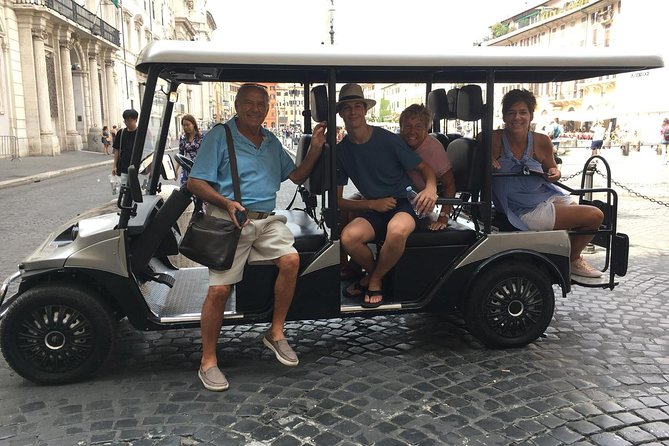
Two of Rome’s most recognizable landmarks are built into the early middle stretch: the Spanish Steps and the Trevi Fountain.
Spanish Steps (admission included)
You’ll spend about 15 minutes at the Spanish Steps, with admission listed as included. The big win here isn’t only the staircase view—it’s the chance to stand in a real urban scene where you can watch people do what they came to do: pose, wander, and feel the city energy.
This also helps you plan your day. Once you see it from a tour pacing perspective, you can decide if you want to return later for longer photos, or if you prefer to move on quickly to quieter streets.
A few more Rome tours and experiences worth a look






Trevi Fountain (free)
Then you’ll hit the Trevi Fountain for about 15 minutes. Admission is free, and you’re positioned for classic photo time.
Trevi is one of those places that’s impressive no matter what. Still, it’s also one of those places where the crowd can make it hard to look around. The short scheduled visit is a good match for people who want the icon and want to avoid turning it into a full production.
Piazza del Popolo and Pincio: viewpoints and people-watching
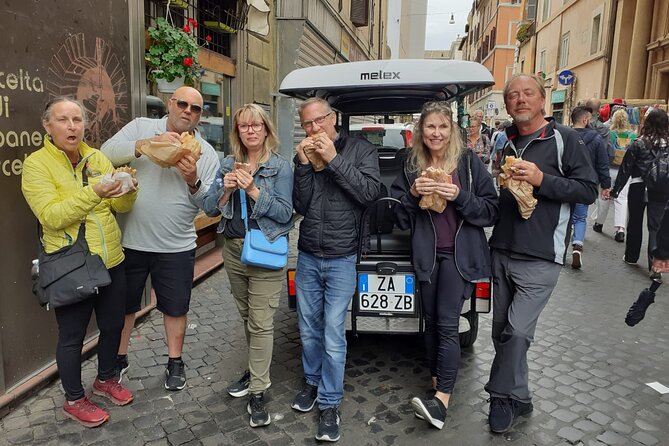
If you want Rome’s layout to make sense, you need viewpoints. That’s where Piazza del Popolo and the Passeggiata del Pincio come in.
Piazza del Popolo (free)
About 15 minutes at Piazza del Popolo is on the route, and admission is free. The square sits inside the northern gate area—Porta Flaminia—so it carries that gate-to-city feeling. Even if you’re not a hardcore Roman-history person, it gives you a sense of how the city was designed to funnel movement in and out.
Passeggiata del Pincio (admission included)
Next is the Passeggiata del Pincio for about 15 minutes, with admission listed as included. This is where you slow down a bit—less “tourist stop,” more “okay, look at this view” time.
It’s also a smart photo stop. From here, you get an overview feel for downtown Rome, so your pictures don’t just look like random buildings—they start to look like a city.
If your legs are feeling it, this is the kind of stop that restores you.
Sant’Ignazio di Loyola and Piazza Navona: where baroque details get real
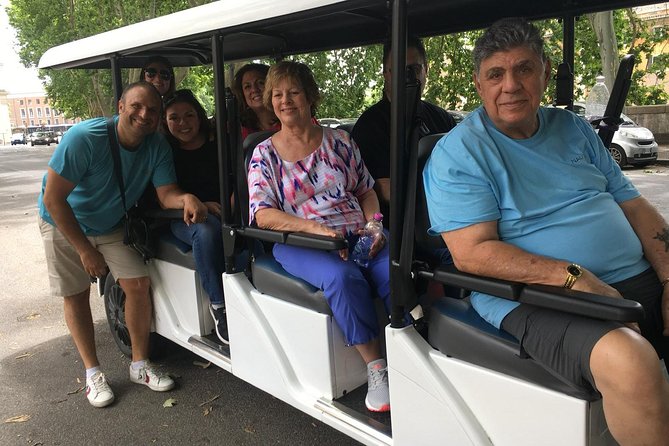
The tour moves into churches and squares, where Rome’s craftsmanship shows off.
Chiesa di Sant’Ignazio di Loyola (free)
You’ll spend around 15 minutes at Chiesa di Sant’Ignazio di Loyola, and admission is free. This church is known for its façade design and architectural influences, including inspiration tied to a nearby church tradition, plus details like pilasters, Corinthian columns, and decorative window and niche elements.
You don’t need to memorize architectural terms. The practical benefit is this: an art-and-architecture stop breaks up the big “big monument” fatigue. It also trains your eye for the baroque style that shows up everywhere else in Rome once you start noticing it.
Piazza Navona (free)
Then you’ll head to Piazza Navona for about 15 minutes. Admission is free.
This is baroque Rome in public-space form. The square is built on the remains of the old Stadium of Domitian, so even though you’re looking at streetside life now, there’s an old layer under it. It’s a good place to make quick observations: where people gather, how street life works, and how the city shapes movement.
Colosseum and Circus Maximus: big ruins, small time, big payoff
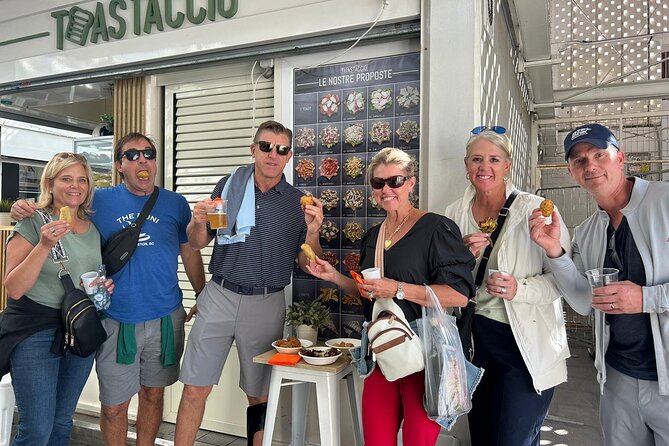
Rome’s ancient sites can swallow your day if you let them. This tour keeps things controlled.
Colosseum panoramic stop (admission not included)
You’ll get a stop at the Colosseum for about 15 minutes, but admission is not included. The emphasis is on a panoramic view of the arena area for photos.
That means you’re not getting the full ticketed Colosseum experience here. Instead, think of it as a “get the wow factor without the entry line marathon” moment. If you want to go deeper later, you’ll be better prepared for what you actually want to see inside.
Circus Maximus (free)
Finally, you’ll visit Circus Maximus for about 15 minutes, with admission free. The focus is the ancient racetrack setting—easy to imagine chariot races and huge crowds along that long stretch.
This stop is great if you like scale. Circus Maximus is one of those sites where the outside view helps you picture the size of what used to be there, even if you don’t go ticketed.
Price and value: is $400.99 per person worth it?
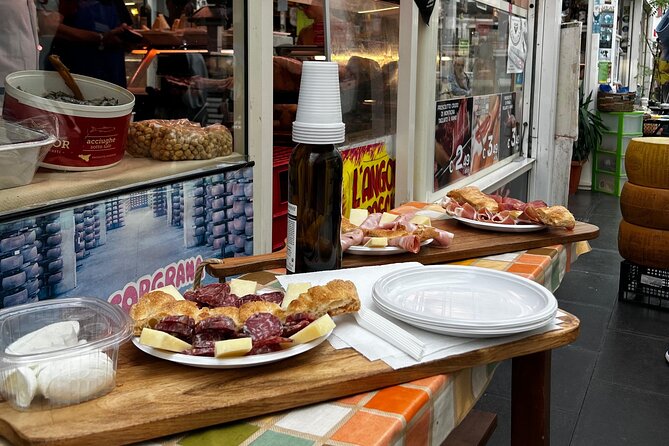
At $400.99 per person for about 4 hours, this is not a budget tour. So the value has to come from what’s included.
Here’s what you’re paying for, in real terms:
- Private tour: only your group rides along, which usually means less waiting and less disruption.
- Expert guidance at each location from an English-speaking local driver/guide.
- Hotel pickup and drop-off in central Rome, which can be a big deal when you compare time and hassle versus doing this with taxis and separate entrances.
- A route that mixes free sights with a couple of stops marked admission included (like the Spanish Steps and the Passeggiata del Pincio).
Also, food-tour branding matters. You do spend time in Trastevere, which is where markets and eateries live. Just don’t expect this to replace a full sit-down tasting menu or a long food program with a lot of meal time—lunch and extras aren’t included. Your money is buying context, access, and smart sequencing more than a guaranteed full meal.
If you’re traveling with someone who hates wasted time, or you only have one short day to hit big icons plus a neighborhood, this can feel like a win.
Comfort, cart seating, and hearing your guide
The best tour in Rome can still be annoying if you can’t hear, or if you feel cramped.
This experience uses a golf cart, and cart layouts can affect comfort. I’d plan for:
- Seat orientation may not be ideal for everyone, especially if you end up turned sideways or facing away from the direction of travel.
- Sound can get tricky while moving, so if your priority is hearing every explanation, you’ll want to sit where you can best interact with the guide.
Practical tip: when you book, ask how the seating is arranged and whether there are seats that face forward. If you can choose, picking a position that keeps your head aligned with the guide usually makes the whole experience feel smoother.
Also pack for short stops, not long ones. You’ll do multiple 15-minute-photo-walk segments. Comfortable shoes still matter.
Accessibility, season, and the Jubilee restoration note
The experience says most travelers can participate, and it’s listed as near public transportation. Still, remember: you’re moving between outdoor areas and viewpoints, so mobility needs should be realistic about walking at monuments.
One other note to take seriously: because of the Jubilee, some monuments may be under restoration. That can change what you see or how a stop feels in practice. If your confirmation message mentions adjustments, treat it like a heads-up, not a surprise.
Who should book this Rome golf cart food-and-sights tour?
This works best for:
- First-timers who want classic Rome icons plus a neighborhood stop in Trastevere
- Travelers who are short on time and don’t want to burn an entire day between scattered locations
- People who value a private, paced guide over a large-group schedule
- Couples, small families, and friend groups who want a mix of viewpoints, architecture, and photo stops without nonstop walking
It might not be the best fit if:
- You want a long, ticketed deep-dive into one specific area or museum-style experience
- You’re expecting a heavy, meal-focused food tasting route throughout the entire 4 hours
- You’re very sensitive to cart seating comfort and you need the guide’s audio to be perfectly clear the whole time
Should you book? My take
If you want Rome in a smart order—neighborhood atmosphere plus icon photos—this golf cart format can be a great way to spend a half day. The central pickup/drop-off and private pacing are the kind of “invisible value” that makes a tour feel easy.
Just go in with the right expectations. This is a classic sights route with market-and-eats energy at Trastevere, not a full-day culinary marathon. And because cart seating and sound can vary, it’s smart to ask about where you’ll sit before you commit.
If you line up your expectations and you care more about efficiency than slow wandering, this is a strong choice.
FAQ
How long is the Lip Smacking Rome Food Tour in a golf cart?
The tour runs about 4 hours.
What does the $400.99 per person price include?
It includes expert guidance at each location, a private tour, and hotel pickup and drop-off if you’re in central Rome. Lunch and extras are not included.
Is hotel pickup and drop-off included?
Yes, pickup and drop-off are offered if your accommodation is located in central Rome. If you’re staying farther away, you’ll be given a convenient meeting point.
Is the tour private?
Yes. It’s a private tour/activity, so only your group participates.
Is the tour offered in English?
Yes, it’s offered in English.
Which stops are included with admission tickets?
Spanish Steps and Passeggiata del Pincio list admission as included. Other stops are marked free or not included.
Are there admission fees you should expect to pay?
Yes. Teatro di Marcello and the Colosseum are marked as admission not included on the tour details.
Is lunch included?
No. Lunch and extras are not included.
What happens if the weather is bad?
The experience requires good weather. If it’s canceled due to poor weather, you’ll be offered a different date or a full refund.
Can I cancel for a full refund?
Yes, free cancellation is available up to 24 hours in advance for a full refund.
Are service animals allowed?
Yes, service animals are allowed.