REVIEW · TOKYO
Tokyo Tsukiji Fish Market Food Tour: 15 Stops & Walk Local Street
Book on Viator →Operated by Fuji Tour · Bookable on Viator
A fish-market walk with manners lessons. This Tsukiji Fish Market food tour is interesting because you’re not just sightseeing—you’re learning how to eat like a local while you move through the area. I like the small group size (capped at 15) for easier pacing, and I also like that you get photos taken during the tour afterward. The main drawback to consider: the tour says food isn’t included, so the tastings may be limited or depend on what you order.
You’ll start at Tsukiji Hongan-ji Temple, then work your way through key market zones like the Jogai Market shopping streets and the Fish Market area. You’re guided by a Japanese guide, with explanations built around food culture and etiquette—exactly what helps when you’re staring at counters full of seafood and not sure what’s normal to ask for or how to order. That extra context is what makes the price feel more like a guided experience than just a walk.
In feedback, one guide stood out: Sakura San is called out for clear sushi-eating etiquette advice and good food-choosing guidance. Just keep your expectations aligned on the food part, so you don’t end up surprised when you’re the one paying for what you want to eat.
In This Review
- Key Things You’ll Notice on This Tsukiji Tour
- Price and Logistics: What $80 Buys in Real Time
- Stop 1: Tsukiji Hongan-ji Temple Sets the Mood Before the Market
- Stop 2: Jogai Market, the 400+ Shop Street Where You Sense the Local Rhythm
- Stop 3: Tsukiji Fish Market Viewing and the Mini Wholesale Glimpse
- Stop 4: Namiyoke Inari Shrine and the Wave-Warding Story
- How the Guide Turns Seafood Into Etiquette (Not Guesswork)
- The Food Question: Tastings Included vs Food Not Included
- What the 15 Stops Actually Feel Like on the Ground
- Timing and Pacing: A 2–3 Hour Walk You Can Actually Finish
- Who This Tour Suits Best
- Should You Book This Tsukiji Fish Market Food Tour?
- FAQ
- How long is the Tokyo Tsukiji Fish Market Food Tour?
- What is the meeting point for the tour?
- Is food included in the tour price?
- What’s included in the tour?
- What’s the group size limit?
- Do I need WhatsApp for the tour?
- What is the cancellation window?
Key Things You’ll Notice on This Tsukiji Tour
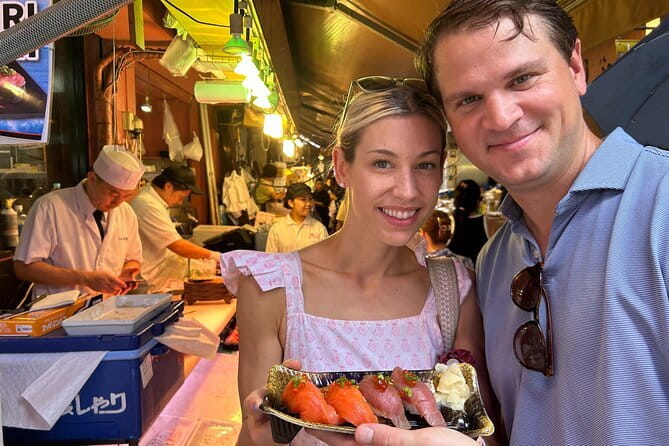
- 15 short stops that keep you moving and reduce time spent “wandering with a map”
- Temple and shrine moments that make the market feel less random and more story-driven
- Japanese guide explanations focused on etiquette, not just facts
- Post-tour photos so you can remember where you went without constantly checking your phone
- Jogai Market access to a street with 400+ shops for snacks and shopping energy
- Practical market viewing of fish stalls and a mini wholesale area as you pass through
Price and Logistics: What $80 Buys in Real Time
This tour runs about 2 to 3 hours, and it’s priced at $80 per person. For Tokyo, that’s a fair range for a guided, small-group walk where the value is in direction and explanations—especially in Tsukiji, where the crowds and layout can make self-guided visits feel stressful.
The tour uses a mobile ticket, and the meeting point is fixed at Tsukiji Hongan-ji Temple (address: 3-chōme-15-1 Tsukiji, Chuo City, Tokyo 104-8435). It ends back at the meeting point, so you don’t have that annoying “where do we go next” feeling.
One practical thing I really appreciate with tours like this: you’ll be near public transportation. You still need to get to the meeting point yourself (hotel pickup/drop-off isn’t included), but at least you’re not dealing with a remote start.
And yes, you’ll want WhatsApp on your phone. The day-of contact uses WhatsApp, so download it before you go and keep your notifications on.
You can also read our reviews of more walking tours in Tokyo
Stop 1: Tsukiji Hongan-ji Temple Sets the Mood Before the Market
You’ll meet at the entrance of Tsukiji Hongan-ji Temple, then spend about 15 minutes there. Admission is free.
This isn’t just a time filler. Starting with a temple is a smart way to slow your brain down before the market chaos. The guide context helps you understand how the area isn’t only about seafood—it also has religious and cultural landmarks tied to how people live around the market.
If you’re the type who gets overwhelmed fast in crowded places, this first stop is a gentle landing. You get your bearings, learn how the guide will move the group, and you can ask questions before you’re shoulder-to-shoulder with buyers.
Stop 2: Jogai Market, the 400+ Shop Street Where You Sense the Local Rhythm
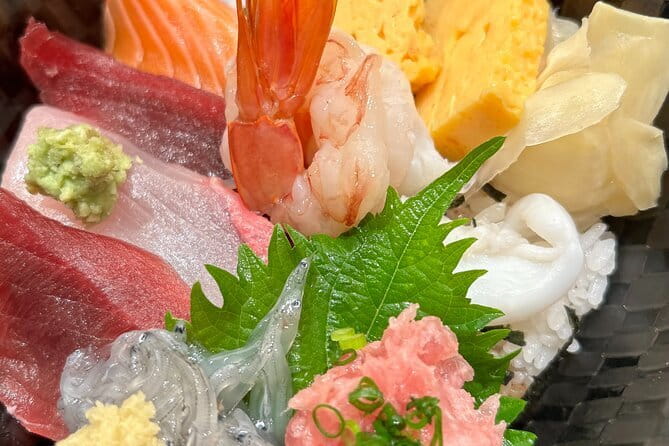
Next you head to the Jogai Market, where the walking time is around 1 hour 30 minutes. Entrance is free.
This stop is where you feel Tsukiji as a neighborhood, not only as a fish-market headline. The Jogai Market area is described as having over 400 shops, so you’re looking at variety—snack counters, small food shops, and lots of street-level commerce.
Here’s the big value for you: with a guide leading the way, you avoid two common problems. First, you avoid spending your time searching for the “best” stall instead of enjoying the experience. Second, you get help reading what’s happening—what looks like a quick bite, what looks like something you order, and what’s more for browsing than eating.
If the food part is a bit confusing for you, this is also a good zone to ask the guide what to try during the tour and what you should plan to pay for yourself. The vibe is perfect for tasting if you know what you want.
Stop 3: Tsukiji Fish Market Viewing and the Mini Wholesale Glimpse
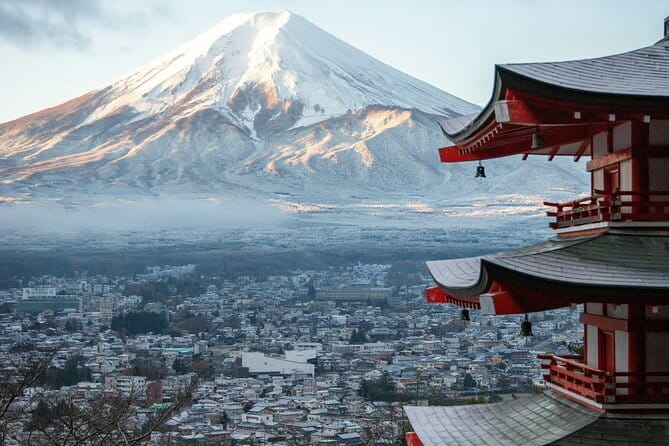
You’ll then move toward the Tsukiji Fish Market area, with about 30 minutes allocated here. Admission ticket is free for this part as well.
Even when you’re not in the thick of official trading zones, this is still one of the most visual sections of the tour. The guide also has you passing a mini wholesale market area where you can see hundreds of kinds of freshest fish.
For many people, Tsukiji is intimidating. The sights are intense, and it’s easy to feel like you’re late to understanding what you’re looking at. This is where having someone translate the seafood reality matters. You’ll be able to connect what you’re seeing with how Japanese seafood is treated—what gets attention, what people prioritize, and why fresh matters so much here.
A consideration: because access and market operations can vary, you may not always get the exact “behind-the-scenes” look you imagine. But you will still get a structured viewing walk so you come away with something useful, not just photos.
Stop 4: Namiyoke Inari Shrine and the Wave-Warding Story
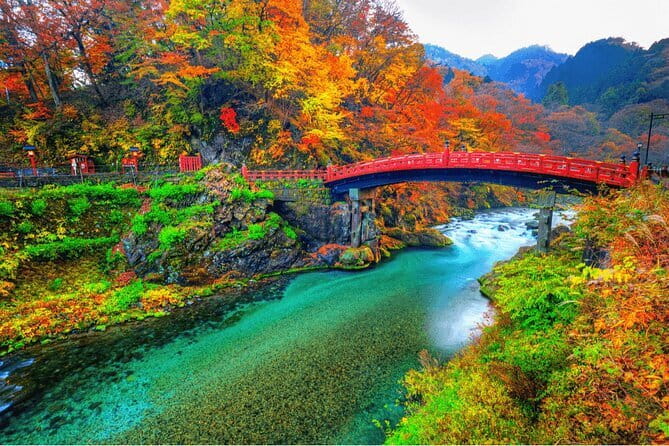
Stop four is Namiyoke Inari Shrine, with about 15 minutes here. Admission is free.
The shrine is tied to the deity Namiyoke Inari, enshrined for a specific purpose: warding off disasters and weathers the waves. For a seafood-focused tour, this is a meaningful cultural beat. It reminds you that fish and sea conditions weren’t just commerce—they were survival.
This stop also breaks up the sensory overload. After fish stalls and street food energy, a shrine moment gives you a reset. If you enjoy small cultural stops that make a food tour feel grounded, this is a good one.
You can also read our reviews of more food & drink experiences in Tokyo
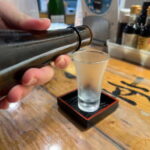



How the Guide Turns Seafood Into Etiquette (Not Guesswork)
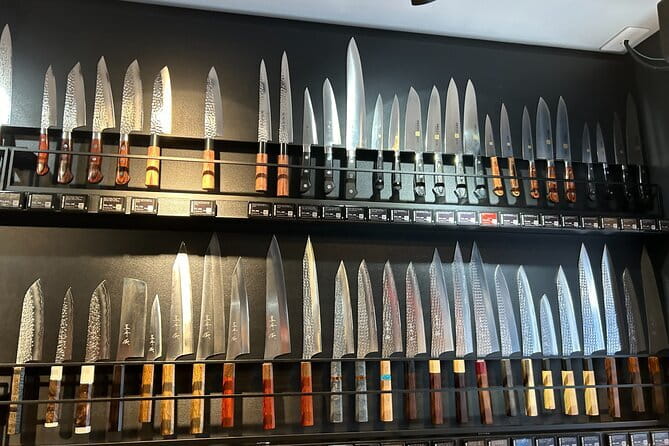
The tour is built around explanations—food culture, etiquette, and even small historical context. That’s where your money starts to feel justified.
One standout from feedback: Sakura San is praised for teaching sushi-eating etiquette and guiding people on what to try. Even if you already know sushi basics, learning local manners can change your experience fast—things like how to handle things at counters, what not to do, and how to ask for what you want without making it awkward.
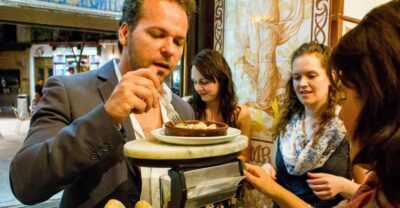
This matters especially in Tsukiji because you’ll see a range of food setups: quick bites, snack counters, and shops where ordering is part of the flow. Without guidance, it’s easy to stick with the safest, most obvious item. With guidance, you can branch out more confidently.
Also, remember the tour gives you photos from the walk. That’s helpful for two reasons. It means you can focus on learning instead of filming everything, and later you’ll have a clear record of where you stood while the guide’s explanations are still fresh in your mind.
The Food Question: Tastings Included vs Food Not Included
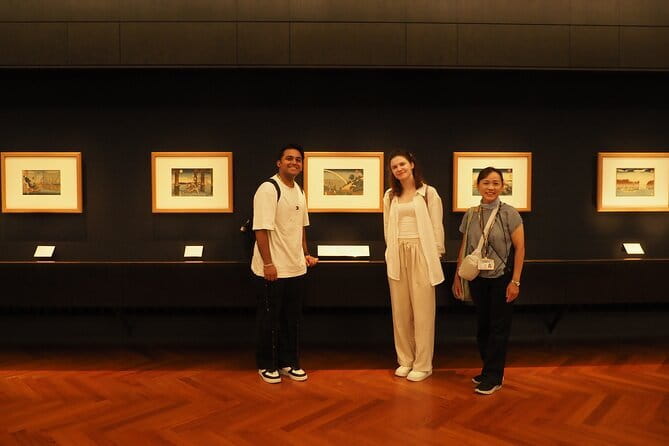
This is the tricky part, and you should plan for it.
The tour highlights say you enjoy food tastings included. But the “not included” section states that food is not included. In plain terms: your tasting experience may not cover full meals, and you might still pay for what you order.
One review specifically complained about no food included, pointing out they booked expecting food as part of the tour price. That’s exactly the kind of expectation mismatch you want to avoid.
Here’s how to handle it like a smart traveler:
- Treat the tour as a guided market-and-etiquette experience, not a guaranteed all-you-eat plan.
- Bring a bit of extra cash or a payment method you trust, so you can buy whatever tasting you want to make real.
- Ask the guide early in the tour what is actually covered and what costs extra (especially near the Jogai Market segment, where options are plentiful).
If you’re the kind of person who wants a single ticket experience where everything is paid for upfront, this is the area to confirm before you book. If you’re flexible and enjoy choosing your own bites, the guidance can be worth it even if you’re paying for some items yourself.
What the 15 Stops Actually Feel Like on the Ground
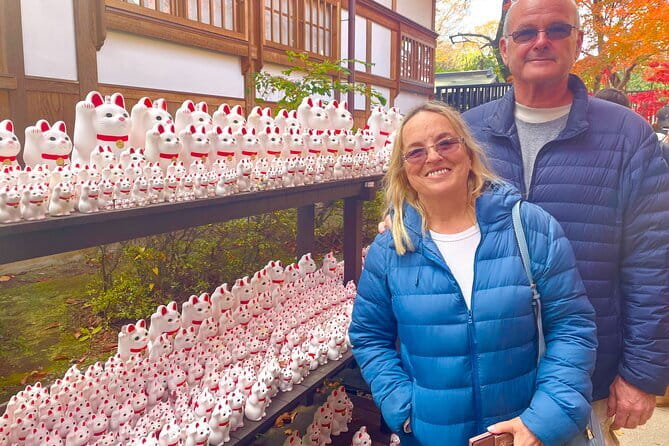
You’re promised 15 stops, but only four are named in the schedule (temple, Jogai Market, fish market area, and Namiyoke Inari Shrine). In practice, that means you’ll likely have shorter phases between landmarks: quick transitions, brief pauses to look closely, and moments where the guide explains what you’re seeing or how you should behave around food counters.
This structure is good for two reasons. It keeps energy up so you’re not stuck in one place waiting. And it gives you a sense of “coverage” across Tsukiji in a limited time, which is the main reason many people do a guided format.
You’ll also notice the tour is designed to be walk-focused. Comfortable shoes matter more than any single restaurant choice because you’re spending most of the time moving through market streets.
Timing and Pacing: A 2–3 Hour Walk You Can Actually Finish
Because the tour is 2 to 3 hours, you can fit it into a day without exhausting yourself—especially if you plan your other activities with walking in mind.
A realistic approach is to schedule this earlier in your Tokyo day. Markets and food streets can get crowded quickly, and you’ll enjoy the experience more if you’re not already tired from hours of sightseeing.
Keep your expectations aligned with the schedule length. You’re not going to sit down for a long lunch during every segment. This is built as a guided walk with short stops and explanation time, so you’ll get value by staying alert and asking questions as you go.
Who This Tour Suits Best
This tour is a strong match if you:
- Want a guided food-and-etiquette walkthrough rather than a self-guided scavenger hunt
- Like market sightseeing with a narrative (temple, shrine, market zones)
- Appreciate small-group attention and a Japanese guide who can explain cultural context
- Want practical advice on sushi and ordering behavior, especially if it’s your first time in Tsukiji
It might feel less ideal if you:
- Expect a fully priced meal included in the $80 price
- Hate walking and prefer long seated tastings
- Want a pure “see the auction floor” experience (this tour is more of a structured walk and viewing than a deep access ticket)
Should You Book This Tsukiji Fish Market Food Tour?
I’d book it if you want structure. Tsukiji can be visually intense, and a guide helps you turn that chaos into something you understand. The small group cap (15), the Japanese explanations, and the photo follow-up are real value.
I’d pause and confirm details if your top priority is food that’s fully covered. The information you’re given is mixed: tastings are promoted, but food isn’t listed as included. If you’re clear on what you’ll pay for yourself, the tour can still be a great way to learn and enjoy the market streets.
If you do book, my best advice is simple: go hungry, bring a payment method you’re comfortable using, and ask the guide what tasting options fit your preferences early—especially around the Jogai Market part.
FAQ
How long is the Tokyo Tsukiji Fish Market Food Tour?
It runs about 2 to 3 hours.
What is the meeting point for the tour?
The tour meets at Tsukiji Hongan-ji Temple, 3-chōme-15-1 Tsukiji, Chuo City, Tokyo 104-8435, Japan.
Is food included in the tour price?
The tour information lists food as not included. The tour does promote having food tastings, so you should confirm what tastings are covered versus what you pay for yourself.
What’s included in the tour?
You get photos taken during the tour (sent after), explanation about food and etiquette/culture, and a Japanese guide.
What’s the group size limit?
The tour has a maximum of 15 travelers.
Do I need WhatsApp for the tour?
Yes. For communications on the day, you’re asked to download WhatsApp.
What is the cancellation window?
Free cancellation is available up to 24 hours in advance for a full refund. Cancellation within 24 hours of the start time isn’t refunded.