REVIEW · JOHANNESBURG
Unique street food tour from at least 6 different cultures!
Book on Viator →Operated by Eenblond TOURS · Bookable on Viator
Food smells beat museum logic.
This Johannesburg street food tour takes you through the Fordsburg Square Flea Market area with a guide who steers you to the best stalls, so you can sample a mix of Indian, Bangladeshi, Syrian, African, and Pakistani flavors in about 2 hours 30 minutes. It’s a smart use of limited time: pick a morning, afternoon, or evening slot, eat your way around the Muslim suburb, and learn what makes the neighborhood tick as you go.
What I like most is the variety and the guide’s people-first approach. You’ll taste foods with six different cultural roots instead of doing the usual one-note “tour snack” thing, and you also get commentary on the area and the community—exactly the kind of context that turns food into a story.
The main drawback to plan for is attitude and timing. Bring an open mind (some guides joke around), and if you’re choosing an afternoon slot—especially on Saturdays—understand that some nearby shop hours can be limiting, so arriving hungry and on time matters.
In This Review
- Key Things To Know Before You Go
- Fordsburg Square Flea Market: Why This Area Works for Street Food
- The 2.5-Hour Plan: What Your Walking Food Crawl Feels Like
- Start: A quick orientation and getting your bearings
- Mid-route: Indian, Pakistani, and Bangladeshi flavors in the market rhythm
- Another stop: Syrian and Middle Eastern influence
- Later: African roots, plus the chance to try sweets and mains
- End: Back to the start, with a clearer sense of the neighborhood
- Meeting Point at Dosa Hut6: A Small Detail That Saves Time
- Price and Value: Is $60 Worth It?
- The Guide Factor: What Makes the Tour Feel Personal
- Timing Choices: Morning, Afternoon, Evening
- What To Pack So You Enjoy Every Stop
- Group Size and Atmosphere: Easy to Join, Easy to Enjoy
- Weather, Timing, and What Happens If Plans Change
- Who This Tour Fits Best
- Should You Book This Street Food Tour?
- FAQ
- How long is the street food tour?
- Where does the tour meet, and where does it end?
- How much does it cost?
- What cultures and cuisines are included?
- What tour times are available?
- What’s the cancellation and weather situation?
Key Things To Know Before You Go
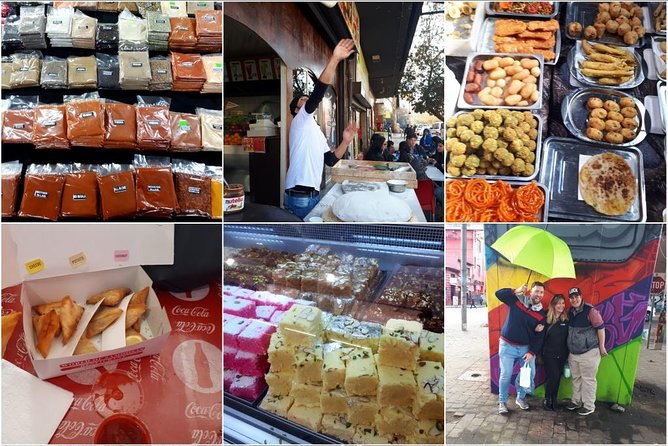
- Six cultures in 2.5 hours: you’re not just sampling one cuisine, you’re getting a real mix of origins and cooking styles.
- A guide who knows the market flow: they choose stalls so you spend less time guessing and more time eating.
- Flexible tour timing: morning, afternoon, or evening options help you fit this into half a day.
- Small-group feel (up to 25): capped at 25 people, so the experience is active and social.
- Come ready to snack: you’ll leave full, not just “curious.”
- Weather-dependent outdoor walking: good weather helps make the walking time comfortable.
Fordsburg Square Flea Market: Why This Area Works for Street Food
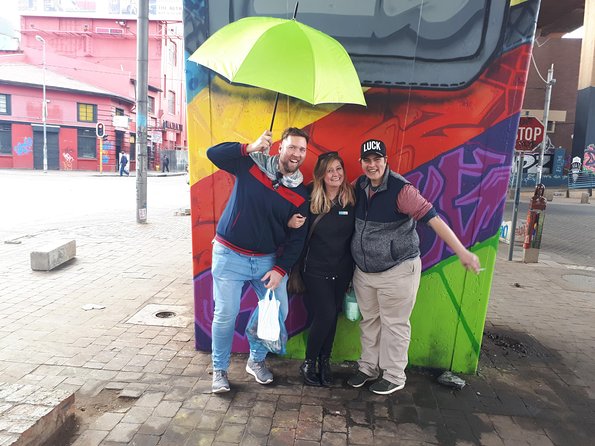
Johannesburg has neighborhoods where food isn’t a plan—it’s a rhythm. Fordsburg is one of those places, and that’s why a guided crawl here is worth it. The Fordsburg Square Flea Market area is set up for tasting: stalls are close enough to walk between, and the food comes from many communities living side by side.
This tour’s focus is the Muslim suburb of Fordsburg, and that shapes what you’ll eat. Instead of treating the market like a random food fair, you’re following the thread of the neighborhood—vendors who serve familiar comfort foods, plus dishes that reflect broader South Asian and Middle Eastern cooking traditions.
Also, you’re not stuck with “tourist-friendly only” options. With a guide leading the way, you can get closer to how people actually buy and eat here. That’s the difference between a food stop and a food experience.
The 2.5-Hour Plan: What Your Walking Food Crawl Feels Like
The tour runs about 2 hours 30 minutes and starts and ends at the same point, so you’re not tracking multiple pick-ups or worrying about getting lost. Meeting is at Dosa Hut6, 48 Central Rd, Fordsburg, Johannesburg, 2092. The route is guided, walking-based, and built around stopping at several traders in the market.
The big idea is simple: you’ll stroll, pause often, and taste. The guide is supposed to steer you to the best spots while you sample dishes tied to up to six different cultural roots.
Here’s what that typically means in practice, based on the way the tour is described and how guides run the route:
Start: A quick orientation and getting your bearings
Before you start sampling, expect a short intro that helps you understand what you’re about to see. In areas like this, that matters. A market can look like “everything everywhere” until someone points out how the food stops connect to the neighborhood’s mix of communities.
You’ll also get the pace of the evening or afternoon. Street food tours work best when you’re not constantly checking the map or wondering if you missed the turn. Your guide’s job is to keep you moving and make each stop feel purposeful.
Mid-route: Indian, Pakistani, and Bangladeshi flavors in the market rhythm
A large portion of the tour is centered on traders connected to South Asian cooking traditions. You’ll taste food from Indian, Pakistani, and Bangladeshi backgrounds, and the guide will explain what you’re looking at as you go.
This is where you get the “wow, it’s all connected” feeling. Similar ingredients show up across cuisines, but the flavor profiles change with spices, cooking method, and what’s considered a street snack versus a more filling plate. If you’re the type who likes understanding food beyond just taste, the guided commentary is the payoff.
In the reviews, people specifically call out enjoying Middle Eastern and Indian food, and they mention being surprised by how much they loved the variety. That’s usually a good sign that the route isn’t just repeating the safest choices.
Another stop: Syrian and Middle Eastern influence
The tour also includes traders connected to Syrian and broader Middle Eastern influence. This matters because you’ll likely notice differences in how dishes are assembled and what flavors take center stage.
Think of this as the bridge between South Asian spice traditions and the food patterns you’ll see across the Middle East—often with different textures and the kind of comfort food that works well in markets. If you like mixing regions in one night, this part of the route is the “change of gear.”
Later: African roots, plus the chance to try sweets and mains
The tour description highlights African and Arab-world overlap in Fordsburg, and the food sampling is meant to cover a spread: not just small bites. People mention everything from starters and main dishes to desserts, which suggests the route isn’t only “one snack per stall.”
So if you’ve ever done tours where you get a taste the size of a teaspoon and then head back hungry, this one is structured differently. The goal is that you leave with a fuller sense of what the market offers.
End: Back to the start, with a clearer sense of the neighborhood
You’ll finish back at the meeting point. That’s handy in Johannesburg, where neighborhoods can feel very different block to block. When the tour ends where you began, it’s easier to grab a taxi or hop onto public transport without another navigation headache.
Meeting Point at Dosa Hut6: A Small Detail That Saves Time
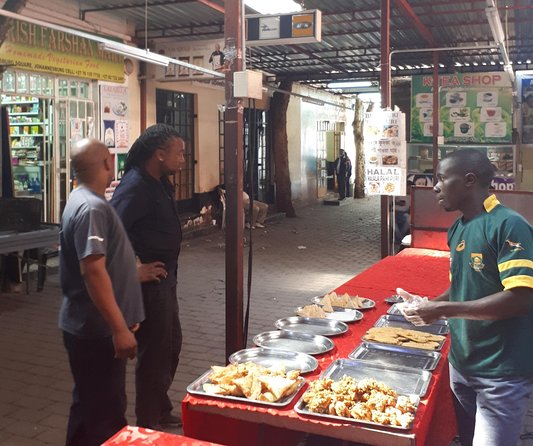
One practical advantage here is the single meeting point at Dosa Hut6, 48 Central Rd, Fordsburg. For street food tours, that detail is more important than it sounds. Markets can be busy and confusing at a glance, and being able to orient yourself quickly keeps the first tasting stop from turning into a search mission.
If you’re aiming for a smooth start, show up a little early and take a moment to settle your stomach with water. You’ll get more out of the stops if you’re not rushing or feeling scattered.
Price and Value: Is $60 Worth It?
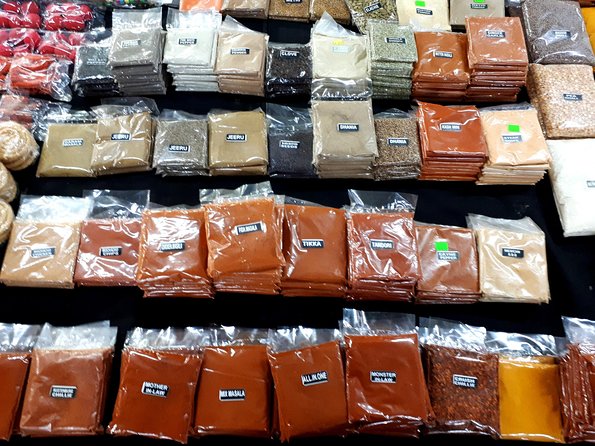
At $60 per person, this tour isn’t a “buy it on a whim” impulse play—unless you’re already hungry and you like variety. The value comes from the structure: 2.5 hours, guided routing, and sampling across up to six cultural roots.
Street food tours can be hit or miss when the route is long but the tastings are light. Here, the tour is intentionally short enough that you’re likely to hit enough vendors to feel like you ate a meal’s worth, not just a parade of nibbles. Reviews also emphasize that people tried a lot and found it genuinely good, not “fine for a tour.”
Also, you’re paying for more than food: you’re paying for a local guide who can point out why stalls matter, and who helps you navigate the neighborhood with confidence. That’s part of the value, especially in areas where you wouldn’t want to wander randomly without context.
One more small note: this tour is commonly booked about 61 days in advance on average. That doesn’t mean you can’t find space, but it’s a sign that people plan food-focused nights in Joburg—and that the experience tends to sell.
The Guide Factor: What Makes the Tour Feel Personal
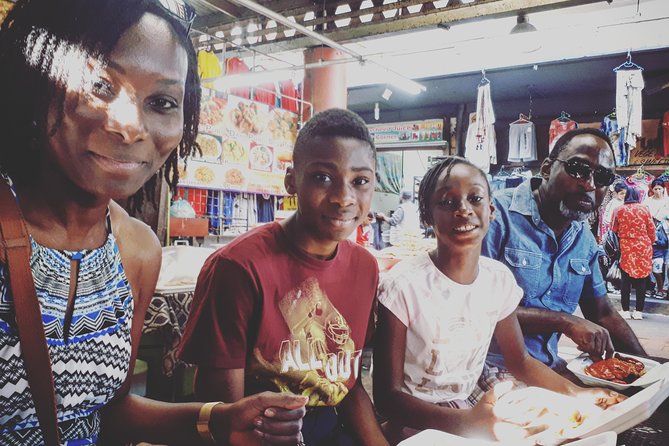
A street food tour lives or dies on the guide, and this one has a strong reputation for the people side of the job. The guide name that comes up clearly in the feedback is Gilda, and multiple guests highlight her as fantastic: knowledgeable about the area, well connected, and confident sharing what’s going on in the community.
You’ll also notice a consistent theme: the tour isn’t only about eating. Guests describe learning social history and understanding how things are now. That kind of context turns each stall from a random bite into a window on the neighborhood’s identity.
One tip: if you’re sensitive about humor, go in aware that Gilda-style joking and friendly ribbing is part of the experience. It’s not mean-spirited, but it’s not dead serious either. If you can take light banter and focus on the food, you’ll probably have a great time.
Timing Choices: Morning, Afternoon, Evening
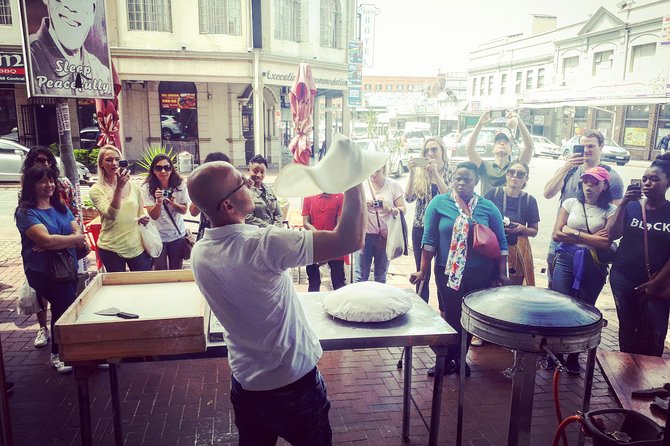
You can choose your time slot: morning, afternoon, or evening. For half-day planning, this flexibility is huge. Evening tours often feel lively because markets can still be active, and you get that “street food night” energy.
Afternoon is great if you like daylight walking and want time to do other things after. Just keep in mind that weekend schedules can affect nearby shop stops. If you’re going on a Saturday and you care about extra shopping-style stops, aim earlier rather than later.
As always, wear comfortable walking shoes. Even a short tour becomes more enjoyable when your feet feel good.
What To Pack So You Enjoy Every Stop
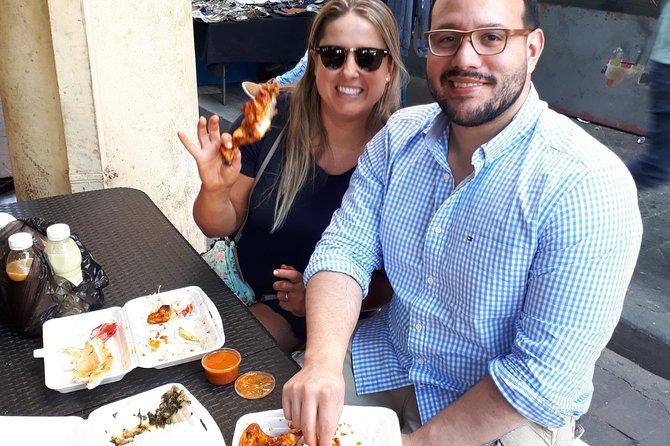
This tour works best when you travel like you’re out for a meal, not like you’re testing one flavor.
Bring:
- A light appetite and the willingness to try things you don’t usually order
- Water (street food is fun, but you still need to stay comfortable)
- Cash or card if you prefer, though the tour is guided and sampling happens on the route
- Comfortable shoes for market walking
And a simple mindset shift: your stomach will thank you if you plan to slow down and savor, not rush each stop.
Group Size and Atmosphere: Easy to Join, Easy to Enjoy
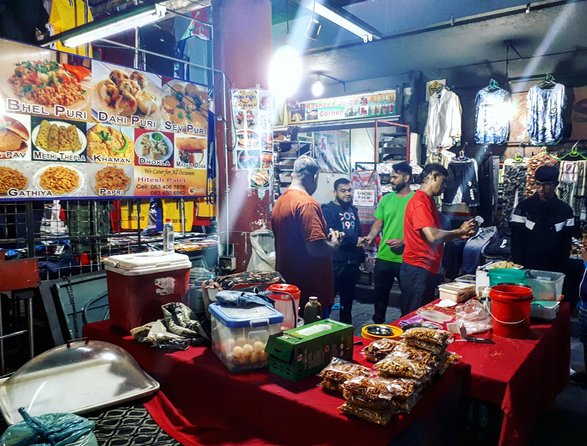
The tour has a maximum of 25 travelers. That cap matters because it keeps the experience from becoming a long line where people can’t hear the guide or don’t get enough attention.
In practice, the experience can feel even more personal when the group is smaller. And because it’s a walking tour with multiple stops, a smaller group typically means you can move at a comfortable pace, ask questions, and enjoy the route without feeling herded.
There’s also a good sign for accessibility in the basics: service animals are allowed, and the meeting point is near public transportation. That makes it easier to build into your Joburg schedule.
Weather, Timing, and What Happens If Plans Change
This experience requires good weather. If weather is poor, you’ll be offered a different date or a full refund. That’s a fair setup for an outdoor market walk, since rain can affect comfort and how easy it is to move between stalls.
The tour also requires a minimum number of travelers. If that minimum isn’t met, you’ll get an alternative date/experience or a full refund. In other words, you’re not stuck with a mystery delay; the policy is designed to protect you.
Who This Tour Fits Best
This street food tour is ideal if you want:
- A focused way to experience Johannesburg beyond sightseeing
- A variety-first meal plan across multiple cultures
- A guided route so you’re not guessing your way through a crowded market
- A half-day activity that feels active and social
It’s also a good fit for food lovers who like learning while they eat. The route isn’t just about tasting; it’s about understanding the neighborhood through its traders and their food.
If you prefer silence, minimalist walking, or total predictability in every stop, you might find the market energy and guide banter a bit much. But for most people who came to eat and explore, that energy is half the point.
Should You Book This Street Food Tour?
If you’re short on time in Johannesburg and you want the real flavor of the city’s multicultural food scene, I’d book this. Up to six cultural roots, a strong guide-led market route, and a tight 2.5-hour format make it a practical choice. It’s also reasonably priced for what you’re getting—food variety plus local guidance, not just a single “snack stop.”
Skip it only if you hate friendly jokes, or if you’re the type who needs a very structured sit-down meal with zero walking. Otherwise, this is exactly the kind of tour that turns a market neighborhood into a memorable evening.
FAQ
How long is the street food tour?
It runs for about 2 hours 30 minutes.
Where does the tour meet, and where does it end?
The meeting point is Dosa Hut6, 48 Central Rd, Fordsburg, Johannesburg, 2092, South Africa. The tour ends back at the meeting point.
How much does it cost?
The price is $60.00 per person.
What cultures and cuisines are included?
The tour focuses on Fordsburg’s food scene and includes street food from Indian, Bangladeshi, Syrian, African, and Pakistani cooks, with sampling from up to six different cultural roots.
What tour times are available?
You can choose from a morning, afternoon, or evening tour time.
What’s the cancellation and weather situation?
You can cancel for a full refund up to 24 hours before the experience starts. The tour also requires good weather; if it’s canceled due to poor weather, you’ll be offered a different date or a full refund.