REVIEW · TOKYO
Retro Shibuya Food Tour
Book on Viator →Operated by Arigato Japan KK · Bookable on Viator
Shibuya tastes better when you walk its back alleys. This Retro Shibuya Food Tour mixes big-photo Shibuya landmarks with slower lanes where locals eat and drink, all while your local English-speaking guide brings in Showa-era context you can actually use as you explore. It’s built for eating as you go, not just sightseeing with snacks.
I love the small-group feel (up to 10 people), because the guide can keep things moving without herding you through crowds. I also like that the tastings include multiple stops for local dishes and drinks, including an iconic ramen shop, plus dessert. In the guide team, I’ve seen names like Josh and Jacob called out for sharing historical facts along with food, and Sharon noted as accommodating while keeping the tour lively.
One possible drawback: it is not recommended for vegans, even though it’s listed as vegetarian, pescetarian, and gluten-free friendly.
In This Review
- Key things to know before you go
- Why this Retro Shibuya tour feels different from a regular food walk
- Price and what you actually get in 3 hours
- Meeting at Shibuya Station and getting oriented fast
- Hachiko and Shibuya Crossing: icons with real cultural context
- Center-gai: where the tasting switches gears
- Don Quijote, Shibuya Mark City, and Shibuya 109: pop culture stops between bites
- Nonbeiyokocho and the back streets: the part you can’t easily fake
- Drinks, ramen, and dessert: what’s included and how to plan your appetite
- The guide experience: small details that make the tour feel personal
- Timing, pacing, and how to dress for a 4:00 pm Shibuya walk
- Karaoke after party: optional fun if you want to keep the night going
- Who should book this tour (and who might skip it)
- Should you book Retro Shibuya Food Tour?
- FAQ
- How long is the Retro Shibuya Food Tour?
- How much does it cost?
- What time does the tour start?
- Where do I meet and where does it end?
- Is food and drink included in the price?
- Is the tour suitable for vegetarians or gluten-free travelers?
- Is the tour recommended for vegans?
- What’s the group size limit?
- Does the tour ever get canceled due to weather?
Key things to know before you go
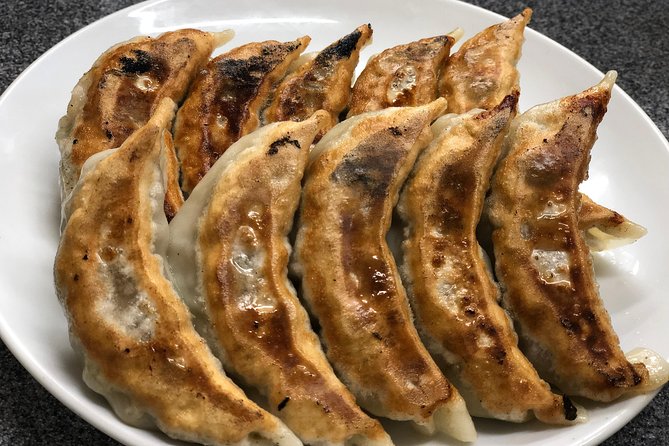
- 3 hours of eating on foot: sightseeing and tastings are designed to happen together, so you’re never waiting around with empty hands.
- Multiple drink tastings included: you’ll get 3 complimentary drinks (beer, local sake, and other beverages).
- A guide who connects food to place: the best part is the context your local English guide adds as you walk from landmark to back street.
- You’ll see Shibuya’s key “modern era” landmarks: Hachiko, Shibuya Crossing, Shibuya 109, and more show up right alongside side-street stops.
- A ramen stop is part of the plan: not an optional add-on, so you don’t have to gamble on finding a good spot fast.
- Small group means a steadier pace: max 10 travelers helps keep the walk enjoyable instead of chaotic.
Why this Retro Shibuya tour feels different from a regular food walk
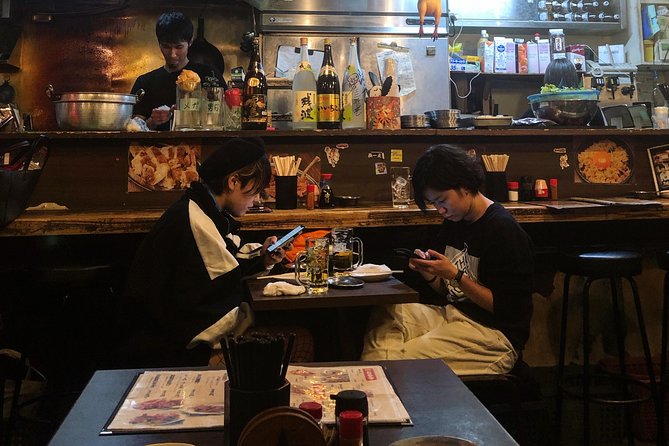
Shibuya is easy to photograph, but it can be hard to understand. This tour leans into the idea that the neighborhood makes more sense when you pair the food with short stops that explain how Shibuya got to where it is today. You’ll start with familiar points like Hachiko and Shibuya Crossing, then gradually shift into narrower, less touristy streets where the vibe changes from “watching people” to actually tasting what people order.
The “retro” part matters because it’s not just a theme. You’re told about Shibuya’s history dating back to the Showa era as you move through the area. That gives you a mental map for why these places feel the way they do now—busy, fast, and street-focused—without turning the tour into a lecture.
I also appreciate that the tour isn’t trying to make you eat everything. It’s structured around tastings, with dessert included and a defined drink count. That’s a big deal in Tokyo, where it’s easy to lose track and end up overstuffed (or paying extra) if you freestyle.
You can also read our reviews of more food & drink experiences in Tokyo

Price and what you actually get in 3 hours
At $221 per person for about 3 hours, this isn’t a budget activity. The value comes from what’s bundled: a local English-speaking guide, local food tastings, dessert, and 3 complimentary drinks (beer, local sake, and other beverages). In other words, you’re not just buying access—you’re buying guided pacing plus multiple built-in stops.
What you should keep in mind: additional drinks or extra food are not included. So if you know you want to keep drinking beyond the included tastings, you’ll likely top up your own budget. Still, the structure helps a lot—3 drinks across the route is enough to loosen you up without derailing the walk.
The tour also uses a mobile ticket, which is a real convenience in Tokyo when you’re juggling transit apps, maps, and last-minute plans.
Meeting at Shibuya Station and getting oriented fast
The start point is at Shibuya Station 2 Chome-24, Shibuya, with the tour starting at 4:00 pm. You’ll meet for a short time before you begin moving, and then you finish at Tokyu Department Honten Store basement level under the station.
That ending detail might sound small, but it matters. Shibuya can be confusing when you’re tired. Ending under a major department store near the station means you can peel off easily afterward—grab water, use the restroom, or connect to your next train without trekking across the neighborhood.
The tour is also limited to adults 20 years old and above, and it’s listed as requiring moderate physical fitness. This is a walking food tour, and you’ll be moving through busy areas and side streets. Comfortable walking shoes help a lot.
Hachiko and Shibuya Crossing: icons with real cultural context
You’ll start with a stop at the Hachiko statue, where your guide offers insights into local life and Japanese culture. This is a smart opener because it’s the kind of place you instantly recognize, yet it’s easy to misunderstand if you only treat it as a photo stop. With a guide, you get quick context and can start noticing how people behave around the landmark.
Next comes Shibuya Crossing, another spot you’ve likely seen in photos and videos. The tour doesn’t just tell you to cross the road; it ties the scene to Shibuya’s history going back to the Showa era. The practical payoff is how you’ll read the streets after that. When you understand what’s changing—and what stays—your walking feels less random.
One small benefit of doing these stops early: by late afternoon, Shibuya is lively, but it’s not yet the most exhausting stage of night crowds. It’s easier to keep your senses sharp for the food part of the evening.
Center-gai: where the tasting switches gears
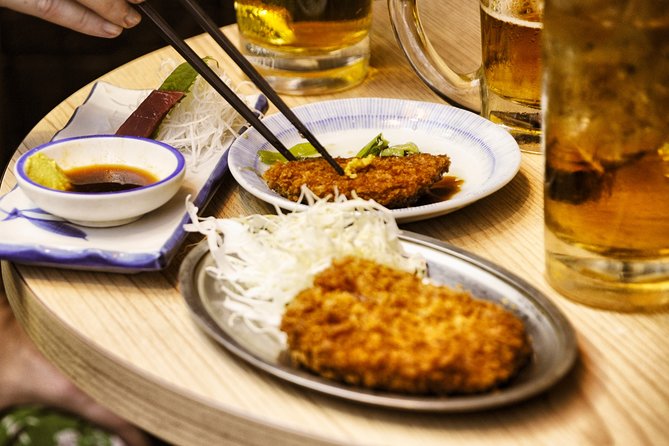
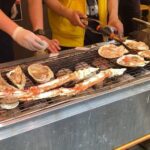
A key part of the experience happens around Shibuya Center-gai. This is where you’ll taste a lot of different local and seasonal dishes, plus 3 drinks included in the tour.
I like how this portion is designed as a reset. The first part helps you understand Shibuya’s layout and culture; then Center-gai turns the page into flavors and ordering choices. If you’ve ever landed in Tokyo and tried to figure out what to eat on the fly, you’ll recognize the value: you’re guided toward dishes and drinks that fit the moment, so you spend less time second-guessing and more time actually eating.
A practical consideration: because alcohol is included (and part of the total plan), pace yourself. The tour is only about 3 hours, and you’ll still walk between areas after the tasting phase. That doesn’t mean avoid alcohol—it just means don’t treat the included drinks as a “finish fast” challenge.
A few more Tokyo tours and experiences worth a look




Don Quijote, Shibuya Mark City, and Shibuya 109: pop culture stops between bites
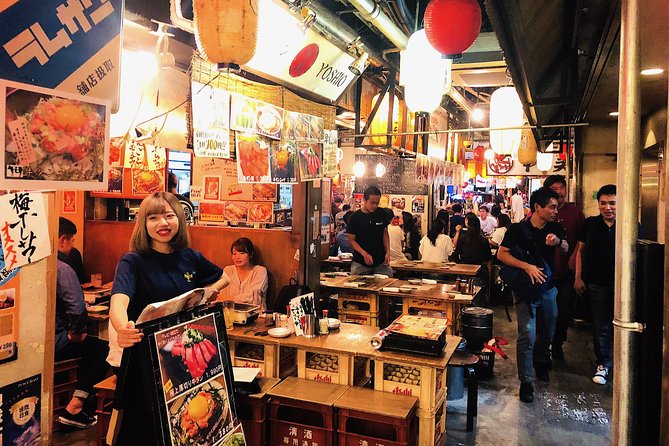
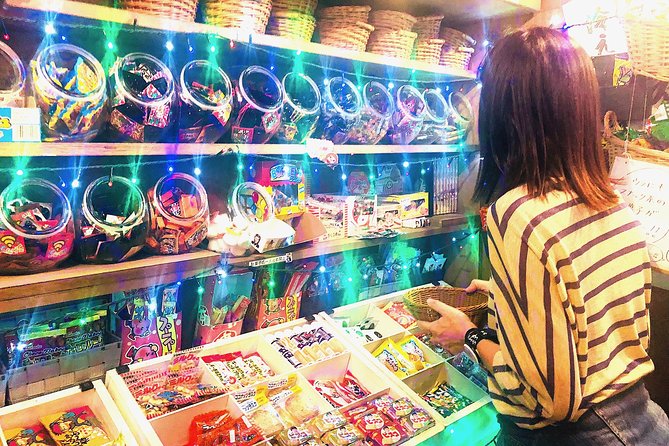
As you move onward, you’ll pass major Shibuya shopping landmarks like MEGA Don Quijote, Shibuya Mark City, and Shibuya 109. The tour uses these places as waypoints while heading deeper toward back-street dining.
At MEGA Don Quijote, the idea is partly practical: you get a sneak peek inside one of the best spots to buy souvenirs before you shift back into the eating focus. That’s useful if you want to lock in small gifts without hunting for stores later.
For Mark City and Shibuya 109, the main value is how they sit in the middle of the evening’s rhythm. You’re not just walking past them; you’re watching Shibuya’s “big energy” adjacent to its older, more casual eating lanes. That contrast is what makes the retro angle work. It’s not one Shibuya. It’s several layers.
Nonbeiyokocho and the back streets: the part you can’t easily fake
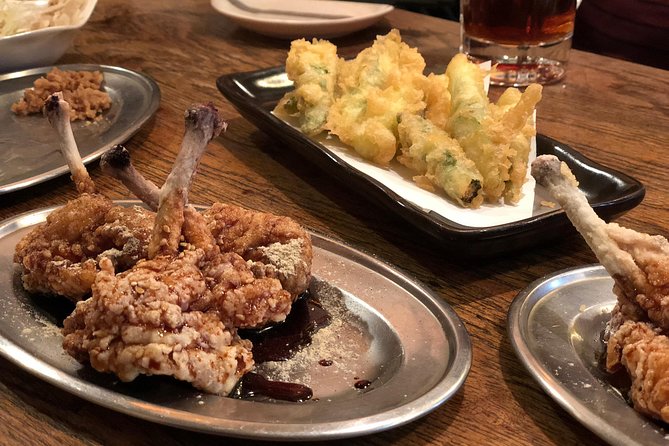
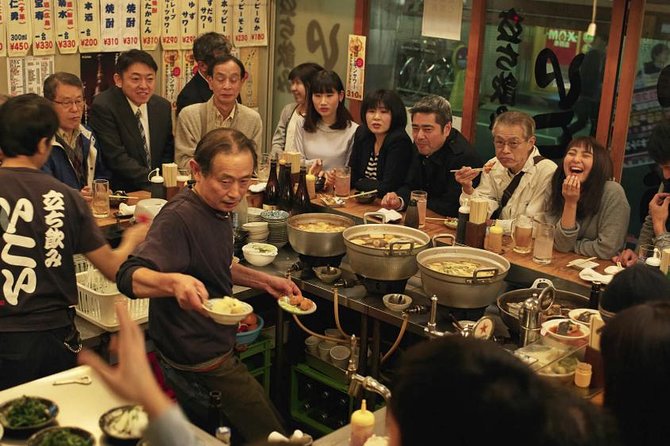
You’ll spend time around Nonbeiyokocho and then continue into back streets & off-the-radar spots around Shibuya. This is the section that makes the tour feel worth it even if you’ve already seen Hachiko and the crossing.
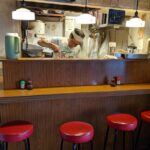
Why? Because you’re meant to go places you wouldn’t easily find alone—standing-style bars, older noodle shops, and narrow alleys where locals eat, drink, and socialize. Even if you’re a confident walker, Shibuya’s density can make it hard to identify the good spots without local help. A guide reduces that risk.
This portion also matches the tour’s promise of “Retro Shibuya” in a tangible way. Landmarks give you orientation. The back streets give you atmosphere. And the food ties both together.
Drinks, ramen, and dessert: what’s included and how to plan your appetite
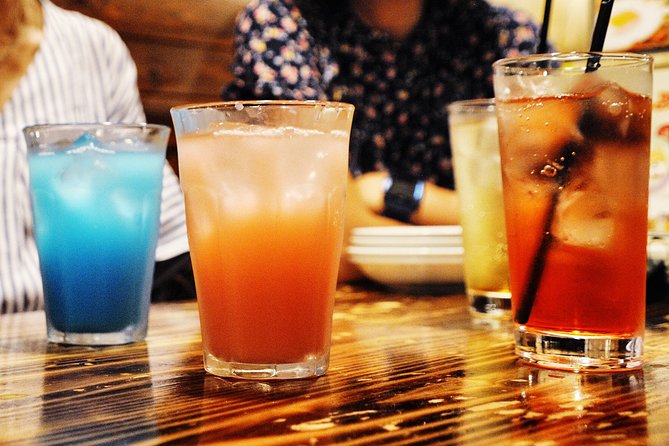
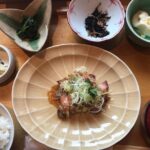
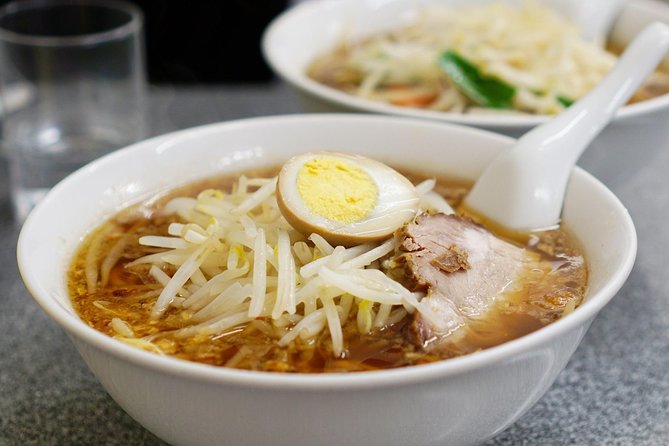
Included items are clearly part of the deal: local food tastings, dessert, and 3 complimentary ranging from beer, local sake, and other beverages. Ramen is specifically mentioned as an iconic stop, which is important. A ramen-only plan can get you stuck waiting in lines or guessing which shop is worth it. Here, it’s built into the route.
What’s not included: additional drinks or extra food. So if you’re a person who always wants “one more round,” just know your total cost may creep up.
Also note the dietary situation. The tour is listed as vegetarian, pescetarian, and gluten-free friendly, but not recommended for vegans. If vegan is your need, this likely won’t be the best fit. If gluten-free or pescetarian is your situation, bring clarity to the guide so tastings can be adjusted within what the tour operator can provide.
The guide experience: small details that make the tour feel personal
This is one of the biggest strengths of the tour. In feedback tied to the guides, Josh and Jacob are praised for sharing interesting historical facts and steering the group toward delicious food finds around Shibuya. Another guide, Sharon, is described as excellent and accommodating, with lots of culture-sharing paired with genuinely good tastings.
Even without naming a specific guide for your date, the pattern matters: the tour aims to be educational without feeling like a textbook. You get short, digestible history as you walk, and then you get rewarded with food and drink.
A small practical tip: because you’re with a guide during tastings, you can ask quick questions about what you’re eating and how to order similar items later. That can turn this one evening into a repeatable skill for future nights in Tokyo.
Timing, pacing, and how to dress for a 4:00 pm Shibuya walk
The tour starts at 4:00 pm, which is a sweet spot in Tokyo for a walking plan: daylight is fading, the streets are active, and you’re not yet stuck in peak midnight timing. Still, you’ll be out enough hours that weather matters.
Good weather is required. If weather turns, the tour may be canceled and you’ll be offered another date or a full refund. That’s reassuring, since you’re walking through several areas and side streets.
Dress for walking comfort. The route includes back alleys and busy areas. A moderate fitness level is required, so if you know your legs get tired fast, consider that before booking. Comfortable shoes matter more than anything you pack.
Karaoke after party: optional fun if you want to keep the night going
There’s also a Karaoke After Party available. The key takeaway is that it’s an add-on option, not the main structure of the 3-hour tour. If you’re the type who enjoys group energy and you don’t mind staying out later, it can be a fun way to extend the evening with people you met on the walk.
Who should book this tour (and who might skip it)
This is a strong fit if you want:
- a guided food evening with multiple tastings and 3 included drinks
- a route that mixes well-known landmarks with side-street dining
- a local English-speaking guide who ties what you eat to Shibuya’s past, including the Showa era
It may be less ideal if:
- you’re vegan (it’s specifically marked as not recommended for vegans)
- you don’t want to drink alcohol at all, since alcohol is part of the included tasting package
- you prefer long, slow sit-down meals rather than a walking format
If you’re traveling solo, the operator asks solo travelers to email, which suggests they can help coordinate. If you want social time, the small group size can be a plus.
Should you book Retro Shibuya Food Tour?
Yes, I’d book it if you want Shibuya that feels lived-in, not staged. The tour’s best value is the mix: guided history tied to real street scenes, plus enough tastings and drinks to make you feel like you truly sampled the neighborhood. The guide quality shows up in the feedback tied to Josh and Jacob and also to Sharon, and that’s exactly what you want from a food tour—you don’t want just food, you want someone making the place make sense.
I’d think twice only if vegan eating is your requirement, or if you dislike walking through busy neighborhoods. If those aren’t your constraints, this is a very practical way to experience Shibuya in just 3 hours—especially with ramen, dessert, and included drinks already handled.
FAQ
How long is the Retro Shibuya Food Tour?
It’s about 3 hours.
How much does it cost?
It costs $221.00 per person.
What time does the tour start?
It starts at 4:00 pm.
Where do I meet and where does it end?
You meet at Shibuya Station 2 Chome-24, Shibuya, Tokyo, and you end at Tokyu Department Honten Store basement level under the station.
Is food and drink included in the price?
Yes. The tour includes local food tastings and dessert, plus 3 complimentary drinks (beer, local sake, and other beverages).
Is the tour suitable for vegetarians or gluten-free travelers?
Yes. It’s listed as vegetarian, pescetarian, and gluten-free friendly.
Is the tour recommended for vegans?
No. It’s not recommended for vegans.
What’s the group size limit?
The tour has a maximum of 10 travelers.
Does the tour ever get canceled due to weather?
Yes. It requires good weather, and if it’s canceled due to poor weather, you’ll be offered a different date or a full refund.