REVIEW · TOKYO
Asakusa, Tokyo’s #1 Family Food Tour
Book on Viator →Operated by Arigato Japan KK · Bookable on Viator
One street can turn into a meal plan. This small-group Asakusa food tour mixes classic sights with regional bites, and I love how it’s set up for fast, easy wandering through side streets. I also like that you get a traditional lunch with southern Japan flavors as part of the tasting run, not after the fact. The one thing to consider is that it’s a walking tour, and you’ll want a solid level of physical fitness to keep up comfortably.
You’ll meet your local English-speaking guide in Asakusa, then spend about three hours hopping between food stops and nearby landmarks like Kaminari-mon and Senso-ji. In reviews, guides such as Michie and Wesley are called out for being patient and proactive—on a hot day, they even shared cooling items to help the group stay comfortable.
In This Review
- Key things that make this Asakusa food tour worth your time
- Why Asakusa works so well for a family food crawl
- Getting your bearings fast: the Asakusa meet-up
- Tasting your way through Asakusa: what you actually eat
- How the landmarks fit (without stealing your appetite)
- Lunch with southern Japan flavors: the main payoff
- Melon pan and dessert: why the end tastes like a win
- Family-friendly pacing and the walking reality
- Price and what you’re really buying for $221
- Practical tips before you go
- Should you book the Asakusa Family Food Tour?
- FAQ
- How long is the Asakusa Family Food Tour?
- Where do I meet the guide, and where do we end?
- How many people are in the group?
- What kinds of food are included?
- Is the tour vegetarian friendly?
- Do I need hotel pickup?
- What if the weather is bad?
Key things that make this Asakusa food tour worth your time
- Small group size (max 10): You get attention from your guide and easier pacing than big group tours.
- Lunch is built in: You don’t just nibble; you get a traditional meal included in the experience.
- Seasonal tasting menu: You might try Japanese plums, pickles, rice crackers, and tea, depending on what’s in season.
- Melon pan and a local dessert: You’ll taste two sweets that feel distinctly Asakusa.
- Senso-ji and Nakamise Street area, with help: You get orientation and context for the main sights without wasting time.
- Easy-to-follow start and end point: You meet at the Asakusa Culture Tourist Information Center and finish at the main gate area of Sensō-ji.
Why Asakusa works so well for a family food crawl
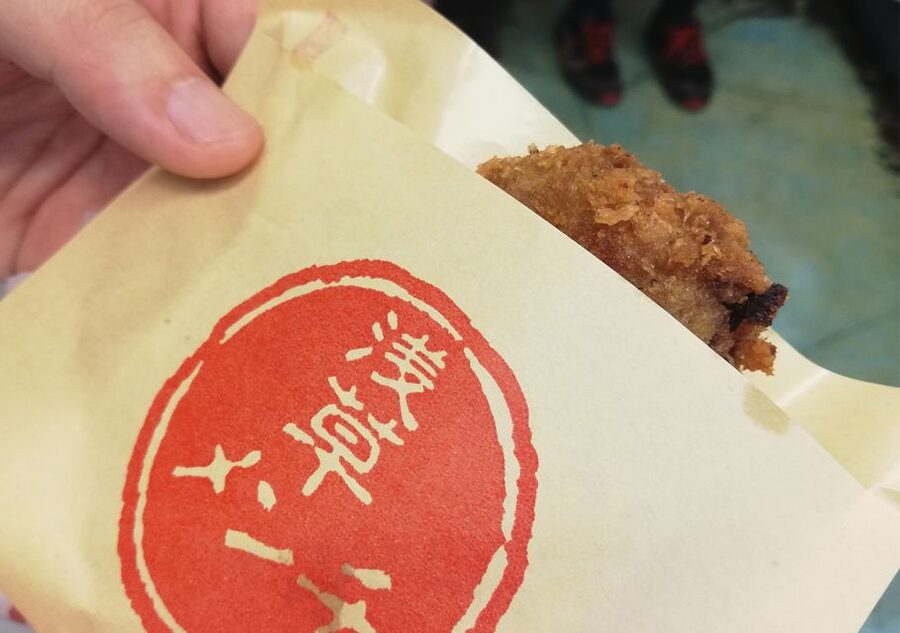
Asakusa is one of those Tokyo neighborhoods where old-school downtown life still shows up in everyday ways—shops, snack counters, and streets that move at a slower tempo than the major business districts. That matters on a food tour, because you want to be in the right place at the right walking speed.
This tour leans into exactly that. You’re not stuck in a single restaurant or only sampling from convenience-style counters. Instead, you get guided routing through the Asakusa side streets and the sights people actually use as landmarks. It’s a smart format if you want more than a photo stop: you get context while you eat.
It’s also family-friendly, which is a real plus in Tokyo. The pacing and stop structure are set up for a mixed group, and kids just need to be accompanied by an adult.
You can also read our reviews of more food & drink experiences in Tokyo
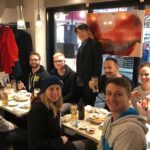
Getting your bearings fast: the Asakusa meet-up
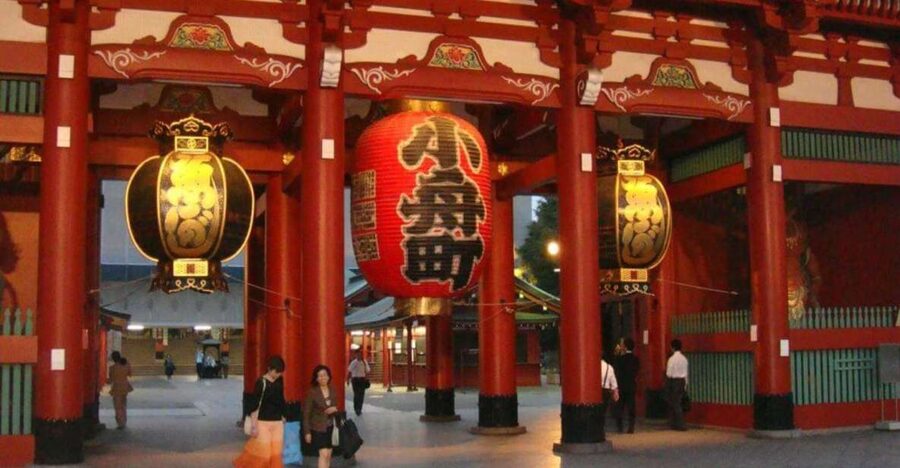
Your tour starts at the Asakusa Culture Tourist Information Center, right by the Kaminarimon side of Asakusa (2-chōme-18-9 Kaminarimon, Taito City). The meeting time is 11:00 am, and you’ll begin with a short intro at the information center.
This is more than just a handshake and instructions. A brief orientation helps you understand how Asakusa flows—where people head first, where alleyways open up, and how to move efficiently once you’re on foot. You’ll also get a sense of what the guide will focus on: food from different regions, plus stories about local life.
The guide is local and speaks English, and the group size stays small. That combination usually makes it easier to ask questions as you go—especially if you’re traveling with kids.
Tasting your way through Asakusa: what you actually eat
The heart of this experience is the tasting run, which includes five food stops and a proper lunch. The exact items can shift with the season and what’s available at the moment, but you can plan around the categories.
Here’s what the tour lists as likely tastings:
- Japanese plums (often as a preserved or flavored snack)
- Pickles
- Rice crackers
- Tea
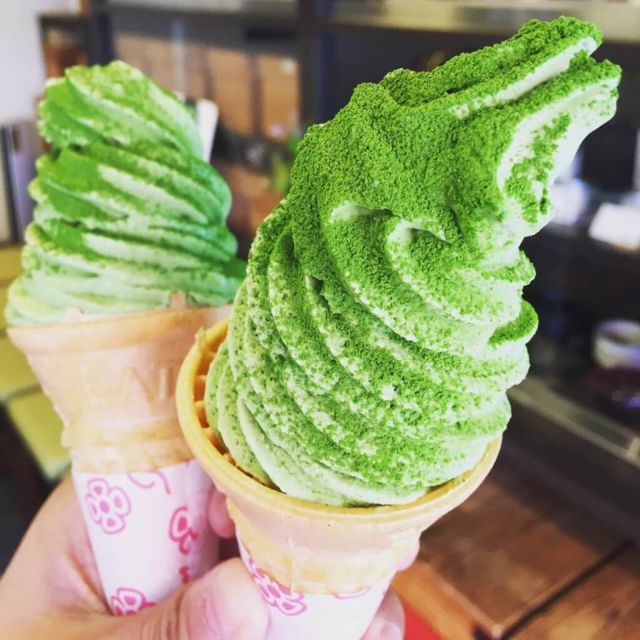
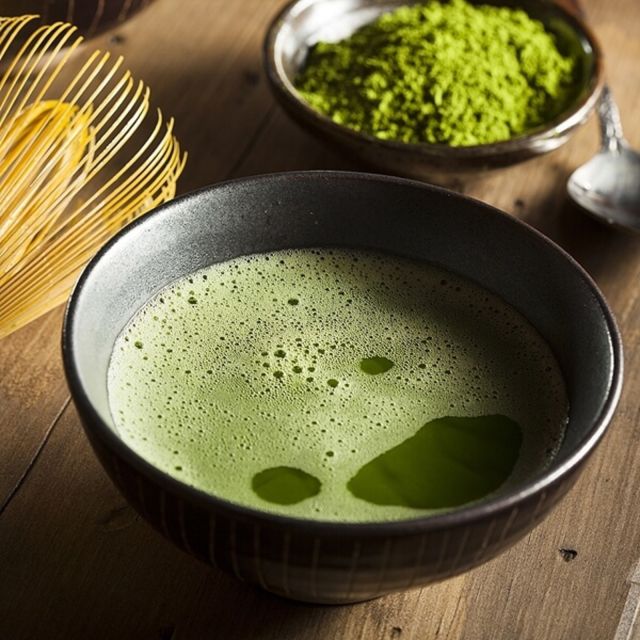
- Ice cream and/or matcha tea at the end (depending on what’s served)
- Melon pan (that lightly sweet, crisp-topped bread many people associate with Tokyo snack culture)
- A local dessert, described as one of Japan’s better-kept secrets
- A lunch featuring cuisine from southern Japan
A few important practical notes:
- Because some items are seasonal, you should treat this as a menu highlight list, not a guaranteed shopping cart.
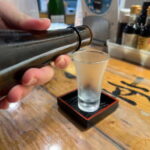
- The tour includes one drink total. If you like tea or soft drinks with meals, you’ll still want to budget for additional drinks after the tour.
- The tour is vegetarian and pescetarian friendly, so you should be able to arrange options without feeling like you’re stuck with only bread and sweets.
If you’ve ever tried to recreate a food tour solo in Tokyo, you know the problem: you can find great snacks, but you can’t always find the right order, the right spots, or the meaning behind what you’re eating. This tour reduces that guesswork.
How the landmarks fit (without stealing your appetite)
The itinerary keeps the main sights close together, which is one reason the tour works well in a short window. You’ll pass by big-name landmarks, but the schedule is structured so food stays central.
You’ll make quick stops around:
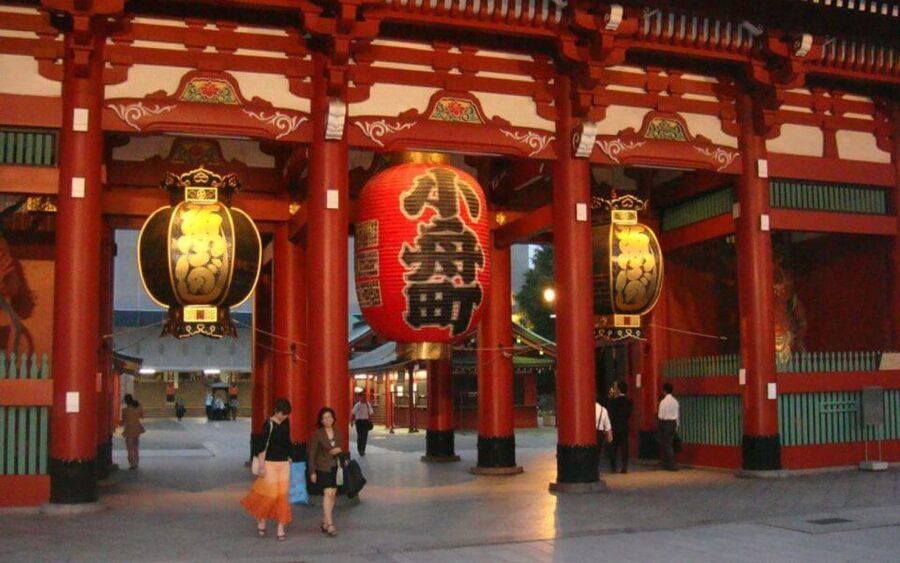
- Kaminari-mon (the thunder gate area)
- Hōzōmon gate and the Senso-ji Temple zone
- A finish near Nakamise Street
- A brief look at Asakusa Shrine
These segments are short, so you’re not being forced to choose between sightseeing and eating. Instead, they help you understand what you’re walking past and why locals connect food culture to these everyday routes.
At Sensō-ji and nearby Nakamise Street, the atmosphere alone can make you hungry. The guide’s job is to keep you moving toward tastings rather than letting you get stuck lingering at the first stall you see.
Lunch with southern Japan flavors: the main payoff
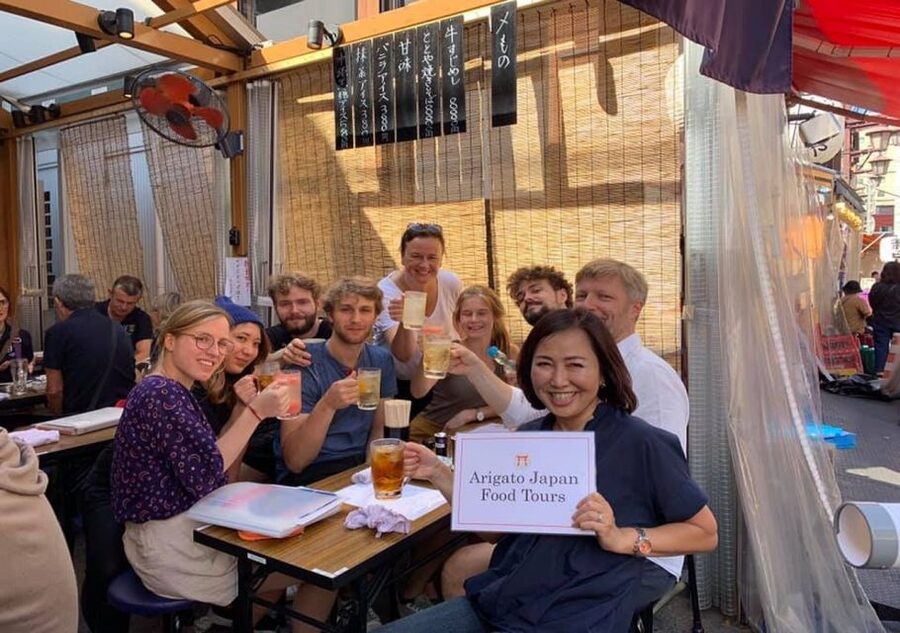
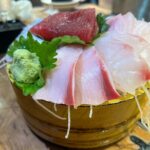
Lunch is included, and it’s the part I’d mark as the value anchor of this tour. The tasting snacks are fun, but a full meal changes how the day feels. You’re not just sampling; you’re eating in a way that feels like you had a plan.
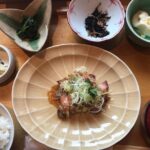
The tour specifies lunch as southern Japan cuisine. That’s useful because southern regions of Japan often show up with flavors that are different from what you might expect if you only eat Tokyo “everyday” dishes. You may also find that lunch makes the tastings afterward make more sense—especially if you’re sampling things like pickles and tea alongside meal-style flavors.
Also, the lunch timing is positioned after you’ve already started exploring. That means you’re likely arriving at the meal with curiosity already built up, and the group doesn’t feel scattered or hungry in a chaotic way.
A few more Tokyo tours and experiences worth a look


Melon pan and dessert: why the end tastes like a win
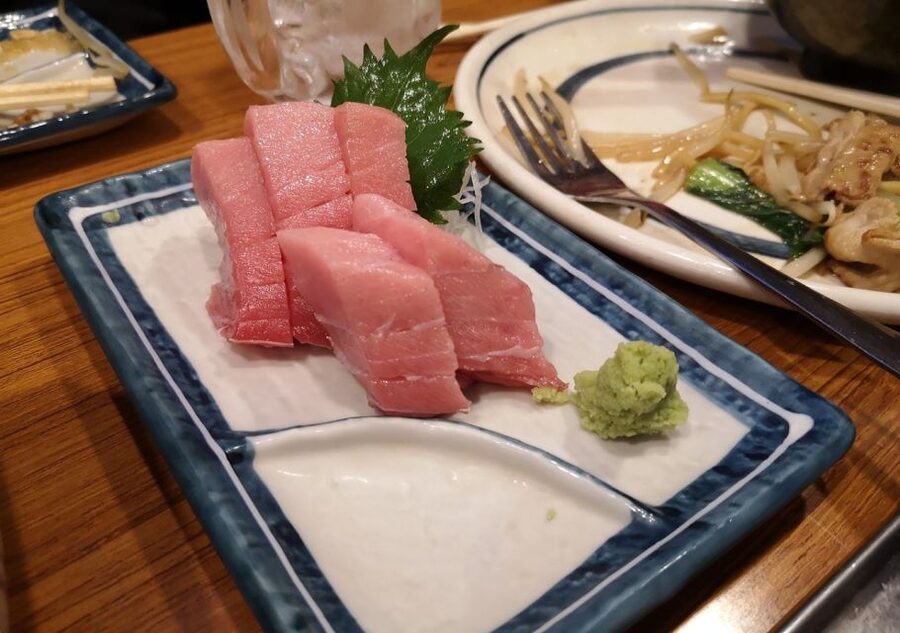
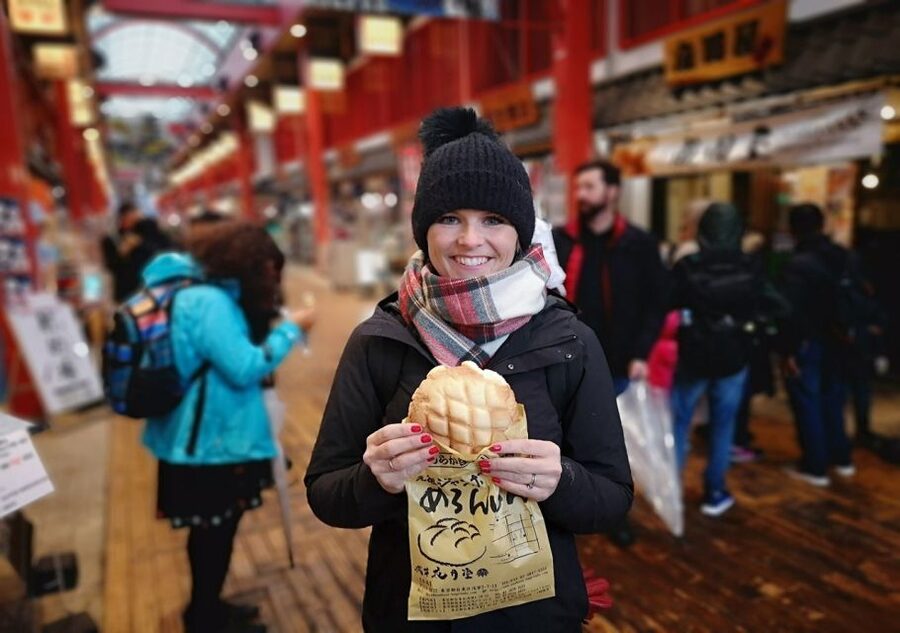
Near the end of the tour, you’ll hit the sweet stretch: melon pan plus a local dessert. These are the kinds of treats that feel fun even if you’re not on a strict sweets mission, because they represent that Tokyo-meets-traditional-snack world.
Then you finish with matcha tea or ice cream. That choice matters in real life. If you’re walking in warm weather, ice cream can be a relief. If you prefer a gentler finish, matcha tea is a nice way to tie the experience back to Japanese tea culture you’ve already sampled.
In one review note, the guide handling a hot day stood out—helping the group stay cool with items they had on hand. That kind of practical attention makes the later sweet stops more comfortable.
Family-friendly pacing and the walking reality
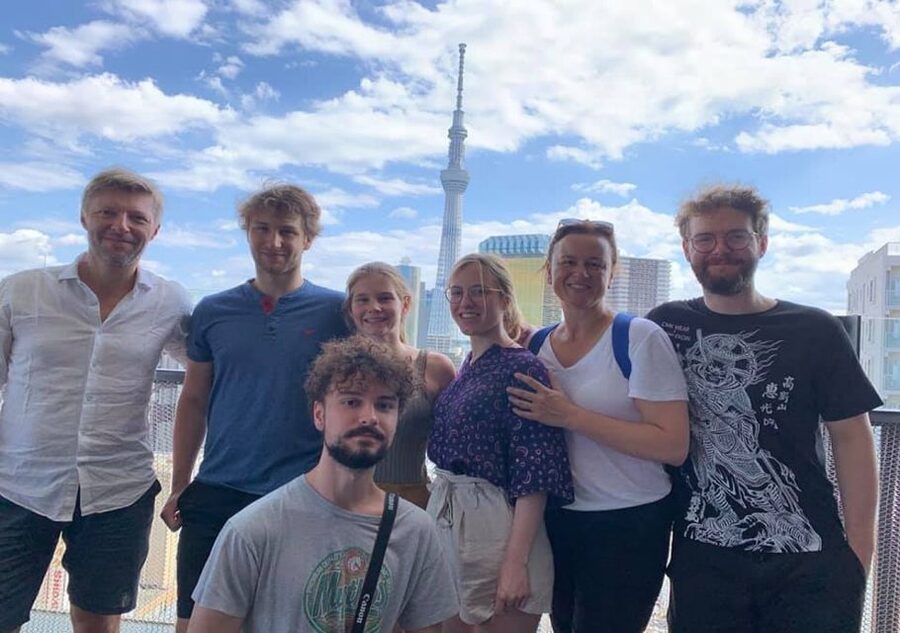
This tour is family-friendly, and group size is capped at 10, which usually helps families stay together. Kids must be accompanied by an adult, and there’s an extra note for kids 10 and above: you’ll need a copy of passport information for them.
One other line matters for your planning: the tour expects good physical fitness. That doesn’t mean you need to be an athlete, but it does mean you shouldn’t assume it’s mostly sitting. You’ll be walking through the Asakusa area and moving between multiple food stops in a few hours.
If you’re traveling with elders or someone with mobility limits, this is the part to weigh carefully. The tour format is built for efficient movement, not long sit-down breaks.
Price and what you’re really buying for $221
At $221 per person, this isn’t a “grab a snack and wander” deal. You’re paying for a guided experience with:
- 5 food stops including lunch
- Regional tastings and street-food style bites
- Dessert included
- One drink included
- A local English-speaking guide
- Small group size (max 10)
- A mobile ticket
So what does that mean in value terms? You’re not just buying food—you’re buying selection and pacing. The guide helps you find the right places quickly, keeps the group from losing time between spots, and adds context about why certain foods show up where they do. That part is hard to replicate alone unless you spend time researching and still risk ending up at the wrong stall.
For families and first-timers, that can be worth it. If you already know Tokyo snack culture well and you’re comfortable building your own Asakusa route, you might feel you’re paying for convenience and interpretation more than for the food itself. But if you want a guided, on-foot sampler that includes lunch, this price starts to make sense.
Practical tips before you go
A few things I’d do before booking any Asakusa walking food tour like this:
- Plan to eat during the tour, then keep dinner lighter. You’ll finish with sweets and a drink, so you won’t be emptying your stomach by the end.
- Dress for weather. The tour is tied to good weather, and it can be rescheduled if weather turns unpleasant.
- Bring small cash or a card for extra purchases. Only the listed items and one drink are included, and you may want water or an additional beverage along the way.
- If you’re traveling with kids, confirm the passport copy requirement for kids 10+ so you aren’t scrambling the day of.
Should you book the Asakusa Family Food Tour?
Book it if you want:
- A small-group food route in Asakusa with a guide
- A real lunch plus multiple tastings, not just token bites
- Clear pacing that combines sights like Senso-ji with eating
- A tour that’s described as vegetarian/pescetarian friendly and family-oriented
Skip it or reconsider if:
- You want mostly free time to browse and shop independently. This tour keeps stops structured, so you’ll move more than you linger.
- You’re expecting a fully static menu. Seasonal items can change, including some of the specific foods listed.
- Walking distance is a concern for anyone in your group, since the tour expects a strong physical fitness level.
If your goal is to leave Asakusa with a better sense of how people eat and live in this part of Tokyo—while also enjoying melon pan, regional bites, and a southern Japan lunch—this is a solid way to do it in half a day.
FAQ
How long is the Asakusa Family Food Tour?
The tour lasts about 3 hours.
Where do I meet the guide, and where do we end?
You meet at the Asakusa Culture Tourist Information Center and end at the main gate area of Sensō-ji (Asakusa area).
How many people are in the group?
The maximum group size is 10 travelers.
What kinds of food are included?
The tour includes 5 food stops including lunch, plus dessert and one drink. Tastings may include items like Japanese plums, pickles, rice crackers, tea, ice cream, melon bread, and matcha tea (or ice cream at the end), with some changes based on season.
Is the tour vegetarian friendly?
Yes. The tour is listed as vegetarian and pescetarian friendly.
Do I need hotel pickup?
No. Hotel pickup and drop-off are not included.
What if the weather is bad?
The experience requires good weather. If it’s canceled due to poor weather, you’ll be offered a different date or a full refund.