REVIEW · AMSTERDAM
Amsterdam: Private Red Light District and Food Tour
Book on GetYourGuide →Operated by Trigger Tours · Bookable on GetYourGuide
The Red Light District gets a lesson, not a lecture. This 2-hour private walk mixes Amsterdam street sights with an explanation of Dutch law and everyday tolerance, plus 3 classic Dutch tastes. I especially like the private-group pace and the way the guide turns confusing topics into clear street-level stories.
You’ll also come away with a solid grasp of Dutch snack culture, from a kroket-style comfort bite to stroopwafel sweetness. One possible drawback: the food portion is meant to be three tastings, but I’ve seen at least one account where only two were served, so go in with flexible expectations.
In This Review
- Key takeaways before you go
- Why this tour works: a Red Light District walk with real context
- Meeting at Park Plaza Victoria and timing it like a local
- Dam Square: the big-city anchor before the smaller streets
- Oude Kerk stop: old stones, newer meanings
- Chinatown and the layered city feeling
- Narrowest street/house moments: when Amsterdam gets hilariously precise
- Grachtengordel (Canal Belt): the geography behind movement
- Warmoesstraat and Nieuwmarkt: everyday streets with a sensitive edge
- Coffee shop culture: learning the rules without the moral panic
- The food part is not filler: kroket, Dutch cheese, and stroopwafel
- The guide makes or breaks it: names you’ll likely hear on the route
- Private-group format: why 2 hours feels focused
- What the route feels like end-to-end (and where you’ll stand out as a spectator)
- Who should book this Red Light District and food combo
- Practical tips so you enjoy it more
- Should you book? My straight answer
- FAQ
- Where does the tour start?
- How long is the Amsterdam Red Light District and food tour?
- Is this a private tour?
- What languages are available?
- What food will I taste?
- What sights are included along the walk?
- Does the tour include a visit to the Flower Market?
- What will I learn about besides the Red Light District?
- How much does it cost?
- Is free cancellation available?
Key takeaways before you go
- Prins Hendrikkade start: You’ll meet by Park Plaza Victoria Hotel and begin walking from central Amsterdam.
- Red Light District context: You’ll get explanations of Dutch laws tied to prostitution and how marijuana is tolerated.
- Coffee shop culture explained: You’ll hear how it works in practice and why Amsterdam’s rules are unique.
- Classic “Amsterdam by foot” sights: Stops can include Dam Square, the Old Church (Oude Kerk), Chinatown, and the narrowest street/house.
- Canal-belt passing view (Grachtengordel): You’ll see why the city’s canals shape how people move.
- 3 Dutch tastings: Common examples include kroket, Dutch cheese, and stroopwafel.
Why this tour works: a Red Light District walk with real context
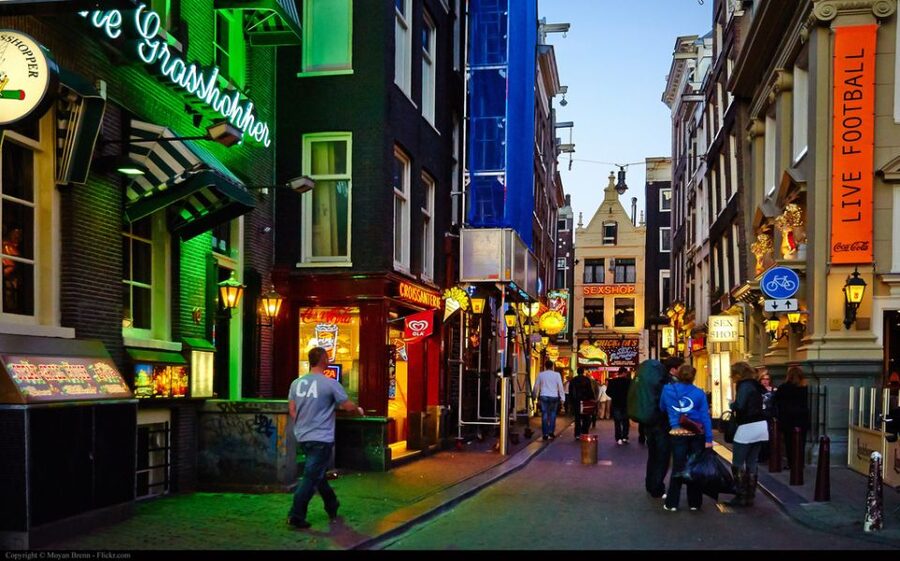
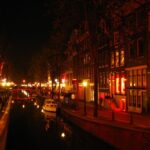
Amsterdam’s Red Light District can feel like two different things at once. On one side, it’s all neon storefronts and tight streets. On the other, it’s also a place where Dutch law, history, and social rules collide in a way you can’t fully grasp from photos.
This experience earns its place because the guide focuses on the “why,” not just the “where.” You’ll be walking through the area while learning how the Netherlands handles prostitution legalization and the toleration around marijuana, and you’ll also get an explanation of coffee shop culture. That matters, because it helps you read what you’re seeing without making it weird or uncomfortable.
I also like that it’s not only about the adult side of town. You build the city’s everyday picture by pairing the walk with Dutch food culture and snacks you can actually name, order, and track down afterward.
You can also read our reviews of more food & drink experiences in Amsterdam

Meeting at Park Plaza Victoria and timing it like a local
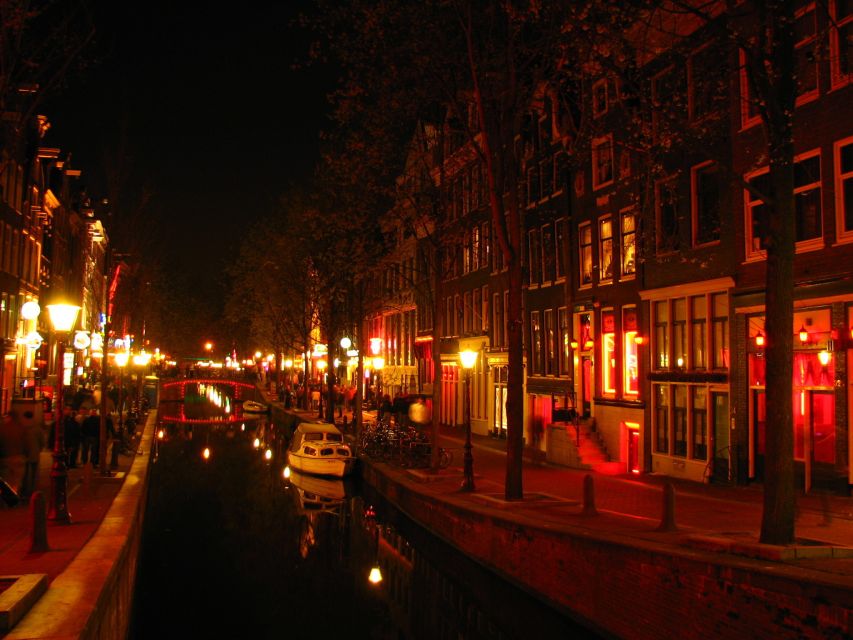
You start at Prins Hendrikkade 47A, meeting your guide at the entrance of Park Plaza Victoria Hotel. From there, you’ll take a walking route that stays tight and efficient for a 2-hour experience, so you’re not spending your trip waiting for the group to move.
Because it’s a private group, you can ask questions as you go, which is handy in an area where people often have assumptions. If you’re the kind of person who likes to know what you’re looking at before you take a photo, this format fits you well.
One practical tip: wear comfortable shoes. Even if the walk is relatively short, the streets are narrow and you’ll be stopping often enough that your legs will feel it by the end.
Dam Square: the big-city anchor before the smaller streets
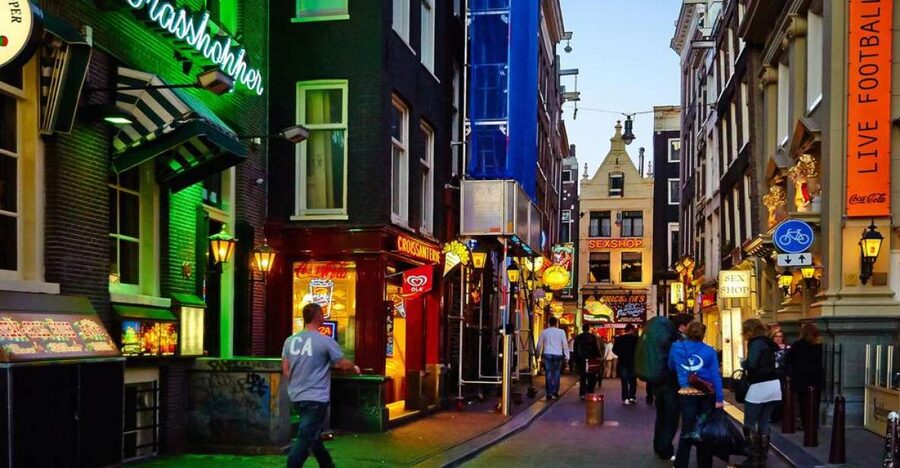
You kick off with a stop at Dam Square, one of Amsterdam’s easiest places to orient yourself. It’s a good starting point because the city feels wide and open here, then you quickly tighten into the older street pattern that makes the Red Light District what it is.
From Dam Square you move into older Amsterdam areas like the Oude Kerk neighborhood. This transition is more than sightseeing. It gives you a sense that the Red Light District isn’t floating in a vacuum—it sits inside a city with layers, institutions, and long-standing street geography.
Even if you’ve been to Dam Square before, it helps to see it right before the walk so the contrasts feel sharper.
Oude Kerk stop: old stones, newer meanings
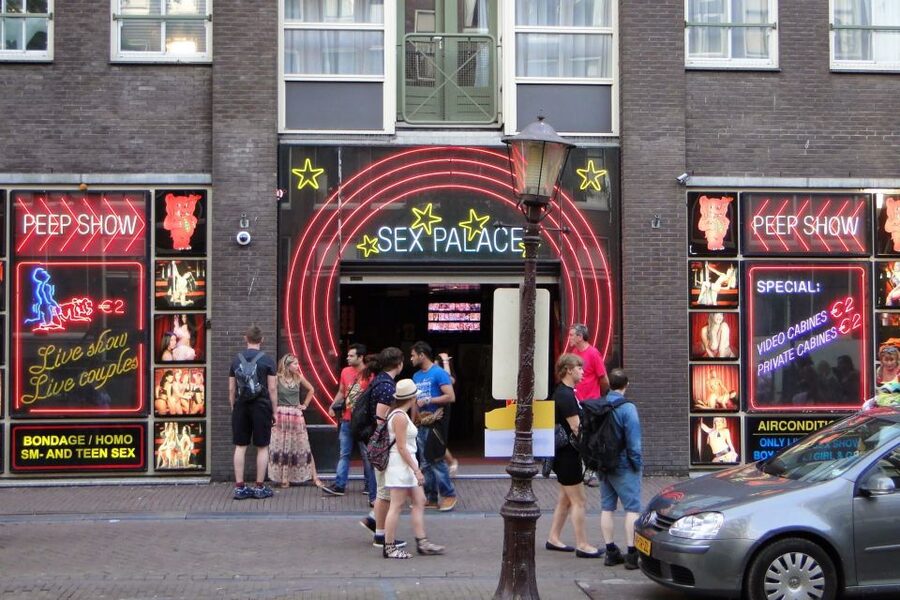
At Oude Kerk (Old Church), you get an early taste of Amsterdam’s “this place existed before everything modern” vibe. The church itself is a landmark, but the tour’s value is how it frames the surrounding streets: you’re learning how the city developed and why people later used these kinds of spaces differently.
This stop also works as a reset. You take a breath in a calmer historic area, then you continue toward denser and more sensitive streets where the guide’s explanations will matter more.
Chinatown and the layered city feeling
You’ll also pass through Amsterdam Chinatown. This isn’t just a side quest—it reinforces that Amsterdam’s center is a mix of communities and cultures. Watching how the tour shifts from one neighborhood identity to another keeps the whole experience from turning into a single-topic tunnel.
If you want a trip that feels “Amsterdam all around,” not only “Amsterdam after dark,” this added layer is a win.
A few more Amsterdam tours and experiences worth a look




Narrowest street/house moments: when Amsterdam gets hilariously precise
One of the fun sights on the route is the narrowest house in Europe (often described via Amsterdam’s narrowest street). This is the kind of attraction that seems almost too small to matter—until you’re standing in front of it and realizing how the street layout shapes daily life.
In a walking tour, those micro-details are useful. They help you understand why storefronts, foot traffic, and corners feel the way they do in the Red Light District zone. It’s not just trivia. It’s street logic.
Grachtengordel (Canal Belt): the geography behind movement
You’ll also touch the area known as Grachtengordel, Amsterdam’s canal belt. Even when you’re not stopping for a long canal lesson, it helps to have a guide point out the spatial structure: canals and canal-side streets influence where people walk, where businesses cluster, and how neighborhoods connect.
For this tour, that matters because you’re moving through a district that’s both hidden and exposed. The geography shapes what you notice and how quickly you move from curiosity to understanding.
Warmoesstraat and Nieuwmarkt: everyday streets with a sensitive edge
Stops around Warmoesstraat and Nieuwmarkt Square add texture. These are busy, real-feeling parts of central Amsterdam, not only “look-at-me” landmarks. You’ll have the guide in your ear as you walk—especially around the parts that relate to adult entertainment and coffee shop culture.
That timing is smart. If you learn the Dutch law and toleration framework while you’re physically near the relevant locations, the explanation sticks better. You’re not trying to connect dots later in your hotel room.
Coffee shop culture: learning the rules without the moral panic
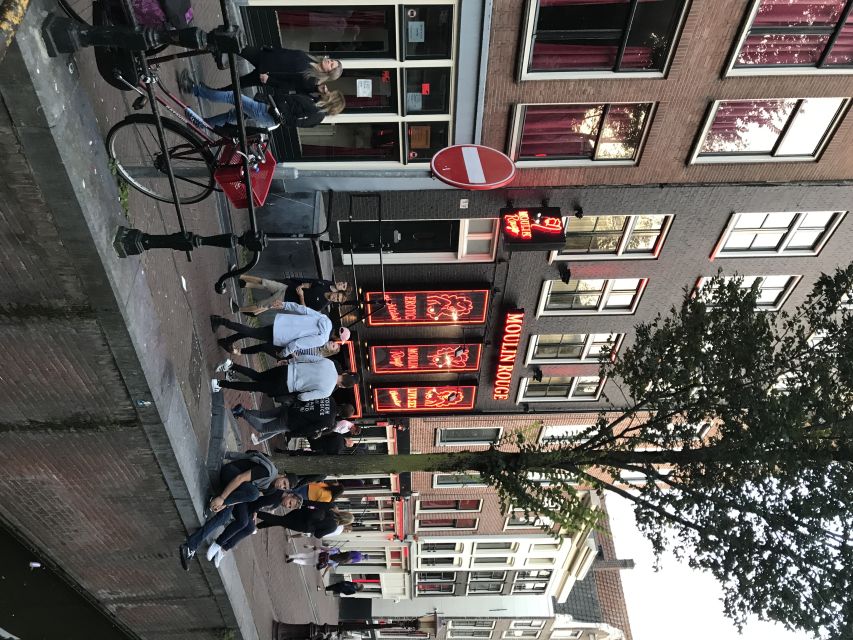
One of the headline learning points is the guide’s talk about Dutch law and legalization/toleration—specifically prostitution and how marijuana is tolerated. You’ll also hear about coffee shop culture itself, which is an Amsterdam-specific concept that’s easy to misunderstand if you only rely on hearsay.
What you’re looking for here is clarity, not judgment. The tour’s approach is meant to make the rules feel understandable, so you know what’s legal, what’s common, and what you can expect when you’re in the area.
A practical note: keep the conversation respectful. You’ll get more value if you treat this like a cultural explanation, not a shock show.
The food part is not filler: kroket, Dutch cheese, and stroopwafel
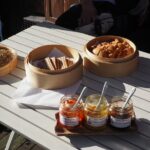
This tour isn’t a token snack stop. It’s built around tasting 3 traditional Dutch foods, with common examples including:
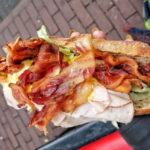
- Kroket (a classic Dutch comfort snack—crispy on the outside, savory inside)
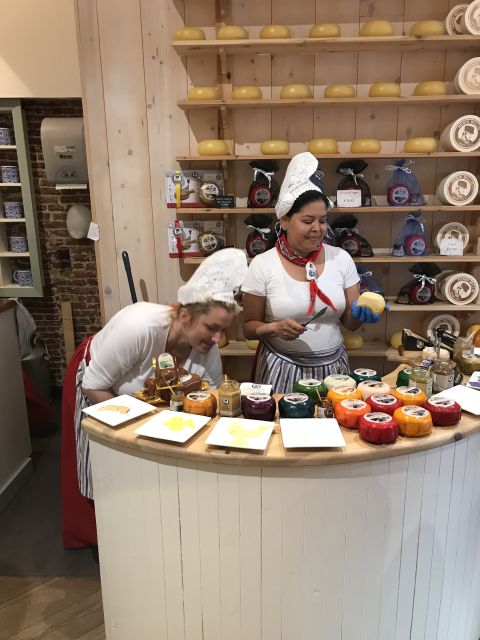
- Dutch cheese (a salty, straightforward taste that’s easy to recognize)
- Stroopwafel (the famous caramel-syrup waffle cookie)
The tastings matter because they act like a cultural bridge. You go from learning about law and street life to eating the kind of snacks people actually reach for in everyday moments—at markets, casual eateries, and quick stops.
That said, keep one eye open for portion expectations. At least one account noted they received only two types instead of three. It doesn’t mean the tour is “bad,” but it does mean you should plan for the possibility that you may want a small extra bite afterward if you’re hungry.
If you’re a picky eater, this is still usually manageable—Dutch street foods tend to be straightforward—but the best approach is to tell your guide what you’d rather skip (and what you’re curious about).
The guide makes or breaks it: names you’ll likely hear on the route
This experience is billed as expert-led, and the pattern in the tour’s guide feedback is clear: the best guides turn history into street-level storytelling. Names that have come up include Andrea (strong explanations that made the district’s history feel alive), Catherine/Katherine (friendly, charming, and great at storytelling), Jay (historical insight), and Aarre (fun, even in cold wet conditions).
You’ll also see mentions of Agapios and Peter, both tied to strong humor and clear answers. The common thread is not just facts—it’s how comfortably the guide explains sensitive material.
Language options are a plus: guides can lead in Dutch, English, German, and Spanish. If language is a stress point for you, this is one less thing to worry about.
Private-group format: why 2 hours feels focused
A private tour changes the feel of Amsterdam instantly. In a group setting, you often get a “see it, move on” rhythm. Here, you’re more likely to stay on the topics that matter to you, whether that’s coffee shop culture, the legal side of things, or why certain streets and landmarks feel the way they do.
For a 2-hour window, that flexibility is a real value. You’re not spending half your time waiting for others to catch up, and your questions don’t get swallowed.
What the route feels like end-to-end (and where you’ll stand out as a spectator)
The walk moves through a sequence that’s designed to keep you oriented: Dam Square, historic points like Oude Kerk, neighborhood shifts like Chinatown, then tighter streets tied to the district. You also see shopping/central landmarks along the way, including the Amsterdam Flower Market on the route.
The experience ends back around Dam Square, then you return to the meeting-area area near Prins Hendrikkade. That closing loop is useful because it brings you back toward a familiar hub where you can continue your evening on your own terms.
If you want a trip that feels like you’re learning while still sightseeing, this structure works well. You get both street education and classic Amsterdam “photo but with meaning” stops.
Who should book this Red Light District and food combo
I’d book it if you want Amsterdam in two layers: the legal/social layer and the street-food layer. It’s a good fit for adults who are comfortable with the fact that this district includes adult entertainment and who prefer their Amsterdam tours guided by context and respectful explanations.
You might skip it if you strongly dislike tours that focus on adult topics, or if you expect a big sit-down meal. The food is tastings, not a full dinner.
It’s also a smart choice for first-timers who feel overwhelmed by Amsterdam’s mix of rules and local habits. If you want to understand why people talk about Amsterdam the way they do—beyond stereotypes—this is one of the clearer ways to get grounded fast.
Practical tips so you enjoy it more
- Bring comfy shoes; it’s a walking tour with multiple stops.
- Wear layers if the weather turns, since Amsterdam can get cold and wet.
- Come hungry enough for snacks, but plan a follow-up bite if you’re a heavy eater.
- If there’s a topic you’d rather not discuss, tell the guide early so you can keep the experience comfortable.
Should you book? My straight answer
Book it if you want a private, guided walk through Amsterdam’s Red Light District with a plain-English explanation of the rules, paired with three classic Dutch tastings like kroket, cheese, and stroopwafel. It’s a time-efficient way to turn a famous area into something you actually understand.
Don’t book it if adult entertainment topics make you uncomfortable, or if you need a meal-sized food experience. If you’re on the fence, consider this: the value here is the guide’s ability to explain and the fact that you leave with both knowledge and snacks you can taste and remember.
FAQ
Where does the tour start?
Meet your guide at the entrance of Park Plaza Victoria Hotel, at Prins Hendrikkade 47A.
How long is the Amsterdam Red Light District and food tour?
It lasts 2 hours.
Is this a private tour?
Yes, it’s a private walking tour with a private group.
What languages are available?
The live guide can lead in Dutch, English, German, or Spanish.
What food will I taste?
The tour includes tastings of 3 traditional Dutch foods. Examples mentioned include a kroket, Dutch cheese, and stroopwafel.
What sights are included along the walk?
The route includes several well-known sights such as Dam Square, Oude Kerk, Amsterdam Chinatown, and the narrowest house in Europe, plus other central stops like Grachtengordel and Warmoesstraat.
Does the tour include a visit to the Flower Market?
Yes, the Amsterdam Flower Market is part of the walking route.
What will I learn about besides the Red Light District?
You’ll hear about Dutch law and the legalization of prostitution and the toleration of marijuana, along with insight into coffee shop culture and Dutch food culture.
How much does it cost?
The price listed is $112 per person.
Is free cancellation available?
Yes. You can cancel up to 24 hours in advance for a full refund.