REVIEW · AMSTERDAM
Amsterdam: Private Food Tour with a Local
Book on GetYourGuide →Operated by Withlocals · Bookable on GetYourGuide
Food in Amsterdam makes sense fast. This private 3-hour walking tour puts you in the right neighborhoods with a local guide and 10 included tastings so you taste the city instead of just looking at it. You’ll sample Dutch favorites, hit the largest market in Europe, then wander through the Pijp area and nearby spots known for good, everyday eating.
I also like the way the tour blends food with real context. A guide such as Dina (and others like Louke or Raoul) can explain why dishes show up where they do, how different cultures shaped the menus, and what locals actually order when they’re hungry—not performing for tourists.
One thing to plan around: this is mostly walking and it’s not suitable for wheelchair users or people with mobility impairments. You’ll want comfortable shoes, and you should expect an active pace for the full 3 hours.
In This Review
- Key highlights to know before you go
- A 3-hour food walk that feels like a local plan
- Where the tour starts: Otemba Gyoza Bar near Museumplein
- Ten tastings across Amsterdam’s neighborhoods (and why that matters)
- Market moments: tasting while you watch Amsterdam shop
- Pijp area strolling: hip cafés, local bars, and real street life
- Stroopwafel and bitterballen: the classics you’ll actually understand
- A Surinamese family-run restaurant stop for the Amsterdam food mix
- How the guide makes or breaks the tour
- Price and value: is $224 per person reasonable?
- What to expect for timing, pace, and walking comfort
- Tips to get more out of your tour
- Who this tour fits best
- Should you book this Amsterdam private food tour?
- FAQ
- FAQ
- How long is the Amsterdam private food tour?
- What’s the meeting point for the tour?
- How many tastings are included?
- Is the tour private?
- Are vegetarian options available?
- Is the tour suitable for wheelchair users or people with mobility impairments?
- What should I bring?
Key highlights to know before you go
- 10 tastings included so you’re not stuck paying for snacks between stops
- Largest market in Europe stop for a real feel of Dutch food culture
- Pijp district stroll with hip cafés next to local bars
- Dutch classics you can taste in context, like stroopwafel and bitterballen
- Surinamese family-run restaurant stop that reflects Amsterdam’s food mix
- Vegetarian alternatives available, which makes the tour easier to plan around
A 3-hour food walk that feels like a local plan
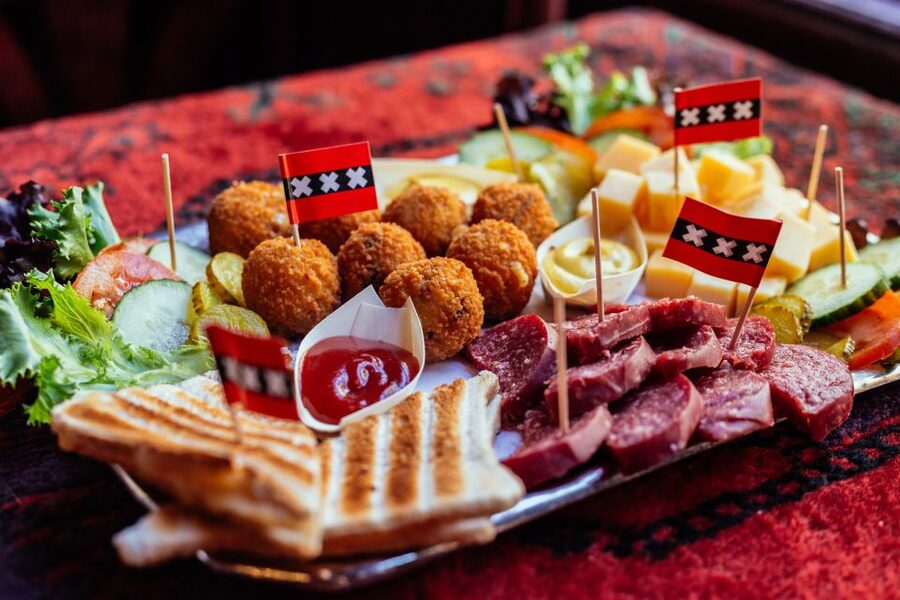
This Amsterdam food tour works because it’s built around taste plus walking. In three hours, you get enough stops to feel like you sampled the city’s main flavors, but the pacing stays relaxed enough to actually enjoy the streets between bites.
The “private” part matters too. You’re not sharing your route with a large group, which makes it easier for a guide to adjust the pace or lean into what you care about—like if you’re more curious about sweets, beer pairings, or savory bites.
And yes, you’ll definitely eat. You’re promised 10 food and drink tastings per guest, including both well-known Dutch snacks and less-obvious picks your guide thinks you’ll like. This is the kind of tour where you leave with a clearer sense of what Amsterdamers consider normal food, not just “tour food.”
You can also read our reviews of more food & drink experiences in Amsterdam



Where the tour starts: Otemba Gyoza Bar near Museumplein
You’ll meet your guide in front of Otemba Gyoza Bar, in the broader Museumplein area. That location is convenient because it places you close to major sights without forcing you to start in the most chaotic tourist clusters.
Plan to arrive a few minutes early, especially if you’re still finding your feet in the city. Once you start walking, your guide can start talking right away—about how local food habits connect to immigration, regional Dutch traditions, and what to notice as you move through different streets.
Also, keep in mind there’s no pick-up or drop-off. The tour expects you to get yourself to the meeting point on time, on foot or by tram/metro.
Ten tastings across Amsterdam’s neighborhoods (and why that matters)

A lot of food tours claim they’ll feed you. This one actually sets expectations clearly: 10 tastings are included. That’s what makes it easier to judge value, because you can compare it to the cost of buying snacks at multiple places on your own.
More importantly, the tastings aren’t random. The tour is designed around Dutch staples and culture-connected stops, which means you’re not just collecting flavors—you’re building a mental map of Amsterdam eating.
You’ll also get vegetarian alternatives, which is a big deal on a walking food experience. Even if you’re not vegetarian, it helps to know you won’t be shut out of several stops if a menu changes or a particular dish isn’t for your tastes.
Market moments: tasting while you watch Amsterdam shop
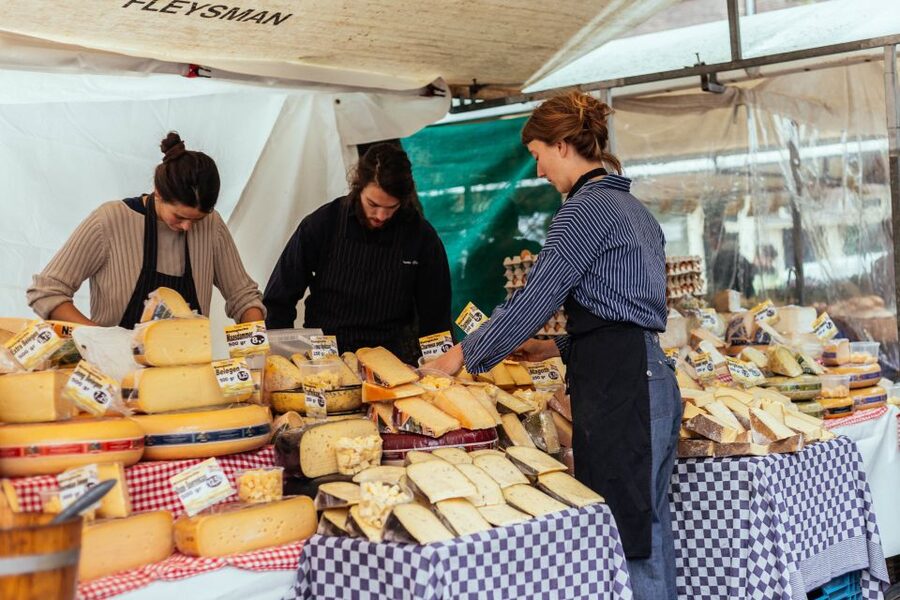
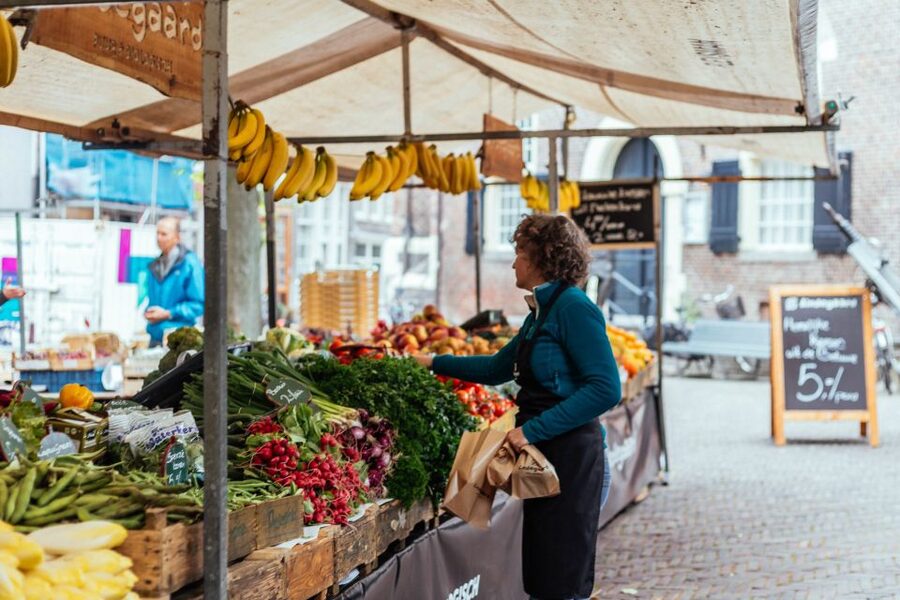
One of the most interesting parts is the stop at the largest market in Europe. Markets can be chaos when you’re on your own, but with a local guide, you’re not wandering aimlessly. You learn what to look for, how stalls typically work, and what people choose when they want something quick and satisfying.
This kind of stop also changes how the rest of the tour lands. Once you’ve seen the market rhythm—how foods are displayed, packaged, and sold—you’ll start noticing the same logic in cafés and smaller shops later on.
From what’s been shared by people who’ve done the tour, the market portion tends to set the tone: you leave feeling like you now understand Dutch snacking as a culture, not just a list of items.
Pijp area strolling: hip cafés, local bars, and real street life
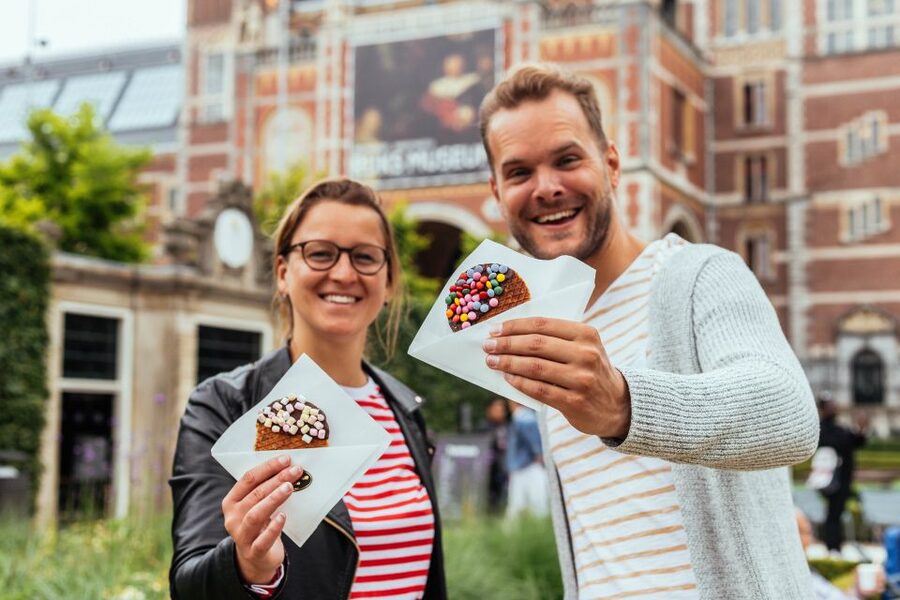
The tour’s walking route includes the Pijp area, which is known for mixing styles: you’ll spot casual cafés next to local bars and street scenes that feel more like everyday Amsterdam than a postcard.
This is where a private guide helps again. When your group is small, it’s easier to slow down at the right corners and grab a quick explanation about what you’re seeing—without turning the walk into a lecture.
You’ll likely spend time moving through streets that feel comfortable to linger in. The goal isn’t to rush past sights; it’s to keep your senses engaged so food makes sense where it appears. If you like wandering with a purpose, this neighborhood section is a good fit.
A few more Amsterdam tours and experiences worth a look






Stroopwafel and bitterballen: the classics you’ll actually understand
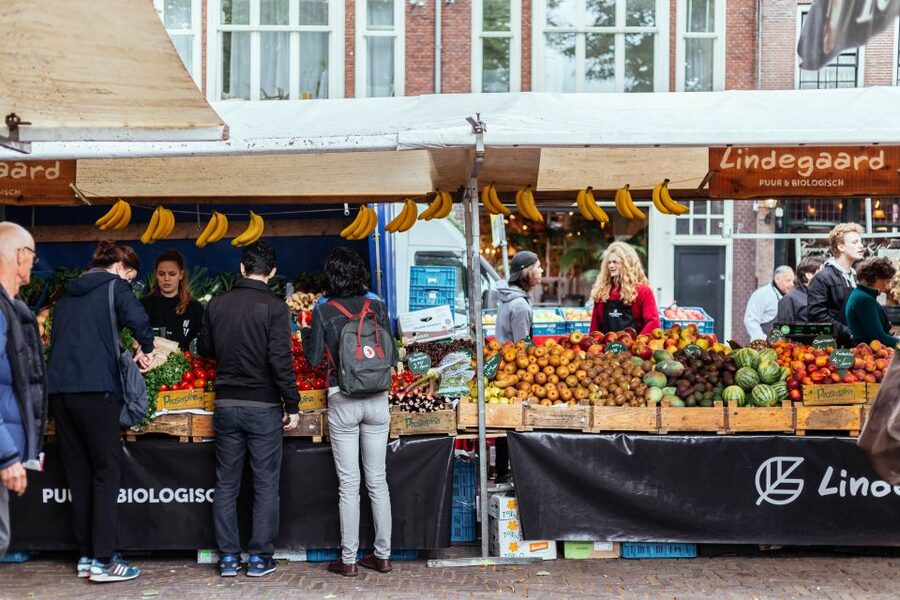
Two Dutch staples get called out for a reason: stroopwafel and bitterballen. You don’t just taste them here—you get them as part of a food story.
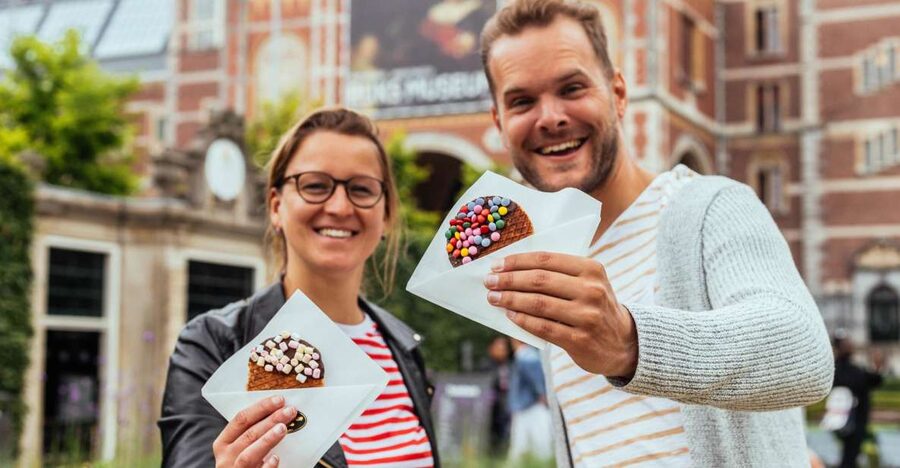
Stroopwafel is the kind of sweet that sounds simple until you try it fresh and realize how much the texture matters. And bitterballen are classic comfort food: crunchy outside, hearty inside, often treated like a snack you’ll want more than one of.
On tours like this, what makes the tastings land is timing. If you eat these at the right moments—after a savory stop and before something sweet—you’ll notice how the flavors balance. That’s the practical value of an organized food crawl: it avoids the awkward ordering mistake of tasting everything back-to-back without a plan.
A Surinamese family-run restaurant stop for the Amsterdam food mix
One of the standout cultural notes is a meal stop at a Surinamese family-run restaurant. Amsterdam’s food scene is shaped by immigration and local adaptation, and Surinamese food is a clear example of how cultures blend into daily life.
Even if you’re most excited about Dutch classics, this stop gives you a broader view of what “Amsterdam food culture” actually means. The tastings aren’t only about tradition inside the Netherlands; they’re about how the city’s mix shows up on menus.
People have highlighted that this part of the tour feels personal. Family-run spots tend to offer a more human experience than bigger chains, and that matters on a private walking tour where you want the atmosphere to match the food.
How the guide makes or breaks the tour
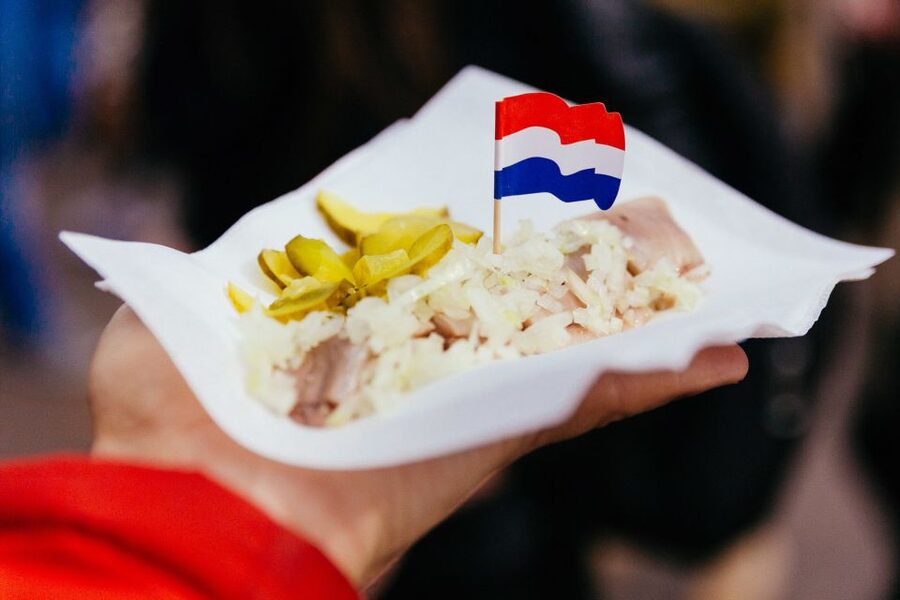
The guide experience is consistently a top reason people rate this tour highly. Names like Louke, Olav, Tania, Raoul, Manu, and Zohair have come up as examples of hosts who blend food knowledge with a relaxed, friendly vibe.
What you’re looking for is not a memorized speech. You want someone who can point to details while you walk—why certain snacks are popular, how local culture influences choices, and where you might want to go next once the tour ends.
Another practical strength: flexibility. Some guides are described as adjusting the stops to what you like, which is rare on fixed “eat-and-run” tours. If you’re the type who likes to ask questions while you eat, this format gives you room to do that.
Price and value: is $224 per person reasonable?

At $224 per person for a 3-hour private tour, this is not a bargain-price snack crawl. But it can be good value if you look at what’s included: a private guide, 10 tastings per guest, and vegetarian alternatives, plus a carbon neutral experience.
Here’s the realistic way to judge it for your budget. If you were to replicate this on your own, you’d spend money at multiple places, and you’d still be missing the coordination: knowing where to go, what to try, and how to fit it all into one walk without wasting time.
Also, private tours cost more because you’re paying for attention and pacing. If you’re traveling as a couple or small group and you want a guided food map, the price starts to make more sense. If you’re traveling solo and only want a quick taste or two, you may decide a cheaper group tour fits better.
What to expect for timing, pace, and walking comfort
This is a 3-hour walking experience, so your comfort matters. The tour only lists one main requirement: bring comfortable shoes. That’s a hint that the walking component is real, not optional.
You should also expect a steady cadence: taste, walk, taste, walk. The schedule is built to keep your hunger level satisfied without turning the walk into a stop-start marathon.
And again, it’s important for planning: the tour is not suitable for mobility impairments or wheelchair users. If that’s relevant for you, you’ll want to choose a different style of Amsterdam tour that doesn’t rely on walking.
Tips to get more out of your tour
You’ll enjoy this more if you treat it like a guided sampling session, not a souvenir hunt.
- Come with a light breakfast or early lunch. Ten tastings can add up fast.
- Bring questions for your guide. Amsterdam’s food mix makes more sense once you ask why dishes show up where they do.
- If you have a preference—sweet over savory, fish over meat, or vice versa—tell your guide early so the stops feel like your plan too.
- Save room for the Dutch classics. Even if you think you know what stroopwafel tastes like, fresh and properly served changes the experience.
Who this tour fits best
This private food tour is a strong match if you want:
- a guided walk through Amsterdam neighborhoods with eating built in
- Dutch street-food-style tastings plus culture-connected stops
- a small, attentive setup where you can ask questions and get recommendations for the rest of your stay
It’s less ideal if you need low walking time, step-free routes, or a wheelchair-friendly format, since it’s not designed for that.
Should you book this Amsterdam private food tour?
If you like the idea of learning Amsterdam by tasting it, this tour is an easy yes. The combination of 10 included tastings, a private guide, and stops that mix Dutch classics with broader cultural influences is a smart way to spend a short stay.
Book it especially if you’re the type who enjoys markets, small local cafés, and food that reflects how the city actually lives. Pass on it if walking is a challenge for you, or if you’d rather spend less money and taste fewer things.
FAQ
FAQ
How long is the Amsterdam private food tour?
The tour lasts 3 hours.
What’s the meeting point for the tour?
Meet your guide in front of Otemba Gyoza Bar.
How many tastings are included?
You get 10 food and drink tastings per guest.
Is the tour private?
Yes. It’s listed as a private group experience with a private guide.
Are vegetarian options available?
Yes. Vegetarian alternatives are available.
Is the tour suitable for wheelchair users or people with mobility impairments?
No. It’s not suitable for wheelchair users or people with mobility impairments.
What should I bring?
Wear comfortable shoes, since it’s a walking tour.