REVIEW · BANGKOK
Bangkok Food Tour By Night
Book on Viator →Operated by Food Adventure Food Tours · Bookable on Viator
Eating in Chinatown gets you fast. This Bangkok Food Tour By Night is built for an easy win: a licensed guide stays with you through Yaowarat’s alleyways, and you’re served at 6 different food stops with bottled water included. I also like that it’s not just random grazing. One main consideration: this tour may not work well for strict diets (especially vegan/vegetarian, gluten-free, and common allergies like shrimp, peanuts, pork, or dairy), so it’s worth checking before you book.
The meeting spot is practical and public-transport friendly: right outside MRT Wat Mangkon Station Exit 3, with a 7:00 pm start. The whole walk runs about 2 hours 30 minutes with a small group limit of up to 12, so you should feel guided without spending the night stuck waiting.
In This Review
- Key things I’d circle on the calendar
- Finding Yaowarat at 7pm: MRT Exit 3 makes or breaks the night
- Price and logistics: what $55 buys you on a 2.5-hour street-food plan
- Stop by stop: the kinds of bites to expect in Chinatown
- What each tasting moment is really for
- The guide factor: why names like Jan, Sophie, Peach, Kay matter
- Walks, crowds, and safety: how to stay comfortable in busy alleyways
- Diet, allergies, and who should (or shouldn’t) book
- Temples and neighborhood context: more than just eating
- Who this Chinatown night food tour is best for
- Should you book Bangkok Food Tour By Night?
- FAQ
- How long is the Bangkok Food Tour By Night?
- Where do I meet for the tour?
- What time does the tour start?
- How many food stops are included?
- Is bottled water included?
- Are alcoholic beverages included?
- How big is the group?
- Is the tour suitable for vegetarian, vegan, or gluten-free diets?
- What dietary allergies should I be careful about?
- Can I get a full refund if I cancel?
Key things I’d circle on the calendar
- MRT-friendly start at Wat Mangkon Exit 3, which beats the taxi chaos around Chinatown
- Six tastings over 2.5 hours, so you eat enough to feel satisfied (not nibbling)
- Licensed guide + insurance for a lower-stress night out
- Chinatown navigation support, especially helpful in crowded alleyways
- Guide flexibility can happen, with some past guides adjusting for needs like celiac or special dislikes (ask ahead)
Finding Yaowarat at 7pm: MRT Exit 3 makes or breaks the night
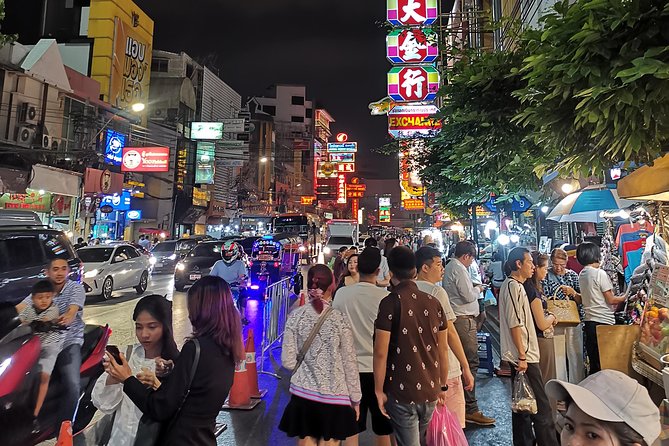
Chinatown at night is fun, but it can also feel like sensory overload. This tour starts with a clear plan: meet right outside Exit 3 of MRT Wat Mangkon Station, and your guide is waiting at street level there. If you want to arrive calm, this location is a big deal.
I’d skip the taxi if you can. The area around Chinatown traffic can be heavy, and the tour itself is designed for walking, so you don’t need to pay extra just to get dropped into traffic. Take the MRT to Wat Mangkon. Plan to be a few minutes early so you can check your bearings before the group forms.
You also get a time rhythm that’s easy to follow. The tour begins at 7:00 pm, and you’re done before the night gets too late and your energy tanks. It’s a sweet spot for street food: still lively, but not a full all-nighter.
You can also read our reviews of more food & drink experiences in Bangkok
Price and logistics: what $55 buys you on a 2.5-hour street-food plan
At $55 per person, this isn’t a cheap snack. What makes the value feel more reasonable is what’s included: 6 food stops, bottled water, a licensed guide, insurance coverage, and all fees and taxes.
Here’s the practical way to think about it. If you tried to do Chinatown on your own, you’d likely spend money anyway just to find places, order confidently, and not end up at stalls that are wrong for your taste (or your appetite level). This tour compresses that trial-and-error time into a guided route with set tastings.
Also, you aren’t paying only for food. You’re paying for the logistics of eating street food after dark:
- getting to stalls without getting separated
- learning what each dish is and how to eat it
- moving efficiently between stops
- handling the crowd factor with a small group size (max 12)
Alcohol isn’t included, so you’re not subsidizing drinks, which keeps the core cost focused on tastings. If you want beer or cocktails, you’ll need to pay separately.
Stop by stop: the kinds of bites to expect in Chinatown
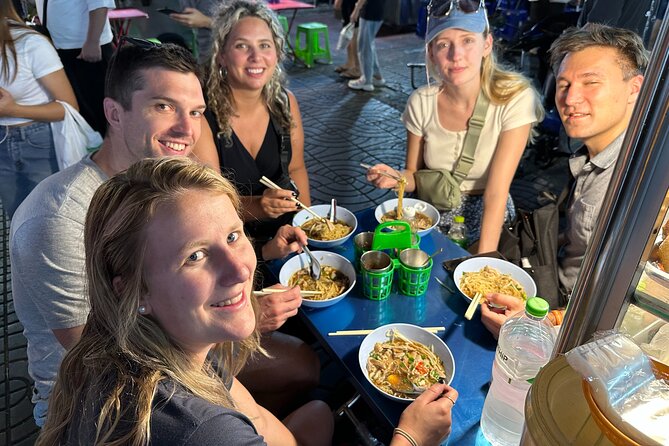
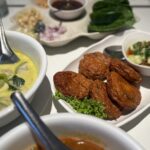
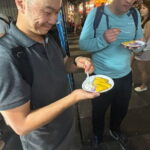
This tour is designed as a structured tasting walk. You’ll hit 6 different food stops, and each one is meant to show you a different side of the area’s street-food culture. The exact menu can vary with holidays and seasonal timing, and some stops might not run if menus end or crowds change.
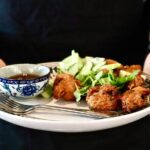
That said, the tour’s sweet spot is variety. You should expect a mix like:
- savory dumplings
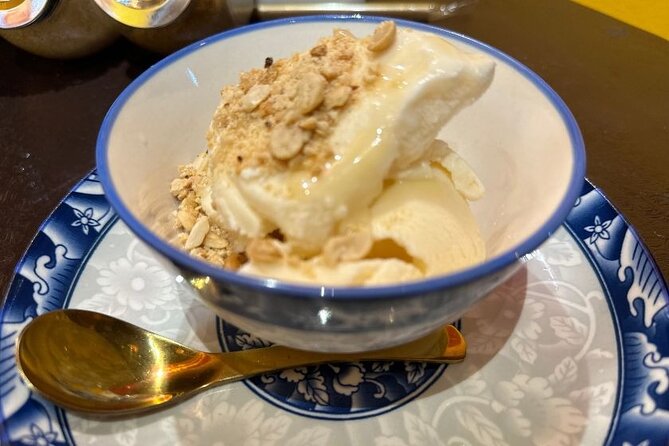
- sweet pastries
- noodle and soup-style bites (Tom Yum shows up in past routes)
- something crispy or fried (donuts have shown up on past tours)
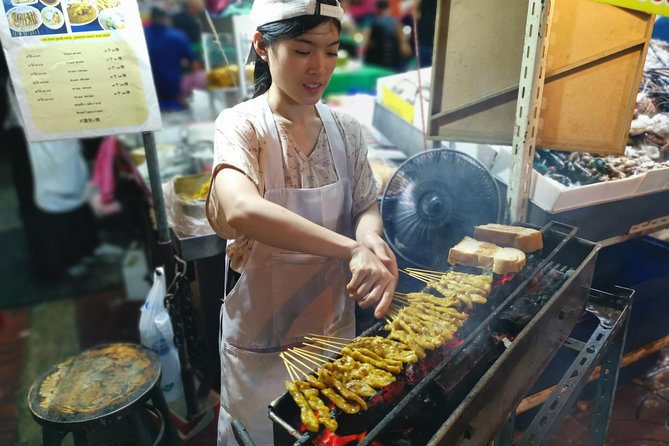
- grilled or skewered items (chicken satay has shown up as an example)
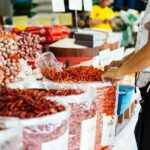
- and a few surprises where Chinatown goes a step further than classic tourist orders
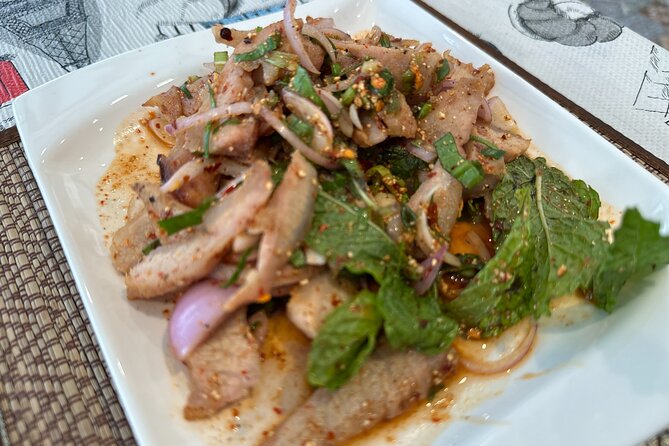
One big theme from successful outings is that you don’t just repeat the same flavor profile. You get different textures and heat levels so you can actually compare dishes in one night.
A few additional examples from past routes help you picture the vibe, even if they aren’t guaranteed every time:
- Tom Yum soup and donuts were called out as favorites on one tour
- chicken satay from an Indonesian stop showed up as a standout
- some routes mention spicy or unusual items like bird nest-style products or spit-shop style foods (and on at least one tour, it wasn’t chosen for the menu that night)
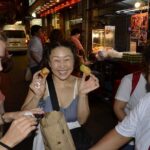
What I like about this format is that it’s ordered for real people, not food critics. By the end, most people leave full, which matches how street food works best anyway: you eat now, you learn while you eat, and you don’t spend the rest of your trip looking for a snack.
What each tasting moment is really for
Each stop is doing a job, even if you don’t notice it while you’re hungry.
1) First stops: usually help you get oriented with basic flavors and how the stalls work.
2) Middle stops: bring variety—spice, crunch, sour-salty, and sweetness—so you understand Chinatown beyond one type of food.
3) Later stops: are where the “wow” dishes typically land, and where pace matters. Some tours end with desserts or sweets after heavier items, which can make you feel full early.
If you’re the type who loves dessert, you might want to go in thinking you’ll still save room. If desserts are served later, plan on eating them slowly.
The guide factor: why names like Jan, Sophie, Peach, Kay matter
On this kind of tour, the guide is the product. A good guide does two things at the same time: helps you choose what to eat and helps you understand where you are.
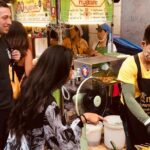
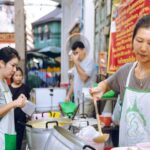
I’ve seen real praise for guides like Jan, Sophie, Peach, and Kay. The consistent pattern is not just friendly chatting. It’s clear explanations of dishes and the area. People also mention that guides help manage the group in tight streets so you don’t get separated, which is a genuine concern in Chinatown.
That’s also why this tour can feel better than wandering alone. Chinatown is crowded, and it’s easy to feel like you’re moving randomly. A guide keeps the route moving and the group together. Some guides also handle small “night out” extras. For example, one guide helped with tickets for a local performance, which can turn the tour into a full evening plan rather than just food and back.
Language quality can vary. A couple of negative experiences mention a steep English barrier or accent issues, so if communication is crucial for you, be mentally ready to ask your questions clearly and politely, and don’t be afraid to ask what’s in a dish.
A few more Bangkok tours and experiences worth a look

Walks, crowds, and safety: how to stay comfortable in busy alleyways
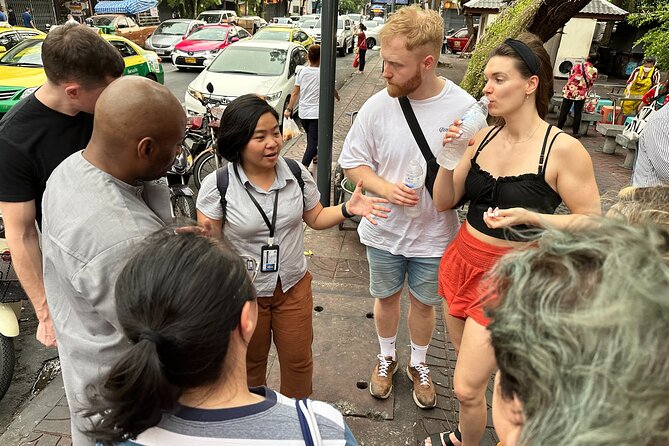
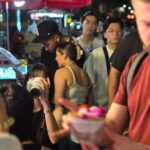
This tour is a walking experience, and Chinatown sidewalks can get crowded fast. Even in positive situations, the area is busy. That means your best defense is good habits.
Do these basic things:
- keep your phone and wallet secure when you’re pressed close
- wear something comfortable for standing and short walks
- bring an umbrella just in case (rain happens)
- pace yourself early so you’re not rushed at later stops
Some criticisms call out personal-safety concerns about how tightly guides or crowds can move around you. I’m not going to dramatize it, but I will say this: in any crowded market, you should stay alert. The tour helps you find the food, but you’re still responsible for your own belongings.
If you’re worried about crowds, a small group limit helps. You’re capped at 12 travelers, and that makes it easier to keep your space and stay together.
Diet, allergies, and who should (or shouldn’t) book
This part matters. The tour provider warns it might not suit vegetarian, vegan, or gluten-free diets, and it specifically mentions allergies to shrimp, peanuts, pork, or dairy. So don’t assume you’ll get a clean fix just because the tour is “food.”
At the same time, there’s evidence that some guides have accommodated celiac needs at every stop. That suggests flexibility is possible—if the guide has time and options lined up. I’d still treat it as a request, not a guarantee.
Here’s how to handle it smartly:
- If you have strict dietary rules, message before booking and name the restriction exactly.
- If it’s allergy-based, be especially direct and conservative.
- If it’s a preference (like no seafood), ask what substitutions can realistically be done at each stop.
On at least one tour, a vegetarian spouse had choices available, which is promising. But on another experience, vegetarian and halal-related requests didn’t land as expected. That’s why you should treat this as a “ask and confirm” situation.
If your diet is very restrictive, you might decide this tour is risky. If your diet is flexible but you dislike certain ingredients, it’s more likely you can work something out.
Temples and neighborhood context: more than just eating
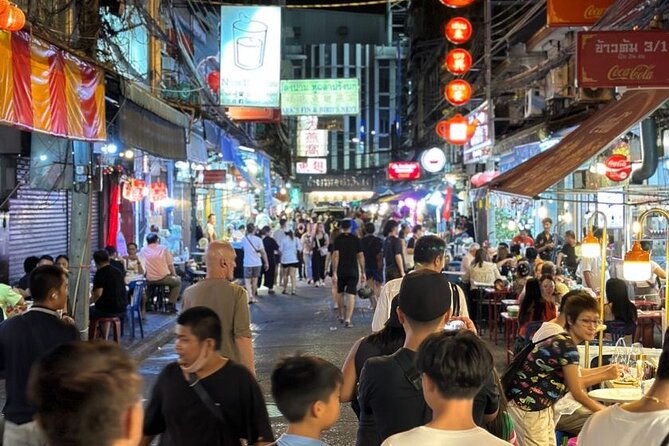
Food tours can sometimes feel like a single long meal with no story. This one adds some place context—temples and neighborhood sights show up in past experiences, and guides are described as sharing stories about the area while you eat.
That matters because Chinatown food makes more sense when you understand the neighborhood rhythms. You’re not just tasting spices; you’re tasting a district where different communities have shaped what gets sold and how stalls survive in competition.
So even if your main goal is food, you’ll likely get something extra: a clearer mental map of how to navigate Chinatown streets after the tour ends. You’ll know what to look for, what to ask, and which types of stalls are worth your time.
Who this Chinatown night food tour is best for
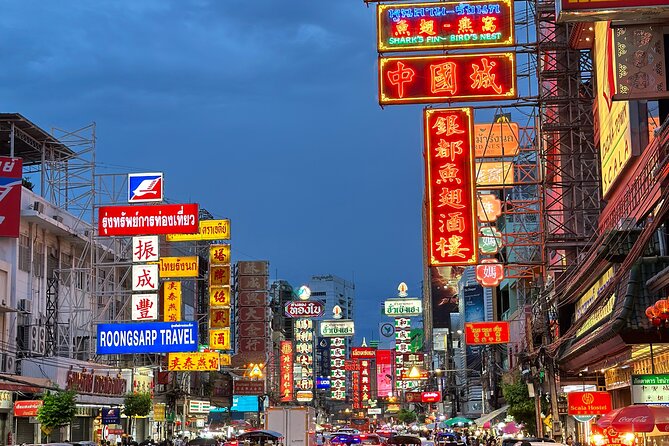
This tour fits best if you:
- want a guided way to eat in Yaowarat without hunting for stalls
- like street food and can handle spicy-salty-sweet variety
- want to leave full, not just “sample” a few things
- enjoy learning dish basics while you’re eating
It can be especially good for first timers in Bangkok. Chinatown can be overwhelming on day one, and the guide route helps you get your bearings quickly.
It might not be ideal if you:
- need vegetarian/vegan-only meals
- require gluten-free for medical reasons and need zero cross-contact risk (confirm first)
- have multiple allergies (shrimp, peanuts, pork, dairy are specifically called out)
- get strongly frustrated when communication is harder than expected
Should you book Bangkok Food Tour By Night?
If you want a structured Chinatown food night, this tour is a strong candidate. The big wins are the 6 tastings, the licensed guide, and the practical meeting point at MRT Wat Mangkon Exit 3. For most people, that combination turns an intimidating neighborhood into a manageable walking plan with real food value.
Before booking, do one quick reality check:
- If your diet is strict or allergy-driven, confirm your specific needs directly with the operator first.
- Plan for a crowded, standing-and-walking night. Bring an umbrella and keep your valuables secure.
If you pass that test, you’ll likely enjoy a night that feels like Chinatown, not just a list of dishes. And if the guide is one of the ones praised for dish explanations—like Jan, Sophie, Peach, or Kay—you’re setting yourself up for a tour where you actually understand what you ate when you’re done.
FAQ
How long is the Bangkok Food Tour By Night?
The tour lasts about 2 hours 30 minutes.
Where do I meet for the tour?
Meet right outside MRT Wat Mangkon Station Exit 3, at ground level at Exit 3 labeled Wat Mangkon Kamalawat.
What time does the tour start?
The start time is 7:00 pm.
How many food stops are included?
You’ll visit 6 different food stops.
Is bottled water included?
Yes, bottled water is included.
Are alcoholic beverages included?
No, alcoholic beverages are not included.
How big is the group?
The tour has a maximum of 12 travelers.
Is the tour suitable for vegetarian, vegan, or gluten-free diets?
The tour notes that it may not be suitable for vegetarian, vegan, or gluten-free diets. It’s important to check first, especially if you have strict requirements.
What dietary allergies should I be careful about?
The tour states it may not be suitable for allergies to shrimp, peanuts, pork, or dairy products.
Can I get a full refund if I cancel?
Yes. You can cancel up to 24 hours in advance for a full refund. If you cancel less than 24 hours before the start time, the amount paid is not refunded.