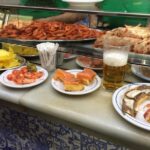
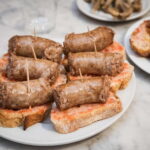
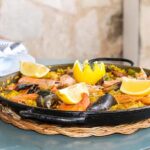
Stepping away from the crowds is the point here. This 3.5-hour Barcelona food tour strings together Santa Caterina Market, a classic vermouth stop, and a proper seafood paella meal, with an English guide and enough samples to feel like you ate breakfast and lunch. I especially like how the route mixes family-run specialty shops with simple, practical tastings you can actually remember on your next night out. The tour does involve a fair bit of walking on uneven streets, and one of the less comfortable moments can be at the bomba tapa stop if the place is busy and you’re slightly on the clock.
A guide can make or break a food tour, and the named guides in feedback like Alex, Arianna, and Hector get praised for turning tastings into stories you can use. You’ll learn what to order, why certain foods show up together, and how Barcelona’s market culture shapes your meal choices. One drawback to keep in mind: the pace is tight, and a rushed feeling can happen at one tasting moment, so don’t expect long, leisurely hanging-out time.
In This Review
- Key highlights worth your attention
- Santa Caterina Market first: starting with real local rhythm
- Practical note on the market portion
- Cheese, ham, and specialty shops: how Barcelona eats day to day
- What you’ll feel as a result
- The sweets stop: Torrons and candy as part of the meal plan
- Heading into Born and beyond: history you can feel in the streets
- Vermouth stop in Barceloneta: the calm before paella
- The bomba tapa tasting: why the timing can feel tight
- Paella at Can Ramonet: a seafood lunch that feels like a finale
- What makes the meal feel worth it
- Walking pace, group size, and how long it really feels
- Who will be happiest with the pace
- What’s included: 11+ samples, drinks, and a guide you can ask questions of
- Food preferences and limits: what you can expect if you need adaptations
- Practical tips for getting the most from your Barcelona eating route
- Should you book this Barcelona hidden markets tapas and paella tour?
- FAQ
- Is this tour vegetarian or pescatarian friendly?
- Does the tour offer gluten-free options?
- Are there non-alcoholic options?
- Is this tour suitable for vegans?
- What are the main food stops and what do you eat?
- How long is the tour?
- How many people are in the group?
- What is included in the price?
- Where do I meet the guide?
- What should I bring?
Key highlights worth your attention
- Santa Caterina Market instead of the usual Boquería crowds, with samples of Spain’s core tastes
- 11+ samples plus 3 local drinks, enough to cover breakfast and lunch in one go
- Two neighborhoods, Born and Barceloneta, from medieval backstreets to the old fishermen’s quarter
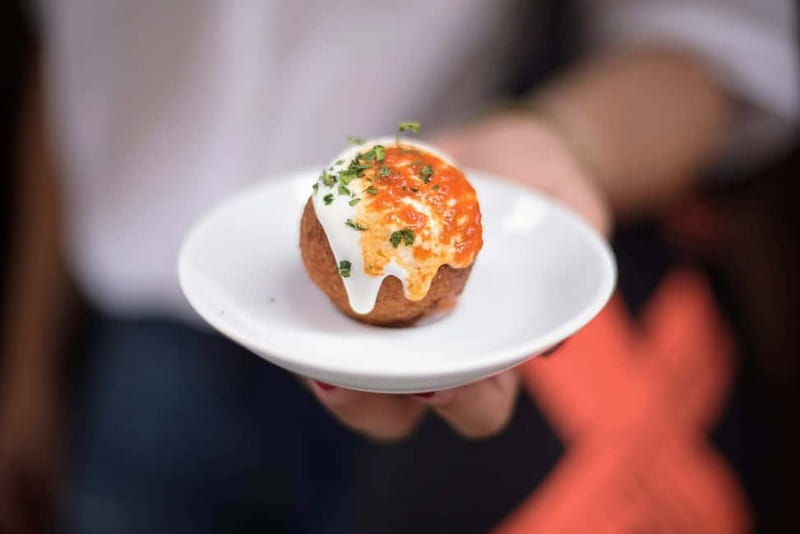
- Vermouth and the bomba tapa in a classic bodega setting
- Seafood paella at a neighborhood restaurant, served as a sit-down feast with wine
Santa Caterina Market first: starting with real local rhythm
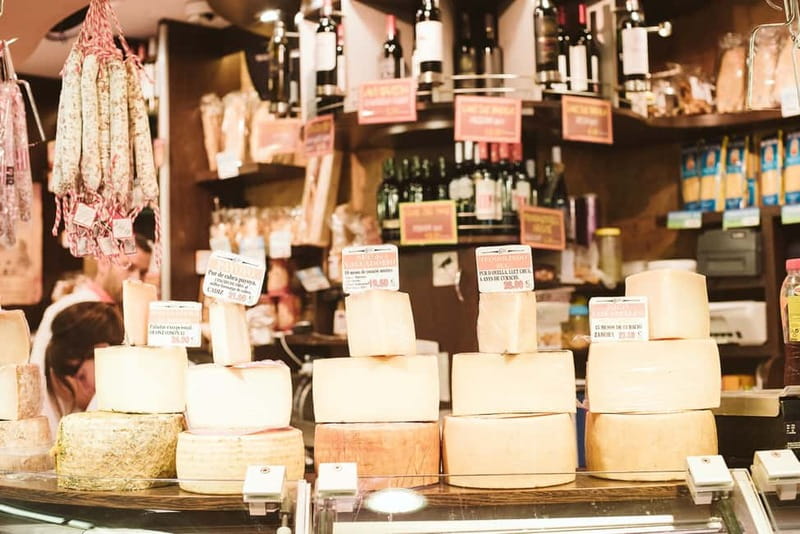
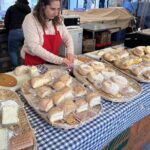
If you want Barcelona food culture, start where locals start. The tour’s first stop is Santa Caterina Market at Av. de Francesc Cambó, and it’s a big deal because it functions as a working neighborhood market, not a stage.
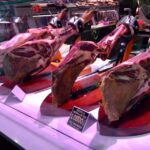
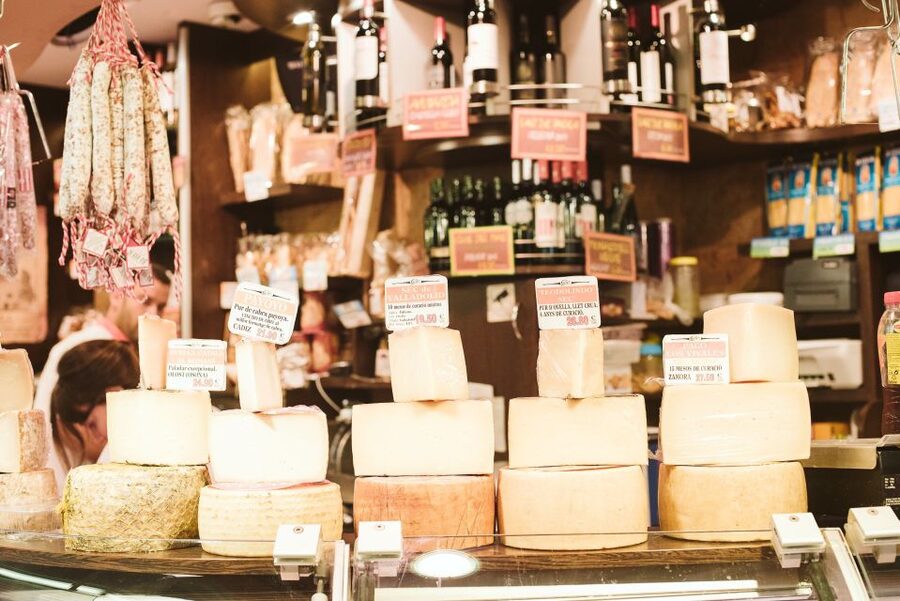
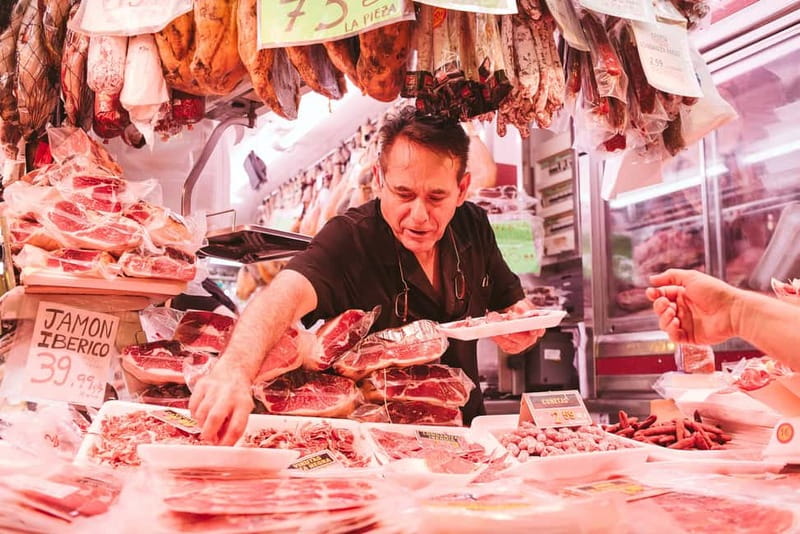
I like that the focus is on everyday shopping habits. You’re not just looking at pretty displays; you’re tasting what people actually buy and eat. The market spreads out lots of small counters and specialty shelves, and that makes it easier to compare flavors: salty, creamy, fatty, sharp, sweet. One minute you’re tasting cheese, the next you’re trying jamón ibérico, and suddenly you understand how Barcelona’s food starts with a few “building blocks” and goes from there.
There’s also a helpful contrast baked into the experience. Boquería gets famous worldwide, but Santa Caterina keeps the vibe more local. That matters because the longer you spend watching how people select items, the more you’ll feel confident ordering later.
You can also read our reviews of more food & drink experiences in Barcelona
Practical note on the market portion
Markets can be crowded, loud, and warm, so wear comfortable shoes and expect to stand while you taste. The tour is short enough that the guide keeps things moving, which keeps energy up, but you should still go in with a casual pace mindset.
Cheese, ham, and specialty shops: how Barcelona eats day to day
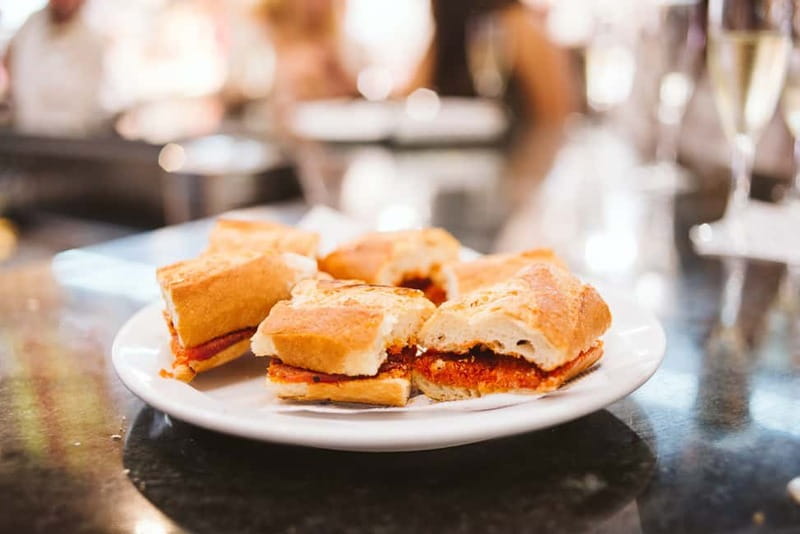
After Santa Caterina, the route shifts from market stalls to smaller specialty stops that feel more like a local habit than an attraction. You’ll try Spanish cheese and jamón ibérico before moving through a couple of shops known for what they do best—meat and cured flavors at one point, and sweets at another.
One of the best parts of a market-and-shop approach is that it teaches you the “logic” behind Spanish snacking. You start to notice patterns: cured meats pair well with acidic or effervescent drinks, sharp cheeses cut through rich flavors, and sweets show up not as dessert-only but as part of the daily rhythm.
Also, the tour helps you with one of the hardest parts of eating well in Spain: knowing what to buy or ask for. In feedback, guides like Hector specifically get credit for helping people understand not just what to taste, but how to order. That’s valuable because Barcelona restaurants can be friendly, but you still need to know what to say and when to ask.
What you’ll feel as a result
By the time you’re halfway through, you’ll stop thinking of tapas as random bites. Instead, you’ll start treating it like a meal system. The tour’s tastings push you toward that mindset fast.
The sweets stop: Torrons and candy as part of the meal plan

Barcelona doesn’t end at savory. You’ll hit a shop focused on torrons and sweets, and it’s not just a sugar break. It’s a snapshot of how Catalan food culture keeps sweetness in the same conversation as drinks.
This is one of those “small” stops that changes how you experience the rest of the day. After a few salty bites, the sweetness hits differently. You start to taste balance instead of overload—especially if you sip a local drink while you sample.
If you’re the type who only wants a quick bite, note that this tour is designed around learning through multiple short tastings. Expect a steady flow rather than one slow sit-down until the paella.
A few more Barcelona tours and experiences worth a look
Heading into Born and beyond: history you can feel in the streets
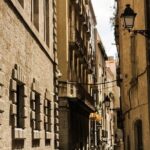
The best thing about combining food with neighborhood context is that it makes the city physical. Born is a maze of medieval streets, and the tour uses that layout to share stories that connect buildings and commerce to what you’re eating.
You’ll walk through the backstreets with your guide explaining what you’re seeing—why certain markets and shop types shaped the area, and how Barcelona’s culinary identity formed from local supply, tradition, and everyday routine.
This is where the named guides shine in the feedback: people praise Alex, Arianna, and Hector for making history readable and tied to food choices. When a guide can explain why a place smells the way it does or why a snack culture developed here, you remember it. And you also get better at noticing similar details on your own.
Vermouth stop in Barceloneta: the calm before paella
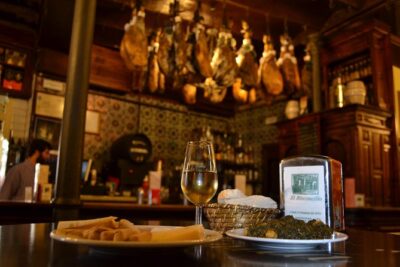
Then you shift gears. Barceloneta is the old fishermen’s quarter, and the vibe changes as you get closer to the seaside rhythm. Here’s where the tour gives you a classic Barcelona move: sip vermouth in a traditional bodega setting before your next tasting.
This matters because vermouth isn’t just a drink here. It’s a cue for timing—snacks, conversation, and appetite building. And it sets you up for one of the tour’s signature mini-stops: the bomba tapa.
The bomba tapa tasting: why the timing can feel tight
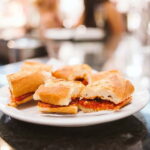
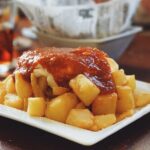
The bomba moment is one of the most talked-about tasting points because it’s memorable. It’s also the place where a rushed feeling can happen if the place is busy or opening to the public.
So here’s my advice: treat that tasting as a quick spotlight, not a long hangout. If you’re the type who needs five minutes of breathing room for every food moment, you might notice the pace. If you like efficient, street-level eating, it fits the day perfectly.
Paella at Can Ramonet: a seafood lunch that feels like a finale
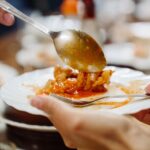
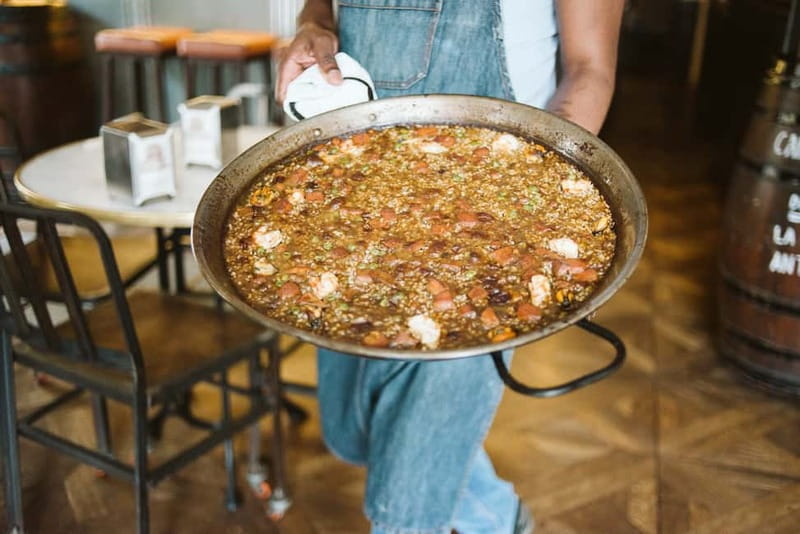
The tour’s finish is the part you’ll be thinking about once you’re back in your hotel. You sit down for a traditional seafood paella feast at a beloved neighborhood restaurant: Restaurante Can Ramonet | Paella y Marisco en la Barceloneta.
A good paella experience isn’t just about taste. It’s about setting: the comfort of a proper table meal, the sense that you’re moving from snacking culture into a full neighborhood lunch. That transition is exactly what this tour aims to deliver.
You’re also getting local wine paired with the paella, which helps tie the flavors together. Seafood paella tends to lean briny and aromatic, and the right wine makes it feel cleaner rather than heavy.
What makes the meal feel worth it
At $101 per person, the value isn’t only the food. It’s the combination: multiple tastings through markets and shops plus this sit-down centerpiece. You’re not paying mainly for a single dish—you’re paying for the whole arc of Barcelona eating, from cured meats and cheeses to vermouth culture and finally a shared seafood table.
Walking pace, group size, and how long it really feels
The tour runs about 3.5 hours and keeps to a walking format with a small group limited to 9 participants. That small size is a big deal because it makes it easier for your guide to move you quickly, explain food choices clearly, and keep you from feeling lost.
It does require a moderate walking pace. Expect uneven cobblestones and some standing while sampling. This is not a stroller-friendly or mobility-impairment-friendly tour, and it’s not designed for guests who want a fully seated experience.
Who will be happiest with the pace
- You like short stops and lots of tastings
- You want structure without feeling tied to a bus schedule
- You’re comfortable eating standing up or moving between counters
What’s included: 11+ samples, drinks, and a guide you can ask questions of
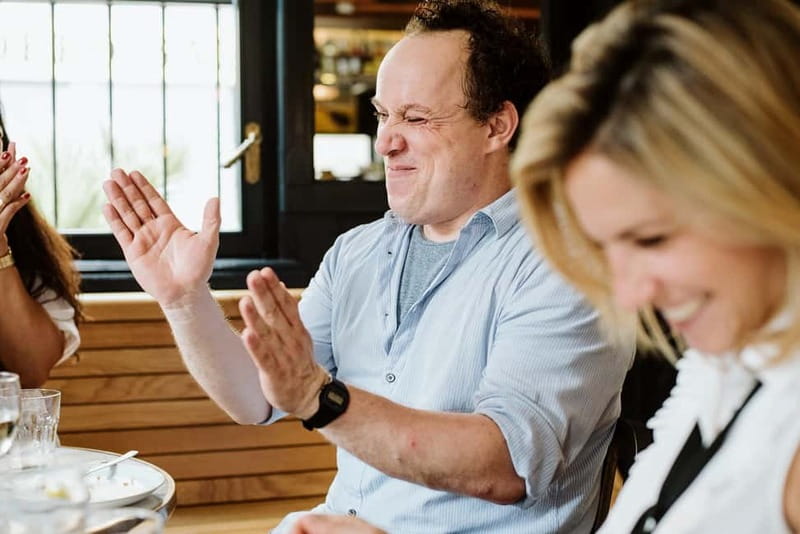
The tour includes 11+ delicious samples (enough to cover breakfast and lunch), 3 different local drinks, and a Barcelona food guide. You’ll also get the advantage of having an English-speaking guide who can translate food culture into something usable—what to order, how much to expect, and what flavors make sense together.
This is where the “value math” works. In most cities, you might spend that money on a single dinner plus some wandering snacks. Here, you’re paying for a guided tasting route with a meal centerpiece.
Food preferences and limits: what you can expect if you need adaptations
The tour is adaptable for vegetarians, pescatarians, gluten free (not celiac), non-alcoholic options, and pregnant women. The key caveat is practical: you may not receive a replacement food option at every stop.
Also, the tour isn’t recommended for vegans and it’s not suitable for people with gluten intolerance. That’s worth planning around before you book, especially if your dietary needs are strict.
My advice: if you’re gluten sensitive or vegan, message or check directly before you go. Don’t assume the paella stop will have a safe replacement unless it’s explicitly confirmed.
Practical tips for getting the most from your Barcelona eating route
A few small choices make the biggest difference on a tour like this:
- Wear comfortable shoes and bring a little patience for walking.
- Bring water. Tastings add up fast, and you’ll appreciate it later.
- Eat lightly before you start, but don’t worry if you’re hungry—this tour covers breakfast and lunch with samples.
- If you drink alcohol, enjoy it—but pace yourself. The day moves from market bites to vermouth to paella.
And if you care about taking photos, you’ll have chances in the market and around the paella meal. Just keep an eye on your guide’s timing so you don’t slow the group.
Should you book this Barcelona hidden markets tapas and paella tour?
Book it if you want a real neighborhood food walk that mixes markets, small specialty stops, vermouth culture, and a sit-down seafood paella in under half a day. It’s especially strong for first-timers who want to learn the city’s eating logic, not just collect a list of restaurants.
Skip it or reconsider if you need a low-walking pace, use a mobility aid, or you’re vegan with strict ingredient needs. Also, if you hate any sense of timing pressure, know the tour’s structure can make one or two tastings feel quick.
If your goal is to leave Barcelona knowing what to order and how to eat like a local—then this is a solid, well-priced way to get there.
FAQ
Is this tour vegetarian or pescatarian friendly?
It can be adapted for vegetarians and pescatarians. The tour notes that you may not have a replacement food option at every stop, so it’s best to plan with that in mind.
Does the tour offer gluten-free options?
Yes, it offers gluten-free options for gluten free needs that are not celiac. It also states it is not suitable for people with gluten intolerance.
Are there non-alcoholic options?
Non-alcoholic options are listed as available as part of the adaptable preferences. You’ll also get three local drinks included, so tell the guide your preference at the start.
Is this tour suitable for vegans?
No. It is not recommended for vegans.
What are the main food stops and what do you eat?
The tour includes tastings at Santa Caterina Market, then specialty shops, followed by a classic bodega vermouth stop with a bomba tapa, and finally a sit-down seafood paella meal at a neighborhood restaurant in Barceloneta.
How long is the tour?
It lasts about 3.5 hours.
How many people are in the group?
It’s a small group limited to 9 participants.
What is included in the price?
The price includes 11+ samples (enough for breakfast and lunch), 3 different local drinks, and a Barcelona food guide.
Where do I meet the guide?
Meet at the main entrance of Mercado de Santa Caterina, Av. de Francesc Cambó, 16, 08003 Barcelona. The guide will be holding a red bag or a Devour Tours sign. Arrive about 15 minutes early.
What should I bring?
Bring a passport or ID card, comfortable shoes, and water.