REVIEW · BARCELONA
Barcelona: The Ultimate Local Tapas & Drinks Food Tour
Book on GetYourGuide →Operated by Do Eat Better Experience · Bookable on GetYourGuide
Barcelona rewards people who slow down. This tapas and drinks tour helps you do that in the Gothic Quarter. You’ll taste a solid mix of classics like bravas and croquetas, plus the Catalan ritual of vermut, all while learning what you’re actually looking at as you walk. I especially like how the food feels tied to place, not just a random list of snacks. One thing to consider: this is a walking tour, so comfortable shoes matter more than you’d think.
I also like the small-group feel. With a maximum of 12 guests and at least 4 food stops (with alcohol and water included), you’re not just grabbing one bite and moving on. The only drawback is logistics: there’s no hotel pickup, and the meeting point is close to Plaça de l’Angel, so you’ll want to plan your arrival time.
4-6 things I’d highlight before you book
- Gothic Quarter + landmarks: you taste while you learn the stories behind the streets.
- Vermut culture: you’ll get the herb-flavored aperitif that Barcelonans treat like a ritual.
- Multiple classic tapas: bravas, croquetas, tortilla de patatas, fried anchovies, and more are all on the menu.
- At least 4 stops: each stop includes at least one serving, plus water and alcoholic drinks.
- Small group size: up to 12 guests, with guides who can switch between Spanish and English.
- Catalan cream finale: a dessert with a long reputation, finished the right way for a food-focused night.
In This Review
- Where the route starts: Plaça de l’Angel and the Jaume I groove
- Gothic Quarter walking: why the history talk actually helps your appetite
- The tapas plan: what you’ll eat and how each dish fits Barcelona
- Bravas: the crunchy opener that tells you the style
- Croquetas: béchamel comfort with a salty core
- Vermut: the Catalan ritual that turns an eating stop into a moment
- Fried anchovies: seaside Barcelona in one bite
- Tortilla de patatas: the potato that travels well
- Sausage montadito: a sandwich-style snack with local street energy
- Tomato salad: the cooling counterweight
- Pimientos de Padrón: salty, sometimes spicy, always fun
- Charcuterie: why one “meat stop” can be more than you think
- Catalan cream: the dessert that closes the loop
- Alcohol, water, and pacing: how the 3.5 hours is designed to feel doable
- Price and value: why $71 can make sense in Barcelona
- Who this tour suits best (and who should skip it)
- Should you book this Barcelona tapas and drinks tour?
- FAQ
- Where is the tour meeting point?
- Where does the tour end?
- How long is the tour?
- How many food stops are included?
- Are drinks included?
- What food tastings are offered?
- What languages will the guide speak?
- Is hotel pickup included?
- Is there a limit on group size?
- What’s not allowed on the tour?
- Can I cancel and get a refund?
Where the route starts: Plaça de l’Angel and the Jaume I groove
This tour is built around one simple idea: if you want good tapas, start in the right neighborhood and let the walk set the mood. You meet your local expert at Plaça de l’Angel, near Hotel Suizo, and then you spend the evening moving through the older, tighter streets around Jaume I and into the heart of the Gothic Quarter.
I like this kind of starting point because it helps you avoid the common mistake on food tours: wandering without context. Here, you’re already in an area where architecture, politics, and daily life have shaped what people eat. When you’re standing near historic spots, dishes like tortilla de patatas or charcuterie suddenly feel less like menu items and more like local culture you can taste.
Gothic Quarter walking: why the history talk actually helps your appetite
The tour doesn’t treat sightseeing like a detour. The walking portion is part of the food experience. As you move through the Gothic Quarter, you’ll see major landmarks and pick up neighborhood stories that connect to Barcelona’s Catalan identity and its food traditions.
This is also where the guide makes a difference. In past groups, guides such as Miguel and Violetta have been noted for sharing detailed context about Gothic architecture and Catalan culture, not just listing facts. If you end up with a guide like Daim or Do, you can expect a friendly, informative style that keeps the pace moving while explaining what you’re looking at.
Practical tip: plan for uneven stone streets and a few climbs. Even at a relaxed tempo, 3.5 hours adds up, so wear shoes you trust.
You can also read our reviews of more food & drink experiences in Barcelona
The tapas plan: what you’ll eat and how each dish fits Barcelona
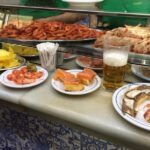
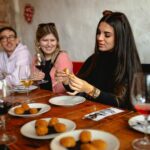
You’re not going to leave hungry, and you’re not stuck with one theme. The food selection is designed as a sampler of Barcelona and Catalonia’s comfort-zone flavors: fried bites, creamy ham croquettes, potatoes, seafood-friendly plates, and the herb-forward aperitif that locals treat like a must.
Here’s what you should expect to see during the stops, in the spirit of what the tour offers. (Not every departure may pick the full list, but this is the range of tastings described.)
Bravas: the crunchy opener that tells you the style
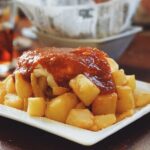
You’ll likely start with bravas, those fried potatoes topped with either a garlic sauce or spicy tomato sauce. This dish is the quick lesson in Barcelona’s tapas logic: simple ingredients, strong seasoning, and a texture contrast that makes you want another bite right away.
What I like about starting with bravas on a guided route is that it gives you a baseline flavor. Once you understand the bravas sauce style, the rest of the meal makes more sense.
Croquetas: béchamel comfort with a salty core
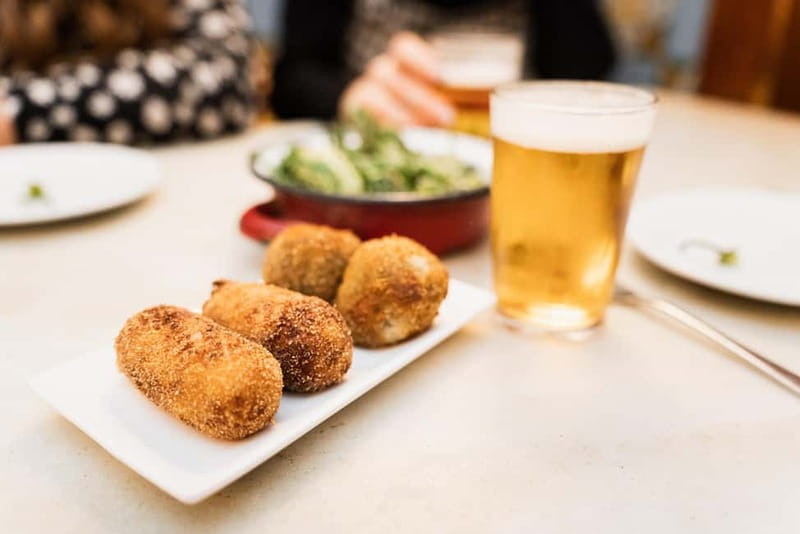
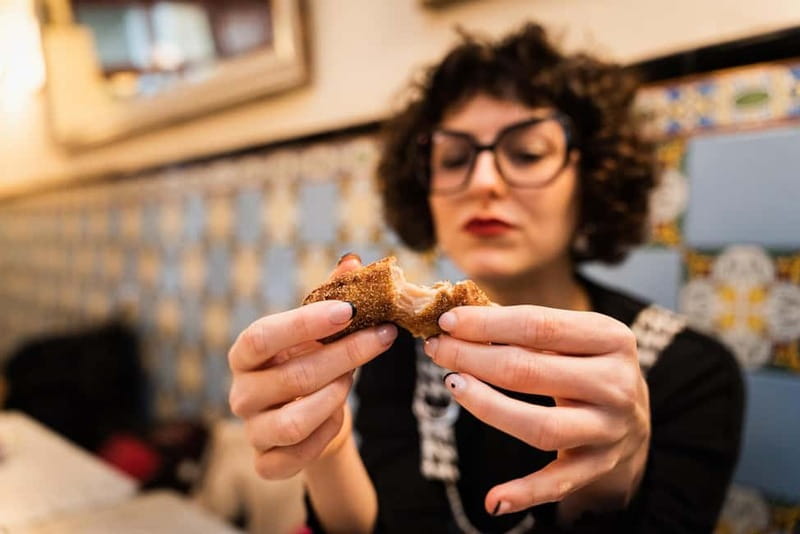
Next up is often croquetas, crispy on the outside and creamy inside, usually made with béchamel plus cured ham. This is one of those tapas that can’t be faked with shortcuts. If the croquettes are great, you’ll taste it immediately—especially in the balance between creaminess and salt.
If you’ve had croquettes before, treat this as a “how it’s done here” lesson. It’s a classic for a reason.
Vermut: the Catalan ritual that turns an eating stop into a moment
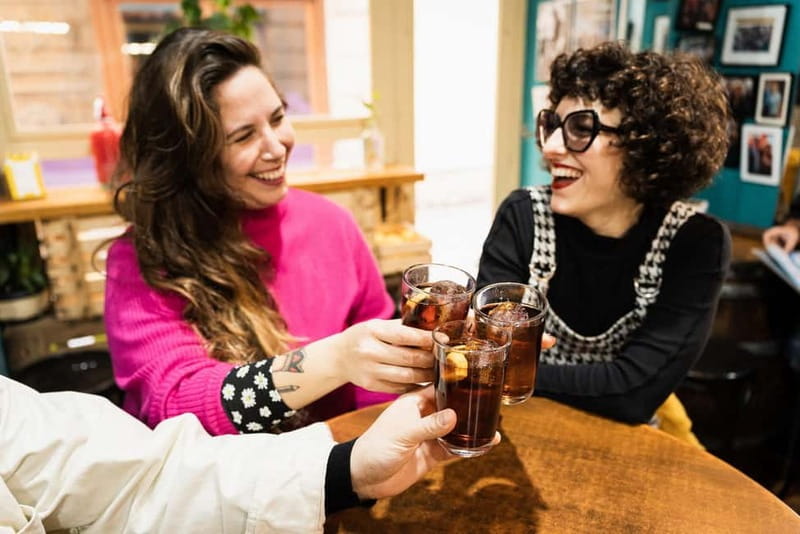
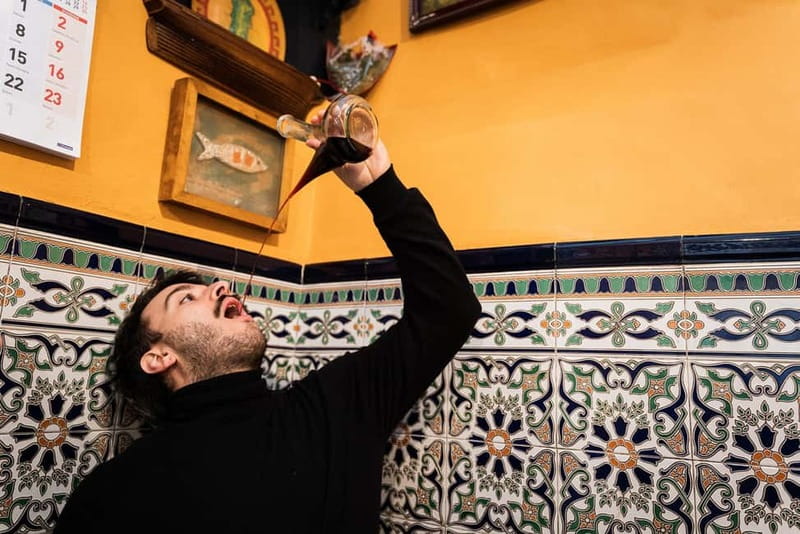
The tour includes time for vermú / vermut, a wine flavored with herbs that Barcelonans enjoy as an aperitif ritual. If you’ve never tried it, this is a fun cultural step, not just a drink. You’ll get the idea that this is social time, not an afterthought before dinner.
I like that the tour frames it as a real ritual so you don’t drink it like a tourist. You can slow down, taste, and actually pay attention.
A few more Barcelona tours and experiences worth a look

Fried anchovies: seaside Barcelona in one bite
You may get fried anchovies, a seafood-forward tapas that fits a city with easy access to the sea. It’s the kind of dish that works for people who think they don’t like fish—because it’s served crispy and salty, not “fishy.”
It’s also a good palate reset between heavier bites. If you’re doing the tour on a warmer evening, the salty crunch can feel refreshingly light compared to some richer tapas.
Tortilla de patatas: the potato that travels well
You’ll also likely try tortilla de patatas, the Spanish potato omelet that doubles as a starter, side dish, or proper meal. Its popularity makes it a smart inclusion because it’s familiar, yet every place has its own approach to thickness, cooking style, and seasoning.
This is one of the tastings where your guide’s explanation really helps you notice what you’re tasting. You’ll start seeing tortilla like a technique, not a generic comfort dish.
Sausage montadito: a sandwich-style snack with local street energy
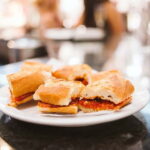
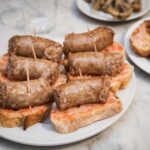
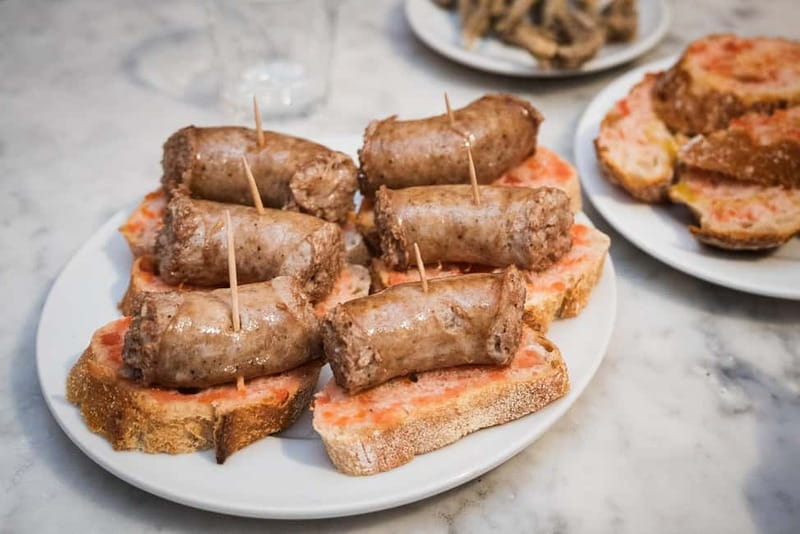
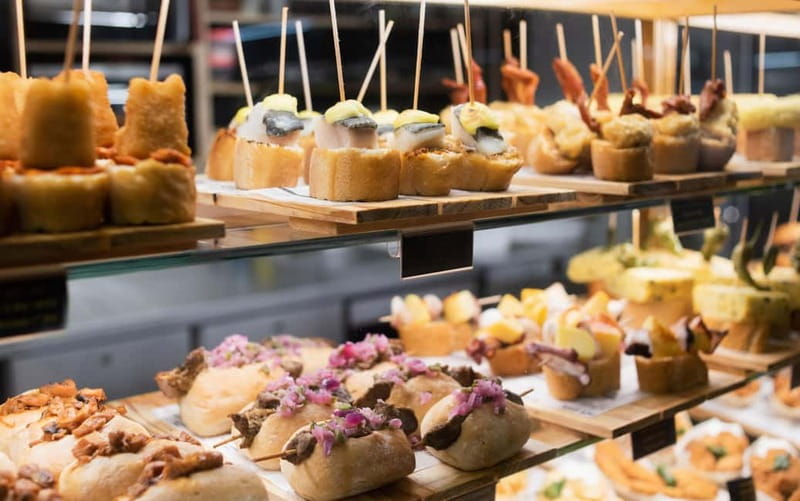
Another possible stop includes sausage montadito. Montaditos are the Spanish take on a small sandwich, and they’re a practical way to get variety without getting too full too fast.
If you like food that’s easy to eat while walking between stops, this fits the tour style well.
Tomato salad: the cooling counterweight
A lighter tasting option can include tomato salad, usually a mix of tomatoes, onions, and olives. It cools you down, balances salty fried bites, and gives your palate a break.
I’m always happy when a tapas tour includes something fresh like this. It makes the meal feel less like a long parade of fried items.
Pimientos de Padrón: salty, sometimes spicy, always fun
The tour mentions pimientos padron, green peppers fried and sprinkled with plenty of salt. This dish is fun because it’s playful: you get a few that taste mild and occasionally one that’s hotter, which turns dinner into a little game with your group.
Even if you don’t get every single element, this is the kind of classic Spanish tapas that tells you the tour is focused on real local staples.
Charcuterie: why one “meat stop” can be more than you think
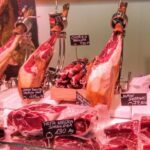
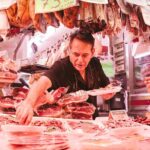
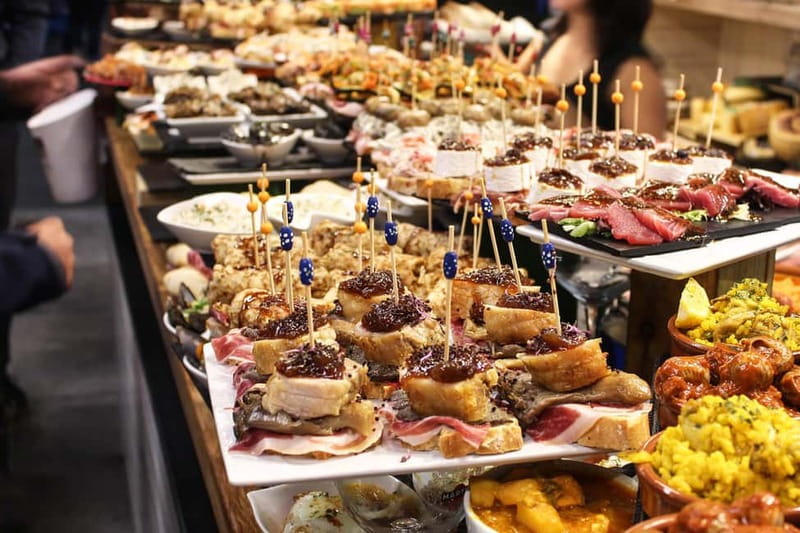
You may also stop for charcuterie in a beautiful tapas bar setting. Charcuterie works as a sampler because it adds texture and flavor beyond the usual fried starches: cured meats, fat, salt, and spice all show up differently on the palate.
This is also where a guide who knows what they’re pointing at helps. You’ll learn what you’re tasting and why it matters locally.
Catalan cream: the dessert that closes the loop
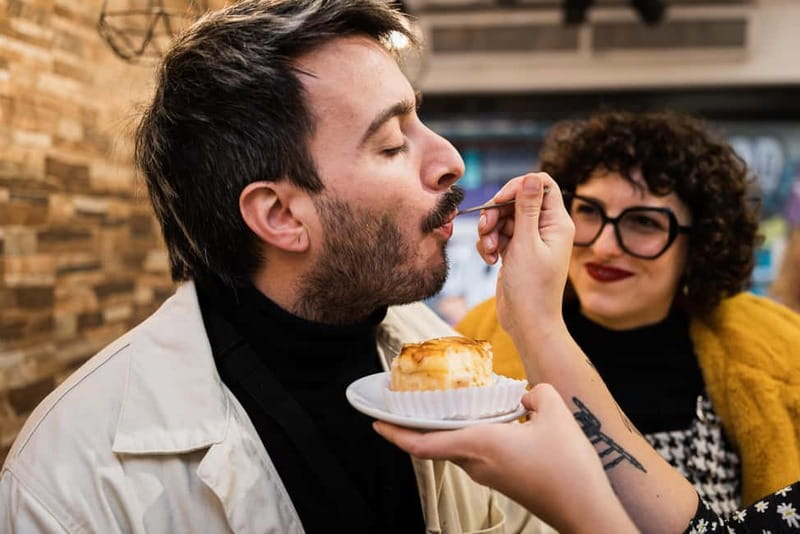
For dessert, the tour includes Catalan cream. It’s famous all over the world, but the tour also adds story context—there’s mention of it being among the first desserts ever documented.
This finale is a smart ending choice because it contrasts with the savory bites you’ve already had. The texture—soft and creamy in the center with a sweet, crunchy surface—makes it feel like a finished chapter rather than just a random sweet.
Alcohol, water, and pacing: how the 3.5 hours is designed to feel doable
A lot of food tours in Europe overstuff you and then wonder why you’re wiped out. This one is built around 3.5 hours with a realistic cadence: at least 4 food stops, and the inclusion of water and alcoholic drinks means you’re not hunting for something to wash it all down.
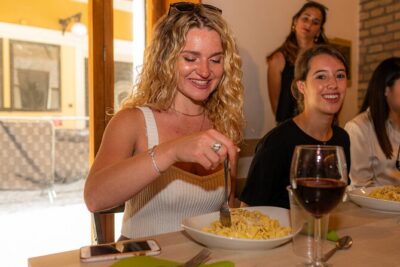
Because the group size tops out at 12, the pace usually feels controlled. There’s time to ask questions, listen to the guide, and actually taste what’s in front of you rather than speed-eating in a crowd.
If you’re the type who wants to savor and take breaks, this format fits. If you prefer a fast, self-directed crawl, you might feel it’s slower than you’d like—but you’re paying for guidance and quality stops, not a sprint.
Price and value: why $71 can make sense in Barcelona
At $71 per person, you’re paying for much more than a few bites. You’re essentially buying a guided route through a high-demand food area plus multiple tastings (at least one serving at each stop) and alcoholic drinks plus water.
Barcelona tapas can add up fast once you start paying for each plate separately. This tour bundles the tastings into a structured experience, which is especially useful in the Gothic Quarter where menus can look inviting but vary wildly in quality.
To decide if it’s worth it for you, ask this: do you want someone to steer you to places that fit the local style, and do you want a planned evening instead of guessing what’s best? If yes, the pricing usually feels fair.
Who this tour suits best (and who should skip it)
This is a strong pick if you want:
- a guided introduction to the Gothic Quarter and its food culture
- a tasting mix that includes both Catalan favorites and classic Spanish staples
- a small-group evening with guides who explain what you’re eating
It may not be the best fit if:
- you hate walking or aren’t comfortable on uneven streets
- you want complete control to pick your own spots and pace
- you’re traveling with luggage or large bags (those aren’t allowed), or you’re traveling with pets (not allowed)
It also works well for families in a limited way: children under 5 can join for free, and the tour is designed for groups up to 12.
Should you book this Barcelona tapas and drinks tour?
I’d book it if you’re visiting Barcelona for the first time or you want a confident plan for a night out in the Gothic Quarter. The combination of historic neighborhood context, at least four food stops, and the inclusion of vermut plus a proper dessert makes this feel like a full experience, not a quick snack run.
I’d think twice only if you want a totally DIY meal schedule or you’re sensitive to walking time. Otherwise, this tour is a reliable way to eat your way through Barcelona’s classics while getting real context for what’s in your glass and on your plate.
If you can, bring your appetite and your best shoes. You’ll use both.
FAQ
Where is the tour meeting point?
You meet your local expert in Plaça de l’Angel, near Hotel Suizo.
Where does the tour end?
The tour ends back at the meeting point (Plaça de l’Angel area).
How long is the tour?
It lasts about 3.5 hours.
How many food stops are included?
You get at least 4 food stops, and at least one serving of food is included at each stop.
Are drinks included?
Yes. Water and alcoholic drinks are included.
What food tastings are offered?
Possible tastings include bravas, croquetas, vermut, fried anchovies, tortilla de patatas, sausage montadito, tomato salad, pimientos padron, charcuterie, and Catalan cream.
What languages will the guide speak?
The guide speaks Spanish and English.
Is hotel pickup included?
No, hotel pickup and drop-off are not included.
Is there a limit on group size?
The tour has a maximum of 12 guests and requires a minimum of 2 people to operate.
What’s not allowed on the tour?
Pets are not allowed, and luggage or large bags are not allowed.
Can I cancel and get a refund?
Yes. Free cancellation is available up to 24 hours in advance for a full refund.