Seven tastes in three hours.
This Barcelona food tour strings together seven family-run stops with neighborhood walking, so you eat your way through places locals actually return to, from the market halls to the sea-facing streets.
I especially like the Mercado de Santa Caterina start, because it’s a real food market experience, not a quick photo stop. I also like the way the tour saves its big finish for paella at Can Ramonet, where the seafood-focused meal feels like a proper lunch, not a sample plate.
One drawback to plan around: this is a walking tour and it is not suitable for guests with mobility impairments, wheelchairs, or strollers.
In This Review
- Key highlights you should care about
- Why this Barcelona food walk feels like a local day
- Finding the tour: meeting at Santa Caterina
- Mercado de Santa Caterina: your market lesson with real tastings
- El Born streets: history tied to what you’re looking at
- Brunells bakery stop: the croissant that resets your standards
- Torrons i dolços La Campana: sweet stops that feel genuinely local
- Bodega La Peninsular: vermouth culture and bomba tapas
- La Barceloneta walk + Can Ramonet paella finish
- Drinks, groups, and how the pace works in real life
- Who this tour fits best (and who should skip it)
- Value check: is $105 worth it?
- Should you book the Barcelona Hidden Markets, Tapas & Paella Food Tour?
- FAQ
- How long is the tour?
- How much does it cost?
- Where does the tour start?
- How many people are in the group?
- Is the tour guided in English?
- How many places and samples are included?
- Are drinks included?
- What food is included in the meal?
- Is it suitable for vegans or gluten intolerance?
- What should I bring?
Key highlights you should care about
- Mercado de Santa Caterina first for a market education plus specialty tastings
- 7 stops, 12+ samples, 3 drinks so you truly get a full meal’s worth of food
- El Born and Barceloneta on foot with history tied to what you see
- A classic bakery stop (Brunells) where the croissants are the kind of thing people bring up more than once
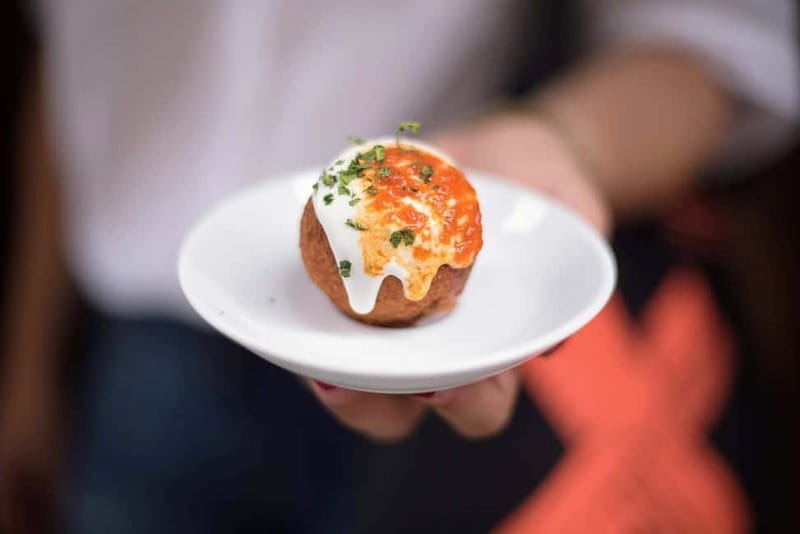
- Vermouth and bomba at a local bodega (La Peninsular), made for tasting the city’s aperitif culture
- Seafood paella in the fishermen’s district at Can Ramonet with seasonal ingredients and local wine
Why this Barcelona food walk feels like a local day
Barcelona has a lot of food tours. This one works because it mixes three things in the right order: market orientation, neighborhood context, and then the food you actually want for lunch. You’ll start at a major market, move through classic small businesses, and end where the seafood tradition is the whole point.
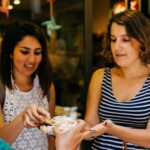
The small group helps too. With a limit of 9 participants, it stays friendly and you get time to ask questions, especially when the guide is explaining what to look for at a stall or how locals order. That personal attention shows up in the guide feedback: names like Hector, Alex, Jessica, and Arianna come up again and again, with people praising both the humor and the city context.
The price is also easier to justify when you look at what you get: 7 tasting stops, 12+ samples, and 3 different local drinks over three hours. Yes, you could eat on your own for less. But if you’re new to Barcelona, the value here is the guided shortcut through the right places, at the right moments, plus the history that makes it make sense.
You can also read our reviews of more food & drink experiences in Barcelona
Finding the tour: meeting at Santa Caterina
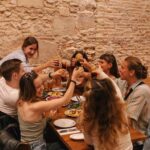
You meet at the main entrance of Mercado de Santa Caterina (Av. de Francesc Cambó, 16, 08003 Barcelona). Plan to arrive about 15 minutes early, and you’ll spot your guide holding a red bag or a Devour Tours sign.
This start location is a big deal because it gets you oriented quickly. Even if you never return to Santa Caterina later, you’ll come away with a mental map for where stalls and neighborhoods connect, and how Barcelona organizes food culture by district.
Mercado de Santa Caterina: your market lesson with real tastings

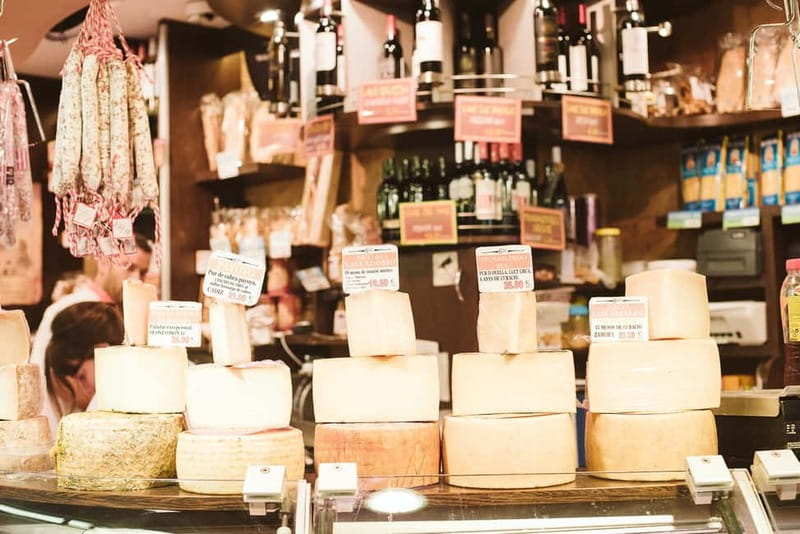
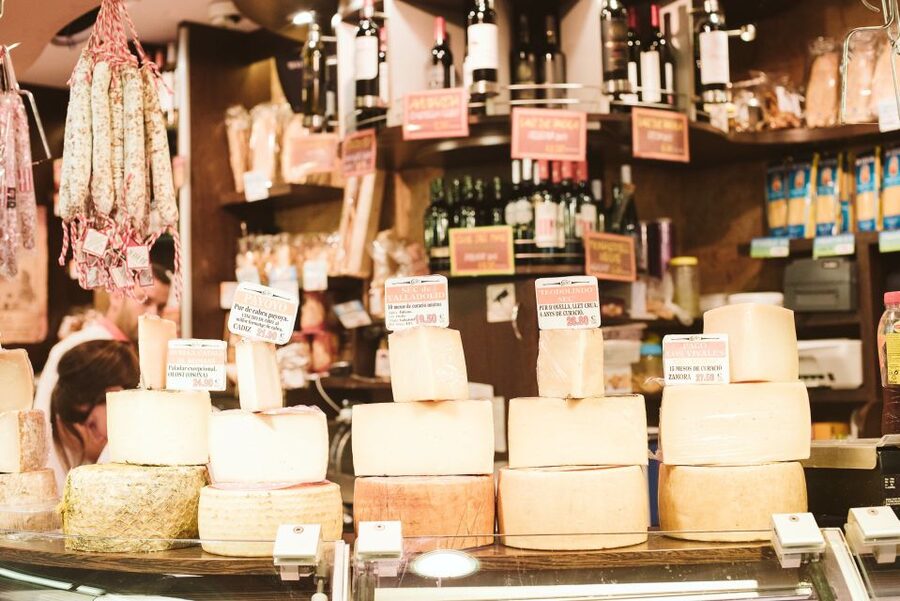
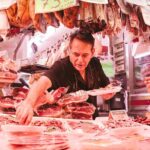
The tour kicks off with about an hour at Santa Caterina Market, and that time matters. Markets here aren’t just shopping; they’re where Barcelona talks about quality every day—what’s in season, what a particular family shop is known for, and how cured items are meant to be sampled.
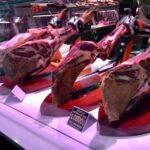
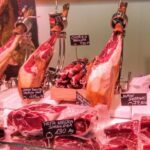
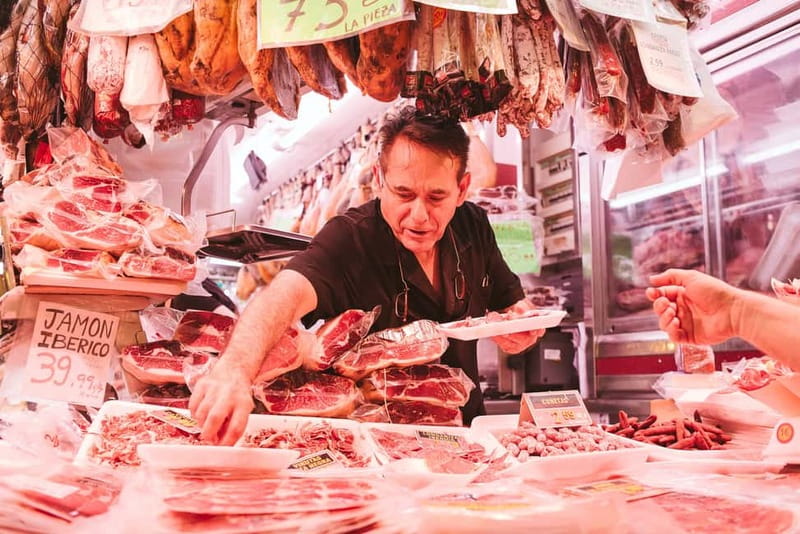
You’ll try a mix of classic items, including specialty olives, Spanish cheeses, and cured meats like jamón ibérico. This is the start that helps you eat smarter later, because once you’ve tasted the basics—salt, fat, acidity—you notice the differences in the rest of the tour.
Practical tip: wear comfortable shoes. You’re inside and outside, and the pace is steady. Also, the tour includes breakfast and lunch, so you’ll want to arrive ready to eat rather than expecting a light grazing experience.
El Born streets: history tied to what you’re looking at
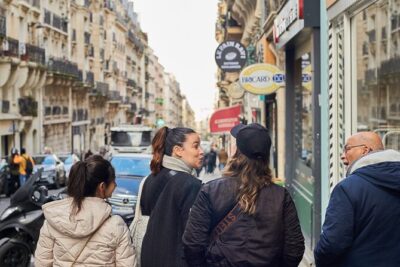
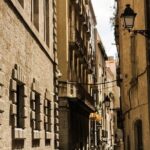
After the market, you shift into the old-city experience. You’ll walk through El Born, a neighborhood that can look trendy at first glance—but it’s also a place where medieval street patterns and architecture still shape the city.
The guide explains what you’re seeing as you move along narrow streets, so it stops being random sightseeing. If you’ve ever felt overwhelmed by Barcelona’s layers, this part helps: the buildings and street layout start to feel like evidence, not decoration.
This is also where you learn small, useful things—like what kind of food culture belongs where, and why some neighborhoods became known for certain kinds of bars and shops. Guides such as Jessica are praised for tying history to practical city understanding, and that’s exactly what this walking section is designed to do.
Brunells bakery stop: the croissant that resets your standards
Next comes a bakery stop at Brunells with about 25 minutes there for tastings. The tour frames this as a portal into the past, and the big draw is a baked-goods reputation that people treat like a benchmark—especially the croissants, described as among the best beyond the Pyrenees.
In a good bakery stop, you’re not just eating sugar. You’re learning what Barcelona expects from a morning pastry and how a traditional shop keeps its identity. Even if you’re not a croissant person, you’ll likely walk away with a better sense of why Catalan bakeries have a loyal following.
Also, expect some shop-style context. You’ll see a specialty approach to product and packaging, and you’ll get a selection of what the shop is best known for rather than a random assortment.
A few more Barcelona tours and experiences worth a look
Torrons i dolços La Campana: sweet stops that feel genuinely local
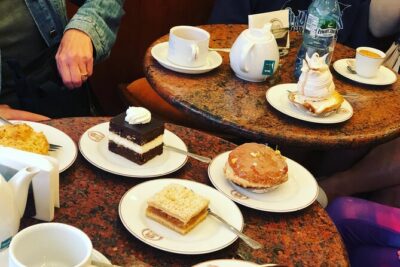
Then the tour shifts to Torrons i dolços La Campana (around 15 minutes), where you taste Catalan-style sweets. This is the kind of stop that’s easy to skip if you’re only chasing savory food. I like it because it balances the meal, and it makes Barcelona feel like Barcelona rather than just a Spanish version of tapas.
Turrons and other candy-style treats are part of local tradition, especially when you see how they’re sold, portioned, and shared. You’ll come away knowing what to order next time, and how to recognize what’s worth trying versus what’s just packaged tourist sweetness.
Bodega La Peninsular: vermouth culture and bomba tapas
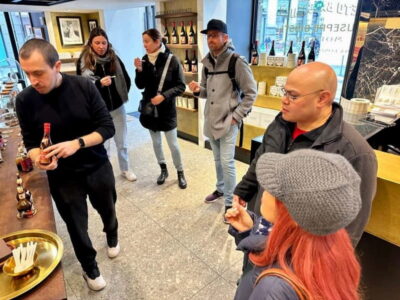
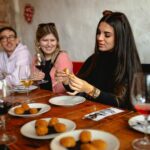
At Bodega La Peninsular, the focus shifts to aperitif time, which is where Barcelona’s food rhythm stands out. You’ll get about 30 minutes here and you’ll learn the art of the Spanish aperitif—specifically with a glass of vermouth.
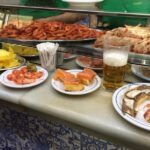
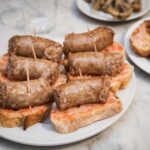
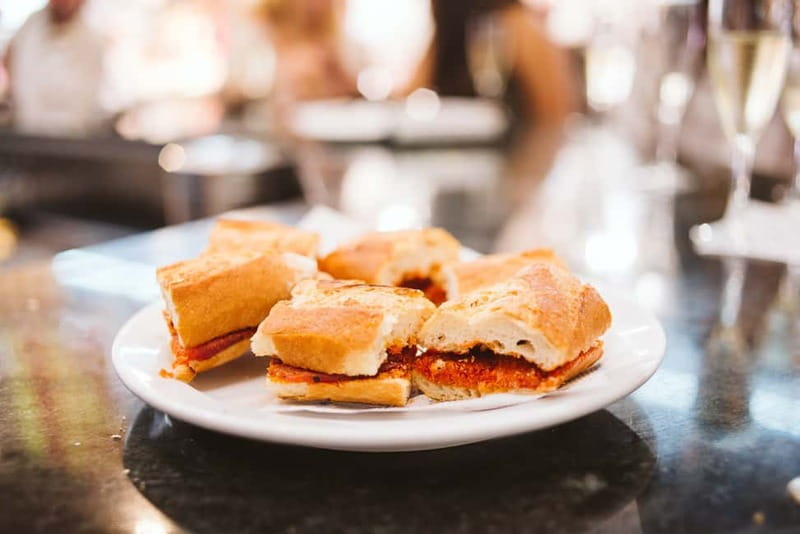
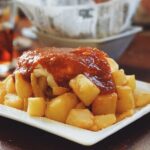
The star tasting is the bomba, described as a Barceloneta favorite and often tied to the neighborhood’s identity. What I like about this stop is that it’s not just a dish. It’s a moment. You taste the food, then you understand how locals treat pre-dinner time as a mini ritual, not a break from eating.
One small consideration: this part can feel more time-sensitive than the market section, so don’t plan on lingering like you would in a sit-down restaurant. The point is sampling and moving.
La Barceloneta walk + Can Ramonet paella finish
You end in La Barceloneta, and the tour gives you just enough time to notice the seaside district without turning it into a beach day. You’ll pick up context about the area and how the fishermen’s quarter shaped daily eating.
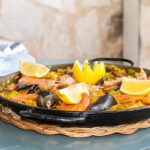
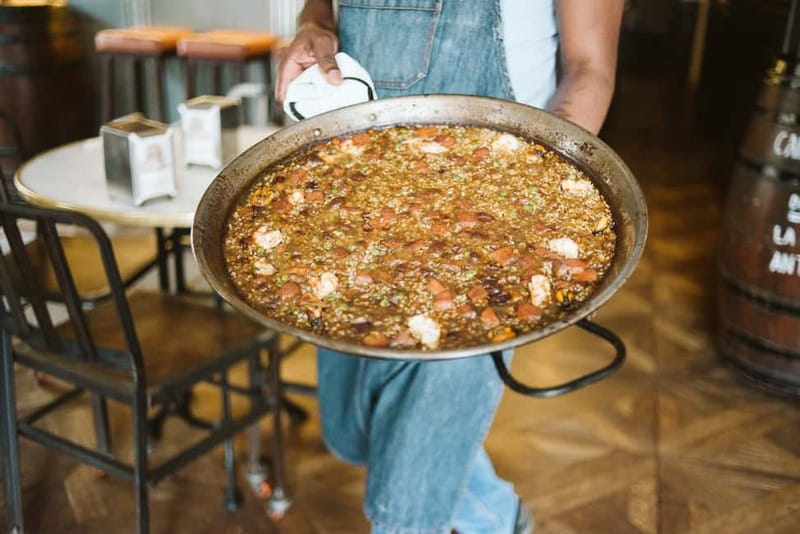
The final stop is Restaurante Can Ramonet, around 50 minutes, and this is where you get the full meal feel. The tour describes a spot serving locals since the 1950s, and that matters because it suggests continuity: this isn’t a place built only for tourists.
You’ll try seafood paella made with seasonal ingredients, and it’s paired with a local wine. If you’ve been wondering what paella should taste like beyond the tourist versions, this is the part that most people remember—because it’s both satisfying and grounded in local sourcing.
Practical advice: pace yourself. You’ve already had salty cured items, cheese, sweet tasting, and vermouth. Paella is heavy in the best way, but you’ll enjoy it more if you don’t sprint through the earlier stops like you’re trying to win a contest.
Drinks, groups, and how the pace works in real life
One of the best parts of this tour is the balance of food and drink. You’ll have three different local drinks across the three hours, with vermouth featured in the bodega stop. This helps the tasting sequence feel logical: start with market flavors, move to sweets and baked goods, then shift into aperitif and finally a proper meal.
The group size (max 9) is a quiet quality upgrade. It reduces the feeling of herding and makes it easier for the guide to check in, answer questions, and keep the flow moving.
Timing is also important. The tour covers breakfast and lunch, which means you shouldn’t plan to eat immediately afterward unless you want a snack. If you’re the type who gets hungry between meals, bring water anyway—it’s allowed and it helps on walking days.
Who this tour fits best (and who should skip it)
This is a great fit if you:
- like learning through eating rather than through lectures
- want a first-time-friendly route that mixes market culture with old neighborhoods
- enjoy classic Barcelona flavors: jamón ibérico, cheese, bakery items, vermouth, and seafood paella
- want a smaller group where guide interaction feels real
It’s less ideal if you:
- need wheelchair access or want stroller-friendly walking (this one is not built for that)
- are vegan (the tour is not recommended for vegans)
- need strict gluten-free for celiac (it supports gluten free, but it explicitly notes not celiac, and it is not suitable for people with gluten intolerance)
Value check: is $105 worth it?
At $105 per person for 3 hours, this tour is priced like a guided food experience, not a budget snack crawl. For the money, you’re getting:
- 7 tasting stops
- 12+ samples
- 3 local drinks
- a guide who provides history and ordering context
- a structured sequence that covers both breakfast and lunch
If you’re staying in Barcelona for just a few days, this is often easier to justify than piecing together market visits, bakery stops, and a paella lunch on your own. You’re paying for the decisions someone else already made—what to taste, where to go, and how to fit it all into one walk.
If you’re a solo traveler with a strong comfort level searching places on your own, you might spend less by wandering. But you’d likely trade away some of the market education and the well-timed paella finish.
Should you book the Barcelona Hidden Markets, Tapas & Paella Food Tour?
Book it if you want a food-forward day that also teaches you how Barcelona thinks about eating—markets, aperitif culture, and then a classic seafood meal that ends the tour on a full stomach. The consistent praise for guides like Hector, Alex, and Jessica points to the same winning formula: good food, clear explanations, and enough humor to make the walking sections feel easy.
Skip it if mobility is a concern, if you’re vegan, or if you have strict gluten intolerance needs. In those cases, you’ll save yourself frustration by picking a tour that matches your constraints more directly.
If you do book, come hungry, wear shoes you can walk in for hours, and be ready to taste your way through neighborhoods you might otherwise only pass through on the way to something else.
FAQ
How long is the tour?
The tour lasts 3 hours.
How much does it cost?
It costs $105 per person.
Where does the tour start?
It meets at the main entrance of Mercado de Santa Caterina, Av. de Francesc Cambó, 16, 08003 Barcelona.
How many people are in the group?
The group is small, limited to a maximum of 9 participants.
Is the tour guided in English?
Yes, the tour is in English with a live local guide.
How many places and samples are included?
There are 7 tasting stops with 12+ delicious samples included.
Are drinks included?
Yes. You get 3 different local drinks included during the tour.
What food is included in the meal?
The tour covers both breakfast and lunch.
Is it suitable for vegans or gluten intolerance?
It is not recommended for vegans, and it is not suitable for people with gluten intolerance. It is adaptable for gluten free diets, but it notes this is not celiac.
What should I bring?
Bring your passport or ID card, comfortable shoes, and water.