REVIEW · BOSTON
Boston: Freedom Trail History and Food Tour
Book on GetYourGuide →Operated by ExperienceFirst · Bookable on GetYourGuide
Two hours and you get history on your feet. This Boston Freedom Trail tour mixes landmark stops with optional classics like clam chowder and baked beans, so the city feels human, not museum-still. I like the smart pairing of Revolution-era sites with real food-hall energy, and I also like how you step into the past at Paul Revere House and then cap it with Old North Church.
There’s one thing to watch: the food is not included. You’re buying what your guide recommends, and the tour is still primarily a walking history experience, not a full-on meal plan.
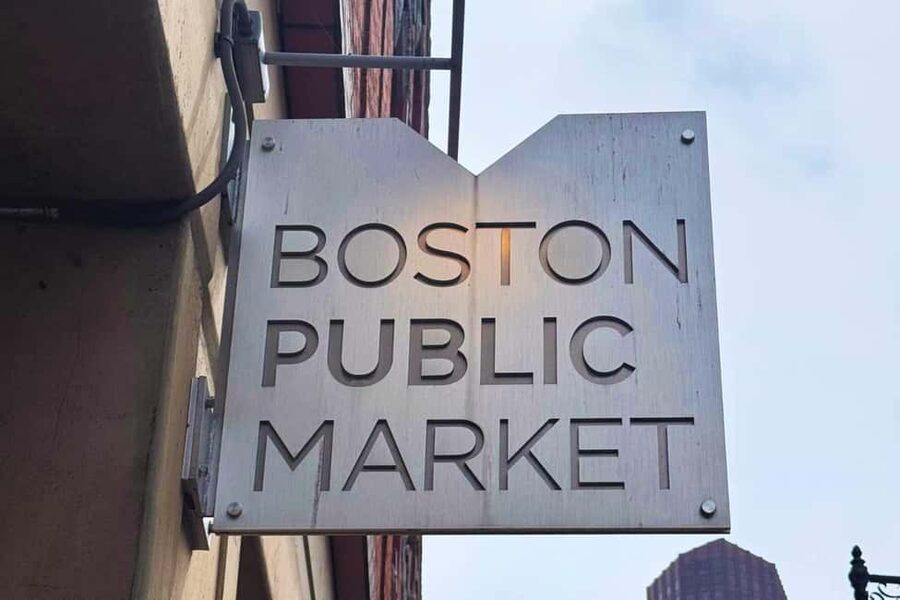
You’ll meet your guide at the Congress Street entrance of Boston Public Market (Congress and Hanover), and they’ll be wearing an orange hat that says ExperienceFirst. The route stays leisurely—about 1.2 miles—and it works for wheelchairs and strollers, with guides ready to swap stops if a venue is closed.
In This Review
- Key things I’d underline before you go
- Starting at Boston Public Market: where the tour’s rhythm begins
- Boston Public Market and the Food-Hall vibe: chowder and baked beans
- Haymarket and the Old-School street scene
- Quincy Market and the Cradle-of-Liberty area: history with crowds
- Rose Kennedy Greenway: the modern walk that makes the past feel closer
- Salumeria Italiana and Parziale’s Bakery: choosing bites, not a full meal plan
- Paul Revere House: the moment history turns real
- Old North Church: architecture and the story in one place
- Final bites at Polcari’s Coffee: wrap-up energy
- Price and value: is $39 a smart buy?
- Who this tour fits best
- Should you book this Freedom Trail History and Food Tour?
- FAQ
- Where do I meet the guide?
- How long is the tour, and how far do you walk?
- Is food included in the $39 ticket?
- What stops and landmarks are on the route?
- Is the tour wheelchair accessible?
- Can I cancel or pay later?
Key things I’d underline before you go
- Boston Public Market first: chowder and baked beans set the tone right away.
- Haymarket tradition on Fridays and Saturdays: you might catch the 300-year-old action when it’s happening.
- Rose Kennedy Greenway walk: the modern city view helps history stick in your head.
- Paul Revere House + Old North Church: you get both the story and the architecture.
- Food stops are optional, not guaranteed meals: budget about $30 if you want to sample a lot.
Starting at Boston Public Market: where the tour’s rhythm begins
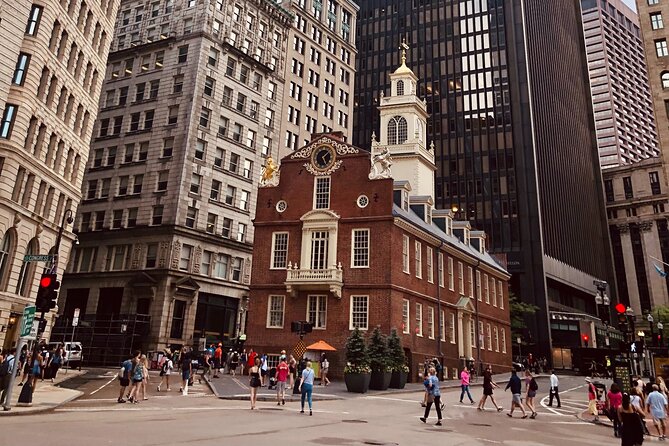
The tour kicks off at Boston Public Market, right where Congress Street meets Hanover Street. This is a good meeting point because it’s easy to find and you can orient yourself fast before the first history talk begins.
Bring comfortable shoes and water. You’re walking about 1.2 miles at a leisurely pace, so you can enjoy the commentary instead of fighting your legs the whole time. Also, keep your phone charged—part of the fun is grabbing quick photos of the places the guide points out along the way.
When you spot the guide’s orange ExperienceFirst hat, you’re basically at the start of your Boston “theme park,” except this one’s made of real neighborhoods and real food counters. The guide’s job is to connect the big story of the Revolution to the street-level details you’d miss on your own.
You can also read our reviews of more food & drink experiences in Boston


Boston Public Market and the Food-Hall vibe: chowder and baked beans
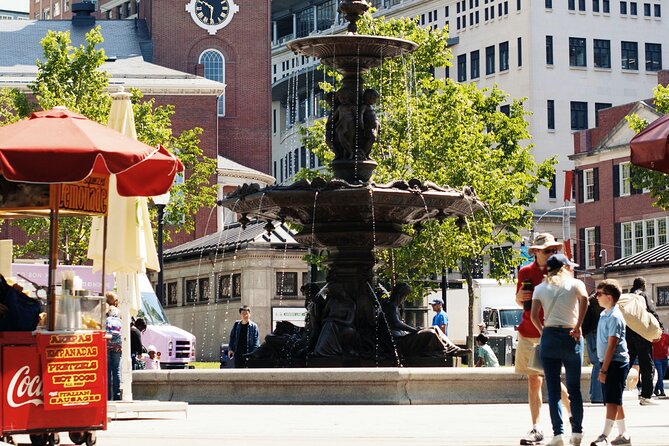
The first big stop is Boston Public Market, and this is where the tour leans into tasting. The tour highlights classic picks like chowder and baked beans, which are the kind of foods that immediately tell you what Boston considers comfort.
This part matters because food is a shortcut to culture. History gets easier to understand when you can picture people eating, working, and talking in the same general areas centuries later. Even if you don’t buy everything, the guide’s recommendations help you decide what’s worth your money.
Practical tip: decide early whether you’re doing a light “one bite per stop” approach or going for the full spread. The tour’s food costs are optional and often add up to around $30 if you sample a lot of what’s suggested.
Haymarket and the Old-School street scene
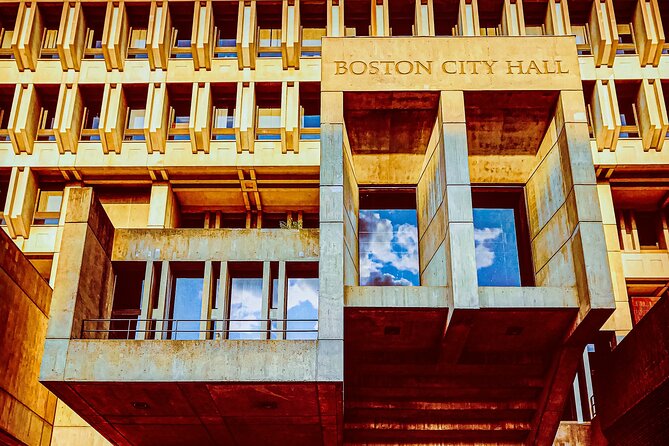
Next up you move into Haymarket. This is one of those Boston areas where the energy feels less polished and more everyday, which is exactly why it works on a history-and-food tour. The tour notes that on Fridays and Saturdays, you can see the 300-year-old Haymarket tradition in action.
That timing detail is gold. If you’re going on a weekday, you might not catch that same activity level, but the guide can still connect the market’s role in the city’s life—who came here, what sold, and why this kind of place mattered.
A consideration: if you’re expecting a carefully choreographed food crawl where every stop is guaranteed a tasting, you may be slightly disappointed. Some people love the history and the suggestions, but the food piece depends on what you choose to buy.
Quincy Market and the Cradle-of-Liberty area: history with crowds
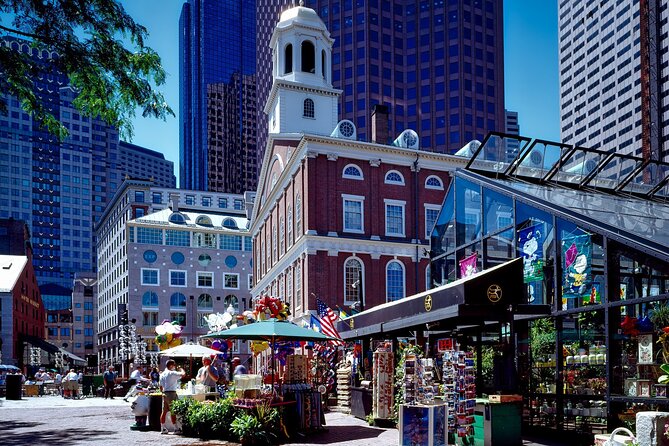
You’ll also pass through the Quincy Market area. This is a great contrast stop because it shows you how modern Boston turns public spaces into gathering places—exactly what the Freedom Trail concept is about, just in a different era.
The tour is described as visiting the “Cradle of Liberty” food hall energy, so you’re not only viewing sites; you’re absorbing the atmosphere. Even when you’re not eating, walking through these spaces helps you understand why protests, speeches, and public talk could move people fast.
One thing I like here: this tour doesn’t treat the trail as a straight line of plaques. The guide pushes you to notice the street layout and the way public life still concentrates around key civic spaces.
Rose Kennedy Greenway: the modern walk that makes the past feel closer
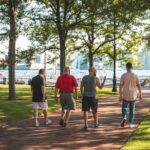
After the historic blocks, you get a stroll along the Rose Kennedy Greenway. This section is more than a break from walking in tight streets. It’s where the tour connects old Boston to today’s Boston, and it gives you space to reset your brain between big story stops.
You’ll also take in views of places along the route, including the Holocaust Memorial Park. That kind of sightline matters because it reminds you that Boston history isn’t only about the 1700s. The city layered later stories on top of earlier ones, and your route shows that.
In practical terms, Greenway time is also a chance to slow down. If you’re someone who likes to take photos or read short bits of signage before the next stop, this is your moment.
A few more Boston tours and experiences worth a look




Salumeria Italiana and Parziale’s Bakery: choosing bites, not a full meal plan
Food shows up again at Salumeria Italiana and later at Parziale’s Bakery. The tour’s highlights mention classics such as cannoli alongside American staples like chowder and baked beans, so you’ll probably spot Italian options that match the Boston appetite.
Here’s the balanced truth about this part: the food is framed as recommendations, not an included tasting menu. Your guide will suggest what to try at each stop, but you’re purchasing what you want. That’s why some people leave thinking the food side is strong, while others feel it’s not enough if they booked expecting a true food tour.
If you want to maximize value, don’t freeze once you reach a counter. Ask a quick question—what’s the best value bite, and what should I skip? Guides who really know their stuff can steer you toward the tastiest things without wasting your budget.
And don’t forget the pacing. This is still a walking history tour. If you stop to linger with a full meal every time, you may end up rushing later.
Paul Revere House: the moment history turns real
The Paul Revere House is one of the most effective stops on this kind of route. You’re stepping into early American life rather than simply learning about it from a distance. Even without a long speech, the location does the persuasion for you.
This part is also where a strong guide can make the biggest difference. A well-told story helps you understand the “why” behind the well-known names. One review specifically praised a guide named Paul for making the experience feel like walking through his hometown with a friend, not like being herded like a tourist.
If you’re the type who likes context—how people lived, traveled, and organized your attention—this stop should land well. If you only want quick facts, you can still enjoy it, but you might want to focus on the architectural details and the guide’s key points.
Old North Church: architecture and the story in one place
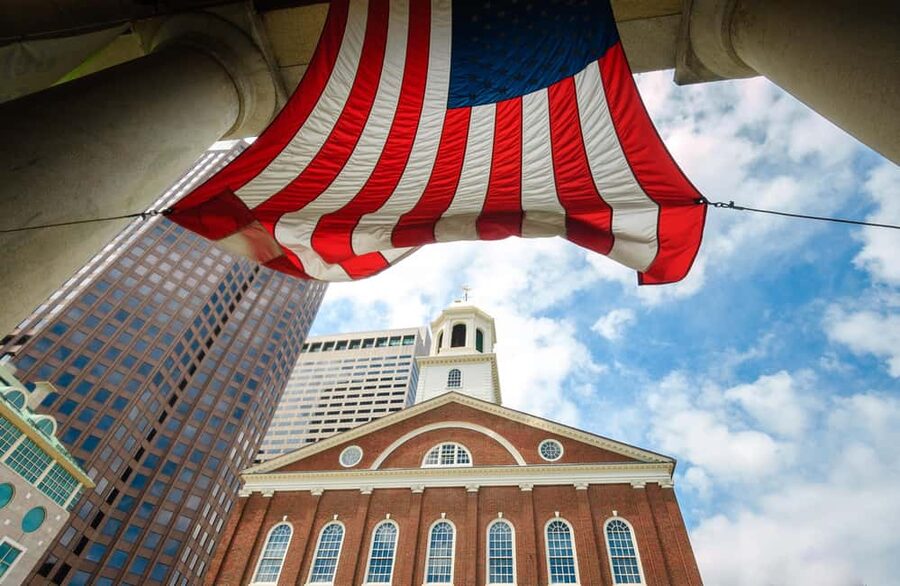
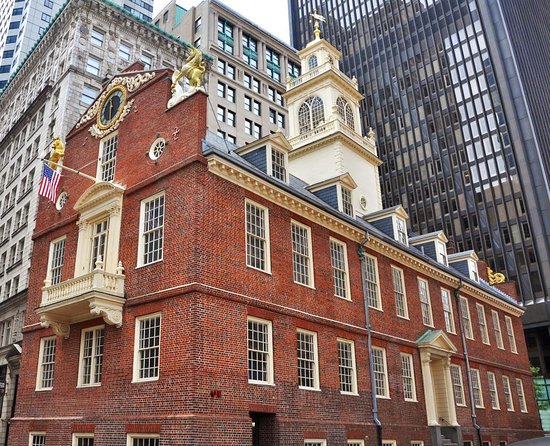
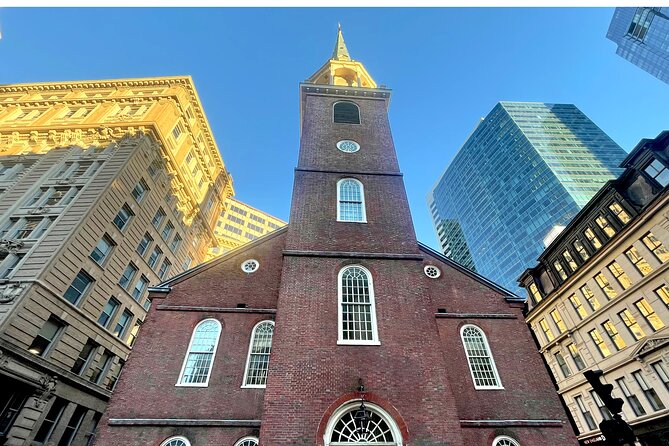
Next comes Old North Church, where history isn’t only in the events—it’s also in the building. The tour notes the church’s history and architecture, which is exactly the right combination for visitors who want more than a generic Revolutionary War summary.
This stop also plays nicely with what you’ve already learned. By the time you reach Old North, you’ve had market life, public civic spaces, and the feel of Boston’s public world in your head. The church then becomes part of a larger street-level picture.
If you like photos, this is a strong one. The exterior and the sense of place usually give people pictures worth keeping, even if you take only a few.
Final bites at Polcari’s Coffee: wrap-up energy
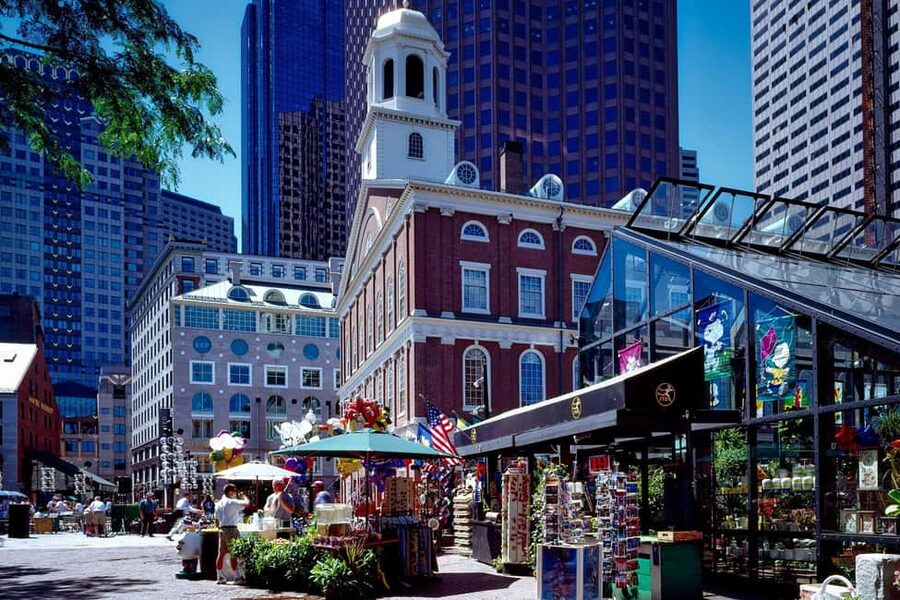
The tour finishes at Polcari’s Coffee. This works because coffee shops are natural end points for walking tours: you can review what you learned while your feet cool down.
It’s also a practical moment to decide what you still want. If you skipped a bite earlier, you might be tempted to add one more thing here—or just sit with a drink and let the day’s story settle.
Price and value: is $39 a smart buy?
At $39 per person for about 2 hours, this tour can be good value if you want guided history with food suggestions along the way. You’re paying for an experienced local guide, a structured route, and the ability to focus on the meaningful stops without planning every detail yourself.
But you should treat it like this: you’re buying the walk and stories. The food is extra. The tour notes that sampling everything based on recommendations can run about $30. If you plan to try a few bites, you’ll likely feel satisfied. If you were expecting food to be the main event, you may feel the “food tour” label is a stretch.
The guide quality seems to be the biggest swing factor. One review called the guide’s knowledge fabulous. Another praised Charlie as an incredible guide. On the other hand, there are also reports of someone feeling the food side was not enough for the price perception. Translation for you: book if you want history first, and treat tastings as bonus bites.
Who this tour fits best
This is a great match if you:
- Want a Freedom Trail experience with clear, guided context.
- Like pairing history with the everyday city feel of markets and food halls.
- Enjoy learning from a local guide who can point out the small stuff that makes big sites make sense.
It may be less ideal if you:
- Are mainly chasing a full food crawl with substantial included tastings.
- Want every stop to be a guaranteed meal, not optional purchases.
Should you book this Freedom Trail History and Food Tour?
I’d book it if you want to see the Freedom Trail with a guide, and you’re happy to spend a little extra for the bites you actually care about. The route hits heavyweights like Paul Revere House and Old North Church, and it adds useful texture through Boston Public Market, Haymarket, and the Rose Kennedy Greenway.
If you hate paying for food twice (once for the ticket, then again at each stop), you might pass. If you’d rather control your own budget and pick just a few recommended treats, this tour is a smart, low-stress way to get both history and great city atmospheres in a short window.
FAQ
Where do I meet the guide?
Meet at the Congress Street entrance of Boston Public Market, where Congress Street intersects with Hanover Street. The guide wears an orange hat that says ExperienceFirst.
How long is the tour, and how far do you walk?
The tour runs about 2 hours and covers about 1.2 miles at a leisurely pace.
Is food included in the $39 ticket?
No. The ticket includes the guided walking tour portion, but food isn’t included. Your recommended food stops are optional, with food costs around $30 if you want to sample a lot.
What stops and landmarks are on the route?
You’ll visit Boston Public Market, Haymarket, the Blackstone Block Historic District, Quincy Market, Rose Kennedy Greenway, Salumeria Italiana, Paul Revere House, Old North Church, Parziale’s Bakery, and you finish at Polcari’s Coffee.
Is the tour wheelchair accessible?
Yes. The tour is listed as wheelchair accessible and is also compatible with strollers.
Can I cancel or pay later?
There is free cancellation up to 24 hours in advance for a full refund. You can also reserve now and pay later.