REVIEW · CHANIA
Chania: Morning Bites & Market Delights Food Tour
Book on GetYourGuide →Operated by Cretan Tasty Trails GP · Bookable on GetYourGuide
Morning bites make Chania click fast. In four hours, you’ll walk Chania’s Old Town with a local guide and sample classic Cretan flavors, from koulouri to cheese pies, while picking up real context for how people live and eat here. I love the small group pace and the Venetian-harbor coffee break that keeps things relaxed. One consideration: you’ll eat a lot, and the tour isn’t set up for vegans or common dietary limits like gluten, lactose, or nuts.
This tour works because the guide does more than point at plates. I like how guides such as Elena and Kostas tie each bite to place and tradition, then finish with a proper mezte spread at a traditional restaurant. It’s mostly on foot, so good shoes matter, and the schedule is tight enough that you’ll want to skip long shopping stops.
In This Review
- Key highlights worth planning for
- Finding the Ottoman Fountain at Platia 1866
- Koulouri and kalitsounia: the breakfast that sets the tone
- Cheese tastings in Chania: more than one kind, more than one lesson
- Lychnaraki and the pastry sweet spot
- Olive oil, honey, and the shop tastings that teach your palate
- Greek coffee by the Venetian harbor: the right break at the right time
- Church of Agios Nikolaos: a quick cultural stitch
- Market time and a quieter food stop that adds local flavor
- The mezze lunch: where the tour finally slows down
- How the guide makes the difference (Elena, Kostas, and friends)
- Price and value: is $106 fair for 4 hours?
- Who this Chania morning food walk is perfect for
- Who should skip it (diet, mobility, and health limits)
- What to bring so you don’t feel rushed
- Should you book the Chania Morning Bites & Market Delights tour?
- FAQ
- FAQ
- Where do I meet the guide?
- How long is the tour?
- How many people are in the group?
- Is hotel pickup and drop-off included?
- What food and drink tastings are included?
- Is the tour vegan-friendly or safe for gluten and lactose intolerance?
- What should I bring and wear?
- Is the tour suitable for wheelchair users or people with mobility impairments?
- Are there health-related limits?
- Can I cancel for a full refund?
Key highlights worth planning for
- Start at Platia 1866 by the Ottoman Fountain, then get moving right away
- Small group of up to 10 for a calmer pace and more Q&A
- Cretan pastry and cheese focus with kalitsounia, cheese pies, and lychnaraki
- Taste training for olive oil, honey, and Greek coffee
- Mezze lunch plus drink sampling to wrap the tour feeling properly fed
Finding the Ottoman Fountain at Platia 1866
The meeting point is easy to spot: Platia 1866, by the Ottoman Fountain, with your guide holding the company sign. Arrive about 15 minutes early so you’re not rushing while everyone else is ordering the first rounds of coffee and bites.
This tour is designed as a morning walk, not a drive-and-eat situation. Expect mostly walking through the Old Town, then short waits inside bakeries and food shops long enough to actually taste and ask questions.
Practical note: bring comfortable shoes and plan to be outside. The tour lists sunscreen, a hat, and water for a reason—Chania mornings can still feel bright and warm.
You can also read our reviews of more food & drink experiences in Chania
Koulouri and kalitsounia: the breakfast that sets the tone
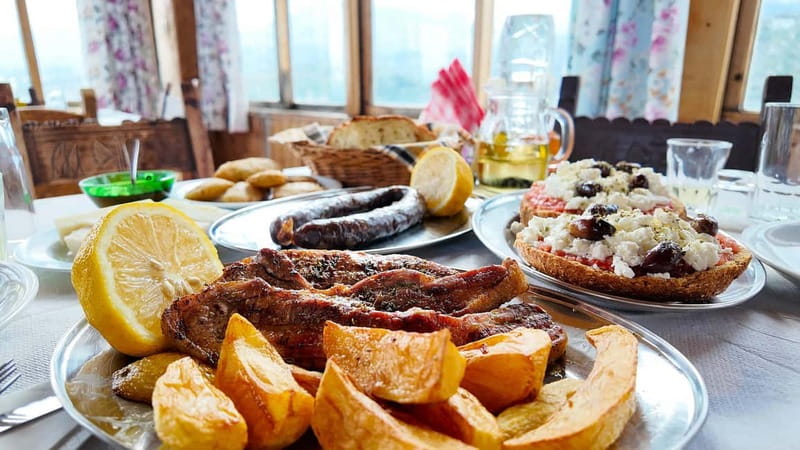
You start at a local bakery with a guided breakfast tasting. The first standout is the koulouri: that sesame-crusted ring bread Greece loves. It’s the kind of food that tastes simple until you try a fresh one, still warm and fragrant.
From there you move on to another bakery stop focused on Cretan favorites like kalitsounia—hand-crafted cheese pies—and the pastries that come with Cretan dairy culture. These are the foods you’ll keep thinking about later, because they’re not fancy for the sake of it. They’re built for everyday eating: comforting, portable, and tied to local ingredients.
If you’re a person who likes learning by eating, this part of the morning is where it clicks. You’re not just sampling sweets and savory bites—you’re seeing how each pastry is shaped around what’s available locally.
Cheese tastings in Chania: more than one kind, more than one lesson
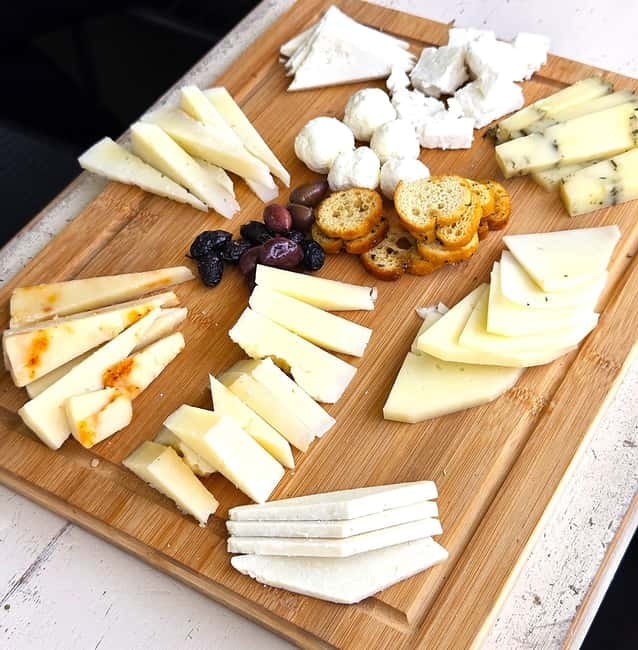
One of the tour’s strongest themes is dairy, with a dedicated cheese-tasting stop. You’ll sample multiple local cheeses and learn how they fit into everyday Cretan food.
This is where you’ll notice that cheese isn’t a single category here. The guide’s explanations make it easier to spot differences in flavor and texture, and you’ll start picking up why Cretans rely on dairy so heavily in both breakfast and snacks.
You’ll also likely hear quick, usable guidance on how to taste—small bites, attention to saltiness and creaminess, and how to pair flavors with other things you’re sampling later (like olive oil and coffee). It’s not complicated, but it turns tasting from random munching into something you can repeat on your own.
Lychnaraki and the pastry sweet spot
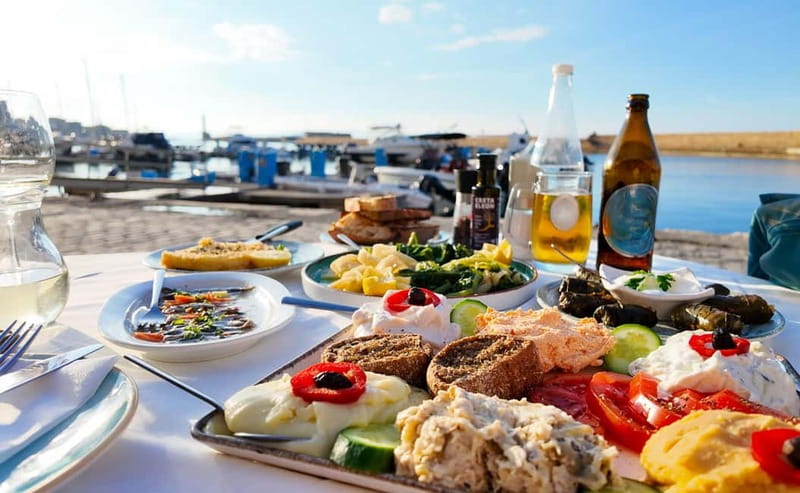
After the cheese portion, you hit another bakery stop that includes lychnaraki—a sweet, cheese-filled pastry. This is a nice counterbalance to the savory bites earlier.
I like this kind of structure: a tour that gives you a clear rhythm. Savory first, then a sweet reset, so you don’t end up with sugar overload or stuck-on-cheese fatigue.
You should also be aware that you’ll likely finish the morning feeling full. That’s part of the point of a mezze-style ending later, but you’ll want to pace your bites and drink sampling so you can enjoy everything rather than just survive it.
Olive oil, honey, and the shop tastings that teach your palate
Next comes a specialty shop tasting focused on premium Cretan olive oil and raw honey, plus other local delicacies. This part matters even if you don’t plan to buy a lot. Olive oil tasting can feel abstract until someone helps you notice what you’re actually tasting—freshness, balance, and those peppery or fruity notes people talk about.
Raw honey is similar. It’s hard to understand why people get excited until you taste it alongside other foods rather than straight from a jar. The guide’s explanations help you connect the flavor to local production habits.
If you’re considering bringing home food, this is the portion where you’ll have the clearest “What should I look for?” window. Even if you skip shopping, you’ll leave with a better sense of what quality tastes like.
A few more Chania tours and experiences worth a look

Greek coffee by the Venetian harbor: the right break at the right time
You’ll then head toward the Old Venetian Harbour for a photo stop and a coffee break. You’ll get coffee tasting as part of this segment, and the tour describes Greek coffee brewed in the old-fashioned way.
This pause is smart scheduling. You get a bit of a visual reset after multiple tastings in a row, and you end up sitting down long enough to actually taste coffee instead of rushing between stops. It also helps you digest before the heavier meal portion.
If you’re the type who takes photos only when the light is good, this is a useful moment to slow down. The tour gives you time for pictures without turning it into a long sightseeing detour.
Church of Agios Nikolaos: a quick cultural stitch
After the harbor coffee, you’ll make a brief stop at the Church of Agios Nikolaos for a photo moment and a short guided break. This isn’t a long museum-style visit. It’s more like a quick cultural stitch that helps the morning feel connected—food, streets, faith, and daily life all in one walk.
These short cultural pauses are worth it if you like context. They also keep the pace from turning into pure eating-between-doorways.
Market time and a quieter food stop that adds local flavor
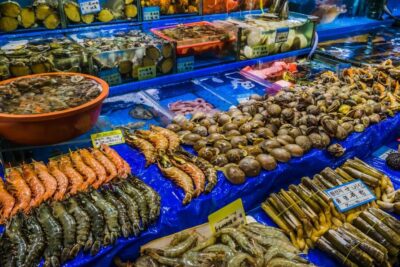
One part of the experience includes a market visit at a stop the guide chooses as a food-focused highlight. You’ll spend time looking at food and sampling, with the guide guiding you on what to pay attention to.
This is the section that helps you move from tourist eating to local habits. Markets teach you how people shop when they aren’t trying to impress anyone—what they pick first, how they combine items, and what feels normal rather than rare.
Also, you’ll get a better sense of what you might want to look for after the tour. The goal isn’t to memorize everything. It’s to walk away with instincts.
The mezze lunch: where the tour finally slows down
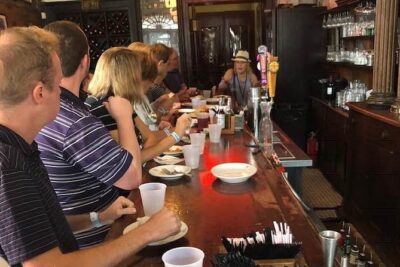
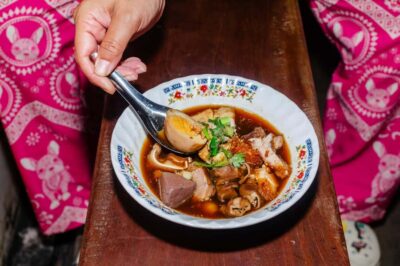
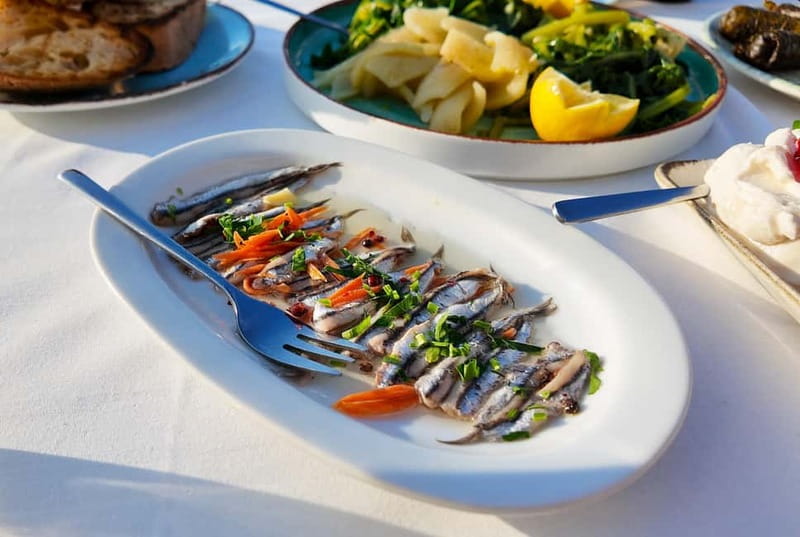
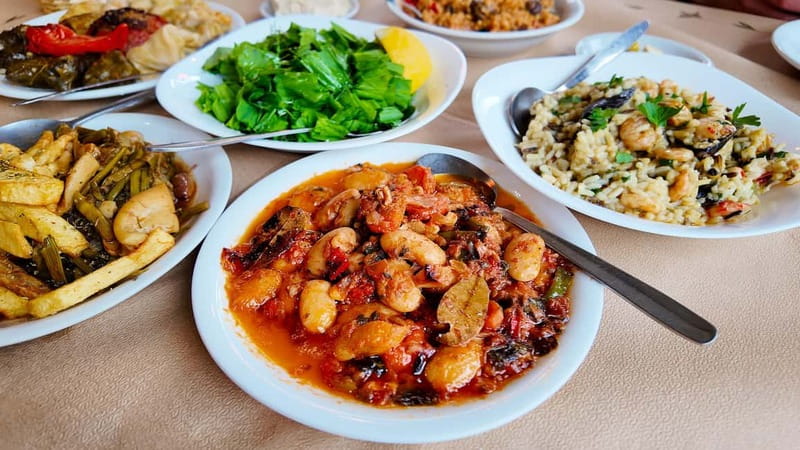
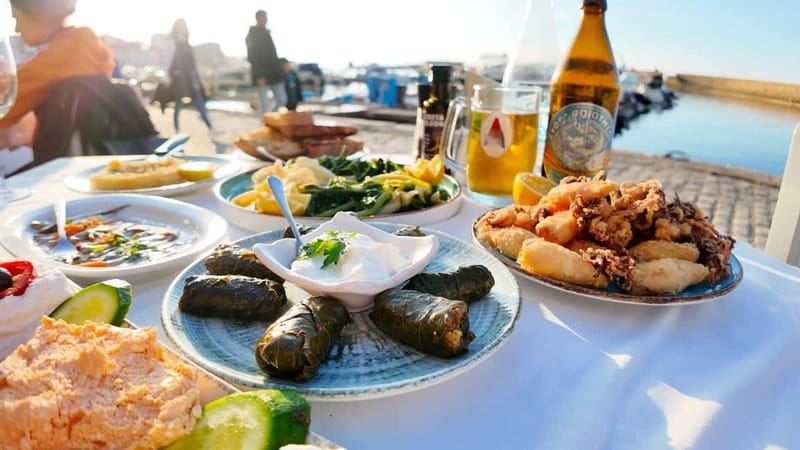
The finale is at a local restaurant where you’ll enjoy a generous spread of mezze plates. The tour includes lunch, along with drink sampling such as beer, spirits, and wine.
This is where the whole morning makes sense. You’ve already tasted the building blocks—pastry, dairy, olive oil, honey, coffee—so the mezze meal feels like the natural culmination rather than another random stop.
Two practical points here:
- You’re full by the end, so don’t treat the mezze like a quick bite. Plan to linger.
- If you want to drink, pace yourself. Drink sampling is part of the fun, but you’ll still be walking back afterward.
There’s also room for conversation. Guides such as Kostas (in one set of outings) are praised for food-and-city stories that keep the meal lively and the history useful, not heavy.
How the guide makes the difference (Elena, Kostas, and friends)
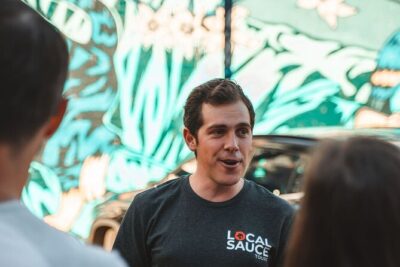
What keeps this tour from being just a sequence of tastings is the person leading it. The tour runs with English and Greek guides, and the experience is built around local knowledge and thoughtful pacing for a small group.
You’ll likely notice that the guide connects food to place: how dishes are made, why ingredients matter, and how daily Cretan life shows up in what’s served. Some guides are specifically praised for generational connections to family-run stops, which means your time feels less staged.
I’d treat the guide as your shortcut. If you ask good questions—what to order next time, where to eat outside the tourist lanes, which sweets to skip or seek—you’ll get answers you can use the rest of your trip.
Price and value: is $106 fair for 4 hours?
At $106 per person for a 4-hour tour, the value depends on what you want out of your morning.
Here’s what you’re paying for:
- A small group capped at 10
- Multiple guided tastings across several food stops
- Drink sampling and Greek coffee
- A full mezze lunch with regional dishes
Compared to paying for a few items a la carte, this price can feel high if you’re only after one or two bites. But if you want a guided, food-focused route with context and enough tastings to matter, it’s a solid deal. You’re also buying time-saving planning: the guide picks places you’d likely miss on your own.
In plain terms: if you’re hungry, curious, and okay with walking, $106 buys a lot of food and a lot of useful direction.
Who this Chania morning food walk is perfect for
This is a great fit if you:
- Like learning through food, not just reading about it
- Want a morning plan that combines Chania streets, local shops, and a real meal
- Prefer a relaxed group size (no chaos, more conversation)
- Enjoy savory breakfasts with a sweet finish, plus cheese tastings
It’s also ideal if your schedule is tight. The tour is only 4 hours and starts in the center of Chania, so it can work as a first activity before the rest of your day.
Who should skip it (diet, mobility, and health limits)
This tour has clear limitations. It’s not suitable for vegans, people with gluten intolerance, lactose intolerance, or nut allergies. If any of those apply, you’ll likely be risking discomfort or having to miss major parts of the tasting.
It’s also not suitable for people with heart problems or high blood pressure, and it’s listed as not appropriate for wheelchair users or people with mobility impairments. Even if you can walk short distances, this tour is still built around a set morning route and tastings, so you’ll want to be honest about stamina.
And age matters here too: the tour states it may not be suitable for people over 80.
What to bring so you don’t feel rushed
You’ll be walking and stopping often, so come prepared. The tour recommends:
- Comfortable shoes
- Hat and sunscreen
- Camera
- Water
Avoid high-heeled shoes. Also note that large bags or luggage aren’t allowed, and pets aren’t allowed. The tour also includes a rule against intoxication and alcohol/drug use, which is the right vibe for a food-focused morning with lots of tastings.
Should you book the Chania Morning Bites & Market Delights tour?
Book it if you want a structured morning that turns Chania into a food map: koulouri and kalitsounia early, cheese tasting in the middle, olive oil and honey guidance, then coffee at the harbor and a mezze finish.
Skip it if you’re avoiding dairy or gluten, have a nut allergy, or need a mobility-friendly format. Also skip if you hate eating lots in one go—this tour is designed to leave you full, not lightly sampled.
One more practical nudge: if you want to shop, keep it brief. The schedule discourages shopping during the tour so the timing works for coffee, tastings, and lunch.
FAQ
FAQ
Where do I meet the guide?
Meet your guide at Platia 1866 by the Ottoman Fountain. You should hold an eye out for the historic fountain at the center of the square and the guide’s company sign.
How long is the tour?
The tour lasts 4 hours.
How many people are in the group?
The group is limited to 10 participants.
Is hotel pickup and drop-off included?
No. Hotel pickup and drop-off are not included.
What food and drink tastings are included?
You’ll get food tastings and drink sampling. Based on the tour description, tastings can include koulouri, kalitsounia (cheese pies), Cretan cheeses, lychnaraki, olive oil and raw honey, Greek coffee, and raki toasts, and the tour finishes with a mezze spread at a traditional restaurant with lunch and drink sampling such as beer, spirits, and wine.
Is the tour vegan-friendly or safe for gluten and lactose intolerance?
No. The tour is not suitable for vegans, people with gluten intolerance, or people with lactose intolerance.
What should I bring and wear?
Bring comfortable shoes, a hat, sunscreen, a camera, and water. High-heeled shoes are not allowed.
Is the tour suitable for wheelchair users or people with mobility impairments?
No. It is not suitable for people with mobility impairments or wheelchair users.
Are there health-related limits?
Yes. The tour is listed as not suitable for people with heart problems or people with high blood pressure.
Can I cancel for a full refund?
Yes. There is free cancellation up to 24 hours in advance for a full refund.