REVIEW · ROME
Flavors of Rome Campo Marzio Street Food Tour and Sightseeing
Book on Viator →Operated by Bruno Tours · Bookable on Viator
Rome food tastes better when you walk.
I really like how this tour pairs street food with real sights instead of treating eating like a detour. You get stops that make sense together: Campo de’ Fiori’s market, the Jewish ghetto area, ancient temple remains, and then the Pantheon finish. A small group keeps the pace friendly, and guides like Ramona, Mattei, and Monica are the kind who explain what you’re eating and why the streets around you matter. One thing to consider: drinks aren’t included, and it isn’t set up for gluten-free, dairy-free, or vegan diets.
What I love most is the mix of flavors and context. You’ll try Roman classics like supplì (that crunchy rice ball), a Roman-Jewish carciofo alla giudia (fried artichoke), a slice of homemade pizza, and end with artisanal gelato. You’ll also get a guided walk through some of central Rome’s most story-heavy corners, from the Jewish quarter to Largo Argentina. If you have food allergies, pay attention: the tour warns about possible cross contamination for allergies to nuts or dry fruits.
Lastly, this is a straightforward 2.5-hour plan, rain or shine. It’s paced for wandering, not rushing, and the maximum group size is capped at 15 so you’re not shouting to be heard. If you want a totally quiet experience, this may not be it. Rome’s markets and historic streets have their own energy, and that’s part of the point.
In This Review
- Key things to know before you go
- Starting at Piazza Campo de’ Fiori: markets, norcineria, and instant appetite
- The Jewish Ghetto stop: carciofo alla giudia and living history around Pompey
- Temple stop around Apollo Sosianus and Bellona: architecture you can actually notice
- Area Sacra di Largo Argentina: where Caesar was killed and why the stones feel different
- Ending at the Pantheon with gelato: a sweet finish that actually makes sense
- How the price stacks up for value (and what you still need to pay yourself)
- What makes the guide experience work (Ramona, Mattei, Monica energy)
- Pace and logistics: what your day should look like
- Should you book Flavors of Rome Campo Marzio Street Food Tour?
- FAQ
- How long is the Flavors of Rome Campo Marzio Street Food Tour?
- Where do you meet and where does the tour end?
- What’s included in the tour price?
- Are drinks included?
- Is the tour suitable for gluten-free, dairy-free, or vegan diets?
- Does the tour run in bad weather?
Key things to know before you go
- Small-group size (max 15): you’ll get more attention at each tasting and history stop.
- Food-first route: supplì, carciofo alla giudia, homemade pizza, and gelato are built into the itinerary.
- Two kinds of Rome: market-and-food culture plus archaeology and landmark-area storytelling.
- Campo de’ Fiori + ancient sites: you’ll connect the dots between everyday eating spots and centuries-old streets.
- Works rain or shine: plan on walking in whatever Rome hands you.
- Not for many special diets: gluten-free, dairy-free, and vegan participants can’t be accommodated.
Starting at Piazza Campo de’ Fiori: markets, norcineria, and instant appetite
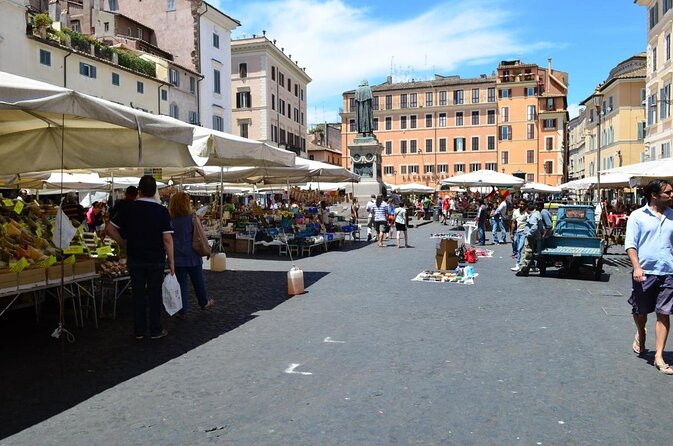
I like tours that start where Rome actually lives, not where it poses. This one begins at Piazza Campo de’ Fiori, a historic square that naturally pulls you toward food stalls and everyday rhythm. Even before the first tasting, you’ll get your bearings fast: the guide frames what you’re looking at, and suddenly the market isn’t just pretty—it’s useful.
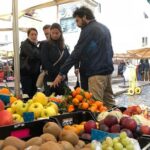
The first big win here is the Campo de’ Fiori market stop. Markets in Rome aren’t theme parks. They’re where vendors sell what locals want today. Your guide helps you notice the details that matter for eating: what different producers emphasize, what types of stalls you’ll see, and how a meal starts with ingredients that are local and seasonal in spirit, even when Rome feels “all-year tourism” around the edges.
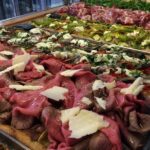
From there, you head into a traditional norcineria style stop—think Italian farmer-to-salami-and-cheese logic. That matters because it explains why Roman “simple” foods taste so intense. You’re not just being handed samples; you’re tasting items tied to a longer food chain: cheeses and salumi produced by Italian farmers. If you’ve ever wondered why Rome’s cured meats don’t taste like they do back home, this is the moment.
Then comes the first street-food hit: supplì. It’s one of those foods that makes you stop talking and focus on texture. You get the fried exterior, the hot center, and that satisfying crunch that’s very Rome—portable, snackable, and designed for people who are out and about. The guide keeps the tasting grounded in what makes it Roman rather than just saying it’s delicious.
Practical tip: wear shoes you can walk in comfortably right from the start. Market streets often involve small turns and short stair steps.
You can also read our reviews of more food & drink experiences in Rome
The Jewish Ghetto stop: carciofo alla giudia and living history around Pompey
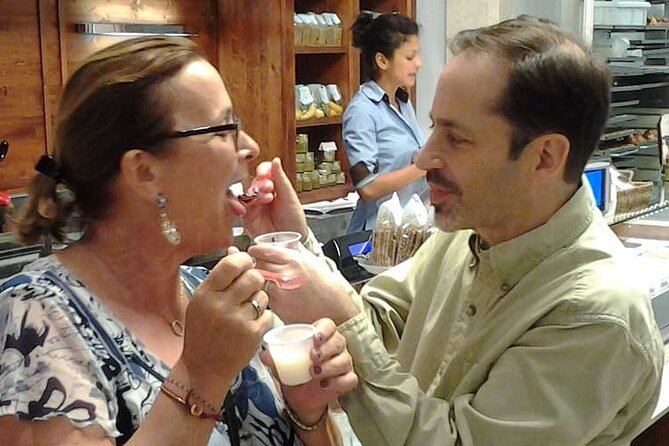
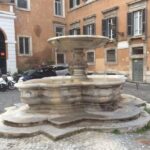
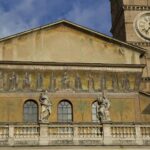
After the first wave of savory, the tour pivots into one of Rome’s most historically layered areas: Antico Quartiere Ebraico, the Jewish ghetto area. The guide provides a historical overview of key sights in the vicinity, including the theatre of Pompey, the Portico of Ottavia, and the fountain of turtles. You’ll look at the spaces and then get the story that gives them weight.
This is a good moment to slow down. The geography here makes you realize how many important eras overlap in central Rome. You’re not just “seeing old stuff.” You’re seeing how Rome grew, what survived, and how communities found place and permanence within the city.
And then you eat again, which is the smart way to handle history. Your tasting at this stop is carciofo alla giudia, Roman-Jewish fried artichoke. It’s not a generic fried vegetable. Done well, it’s crisp and dramatic, with a flavor that’s almost smoky and deeply savory. The point of including this dish here is that it isn’t random; it ties food to community identity.
One thing I appreciate: the guide doesn’t treat this like a history lecture while everyone stares at their shoes. The tasting makes the story land. You finish the fried artichoke and suddenly you understand why “food history” is more than trivia. It’s how people adapted, cooked with ingredients they could access, and built traditions that still read clearly today.
Consideration: if you have dietary restrictions, note that the tour doesn’t accommodate gluten-free, dairy-free, or vegan diets. Also, if you have nut or dry fruit allergies, the tour warns about possible cross contamination.
Temple stop around Apollo Sosianus and Bellona: architecture you can actually notice
Next, the tour moves into a stretch where you can see Rome’s ancient mindset in stone: the Temples of Apollo Sosiano & Bellona. This stop is all about noticing what most people miss when they walk past ruins quickly. The guide points out what makes the architecture special and helps you see the structure as something designed, not just broken.
If you’re the type who likes to look at buildings but hates slow museum pacing, this is a nice middle ground. You don’t need to know classical terminology to get something out of it. You just need your eyes and a guide to interpret proportions, placement, and why this area matters.
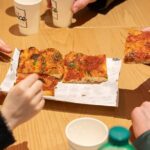
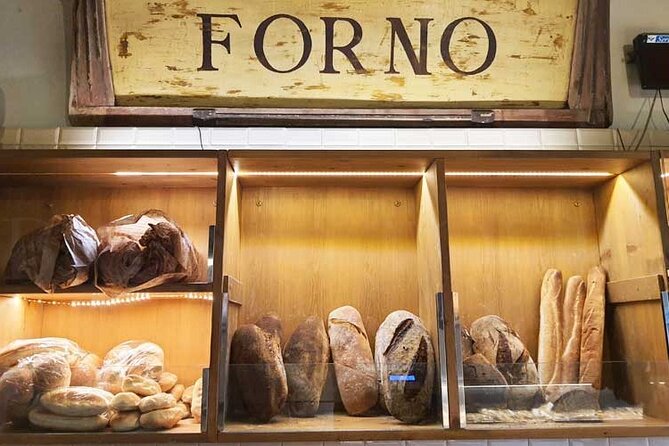
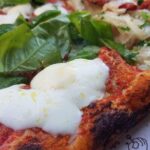
After the architecture talk, you get the payoff in food form: a slice of homemade pizza. That pairing works better than you might expect. After you’ve spent time looking at temple remains and ancient lines, pizza feels like Rome’s daily-life version of the same theme: simple materials, strong technique, and clear regional style. It’s also a practical break. If you’ve been walking and standing, getting a sit-down snack-style moment resets your energy.
Practical tip: you’ll want to keep an eye on what’s provided and when. Pizza portions are part of the flow, so try not to eat too fast. It’s easier to enjoy the tastings when you pace yourself.
Area Sacra di Largo Argentina: where Caesar was killed and why the stones feel different
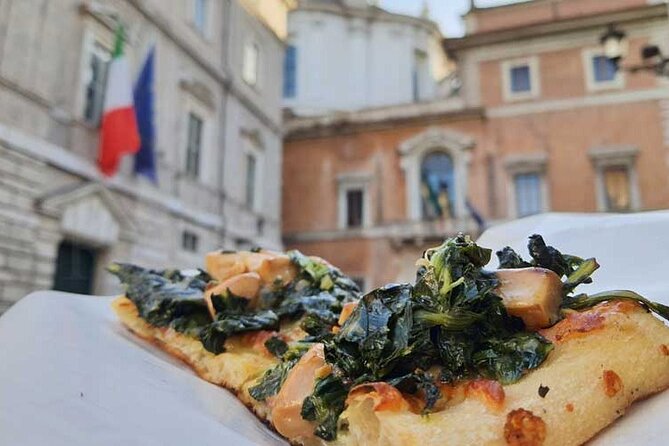
Then you’ll reach Area Sacra di Largo Argentina, one of those Rome sites that feels “different” even before you know all the details. The guide walks you around the sacred area and points out the Republican Temples and the place where Julius Caesar was assassinated. It’s a stop where the history comes with built-in drama, but the goal here is to understand the context and the layout.
What makes this stop valuable on a food-and-sightseeing tour is timing. You’ve already eaten twice more than once by now (market tastings, then fried artichoke, then pizza), so your brain is primed to process stories. History lands easier when you’re not ravenous or exhausted. You also get a change in scenery: from crowded market streets and dense neighborhood lanes to a more open, historically significant landscape.
One practical note: Largo Argentina is outdoors, and this tour runs rain or shine. If the weather is wet, expect slick pavement and plan to keep your footing when you’re turning corners for photos.
Who will like this stop: if you enjoy seeing how Rome’s political history shaped the city’s identity, this is a strong capstone mid-tour.
Ending at the Pantheon with gelato: a sweet finish that actually makes sense
You finish at the Pantheon, one of the most emblematic landmarks in historic city center. This ending point is practical and satisfying. You get that “wow, I’m really here” feeling at the end instead of at the start when you’re still collecting yourself.
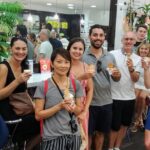
And you get a final tasting: artisanal gelato. I like gelato endings because they’re easy on the stomach after tastings, and they give you a moment to slow down. The guide brings the walk to a close, you sample a classic Roman-style dessert, and you’ve still got energy to wander nearby if you want.
The Pantheon area can be busy. So consider this an “end with a landmark” choice rather than an “avoid crowds” one. The value is that your tour concludes at a place you’ll recognize instantly, and it makes it easier to continue your day afterward—whether that’s a late lunch nearby or a slow walk back into your hotel neighborhood.
Practical tip: if you’re going to explore after the tour, keep your gelato quick and light. The Pantheon surroundings are great for a final wander, and you’ll want your feet to be happy.
A few more Rome tours and experiences worth a look


How the price stacks up for value (and what you still need to pay yourself)
At $54.07 per person for about 2 hours 30 minutes, this tour can be a strong value if you actually plan to eat during it. You’re not just paying for a walk with a story. You’re paying for a guide plus multiple tastings that include Roman staples: supplì, cheeses/salumi samples, carciofo alla giudia, homemade pizza, and gelato.
That said, it’s not an all-inclusive meal plan. Drinks aren’t included, so if you want water, an espresso, or anything else, budget for it. Rome tours like this often do best if you treat it as a guided snack-and-sight cycle rather than a full lunch.
Also consider that the tour is capped at 15 travelers. In a city where “small group” often turns into “big group with smaller branding,” this matters. Fewer people usually means quicker attention from the guide and less time standing around waiting.
My advice: if you’re in Rome for the first time and you want a structured way to eat your way across key sights, this price makes sense. If you’re a super picky eater or you already know exactly what you want to try, you might spend less buying items on your own. But the guiding story is a real part of the payoff here.
What makes the guide experience work (Ramona, Mattei, Monica energy)
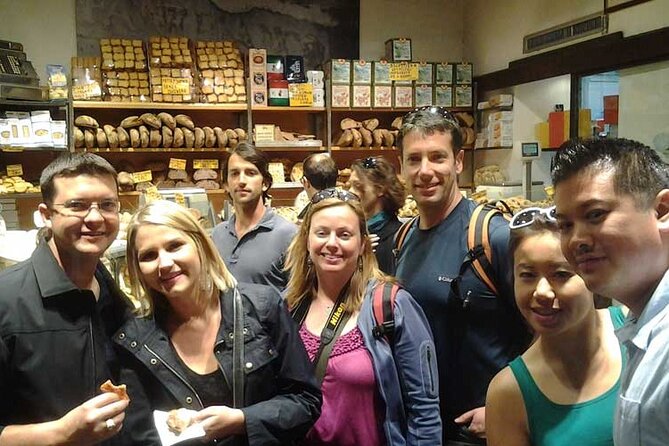
The reviews give you a clear signal about guide quality. Names like Ramona, Mattei, and Monica come up for a reason: they’re funny and informative, and they connect food to the streets you’re standing on.
I especially like this style of guiding because it keeps you from turning the tour into a list of foods. You’re also learning how people in different neighborhoods shaped what they ate—plus how those neighborhoods sit inside Rome’s larger history. One review even called out how a guide helped make sense of what a local dish means in historical terms, not just how it tastes.
That connection is what makes the tour more than “samples and photos.” It’s how you learn to read Rome: market culture, Jewish community food traditions, ancient architecture areas, and then the Pantheon as a finishing point.
Pace and logistics: what your day should look like
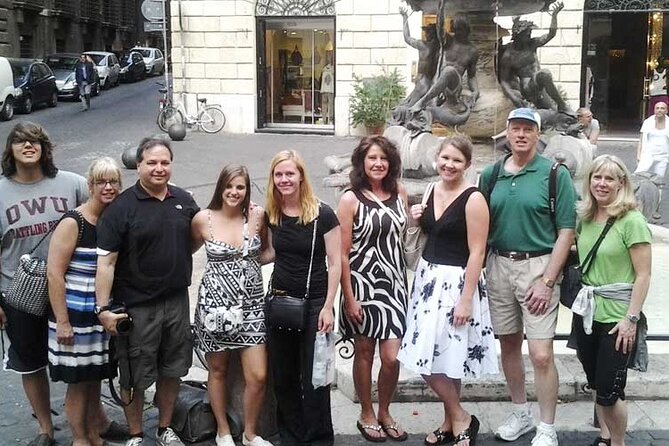
Plan for a 2.5-hour walk with multiple stops. The itinerary is built around short blocks of time at each place, so you’ll be moving fairly steadily. That’s a good thing. It keeps energy up and avoids the trap of spending the whole tour in lines.
The tour is offered in English, uses a mobile ticket, and runs rain or shine. It’s also described as near public transportation, which is helpful if you’re arriving from elsewhere.
One last logistics note: the tour does not accommodate gluten-free, dairy-free, or vegan participants. Vegetarians can be accommodated if advised in advance. If that applies to you, message ahead early so the guide team can plan tastings that fit your needs.
Should you book Flavors of Rome Campo Marzio Street Food Tour?
If you want a guided “eat your way through history” experience with supplì, fried artichoke, homemade pizza, and gelato, this is a great fit. I’d book it if you’re:
- short on time in Rome and want smart coverage in 2.5 hours
- excited by Roman food that isn’t just pasta and pizza on repeat
- the type who likes walking tours where a guide explains what you’re actually eating
I’d think twice if you:
- need gluten-free, dairy-free, or vegan options (the tour can’t accommodate those)
- have nut or dry fruit allergies and need zero cross contamination risk
- hate crowds and don’t want a finale at a top landmark area like the Pantheon
For most people, this tour is a practical way to get your bearings and taste key Roman flavors without building a plan from scratch.
FAQ
How long is the Flavors of Rome Campo Marzio Street Food Tour?
The tour lasts about 2 hours 30 minutes.
Where do you meet and where does the tour end?
You start at Piazza Campo de’ Fiori and end at Piazza di S. Eustachio.
What’s included in the tour price?
The tour includes a professional local guide, a small group tour, and food tasting.
Are drinks included?
No, drinks are not included.
Is the tour suitable for gluten-free, dairy-free, or vegan diets?
No. The tour does not accommodate gluten-free, dairy-free, or vegan participants.
Does the tour run in bad weather?
Yes. This tour takes place rain or shine.