REVIEW · MARRAKESH
Marrakech: Local Food Tasting Tour with a Guide
Book on GetYourGuide →Operated by Marrakechtips · Bookable on GetYourGuide
A medina food tour can be chaos. This one stays organized, with a local guide and 10 tastings spread across real neighborhoods. I especially like the small group size (up to 8) because you can actually ask questions, slow down when you want, and not get dragged like luggage. One thing to consider: you’ll be walking in the medina, so comfortable shoes are not optional.
You also get the fun part of Marrakech food: the guide doesn’t just point and describe, they help you eat. I like that the tastings cover both sweet and savory classics like harira and sfenj, plus stops that explain where the food comes from. The only real drawback is that this experience is not a good fit if you’re expecting a fully wheelchair-friendly route, since the info provided is mixed on that point.
In This Review
- Key things you’ll notice on this tour
- Why a small-group medina food walk beats a big checklist
- Argana Cafe at Jame el-Fna: starting strong, not stressed
- Mellah and old-city wandering: context you can taste
- The tastings lineup: from msemen to tea like a local
- A quick word about vegetarian options
- Harira, chebakia, and warm soup comfort
- Sfenj and the sweet break that keeps you going
- Lfranatchi and tanjia: the smoky clay-pot lesson
- Shwa barbecue and the heavier dishes: go in hungry, but be ready
- Panache smoothie and Khodnjal herbal infusion: reset drinks that matter
- Price and value: why $45 can make sense in Marrakech
- Logistics that actually affect your comfort
- Who this Marrakech food tour is best for
- Book it or skip it: my honest take
- FAQ
- How long is the Marrakech local food tasting tour?
- Where do I meet the guide?
- What languages are the live guides?
- How many people are in a group?
- Are vegetarian options available?
- How many tastings are included?
- Are alcoholic beverages included?
- What kinds of dishes or drinks will I try?
- What should I bring for the tour?
- Is the tour wheelchair-friendly?
Key things you’ll notice on this tour
- Small group (max 8): easier pacing, more guide attention, and better photos without shoulder-to-shoulder traffic.
- 10 food and drink tastings: you’ll sample far more than a typical snack stop.
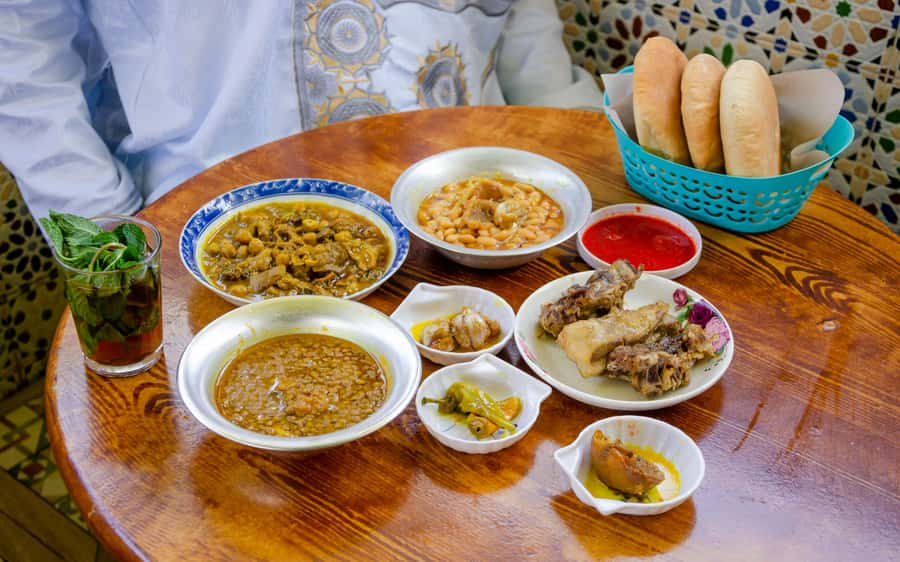
- Classic Moroccan stops: msemen, harira, chebakia, sfenj, and more, not just one restaurant.
- Medina + Mellah context: you’ll walk with explanations, not just eat and rush.
- Guide-led, English/French: you can understand what you’re eating and why it matters.
- Vegetarian-friendly planning: the tour notes vegetarian options, so you can still build a full tasting path.
Why a small-group medina food walk beats a big checklist
Marrakech’s medina is lively, sometimes loud, and full of tempting food everywhere. A guided tasting keeps you from guessing which stalls are legit and which are just selling to the hungry tourists. With a personal local guide and a group limited to 8 participants, the pace feels human.
I also like that the tour is built around “eat and learn” rather than “look and leave.” You’re not just collecting flavors; you’re getting the stories behind them, from ingredients to cooking methods. That matters in a place where the same dish can taste different depending on neighborhood and season.
You can also read our reviews of more food & drink experiences in Marrakesh
Argana Cafe at Jame el-Fna: starting strong, not stressed
Your tour meets at Jame elfna Square, in front of Argana Cafe. That’s a smart starting point because it’s central and easy to find once you orient yourself. Expect to begin with a photo stop and a walk that gets you moving and settles the group quickly.
This early part sets the tone. You’ll get direction from your guide, and you’ll start seeing the medina as a living place, not a theme park. If you’re the type who likes to know what’s next, you’ll appreciate how the guide keeps the flow moving.
Mellah and old-city wandering: context you can taste
One of the best parts of this tour is that it doesn’t stay “restaurant-only.” You’ll spend time in the Mellah area (around 20 minutes) and then continue into the medina for additional stops and guided walking. The point is simple: food makes more sense when you understand the neighborhoods that shape it.
As you move through the medina, you’ll pick up small details that help you connect flavors with daily life. It’s the difference between eating harira as a dish and understanding it as part of a wider food culture. You’ll also get more guided walking time, which means your questions don’t get lost.
Practical note: the medina is walky, and the surfaces can vary. Bring comfortable shoes and don’t plan on perfectly clean outfits, especially if you’re out for a full stretch.
The tastings lineup: from msemen to tea like a local
This tour promises 10 local food and drink tastings, and it’s not all one-note snacks. You’ll hit a mix of savory comfort food, street-style treats, and warming drinks to help reset your appetite as you go.
Here are some of the specific items you can expect:
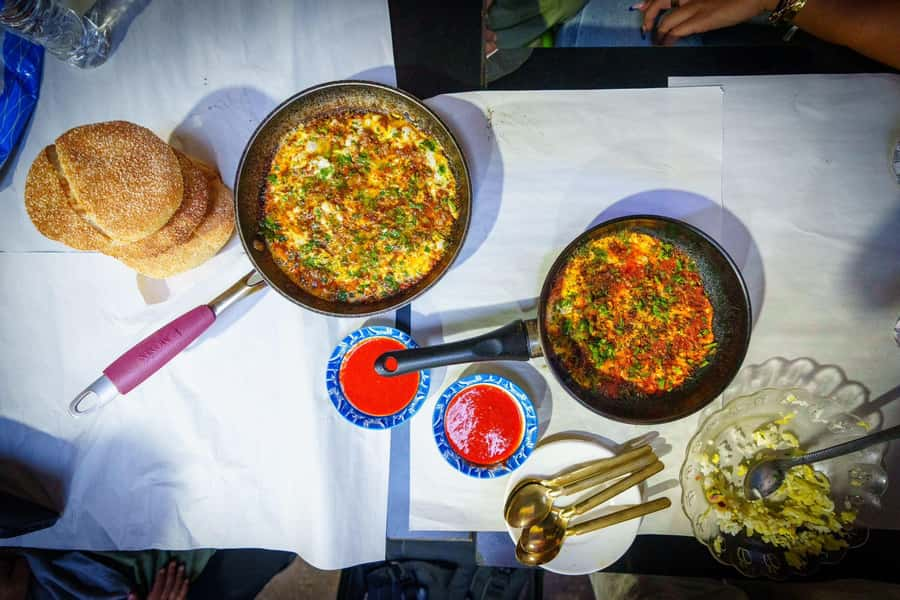
- Msemen with tomato sauce, onion, coriander, and spices
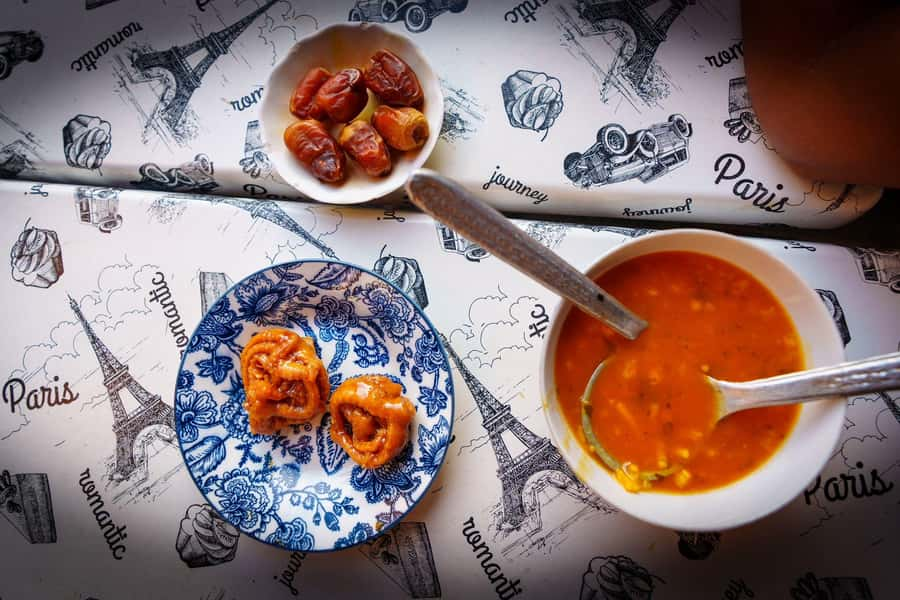
- Harira (the Moroccan soup) with dates and chebakia
- Makkla bel Kefta (a prepared Moroccan dish)
- Sfenj (Moroccan donuts)
- A wood-fire stop for tanjia (clay-pot cooking with smoky notes)
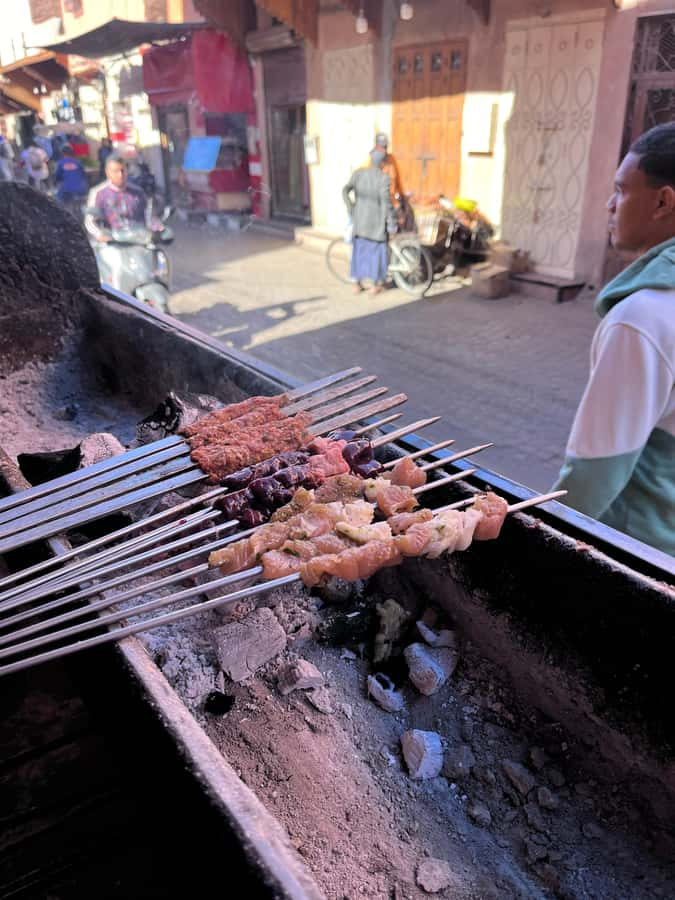
- Shwa Moroccan barbecue (beef, turkey, and liver)
- Rass lmbkher (steamed sheeps head with cumin)
- A refreshing break: Panache smoothie (seasonal fruit blended with milk or orange juice)
- Khodnjal herbal infusion with eucalyptus
Even if you’re full after the first couple bites, the tour is structured to keep you moving so you don’t feel stuck. In fact, you’ll likely learn the practical lesson of Marrakech eating: you pace yourself with small sips and breaks, not giant meals all at once.
A quick word about vegetarian options
Vegetarian options are available, but several named tastings include meat dishes. The best approach is to tell your guide clearly at the start so you can plan what you’ll receive and how the tastings will shift to fit you. That way you still get a full tasting flow rather than skipping half the stops.
A few more Marrakesh tours and experiences worth a look

Harira, chebakia, and warm soup comfort
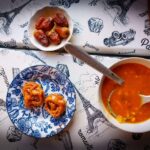
Harira is one of those Moroccan dishes that makes sense fast. It’s hearty, spiced, and made for people who want real comfort food, not just a light bite. On this tour, you’ll get harira plus dates and chebakia, which adds sweetness and texture to balance the soup.
This is also a great tasting moment because it’s more than taste. You’ll be learning how Moroccan meals move between savory and sweet, and how ingredients like dates fit into the broader eating rhythm. If you tend to get overwhelmed by too many street-food stops, starting with something warm can be a relief.
Sfenj and the sweet break that keeps you going
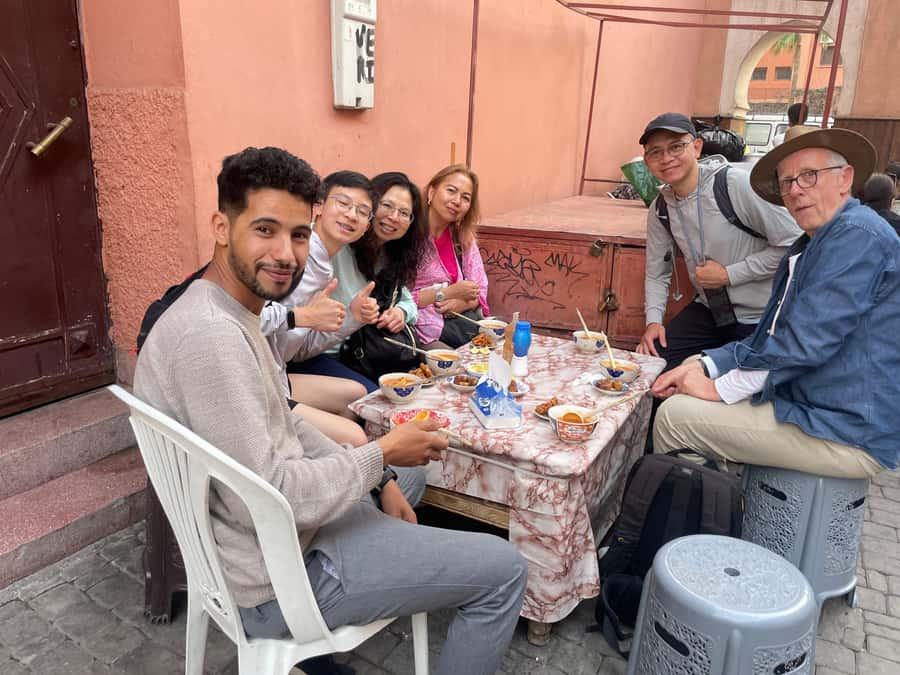
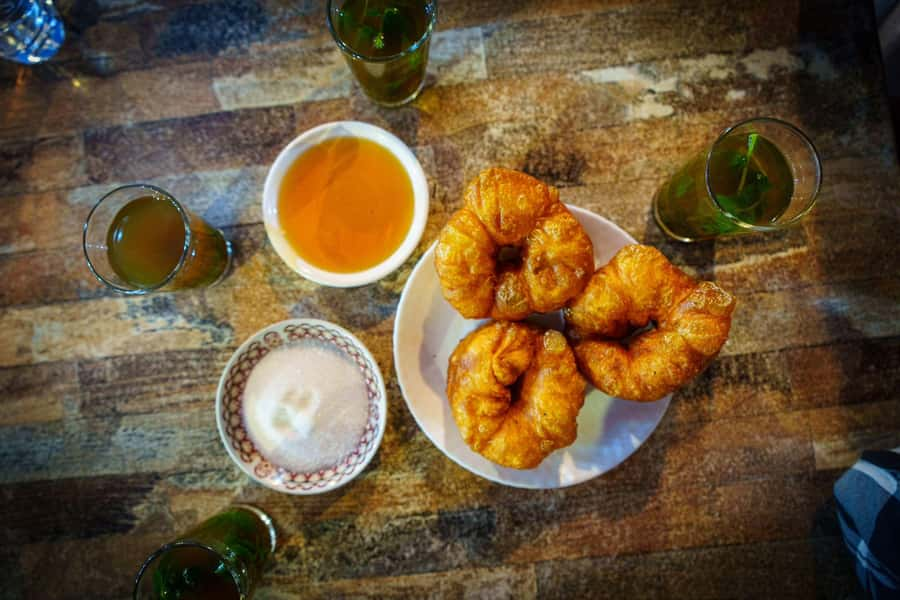
You’ll also stop for sfenj, the Moroccan donut. It’s the kind of treat that tastes best when it’s fresh and still warm, and it works like a reset button between savory tastings. Pair that with local sweets and tea, and you’ve got the classic rhythm: salty bites, sweet pause, and then back to the next course-style tasting.
This is where the timing of the tour matters. The experience runs 210 minutes (about 3.5 hours), which gives your body time to adjust between stops. Too short and you’d feel rushed; too long and you’d end up eating past comfort. This duration lands in the useful middle.
Lfranatchi and tanjia: the smoky clay-pot lesson
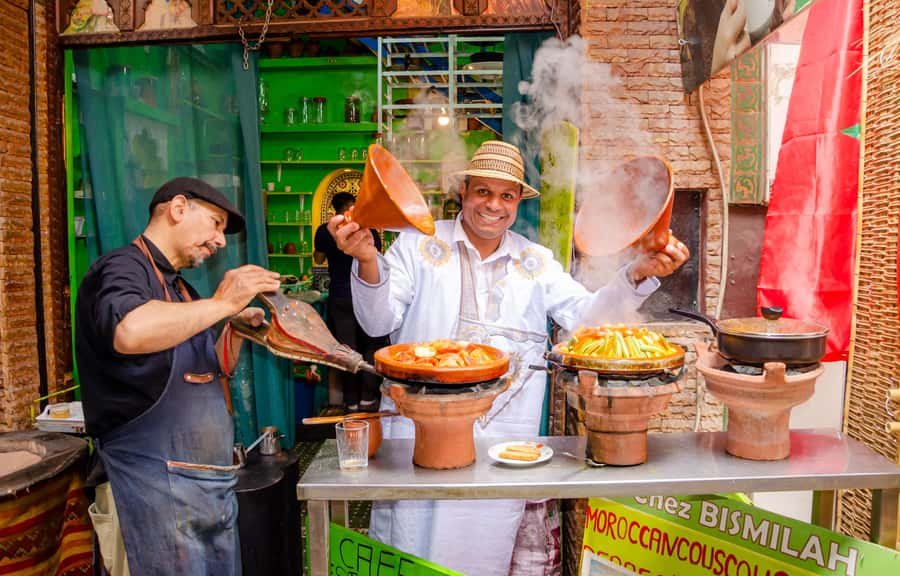
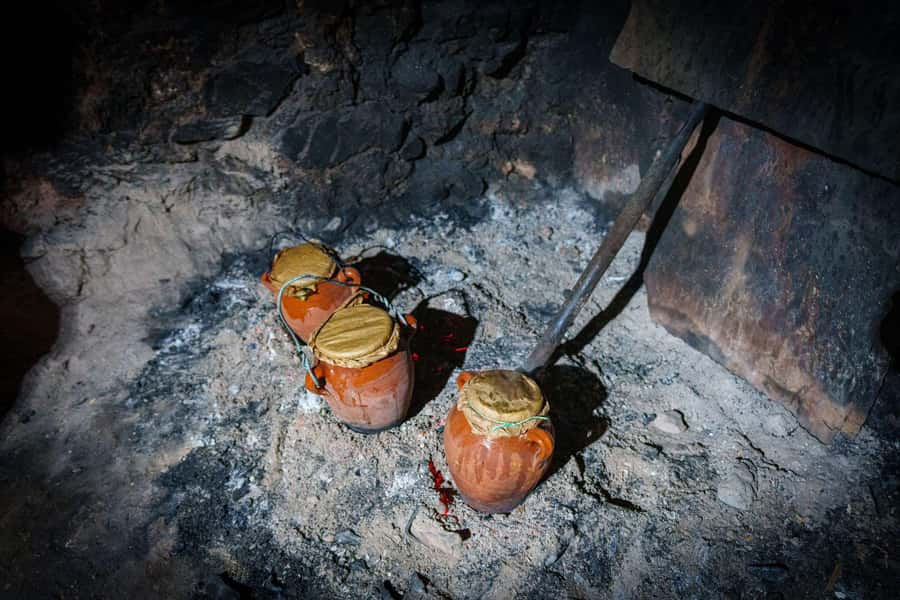
One tasting highlight is the stop at Lfranatchi, where a wood fire heats hammam-style ovens and cooks tanjia, a clay-pot Moroccan dish known for its smoky flavor. This isn’t just about tasting a dish; it’s about seeing how time and heat shape flavor.
If you’ve ever wondered why some Moroccan food tastes deeper than it looks, this is the reason. The cooking method changes the result. Even if you’re not a cooking nerd, you’ll feel the difference in the smell and taste right away.
Shwa barbecue and the heavier dishes: go in hungry, but be ready
The tour includes shwa Moroccan barbecue, including beef, turkey, and liver. It also includes Rass lmbkher, steamed sheeps head with cumin. Those are bold choices, and the point is that you’re tasting beyond the safe, tourist-friendly menu.
If you have dietary constraints, it’s smart to speak up early. The tour notes tastings and vegetarian options, but it still includes animal-based dishes on the lineup. The guide can help you decide what fits you, and you’ll get a better experience by being honest rather than hoping.
Panache smoothie and Khodnjal herbal infusion: reset drinks that matter
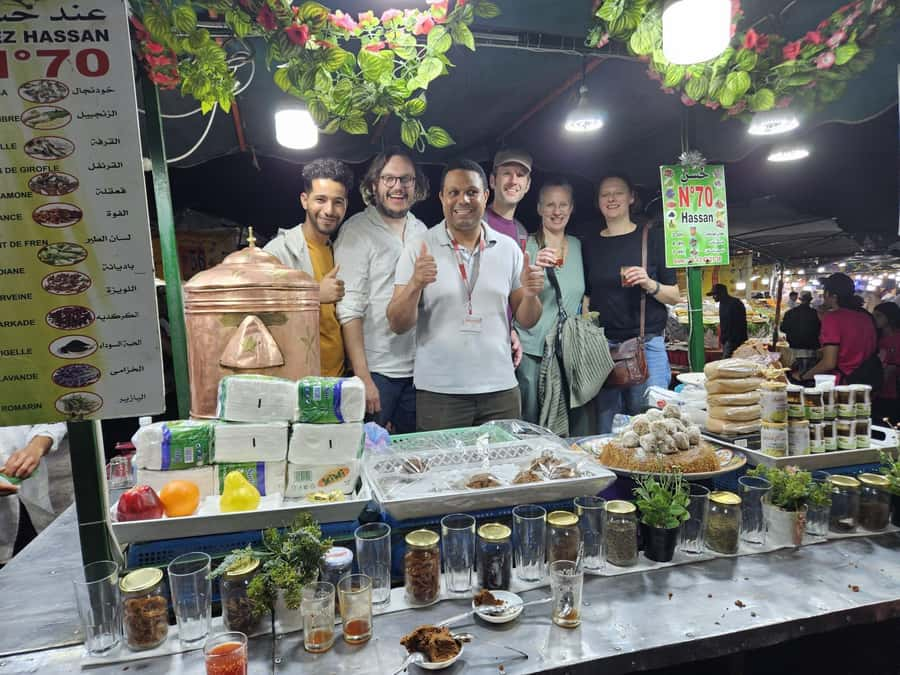
Between savory and sweet tastings, you get a refreshing Panache smoothie made from seasonal fruits with milk or an orange juice base. That’s a practical move, not a garnish. It cools your palate and gives you something bright while the flavors stack up.
Then comes Khodnjal, a hot herbal infusion with eucalyptus. Think of it as a digestion-friendly finishing drink that also clears your senses. If you like eating food with strong spices, these reset drinks are what keep the whole tour from feeling like a single long “spice bomb.”
Price and value: why $45 can make sense in Marrakech
The price is $45 per person for a 3.5-hour guided experience with 10 tastings plus tea and sweets. On paper, it can look like “just food.” In practice, you’re paying for three things: the tastings you’d otherwise be guessing at, a guide who handles ordering and pacing, and time spent in local neighborhoods you might not choose on your own.
The small-group setup also matters for value. When you’re not fighting a crowd, you can slow down, ask what you’re eating, and get a more relaxed experience. You also avoid the classic Marrakech trap: paying for a “view” meal that’s fine, but not the best local flavors.
Logistics that actually affect your comfort
This tour is wheelchair accessible in the activity details, but it also states it is not suitable for wheelchair users. Since the medina route can involve uneven walking and steps, I’d treat this as a heads-up rather than a clean guarantee. If you use a wheelchair or mobility device, ask specific questions before booking.
For clothing, your best bet is simple:
- wear comfortable walking shoes
- add sun protection (sun hat and sunscreen)
- bring a camera if you like food photos and medina scenes
You should also know what’s not included. Alcoholic beverages aren’t part of the tour, and alcohol and drugs are not allowed. Transportation to and from the meeting point is also not included, so plan to arrive on your own.
One more small tip: come hungry, but expect you’ll get full. The guide keeps the flow moving, and you’ll likely manage the tastings better if you sip tea and drinks between items instead of trying to power through everything.
Who this Marrakech food tour is best for
This tour is ideal if you want authentic local food without doing the hard work of figuring out where to eat. It’s also a strong pick if you like chatting with a guide and learning how Moroccan meals are put together, including the logic behind spice, soup, sweets, and cooking methods.
It’s especially good for couples and small groups who want a shared experience with room to talk. And if you’re traveling with family, just remember the medina walking and stronger dishes mean it may not fit every stomach.
If you dislike trying unfamiliar foods, or if heavy dishes like barbecue organ meats or cumin-forward specialties sound like a turnoff, you might prefer a simpler tasting approach. There are vegetarian options noted, but the full lineup includes more than just vegetables.
Book it or skip it: my honest take
I’d book this tour if you want a guided way to eat widely in Marrakech medina. The combo of 10 tastings, a local guide, and time spent walking through real neighborhoods makes it more than a snack stop. The pricing feels fair because you’re getting value in guide time and food variety, not just a single restaurant meal.
I’d think twice if you’re sensitive to strong flavors, need very limited mobility, or want a fully alcohol-inclusive experience. And given the mixed wheelchair info, anyone with mobility needs should confirm route details before committing.
If you like Moroccan food and you want it explained while you eat, this is one of the most practical ways to do it in Marrakech.
FAQ
How long is the Marrakech local food tasting tour?
The tour lasts 210 minutes (about 3.5 hours).
Where do I meet the guide?
You meet at Jame el-Fna Square, in front of Argana Cafe.
What languages are the live guides?
The guide offers English and French.
How many people are in a group?
This is a small group limited to 8 participants.
Are vegetarian options available?
Yes, vegetarian options are available.
How many tastings are included?
The tour includes 10 local food and drink tastings.
Are alcoholic beverages included?
Alcoholic beverages are not included, and alcohol is not allowed on the tour.
What kinds of dishes or drinks will I try?
You can expect items such as msemen with tomato sauce, harira with dates and chebakia, sfenj, tanjia cooked over a wood fire, shwa barbecue, steamed sheeps head with cumin, a Panache smoothie, and Khodnjal herbal infusion with eucalyptus.
What should I bring for the tour?
Bring comfortable shoes, a sun hat, a camera, and sunscreen.
Is the tour wheelchair-friendly?
The information provided says it is wheelchair accessible, but it also states it is not suitable for wheelchair users. If you need wheelchair access, you should check with the operator before booking.