REVIEW · OSAKA
Osaka Street Food Tour: Private & Personalized
Book on Viator →Operated by City Unscripted · Bookable on Viator
Osaka food hits different on foot. In this private 3-hour Namba walk, you’ll sample 6–8 bites and 2 drinks while a guide points you toward the spots that match your tastes. You’ll move through Dotonbori’s famous food streets, the alley atmosphere of Hozenji Yokocho, and the crowd-friendly action of Kuromon Market without having to translate menus all night.
I love how personalized the plan can be. If you’re picky, your guide adjusts the choices; one guest experience even called out a guide (Mayura) who accommodated a vegetarian guest with a nut allergy. I also like the way the tour mixes food with context, so the stops at places like Dotonbori and the Hozenji lanes come with stories, not just ordering cues.
One possible drawback: the price is high enough that you’ll want the tastings to feel worth it. A couple of less-happy accounts mention issues like a longer wait for a meal stop or parts that felt less like classic street-snacking and more like arranged restaurant time, so go in with flexible expectations.
In This Review
- Key things I’d clock before you go
- Why Namba works so well for a first Osaka food night
- Private and personalized: what that really means for you
- Meeting at Tsutaya Ebisubashi: starting point and the walk rhythm
- Jikko Japanese Knife Shop: the “why” stop before the “what”
- Dotonbori District: eating your way through the kuidaore idea
- Hozenji Yokocho: narrow stone lanes and traditional food-stall vibes
- Kuromon Market (9:00–18:00): the “lots of options” stop
- The tastings and drinks: how 6–8 bites play out in real life
- Price and value: what $186 buys besides food
- Should you book this Osaka street food tour?
- FAQ
- How long is the Osaka street food tour?
- Where does the tour start?
- What food and drinks are included?
- Do I visit only street stalls?
- Is there hotel pick-up?
- Is transportation included?
- What are the main areas you’ll see?
- When is Kuromon Market open?
- What is the cancellation policy?
Key things I’d clock before you go
- Private and personalized to your taste: your guide can steer tastings based on preferences, including dietary needs.
- Namba food focus: Dotonbori, Hozenji Yokocho, and Kuromon Market keep you in the right neighborhoods.
- 6–8 tastings plus 2 drinks: you’re not just touring; you’re eating.
- A quick non-food detour at Jikko: the knife shop stop adds a unique Osaka angle.
- A short, walkable 3-hour route: enough time for variety without turning into a full-day grind.
Why Namba works so well for a first Osaka food night
If it’s your first time in Osaka, food can feel like a maze. You see menus you can’t read, lines you can’t figure out, and everyone seems to know the rules except you. This tour tackles that head-on by keeping you in a tight zone—the Namba area—where the street-food scene is concentrated and easy to hop between on foot.
I also like that the route is designed for motion. You’re not stuck in one place trying to decide what to order while the crowd flows around you. Instead, you get a sequence: a lively district feel (Dotonbori), a quieter alley vibe (Hozenji Yokocho), then a high-energy market bite (Kuromon). The result is variety without chaos.
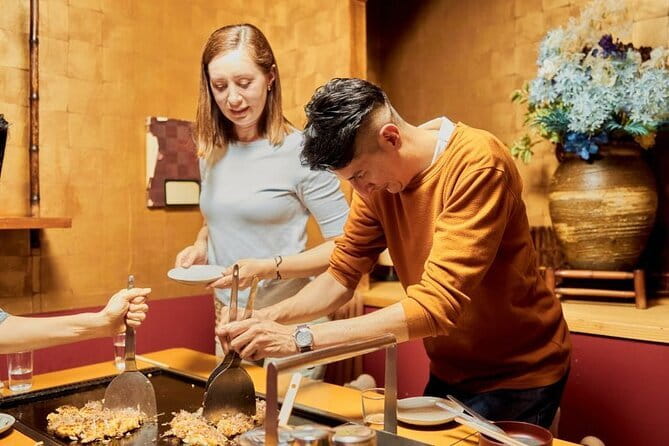
One more reason I like this plan: you’re learning while eating. The tour’s goal isn’t only to fill your stomach; it’s to explain why certain foods are tied to local habits and culture. That turns your tastings into memories you can actually name, like okonomiyaki-type comfort food energy (mentioned as a standout in one experience) rather than random “tasty bites.”
You can also read our reviews of more food & drink experiences in Osaka

Private and personalized: what that really means for you
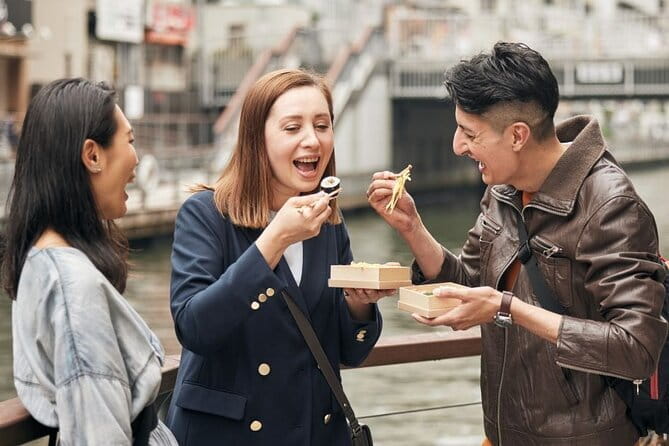
Private tours sound good in theory. Here, the personalization matters because street food success in Japan is about fit—spice level, texture preferences, and what you’re willing to try. The tour is built around an English-speaking guide who can steer you toward “your kind of fun,” not only the guide’s favorite things.
In real-world examples from guide experiences, the personalization has shown up as smart swaps. One guest specifically highlighted Mayura accommodating a vegetarian guest with nut allergies while still making sure the rest of the group ate well. That tells me the operator isn’t treating this as a rigid checklist where everyone eats the same thing no matter what.
That said, personalization also means you should communicate. If you don’t eat certain items, tell your guide early when possible. This is especially important in a city like Osaka, where small dishes can contain ingredients you might not expect (and allergy safety should always come first).
Meeting at Tsutaya Ebisubashi: starting point and the walk rhythm
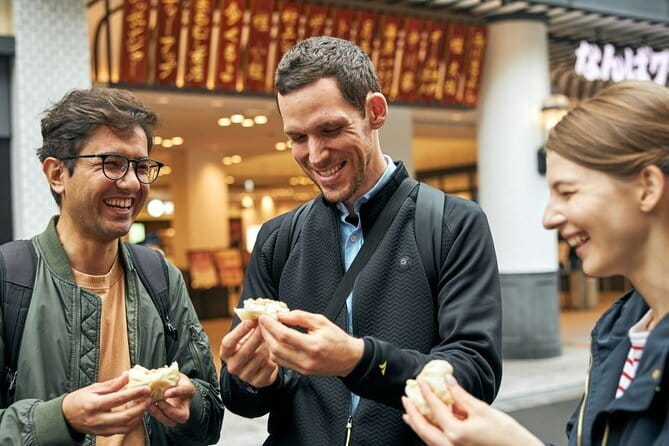
Your tour starts at Starbucks Coffee – Tsutaya Ebisubashi at 1-chōme-8-19 Dōtonbori, Chuo Ward. It’s a practical anchor because it puts you right in the middle of where you want to be: near the Dotonbori food zone, with an obvious meeting spot that doesn’t require guessing.
Hotel meet-up is available in central locations, which is a plus if you don’t want to play “where is the tour?” on your first night. Either way, plan for a walking-heavy evening: this is mostly on foot, with public transport only possibly used if needed.
A 3-hour duration is a sweet spot. You’ll see enough areas to feel like you did more than just eat in one market. But you won’t be wandering so long that you run out of energy or start rushing through tastings.
Practical tip: wear comfortable shoes. One standout piece of advice from a past experience was basically: bring appetite and good shoes, because you’re moving and sampling.
Jikko Japanese Knife Shop: the “why” stop before the “what”
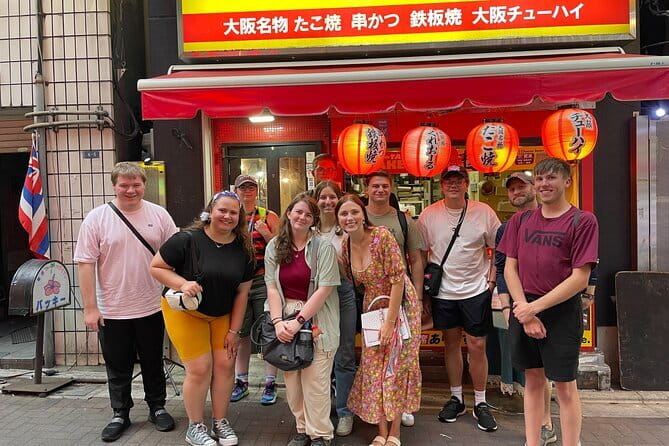
Not every Osaka street-food tour includes a knife shop, and that’s exactly why this one works. You visit Jikko Japanese Knife Shop at Namba Parks for about 15 minutes, with free admission. The shop focuses on Japanese knives crafted for more than 120 years, which sounds like a detour until you connect it to food culture.
Why it fits: Japanese cooking is precision-driven. Knife quality isn’t a gadget for chefs only—it affects how ingredients are cut, how texture comes through, and how certain dishes are prepared. Even if you’re not in the market for a new knife, this stop gives you an Osaka mindset: craftsmanship, detail, and respect for tools.
For some people, the knife stop is a welcome palate-clearing moment. You’re not only digesting snacks; you’re also learning a slice of the culture that shapes how Japanese food tastes. For others, it might feel less thrilling than a pure street-food crawl. If you’re the type who wants every minute to be edible-only, you’ll still likely enjoy it, but keep your expectations balanced.
Dotonbori District: eating your way through the kuidaore idea
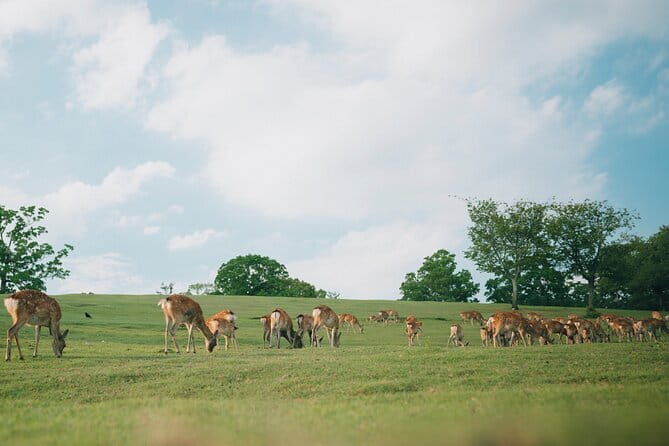
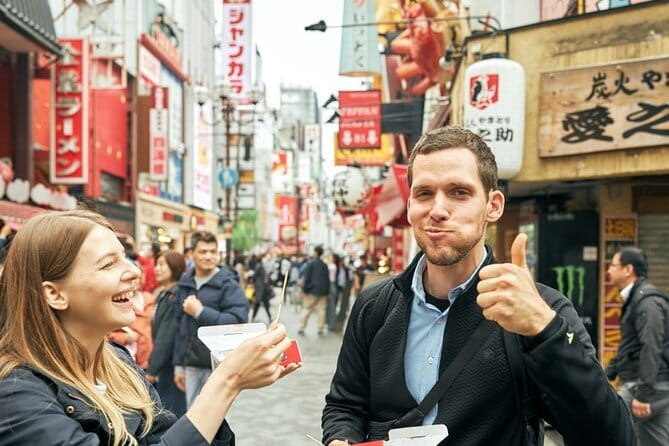
Dotonbori is the name you hear for Osaka food nights, and this tour uses it in a smart way: you get about an hour to soak up the vibe and eat your first wave of tastings. The tour leans into the idea of kuidaore—a playful concept about ruining yourself by indulging in food.
In practice, this is where you’ll feel the Osaka energy. Dotonbori is an area that’s designed for eating out, not for quiet strolling. That matters because street food isn’t only about taste; it’s also about timing and confidence. Your guide removes the decision fatigue—when to order, what to try first, and how to keep moving.
What I like about starting here: it builds momentum. You begin with iconic food energy, then transition into different atmospheres (Hozenji’s lanes, then Kuromon’s market). That flow makes each next stop feel like progress, not repetition.
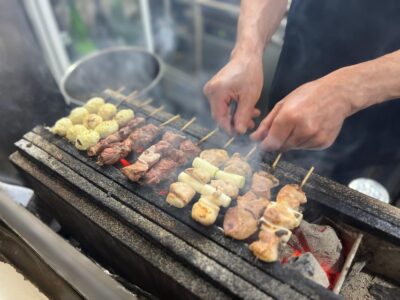
Possible consideration: Dotonbori-style areas can be busy, and some tastings may happen at places that are more casual-fast than classic “stand on the curb with skewers” street vending. The tour is still street-food focused, but Osaka’s “street food” often blends into small restaurants and casual counters.
A few more Osaka tours and experiences worth a look


Hozenji Yokocho: narrow stone lanes and traditional food-stall vibes
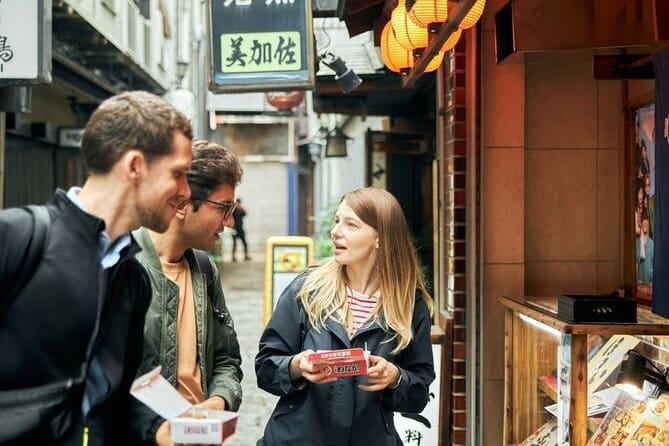
Hozenji Yokocho is where the evening gets more intimate. You spend about 30 minutes here in a narrow, stone-paved alley lined with traditional food stalls, cafes, and taverns. The whole idea is atmosphere—warm, compact, and made for lingering a bit instead of sprinting from one bite to the next.
You’ll also notice a quirky detail: a tiny alley with little museum-like displays on the walls. That’s the kind of thing a self-guided wanderer might miss, especially if you’re focused only on finding something to eat. On a guided tour, those little “side curiosities” make the stroll feel like discovery rather than just transit.
This stop is also a good point to slow down on. If you’ve got a group where people vary in spice tolerance or curiosity level, Hozenji gives you an environment where your guide can steer tastings without rushing. In one experience, a guide named Maria was praised for customizing the experience and picking excellent food selections—this kind of tailoring tends to matter most in places where choices feel close together.
One practical note: because this is an alley scene, comfort matters. Keep moving carefully in narrow lanes, and don’t let anyone fall behind if the group gets compact.
Kuromon Market (9:00–18:00): the “lots of options” stop
Then you hit Kuromon Market, open from 9:00 to 18:00, with about 20 minutes on-site. Kuromon is famous for good reason: it has almost 200 shops and sells everything used in Japanese cooking. Many stalls also sell cooked food—grilled eel, teppanyaki beef, fresh oysters, ramen, and more.
Here’s what this stop does for you: it gives you choice without overwhelm. On your own, Kuromon can be a lot. The visual noise is real—signs, tanks, menus, and people all moving in different directions. In a short tour window, you’re eating with guidance, so you avoid the common mistake of walking past the best bites while you’re still deciding.
What to expect in those 20 minutes:
- Fast, bite-sized tasting opportunities rather than a full market shopping spree.
- Familiar Japanese comfort foods alongside “market classics” that you might not order anywhere else.
- A feeling that you’re sampling the market’s best ideas instead of trying to master the whole place at once.
Possible drawback: 20 minutes is short. If you’re the type who loves lingering over ingredients or wants to browse for gifts, you may want extra time outside the tour. This is a tasting stop, not a shopping mission.
The tastings and drinks: how 6–8 bites play out in real life
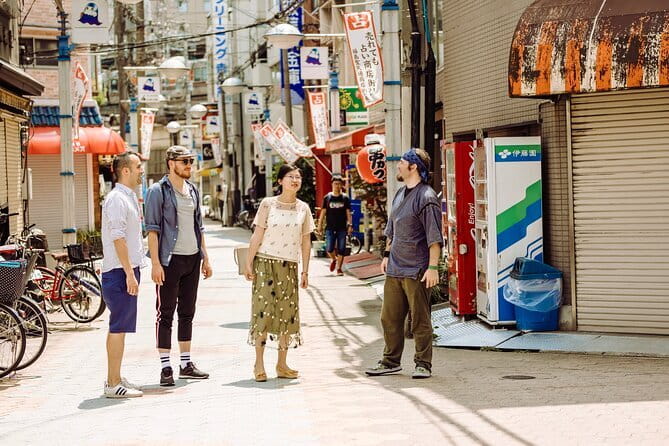
The tour includes 6–8 food tastings plus 2 drinks per person, and it’s designed to happen at 2–3 eateries. That structure is important. It means you’re not paying for a long walk with one snack at the start and then disappointment later.
In practice, 6–8 tastings is enough to try a mix of textures and flavors, and enough variety that you don’t feel like everything tasted the same. It’s also short enough that you’re unlikely to feel miserable by the end, especially since the whole experience is about 3 hours.
A detail worth noting: most “street food” tastings are small by design. Your guide’s job is to help you taste widely while keeping the route efficient. Guides like Kanna have been described as planning the tour perfectly after being contacted in advance and choosing amazing eateries and restaurants—when that happens, the tastings feel intentional rather than random.
If you’re expecting constant curbside stalls every minute, adjust that mindset slightly. Even when a dish is street-food style, the tour may include ordered items served at a counter or casual restaurant. That can be great (hot food arrives fast), but it’s worth knowing so you’re not disappointed if you don’t see every bite coming from a literal cart.
Price and value: what $186 buys besides food
At $186.44 per person, this isn’t a budget snack crawl. You’re paying for:
- A private English-speaking guide
- Coordination in the Namba area
- Pre-planned tastings (6–8 bites) and 2 drinks
- A route that moves through multiple food zones in about 3 hours
So is it worth it? For me, it depends on how you travel. If you like being handed options and you’d rather not spend your Osaka night stuck figuring out menus, this is value. The alternative is spending that time alone in line, guessing what you’re ordering, and paying for the same foods without the cultural context.
Still, I get the concern. One experience called it overpriced because the food cost didn’t match the price, and another complaint mentioned that advertised street-food structure didn’t fully match what happened. That’s the real risk: you’re paying for the guide’s service, not just the ingredients.
My advice: treat this as a guided food night with a strong “variety + explanation” angle. If your goal is only the cheapest street bites possible, you can probably do that on your own. If your goal is an efficient, curated-to-you evening where you leave having tried foods you’d miss, the price becomes easier to justify.
Should you book this Osaka street food tour?
Book it if:
- You want a private guide to handle the choices.
- You’re new to Osaka and want Namba’s top food zones in one evening.
- You like the idea of combining tastings with cultural context.
- You’d benefit from route flexibility if dietary needs come up (example accommodation has been shared in guide experiences).
Consider skipping it (or choosing carefully) if:
- You’re extremely price-sensitive and only want the lowest-cost street snacks.
- You hate waiting around for a meal stop, even briefly.
- You prefer total control and plan to DIY every tasting with no guide input.
If you’re the kind of person who wants to eat well and feel confident doing it, this tour is a strong way to start your Osaka food story. Just go in hungry, wear good shoes, and remember you’re buying the evening design as much as the food.
FAQ
How long is the Osaka street food tour?
It’s about 3 hours.
Where does the tour start?
The meeting point is Starbucks Coffee – Tsutaya Ebisubashi (1-chōme-8-19 Dōtonbori, Chuo Ward, Osaka).
What food and drinks are included?
You get 6–8 food tastings plus 2 drinks per person.
Do I visit only street stalls?
The experience includes tastings at 2–3 eateries, so not every stop is guaranteed to be a classic curbside-only stall setup.
Is there hotel pick-up?
Hotel meet-up is offered for central locations.
Is transportation included?
Transportation isn’t included. The tour is primarily a walking experience, though public transport may be used.
What are the main areas you’ll see?
You’ll focus on the Namba district, including Dotonbori District, Hozenji Yokocho, and Kuromon Market, with a stop at Jikko Japanese Knife Shop at Namba Parks.
When is Kuromon Market open?
Kuromon Market is listed as open from 9:00 to 18:00.
What is the cancellation policy?
You can cancel for a full refund up to 24 hours before the experience starts.
If you’d like, tell me your dates and dietary needs (if any), and I’ll suggest how to time this around your Osaka itinerary so you get the most out of Kuromon Market hours.