REVIEW · OSAKA
Osaka: Shinsekai Food Tour with 13-15 Dishes at 5 Eateries
Book on GetYourGuide →Operated by Osaka Food Tours, Inc. · Bookable on GetYourGuide
Osaka has a special kind of snack culture, and Shinsekai runs it. This 3-hour food tour turns that neighborhood into your personal tasting map, hopping between small stalls and back-alley restaurants instead of the big-name crowd. I especially like how guides such as Kevin and Yuki set the tone with clear explanations and real local context as you walk through side lanes and arcade-like walkways.
You’ll also leave full in a serious way—13–15 dishes across five different eateries—so it doesn’t feel like you’re just “having tastes.” The group stays small (max 9), and from guides like Paul, Bernie, and Darren, you get that lively, friendly pacing that keeps everyone included while you keep moving. One drawback to note: this tour isn’t set up for gluten-free or vegan diners, and dish availability can shift by season and what the restaurants have that night.
In This Review
- Key Points Before You Go
- Shinsekai Food Tour: Why This Part of Osaka Feels Different
- Value for Money: $53 for 13–15 Dishes (It Adds Up Fast)
- Where You Meet and How the Timing Works
- Your 3-Hour Route: Five Eateries, One Big Osaka Taste Map
- Stop 1: Takoyaki or Oden Stall
- Stop 2: Izakaya + Kushikatsu
- Stop 3: Cozy Classic Restaurant (Tofu, Stew, and Mochi)
- Stop 4: Gyoza Dumpling Specialist
- Stop 5: Tonpeiyaki + Karaage Finish
- The Food You’ll Actually Taste: A Quick Flavor Guide
- Guides Make It: The English, the Stories, and the Social Flow
- Who This Tour Suits Best (and Who Should Skip It)
- Practical Tips to Enjoy It More
- Should You Book This Shinsekai Food Tour?
- FAQ
- How long is the Shinsekai food tour?
- How many dishes do you eat?
- What’s included in the price?
- Are hotel pickup and drop-off included?
- Where do I meet the guide?
- Is the tour in English?
- How big is the group?
- Can gluten-free or vegan guests join?
- Are the exact dishes guaranteed?
- Can I cancel for a refund?
- Is reserve and pay later available?
Key Points Before You Go
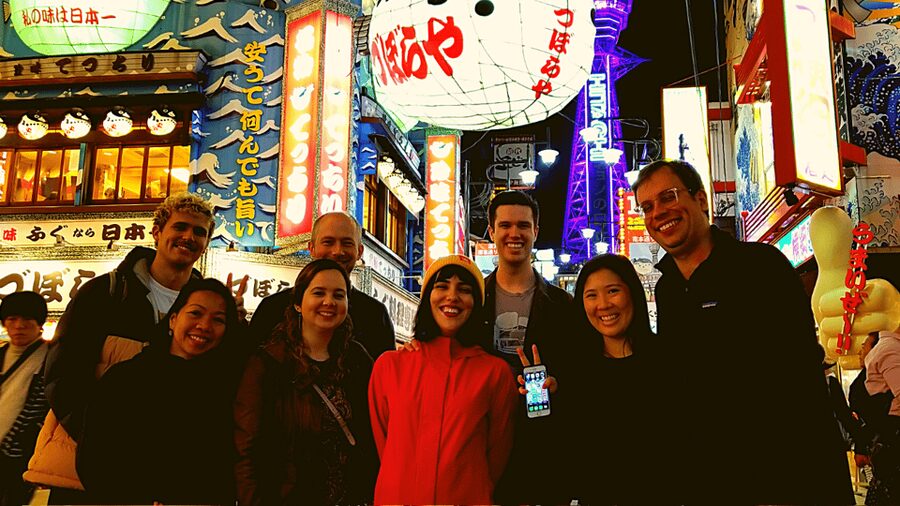
- 13–15 dishes at 5 eateries for a true “eat your way through Osaka” feel
- Shinsekai, not the usual tourist circuit, with arcades and side alleys where menus are in Japanese
- English live guide with history and food origin stories, plus lots of Q&A time
- Small group (up to 9), which helps you get seated quickly at tight local spots
- Two included drinks (alcohol and non-alcohol options) to match the food pace
- Gluten and vegan limits mean you should plan your diet options carefully
Shinsekai Food Tour: Why This Part of Osaka Feels Different
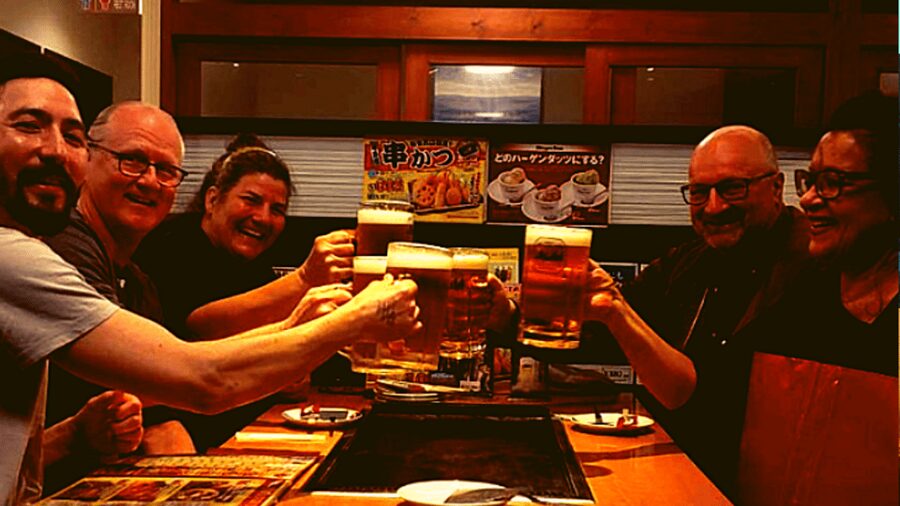
Shinsekai isn’t trying to be trendy. It’s more like the city showing you how people actually snack after work—where you’ll find smoke, grill smells, and busy counters that don’t care if you’re a first-timer. The tour leans into that atmosphere by taking you away from big boulevards and into quieter lanes where you’ll eat from places that look like they’ve been serving the same crowd for decades.
What makes it interesting isn’t just the food lineup. It’s the way you experience it: a guide helps translate what you’re seeing, what you’re eating, and why those dishes belong in Osaka. In reviews, the energy from guides like Mio, Taka, Kiko, and Tommy comes up again and again—part food teacher, part hype person, part “I know exactly what you should order here.”
The best fit is for people who enjoy learning with their stomach. If you’re the type who likes trying one new thing at a time, this will feel big at first—but the pacing is built for it, and the constant movement keeps it from turning into a slow crawl.
You can also read our reviews of more food & drink experiences in Osaka

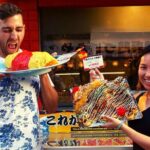
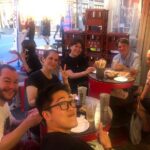
Value for Money: $53 for 13–15 Dishes (It Adds Up Fast)
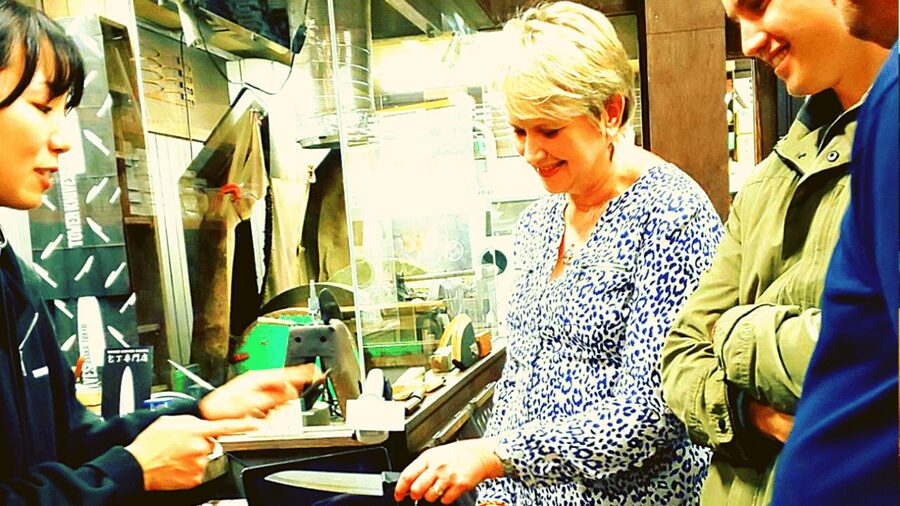
Let’s talk value without hand-waving. At $53 per person for 3 hours, you’re not paying for one signature meal—you’re paying for multiple small plates and snacks across five places. That matters because Osaka street food pricing can add up when you’re ordering by yourself: each stall might be small, but the totals climb quickly once you start chasing different flavors.
The included two drinks help too. Even if you go non-alcoholic for both, you’re still getting something that matches the food rhythm. In practice, this turns the tour into a priced bundle of food + guide + seating convenience.
Also, small group size (up to 9) isn’t a luxury detail—it’s practical. Tight Shinsekai spots can move fast and seat slowly if you show up solo. Here, you’re more likely to get tables arranged so you can keep your pace without waiting in line for everything.
If you’re coming hungry and you want to sample Osaka without playing menu roulette at every stop, this price starts to look very fair.
Where You Meet and How the Timing Works
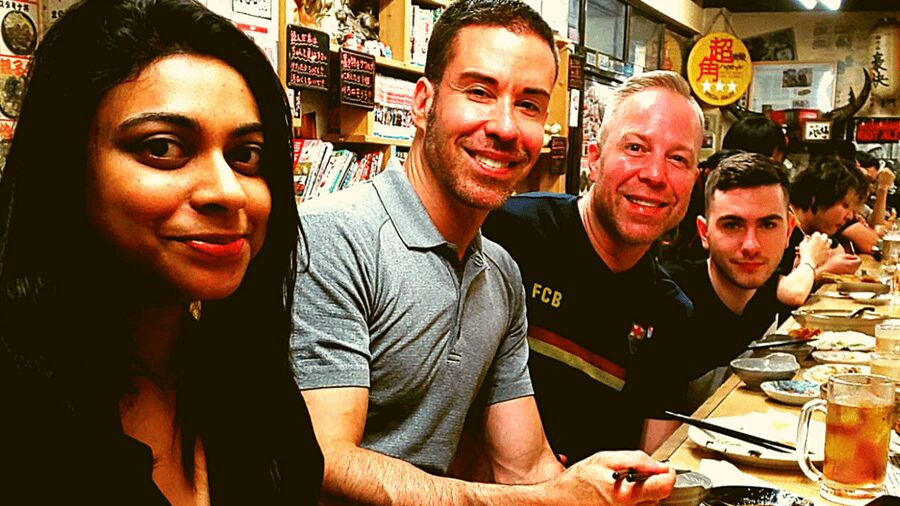
You meet at Dobutsuen-mae Station (Midosuji Line), exit 1, in front of the 15 wall lanterns of Daiichi Building. It’s the kind of meetup point that works because it’s clear and transit-connected—good for a short, focused evening tour where you don’t want to spend your whole time figuring out the logistics.
The tour runs 3 hours, and the vibe is walk-eat-walk-eat. Expect steady movement, some steps, and a bit of weather exposure depending on the season. One review specifically called out plenty of steps, and another mentioned even hot conditions didn’t feel too bad because you’re constantly going to the next stop.
If you hate walking in crowds, this isn’t a sit-and-sip experience. If you enjoy getting your bearings fast and learning as you go, it’s made for that.
Your 3-Hour Route: Five Eateries, One Big Osaka Taste Map
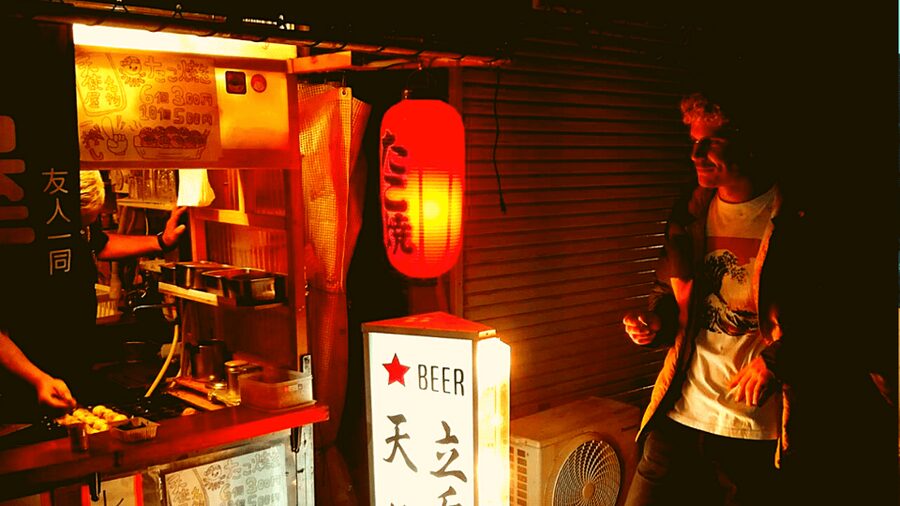
Dishes vary by restaurant availability, season, and what’s in stock. That said, the structure is consistent: you’ll hit a takoyaki/oden start, then an izakaya-style stop, then a classic cozy restaurant, then a gyoza specialist, and finish with a bigger plate-friendly set that tends to include tonpeiyaki and fried chicken.
Stop 1: Takoyaki or Oden Stall
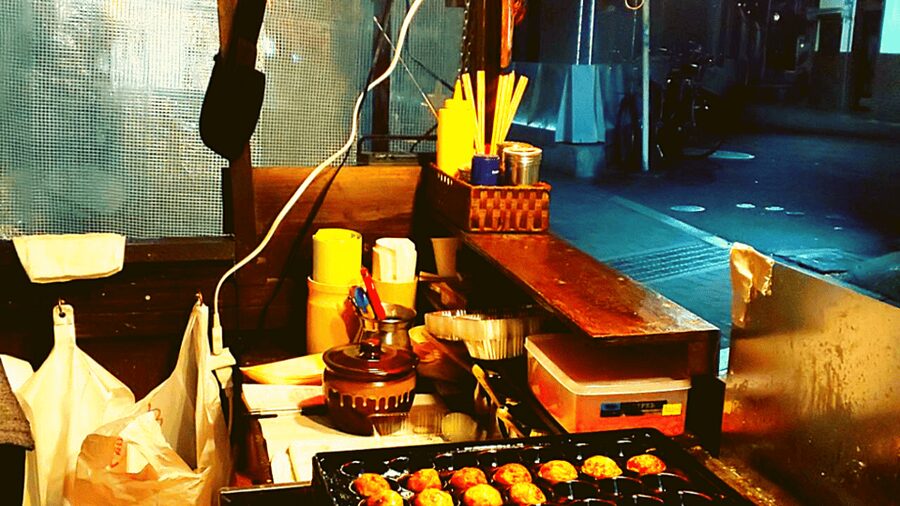
Your first stop is typically a takoyaki stall (battered octopus balls) or an oden stall. This is smart because it warms up your taste buds in two very different directions. Takoyaki gives you the snack-crisp outside and soft interior, usually with that savory-sweet sauce and bonito flavor. Oden gives you comfort—slow-simmered broth and gentle flavors that make the heavier fried foods later feel less intense.
A few more Osaka tours and experiences worth a look



Stop 2: Izakaya + Kushikatsu
Next comes an izakaya-style restaurant where you’ll likely try a mix such as kitsune udon, yakitori, chicken wings, and nagaimo (a Japanese yam-like ingredient often served in a mild, silky way). This stop is where the tour starts feeling like a full Osaka dinner experience.
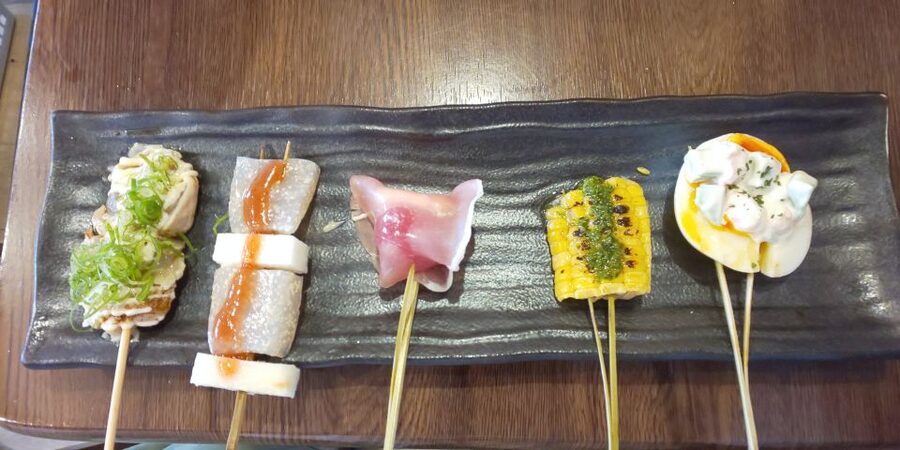
Then you’ll also taste kushikatsu—lightly deep-fried skewers (vegetables and meat). The big thing here is technique: kushikatsu is built around crispness. Expect sauce and coating that hit your tongue like a crunchy handshake. People often love this stop because it’s shareable, snackable, and unmistakably Osaka.
Stop 3: Cozy Classic Restaurant (Tofu, Stew, and Mochi)
After the louder street-food flavors, you head to a more traditional cozy place. This is one of the most “Osaka at heart” stops, because the menu often includes dishes like nikudoufu (meat and tofu), beef and tofu stew, and yakitori or skewered beef assortments. You may also get mochi, plus a beverage (alcohol or non-alcohol depending on your selection).
Why I like this stop: it balances the tour so it doesn’t become only fried, only salty, only sauce. If you’re used to Western food tours where everything is just small plates, this one inserts comfort food so you keep enjoying each new flavor instead of feeling overloaded.
Stop 4: Gyoza Dumpling Specialist
Then you visit a gyoza-focused eatery. Even if you think you already know gyoza, this stop can change your mind because Japan’s dumpling styles vary by region and by cook. Here, you’re tasting something more precise than a generic “dumpling appetizer.”
This stop also helps the pacing. Gyoza is hearty enough to matter, but it doesn’t take forever to eat, so you can keep that smooth flow to the last restaurant.
Stop 5: Tonpeiyaki + Karaage Finish
The final stop is where you finish strong. Expect tonpeiyaki (a pork omelette), plus things like edamame, karaage (Japanese fried chicken with spices), and sometimes a Japanese pancake or fruit as part of the set. You’ll also get another drink of your choice here.
This ending makes sense because it wraps the tour with recognizable Osaka comfort flavors—egg + savory pork for richness, karaage for crunch, and lighter sides to keep you moving through the last bites.
One practical note: even though it’s “small” dishes, you’ll feel it by the end. Multiple reviews mention being stuffed, so don’t plan a heavy dinner right after unless you want a slow, indulgent walk back.
The Food You’ll Actually Taste: A Quick Flavor Guide
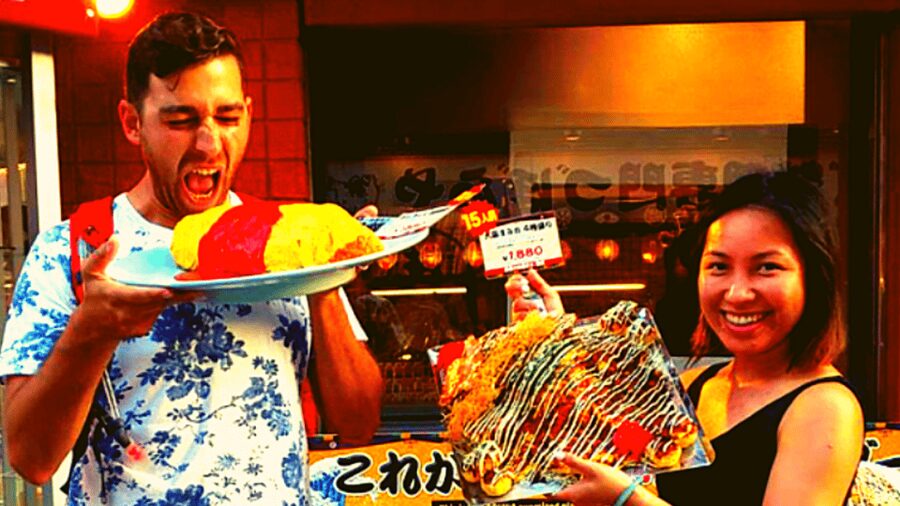
Here’s how to think about the main stars, so you know what you’re ordering when you’re faced with Japanese menus:
- Takoyaki: octopus inside a crisp ball, usually sauced and topped for bold sweet-salty flavor.
- Kushikatsu: crunchy skewers, best for people who love fried texture.
- Izakaya staples: udon and yakitori show up often because they’re satisfying and easy to share.
- Nikudoufu / tofu stew: tofu takes center stage, showing Osaka’s comfort-food side.
- Gyoza: pan-fried dumpling energy—great “one more bite” food.
- Tonpeiyaki and karaage: the finishers—rich + crisp + deeply snackable.
If you’re the type who likes sauce and crunch, you’ll have a great time. If you dislike fried foods, I’d still consider it, but you should go in knowing the tour’s built around Osaka’s classic street-food identity.
Guides Make It: The English, the Stories, and the Social Flow
This is one of those tours where the guide is part of the product. You’ll have a live English guide, and the best guides do three things well: explain the dish, add local context, and keep the group comfortable.
In the reviews, guide personalities come through clearly. People mention guides like Kevin, Yuki, Paul, Bernie, Mio, and Tommy for high energy, good humor, and staying responsive to questions. Some tours also included mini trivia-style prompts, plus extra local recommendations after the meal portion—like where to go for more food once the tour ends.
One review even mentioned a guide taking them to a whiskey bar afterward. That’s not something you should plan around as a guarantee, but it points to what the strongest guides do: they help you keep experiencing the neighborhood after the official stops.
Small group also changes the feel. With up to 9 people, it’s easier to get comfortable fast and not feel like you’re standing in the back of a crowd.
Who This Tour Suits Best (and Who Should Skip It)
This tour is ideal if you:
- want an Osaka food introduction without spending time researching every stall
- enjoy street food and classic flavors like takoyaki and kushikatsu
- like learning as you eat, especially with a guide who can explain what you’re seeing
- prefer a smaller group where you actually talk to your guide
It’s not a good match if you:
- need gluten-free food (this tour says you can’t join if you’re gluten intolerant)
- are vegan (this tour says vegan diners can’t join)
- get overwhelmed by walking and steps (this is a move-your-feet kind of tour)
Also, because dishes are subject to availability, if you have strict allergies beyond what’s listed, you’ll want to be cautious. The tour data is specific about gluten and vegan restrictions, but it doesn’t spell out other allergy handling.
Practical Tips to Enjoy It More
If you want this tour to feel smooth from start to finish, do these:
- Come hungry. The tour ends with a lot of food, and multiple people said they were full by the last stop.
- Wear comfortable shoes. You’ll be walking and there are steps.
- Bring a flexible attitude about what’s on the menu. Availability can shift by season.
- If you drink alcohol normally, decide ahead of time whether you want both included drinks alcoholic or mix in a non-alcohol option.
You’ll be happier if you treat it like a planned Osaka night out, not a careful diet experiment.
Should You Book This Shinsekai Food Tour?
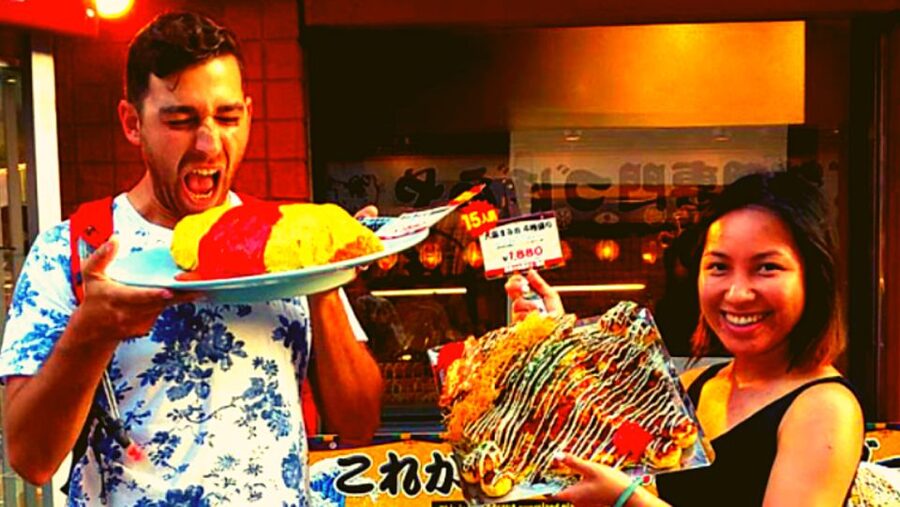
I’d book it if you want a reliable, high-value way to eat across Shinsekai in a short time window. The mix of takoyaki, izakaya plates, kushikatsu, tofu-based comfort food, gyoza, tonpeiyaki, and karaage gives you variety without making you chase it yourself.
Skip it if gluten-free or vegan is non-negotiable. Also skip it if you hate walking and want a sit-down, slow-paced meal tour.
If you’re not in either of those camps, this is one of the easiest ways to get a real taste of Osaka street culture—guided, organized, and built so you spend less time hunting and more time eating.
FAQ
How long is the Shinsekai food tour?
The tour lasts 3 hours.
How many dishes do you eat?
You’ll have 13 dishes, with the possibility of reaching 15 dishes depending on availability, season, and restaurant openings.
What’s included in the price?
Food is included at five locations (a stall, a gastrobar, a classic eatery, an izakaya, and a specialized restaurant), plus 2 drinks (alcohol and non-alcohol).
Are hotel pickup and drop-off included?
No, hotel pickup and drop-off are not included.
Where do I meet the guide?
Meet at Dobutsuen-mae Station (Midosuji Line), exit 1, in front of the 15 wall lanterns of Daiichi Building.
Is the tour in English?
Yes, the live tour guide speaks English.
How big is the group?
The group is small, limited to 9 participants.
Can gluten-free or vegan guests join?
No. Gluten free and vegans can’t join because there are so few dishes available.
Are the exact dishes guaranteed?
No. Dishes can change based on availability, season, and restaurant capacity.
Can I cancel for a refund?
Yes. Free cancellation is available up to 24 hours in advance for a full refund.
Is reserve and pay later available?
Yes. You can reserve now and pay later to keep your plans flexible.