REVIEW · TOKYO
Tokyo: Authentic Food Tour in Ginza and Shimbashi
Book on GetYourGuide →Operated by Traveling Tokyo · Bookable on GetYourGuide
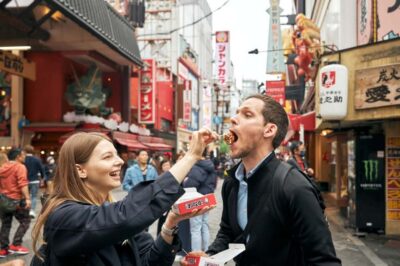
Tokyo by food, not by brochures. In just 3 hours, I love how this small-group tour turns Ginza’s polished streets into real eating, with stops in Ginza, Yurakucho, and Shimbashi. You’ll get an English live guide who points you to the kinds of places most visitors never stumble into, and teaches you what to order and how locals think about food. The one possible drawback: it’s not ideal if you need step-free access, since it’s on foot and not suitable for wheelchair users.
What really makes it work is pacing. You get short walks between areas and then focused tasting time—about 50 minutes per main neighborhood—so you’re not sprinting and grazing the whole time. And from what I’ve learned from guide highlights like Doren, Reo, Ryota, and Yota, the guides bring personality and actual food talk, not just a script.
In This Review
- Key takeaways before you go
- Tokyo’s Ginza-to-Shimbashi route is an easy win for food lovers
- Price and what you really get for $146
- Meeting at Tokyu Plaza Ginza: where you should line up
- Ginza stop: how the tour handles polished streets and local plates
- Yurakucho tasting block: a smarter Tokyo detour than staying in Ginza
- Shimbashi finish: eating where Tokyo’s after-work appetite shows up
- What the guides actually do (and why it matters)
- Pacing and walking: short transitions, focused eating windows
- How to get the most out of this Ginza and Shimbashi food plan
- Who should book this tour, and who should skip it
- Should you book Tokyo: Authentic Food Tour in Ginza and Shimbashi?
- FAQ
- How long is the Ginza and Shimbashi food tour?
- What is the group size?
- Where do we meet?
- Is the tour guide available in English?
- Is the tour wheelchair accessible?
- What’s the cancellation and payment flexibility like?
- What neighborhoods does the tour cover?
Key takeaways before you go
- Three neighborhood stops: Ginza, Yurakucho, and Shimbashi, each with a dedicated tasting window.
- English-speaking, live guides: You’ll be able to ask what you’re eating and why it matters.
- Local-style planning: You’ll learn enough about Japanese food culture to shape your own Tokyo itinerary afterward.
- Small group size (up to 10): Easier conversation, better attention, less waiting around.
- Food plus traditional desserts: The tour isn’t just savory; it includes sweet classics too.
- Flexible group vibe: If the group is small, you may feel like you’ve got extra personal attention.
Tokyo’s Ginza-to-Shimbashi route is an easy win for food lovers
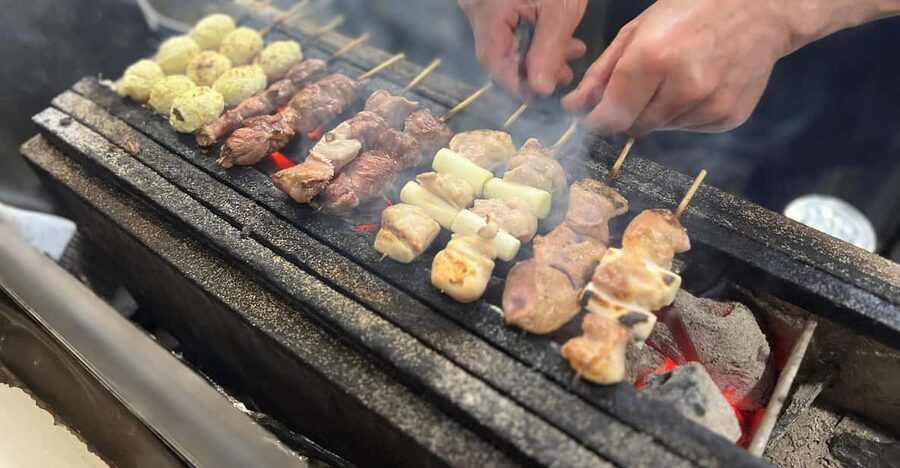
Ginza gets labeled as fancy for a reason. Big storefronts, bright sidewalks, and that polished Tokyo look can make you think it’s all shopping and no substance. This tour quietly flips that idea. You’re still in Ginza, but your time is guided toward what people actually eat there—simple, satisfying dishes you’d recognize as local favorites.
Then you move to Yurakucho and Shimbashi, and the mood shifts. Yurakucho has that practical downtown energy, and Shimbashi adds the “people are out for dinner” atmosphere. The walking is short, the goals are clear, and the food is the point, not the parade.
You can also read our reviews of more food & drink experiences in Tokyo
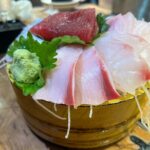
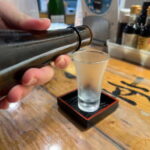
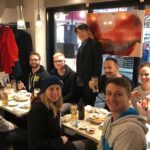
Price and what you really get for $146
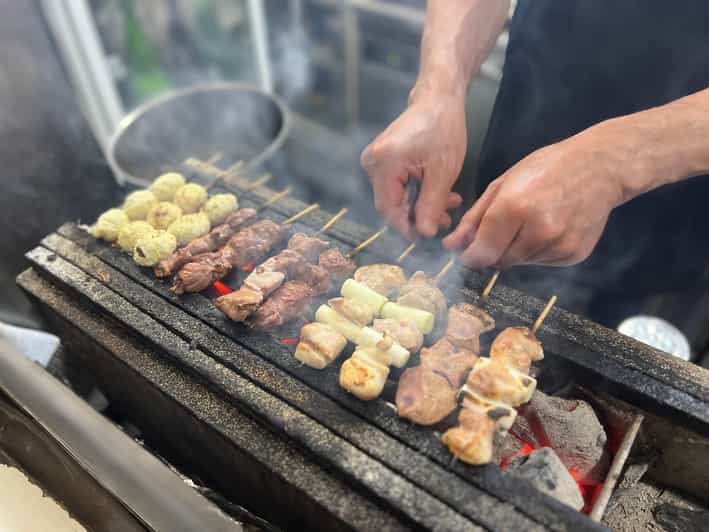
At $146 per person for a 3-hour tour, you’re paying for three things: access, guidance, and convenience. In Tokyo, the difference between a decent meal and a great meal often comes down to knowing where locals go and how to order without overthinking it. This tour reduces that guesswork for you.
You’re also paying for a focused experience, not a long food crawl. Three main tasting blocks—about 50 minutes each—means you have time to actually eat, not just sample one bite and rush to the next place. And because the group is limited to 10 people, you’re more likely to keep moving at a human pace.
If you’re the type who likes eating your way through a neighborhood (and then using what you learned to plan the rest of your trip), this price can feel fair. If you’re only looking for a quick snack and don’t care about the culture part, you might feel like you could do it cheaper on your own.
Meeting at Tokyu Plaza Ginza: where you should line up
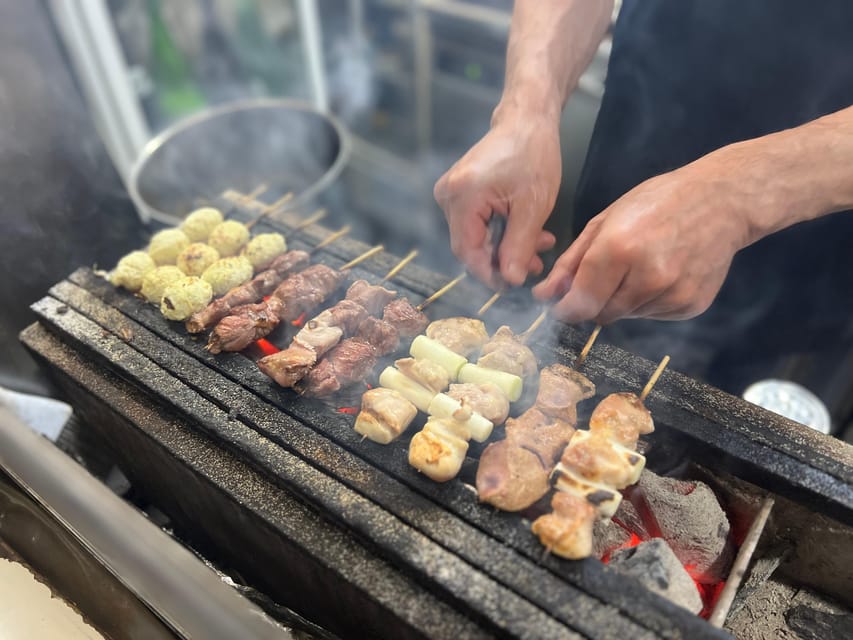
Your start point is Tokyu Plaza Ginza, right in front of the BOSS store. If you’re coming through Ginza Station, head up to the ground level via exit C2 or C3 and you should see the BOSS store up ahead.
This matters more than it sounds. Food tours live or die by timing. If you’re late or wandering, you’ll miss the first ordering window, and you’ll spend your appetite on locating the group instead of eating.
If you want to arrive calm, I’d give yourself a few extra minutes and treat it like an appointment. In Japan, being on time isn’t just polite—it keeps the whole plan smooth.
Ginza stop: how the tour handles polished streets and local plates
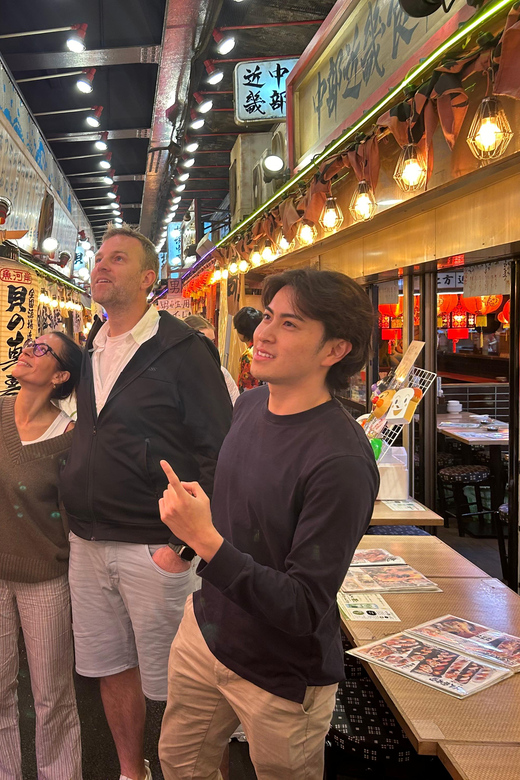
The first eating window is in Ginza for about 50 minutes. This is the part where the tour earns its name as an authentic local food experience. Ginza can feel like a museum of brands, but your guide steers you toward smaller food choices that fit the area’s real rhythm.
In practical terms, you can expect a guided approach to what to order and how to eat it. The tour also includes traditional desserts at some point during the overall experience, so even if savory is your main goal, you’ll get your sweet payoff too.
Why this stop is worth it: Ginza is easy to get “over-shopped” and under-eaten. Your guide’s job here is to make sure you leave with actual food memories, not just photos of department store facades.
Yurakucho tasting block: a smarter Tokyo detour than staying in Ginza
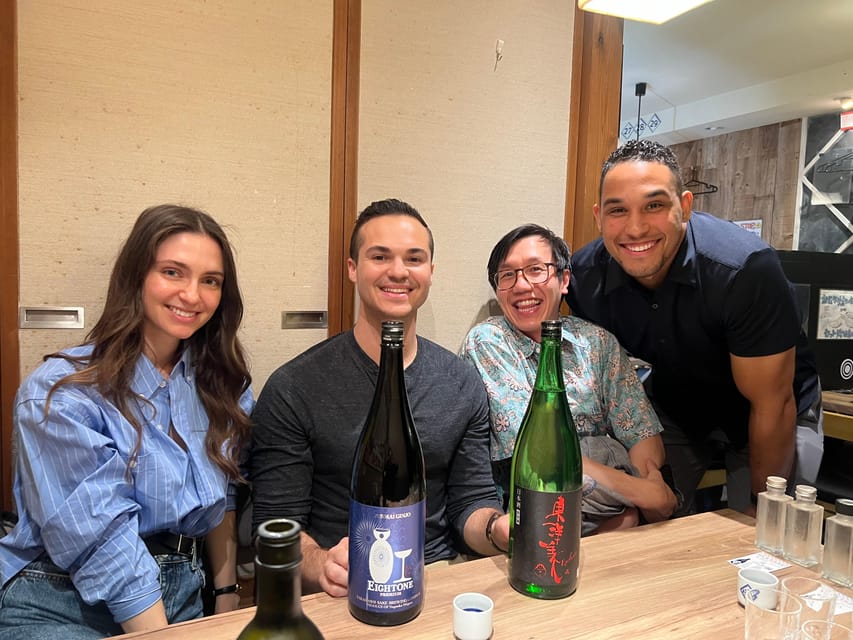
Next you walk a short distance into Yurakucho for another 50 minutes of food time. Yurakucho tends to feel more like where workday crowds grab dinner and unwind. That’s great for you because it usually means more straightforward comfort food choices and easier local energy.
This part of the tour is also where you often learn the most about Japanese food culture. Not in a lecture way—in the moment. When your guide explains what you’re eating and how locals think about flavor, portion style, or timing, you start building instincts you can use later in Tokyo.
So when you return on your own days, you’ll have a clearer sense of what to look for and what to skip. That’s a big value point people miss when they focus only on the meals.
A few more Tokyo tours and experiences worth a look
Shimbashi finish: eating where Tokyo’s after-work appetite shows up
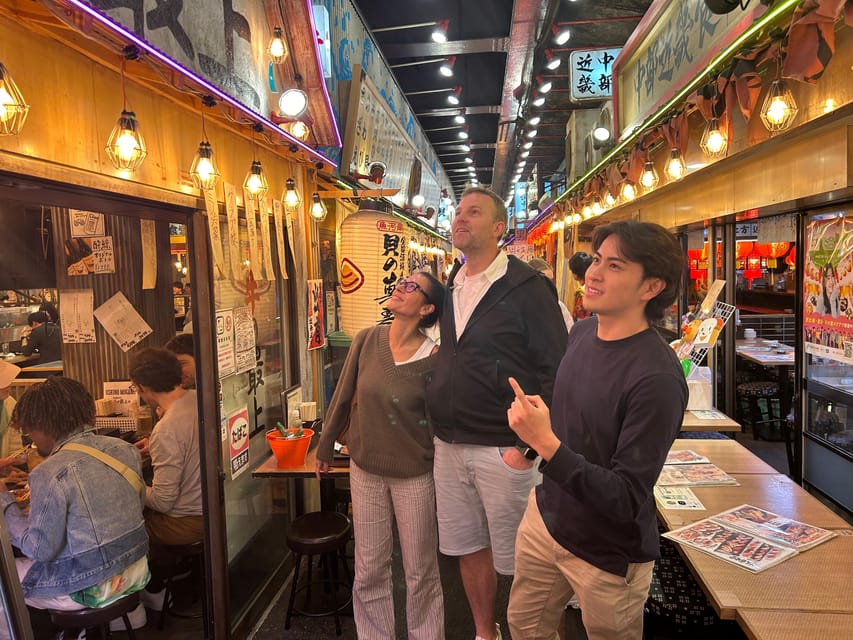
The last major stop is Shinbashi, again with about 50 minutes dedicated to eating. Shimbashi is a classic location for a reason: it feels like a place people come to eat, not just pass through.
The tour’s setup makes this feel like a natural finale. By now, you’ve had a chance to settle into the guide’s pacing. You’re less confused about what to order. Your appetite is awake. And your guide can steer you toward dishes that match the neighborhood’s vibe.
If you like food that feels comforting and satisfying—rather than overly trendy—this is often the part that clicks. And because it’s the end of the main tasting blocks, you’ll likely remember it most clearly.
What the guides actually do (and why it matters)
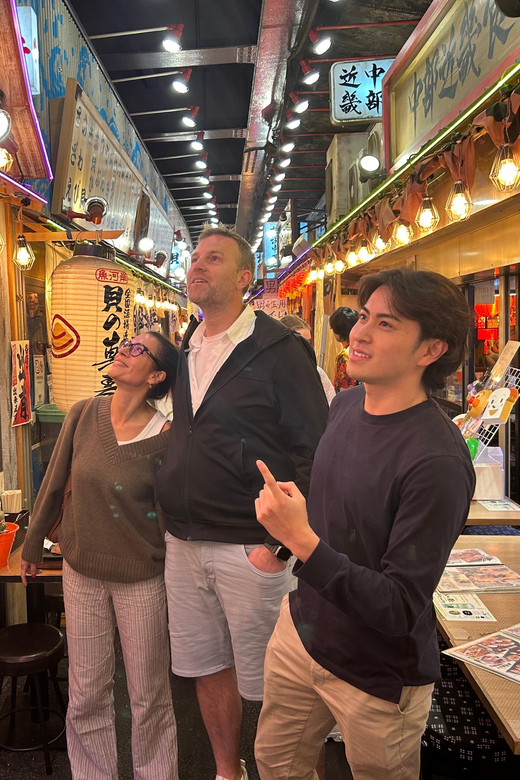
The standout theme across guide feedback is how much personality and food talk they bring. Names like Doren, Reo, Ryota, and Yota show up in people’s experiences, and the common thread is clear: the guides don’t just lead you from place to place. They explain the why.
In real terms, that usually means you learn things like:
- what a dish is actually called and why it’s eaten a certain way
- how to order without guessing
- small cultural notes that make the meal feel less mysterious
That last part is underrated. Tokyo food can be intimidating if you’re unsure what you’re looking at. A good guide doesn’t remove the fun—it turns confusion into quick confidence. And because the group is small (up to 10), you’re more likely to get answers to your questions.
Pacing and walking: short transitions, focused eating windows
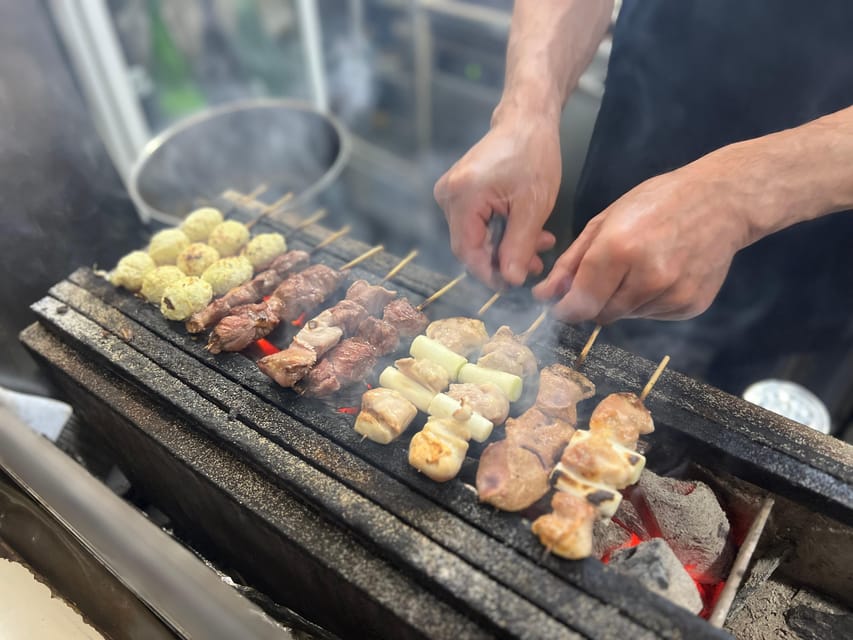
The tour is built around walking segments and fixed tasting times. You’ll start at Tokyu Plaza Ginza, then walk to Ginza for the first eating block, then transition to Yurakucho, then to Shimbashi.
Those short walk windows keep you from feeling stuck in line the whole time. It also gives your eyes a chance to adjust to each neighborhood’s feel—bright shopping streets, workday alley energy, and dinner-time momentum.
If you prefer tours where the food is the schedule, not an afterthought, this one fits that style well.
How to get the most out of this Ginza and Shimbashi food plan
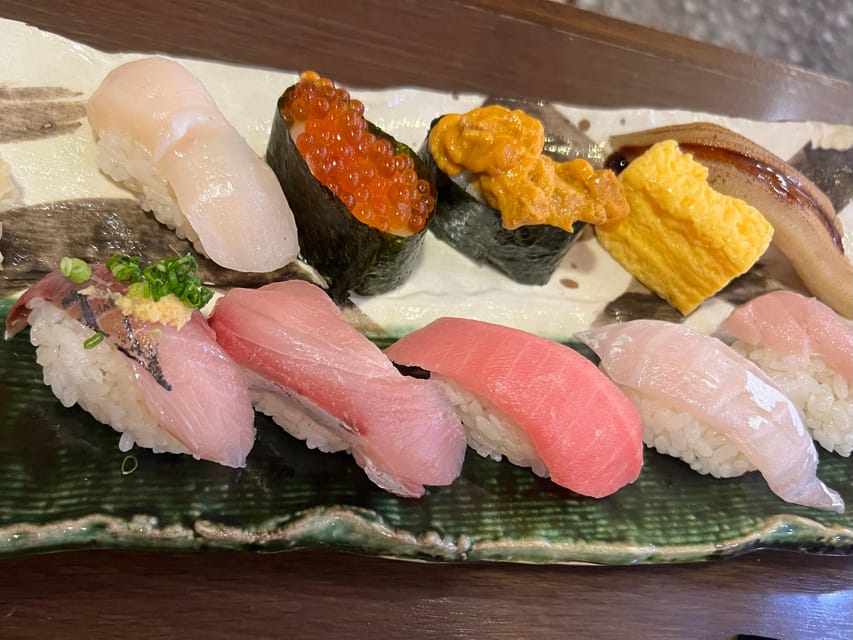
You’ll have the best time if you come with an open mind. Japanese menus often have simple-sounding items that turn out to be layered in flavor. Your guide can help you avoid overthinking and just enjoy what’s right for the place.
A few practical tips that help on tours like this:
- Wear comfortable shoes. You’ll be on foot for a reason.
- Don’t over-plan your meals right before. You want room to enjoy.
- Ask questions when you’re served. This is where the guide’s value shows up.
- If sweets are your thing, don’t assume you can skip them. Traditional desserts are part of the experience.
Also, if your group ends up smaller than expected, the vibe can feel more like a focused conversation than a factory-style tour. One person noted their group became effectively private when others didn’t show, and that’s the kind of situation where you can get extra attention.
Who should book this tour, and who should skip it
This tour is a great fit if you:
- want to eat your way through central Tokyo without guessing
- like learning about Japanese food culture in real time
- prefer a small group over big coach-tour energy
It’s also a solid option for first-time Tokyo visitors who want a simple plan and a local guide to set them straight on how food works beyond ramen stereotypes.
It’s not a great fit if you need wheelchair accessibility, since it isn’t suitable for wheelchair users. And if you dislike walking at all, you may find the on-foot format frustrating.
Should you book Tokyo: Authentic Food Tour in Ginza and Shimbashi?
I’d book it if you want value in the form of guidance. The price isn’t low, but you’re paying for local restaurant access and an English-speaking guide who can help you eat smarter. You also get a clear structure: Ginza, Yurakucho, then Shimbashi, with focused tasting time.
I’d think twice if you’re confident navigating on your own and you don’t care much about culture or order help. In that case, you could build a similar evening with your own restaurant research.
If you want a fun, efficient food plan that helps you understand Tokyo beyond the shopping streets, this is the kind of tour that makes your next meal easier.
FAQ
How long is the Ginza and Shimbashi food tour?
The tour lasts 3 hours.
What is the group size?
It’s a small group limited to 10 participants.
Where do we meet?
Meet at Tokyu Plaza Ginza, in front of the BOSS store. From Ginza Station, you’ll see it near exits C2 or C3 at ground level.
Is the tour guide available in English?
Yes, the live tour guide speaks English.
Is the tour wheelchair accessible?
No. The tour is not suitable for wheelchair users.
What’s the cancellation and payment flexibility like?
You can cancel up to 24 hours in advance for a full refund. There’s also a reserve now & pay later option available.
What neighborhoods does the tour cover?
You’ll visit Ginza, Yurakucho, and Shimbashi, with time for regional food at each stop.