REVIEW · OSAKA
PRIVATE 6hr, Food tour from Osaka Castle, Kuromon, Dotonbori.
Book on Viator →Operated by Sakura Concierge · Bookable on Viator
Osaka can overwhelm fast. This private 6-hour plan links Osaka Castle views with serious eating time at Kuromon Market. You get a guide who keeps things moving, and you’re not stuck guessing what to order or where to go next.
Two things I really like: you’re set up for success with a pickup option, and the food lineup hits Osaka favorites like tuna sashimi, takoyaki, and wagyu bites. The one big catch to plan for is that Osaka Castle admission isn’t included, so you’ll want extra cash for tickets even though most other stops are free.
In This Review
- Quick hits before you go
- Osaka Castle sets the tone, then you eat
- Kuromon Market: the shortcut to better ordering
- Doguyasuji kitchen streets: knives, tools, and smart shopping
- Sennichimae to Hozen-ji: short stops that keep the day flowing
- Dotonbori and the Glico Sign: the photo moment
- Guides make this tour feel personal, not scripted
- What’s included, and what you’ll likely pay extra for
- Price and value: $155 for a private, snack-heavy day
- Who should book this tour (and who might skip it)
- Should you book this private Osaka Castle and food tour?
- FAQ
- How long is the private tour?
- What time does the tour start?
- Where does the tour meet and end?
- Is pickup from your hotel included?
- What food and drinks are included?
- Are attraction tickets included, such as Osaka Castle admission?
- Can the tour accommodate vegetarians?
Quick hits before you go
- Private pacing: one group, one guide, and route adjustments if you want more time to snack or shop.
- Kuromon Market focus: guided tastings stop the decision fatigue and help you try food you’d miss on your own.
- Michelin-honored takoyaki: the tour’s takoyaki is specifically from a place noted for winning Michelin awards for three years.
- Kitchen tools on Doguyasuji: you get more than street food; you also see the world of Japanese knife culture.
- Easy Osaka landmark sweep: Hozen-ji and Dotonbori close out the day with quick, memorable stops.
- Dietary support: the tour aims to accommodate vegetarians as much as possible.
Osaka Castle sets the tone, then you eat
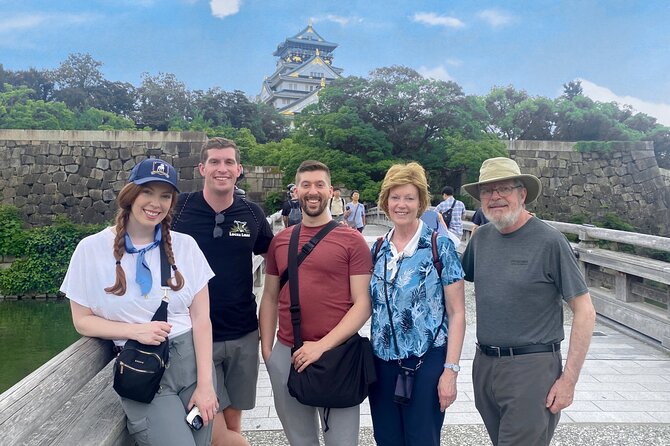
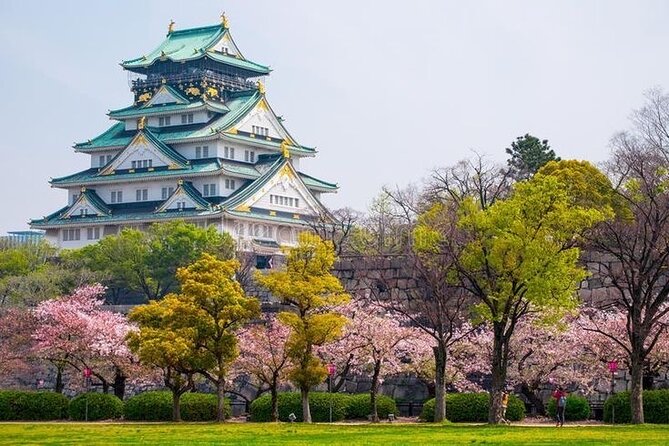
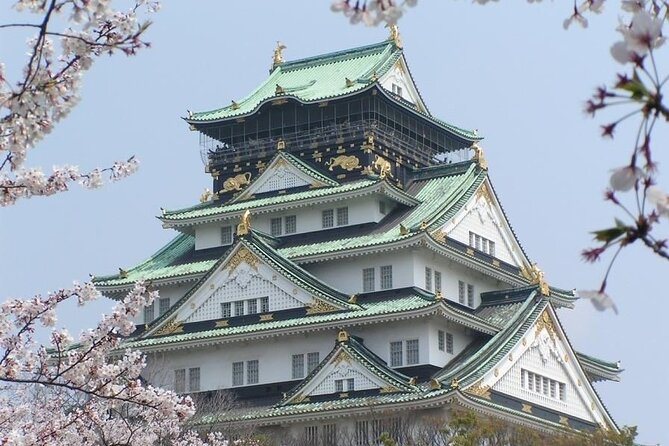
The day begins with a proper Osaka landmark. At Osaka Castle, you get about two hours, including time to walk the grounds and take in the feudal-architecture story tied to Toyotomi Hideyoshi. It’s the kind of start that gives you a mental map for the rest of the city.
You should plan for a bit of walking and standing in spots with crowds. If you’re traveling with mobility needs, it’s worth saying so during booking or right when you meet your guide. Some guides have arranged support for getting to floors without stairs, which can make a huge difference when castle buildings add vertical routes.
One practical note: castle admission tickets aren’t included. Even though your time there is scheduled, you’ll need to pay the entry fee on the day. That’s the main reason I call this tour “value-plus-planning,” not “all-in perfect.”
You can also read our reviews of more food & drink experiences in Osaka


Kuromon Market: the shortcut to better ordering
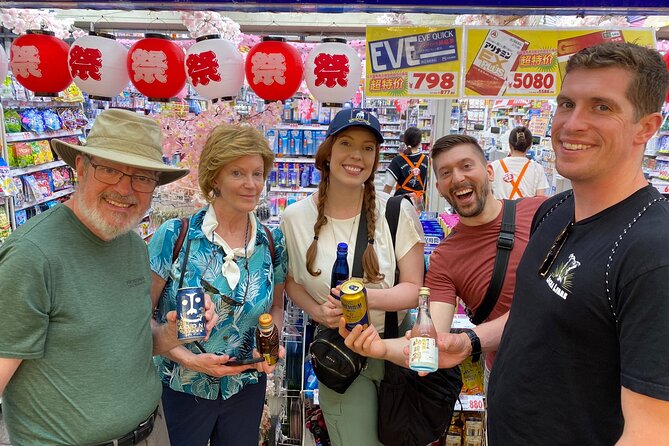
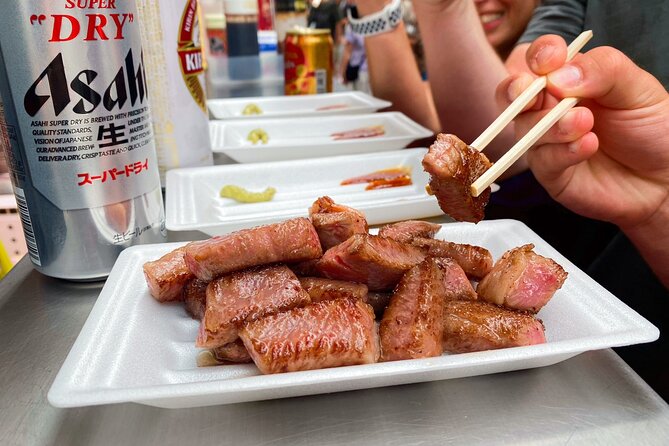
Then the day becomes food-first. Kuromon Market gets about 90 minutes, and the whole point is to turn the market chaos into a guided tasting route. Instead of wandering stall to stall hoping you pick the right place, your guide helps you sample standout options from local vendors.
The included lineup is built around what Osaka does well:
- Tuna sashimi from a store that specializes in tuna
- Sushi as part of the tasting
- Wagyu beef bites
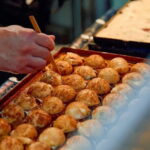
- Takoyaki (octopus balls), sourced from a spot noted for Michelin recognition for three years
- One drink with the tastings (alcoholic or non-alcoholic)
What this means for you: you’ll spend less time translating menus and more time tasting. And because the guide is steering you, you can focus on what matters—texture, freshness, and how each bite fits the others.
It’s also where the tour earns its “private” advantage. If your group has dietary restrictions, you’ll have a better chance of still getting a satisfying sequence. The tour specifically says it tries to accommodate vegetarians as much as possible, and guides have handled requests by swapping and adapting selections when needed.
If you tend to get full quickly, keep in mind this is a tasting-heavy stop. You’ll feel the momentum build, so save room for the next snacks and don’t load up on extra items until you know what else is coming.
Doguyasuji kitchen streets: knives, tools, and smart shopping
After the market, you shift from eating to understanding Osaka’s food ecosystem. Doguyasuji Shopping Street is short—about 30 minutes—but it’s a memorable change of pace. This is where you see the “kitchen of the nation” idea in real life.
The tour is designed to include Japanese knife culture context, so you’re not just browsing shelves of shiny blades. You’ll get a sense for why these tools matter to working kitchens, and you’ll learn what to look for if you’re thinking about buying a souvenir.
This is also a good moment to ask questions. If you want something practical (or even just a useful kitchen tool you’ll actually bring home), a guide can point you toward items that make sense for travelers rather than the most expensive-looking display pieces.
Sennichimae to Hozen-ji: short stops that keep the day flowing
Next is a walk through Sennichimae Shopping Street, an arcade-style street that connects the broader Dotonbori area to surrounding shopping lanes. Your time here is about 20 minutes, so it’s less about slow shopping and more about getting the feel of Osaka’s street life without burning half your day in malls.
Then comes Hozen-ji Temple for about 20 minutes. This is the moss-covered temple with stone statues, and what makes it special on a guided route is the lighting—lanterns at the temple glow in the evening. Even if your day is sunny when you start, you’re likely to catch that moody-cute atmosphere as the tour heads toward Dotonbori.
This is also a good reset. If the market got your brain in “order more food” mode, temple time helps you re-center. It’s brief, but it changes the rhythm.
Dotonbori and the Glico Sign: the photo moment
You finish at Dotonbori with about 20 minutes in the entertainment district. This is where the city amps up: neon signs, street energy, and that famous running-man Glico display.
It’s not long, which is intentional. Osaka’s showy side is fun, but you don’t want the day to end with everyone standing around hungry and confused. The format keeps it tight so you leave with a hit of spectacle and a clear ending point—your tour ends at the Glico Sign Dotonbori area.
If you care about photos, this is the stop to take your time. Ask your guide where to stand for the best angles and how to avoid the densest crowd spots. Many guides are good at steering people toward photo positions that feel natural, not like a tourist trap line.
A few more Osaka tours and experiences worth a look


Guides make this tour feel personal, not scripted
Private tours stand or fall on the guide. This one gets high marks for how guides handle people, timing, and food rules.
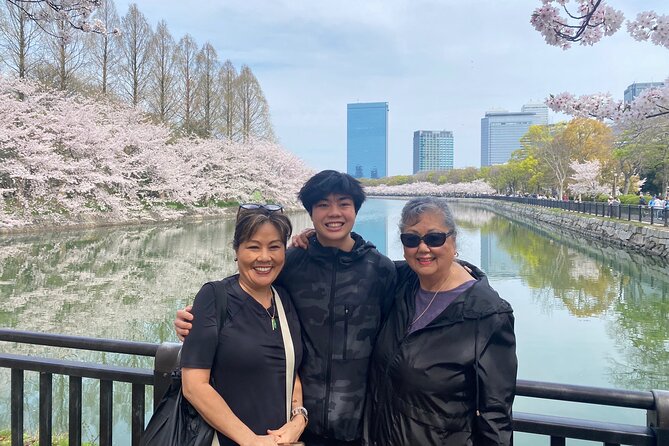
Names that show up strongly include Taku, Yuki, Mie, Ken, and Kumiko (and others in the same team). The consistent theme is attention and flexibility. Guides have helped with dietary restrictions, paced the group so you’re not waiting around, and kept the day moving smoothly.
One example from the guide style: Taku has been praised for being attentive and accommodating to food requests and restrictions, plus for helping people build a day plan that fits later dining. Mie has helped people learn the subway quickly and even arranged handicap-friendly access to get to floors without stairs. Ken has been noted for pointing out things you might miss if you wandered solo.
None of that means every moment will be identical for every guide. But it does tell you the operator trains for a service mindset: not just walking you from A to B, but improving how the day feels.
What’s included, and what you’ll likely pay extra for
This tour is food-forward, and that’s reflected in what’s included. You’re set with:
- Tuna sashimi
- Takoyaki (Michelin-awarded place for three years, per the tour info)
- Wagyu beef bites
- Sushi
- 1 drink (alcoholic or non-alcoholic)
- Additional food/drinks are available if you want to buy more
Not included:
- Transportation costs during the experience
- Tickets to attractions (with the big ticket item being Osaka Castle admission)
So here’s the practical way to budget: the tour price covers a strong portion of the tastings, but your “final total” will depend on whether you buy extra items at markets and what admission fee you pay at the castle.
Also, wear shoes you can stand in. Market floors and street segments add up, and you’ll feel it by the end of the day, even if the guide keeps things efficient.
Price and value: $155 for a private, snack-heavy day
At $155 per person for about six hours, this isn’t a budget backpacker tour. It’s a premium way to get three things at once:
- A guided landmark visit at Osaka Castle
- A structured tasting route at Kuromon Market
- A walk-through of Osaka’s food streets and evening atmosphere around Dotonbori
The value is strongest if you want to avoid the hardest part of Osaka: choosing food fast and confidently. Kuromon Market alone can eat time, and wrong picks can waste money. Here, the guide funnels you into included tastings, plus you’re able to adapt for needs like vegetarian options.
It also helps that it’s private, meaning you won’t get stuck with mismatched interests. If your group loves food and photos, you’ll feel less friction.
One caution: because transportation and attraction tickets aren’t included, your total cost can rise. Still, for many travelers, the included tastings and structured route are what make the price feel fair.
Who should book this tour (and who might skip it)
I’d recommend this tour if you:
- Want a first-timer friendly Osaka sampler that still feels local
- Like food structure over random wandering
- Have dietary needs and want help ordering
- Appreciate short, guided stops at major sights instead of long museum marathons
You might consider skipping if you:
- Prefer to build your own food plan with zero guidance
- Are very budget-conscious and don’t want to add admission fees
- Want a longer deep dive in one area rather than a quick hits route
It’s a good “one strong day” option in Osaka—especially when you want variety without spending your whole day on trains and decision-making.
Should you book this private Osaka Castle and food tour?
If you want an Osaka day that feels efficient, food-focused, and guided by someone who can help with choices, this is an easy yes. The included tastings are substantial for a six-hour private plan, and the route covers the places most people hope to see: castle grounds, Kuromon Market, Hozen-ji, and Dotonbori.
Just go in knowing the main extra cost is Osaka Castle admission, plus any snacks you add yourself. If you’re okay planning for that and you want a smooth day with a guide like Taku, Yuki, Mie, or Ken, this tour is a strong use of your time.
FAQ
How long is the private tour?
The tour is about 6 hours.
What time does the tour start?
The start time is 9:30 am.
Where does the tour meet and end?
It starts at Morinomiya Station and ends at the Glico Sign Dotonbori area.
Is pickup from your hotel included?
Pickup is offered, and the tour includes meeting logistics tied to the Morinomiya Station area.
What food and drinks are included?
Included items are tuna sashimi, takoyaki, wagyu beef bites, sushi, and 1 drink (alcoholic or non-alcoholic). Additional food and drinks are available to purchase.
Are attraction tickets included, such as Osaka Castle admission?
No. Tickets to attractions are not included, and Osaka Castle admission is listed as not included.
Can the tour accommodate vegetarians?
The tour states it aims to accommodate vegetarians as much as possible.