REVIEW · SINGAPORE
Singapore: Local Hawker Food Tour with Tastings
Book on GetYourGuide →Operated by Monster Day Tours · Bookable on GetYourGuide
First time in Singapore? Start with hawker food and smart shortcuts. This 3-hour small-group tour takes you through Chinatown with Michelin-recognised hawker stalls and extra context on how Singapore’s food culture formed. You’ll also get a walking path that links food stops with famous nearby landmarks.
What I like most is that you get 9 to 10 tastings and drinks (so you’re not guessing what to order) and the guides bring in real stories, with hosts such as William, Swee Lin, Heng, Richard, Marcus, YC, Edwin, and Jon showing up across tours. The main drawback: the food is fixed and not customizable, so this isn’t a fit if you have dietary restrictions, allergies, or need mobility assistance.
In This Review
- Key things to know before you go
- Why a Singapore Hawker Tour Works Especially Well in Chinatown
- Price and what $72 really buys you
- Meeting at Chinatown MRT Exit E and how to start smoothly
- Hong Lim Market & Food Centre: your first “Singapore” taste
- Passing Jamae (Chulia) Mosque and Sri Mariamman Temple
- South Bridge Road: the small sightseeing section that saves time later
- Maxwell Food Centre: where the second wave of hawker favourites lands
- Sago Street and Buddha Tooth Relic Temple: eating with context, not just calories
- Chinatown Complex: the final stretch and how the tastings add up
- The guides make or break it (and here’s what the best ones do)
- How to prepare: umbrella, cash, and fixed tastings
- Who should book this hawker tour, and who should skip it
- Should you book this Singapore hawker food tour with Monster Day Tours?
- FAQ
- Where is the meeting point?
- How long is the tour?
- How many food stops and tastings are included?
- Is this tour suitable for dietary restrictions or food allergies?
- What’s the walking like?
- What do I need to bring?
- How big is the group?
Key things to know before you go
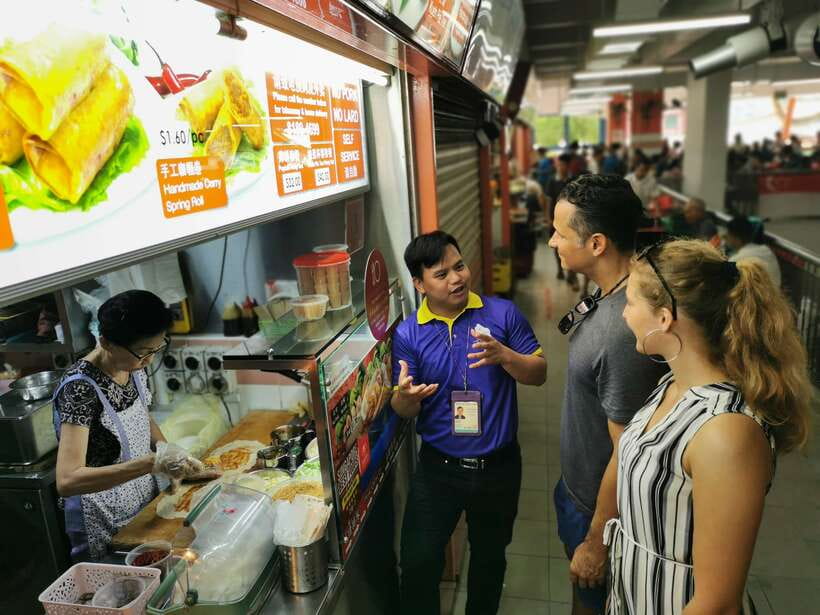
- Skip-the-queue tastings at Michelin Guide–listed and Bib Gourmand hawker stalls
- Small group size (limited to 10; max 12 on the concept) for a more comfortable pace
- 9–10 tastings and drinks across major neighbourhood food centres
- Insider food stories tied to the way Singaporeans eat and live
- Good sightseeing flow through Chinatown’s temples, mosque, and landmark streets
- Outdoor walking included, so plan for weather and wear comfy shoes
Why a Singapore Hawker Tour Works Especially Well in Chinatown
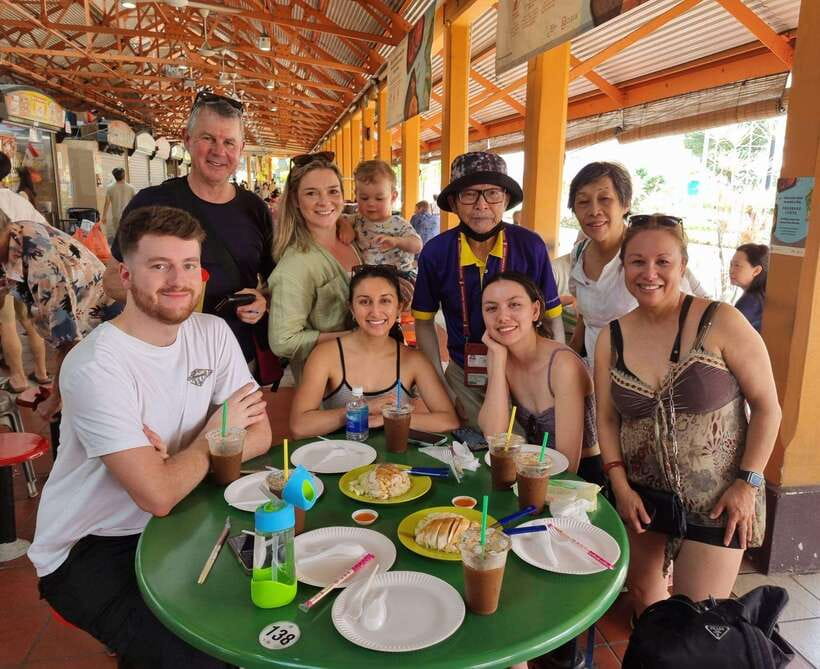
Singapore’s hawker centres can feel like sensory chaos at first. This tour keeps you from wasting time doing the two hardest things: picking stalls and figuring out how to order. Instead, you follow your guide from one high-demand place to the next, with tastings planned so you can focus on flavour and context.
Chinatown is a smart base for a first food tour. You’re eating at well-known hawker centres while also passing major landmarks—Jamae (Chulia) Mosque, Sri Mariamman Temple, and Buddha Tooth Relic Temple—so the food story has visible roots in the neighbourhood.
The tour also keeps the pace realistic. It’s built for all ages and low fitness levels, but there’s still moderate walking and some parts are outdoors. That’s normal for Chinatown, not a gimmick.
You can also read our reviews of more food & drink experiences in Singapore


Price and what $72 really buys you
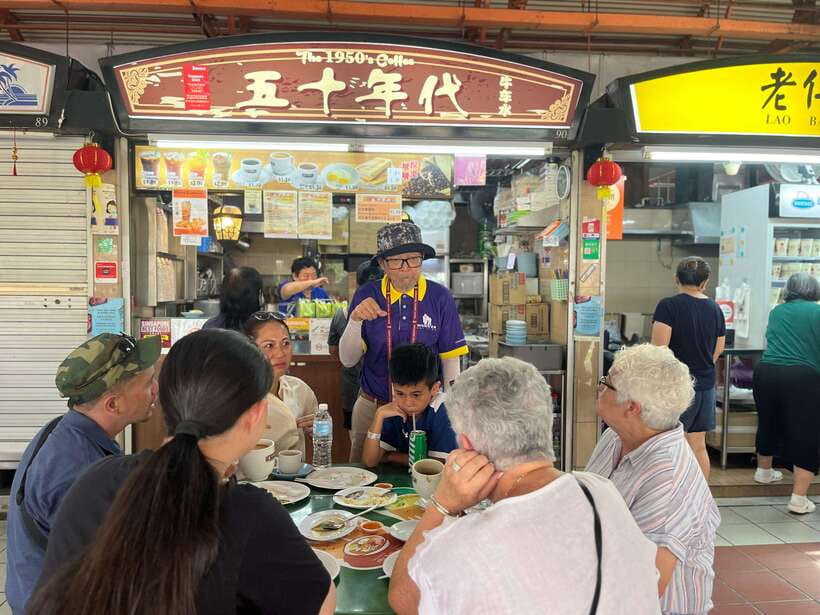
At $72 per person for 3 hours, you’re paying for three things: access, guidance, and convenience.
First, the tour is designed to skip long lines at top stalls. In hawker centres, the best seats and fastest ordering often go to people who know what they’re doing. You don’t have to play that game.
Second, you get a guided set of 9–10 food and drink tastings, including items from Michelin Bib Gourmand and Michelin Guide–listed stalls, plus long-established local favourites. That matters because ordering correctly isn’t just about “what sounds good.” It’s also about getting variety across flavours and styles without ending up with duplicates.
Third, you get storytelling help that turns eating into understanding. Many guides named in the feedback—William, Swee Lin, Richard, Heng, and Marcus are strong examples—are praised for explaining the cultural reasons behind the dishes and the people behind the stalls. In practical terms, that means you’ll know what to look for when you return on your own.
Meeting at Chinatown MRT Exit E and how to start smoothly
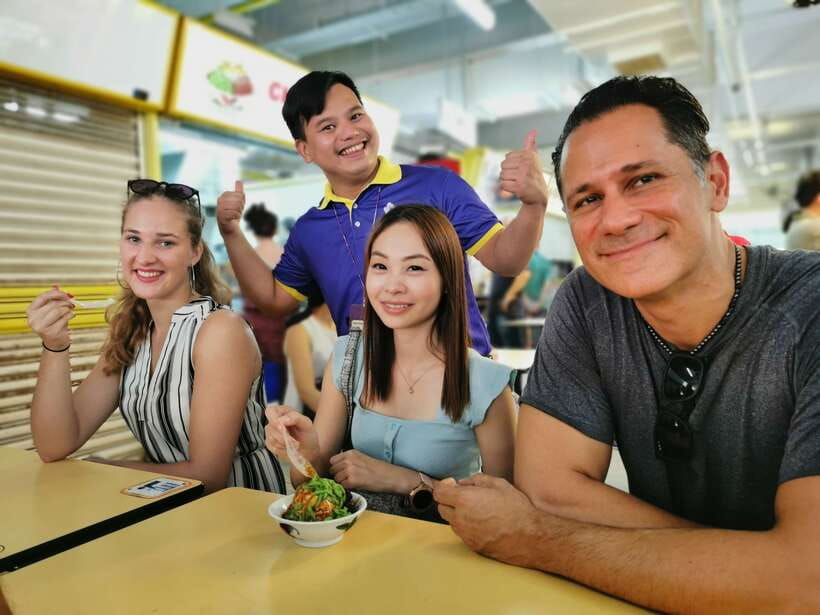
Your meeting point is Chinatown MRT station, Exit E (street level outside Starbucks). Look for the guide in a purple t-shirt.
This kind of tour runs on timing. It starts on time and won’t be extended for late-comers, so give yourself buffer time. If you want to avoid that stress, arrive a few minutes early and be ready with cash and a small bottle of water.
Also, bring an umbrella or poncho and plan for humidity. Multiple guides are noted for keeping things comfortable (for example, looking for shade when possible), but the weather is still weather, and you’ll be outdoors some of the time.
Hong Lim Market & Food Centre: your first “Singapore” taste
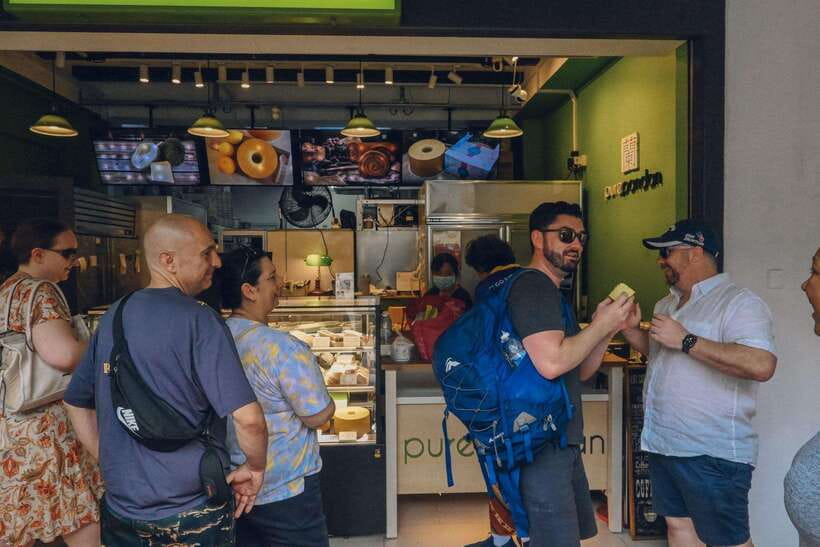
Hong Lim Market & Food Centre is often where first-timers get hooked. It’s a strong place to begin because it’s lively and full of regulars—exactly the kind of hawker environment where locals trust the stalls.
On this tour, you’ll do food tastings here from Michelin Guide–recognised and Bib Gourmand–listed hawkers. That combination is practical: it reduces the risk of ordering something mediocre just because it looks popular. You also get a short learning moment that helps you understand what you’re eating and why people keep coming back.
What to watch for: hawker ordering can be fast, crowded, and a little chaotic. That’s why the tour’s “queues handled for you” approach is so valuable at the first stop. You can focus on the food instead of hunting for menus or trying to read what’s selling at that exact moment.
Passing Jamae (Chulia) Mosque and Sri Mariamman Temple
Between food stops, you’ll do short walks and pass landmark sights. You’ll go by Jamae (Chulia) Mosque and Sri Mariamman Temple, both of which give Chinatown its distinct identity.
These pass-by moments are more than postcard stops. They help explain how Singapore’s food culture formed in a place shaped by different communities. You’ll often hear your guide connect the dots between migration, trade, and how flavours and techniques blended over time.
If you’re thinking, Great, more walking, don’t worry: the tour is designed for a lower-intensity outing. Still, it’s outdoors and you’ll be on your feet, so keep your footwear comfortable.
A few more Singapore tours and experiences worth a look


South Bridge Road: the small sightseeing section that saves time later
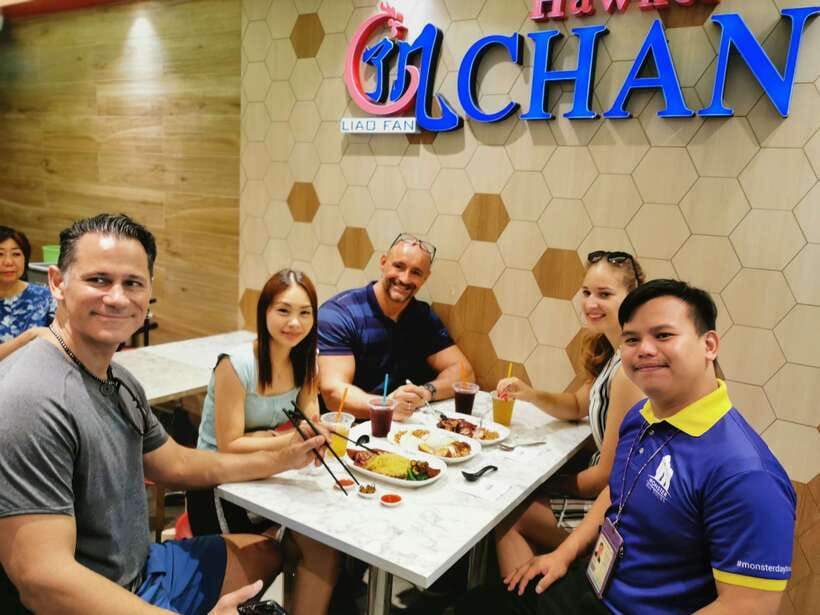
South Bridge Road is part of the route that links the food world with Chinatown’s older streets. You get scenic views along the way, which is great because it breaks the day up without requiring a separate attraction ticket.
This section is also useful if you want to build your bearings. Even if you don’t stop long, you’ll learn how Chinatown is laid out so you can navigate later for more wandering and repeat meals.
Practical tip: take this time to look for shade, especially if you’re visiting in warmer months. One group noted their guide worked to keep them in shade when possible, which is a smart move for anyone sensitive to heat.
Maxwell Food Centre: where the second wave of hawker favourites lands
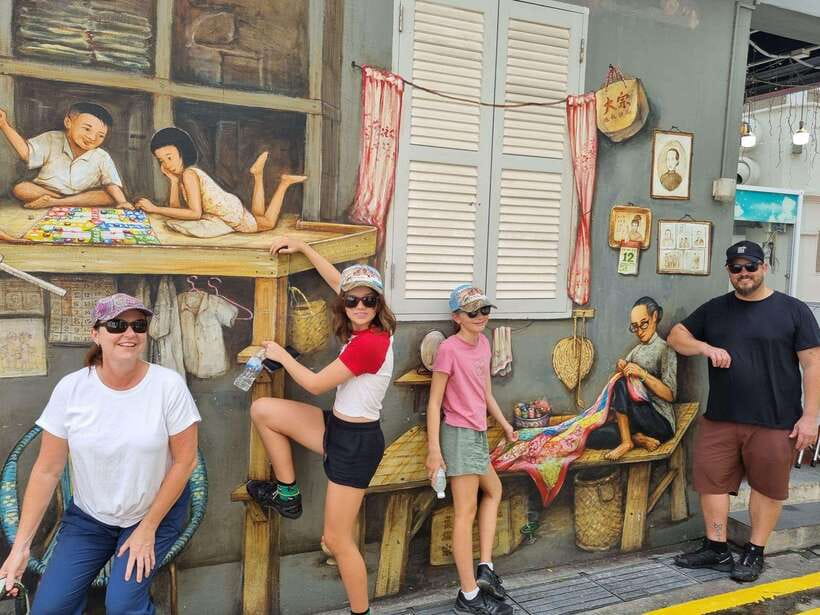
Maxwell Food Centre is the other big name on this route, and it usually feels like the tour’s “main course.” It’s another hawker hub where the best stalls draw long lines, which makes the tour’s skip-the-queue advantage feel real.
Here, you’ll get more tastings and local drink options. The best part is that the tour doesn’t just repeat the first stop’s energy. It builds variety across hawker styles, so your taste memory doesn’t collapse into one category.
Also, there’s a behind-the-scenes convenience factor. In feedback, guests specifically mentioned that the guide’s assistant sometimes goes ahead to secure food and arrange seating. That means you’re spending less time standing around and more time eating on a schedule that keeps the group moving.
Sago Street and Buddha Tooth Relic Temple: eating with context, not just calories
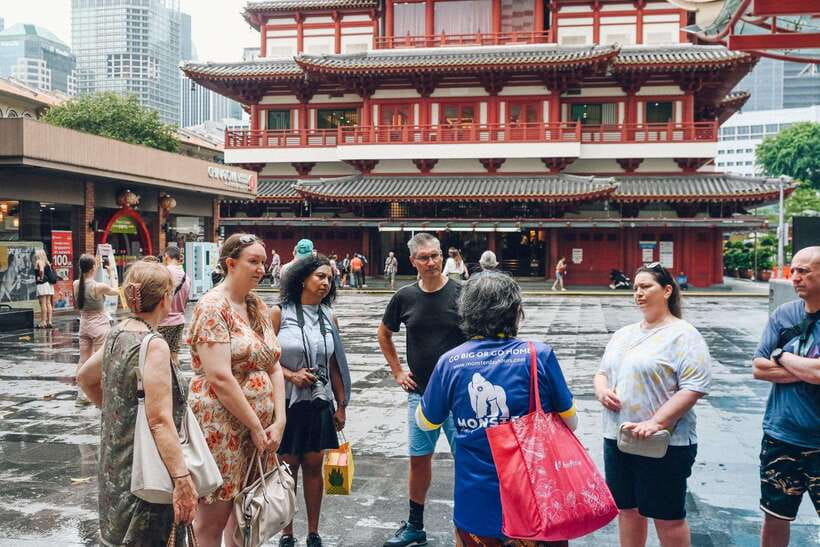
After Maxwell, you’ll pass Sago Street and end up near Buddha Tooth Relic Temple. These aren’t random route choices. They put your food stops into a wider picture of Chinatown’s cultural mix.
Buddha Tooth Relic Temple is the kind of landmark that helps your brain “map” Singapore. When you later try hawker food on your own, you’ll remember where things are located and how they fit together.
What I’d do if you want photos: keep your camera handy during the temple pass-by and then switch back to food mode. The day is short at 3 hours, so don’t let photos steal the tastings you paid for.
Chinatown Complex: the final stretch and how the tastings add up
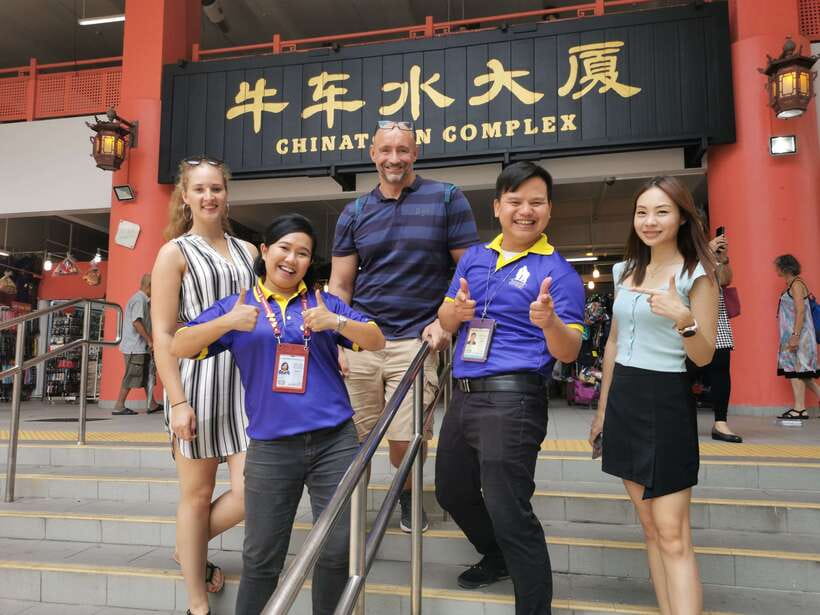
The last part of the walk brings you to Chinatown Complex, another classic place to see everyday Singapore life. The point here isn’t just to check off a food hall. It’s to show you how hawker culture lives side-by-side with normal daily routines.
By this stage, you should understand the pattern: hawker centres aren’t just about one famous dish. They’re a system—stall reputation, crowd flow, ordering habits, and the small cues that regulars use.
This tour includes 9 to 10 local hawker food and drinks, so the “math” works out. You’re not stuck paying for one full meal and hoping it’s worth it. Instead, you’re tasting multiple things and building a shortlist of what you want to repeat later.
The guides make or break it (and here’s what the best ones do)
A hawker tour lives or dies on communication and pacing. The tour’s structure is built for that, but the guide is the engine.
Across the feedback you shared, certain guide styles show up repeatedly:
- Hosts like William and Richard are praised for tying food to lifestyle and local traditions.
- Guides such as Swee Lin and Marcus are noted for being both funny and informative, which keeps the 3 hours from feeling like a lecture.
- Heng (and also Lin Rui Heng) is mentioned for balancing walking, talking, and eating, plus practical care like finding shade.
You’ll also benefit from the behind-the-scenes help. More than one guest noted an assistant handled ordering and seating setup at busy stalls. That’s the difference between a smooth tour and a “wait, where do we line up?” afternoon.
My advice: show up curious. If you ask short, specific questions (What makes this stall different? Why do people order this way? How do you know it’s good?), you’ll get more value fast.
How to prepare: umbrella, cash, and fixed tastings
This tour gives you fixed food and drink. It’s not customizable, and it’s not suitable for guests with dietary restrictions or people who need walking assistance. It’s also not suitable for people with food allergies.
That’s a big deal, so don’t assume you can substitute. If allergies or restrictions matter for you, look for a private tour instead (the provider mentions private options for more personalization).
What to bring:
- Umbrella
- Rain gear
- Cash
- Water (staying hydrated matters in humid weather)
- Comfortable footwear (dress code is casual)
Also remember: your start time is firm. Strictly no refunds for late-comers or no shows, and the tour won’t be extended.
Who should book this hawker tour, and who should skip it
This tour is a great fit if you want:
- A first-hawk er experience that avoids guesswork
- Michelin-recognised tastings without doing research on your phone
- A small group format that keeps things comfortable (limited to 10 participants)
- Cultural context that turns food into understanding
- A route that includes real Chinatown sights, not just eating in one food centre
It’s not a great fit if:
- You have food allergies or dietary restrictions
- You use a wheelchair or need walking assistance
- You can’t handle moderate outdoor walking, even if it’s designed for low fitness levels
If you fall into the “I like food but hate long lines” category, this is exactly your kind of day.
Should you book this Singapore hawker food tour with Monster Day Tours?
Book it if you’re visiting Singapore for the first time and you want to get your bearings fast with 9–10 tastings and a plan that reduces friction. The skip-the-queue setup and the small-group size are the real value drivers, and the guide-led stories help you learn something you can actually use when you return to hawker centres on your own.
Skip it if your travel style depends on strict dietary control or you need wheelchair-friendly pacing. The fixed tasting plan is part of what makes this tour simple and efficient, but it also limits flexibility.
If you go, pack for weather, arrive early, and go hungry. You’ll be glad you did—this is a food-focused 3 hours, not a light snack stroll.
FAQ
Where is the meeting point?
You meet at Chinatown MRT station, Exit E (street level outside Starbucks). Look for the guide wearing a purple t-shirt.
How long is the tour?
The tour duration is 3 hours.
How many food stops and tastings are included?
You’ll have 9 to 10 local hawker food and drinks tastings as part of the tour.
Is this tour suitable for dietary restrictions or food allergies?
No. The tour is not suitable for guests with dietary restrictions or food allergies. Food items are fixed and not customizable.
What’s the walking like?
There is moderate walking, including some time outdoors. The tour is designed for low fitness levels, but it still involves walking.
What do I need to bring?
Bring an umbrella and rain gear, plus cash and water to stay hydrated.
How big is the group?
It’s a small group limited to 10 participants (with the concept described as max 12).