REVIEW · ROME
Rome: Eat Like a Roman Ghetto & Campo de’ Fiori Food Tour
Book on GetYourGuide →Operated by Hili srl · Bookable on GetYourGuide
Food plus history, in one tight walk. On this Rome street-food tour, you pass through Campo de’ Fiori and the Jewish Ghetto, then eat your way through classics that tell the city’s story on a plate. Expect Roman market energy, neighborhood streets, and food stops paced so you can actually enjoy the walk and the explanations.
I really like how the tastings hit the everyday Rome stuff, like supplì (crispy fried rice balls) and pizza, plus a porchetta panini moment that feels very “stop and snack” instead of fancy dining. I also love the finish at Gunther Gelateria, because it wraps the tour with artisanal gelato near major sights like the Pantheon area.
One watch-out: this tour is not suitable for vegans and it’s also listed as not suitable for people with gluten intolerance. If either affects you, you’ll want to look for a different tour format.
In This Review
- Key things to know before you go
- Rome’s Campo de’ Fiori and Ghetto Connection: Why This Walk Works
- Your 2.5-Hour Route: From Piazza di San Simeone to Gelato by the Pantheon Area
- Supplì, Pizza, Panini, Fried Artichokes: What You Actually Eat (and Why It Matters)
- Campo de’ Fiori Market Time: The Morning-Only Perk
- Jewish Ghetto Highlights: Portico d’Ottavia, Turtle Fountain, and Carciofo alla Giudia
- The Landmarks That Teach Without Weighing You Down
- Gelato Finale at Gunther Gelateria: How to End Sweetly
- Price and Value: Is $36 a Good Deal?
- Dietary Fit, Comfort Level, and Practical Warnings
- Who Should Book This Tour (and Who Should Skip It)
- Quick Tips to Get the Most Out of Your Walk
- Should You Book This Rome Food and History Tour?
- FAQ
- Where do I meet the guide?
- How long is the tour?
- What food is included in the tastings?
- Are there vegetarian options?
- Is it suitable for people with gluten intolerance?
- Do I need to pay for drinks during the tour?
- What language is the tour guide?
- Is there a market stop?
- What is the cancellation policy?
Key things to know before you go
- Five guided food tastings focused on Roman street specialties, not random bites
- Morning-only market elements at Campo de’ Fiori, including local fruit-market time
- Jewish Ghetto flavors with Carciofo alla Giudia (fried artichokes) and strong local context
- Route includes big Rome landmarks like Portico d’Ottavia, Teatro Marcello, and Largo di Torre Argentina
- Gelato stop at Gunther Gelateria to end on something sweet and easy to remember
Rome’s Campo de’ Fiori and Ghetto Connection: Why This Walk Works
Rome can feel like a highlight reel: Colosseum photos, the Pantheon dome, big-ticket sights. This tour takes a different angle. You still get major landmarks, but the day-to-day Rome connection is food, neighborhoods, and the stories behind them.
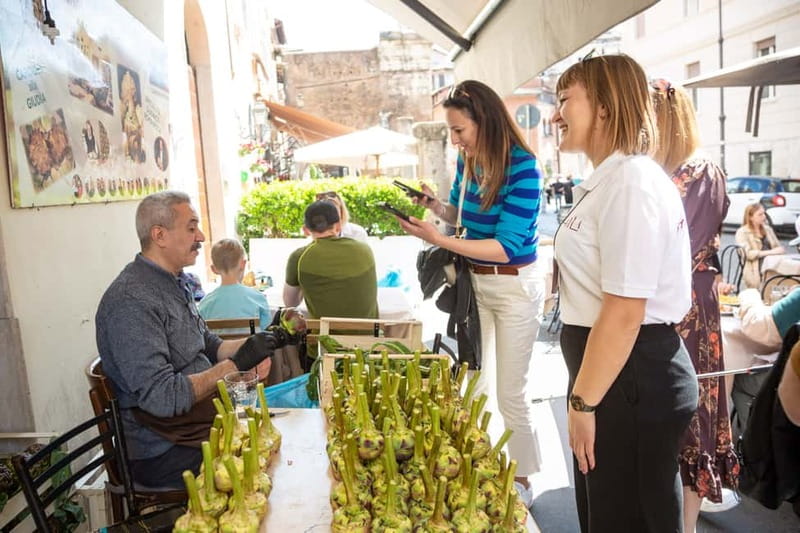
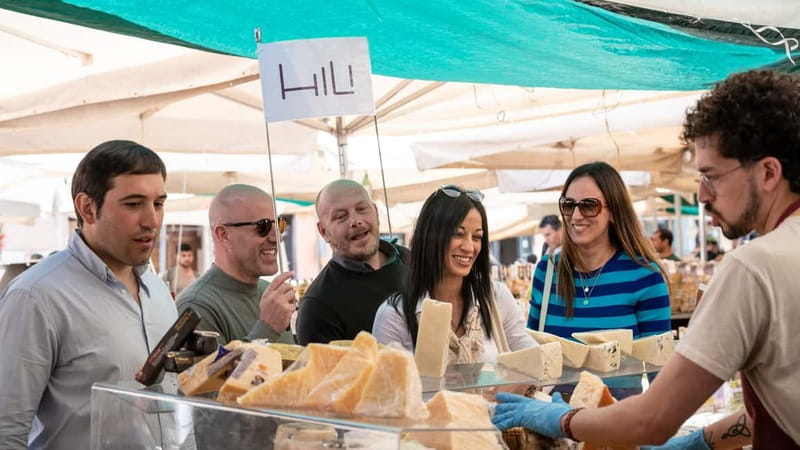
Campo de’ Fiori is where you get that “market street” feeling fast—where people buy, chat, and snack as they go. Then the route shifts into the Jewish Ghetto area, where food traditions carry history in a way you can taste, like the famous fried artichokes that locals expect you to try.
You’ll get a licensed local guide who keeps the walk moving, but the pacing matters here. At 2.5 hours, it’s long enough to feel like an experience, but short enough that you don’t end up dragging yourself through Rome’s streets when you could be out exploring on your own.
You can also read our reviews of more food & drink experiences in Rome

Your 2.5-Hour Route: From Piazza di San Simeone to Gelato by the Pantheon Area
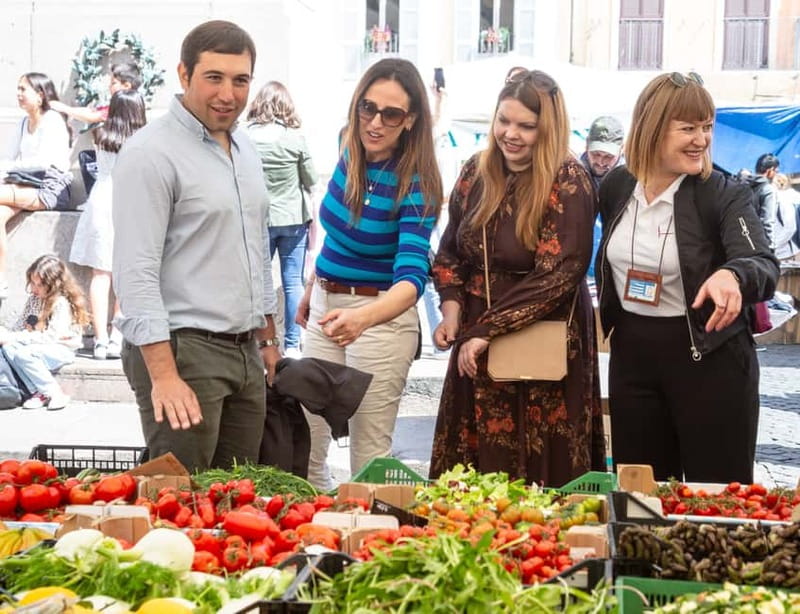
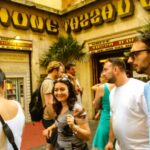
You start at the fountain in the center of Piazza di San Simeone. That’s a handy launch point because it’s close to the general hub around Piazza Navona, so you can connect this tour with the rest of your day without spending time crossing the city.
From there, the route is mostly on foot with quick passages and short stops. You’ll pass places like Chiostro del Bramante and see sights in the background as you walk, like the Teatro Marcello area. The rhythm stays simple: walk a bit, snack, walk a bit, learn a bit.
The tour’s food stops are spaced out (around 15–20 minutes at major tasting points) so you don’t get the weird “eat too much too fast” problem. You’ll also end in the central area around Piazza di S. Eustachio, with a gelato stop at Gunther Gelateria along the way. The overall plan is to keep you in the thick of Rome rather than pushing you to the far edges.
One practical note: the tour is English-speaking. If you prefer your explanations in English and want food + local context together, that’s a big plus.
Supplì, Pizza, Panini, Fried Artichokes: What You Actually Eat (and Why It Matters)
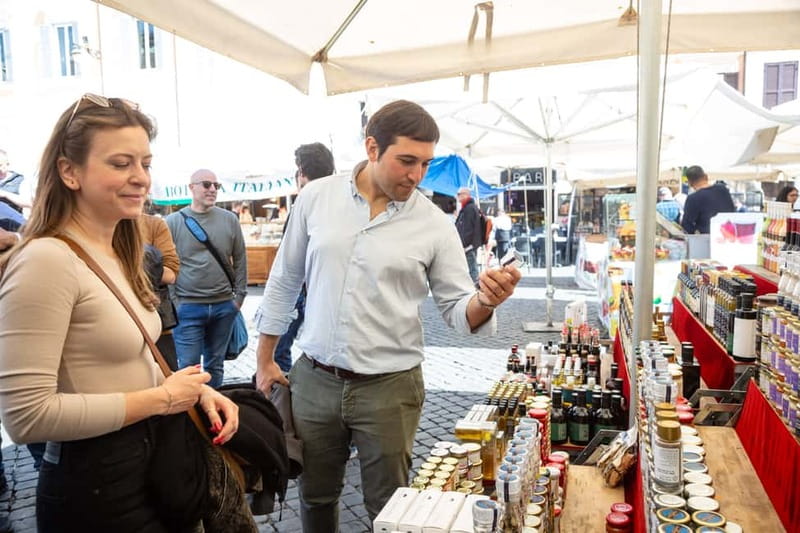
This tour is built around Roman favorites that you can find in Rome, but you might not find if you’re relying on luck or menus with photos. That’s where the value shows up: you’re not just eating, you’re learning what to order and why it’s a big deal locally.
Here’s what you can expect to taste:
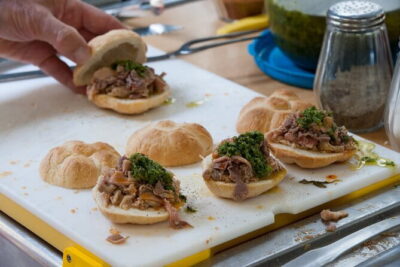
- Panini with porchetta
- Supplì (deep-fried rice balls)
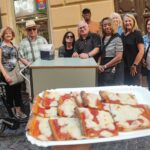
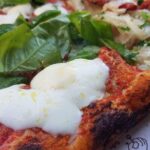
- Roman-style pizza
- Fried artichokes (Carciofo alla Giudia)
- Artisanal gelato
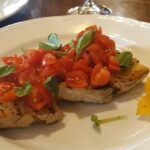
- Olive oil, truffle, and vinegar tasting on morning tours only
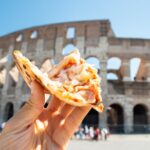
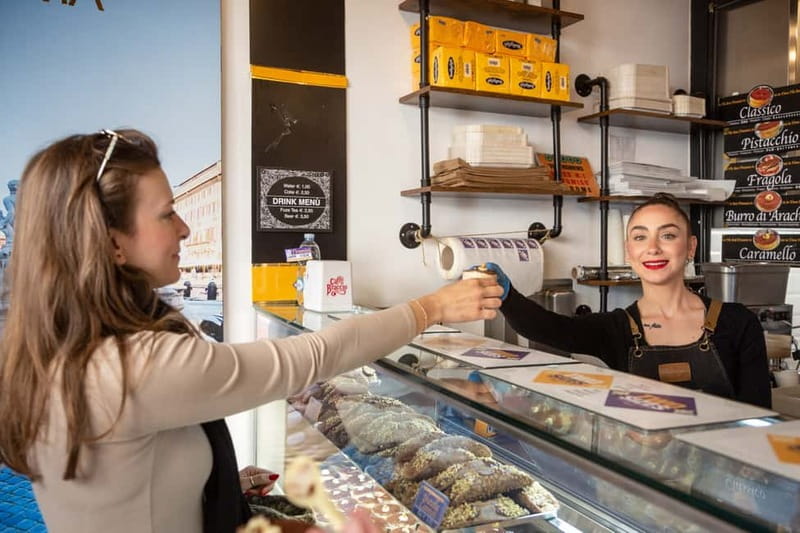
Each one teaches you something. Supplì gives you that Roman comfort-food crunch—especially satisfying when it’s fresh. Porchetta panini is the kind of sandwich you’ll keep thinking about after you leave because it’s salty, tender, and very street-food in spirit.
Then you get pizza in the Roman way (not the American slice vibe). You’ll also get a tasting that feels more specific to the Jewish Ghetto food story: Carciofo alla Giudia. Fried artichokes aren’t just a novelty. They’re a culinary signal that traditions survive even when streets change.
And of course, the gelato. A good gelato stop is more than dessert—it’s the payoff that helps the whole tour feel like a complete circuit, not just a series of tastings.
Campo de’ Fiori Market Time: The Morning-Only Perk
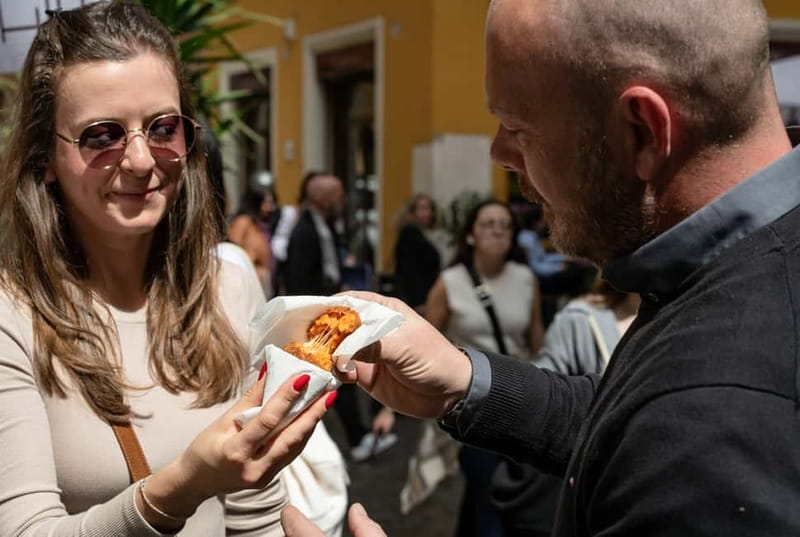
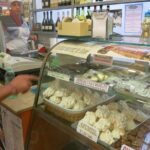
If you book a morning tour, you get extra layers. You’ll spend time around Campo de’ Fiori and enjoy a stop at the local fruit market. That matters because it turns the tour from “eat Roman food” into “understand where ingredients and flavors come from.”
Morning tours also include tastings like olive oil, truffle, and vinegar. That’s a smart add-on because those aren’t just fancy extras. In Roman cooking, they’re how flavor gets built. Even if you don’t cook at home, you’ll start recognizing how Romans talk about taste: fat + sharpness, aroma + tang.
So if you’re deciding between time slots, pick morning if you can. You’ll get more than street food; you’ll get ingredient context.
Jewish Ghetto Highlights: Portico d’Ottavia, Turtle Fountain, and Carciofo alla Giudia
This is the part of the tour that often makes people pause mid-walk. The Jewish Ghetto area has a distinct atmosphere, and the guide’s job is to connect what you see to what you eat.
You’ll spend time in the Jewish Ghetto and visit landmarks along the way, including the Portico d’Ottavia area and the Turtle Fountain. Those are the kinds of sights that can look like “just another street stop” if you pass them casually. With context, they start to make sense.
Then comes the signature tasting: Carciofo alla Giudia. You’re not just trying a fried vegetable. You’re tasting a tradition that carries cultural identity and local adaptation. Expect it to be crisp and intense compared with the artichokes you might know from a salad plate.
If you’re a history-and-food person, this section is usually the one that lands hardest, because the guide’s stories and the food are tied together.
A few more Rome tours and experiences worth a look



The Landmarks That Teach Without Weighing You Down
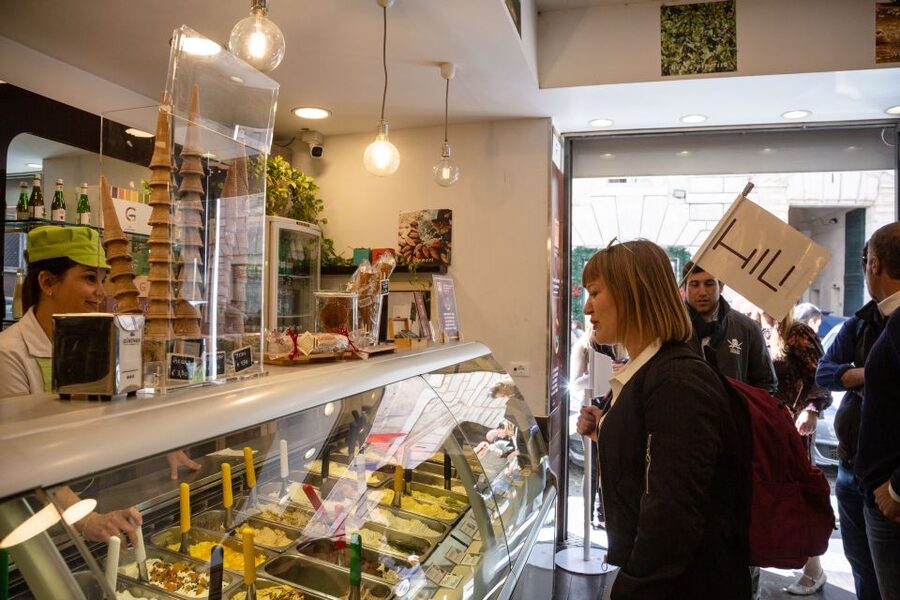
Some tours add history like wallpaper: a few dates, a few facts, then back to shopping. This one tries to connect history to what you’re doing in real time.
You’ll hear stories connected to Largo di Torre Argentina, a site linked to Julius Caesar’s assassination. You’ll also pass or see spots tied to Rome’s shifting eras, including areas like Teatro Marcello and other central landmarks along your route.
There are a few smart benefits here:
- You get historical context without needing museum time.
- The stories land because you’re actively walking and snacking, so your brain stays engaged.
- You leave with a mental map of Rome that includes more than monuments.
And yes, the tour includes passes by big-name sights like the Pantheon. You don’t stop inside, but seeing it from the street while you’re mid-route helps you orient for later sightseeing.
Gelato Finale at Gunther Gelateria: How to End Sweetly
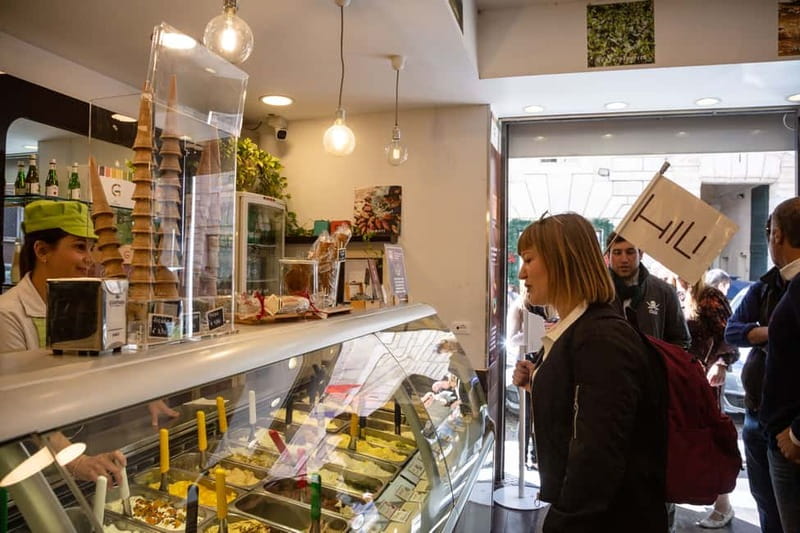
Most food tours end with something sugary, but this one is planned so the gelato stop feels like a finish line. You’ll stop at Gunther Gelateria for tasting time, then wrap up around Piazza di S. Eustachio.
This is useful if you’re trying to plan the rest of your day. You don’t want to end far away from good wandering. Ending near major central areas makes it easier to continue on your own—whether that means heading to the Pantheon zone, finding a nearby espresso bar, or just doing more street-level exploring.
Practical tip: since gelato is included, pace yourself. Don’t treat all stops like they’re competing for biggest bite. You want to enjoy each taste, not just stuff your face and hope for dessert.
Price and Value: Is $36 a Good Deal?
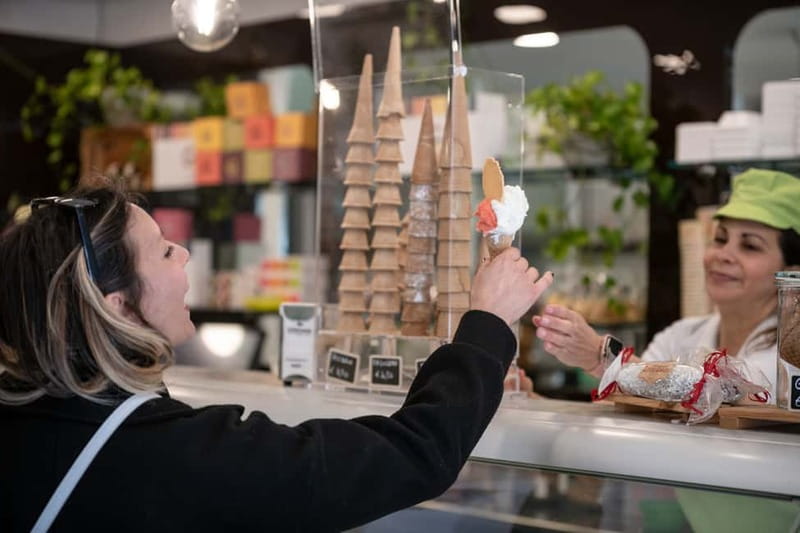
At $36 per person, you’re paying for a guided walk plus multiple food stops. The key value is not just the quantity—it’s the selection and the structure.
You get:
- Guided walking tour in the city center
- Five delicious food tastings
- Campo de’ Fiori and Ghetto area visit
- A local guide
- Duration of 2.5 hours (so it’s not a rushed sprint)
Also, drinks are not included, so budget a little extra if you want water or wine.
In Rome, $36 isn’t outrageous for a tour that delivers both food and neighborhood context. If you were to buy each item yourself, you’d still pay for individual meals and snacks. The tour’s advantage is that you don’t need to guess what to order, where to go, or how to connect the dots between neighborhoods.
Dietary Fit, Comfort Level, and Practical Warnings
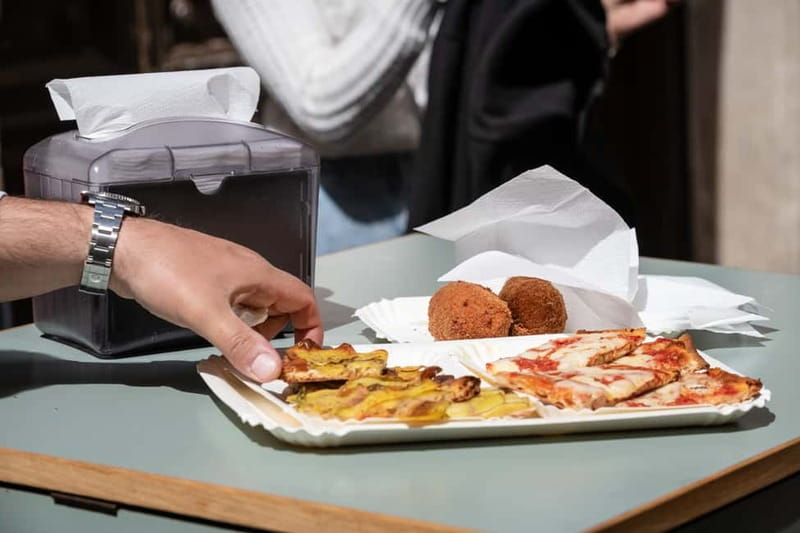
This is where you should match the tour to your needs.
- Vegetarian options are available.
- It’s not suitable for vegans.
- It’s not suitable for people with gluten intolerance.
- If you have allergies or dietary restrictions, you should let the operator know.
Comfort-wise, the tour is described as wheelchair accessible, which is a good sign for broader mobility needs. That said, it’s still a walking tour in central Rome. You’ll want sensible shoes, and you’ll want to be ready for some street-level walking even if the tour avoids long distances.
If you’re gluten-free or vegan, don’t force it. You’ll likely have a frustrating time with menu limitations, and the whole point is to relax into the tasting flow.
Who Should Book This Tour (and Who Should Skip It)
I think this tour is a strong match if:
- You want a food + history combo without committing to a full-day program.
- You like street food that feels local, like supplì and Roman pizza.
- You want to see both Campo de’ Fiori and the Jewish Ghetto areas as part of one route.
- You’re in Rome early and want recommendations for what to try later.
You might skip it if:
- You’re vegan or gluten intolerant (those limitations are explicitly stated).
- You want only major monuments with minimal neighborhood walking.
If you’re traveling with teens or family, it can work because it’s active, varied, and not a lecture-only experience. The pacing is also short enough to keep energy up.
Quick Tips to Get the Most Out of Your Walk
A few things that help you enjoy it more:
- Pick morning if you can. The market stop and the olive oil/truffle/vinegar tasting are the extra value.
- Go with an appetite, but don’t come starving to the point you can’t enjoy. The tastings are spread out for a reason.
- Treat the stories like part of the food. When the guide links a dish to a place, your brain remembers it longer.
- Use this as a first-stay tour if you can. After you see what locals order, your solo food hunting becomes much easier.
Should You Book This Rome Food and History Tour?
Book it if you want an easy win: Roman street food, neighborhood context, and a short walk that hits the highlights without feeling like a checklist. The $36 price is fair for five tastings plus a local guide, and the specific menu choices—supplì, Roman pizza, porchetta panini, fried artichokes, and gelato—are the kind of stuff you’d struggle to line up on your own.
Skip it if you can’t do gluten or you’re vegan. Otherwise, this is the kind of tour that helps you understand Rome in a way a monument tour alone can’t.
FAQ
Where do I meet the guide?
You meet your guide at the fountain in the center of Piazza di San Simeone.
How long is the tour?
The tour lasts about 2.5 hours.
What food is included in the tastings?
Tastings include panini with porchetta, supplì, Roman-style pizza, fried artichokes (Carciofo alla Giudia), artisanal gelato, and olive oil, truffle, and vinegar tasting on morning tours only.
Are there vegetarian options?
Yes, vegetarian options are available. The tour is not suitable for vegans.
Is it suitable for people with gluten intolerance?
No, the tour is listed as not suitable for people with gluten intolerance.
Do I need to pay for drinks during the tour?
Drinks are not included.
What language is the tour guide?
The tour guide speaks English.
Is there a market stop?
Yes, Campo de’ Fiori includes a lively market stop, and this is listed as morning tours only.
What is the cancellation policy?
You can cancel up to 24 hours in advance for a full refund.