REVIEW · HONG KONG SAR
Small-Group Hong Kong Island Food Tour
Book on Viator →Operated by Hello Hong Kong · Bookable on Viator
Food in Hong Kong moves fast, in the best way. This small-group tour strings together classic Cantonese bites with British-era influences, then walks you through the neighborhoods that shaped it.
I especially like how the route starts in Sheung Wan and ends in Wan Chai, so you get both the food and the everyday city feel without spending your whole day in transit. I also like that you’re eating the real lineup—yum cha on a trolley, wonton noodle soup, milk tea, roast meats, and an egg tart—while the guide helps you make sense of what you’re tasting. The main drawback to consider: this tour isn’t set up for vegetarians, gluten-free diets, or seafood allergies.
In This Review
- Key things that make this Hong Kong Island tour worth it
- Four Hours of Hong Kong Island Food History, From Sheung Wan to Wan Chai
- Price and value: What you’re really paying for at $115.52
- Stop 1: Sheung Wan’s old tea house and trolley yum cha
- Seafood Street and Kai Fat Tea: Dried ingredients and preserved sweets
- Graham Street Market: an oldest-wet-market kind of moment
- Western District and Mid-Levels Escalator: food meets city design
- Ding Ding tram ride: a fun hop between tastings
- Wan Chai char siu fan: Qing dynasty roots and English-style roast meat
- Dan tat egg tart at the 60-year bakery favorite of a governor
- The extra shops that turn meals into a full food culture lesson
- How the guide makes (or breaks) a Hong Kong food tour
- What you should do before the tour starts
- Who this Hong Kong Island Food Tour is best for
- Should you book this tour?
- FAQ
- How long is the Small-Group Hong Kong Island Food Tour?
- Where does the tour start and end?
- What time does the tour start?
- What food is included in the tour?
- Is the Ding Ding (tram) ride included?
- What size is the group?
- What language is the tour conducted in?
- Is the tour vegetarian-friendly or gluten-free?
- Do I need to eat breakfast before the tour?
- Is hotel pickup and drop-off included?
- Cancellation
Key things that make this Hong Kong Island tour worth it

- Max 9 people keeps the pacing comfortable and the table talk easy
- Four core food samples plus milk tea makes it a true tasting tour, not a snack parade
- Old tea houses, markets, and historic streets help you understand why the dishes taste the way they do
- Ding Ding tram ride gives you a fun break mid-day while staying on course
- Guide-led language support helps you order and navigate places that don’t cater to tourists
- English explanations plus food history turns meals into a story you can remember
Four Hours of Hong Kong Island Food History, From Sheung Wan to Wan Chai
If you’re short on time, this is the kind of tour that helps you get oriented fast and still eat well. Over about 4 hours, you’ll cover Hong Kong Island on foot with a couple of targeted transport moments, ending in Wan Chai. The group size is capped at 9, so you’re not stuck in a food-line shuffle with a crowd.
What makes it interesting is the mix of flavors and eras. You’ll see how Cantonese food rubs shoulders with British influence—especially in the drinks and the egg tart style—while you eat in places that feel built for locals, not Instagram photos.
You can also read our reviews of more food & drink experiences in Hong Kong SAR
Price and value: What you’re really paying for at $115.52
At $115.52 per person, this tour is priced like a guided experience, not a cheap buffet. But you’re getting more than a few bites: the tour includes a professional guide, multiple restaurant stops, and several specific items (dim sum/yum cha, wonton noodle soup, milk tea, roast meat/char siu, dan tat/egg tart, plus traditional dried fruit sweets).
You’re also paying for convenience that matters in Hong Kong Island: you don’t have to figure out what to order, where to go next, or how to get from neighborhood to neighborhood while staying on schedule. And the Ding Ding tram ride is included, which saves you from guessing the route and timing.
If your ideal day is lots of wandering with zero planning, you’ll probably feel this is fair. If you’re the type who hates being on a timed schedule, you might prefer self-guided food hopping instead.
Stop 1: Sheung Wan’s old tea house and trolley yum cha
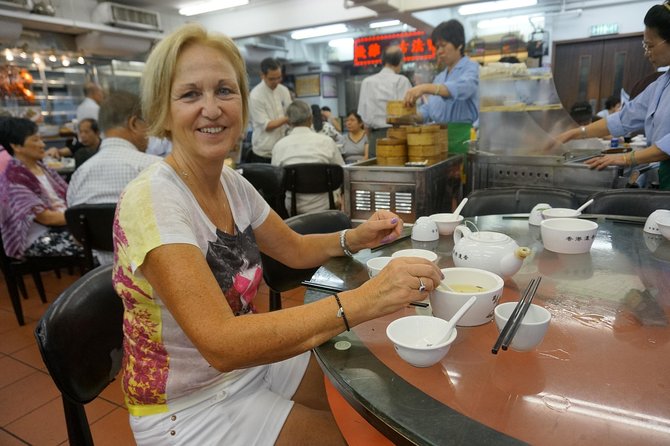
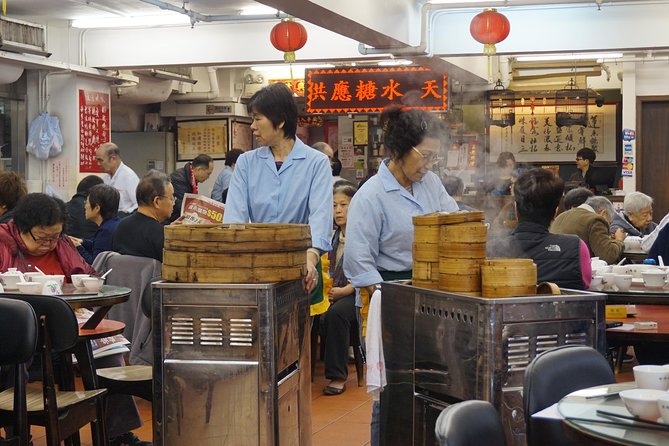
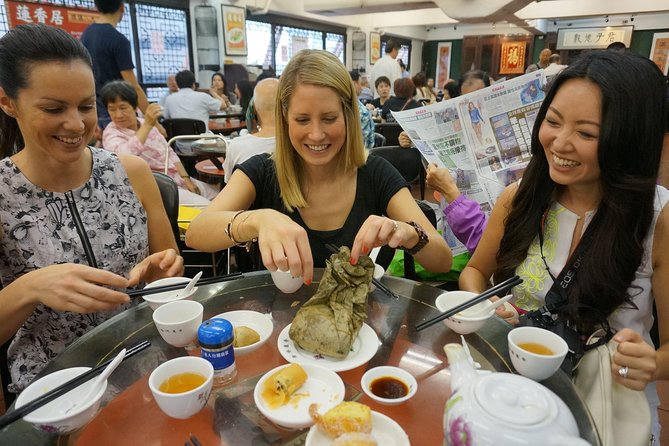
Your day kicks off in Sheung Wan at 9:30 am, starting near 28號 Des Voeux Rd W, Sheung Wan. The first meal is yum cha (dim sum) served by trolley in an old tea house.
This is the kind of start that works because it sets the tone early: the room is lively and crowded, and you’re eating in the rhythm that Hong Kong has used for generations. Since you’re likely to be one of the few non-locals at the tables, the guide’s role is practical—helping you understand what to look for and how to order without stress.
Tip: come hungry. The tour guidance is clear about skipping breakfast beforehand, and your schedule will make sense once you’re sitting down for the trolley dim sum.
Seafood Street and Kai Fat Tea: Dried ingredients and preserved sweets
Next, you head toward a stretch known for dried seafood shopping. Dried seafood is common in Chinese cooking and tonics, and in Hong Kong it’s concentrated into a specific trading zone—so it’s easy to see the ingredient culture up close without hunting shop to shop.
After that, you visit Kai Fat Tea, a longtime tea-and-sweets shop in a narrow road. Expect tea, assorted candies, and fruit-based sweets, the sort of snacks that feel built into everyday Hong Kong life rather than imported for tourists.
If you’re wondering whether this part is “worth it,” think of it as the flavor backstory. When you taste things later—sauces, broths, roasted meat rubs—you’ll have more context for why Hong Kong cooking leans on dried and preserved ingredients.
Graham Street Market: an oldest-wet-market kind of moment
You’ll stop at Graham Street Market, a place with a history that goes back more than a century. The street is sloped and lined with stalls, so you can watch the daily flow of Hong Kong errands and food-buying.
This isn’t a museum stop. It’s a quick, real-world snapshot of how food shows up here—produce, seafood, and the constant motion of people doing normal business.
Practical note: if you’re prone to taking lots of photos, keep an eye on your footing. Market areas can be crowded and uneven, so save the slow stroll for after the group moves.
A few more Hong Kong SAR tours and experiences worth a look
Western District and Mid-Levels Escalator: food meets city design
After the food ingredient stops, the tour shifts into “how the city works” mode. You’ll walk through Western District and pass by areas tied to Hong Kong’s European and Chinese communities. You’ll also get time for the Mid-Levels Escalator, described as the world’s longest outdoor escalator—800 meters long and lifting you about 135 meters.
Why this matters on a food tour: Hong Kong Island’s hills shape where people live, how they commute, and where small shops survive. When you see that escalator system in action, it clicks why neighborhoods can feel both separate and connected.
You also get a chance to see Tai Kwun, a restored compound tied to heritage and contemporary programs. Even if you don’t go inside for long, it’s a meaningful contrast to the markets—another reminder that Hong Kong constantly reuses and reshapes its buildings.
Ding Ding tram ride: a fun hop between tastings
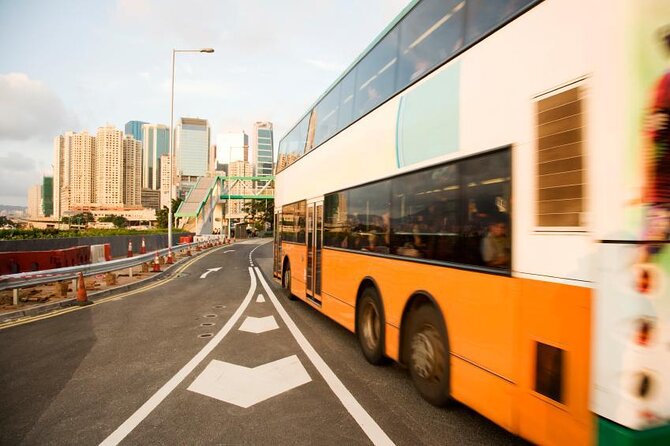
At some point (about mid-tour), you’ll board Hong Kong Tramways (Ding Ding). The tram system has British-era roots, first operating in 1904, and the tour describes it as the world’s largest operational double-decker tram.
This is more than transportation. It’s an easy way to reset your legs while still staying in the sightseeing flow. Plus, it makes a great “I’m in Hong Kong” moment without adding extra planning.
If you want the best view, get ready to move when you board. The tram is an actual ride, not a photo prop.
Wan Chai char siu fan: Qing dynasty roots and English-style roast meat
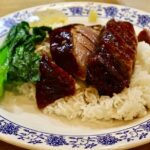
You’ll finish the food run in Wan Chai, where the tour brings you to a family-run restaurant recommended by major guides and described as dating back to pre-20th-century Qing dynasty times. The signature here is char siu fan—roast BBQ pork rice—with homemade sauces.
This is one of the stops that tends to stick in people’s memories because it’s simple and powerful. Roasted meat is one of those dishes where small differences in seasoning and sauce change everything, and eating it in a classic local setting helps you notice those details.
If you’re sensitive to sweetness or salt in sauces, keep that in mind as you eat. The guide can help you understand what you’re tasting, but this is still a roast-meat stop, so it’s not mild by default.
Dan tat egg tart at the 60-year bakery favorite of a governor
Next comes dessert: dan tat (egg tart) at a well-established bakery. The tour notes a 60-year history, and adds that it’s a favorite of one former Hong Kong governor.
This is the English influence part of the story. Custard-style tarts show up across many places, but Hong Kong’s dan tat has its own balance—crisp shell, creamy custard, and that sweet-savory pull that makes it feel like comfort food rather than “dessert as an event.”
Come ready for the fact that egg tarts don’t work like a light snack. If you’ve skipped breakfast, you’ll likely feel grateful around this stop, because the rest of the day will have built up your appetite.
The extra shops that turn meals into a full food culture lesson
Even when you’re not at a restaurant, the tour keeps feeding you context. Along the way, you’ll also make stops tied to local food culture like:
- a tea shop with preserved candies
- a family-run soy sauce producer
- a dried seafood shop
- a Chinese medicine shop from the 1940s
- Hong Kong’s oldest wet market
You don’t need to be a history nerd to enjoy this. You just need to like connecting ingredients to outcomes. When you see where sweets come from, where sauces are made, or how people stock up for tonics, the dishes stop feeling random.
It also helps that the guide points out what matters as you go—so you can translate what you see into what you taste.
How the guide makes (or breaks) a Hong Kong food tour
The biggest theme in the feedback is simple: the guides do a great job keeping the tour moving and the food coming. Names that show up repeatedly include Andy, Ivy, Mel, Alex, and Sinclair, and they’re praised for being engaging, speaking English well, and explaining both food and Hong Kong everyday life.
Two practical things you should care about:
- Pace and portions: the tour is designed so you’re not underfed. Multiple guides are mentioned for making sure you had enough at each stop.
- Language help: since many spots are local and not built for tourists, the guide acts like your shortcut—helping you navigate menus and understand what to order.
One more note: the tour is said to adapt when possible, including handling questions and adjusting the experience when needed. Still, the tour does come with limits—no vegetarian setup, and it’s not meant for gluten-free diets or seafood allergies—so don’t count on substitutions.
What you should do before the tour starts
A few things will make your day smoother:
- Skip breakfast beforehand, as the tour strongly recommends arriving hungry.
- Wear shoes you can walk in. This is a half-day neighborhood circuit, not a sit-and-sip crawl.
- Bring a camera. You’ll see markets, streets, old shops, and the tram.
- If you’re sensitive to crowds, keep an eye on the market areas and narrow streets.
Also, this tour runs in English, and you’ll receive easy-to-follow directions to the meeting point in Sheung Wan. You’ll use a mobile ticket, which is convenient.
Who this Hong Kong Island Food Tour is best for
This is a great fit if you:
- want a guided introduction to Hong Kong Island food without doing research for weeks
- like Cantonese classics (dim sum, wonton noodles, roast meats) and the city’s milk tea/dessert influences
- enjoy walking neighborhood streets but want the route handled for you
- appreciate small-group pacing
It’s not a fit if you’re vegetarian, need gluten-free meals, or have seafood allergies. And it isn’t designed for young kids (it’s not suitable for ages 5 and below).
Should you book this tour?
I think it’s a strong pick for most first-timers on Hong Kong Island who want real food and real context in one morning block. The small group size, the specific included tastings, and the mix of tea houses, markets, roast meat, and dan tat make it feel efficient without being rushed.
If your main goal is sampling iconic Hong Kong dishes and learning what’s behind them, booking makes sense. If you want a fully flexible, choose-your-own-adventure plan—or you need dietary accommodations—the tour’s rules will likely frustrate you. In that case, look for a different style of food experience.
FAQ
How long is the Small-Group Hong Kong Island Food Tour?
The tour lasts about 4 hours.
Where does the tour start and end?
You meet at 28號 Des Voeux Rd W, Sheung Wan, Hong Kong and the tour ends in Wan Chai, Hong Kong.
What time does the tour start?
The start time listed is 9:30 am.
What food is included in the tour?
Included items are dim sum/yum cha, wonton noodle soup, Hong Kong milk tea, egg tart (dan tat), traditional dried fruit sweets, and char siu (BBQ pork).
Is the Ding Ding (tram) ride included?
Yes. The Ding Ding (Tram) ride is listed as included.
What size is the group?
The tour has a maximum of 9 travelers per booking.
What language is the tour conducted in?
The tour is conducted in English.
Is the tour vegetarian-friendly or gluten-free?
No. The tour is not suitable for vegetarians, gluten-free travelers, or people with seafood allergies.
Do I need to eat breakfast before the tour?
No. You’re recommended to arrive hungry and not eat breakfast before the tour.
Is hotel pickup and drop-off included?
No. Hotel pickup and drop-off are not included.
Cancellation
You can cancel for a full refund up to 24 hours in advance of the experience’s start time.
If you want, tell me your dietary needs and what you like most (dim sum vs. noodles vs. roast meats), and I’ll help you decide if this lineup fits your style.