REVIEW · OSAKA
Eat Like a Local in Osaka – Private Custom Street Food Tour
Book on GetYourGuide →Operated by City Unscripted · Bookable on GetYourGuide
Osaka’s street food hits fast. This private tour is built around Dotonbori neon and Namba lantern-lit side streets, so the flavors come with the city’s real rhythm. You get to sample the classics—then make sense of them with a local host who can tailor the route to your appetite and comfort level.
What I like most is the matching process. You’ll answer a short questionnaire, and you’re paired with a host based on your tastes and personality, not a generic script. Second, I like the mix of snacks and stories: you’re not just eating takoyaki and okonomiyaki, you’re hearing why Osaka cooks the way it does.
One thing to consider: the “street food” style can vary depending on your host and what you request. If you’re hoping for nonstop cart-snacking only, send that preference clearly so your 6–8 tastings match your idea of street food.
In This Review
- Key highlights that matter
- Osaka’s Neon + Food Carts: Why This Route Works
- Private Matching: The Real Secret to a Better Food Tour
- The 3-Hour Plan: What the Walk Actually Feels Like
- What You’ll Eat: The Osaka Classics (and How They Differ)
- Takoyaki: The Octopus-Ball Test
- Okonomiyaki: Osaka’s Cabbage-and-Sauce Personality
- Kushikatsu: Crispy Skewers and the Sauce Question
- Yakisoba: Smoky Noodles, Street-Level Comfort
- Oden: The Slow-Warm Counterpoint
- How all these dishes fit together
- Learning the Stories Behind the Flavor
- Drinks, Comfort, and Pacing: What You Can Control
- Price and Value: Is $169 Worth It?
- When This Tour Might Not Match Your Ideal
- How to Get the Best Tour From Day One
- Who This Tour Suits Best
- Should You Book This Osaka Street Food Tour?
- FAQ
- FAQ
- How long is the Eat Like a Local in Osaka tour?
- Is this tour private?
- How much does it cost?
- How many street food dishes will I try?
- What drinks are included?
- Where do we meet if pickup isn’t arranged?
- Does the tour include pickup?
- Do I need to use public transportation during the tour?
- What languages will the guide use?
- Is the tour wheelchair accessible?
Key highlights that matter
- Tastings tuned to your likes with a host-matching questionnaire before you go
- 6–8 Osakan street-food favorites chosen to fit your appetite
- Walking route through Dotonbori and Namba where the food culture is front and center
- Local stories behind each bite, including how Osaka’s famous flavors took shape
- Two drinks included (alcoholic or soft, based on your preference)
- Insider tips for the rest of your trip, so you keep eating well after the tour
Osaka’s Neon + Food Carts: Why This Route Works
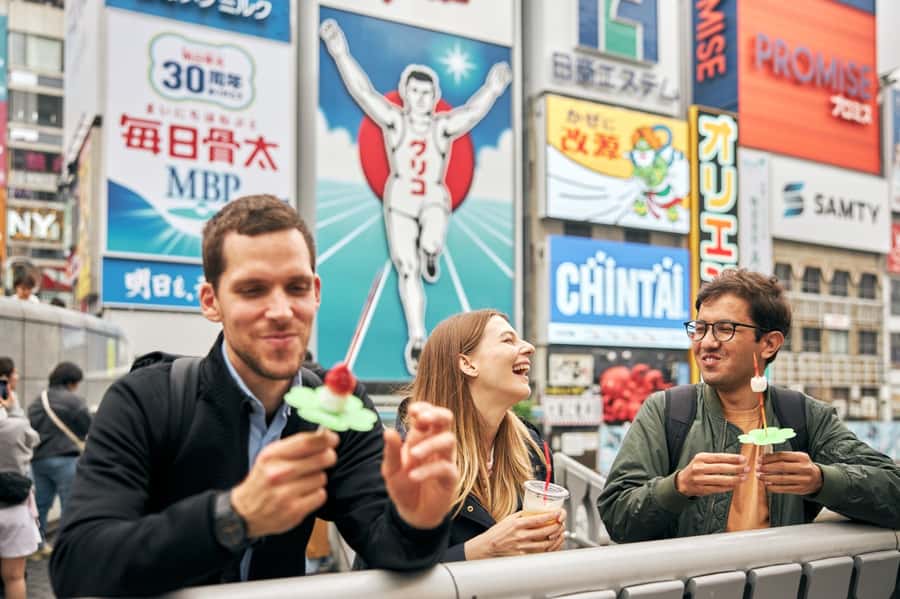
Osaka is the place in Japan where food feels like a casual street conversation. Neon signs are loud. Side alleys smell like sauce and smoke. And the best part is that you don’t have to turn your day into a complicated food mission.
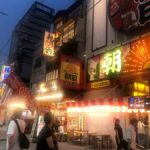
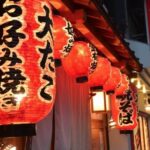
This tour anchors you in two famous zones. Dotonbori gives you the big, energetic street-food energy—think crowds, lights, and the kind of eating spots that feel built for wandering. Then you shift to Namba’s lantern-lined lanes, where the mood gets a bit more cozy and you’re walking through smaller pockets of local life.
For you, the big win is timing and focus. In three hours, you’re not just “seeing” Osaka. You’re making meaningful stops in the areas where the food culture is most concentrated.
You can also read our reviews of more food & drink experiences in Osaka

Private Matching: The Real Secret to a Better Food Tour
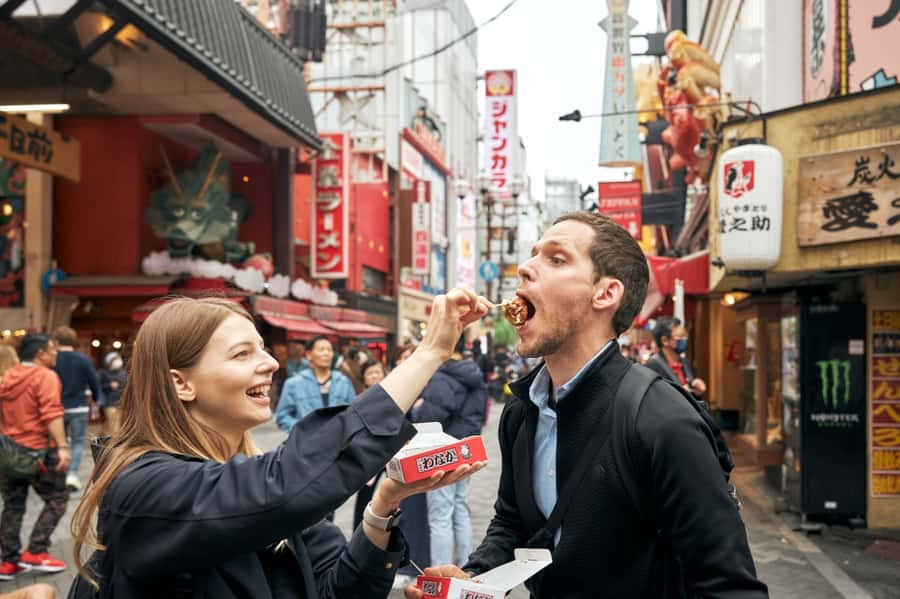
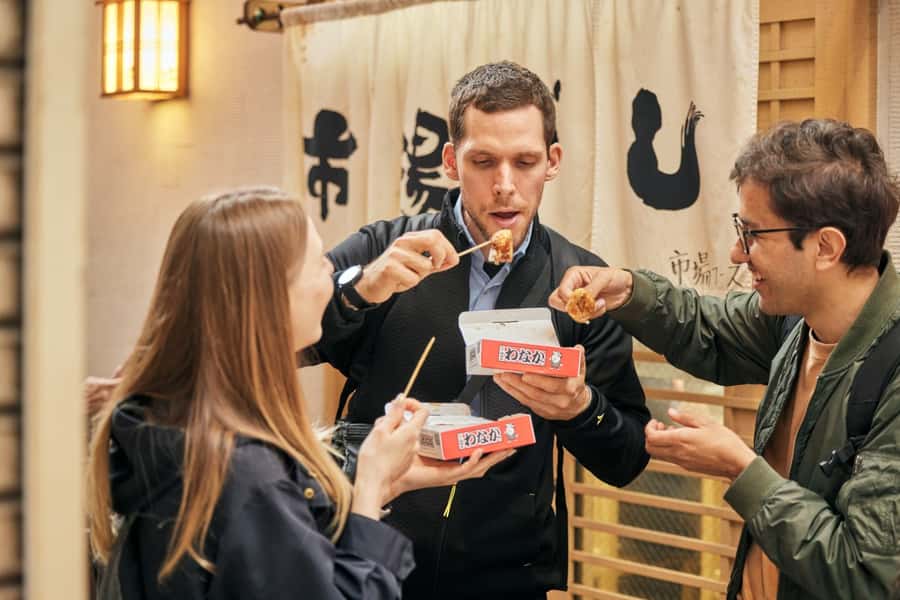
Most food tours hand you a set plan and hope you like it. This one starts differently. After booking, you complete a short questionnaire, and the tour team uses it to match you with a local foodie who fits your tastes and personality.
That matters because Osaka’s street food has range. Some items are adventurous in texture. Some are comfort food with big flavors. Some are quick and bite-sized. If you tell your host how adventurous you want to be—and what flavors you want more or less—you can end up with a tour that feels like it was built around your cravings.
It also affects pacing. Osaka is walk-and-eat. If you prefer slower stops, you’ll want that communicated early. If you’re the type who wants to move efficiently from one plate to the next, the route should reflect that too.
In terms of host style, you may encounter guides who bring extra personal context—one example is a guide named Lay, described as an expat who integrated into local culture and shared food recommendations beyond just the stops. That kind of perspective often makes the stories land better, not just sound good.
The 3-Hour Plan: What the Walk Actually Feels Like
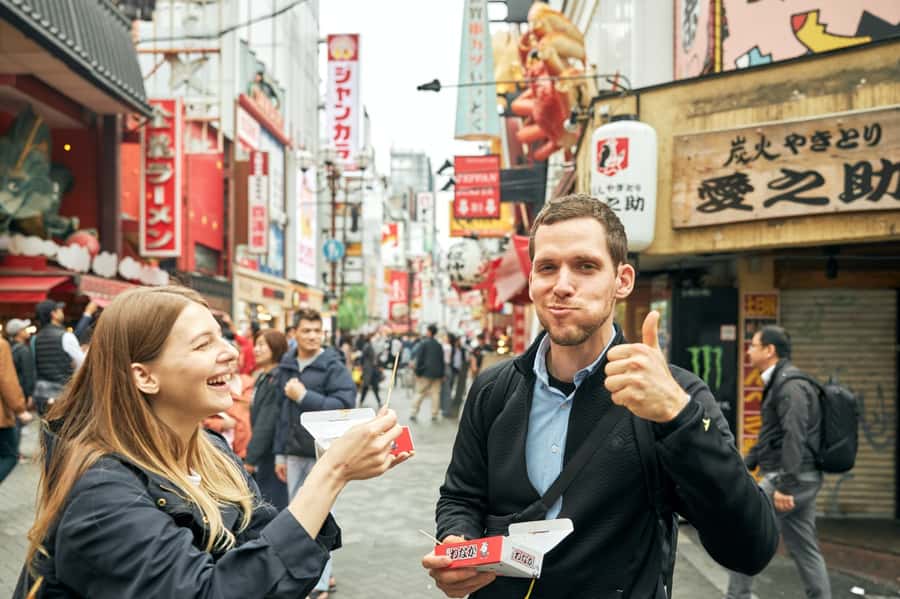
This is a walking tour. A private vehicle isn’t included, and public transport or taxis may be used only to transfer between sites if needed. For the most part, you’ll move on foot through Dotonbori and Namba’s street grid.
You’ll generally start with pickup on foot if your accommodation is central. If not, you meet at Starbucks Coffee – Tsutaya Ebisubashi (1 Chome-8-19 Dotonbori, Chuo Ward, Osaka 542-0071). That meeting point is convenient because it’s already in the Dotonbori flow, so you’re not spending time crisscrossing the city.
As for timing, you’re looking at about three hours of steady movement with food stops. You shouldn’t expect long museum-style breaks. You should expect short waits, quick ordering moments, and a lot of “try this now” energy.
And that’s where the host’s job becomes important. They’ll keep you fed without turning the tour into a sprint. If you’ve ever joined a group food tour where you’re hungry between stops, you’ll appreciate a private setup with a route that can be adjusted to your appetite.
What You’ll Eat: The Osaka Classics (and How They Differ)
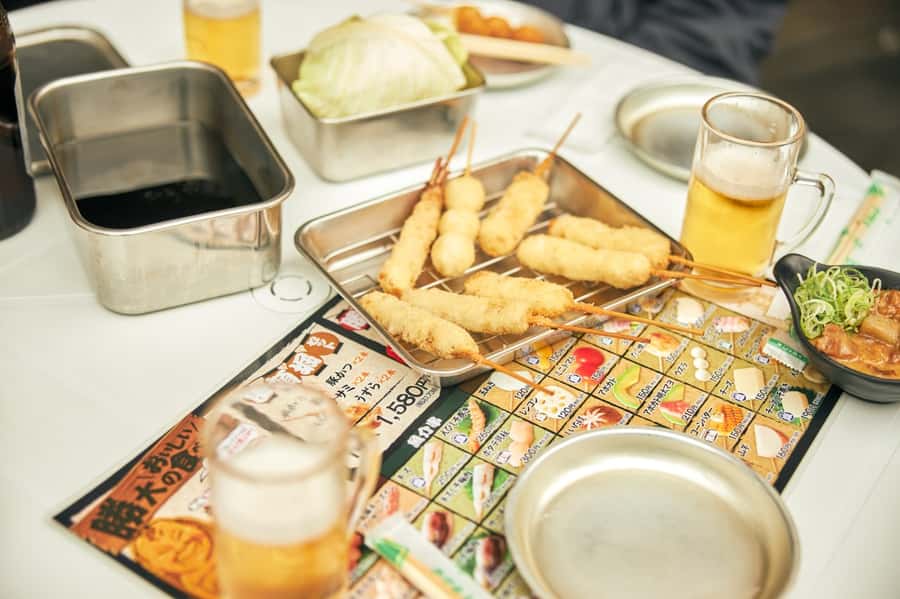
You should plan for 6–8 street food tastings during the tour. Exact items depend on your preferences, but you can reasonably expect a mix from this core set:
Takoyaki: The Octopus-Ball Test
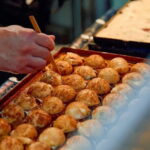
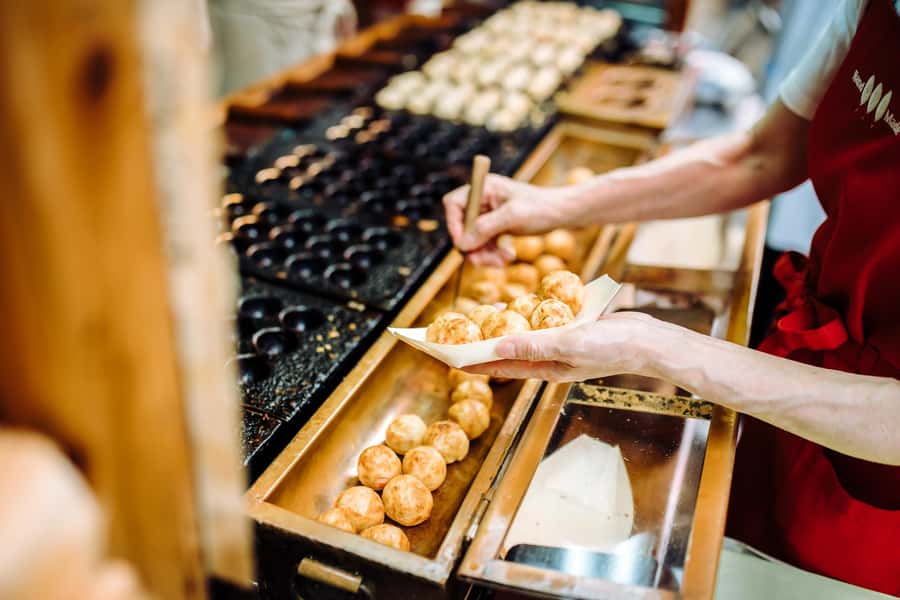
Takoyaki is one of Osaka’s calling cards: small, crispy-edged balls with a soft center, usually packed with octopus and topped with sauce and bonito flakes. On this tour, it’s the kind of dish that’s easy to recognize fast—then hard to stop eating once you taste a good one.
What I like about starting with something like takoyaki is how it sets expectations for the tour’s flavors. You’ll get a clear sense of the sweet-salty sauce style Osaka is known for.
A few more Osaka tours and experiences worth a look


Okonomiyaki: Osaka’s Cabbage-and-Sauce Personality
Okonomiyaki is savory, thick, and deeply comforting. It’s also the kind of dish where Osaka feels different from other regions in Japan. Instead of being just a pancake, it behaves like a layered meal.
If you tell your host you want fuller, heartier food, okonomiyaki tends to fit that mood. It also gives you something substantial to balance spicier or lighter items later.
Kushikatsu: Crispy Skewers and the Sauce Question
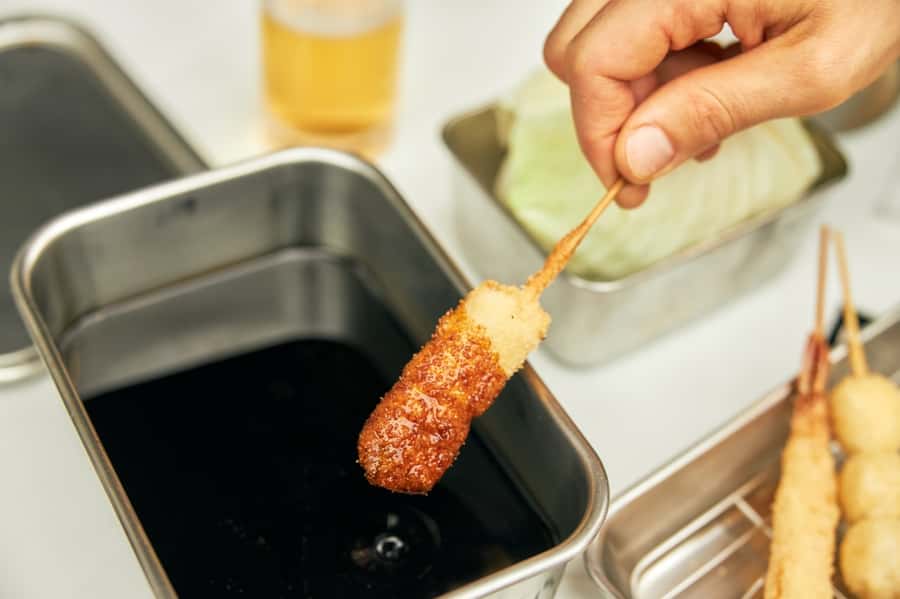
Kushikatsu is about crunch—coated skewers, deep-fried until crisp, then dipped in sauce. It’s snacky but not delicate. One bite can carry a whole craving.
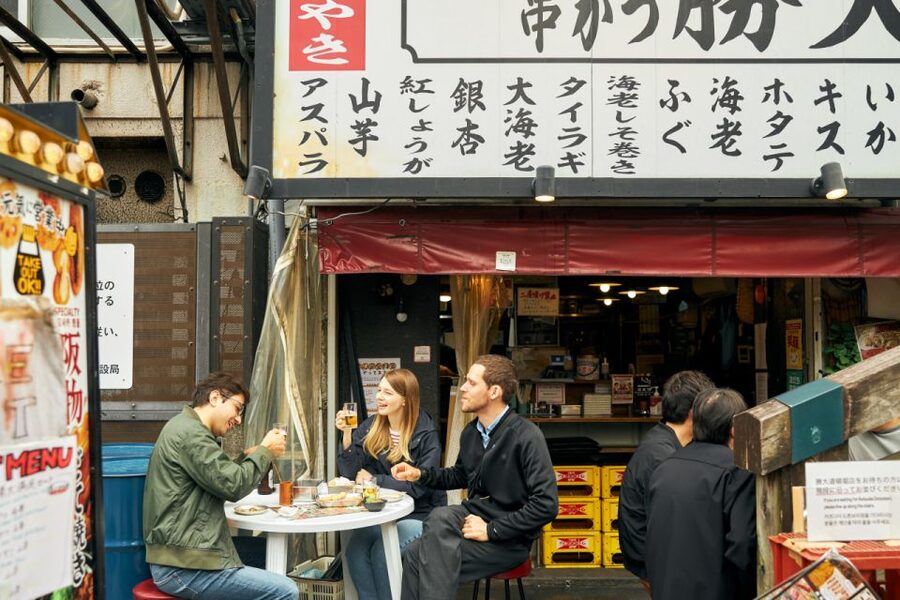
This tour may include grilled skewers at a kushikatsu stand, depending on what you want. If you’re someone who loves “one more bite” foods—this is where you’ll feel at home.
Yakisoba: Smoky Noodles, Street-Level Comfort
Yakisoba shows up when you want something warm, saucy, and straightforward. It’s typically cooked hot and served right away, which makes it perfect for a walking tour.
If you don’t want too much sweet sauce overload, yakisoba can give you a more grounded savory flavor base.
Oden: The Slow-Warm Counterpoint
Oden is different. Instead of crisp fried snacks, you get slow-cooked comfort—brothy, soothing, and ideal when the street-food tour has you sweating a little from all the action.
If you prefer less crunch and more warmth, oden is a helpful anchor item. It also makes the tour feel more rounded rather than “only fried and sauced.”
How all these dishes fit together
If you’re eating 6–8 items, you’ll want variety so your stomach doesn’t revolt halfway through. This lineup naturally rotates textures: crisp (takoyaki, kushikatsu), savory layers (okonomiyaki), smoky warmth (yakisoba), and slow comfort (oden).
That’s the real value of a custom host route: they can select within the Osaka street-food toolkit so the tour stays enjoyable from first bite to last.
Learning the Stories Behind the Flavor
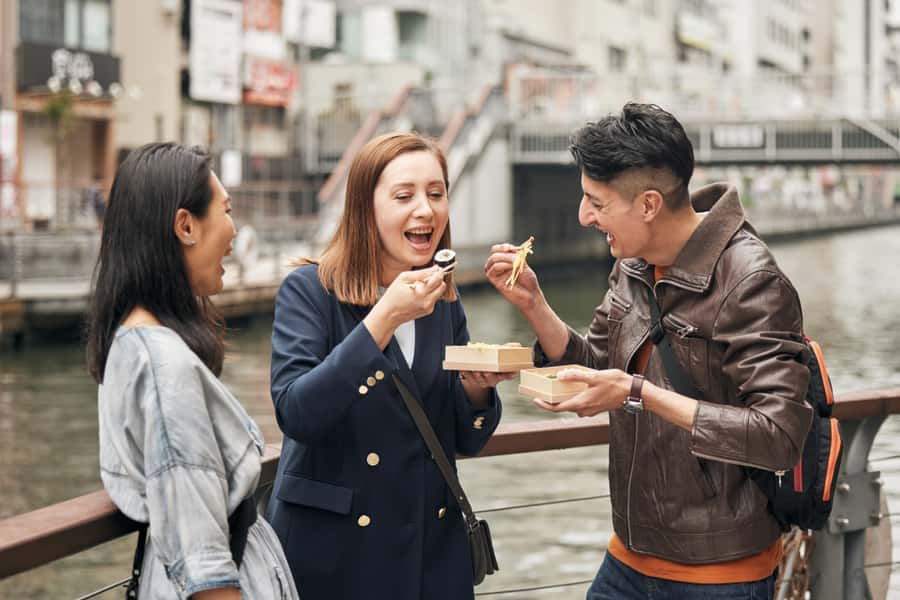
This tour is not just a food parade. The host shares the stories behind the dishes and what shaped Osaka’s food culture.
That matters because Osaka street food isn’t random. These foods have origins and local patterns: how people snack on the way through the day, how certain textures became “the thing,” and why sauce styles and cooking methods stuck around.
As you eat, your host translates that context into something you can remember. Even if you don’t care about food history in a classroom way, you’ll likely enjoy hearing the origin stories that make the dishes feel less like generic Japanese fare and more like an Osaka specialty.
Drinks, Comfort, and Pacing: What You Can Control
Two local drinks are included. You can choose between alcoholic or soft drinks based on your preference. That’s a nice detail because it keeps your tour from forcing you into either an all-in drinking vibe or an all-water experience.
You also have control over how adventurous you want to be. The tour setup is private, and you’ll communicate preferences during matching. That means your host can respect your limits—whether that’s mild flavors, fewer unusual textures, or simply taking your time.
Practical note: you’re walking and eating. Wear comfortable shoes. Your feet will work harder than you think, especially in the lantern-lit lanes where streets feel close and signage crowds in fast.
Price and Value: Is $169 Worth It?
At $169 per person for a 3-hour private tour, you’re paying for three things at once:
First, you’re paying for private time with a local host. That means the route can adjust to you rather than to a group checklist.
Second, you’re getting 6–8 tastings plus two drinks included. If you’ve ever bought one or two street snacks in Osaka, you know prices add up quickly in tourist-heavy zones. Having meals pre-chosen and partially handled is where value creeps in.
Third, you’re buying the local translation layer. A good host isn’t only feeding you—they’re helping you understand what you’re eating and where to go next. That can pay off after the tour when you’re deciding what’s worth a second visit.
Still, the value depends on fit. If your ideal Osaka street food experience is very specific—like only cart-style eats and zero restaurant seating—make that clear during the questionnaire and messaging. The tour can be flexible, but you’ll get the best results by being direct.
When This Tour Might Not Match Your Ideal
A private tour usually sounds like a safe bet. It can still miss your expectations if you’re particular.
Here’s the main risk I’d flag: the “street food” style can lean toward restaurant-style eating depending on your host’s plan and what’s available. If you expected nonstop street carts and small walk-up windows only, you should communicate that clearly upfront.
There’s also the question of English clarity. The tour guide is listed as English and Japanese, which is helpful, but a tour lives or dies on how clearly you can follow the stories while you eat. If you’re sensitive to language nuance, plan to be proactive during matching and ask for a straightforward explanation pace.
Finally, your enjoyment hinges on your host’s engagement style. The good news is that the format is designed for personalization, so you have a real path to aligning expectations. The not-so-good news is that if your host keeps things extremely short and stops explaining, the tour can feel more like a meal itinerary than a guided experience.
How to Get the Best Tour From Day One
If you do one thing to improve your chances, it’s this: treat the questionnaire like it’s part of the tour. Don’t just list foods. Explain your mood.
I’d suggest telling the host:
- What street foods you most want (treat takoyaki and okonomiyaki like priority choices if you love them)
- Whether you want more crispy items or more warm brothy comfort
- How adventurous you want to be with textures and flavor intensity
- If you prefer eating at counter-style street spots vs. sitting in small restaurants
Also, think about what you’ll do after the tour. The host gives insider foodie tips for the rest of your stay. If you tell them where you’re staying and what neighborhoods you plan to visit, you can get recommendations that actually match your route instead of generic “go try everything” advice.
Who This Tour Suits Best
You’ll likely love this experience if you:
- Want Osaka street food without spending hours figuring out where to go
- Enjoy learning why foods taste the way they do
- Prefer private, flexible pacing rather than rigid group schedules
- Like the idea of leaving with a short list of where to eat next
You might reconsider if you:
- Only want cart-to-cart snacks with no restaurant seating at all
- Want long, deep educational segments as the main focus (this is still a food walk)
- Are very sensitive to guide language clarity while eating and moving
Should You Book This Osaka Street Food Tour?
I’d book it if you’re coming to Osaka for flavor first and you want a plan that adapts to your tastes. The combination of private matching, 6–8 tastings, and local stories is a strong value for a first-time visit, especially if you want to return to the best foods later on your own.
I would pause and message your preferences before committing if your street-food definition is extremely strict. If you’re clear about what you mean by street food, you’re more likely to get the tour style that matches your mental picture.
If you want one practical approach: book early enough that you can complete the questionnaire with detail. Then show up in Dotonbori ready to walk, eat, and compare notes on what Osaka does best.
FAQ
FAQ
How long is the Eat Like a Local in Osaka tour?
It lasts 3 hours.
Is this tour private?
Yes. It’s a private group tour with a local host.
How much does it cost?
The price is $169 per person.
How many street food dishes will I try?
You’ll have 6–8 street food tastings selected based on your preferences.
What drinks are included?
The tour includes two local drinks, either alcoholic or soft, depending on your preference.
Where do we meet if pickup isn’t arranged?
If pickup isn’t arranged for your accommodation, you meet at Starbucks Coffee – Tsutaya Ebisubashi in Dotonbori.
Does the tour include pickup?
Yes, on-foot pickup can be arranged if your hotel is central. Pickup options are described as primarily for central accommodations.
Do I need to use public transportation during the tour?
Mostly it’s a walking experience. Public transport or taxis may be used to transfer between sites, and any extra costs can be discussed with your host after your reservation.
What languages will the guide use?
The tour is listed with English and Japanese.
Is the tour wheelchair accessible?
Yes, it is listed as wheelchair accessible.