REVIEW · SINGAPORE
Eat Snap Katong Walking Food Tour
Book on Viator →Operated by Eat Snap Tour · Bookable on Viator
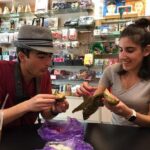
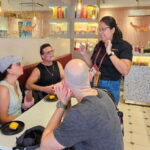
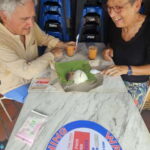
One neighborhood, many flavors, and real street life. This Eat Snap Katong Walking Food Tour takes you off the usual tourist loop and into Katong and Joo Chiat for old-school eats, plus a lively wet-market stop in Geylang Serai. I love the small-group size and the way the route helps you taste across Malay, Indian, and Chinese traditions without having to plan each meal yourself.
What really makes it work is the mix of places and pace: you spend time in classic areas like Joo Chiat Road (a residential conservation zone) and then shift to Geylang Serai’s market energy. You’ll also get a guide tone that’s light, funny, and history-aware, with names like Jamie Seow, Darius, and Han showing up as standout guide styles in the feedback.
The one drawback to take seriously is walking, especially in heat. This is a roughly 3-hour route, and it covers a lot of ground, so bring water and plan for sun.
In This Review
- Key highlights you should know
- Katong and Joo Chiat: the Singapore most people skip
- The 3-hour walking route, start point, and what to wear
- Stop 1: Katong-Joo Chiat and the fun of finding food in plain sight
- Stop 2: Joo Chiat Road, shophouse streets, and the quiet power of a residential area
- Stop 3: Geylang Serai New Market and why wet markets taste different
- What you’ll eat: 9+ Malay, Indian and Chinese dishes in one smooth flow
- Guides and personality: what makes the experience feel personal
- Price and value: $76.77 for a 3-hour local-style food crawl
- Practical tips to get the most out of it
- Who should book the Eat Snap Katong Walking Food Tour?
- Should you book this tour or go DIY?
- FAQ
- How long is the Eat Snap Katong Walking Food Tour?
- What is the meeting point for the tour?
- What is the end point, and is there public transport nearby?
- What time does the tour start?
- How much does it cost?
- What will I be eating?
- Is the tour suitable for most people?
- How many people are in the group?
- What happens if the weather is poor?
- What is the cancellation policy?
Key highlights you should know
- 9+ tastings across Malay, Indian, and Chinese for a full flavor sweep from sweet to spicy
- Katong and Joo Chiat on foot with time in areas known for shophouses and long-running eateries
- Geylang Serai New Market as the energy shift: wet-market sights and social hub vibes
- Up to 10 people keeps it conversational and easy to manage when you’re sampling
- Guides like Jamie Seow, Darius, and Han are praised for humor, flexibility, and clear context
- Start at Marine Parade MRT and end at Haig Road Market near Paya Lebar MRT, so the routing is simple
Katong and Joo Chiat: the Singapore most people skip
If your Singapore plan is mostly malls and landmark photos, this tour changes the angle fast. Katong and Joo Chiat feel like their own world: older streets, shophouses, and the kind of food culture where cafes sit near coffeeshops and daily routines still drive what people eat.
Joo Chiat Road is specifically part of a residential conservation area, and that matters for the mood. You’re not just walking past random storefronts. You’re moving through a lived-in neighborhood where the architecture and street rhythm help explain why the food scene here feels so steady and local. It’s a great way to understand how Singapore’s mix of communities shows up in everyday meals, not just in one big tourist event.
You can also read our reviews of more tours and experiences in Singapore.


The 3-hour walking route, start point, and what to wear
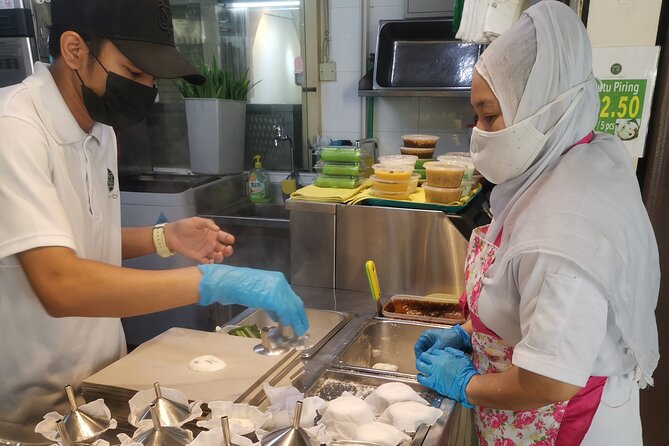
This is a walking tour lasting about 3 hours, starting at 9:00am. You’ll meet at Marine Parade MRT Station (TE26), 101 Marine Parade Rd, Singapore 449971 and finish at Haig Road Market & Food Centre, 14 Haig Rd, Singapore 430014. The end point is a short walk to Paya Lebar MRT station (CC9/EW8), which helps if you want to keep your day moving after the tour.
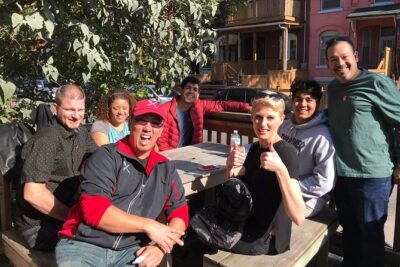
The tour runs with a maximum group size of 10 travelers, so it doesn’t feel like a big parade. Still, it is walking, and the weather can turn on you. One caution that comes through clearly is that it can get tiring when it’s hot. If you’re sensitive to heat, wear breathable clothes, use sunscreen, and bring water. I’d also plan on comfortable shoes because you’ll be on your feet for the whole flow, not just standing by each stop.
You’ll use a mobile ticket, and confirmation is received at booking. That’s a small thing, but in Singapore it keeps your morning smooth.
Stop 1: Katong-Joo Chiat and the fun of finding food in plain sight
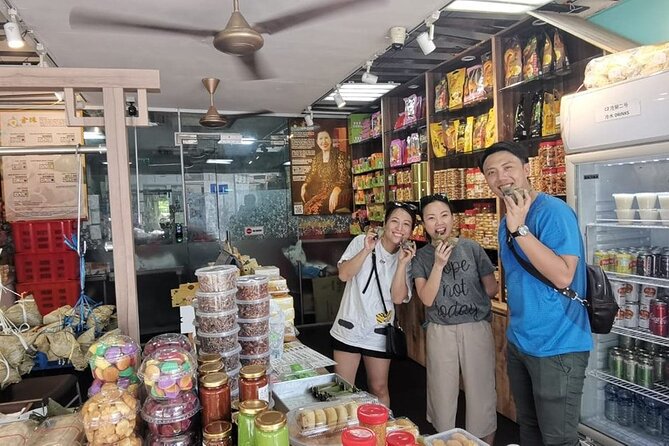
The first segment centers on Katong–Joo Chiat, described as one of Singapore’s top foodie destinations. You’re not going in search of a single famous dish at a famous restaurant. Instead, you’re getting a guided look at how different places and price points fit together in the same area.
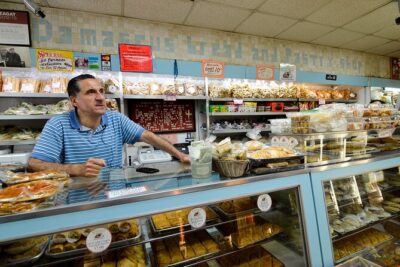
This part of the tour is designed to get your senses working right away. You’ll have time around the area’s mix of cool cafes and older-style eateries, which is exactly what makes Katong feel different from more tourist-heavy neighborhoods. It’s also where you can start building your own “flavor map” before you move into the more market-driven stop later.
A practical note: admission at this stop is free. That means you’re paying for the food and the pacing, not for entry fees. And because the tour focuses on multiple tastings, it helps if you arrive hungry but not so hungry that you get overwhelmed. The goal is sampling across cuisines.
Stop 2: Joo Chiat Road, shophouse streets, and the quiet power of a residential area
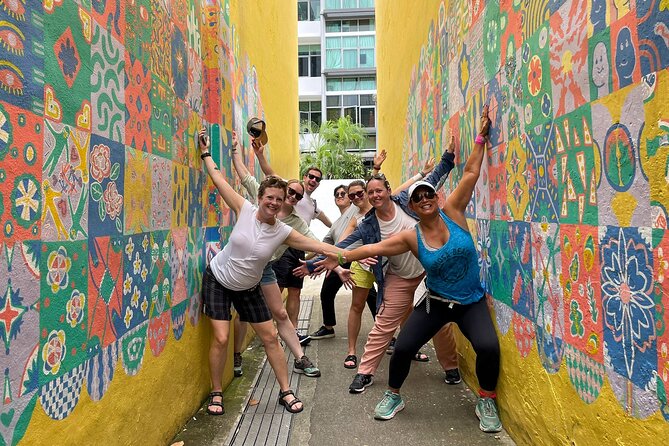
Next up is Joo Chiat, specifically Joo Chiat Road, an arterial road inside that residential conservation area. Even if you don’t care about architecture, this matters. Conservation areas tend to keep streets readable, and that makes it easier to understand why the food here feels embedded in daily life.
This stop is about showing you how the area’s conservation vibe supports food culture. You’re likely to notice more subtlety than in the headline parts of town: long-running eateries, small spaces where families and regulars do the same thing each day, and that mix of older and newer casual hangouts.
The tour’s plan for about an hour here is a smart pacing choice. It gives time to walk slowly, ask questions, and connect the dish you taste to the place you’re standing in. If you like learning by seeing, this is the segment that clicks.
Stop 3: Geylang Serai New Market and why wet markets taste different
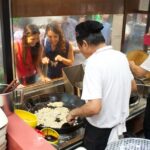
Then you shift gears to Geylang Serai New Market, one of Singapore’s largest and busiest wet markets. This stop works because it changes the vibe from neighborhood wandering to a high-energy food ecosystem.
The market is also described as a major social hub. That detail is important: wet markets are not only where you buy ingredients, they’re where you watch people meet, chat, and do routine shopping. That means your tastings here come with context. You’re not just tasting food. You’re getting a feel for how the area feeds itself every day.
This is the segment where you should pay extra attention to your senses. Markets can be intense with smells and movement, especially if you’re not used to them. If you find crowds overwhelming, go a little slower and keep close to the guide’s group so you can pass through smoothly.
Admission is free at this stop as well. Again, the cost is really about guiding you to tastings and helping you understand what you’re seeing.
You can also read our reviews of more food & drink experiences in Singapore





What you’ll eat: 9+ Malay, Indian and Chinese dishes in one smooth flow
One of the best parts of this tour is the promise of at least 9 different dishes, spanning Malay, Indian, and Chinese food. That mix is the whole point of choosing Katong/Joo Chiat and Geylang Serai together. Singapore’s food identity shows up in how these communities share flavors, techniques, and street-level cravings.
You can expect a range of tastes, including sweet to spicy to savoury, and the tour is set up so you can sample different intensity levels rather than doing one heavy meal and calling it done.
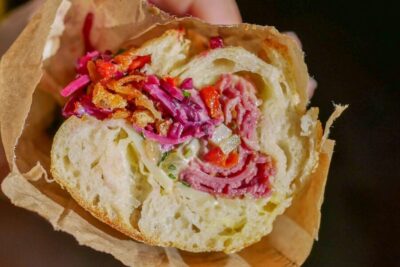
From the feedback, two classics stand out: laksa and curry puffs. Laksa is a great anchor dish because it brings together heat, herbs, and comfort all at once. Curry puffs are a smart street-food choice too: portable, flavorful, and easy to compare bite to bite.
I’d suggest you treat each stop like a mini course and not a competition. If you notice one dish that’s spicier than expected, slow down. Sip water. And if you have dietary restrictions, you should be ready to check in with your guide, because the tour data doesn’t list specific alternatives or guarantees for allergies.
Guides and personality: what makes the experience feel personal
This tour leans hard on guide personality. Several guide names come through in the feedback: Jamie Seow, Darius, and Han. What they have in common is an approach that mixes food with context and keeps the mood light.
You’ll likely hear background that connects the dishes to the neighborhood, and you’ll also get a pace that doesn’t feel rushed. One piece of feedback praises a guide for being funny and informative, another for being generous and flexible, and another for combining food with history. That combination matters because street food is more fun when you know what you’re looking for, even if it’s just one sentence of explanation per stop.
Here’s how to use the guide well: ask what makes the dish local, and ask what people order when they’re not trying to show off. Those questions tend to bring out the practical details you’ll remember long after the meal.
Price and value: $76.77 for a 3-hour local-style food crawl
At $76.77 per person, this tour sits in the “meaningful splurge, not a budget experiment” zone. But the value case is stronger than it looks on first glance.
You’re paying for:
- About 3 hours of guided routing through multiple neighborhoods
- At least 9 dishes, not just a couple of tastings
- A small group size (up to 10), which usually means less waiting and more interaction
- Stops that are admission ticket free, so your money stays focused on food and guidance rather than venue fees
- A format built around walking, which is often the fastest way to actually see how food neighborhoods work
Is it worth it? If you like sampling rather than committing to full meals, it likely is. If you already know every stall you want and you’d rather travel on your own time, you might question paying for the guide. But if you want a single morning plan that does the heavy lifting—route, timing, and food introductions—this is built for that.
Practical tips to get the most out of it
A food tour only feels “great” when logistics don’t get in the way. Here are the choices that help you enjoy the day:
- Go hungry, not starving. With 9+ dishes, you’ll want to pace yourself.
- Bring water and plan for sun. One caution is that there’s a lot of walking, especially when it’s hot.
- Wear comfortable shoes. You’re moving between neighborhoods and food centres.
- Use the end location to your advantage. Finishing at Haig Road Market & Food Centre near Paya Lebar MRT can help you connect to other plans without backtracking.
- Ask about spice and what to expect. The tour covers many styles and intensity levels, so it helps to know what you’re about to eat.
Who should book the Eat Snap Katong Walking Food Tour?
You’ll likely love this if you want a walking food tour in Singapore that leans toward neighborhoods with daily life and multi-ethnic cuisine. It’s a good fit for people who enjoy learning by walking, and who like sampling rather than hunting for one specific meal.
It’s also a good match if you’re curious about Katong and Joo Chiat’s conservation-area feel and want to pair it with the more intense, ingredient-driven energy of Geylang Serai’s market.
It may not be ideal if heat and long walks wear you down fast. The route is short enough to be doable, but it’s still continuous walking for around 3 hours, and that’s the main tradeoff.
Should you book this tour or go DIY?
Book it if:
- You want 9+ dishes across Malay, Indian, and Chinese food without building an itinerary
- You value a guide-led route that connects what you taste to where you are
- You like small-group pacing and don’t want a long, crowded slog
Skip or think twice if:
- You’re very heat-sensitive or dislike walking when the weather is strong
- You’d rather pick your own restaurants and you already know exactly where you want to eat
- You need very specific dietary accommodations, since the tour data doesn’t spell those out
If you’re on the fence, I’d use this rule: if the idea of tasting multiple cuisines with a guide sounds fun, this is the kind of tour that makes a Singapore trip feel more personal.
FAQ
How long is the Eat Snap Katong Walking Food Tour?
The tour lasts about 3 hours.
What is the meeting point for the tour?
You start at Marine Parade MRT Station (TE26), 101 Marine Parade Rd, Singapore 449971.
What is the end point, and is there public transport nearby?
The tour ends at Haig Road Market & Food Centre, 14 Haig Rd, Singapore 430014, which is a short walk to Paya Lebar MRT station (CC9/EW8).
What time does the tour start?
The start time is 9:00am.
How much does it cost?
It costs $76.77 per person.
What will I be eating?
You’ll taste at least 9 different Malay, Indian, and Chinese dishes, ranging from sweet to spicy to savoury.
Is the tour suitable for most people?
Most travelers can participate.
How many people are in the group?
The tour has a maximum of 10 travelers.
What happens if the weather is poor?
This experience requires good weather. If it’s canceled due to poor weather, you’ll be offered a different date or a full refund.
What is the cancellation policy?
Free cancellation is available up to 24 hours in advance for a full refund. If you cancel less than 24 hours before the start time, the amount paid is not refunded.