REVIEW · SINGAPORE
Singapore: Chinese, Indian & Arabic Quarters, Culture & Food Tour
Book on Viator →Operated by Livin' Da Local · Bookable on Viator
One walk, three cultures, and real hawker food. This 5.5-hour Singapore tour strings together Chinatown, Little India, and Kampong Glam, with stops centered on food in UNESCO-listed hawker centres plus major sights like Sultan Mosque.
I love that you eat like a local, not like a tourist on a schedule: the meals and snacks are pulled from hawker centres, and the tour includes lunch, dinner, and plenty to drink. I also like the guide, Gerry Tan, a 4th-generation Singapore-Chinese-Peranakan, who ties each bite to the neighborhood’s history and today’s culture.
One drawback to plan for: this is a walking-heavy street-food experience, and it’s not a great fit if you have gluten intolerance, strict dietary restrictions, or you’re vegetarian (the experience can be compromised). It also isn’t recommended for strollers/prams or personal mobility aids.
In This Review
- Key highlights at a glance
- Why this Chinatown–Little India–Kampong Glam loop works
- Meeting point and pacing: what 5.5 hours feels like
- Chinatown: where the food stories start
- Little India: markets, incense, and heat on your plate
- Kampong Glam: Sultan Mosque and the Malay Quarter feel
- What you eat and drink (and why it matters)
- Guide Gerry Tan: the difference between eating and learning
- Price and value: what $148 buys you in real terms
- Who should book (and who should skip)
- Should you book this tour?
- FAQ
- How long is the Singapore Chinese, Indian & Arabic Quarters tour?
- Where does the tour start and end?
- What times does the tour run?
- Is pickup offered?
- How big is the group?
- What food and drinks are included?
- Are hawker centres part of the experience?
- Is it suitable for vegetarians or gluten intolerance?
- Is the tour accessible for strollers or mobility aids?
- What happens if the weather is bad?
Key highlights at a glance
- Small group (max 8): easier questions, calmer pacing, and more time at each food stop
- UNESCO hawker-centre food: local favorites instead of generic set menus
- Chinatown, Little India, Kampong Glam in one loop: you get the story behind each quarter’s look and flavors
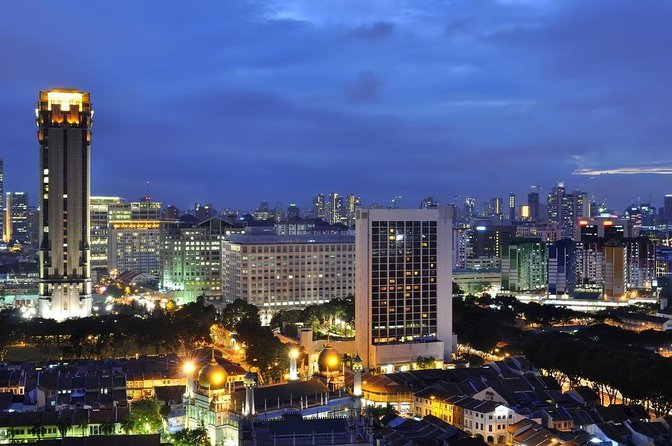
- Sultan Mosque stop in Kampong Glam: a major landmark without turning it into a photo-only visit
- Drinks included (alcoholic and non-alcoholic): you can keep it social without losing control of your day
Why this Chinatown–Little India–Kampong Glam loop works
If your first trip to Singapore feels like a blur of skylines and malls, this kind of tour gives you a different anchor point: the street-level food culture where people actually eat. You move through three iconic quarters in about 5 hours 30 minutes, and you’re constantly switching sights, sounds, and flavors.
The real value is how the food connects to the city. In places like Chinatown and Little India, you’re not just tasting dishes. You’re learning why those stalls exist, who built the communities, and how that mix shows up in food choices today. In Kampong Glam, that same approach lands at the Sultan Mosque area, where history and everyday life sit side by side.
And yes, you’ll want to come hungry. The tour includes lunch and dinner, plus snacks, coffee/tea, soda, bottled water, and both alcoholic and non-alcoholic beverages.
You can also read our reviews of more food & drink experiences in Singapore


Meeting point and pacing: what 5.5 hours feels like
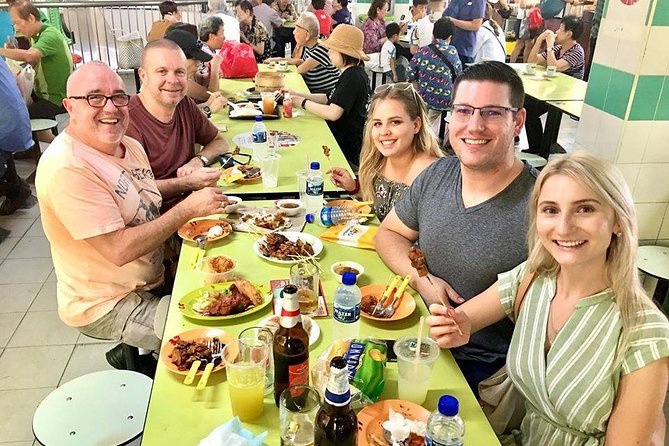
You start in Chinatown at 9:00 am, and you finish back at the meeting point. The group size tops out at 8 travelers, and pickup is offered, which helps if you don’t want to think about MRT timing that morning.
The tour is listed for moderate physical fitness. It’s not just “walk a little and taste a bite.” You’re out for a long stretch in heat and sun, moving through dense neighborhoods. One detail that stands out from the tour’s style: it’s paced so you don’t feel rushed, but you still rack up serious steps—one group reported walking about 9,050 steps.
If you’re deciding whether to wear comfy shoes, make that decision now. Your future self will thank you.
Chinatown: where the food stories start
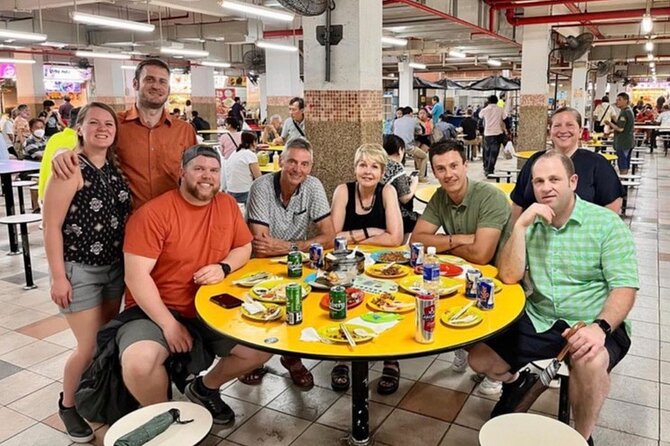
Chinatown is where the tour gets its footing. You begin with time to soak in the neighborhood, and your guide shares the early story of the community—what shaped life here and why the food culture became what it is now.
This is also where you’ll likely notice the hawker-centre rhythm: ordering at stalls, watching plates move fast, and learning how to spot what’s worth trying without needing a menu in English. The tour keeps it simple: you’re there for real local dishes, not a single “signature” item.
One reason I like starting here: Chinatown sets expectations. You’re still fresh, your senses are awake, and you can absorb the hawker logic before the tour shifts into the spicier, more fragrant neighborhoods that follow.
Little India: markets, incense, and heat on your plate
Little India adds color and intensity. You’ll walk through streets where the atmosphere is tied to daily commerce—fruit and vegetable stalls, flower garland markets, traditional clothing stores, and incense shops. It’s the kind of place where the visual cues help you understand the food.
Food here tends to be bolder, and it’s a neighborhood where you can test how you handle spice. The tour takes you around the area so you don’t just eat while staring at your plate—you’re seeing the setting that explains the flavors.
A practical tip: if you usually avoid heat, don’t assume you’ll be able to steer every dish to mild. The tour experience is built around local choices, and the goal is variety across cultures. If you’re sensitive to spice, tell your guide early so they can guide your selections where possible.
Kampong Glam: Sultan Mosque and the Malay Quarter feel
Kampong Glam is where the tour turns from “food and markets” into “food plus a strong sense of place.” You explore the quaint streets of the old area and learn more about the people and history, including how Malay royalty figured into the story of this part of Singapore.
Then comes the highlight that most people remember: the stop at the grand Sultan Mosque area. It’s a landmark moment, but it’s not treated like a separate sightseeing chore. The tour uses it to frame why this quarter looks the way it does—and how that history still shows up around you.
If you care about architecture and cultural landmarks, this stop lands well. If you’re more of a food-first traveler, it still works because you see how the neighborhood’s identity shapes the mix of shops and eateries around you.
A few more Singapore tours and experiences worth a look

What you eat and drink (and why it matters)
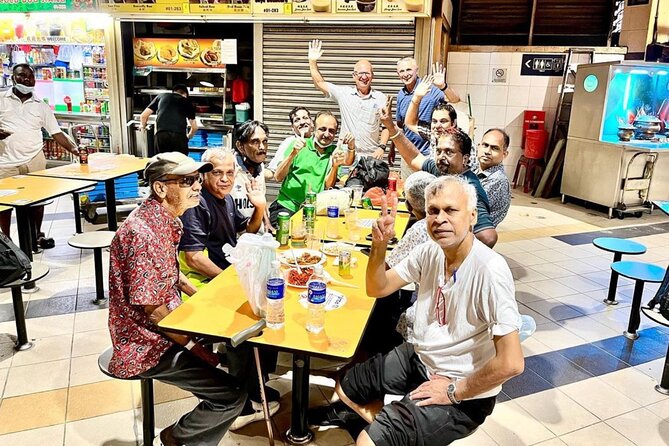
This is a true tasting-heavy tour. You’re not getting one snack and calling it a day. The included items cover the full arc of a meal day:
- Coffee and/or tea
- Lunch
- Dinner
- Snacks
- Soda/pop and bottled water
- Alcoholic beverages and non-alcoholic options
That matters because hawker food is best understood in context. Some dishes are comfort foods that make sense as lunch. Others hit harder as dinner. And the drinks help you pace your day without turning it into a long sober slog or a party crawl.
You’ll also get more than a single type of cuisine. The tour brings together Chinese, Indian, and Arabic/Malay influences through what you eat and where you eat it. That’s the easiest way to understand Singapore’s “one city, many cultures” reality without reading a book first.
One recurring theme from the experience style: don’t eat a big breakfast beforehand. The tour includes so much food that you’ll feel it in a good way at the first few stops—then you’ll be glad you didn’t overfill your stomach earlier.
Guide Gerry Tan: the difference between eating and learning
A good food tour can be just a food delivery system. This one aims to be something more: you’re learning the why behind what you’re eating, and it’s tied to Singapore’s social history.
The host, Gerry Tan, is repeatedly highlighted for the way he brings stories to life. He’s described as a heart-on-sleeve storyteller whose Singaporean perspective helps you see the neighborhoods as lived-in places, not just tourist zones. He also connects food to current issues and day-to-day culture, so the tour feels less like a museum lecture and more like understanding how people live.
There’s also a practical side. The tour doesn’t only walk. It uses public transportation—MRT and bus—to move between areas smoothly. At least one group noted that this helped them feel confident navigating the city afterward, and that’s a real advantage if Singapore is new for you.
Even in the walking parts, he uses tools to explain what changed over time. One group mentioned using an iPad to show street scenes from earlier days, which can be surprisingly helpful when you’re standing in modern streets and trying to imagine the past.
Price and value: what $148 buys you in real terms
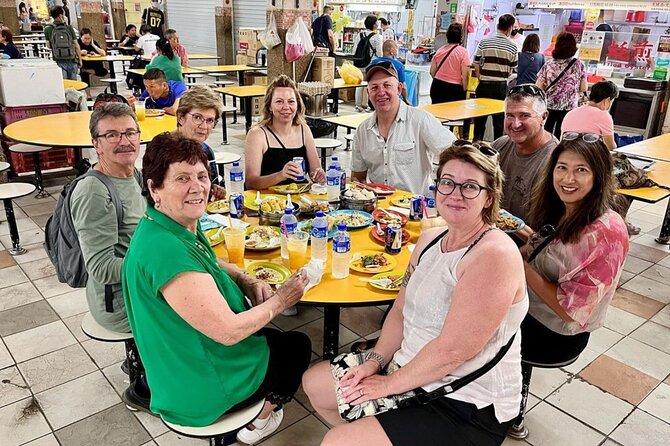
At $148 per person, you’re paying for more than access. You’re paying for a guided route across three quarters, the time to visit UNESCO-inscribed hawker centres, and the cost of a meal day that includes lunch, dinner, snacks, and drinks.
Here’s how I judge value on a tour like this:
- If the food is mostly small bites, you’d be relying on the idea that you’ll still enjoy the day.
- If the tour covers full meals and multiple drink options, you’re effectively buying a curated way to eat a lot without guesswork.
- If the guide also provides context and transportation between neighborhoods, you’re paying for decision-making support.
In this case, the inclusions are strong. The best value comes if you do the tour early in your trip, when you still need context for everything else you’ll explore. Starting in Chinatown and ending back there also makes the day feel self-contained—less stress, fewer logistical gaps.
One more value point: the group size is capped at 8, and that usually makes it easier to keep moving at a comfortable pace without feeling lost in a crowd.
Who should book (and who should skip)
This tour fits best if you want a guided way to experience Singapore’s street-food identity across multiple neighborhoods. It’s also a good match if you’re comfortable walking for several hours and you like asking questions.
You should probably book if:
- You’re okay with trying food that’s chosen for you by a local guide
- You eat a mix of cuisines and want variety
- You’d rather use public transport with a plan than figure it out alone
You should probably reconsider if:
- You have gluten intolerance or dietary restrictions that need strict control
- You’re vegetarian (the experience can be compromised)
- You’re traveling with a pram/stroller or you use personal mobility aids/devices (not recommended)
- You want a low-walking, mostly seated experience
One more planning note: the experience requires good weather. If conditions are poor, you may be offered another date or a full refund.
Should you book this tour?
I think you should book if you want the fastest honest taste of Singapore’s cultural quarters in one day. The combination of Chinatown + Little India + Kampong Glam, full meal coverage, and drinks included makes it a high-effort, high-reward day—especially when you’re early in your trip and still building your bearings.
Skip it if your priorities are strict dietary control, very limited walking, or a calmer pace. This tour is built around street-food culture and neighborhood energy, not around careful portion control or quiet sit-down dining.
If you do book, pack for comfort: comfortable shoes, sun protection, and come ready to eat. You’ll enjoy it more when you’re not fighting a full stomach or grumpy legs.
FAQ
How long is the Singapore Chinese, Indian & Arabic Quarters tour?
It runs for about 5 hours 30 minutes.
Where does the tour start and end?
It starts in Chinatown, Singapore and ends back at the meeting point.
What times does the tour run?
The listed start time is 9:00 am.
Is pickup offered?
Yes, pickup is offered.
How big is the group?
The tour has a maximum of 8 travelers.
What food and drinks are included?
You’ll get coffee and/or tea, lunch, dinner, snacks, soda/pop, bottled water, plus alcoholic beverages and non-alcoholic beverages.
Are hawker centres part of the experience?
Yes. The local food is sourced in UNESCO-inscribed hawker centres.
Is it suitable for vegetarians or gluten intolerance?
It is not recommended for vegetarians and not recommended for travelers with gluten intolerance.
Is the tour accessible for strollers or mobility aids?
It is not recommended for travelers with children in prams or strollers, or for travelers using personal mobility aids/devices.
What happens if the weather is bad?
The experience requires good weather. If it’s canceled due to poor weather, you’ll be offered a different date or a full refund.