Hong Kong tastes like a local secret. I love the big, generous tastings (beef brisket soup, dim sum, roast goose, and more), and I also love the private pace with guide Sandy so you can ask questions without shouting. The one drawback is the price: at $340 per person, it’s a splurge that’s only worth it if you’ll really enjoy food-and-walking time.
This is a 3-hour private Secret Food Tours experience built around Hong Kong-style Chinese food, where dishes from Northern and Southern China get reshaped by Hong Kong’s own mix of tradition and Western influence. You meet at Tin Hau (Causeway Bay) and end back at the same spot, with a fair amount of walking—comfortable shoes help, especially in warm, humid weather.
Key points to know before you go
- 7+ tastings included, including brisket soup with rice noodles, dim sum, roast goose with plum sauce, seasonal fruit, local sweets, tea, and water
- Private tour with Sandy, so your group stays small and questions get real answers
- You walk through real neighborhood landmarks, from Tin Hau Temple to Queen’s College and the Central Library area
- A wet market stop sharpens your ordering instincts, so you’ll know what you’re looking at
- The pace is relaxed, but you still cover ground for about three hours
- Skip breakfast, if you can—food amounts are described as generous
In This Review
- A 3-hour food walk from Tin Hau
- The tastes: brisket soup, roast goose, dim sum, and that secret dish
- How the tastings add up in real life
- Why the temple and landmarks matter (and aren’t just sightseeing)
- What I love about this approach
- Queen’s College and the Central Library: British-era Hong Kong you can walk through
- Why this is valuable during a food tour
- Wet market stop: what to notice before you order
- Private pacing with guide Sandy: the best part is how questions land
- Family reality check
- Price and value: is $340 per person fair?
- What to wear and how to prepare (so the walk doesn’t beat you)
- Who should book this hidden eats tour
- Should you book Private Hong Kong’s Hidden Eats?
- FAQ
- How long is the private Hong Kong Hidden Eats Food Tour?
- What time does the tour start, and where do you meet?
- Is this tour private?
- What food and drinks are included?
- How many tastings should I expect?
- Are transportation costs included?
- Can the guide accommodate dietary requirements?
- Is the itinerary fixed?
A 3-hour food walk from Tin Hau
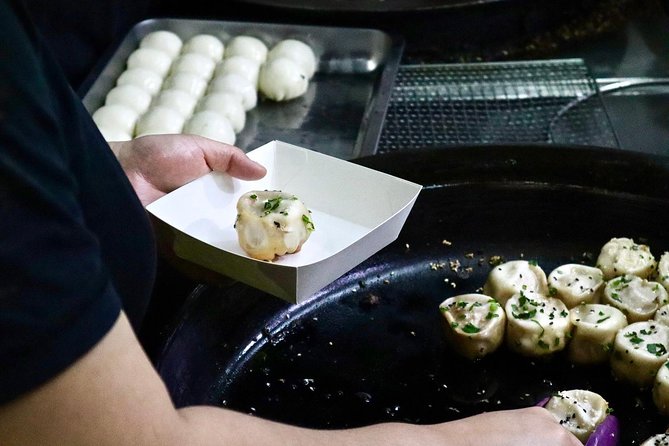
I like this tour because it starts in a place that feels lived-in right away. Tin Hau is one of those Hong Kong touchpoints—part temple culture, part city geography. Even if you’re only in Hong Kong for a short time, walking out of the Tin Hau station area into the surrounding streets helps you get oriented fast.
You’ll spend roughly three hours tasting, walking, and learning. The private format is a big part of why this works: there’s no need to fight for space or compete for attention. If you’re the type who asks questions while you eat, this style fits well.
Also, you’re not just “touring food.” This tour ties what you’re tasting to what you’re seeing on the street: temples, parks, colonial-era institutions, and public library culture. That pairing helps the flavors stick in your head.
The tastes: brisket soup, roast goose, dim sum, and that secret dish
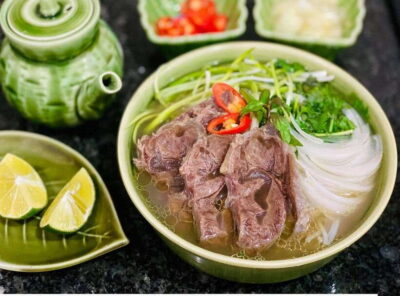
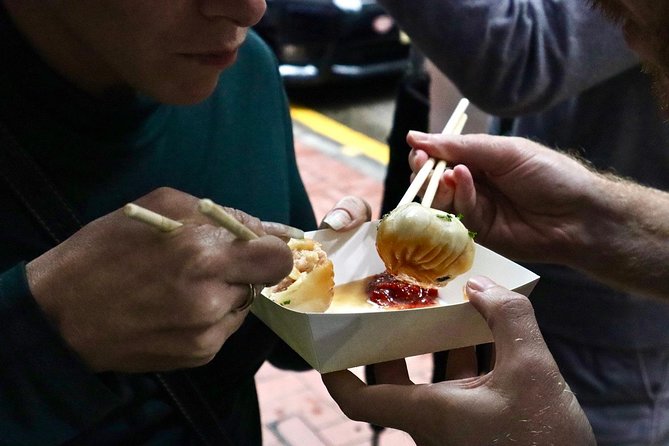
The star items are the classic Hong Kong comfort foods the city is famous for. This tour includes beef brisket soup & rice noodles, plus dim sum—including fresh baked dim sum. That matters because you’re not just sampling. You’re hitting different textures and styles: savory broth, tender noodles, and little steamed or baked bites that change with every stop.
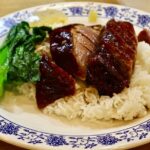
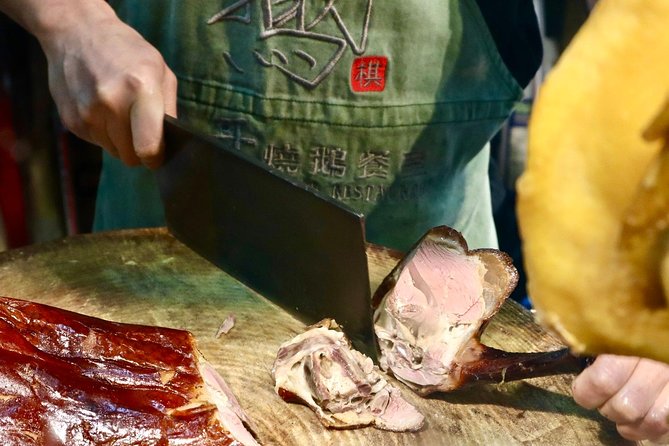
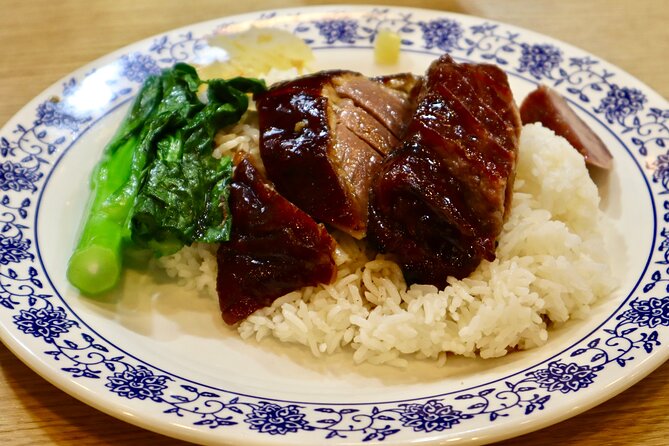
Then there’s roasted goose with rice & plum sauce. Goose in Hong Kong isn’t a minor detail—it’s a whole food culture. Plum sauce brings a sweet-tart edge that cuts through rich meat, and it’s one of those Hong Kong pairings that tastes like it belongs to the city’s rhythm.
On top of the savory, you’ll also get seasonal fruits and local sweets. In at least one example from the tour experience, the local sweet side included a soft pineapple bun paired with milk tea—the kind of West-meets-East combo that Hong Kong does especially well.
And yes, there’s our delicious secret dish. You aren’t told what it is in the details provided, so part of the fun is letting your guide steer you to whatever that day’s hidden standout happens to be.
You can also read our reviews of more food & drink experiences in Hong Kong SAR
How the tastings add up in real life
This is where the reviews’ practical advice comes in: don’t eat breakfast. With 7+ tastings and generous portions, breakfast food tends to get in the way of enjoying each stop as its own moment.
Also, you get water and Chinese tea. That’s not just a nicety; it helps you cleanse your palate between styles (rich meats, salty-sweet sauces, and dumpling textures). If you’re sensitive to heat and humidity, the tea can be a more comfortable pick-me-up than plain water alone.
Why the temple and landmarks matter (and aren’t just sightseeing)
This tour doesn’t treat culture like wallpaper. The walking stops help explain why certain foods feel normal here, and why Hong Kong’s food identity is so mixed.
You pass by a declared monument tied to Tin Hau Temple, and it even gives its name to the MTR station and the neighboring area. That’s a useful clue about Hong Kong: religion and daily transit can sit side by side. When you’re about to eat, it’s easier to understand why food spots and temple neighborhoods feel connected to local routine.
Next comes Queen Victoria Park in Causeway Bay. The park is named after Queen Victoria and sits between Causeway Bay and Tin Hau MTR stations. You can think of this as the tour’s breathing space. Even if you’re not there for a long sit-down, it’s a quick shift from markets and eateries to the public landscape of the city.
Then you move toward a temple on Lin Fa Kung Street in the Tai Hang area, where the temple sits at the end of that street. Tai Hang is known for its local feel, and placing a temple stop here reminds you that the city’s spiritual and street-level life is still very present.
Finally, you hit two distinctly “public institutions” style stops that frame Hong Kong’s identity through schooling and reading culture: Queen’s College and the largest library in Hong Kong.
What I love about this approach
The best food tours help you understand what to order next time. This one tries to teach you how Hong Kong thinks about food—through the city’s rhythms, not through generic facts. The public monuments and institutions also help you pace your walk. When you’re moving through neighborhoods, a short cultural pause keeps it from becoming a long line of only food stops.
Queen’s College and the Central Library: British-era Hong Kong you can walk through
Hong Kong’s history can feel big and abstract. What this tour does is make it walkable.
Queen’s College is part of that. It’s described as the first public secondary school founded in Hong Kong by the British colonial government, and it takes its present name in 1894. The college sits in the Causeway Bay area, so you get a street-level view of a colonial-era institution that still shows up in modern city life.
Then there’s the largest library in Hong Kong. The details matter here: the library’s collections are 2.3 million items, out of 12.1 million items across the Hong Kong Public Libraries System. That’s a strong scale clue that Hong Kong’s public reading culture is not a side project—it’s a serious part of how the city functions.
A few more Hong Kong SAR tours and experiences worth a look

Why this is valuable during a food tour
You might wonder why a library belongs in a food experience. Here’s the practical answer: Hong Kong moves fast, and people here often talk about food, routine, and taste as part of everyday learning. When you see a major public library, it’s easier to understand the city’s mix of global contact and local seriousness.
If you’re the type who likes context (even while you’re eating), these stops give your tastings a backbone.
Wet market stop: what to notice before you order
The tour includes a local wet market where you can pick up fresh produce and meat. That’s one of the most useful parts of the experience, because markets teach you what “fresh” actually looks like in this city.
You don’t need to be a cooking expert. In a wet market, your win is simply noticing:
- how ingredients look and how different cuts are presented
- how stall setups guide quick choices
- how locals shop with clear priorities around freshness and availability
Even if you don’t buy anything, this stop makes you more confident at the next meal. When you later taste roasted items and broth, it’s easier to connect the food to the ingredients behind it.
Private pacing with guide Sandy: the best part is how questions land
Several reviews specifically praise Sandy as friendly and informative. That shows up as something you feel more than something you read: the private format means your guide can adjust the pace, clarify questions, and keep the mood calm.
I also like that this tour feels designed for conversation. The experience is described as intimate and cozy, so it doesn’t feel like you’re just being rushed from plate to plate. And since you’re walking with your guide instead of chasing a big group, it’s easier to pay attention to small details—like why a specific sauce works with meat, or how tea fits into the meal rhythm.
Family reality check
One review mentions bringing a 4-year-old and says the guide was accommodating. That doesn’t automatically mean it’s perfect for every child, but it does suggest the guide can be flexible about needs when possible. If you go with kids, just plan for the walking time and warm weather.
Price and value: is $340 per person fair?
Let’s talk money plainly. $340 per person is not a budget tour. It’s a private, guided experience with 7+ tastings plus tea and water, built around several structured stops.
So where does the value come from?
- You’re paying for convenience: private timing and no scrambling with strangers
- You’re paying for selection: multiple high-impact tastes, not a single meal stretched out
- You’re paying for guidance: cultural context that helps you eat smarter
Now, here’s the balanced part: one review called out that the cost felt too high and that tastes seemed average to them. That’s a legit consideration. If you’re the kind of person who only likes very adventurous bites or prefers to eat at your own pace with minimal guide input, private tours can feel pricey.
My advice: value this tour if you want food and city context, and you’ll actually take advantage of the chance to ask questions. If you’re on a tight food budget, you might do better with a cheaper group tasting.
What to wear and how to prepare (so the walk doesn’t beat you)
This experience includes a fair amount of walking, and comfortable shoes are recommended. Hong Kong can be hot and humid, and even a short walk between stops can feel like work if you’re dressed for sightseeing, not for moving.
A few practical moves help:
- wear shoes you can stand in for a while
- bring a little patience for warm weather (the tea and water help)
- if you can, don’t eat breakfast
Starting at 11:00 am also matters. If you normally breakfast early, you’ll want to shift your plan so you can fully enjoy the tastings later.
The tour is near public transportation, and it uses a mobile ticket, which is handy if you’re juggling transit times and want everything easy to show.
Who should book this hidden eats tour
This private Hong Kong food tour is a strong fit if you want:
- a first-time-friendly introduction that connects food with neighborhoods
- a guide who answers questions without a noisy crowd
- a mix of classic Hong Kong comfort foods (brisket soup, roast goose, dim sum) and local sweets
- an active half-day rather than a slow sit-down meal
It may not be the best fit if:
- you hate walking (even if it’s only about three hours)
- you’re price sensitive and only want the cheapest possible eating
- you prefer unguided wandering and spontaneous ordering every step
Should you book Private Hong Kong’s Hidden Eats?
Yes, if your goal is to leave Hong Kong feeling like you understand what people actually eat and why it fits the city. The strongest reason to book is the combination of generous 7+ tastings and private, calm guidance from Sandy, plus the cultural stops that make the food feel less random.
If you’re on the fence because of price, be strategic: go only if you’ll truly enjoy multiple tastings and you’ll appreciate the neighborhood context. Otherwise, you might feel like you paid a premium for what you could have sampled more cheaply on your own.
For most people seeking a high-quality food intro, this is a satisfying way to spend a half day—especially in a place like Hong Kong where the “normal” food culture is often exactly what makes the city unforgettable.
FAQ
How long is the private Hong Kong Hidden Eats Food Tour?
It lasts about 3 hours.
What time does the tour start, and where do you meet?
The start time is 11:00 am, and the meeting point is Tin Hau, Causeway Bay, Hong Kong.
Is this tour private?
Yes. It’s a private tour/activity, meaning only your group participates.
What food and drinks are included?
Included are beef brisket soup & rice noodles, roasted goose with rice & plum sauce, seasonal fruits, local sweets, dim sum (including fresh baked dim sum), Chinese tea, water, and a secret dish.
How many tastings should I expect?
The tour is described as having 7+ local tastings.
Are transportation costs included?
No. Transportations are not included.
Can the guide accommodate dietary requirements?
You should contact the provider in advance about dietary needs so they can cater for you as best as possible.
Is the itinerary fixed?
No. The itinerary and menu are subject to changes based on location availability, weather, and other circumstances.