REVIEW · KYOTO
Kyoto: Local Food Tasting Tour at the Nishiki Market
Book on GetYourGuide →Operated by Japan Wonder Travel · Bookable on GetYourGuide
Your Kyoto lunch starts in a food market.
This Nishiki Market tour is interesting because it turns a chaotic place into a guided tasting route through a centuries-old hub with around 130 stalls. I especially like the small-group feel with a local guide who helps you choose confidently, and I like how the tastings come with context so you learn what you’re eating. One drawback: the tour can’t accommodate dietary restrictions (including vegetarian, halal, kosher, gluten-free) or allergy-related requests.
After the market stops, you also get a short shrine visit and time in nearby shopping streets, so it’s not just food-on-the-go. And if you pick the add-on, there’s a traditional tea ceremony option that starts at 2:00 PM and includes kimono dressing and guidance from a tea master.
In This Review
- Quick take: what makes this Nishiki Market tour work
- Nishiki Market is your shortcut to real Kyoto food
- What you’ll actually taste
- The guide makes the whole 3-hour plan feel easy
- Walking route: from market tastings to shrine and shopping streets
- Stop 1: Your Nishiki Market tasting route (about 1.5 hours)
- Stop 2: Nishiki-Tenmangu Shrine (short stop, 10 minutes)
- Stop 3: Shinkyogoku Shopping Arcade (45 minutes)
- Stop 4: A hidden gem stop (about 10 minutes)
- Stop 5: Teramachi Street shopping district (about 30 minutes)
- Tea ceremony add-on at 2:00 PM: a calm contrast to food
- Price and value: what $78 buys you
- What to bring, and what can derail your day
- Who this Kyoto Nishiki Market tour is best for
- A few smart ways to get the most from your tour
- Should you book this Kyoto food tour?
Quick take: what makes this Nishiki Market tour work
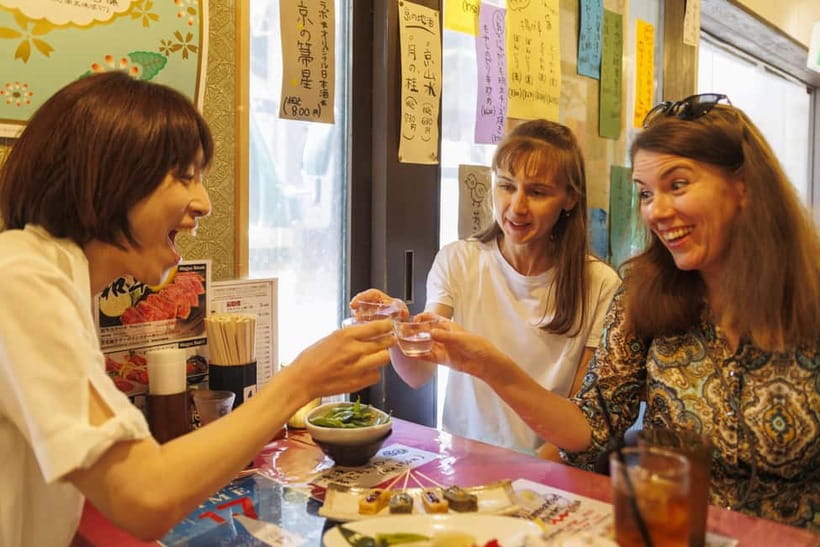
- Local guide navigation through a dense market so you don’t waste time guessing.
- Five selected tastings plus extra snack-style samples that add up to a real food experience.
- Old-meets-everyday Kyoto via a 400-year-old market, a shrine stop, and classic shopping arcades.
- Practical pacing: walking plus eating, not a long sit-down meal.
- Tea ceremony option with kimono dressing and photo time (only if you choose it).
Nishiki Market is your shortcut to real Kyoto food
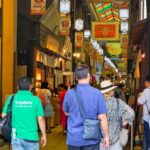
Nishiki Market has a way of making you hungry fast. It’s often called Kyoto’s Kitchen, and with roughly 130 food stalls packed into a long lane, it’s the kind of place that can overwhelm you if you’re walking solo. The best part of doing it with a guide is that you get a plan for what to try, rather than standing there reading every sign while your feet get tired.
I like that this isn’t framed as a fancy restaurant meal. You’re tasting across multiple shops, so you sample the range of Kyoto’s everyday specialties. That also makes it easier to meet different tastes in the group, since you’re not committing to one dish and hoping for the best.
You can also read our reviews of more food & drink experiences in Kyoto
What you’ll actually taste
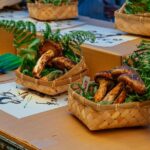
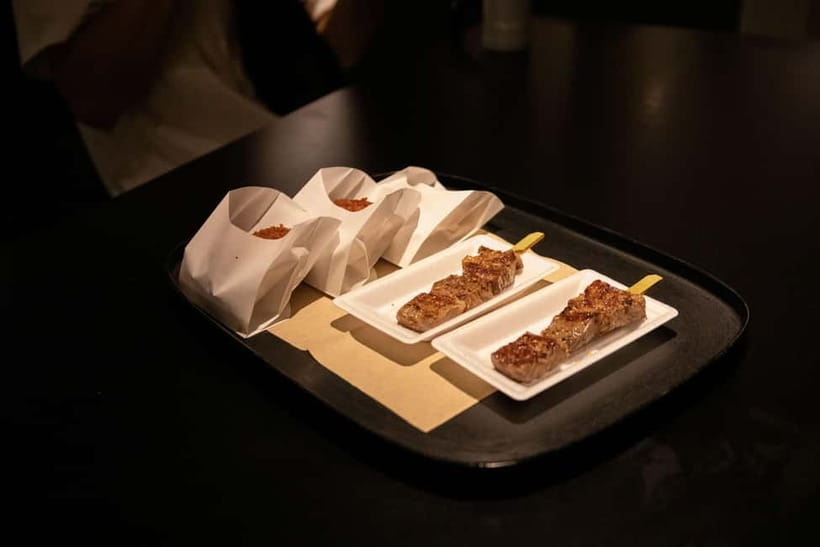
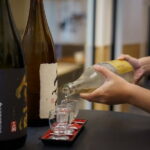
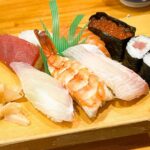
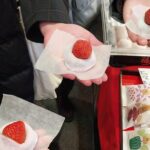
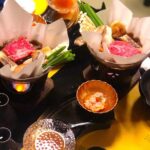
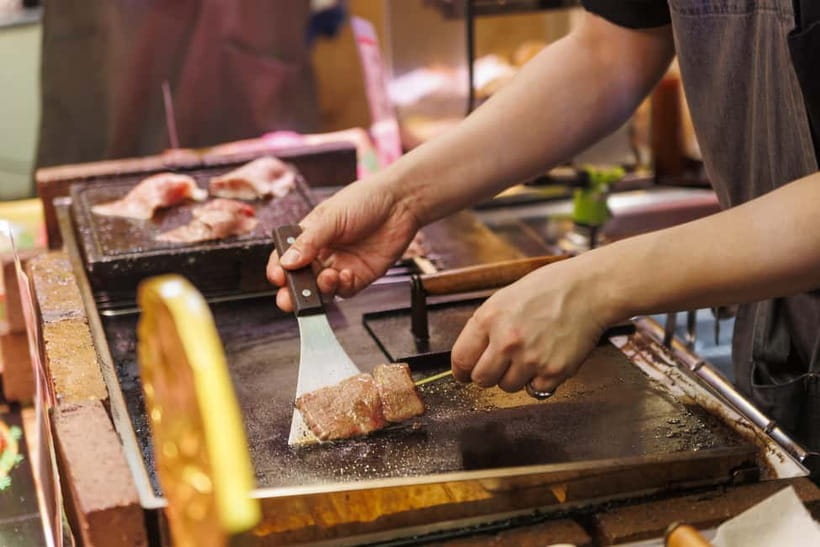
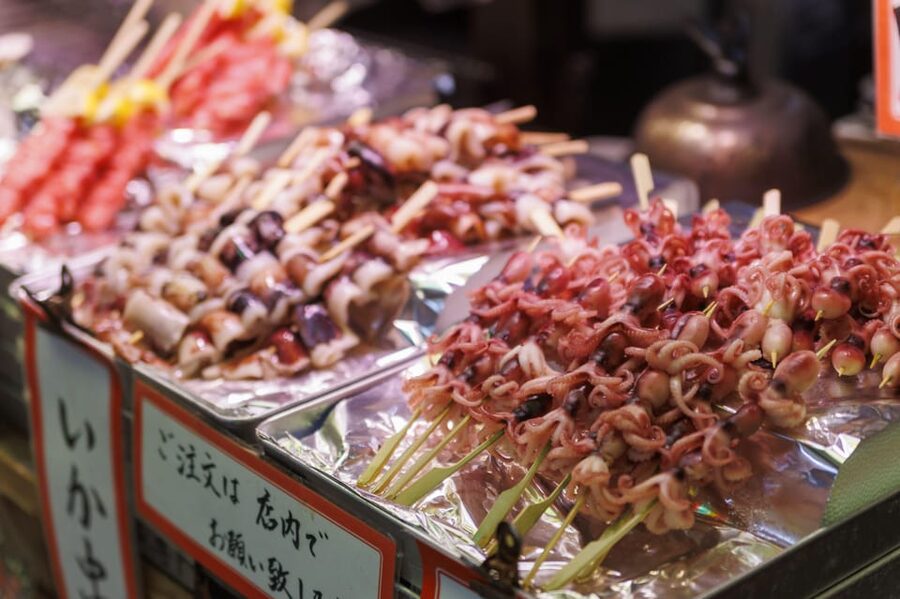
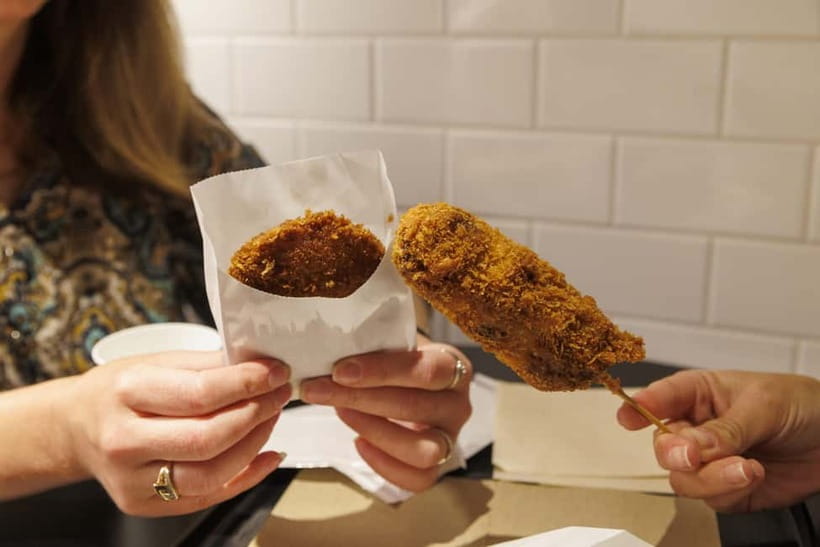
The tour is built around five special foods, including items like yuba, obanzai (Kyoto-style home cooking), hamo tempura, and WAGYU steak skewers. You’ll also get smaller tasting-style samplers such as special Kyoto seasonings, crackers, and Japanese flavored honey.
That mix matters. Yuba and obanzai help you understand Kyoto’s preference for subtle flavors and seasonal ingredients, while tempura and steak skewers give you the comfort-food side that still feels local.
The guide makes the whole 3-hour plan feel easy
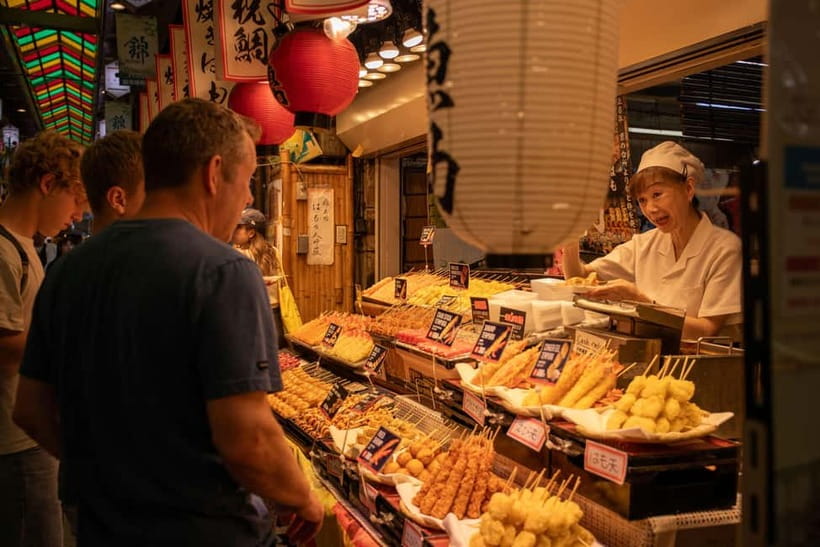
A market tour lives or dies by the guide. This one runs with an English-speaking local guide, and the small-group size caps it at 6 participants, which helps keep things calm enough to ask questions and slow down when something looks good.
In particular, names like Hide, Ayu, Toshi, Takuma/Takuna, Yume, Satomi, Annie, and Saki show up as guides people trust. The common thread in how they lead: they explain what you’re eating and they’ll answer questions beyond just the next stop. I’d treat that as a real value point. If you’re new to Japan, those extra explanations help you connect the food to the culture instead of just collecting bites.
Walking route: from market tastings to shrine and shopping streets
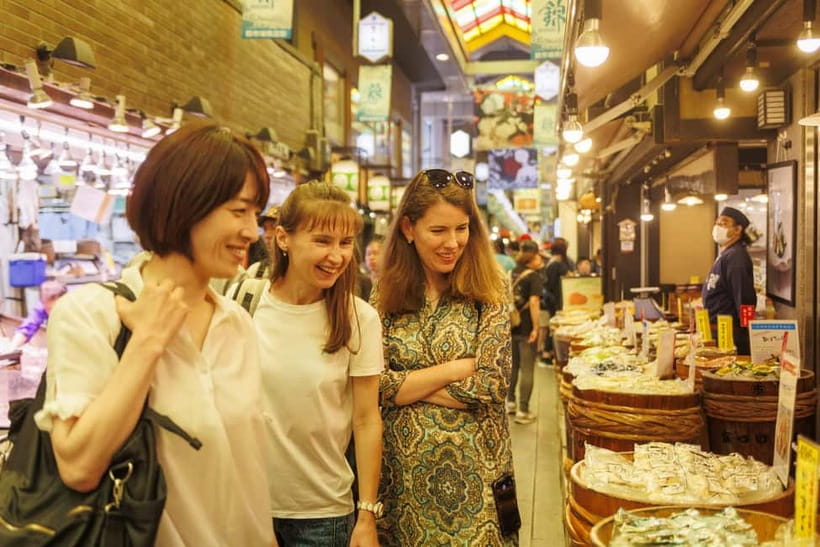
This experience is timed to keep you moving, but it’s not a sprint. You spend about 1.5 hours inside Nishiki Market, then add short and medium stops around the area afterward. Total time is listed as 3 hours (270 minutes), so you can fit it into most first-time visit schedules without it swallowing your whole day.
Stop 1: Your Nishiki Market tasting route (about 1.5 hours)
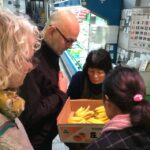
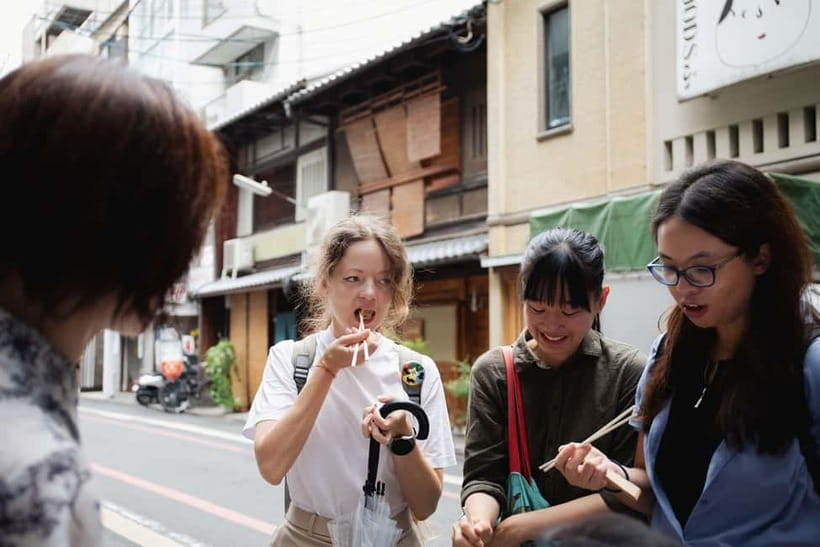
Inside the market, your guide shepherds you to carefully picked stalls. That’s the advantage: you’re not trying to figure out menu choices while surrounded by crowds and noise. You get guided taste sampling at multiple shops, with the guide often using each dish as a mini lesson.
If you’ve ever walked through a dense food market and felt like you were missing half the point, this structure helps. You’ll likely leave with a clearer sense of what Kyoto is famous for, and what flavors are signature here versus just popular everywhere.
Practical tip: wear comfortable shoes. Even with a guide, Nishiki is long and you’ll be standing and walking more than you expect.
A few more Kyoto tours and experiences worth a look

Stop 2: Nishiki-Tenmangu Shrine (short stop, 10 minutes)
After the market tastings, there’s a brief shrine visit at Nishiki-Tenmangu Shrine. It’s only about 10 minutes, so it’s not the kind of stop where you can take your time for photos like you would on a full temple day. Still, it adds context to the area and breaks up the food route with a quick cultural reset.
Stop 3: Shinkyogoku Shopping Arcade (45 minutes)
Next comes Shinkyogoku Shopping Arcade for about 45 minutes. This is a smart pairing because food markets and shopping arcades sit next to each other in real city life. Here, you can look around, pick up small items if you want, and see how locals move through the same neighborhood after the market energy.
A downside to note: if you’re only interested in eating and you dislike shopping time, you might feel this part is extra. But even then, it helps you understand the rhythm of the district instead of treating Nishiki like a standalone attraction.
Stop 4: A hidden gem stop (about 10 minutes)
There’s also a short “hidden gem” stop for about 10 minutes. The exact place isn’t described in the details you provided, but the function is clear: it’s a quick detour for something less obvious than the main market lanes. Treat it like a bonus photo moment and a chance to see something slightly off the main path.
Stop 5: Teramachi Street shopping district (about 30 minutes)
Finally, you’ll spend about 30 minutes on Teramachi Street Shopping District. This gives you more of that street-level Kyoto feel, where the neighborhood stays active beyond the market strip. If you want to wander afterward on your own, this is a good place to orient yourself because you’re leaving with a mental map of what’s nearby.
Tea ceremony add-on at 2:00 PM: a calm contrast to food
You have an option to join a traditional Japanese tea ceremony after the Nishiki Market portion. The session begins at 2:00 PM, and you’ll need to make your own way to the venue near Nishiki Market after the tour finishes.
This add-on is about 90 minutes and includes professional kimono dressing, then instruction from a seasoned tea master. You’ll learn the meaning behind each movement and gesture, and you’ll also get time for commemorative photos in a traditional setting.
Why it works: a market tour can leave your brain full of taste and sensory noise. The tea ceremony slows everything down, so you end the experience with a different kind of Kyoto culture. It also helps if you want something more “traditional” after spending most of your time eating.
Price and value: what $78 buys you
At $78 per person for 3 hours, you’re paying for more than snacks. You’re paying for a local guide, guided pacing through a crowded area, and five selected special foods plus extra tasting samplers.
If you were trying to do this on your own, you could certainly pick up food at Nishiki. But the time cost is real, and so is the risk of missing the dishes that people actually come for. This tour reduces both.
It’s also good value compared to doing a full sit-down meal that only serves one style of food. Here, you’re getting variety and learning, with the food spreading across multiple shops so you’re not stuck with one big bet.
The trade-off is that you can’t steer the menu based on diet needs. If you fall into the categories the tour can’t accommodate (vegetarian, halal, kosher, gluten-free, allergy-related), the price might feel unfair because you’d be paying for an experience that can’t adjust to you.
What to bring, and what can derail your day
This is an easy tour logistically, but a few details matter.
Bring:
- Comfortable shoes (you’ll be on your feet)
- Rain gear (Kyoto weather can shift fast)
Not allowed:
- Pets
- Luggage or large bags
Also keep in mind the tour isn’t suitable for wheelchair users or people with mobility impairments. If mobility is a concern, you’ll want to plan an alternative approach.
Who this Kyoto Nishiki Market tour is best for
This is ideal if:
- It’s your first time in Kyoto and you want to get oriented quickly.
- You enjoy tasting multiple foods rather than committing to one restaurant.
- You like learning the story behind what you eat, not just checking off attractions.
- You want a small-group experience so you can ask questions without shouting over a crowd.
It’s less ideal if:
- You need dietary accommodations or have allergy concerns (the tour can’t handle those requests).
- You’re shopping-focused and hate food sampling.
- You need wheelchair accessibility or have mobility limitations that make walking difficult.
A few smart ways to get the most from your tour
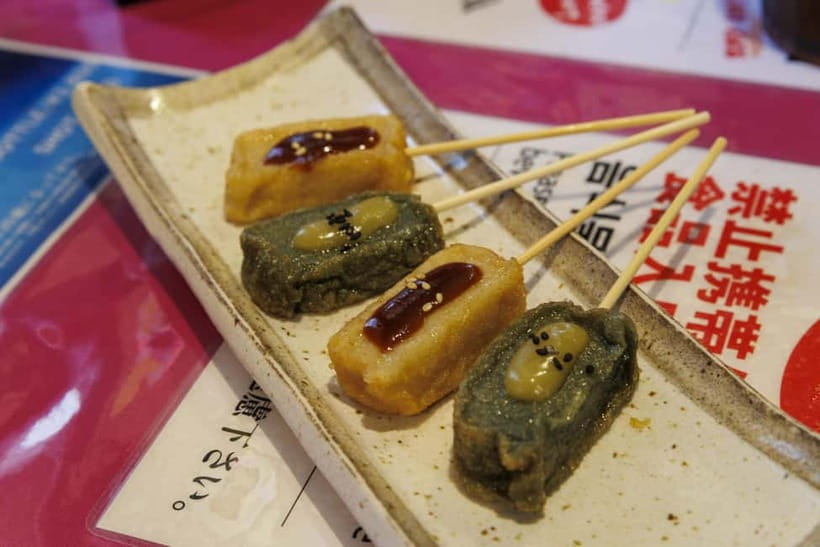
Go with a light appetite mindset. This is tasting-focused, but the total amount of food can feel like a meal once you add the multiple stops plus extra snack-style samplers.
Bring cashless options if you plan to buy extra items after tastings, since the tour includes tasting, not unlimited shopping. And if you choose the tea ceremony option, plan your afternoon around it because it starts at 2:00 PM and you’ll travel on your own to the venue.
Finally, ask questions. Guides like Hide, Ayu, Toshi, Yume, and Saki are praised for answering more than the basics, including Japan and food culture beyond the immediate market stops. Those extra answers are usually what makes the tour stick in your memory.
Should you book this Kyoto food tour?
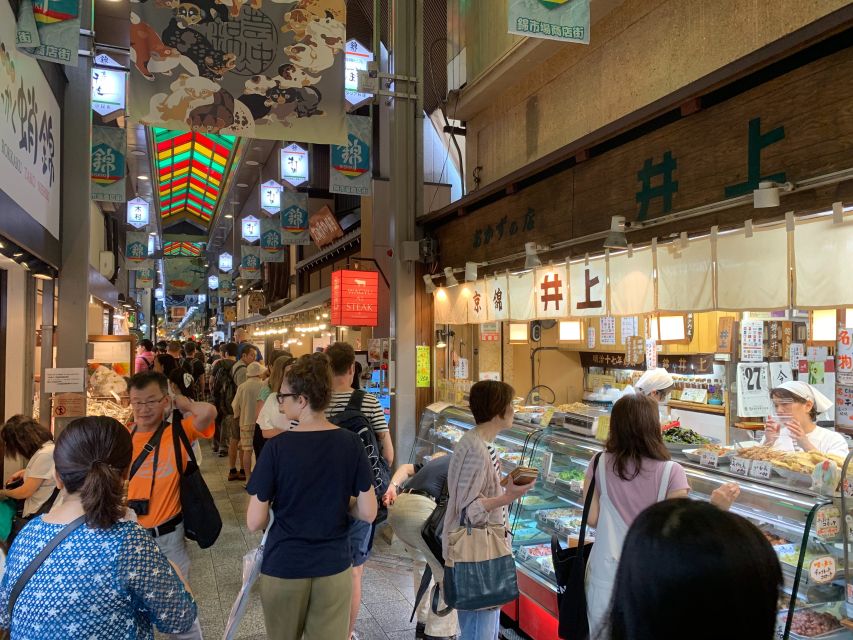
I’d book it if you want a fast, low-stress way to eat your way through Nishiki Market with a local guide and come out with a sense of what Kyoto tastes like. The structure, five special foods, and the added shrine and shopping time make it more than just a snack walk, and the small-group limit keeps it comfortable.
I would skip it if you need dietary accommodations or allergies handled, or if mobility and accessibility are concerns. For everyone else, it’s a strong first-visit option, especially if you’re the kind of traveler who likes stories with your food and wants to leave the market with confidence instead of guesswork.