REVIEW · OSAKA
Osaka Dotonbori Daytime Food Tour
Book on Viator →Operated by Arigato Japan KK · Bookable on Viator
Osaka feeds you fast. This daytime Dotonbori and Namba food tour gives you a focused route through the city’s snack culture, starting at the famous Glico Man sign and ending near Sennichimae. You also get a guide who steers you away from the worst line-attracting spots and keeps things moving so you actually eat instead of just watching other people eat.
I especially like the combo of food and context. Along the way, you learn the story behind Osaka street branding and food neighborhoods, and you get guide-led photos in the big photo zones around Dotonbori and Minami. Some tours I’ve seen (with guides such as Ron, Russ, Chiyoe, Mickey, and Kevin) are praised for turning the walk into a real culture and history lesson, not just a snack checklist.
One thing to consider: this tour is built for walking in good conditions. There’s no hotel pick-up, you’ll meet at a set spot near Dotonbori, and the experience requires good weather and a moderate fitness level for the pacing.
In This Review
- Key things I’d zero in on
- Entering Dotonbori from the right angle at 11:00 am
- The Glico Man stop: more than a photo opportunity
- Dotonbori lights, minus the tourist-trap headache
- Minami (Namba): the street-food zone that feels made for wandering
- Hozenji Yokocho: alley time and quick detours worth it
- Sennichimae Doguyasuji Shotengai: shopping street energy between bites
- Kuromon Market: where your eyes do half the work
- Misono Building and the finish near Sennichimae
- What you actually eat: 4 stops, 1 drink, dessert included
- Drinks, age rules, and dietary needs you can plan for
- Value check on the $209 price for a 3-hour Osaka food tour
- Who this Osaka Dotonbori daytime tour fits best
- Should you book the Osaka Dotonbori daytime food tour?
- FAQ
- How long is the Osaka Dotonbori Daytime Food Tour?
- How many food stops are included?
- What’s included in the price?
- Where do we meet, and what time does it start?
- Is hotel pick-up included?
- Is the tour suitable for kids or people with dietary needs?
Key things I’d zero in on
- Four food stops plus 1 drink and a traditional Japanese dessert, all in about 3 hours
- Small group size (max 10), which usually makes it easier to ask questions and keep the pace comfortable
- Photo stops around Dotonbori and Namba, including the iconic Glico sign area
- Avoid-the-lines strategy, aimed at steering you away from heavily queued tourist restaurants
- Market and alley mix, with stops like Hozenji Yokocho and Kuromon Market included
- Dietary-friendly options listed for vegetarian, vegan, pescetarian, and shellfish-free/pork-meat-free needs
Entering Dotonbori from the right angle at 11:00 am
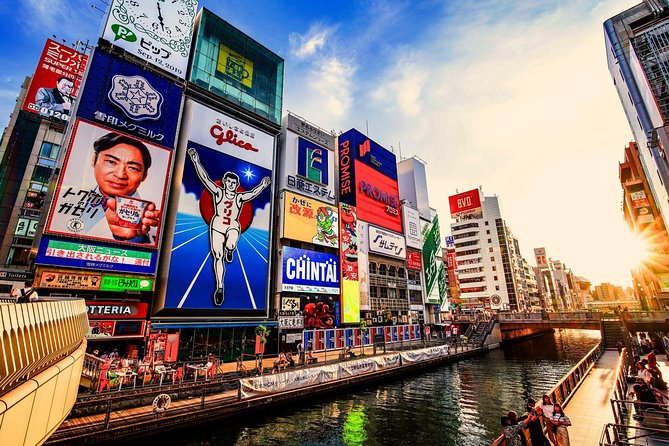
Starting at 11:00 am is a smart choice for this kind of food tour. In the late morning, you still catch the energy of Dotonbori and Namba, but you’re not stuck in the peak crush that can make Osaka feel like one long queue. The route also flows toward Sennichimae for the finish, which helps you end in an area that’s easy to keep exploring after the tour.
The meeting point is Starbucks Coffee at Tsutaya Ebisubashi near Dotonbori. Because there’s no hotel pick-up, plan to build in a little buffer time to arrive and find the exact spot. Once you’re there, the tour runs on a straightforward handheld rhythm: meet, walk, eat, snack, repeat, with the guide keeping you on track.
You can also read our reviews of more food & drink experiences in Osaka

The Glico Man stop: more than a photo opportunity
The tour begins at the Dotombori Glico Sign, and this is where you get the quick story that makes the street feel less random. You learn about Glico Man, inspired by a Filipino sprinter named Fortunato Catalon, and how the athlete’s fame influenced a nation and a company. It’s a neat reminder that Osaka street signage isn’t only decoration—it’s branding, nostalgia, and local identity wrapped into one loud intersection.
This is also where the photo-friendly part starts. Dotonbori is the kind of place where your camera roll can get chaotic fast, so having a guide point you toward the classic angles saves time. The best part here is that you’re not just snapping pictures—you’re starting the tour with context, so the rest of the walk lands better.
Dotonbori lights, minus the tourist-trap headache
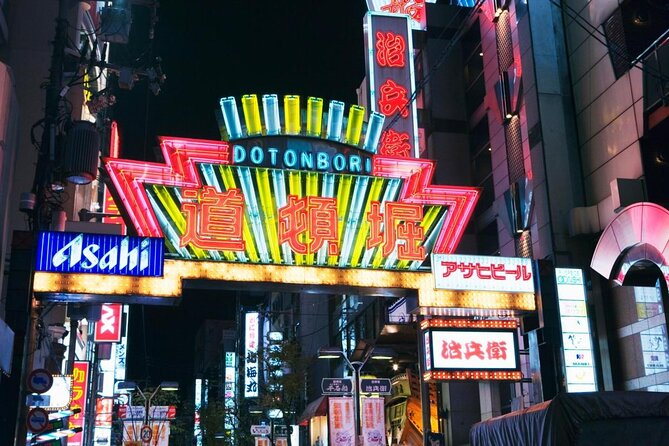
Once you shift into Dotonbori, you’ll see the famous neon and the restaurants that scream for your attention. It’s similar to Tokyo’s flashy street energy, but with its own Osaka flavor. The tour’s goal is to help you avoid the trap pattern: over-commercialized storefronts, long waiting lines, and menus that feel built for passing crowds.
Here’s why I like the “avoid queues” approach. In a short 3-hour window, every minute matters. When you’re paying for a food-focused tour, you want bites—not a lesson in how to stand politely while other people eat first. With a guide leading the way, you can move between stops with less guesswork and more confidence.
You’ll also get short orientation time in the Dotonbori area, which helps if it’s your first day in Osaka. The guide doesn’t just point; they steer. And you’ll often learn small practical cues—like how to judge where locals are comfortable eating versus where you should expect a long wait.
Minami (Namba): the street-food zone that feels made for wandering
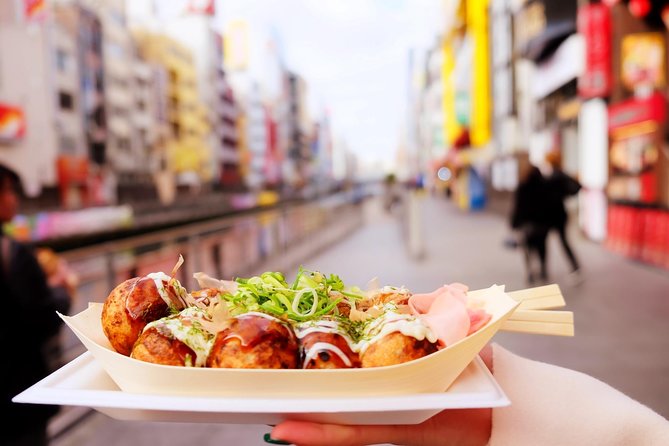
The tour includes time in Minami (Namba), Osaka’s famous lifestyle-and-snack district. This is where street food culture takes center stage: you’re in the thick of the food scene, surrounded by storefronts, side streets, and the buzz that makes Dotonbori famous in the first place.
What’s valuable here is the balance. If you go it alone, you can burn time zigzagging based on what looks good in the moment. With this tour, the route is designed to keep the experience efficient: you walk, you pause, you taste, then you move on before your hunger turns into decision fatigue.
This is also where the guide’s pace matters. A smaller group (max 10) means fewer delays when someone needs a question answered about what they’re eating or what to look for next.
Hozenji Yokocho: alley time and quick detours worth it
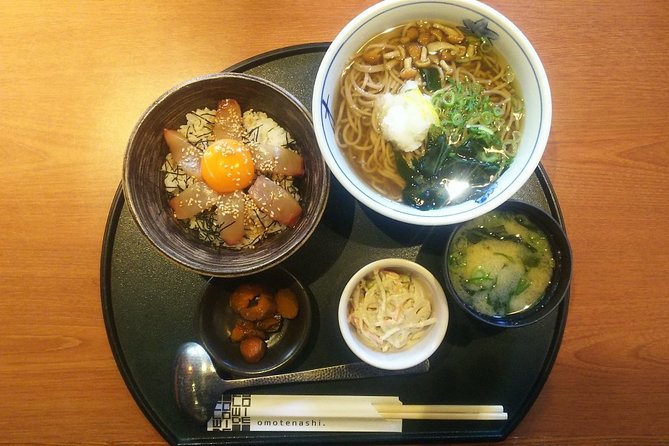
One of the listed stops is Hozenji Yokocho. Even without over-promising details, I like this kind of stop because it changes the texture of the day. Markets and big streets are one thing. Side streets are where you start to feel the everyday Osaka rhythm—narrow lanes, smaller eateries, and a more local feel to the surroundings.
In fact, one of the strongest themes from guide-driven experiences here is the “side street discovery” moment. In a past tour account, the guide also pointed out a special Buddha statue and shrines during the walk. If that matches your route on the day you book, it’s the kind of small cultural stop that makes your photos and memories feel less like a theme-park checklist.
A few more Osaka tours and experiences worth a look


Sennichimae Doguyasuji Shotengai: shopping street energy between bites
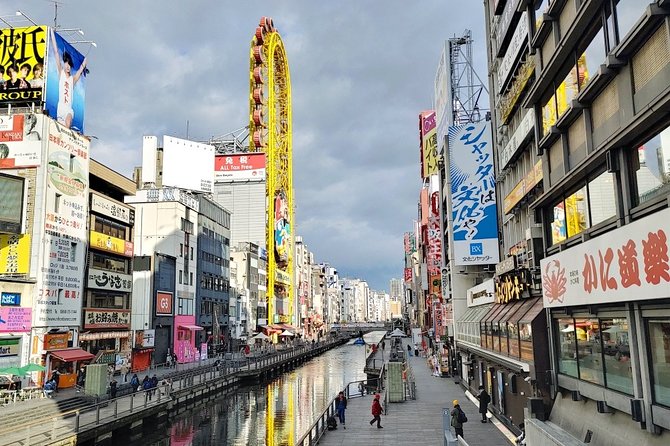
The tour continues through Sennichimae Doguyasuji Shotengai. This is the kind of place where Osaka’s ordinary life shows up alongside food. You’re not only walking for what you’ll eat next—you’re seeing the street-level “how people live” layer that often gets missed when you stay locked onto the neon hotspots.
This stop also helps the pacing. Because the tour has multiple food stops, having a shopping street segment in between gives your brain a reset. You’re not constantly making choices under pressure. Instead, the guide moves you toward the next tasting while you get an easy, low-stress look at the neighborhood.
Kuromon Market: where your eyes do half the work
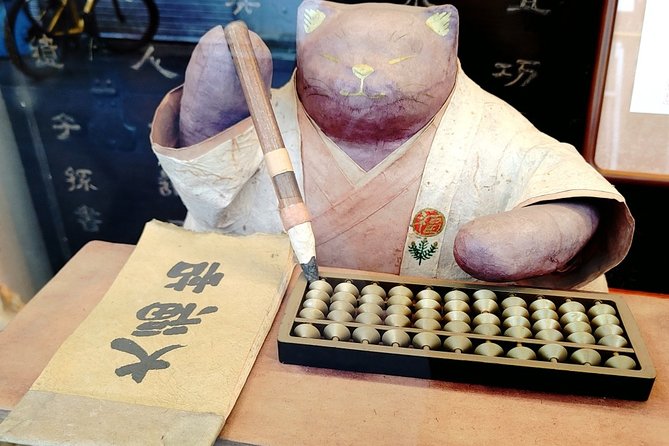
Kuromon Market is on the route, and it’s one of those places where the food culture makes itself obvious. Markets are visually intense, which can be great if you have guidance. You’ll know where to go, when to pause, and what to focus on for the tasting stops.
Even if you’re not a huge market person, this works because the tour isn’t just “walk around and sniff.” You’re supposed to try local dishes at set moments. That reduces the risk of getting lost in the market maze with a camera in one hand and indecision in the other.
If you’re the type who likes to understand what you’re eating, this portion can be extra satisfying. A good guide connects the dots between street food styles, how they’re served, and why locals treat certain foods as go-to comfort choices.
Misono Building and the finish near Sennichimae
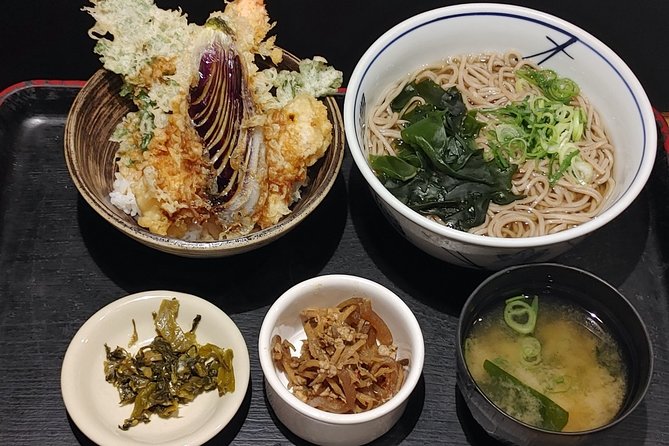
You’ll also encounter Misono Building as part of the route, and then you end in the Sennichimae area. This finish matters if you want to keep moving after the tour. Rather than ending in a dead-end “tour zone,” you’re placed near another busy neighborhood where you can continue exploring at your own pace.
Also, the guide-directed flow makes it easier to keep your appetite in check. When you finish near Sennichimae, you’re not scrambling to figure out your next move from scratch.
What you actually eat: 4 stops, 1 drink, dessert included
The tour includes 4 food stops, 1 drink, and traditional Japanese dessert. That sounds simple on paper, but it’s the right structure for a short daytime experience. You get a variety of tastes without turning your afternoon into a food marathon.
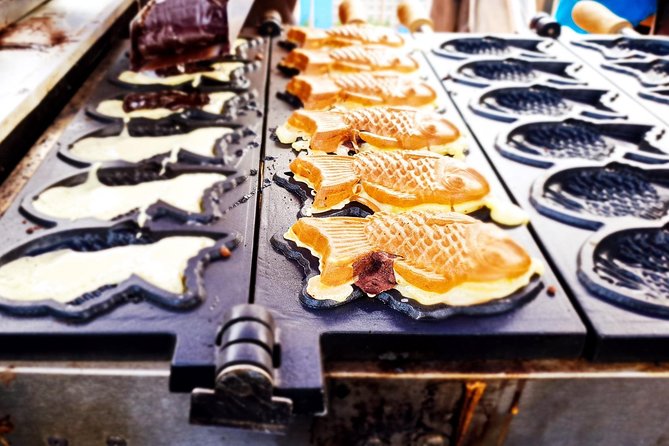
One of the most mentioned street-food items in this Dotonbori-style world is takoyaki. In tour accounts connected to this area, takoyaki shows up as a standout, and it fits perfectly with what this tour is built to do: take you to places where Osaka street food is the main event. You can expect the tasting style to match the neighborhood—quick, snackable, and meant to be eaten while you walk between spots.
Dessert is also included, and it’s often where the “nice finish” energy kicks in. One review noted Japanese cakes as part of the ending sweets. Even if the exact dessert changes with season and availability, having dessert locked in is a real value piece. You’re not leaving hungry for something sweet just because you ran out of scheduled bites.
Important note: the tour lists food changes (season/availability). So if you have a specific craving, you might not always get the exact same item every day. The upside is that the guide is adapting in real time while keeping the tour on schedule.
Drinks, age rules, and dietary needs you can plan for
The tour is family-friendly, and the listed minimum drinking age is 21. The tour includes 1 drink, but if you’re traveling with people under 21, it’s smart to plan for how that drink gets handled on your specific departure. The tour info doesn’t spell out alcohol vs non-alcohol, so treat that as a practical question for your booking.
Dietary options are explicitly supported: vegetarian, vegan, pescetarian, shellfish free, and pork-meat free friendly. That’s a big deal on a street-food tour, because hidden pork and shellfish show up in unexpected places in Japan. Still, don’t assume every substitute is identical to the original dish—just know the tour flags those needs, and the guide should help route you to something that fits.
Value check on the $209 price for a 3-hour Osaka food tour
At $209 per person for about 3 hours, you’re paying for a tight package: a local English-speaking guide, 4 tastings, 1 drink, and dessert, plus the routing that aims to reduce line time. This price isn’t “cheap street snacks” pricing. It’s more like paying for efficiency, judgment, and access.
Here’s the value logic I’d use: if you tried to DIY this route, you’d still have to pay for multiple meals, and you’d likely lose time sorting out where locals actually eat versus where tourists queue. You’d also spend time translating and deciding on the spot. This tour compresses that decision-making into a guided schedule.
The other value booster is the small group size (max 10). That matters because you’re not stuck in a giant crowd, and it’s easier for the guide to answer questions. Some guide names tied to great experiences—Ron, Russ, Chiyoe, Mickey, Kevin—come up in reviews for a reason: when the guide is strong, the meal choices and the cultural context feel worth the ticket price.
Who this Osaka Dotonbori daytime tour fits best
This is a strong match if you want a first-day-friendly orientation to Osaka’s food neighborhoods. The route works well for solo travelers too, since the group size is small and the format is social without being forced.
It’s also a good option if you don’t want to spend your limited time in Osaka arguing with menus and chasing the right spot yourself. The guide’s whole job is to reduce the guesswork—especially in a place like Dotonbori where the most obvious restaurants aren’t always the best use of your time.
I’d be a little cautious if you hate walking. The tour lists a moderate physical fitness level, and the pacing includes moving between multiple areas within a 3-hour window.
Should you book the Osaka Dotonbori daytime food tour?
If you want a time-efficient way to eat your way through Dotonbori and Minami, I think this tour makes sense. The included mix—4 food stops, 1 drink, and traditional dessert—hits the practical sweet spot for a half-afternoon outing. Add in the focus on avoiding long lines and steering you toward spots a visitor wouldn’t easily find, and the price starts to feel less like a splurge and more like convenience you can taste.
I’d only skip it if you’re planning a slow, do-whatever vibe with no structure at all. This tour is designed to move. If you want total freedom, you may prefer wandering with no schedule. But if you want the payoff of eating well with minimal friction, this one is built for that.
FAQ
How long is the Osaka Dotonbori Daytime Food Tour?
It runs for about 3 hours.
How many food stops are included?
You’ll stop for local dishes at 4 food stops.
What’s included in the price?
The tour includes 4 food stops, 1 drink, traditional Japanese dessert, and a local English-speaking guide.
Where do we meet, and what time does it start?
Meet at Starbucks Coffee – Tsutaya Ebisubashi at 11:00 am. The tour ends in the Sennichimae area.
Is hotel pick-up included?
No. Hotel pick-up isn’t included, though it can be arranged for an additional charge.
Is the tour suitable for kids or people with dietary needs?
It’s family-friendly, and children must be accompanied by an adult. For kids 10 and above, a copy of passport information is required. Dietary needs like vegetarian, vegan, pescetarian, shellfish free, and pork-meat free friendly are supported.