REVIEW · SINGAPORE
Singapore: Local Food Tour
Book on GetYourGuide →Operated by Essor · Bookable on GetYourGuide
Street food turns into a mini history lesson. This Singapore local food tour is built around a tight 3-hour loop through classic favorites and lesser-ordered snacks, with your guide steering you toward what’s worth trying right now. I love the mix of signatures (like bak kwa and chicken rice) plus the story bits about how people actually eat here. One heads-up: it’s a lot of food in a short time, so come hungry and wear comfortable shoes.
You’ll meet in Chinatown at the metro station (Exit A) near the shop called Bee Cheng Hiang, and yes, you’ll be looking for an orange umbrella. The other big plus is the English-speaking local guide—guides such as Tang and Jeanette have been praised for being both fun and full of food-and-culture context, not just a checklist of stops. If you have dietary needs, you’ll want to share them in advance so the tastings can work for you.
In This Review
- Key things to look forward to
- Starting in Chinatown: the orange umbrella and fast orientation
- Bak kwa and curry puffs: the salty-sweet start that sets the tone
- Coffee-shop comfort: kaya toast with your milk tea or coffee
- Hawker centre time: how your guide turns a crowd into a plan
- Buddha Tooth Relic Temple: a culture pause between food streets
- The food street finale: carrot cake, prata/thosai, prawn noodles, and dessert
- What you might also try (depending on availability)
- Price and value: is $88 for 3 hours a fair trade?
- Small logistics that matter more than you think
- Who should book this Singapore street food tour?
- Should you book it?
- FAQ
- FAQ
- How long is the Singapore local food tour?
- How much does the tour cost?
- Where do we meet for the tour?
- Is hotel pickup included?
- What’s included in the price?
- Can the tour accommodate dietary needs?
Key things to look forward to
- Orange umbrella meeting spot: outside Chinatown metro (Exit A) near Bee Cheng Hiang
- Bak kwa start: the salty-sweet dried pork Singapore is famous for
- Kaya toast + milk tea or coffee: a classic coffee-shop pairing you’ll try firsthand
- Hawker centre strategy: your guide selects the best bites, including chicken rice
- A temple break in the middle: Buddha Tooth Relic Temple gives a culture pause between eats
- Final food street payoff: prata or thosai, prawn noodles with Tiger Beer, and a signature dessert
Starting in Chinatown: the orange umbrella and fast orientation
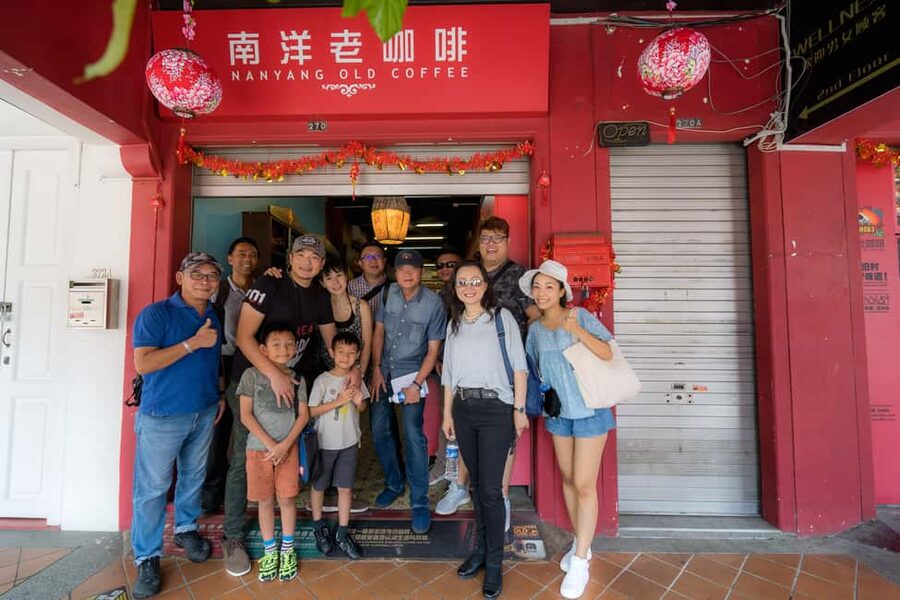
You start where Singapore food storytelling makes sense: Chinatown, with an easy rendezvous point at the metro station Chinatown (Exit A), near Bee Cheng Hiang. The meeting detail matters because this is a 3-hour experience—no one wants to waste time hunting for the group while your appetite is already in motion.
Before you even eat, you get a practical orientation. Your guide isn’t just there to hand you food. You’ll also learn about the surrounding architecture as you move through the area, which helps you connect the snacks to place, not just taste. That’s one of the quiet wins of this tour: you end up with more than a food souvenir. You get a mental map of what you’re seeing.
And because it’s guided in English, you can ask questions as you go—about what you’re eating, how hawker food works, and what’s popular locally.
You can also read our reviews of more food & drink experiences in Singapore
Bak kwa and curry puffs: the salty-sweet start that sets the tone
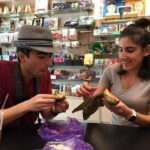
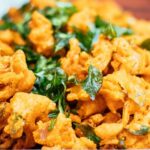
The tour’s first food stop is built for impact: you’ll try Singapore’s most famous dish, bak kwa, a salty-sweet dried pork. It’s the kind of flavor that explains why Singapore street food can feel both comforting and intense at the same time. Even if you’ve had pork jerky elsewhere, bak kwa has a distinct sweet-salty pull that’s very Singapore.
Next comes a favorite local snack: a curry puff. This is a good move early in the tour because it balances the dried meat intensity with something warm and handheld. The tour’s pacing also matters here. Starting with strong signatures helps your brain catch the differences between later dishes, especially once you hit the hawker centre.
From a value standpoint, this is one of the best parts of a 3-hour plan. These are not random samples. They’re recognizable, and they set your expectations so the later variety feels like discovery instead of confusion.
Coffee-shop comfort: kaya toast with your milk tea or coffee
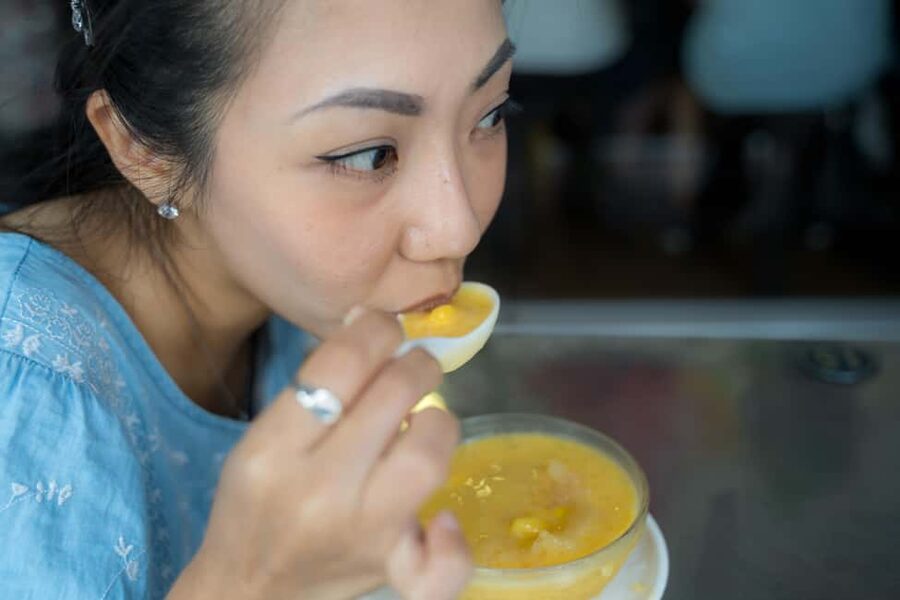
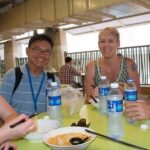
After the first round of savory snacks, you shift into Singapore’s coffee-shop rhythm. You’ll visit a traditional coffee shop and taste your choice of local milk tea or coffee, served with a slice of kaya toast.
This pairing is a big deal for locals throughout the region, and that’s exactly why it works on a food tour. It’s not just about drinking something sweet. It’s about understanding a daily ritual—how locals slow down, grab a drink, and eat something simple that still tastes like a treat.
Practical tip: because you’re sampling multiple items across a short window, pace your coffee or tea. The tour includes food and drinks, so you’re not expected to sprint to the next stop. Sit for a moment when you can. Let the flavors settle so you can taste what comes next instead of only feeling full.
Hawker centre time: how your guide turns a crowd into a plan
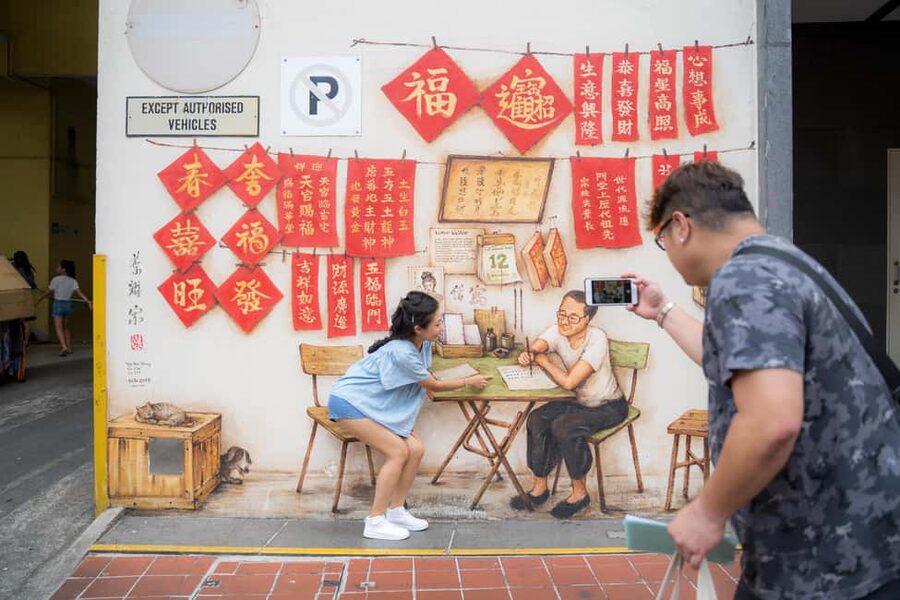
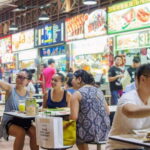
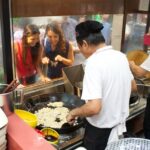
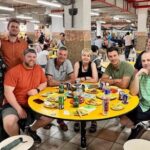
Now you’ll go to a covered market called a hawker centre. This is one of the most important stops on the whole experience because it’s where Singapore food culture becomes visible. You’ll sample the variety of foods on offer and learn what makes these dishes so popular.
Here’s what makes this part feel worth the money: your guide chooses the best bites for you, instead of you wandering and hoping. You’ll try multiple items chosen to show range, and one of them is chicken rice.
In a place like this, chicken rice can be a whole universe by itself—different sauces, different cooking styles, different textures. Having a guide help you pick gives you a better shot at eating something truly representative, not just something familiar.
Also, the tour doesn’t only stay “Chinese” or “street snack.” It moves across Malaysian-leaning flavors and Indian-influenced dishes too, including later stops like prata. That variety is the point: Singapore cuisine is a blend, and you taste that blend directly.
Buddha Tooth Relic Temple: a culture pause between food streets
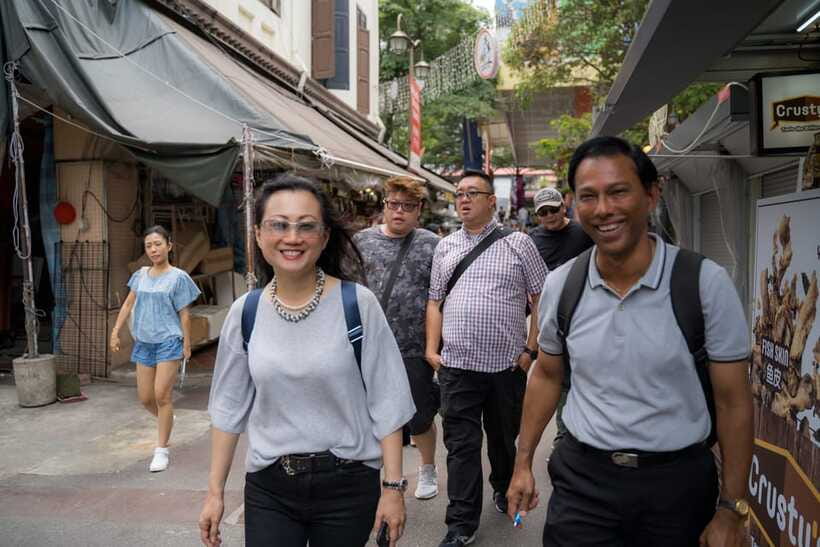
Midway through the experience, you’ll visit the Buddha Tooth Relic Temple. This isn’t just a sightseeing add-on. It acts like a reset button.
Food tours can blur together if every minute is another bite. The temple stop breaks the cycle, and it gives you something to look at while your stomach gives you a brief chance to catch up. You also get a more complete sense of the city beyond what’s on a plate, which makes the food feel more anchored.
The best way to handle this part is to stay present. Don’t treat it as a transfer point on the map. Use it to refocus. By the time you head back toward the food street, you’ll notice you’re eating with more awareness.
A few more Singapore tours and experiences worth a look

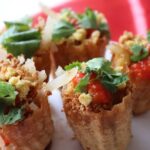
The food street finale: carrot cake, prata/thosai, prawn noodles, and dessert
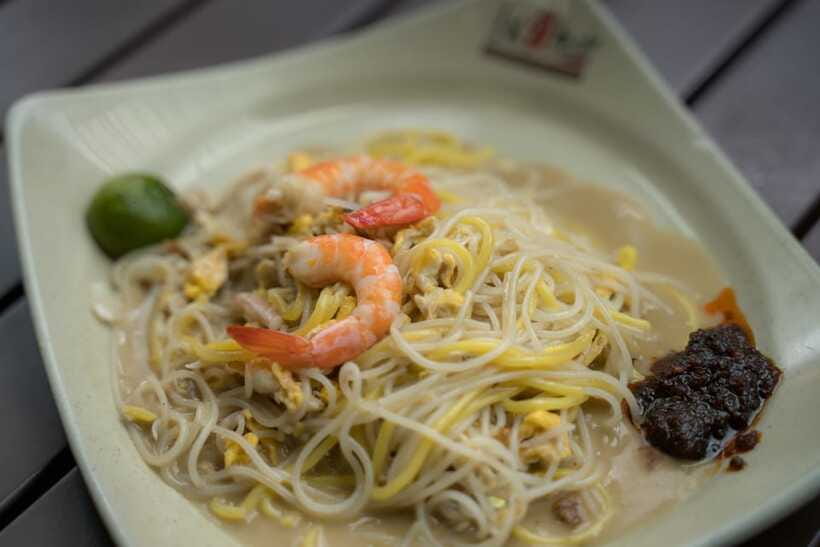
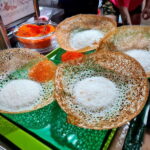
After the temple visit, the tour turns back into pure eating mode on the food street. You’ll taste local dishes like fried carrot cake and then move into Indian-influenced comfort food with prata paired with curry sauce.
One of the tour’s practical strengths is its flexibility. If prata isn’t available, you’ll get an alternative: thosai. Same deal with other items in the lineup—your guide is swapping based on what’s offered that day, so you don’t lose the chance to try the right style of food.
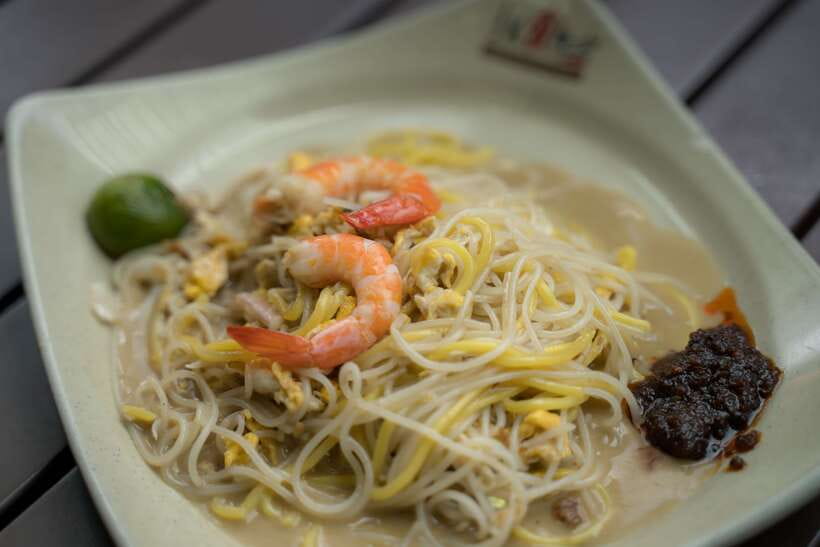
You’ll also find Singapore fried prawn noodles in the mix, served with a can of Singapore Tiger Beer. That’s a classic street-food pairing: salty noodles plus something cold and fizzy.
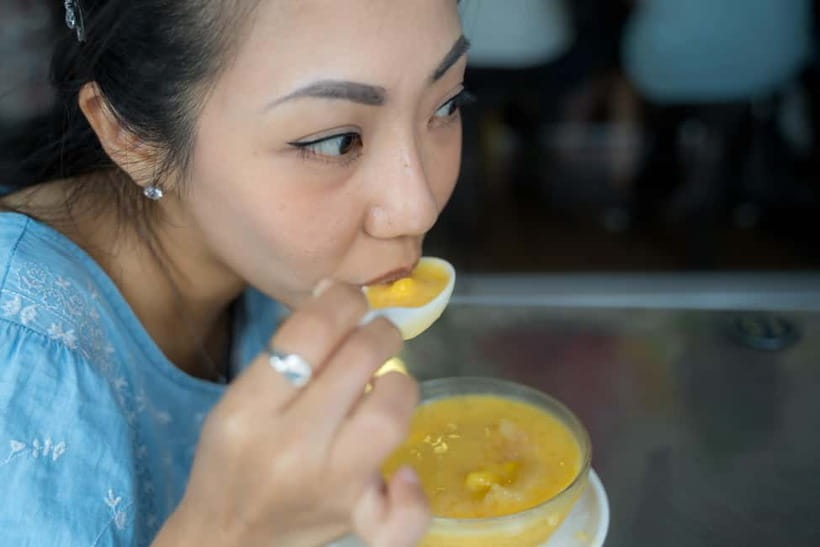
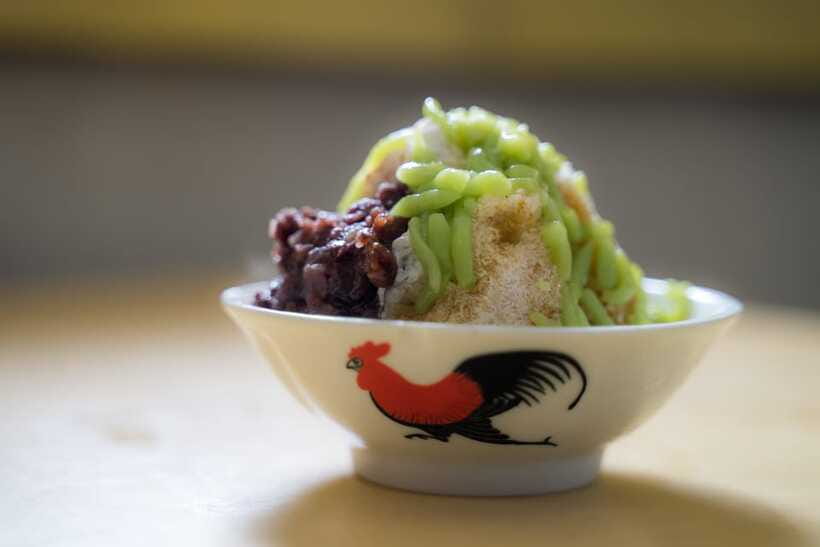
Then comes the payoff: Chinatown food street ends with a special surprise—a signature local dessert you can’t miss. It’s the kind of final course that turns the whole meal into a story you’ll remember, not just a set of dishes you sampled and forgot.
What you might also try (depending on availability)
The tour includes a menu that adjusts based on what’s available that day. Items listed include:
- Oyster cake or popiah (if oyster cake isn’t available)
- Chwee Kueh
- Chendol or Malay bamboo cakes (if chendol isn’t available)
That “if this isn’t available, you’ll get that” approach is exactly why guided food tours work. You keep momentum, and you’re still getting variety even when one stall runs out.
Price and value: is $88 for 3 hours a fair trade?
At $88 per person for about 3 hours, this tour sits in a mid-range tier for Singapore food experiences. What makes it feel reasonable is what’s included: food and drinks, plus a local guide who actively chooses what you eat.
Here’s the value equation I see:
- You’re not paying extra for each stall visit. You’re getting a planned sequence of bites.
- You’re getting multiple categories of food: dried snack, curry snack, coffee-shop pairing, hawker centre mains, temple break, and dessert.
- You have English guidance throughout, so you’re spending your time eating and learning, not figuring out where to go next.
The main cost in real terms is your own time. It’s only 3 hours, so you’ll eat a fair amount. If you’re the type who likes slow meals and long wandering, you might prefer a longer do-it-yourself plan. If you want a fast, structured taste of Singapore, this price can be a good deal.
Also, the overall rating is strong—4.8 with 19 reviews—which usually signals that people felt the pacing and selection landed well.
Small logistics that matter more than you think
Two details can make or break your day.
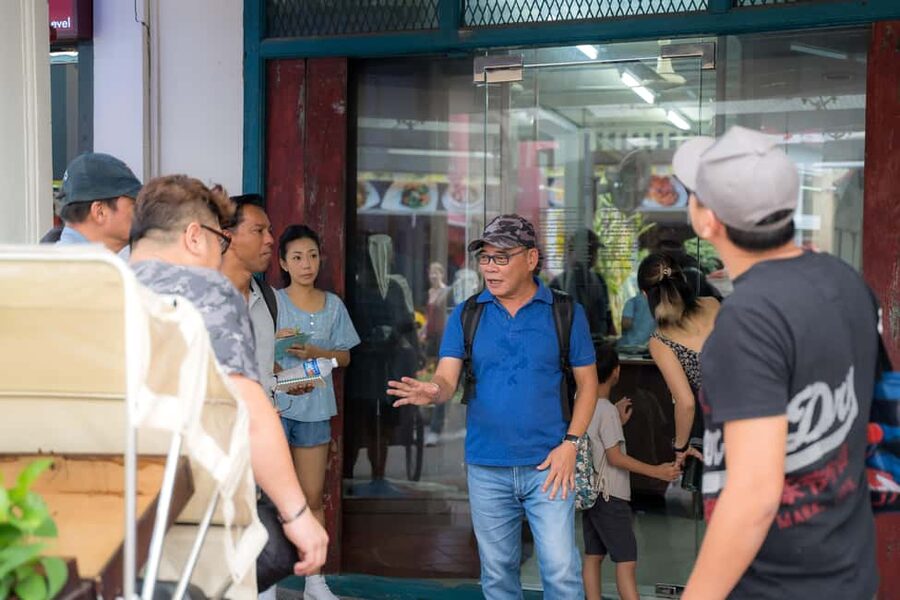
First: there’s no hotel pickup. You’ll meet at the metro station Chinatown (Exit A) near Bee Cheng Hiang. Build in a few minutes so you arrive relaxed. If you show up at the last second, you’ll spend your best appetite energy standing around.
Second: bring comfortable shoes. This tour is built for moving between food stops and walking the food streets. Even with a short total duration, you’ll likely spend a good chunk on your feet.
Finally: share dietary needs in advance. The tour explicitly asks you to do that, and given the number of items and substitutions, it’s the difference between a smooth day and a stressful one.
Who should book this Singapore street food tour?
This is a great fit if you:
- Want an English-speaking local guide who picks what to order (especially at a hawker centre)
- Like Singapore’s signature food culture, from bak kwa to chicken rice
- Prefer a set timeline that still feels flexible with substitutions
- Enjoy short story stops like the Buddha Tooth Relic Temple that break up the eating
It’s less ideal if you:
- Can’t handle a high number of tastings in 3 hours
- Need very specific meal control and haven’t communicated dietary needs ahead of time
- Want a tour that feels more about quiet sit-down dining than snack-to-snack pacing
Should you book it?
Yes, I’d book this if you want a compact, guided Chinatown food tour that hits recognizable Singapore favorites and still throws in variety beyond the obvious tourist picks. The strongest reason to go is the structure: a guide who selects bites, a hawker centre visit, and a clear progression from bak kwa through coffee-shop culture to hawker mains, then back to the food street finale.
Book it particularly if you like the idea of leaving with both full stomach and a better sense of what Singapore food culture means in everyday life.
FAQ
FAQ
How long is the Singapore local food tour?
It lasts about 3 hours.
How much does the tour cost?
The price is $88 per person.
Where do we meet for the tour?
Meet outside the metro station Chinatown (Exit A) near the shop called Bee Cheng Hiang, looking for the orange umbrella.
Is hotel pickup included?
No, hotel pickup is not included. You’ll meet at the Chinatown metro station and the tour ends back at the meeting point.
What’s included in the price?
Food and drinks are included, along with an English-speaking local guide.
Can the tour accommodate dietary needs?
Yes, but you should share your dietary needs in advance so the guide can plan your tastings appropriately.