REVIEW · TOKYO
Ebisu Local Food Tour: Shibuya’s Most Popular Neighborhood
Book on Viator →Operated by Japan Awaits · Bookable on Viator
Ebisu feels like Tokyo’s easygoing side. This 2.5-hour walk-and-eat tour uses a local guide to steer you through Shibuya’s quieter Ebisu backstreets, so you’re not stuck solving train exits and menus on your own. You’ll bounce between small spots that locals actually use, which is exactly what makes the neighborhood so fun to explore.
What I like most is the way the guide handles menu translation and ordering, which removes the stress if your Japanese is basic. I also like that you get food at each location plus one included drink, so the tour isn’t just a lecture with a couple of bites.
One thing to consider is the price: at $478.21 per person, it’s a premium way to eat. You’ll feel the value only if you really want guided routing, translations, and a structured tasting plan instead of DIY wandering.
In This Review
- Key things to know before you go
- Ebisu is the laid-back Shibuya break you’ll feel fast
- Tour basics: 2.5 hours of guided eating, not a museum hour
- The meeting spot matters more than you think
- What the guide actually does for you (and why it’s worth paying for)
- The tasting plan: multiple stops, different specialties, built-in variety
- One included drink: plan around Japan’s 20+ rule
- Ebisu’s standing-bar culture shows up in the walking
- Price and value: when $478.21 makes sense
- Timing and pacing: a good midday plan with built-in momentum
- Reviews show strong guide quality, with one real warning sign
- Who should book this Ebisu tour
- Should you book the Ebisu Local Food Tour?
- FAQ
- Is this tour a private experience?
- How long is the Ebisu Local Food Tour?
- What’s included in the price?
- What drink options are included, and is alcohol involved?
- Where do we meet, and where does the tour end?
- What if I’m late to the start time?
- What is the cancellation policy?
Key things to know before you go
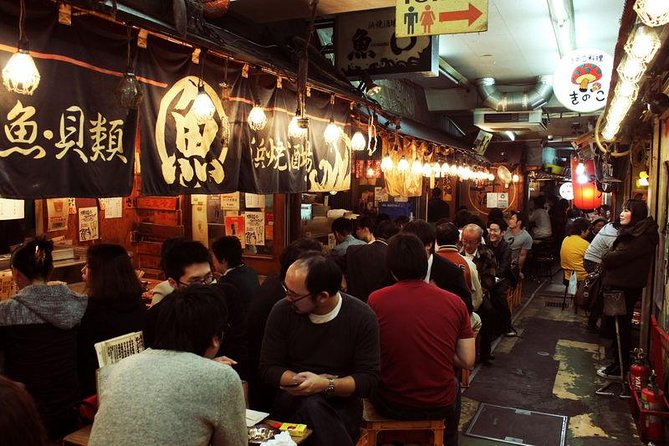
- Ebisu routing without the wandering: the guide takes you down alleyways and side streets locals love
- Real menu help: your guide translates so you can order with confidence
- Multiple tastings, not one stop: food at each location keeps the tour moving and varied
- One included drink: choose beer, sake, soda, or juice, depending on what fits you
- Photo opportunities built in: you’ll have natural moments to capture the tiny shops and counters
- Private by design: only your group participates
Ebisu is the laid-back Shibuya break you’ll feel fast
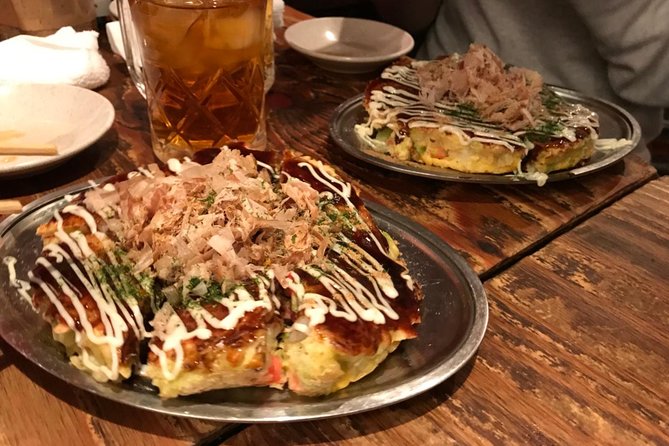
Shibuya gets all the attention for fashion and crowds, but Ebisu is its more relaxed cousin. It sits in Shibuya ward, and it’s known for cozy, smaller restaurants and pubs, plus the famous standing-bar style that people pop into for a quick drink. You also get a different pace: less sprinting, more wandering on foot with purpose.
That matters because Tokyo neighborhoods can feel similar if you’re moving fast and following obvious landmarks only. Ebisu has that small-neighborhood feel, where alleyways and side streets are part of the experience, not just the detour. With a guide, you get access to the rhythm of the area instead of only seeing the main streets.
You can also read our reviews of more food & drink experiences in Tokyo
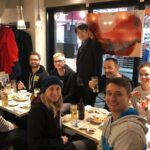
Tour basics: 2.5 hours of guided eating, not a museum hour
This tour runs about 2 hours 30 minutes and ends back at the start point. It’s designed as an easy, food-focused stroll rather than a deep lesson that drags on. The “walk, stop, eat, drink, repeat” format is ideal if you want your Tokyo day to include flavor and conversation more than logistics.
It’s also a private tour, meaning only your group is involved. That’s a practical advantage in Japan, where language gaps can turn small decisions into big delays. If you’re traveling with friends, couples, or family, private time usually means you can move at a pace that works for you.
You start at Ebisu Station (1 Chome-5 Ebisuminami, Shibuya, Tokyo 150-0022, Japan) with a 1:00 pm start. A mobile ticket is included, and the location is near public transportation, so you’re not piecing together multiple transfers just to begin.
The meeting spot matters more than you think
Ebisu Station is your anchor point. When a tour is based around a neighborhood, the first 10 minutes set the tone. Starting at the station means you’re not trying to guess where the guide is waiting in a maze of streets. You also get a clean reset: when the tour ends, you’re back near where you started.
One key timing note: the guide will wait up to 30 minutes after the scheduled start time. If you’re late past that, the tour is marked cancelled. So build in a buffer if you’re coming from another part of Tokyo or switching trains.
What the guide actually does for you (and why it’s worth paying for)
The biggest value here isn’t that you’re eating in fancy places. It’s that the guide helps you navigate Ebisu in a way that’s hard to replicate without local know-how.
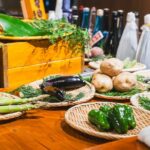
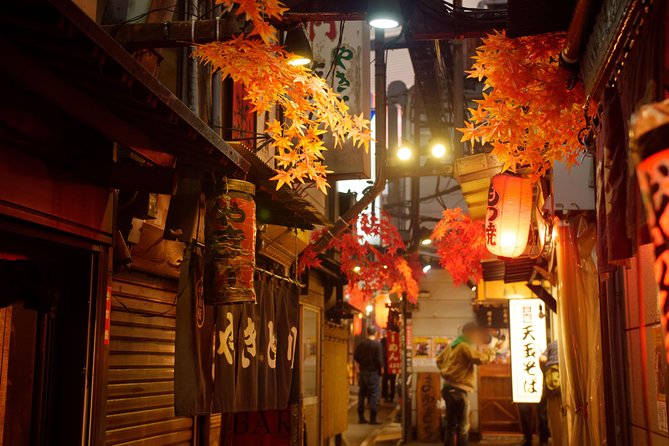
First, you won’t have to get lost. The tour takes you down alleyways and side streets that you’d likely miss if you only rely on major streets and maps. In Ebisu, those side streets are where the small counters and tucked-away restaurants are.
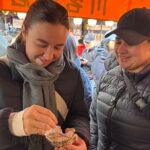
Second, the guide removes language friction. The tour specifically includes menu translation, which changes the whole experience. Instead of guessing what you’re ordering or asking the same question repeatedly, you can focus on what you like and what you want to try.
In reviews, guides named Noriko and Toshio stood out for being informative and clearly local to the neighborhood. One guide even balanced food guidance with extra storytelling, adding context to why certain foods show up where they do. That kind of “why this place, why this dish” can turn tastings into a real sense of place.
The tasting plan: multiple stops, different specialties, built-in variety
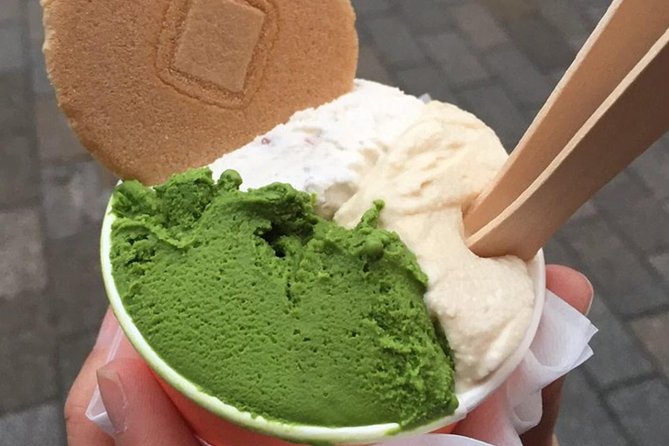
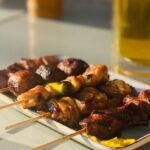
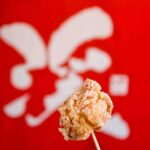
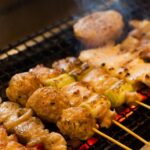
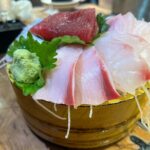
You can expect stops that cover multiple restaurants and food stalls. The tour is structured so you get food at each location, which is the difference between a light snack crawl and something that actually counts as a meal.
You should also expect variety in what each place specializes in. One account described visiting four different places, each focusing on a different kind of Japanese food. Even if your exact lineup differs, the intent stays the same: you’re sampling enough variety that the tour doesn’t feel repetitive.
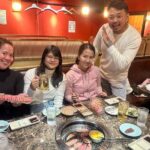
What makes that approach work in Ebisu is the neighborhood’s style. Small restaurants, pubs, and standing bars are part of the culture. A guided route helps you get the variety without burning time figuring out which spots are worth your table time versus which ones just look busy from the sidewalk.
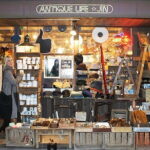
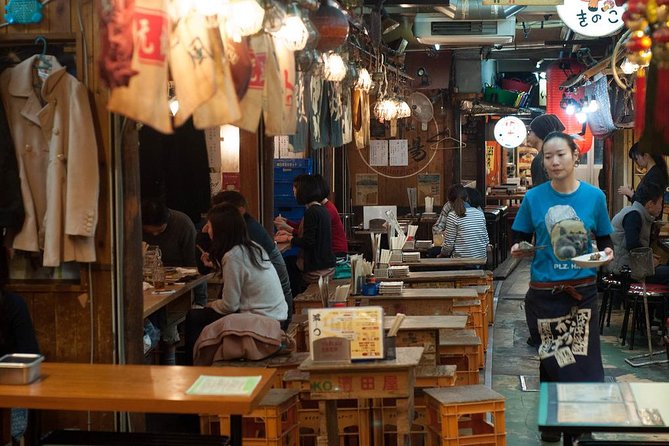
Photo opportunities are included too. That sounds minor, but in Japan it can help you capture the details you might miss while you’re busy eating: storefronts, tiny interiors, and those standing-bar scenes where everyone squeezes in for a quick drink.
A few more Tokyo tours and experiences worth a look



One included drink: plan around Japan’s 20+ rule
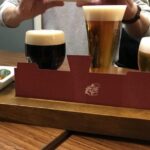
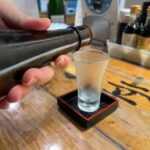
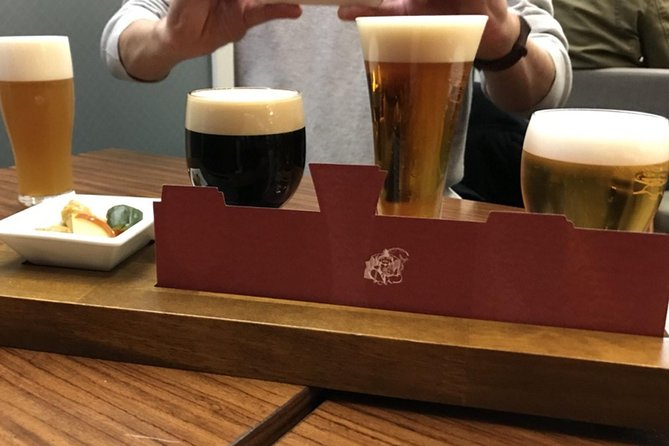
Your tour includes one drink selected from beer, sake, soda, or juice. Here’s the practical part: Japan’s legal drinking age is 20. So if you’re with anyone under 20, they won’t be having alcohol on this tour. The drink inclusion still works because soda and juice are explicitly part of the options.
You’ll want to think about timing too. Since it’s a walking-and-tasting tour, the drink is best treated as part of the rhythm, not as your main event for the day. If you’re the type who likes a beer with food, this tour does that without turning your afternoon into a long bar crawl.
Also, only one drink is included. Additional drinks are available to purchase if your group wants to keep the party going after a stop.
Ebisu’s standing-bar culture shows up in the walking
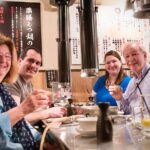
Ebisu is known for a relaxed nightlife vibe, including tachinomiya, the standing bar style where you hop in for a quick drink and conversation. While the tour doesn’t list every specific bar name in the details provided, it clearly targets Ebisu’s mix of small pubs and standing-bar experiences.
That’s why the guide matters. These kinds of places can be intimidating if you don’t know what to do, where to stand, and how to order. With menu translation and a planned stop sequence, you can show up, participate, and enjoy the atmosphere without fumbling through social norms.
This is also where the neighborhood’s “laid-back” identity really comes through. Ebisu can feel like a calmer pocket compared with other parts of Tokyo, which makes it a good match for a food tour—especially if you’ve already done the big, high-energy sights earlier in your trip.
Price and value: when $478.21 makes sense
Let’s talk money without pretending it’s cheap. At $478.21 per person, you’re paying for more than food. You’re paying for:
- a local expert guide
- menu translation
- a structured route through Ebisu’s smaller streets
- tastings with food included at each location
- one included drink
- photos taken or guided into place
For a lot of people, the value math comes down to time and friction. In Tokyo, “saving time” isn’t just minutes. It’s also fewer wrong turns, less menu anxiety, and fewer awkward moments trying to communicate at the exact moment you’re hungry.
If you and your travel group enjoy planning and like doing everything on your own, this may feel pricey. But if you want a guided, low-friction Tokyo afternoon where you can focus on eating and talking, it’s easier to justify. Think of it as buying ease plus access to Ebisu’s food-and-drink culture without the guesswork.
Also, it’s listed with group discounts. If you’re booking with more than one person, ask at booking time how the pricing changes for your group size.
Timing and pacing: a good midday plan with built-in momentum
The start time is 1:00 pm, which is a smart window. You’re not racing through lunch at peak hours, and you’re also not waiting until late evening when some places can tighten schedules. The tour duration is long enough to feel substantial, but short enough that you can still plan dinner later.
The “one drink included” part also helps pacing. You’ll likely get the drink during one of the stops, which means you’re not stuck waiting for the bar moment while your stomach empties between locations.
If you’re planning other activities the same day, treat this as your main food anchor. It’s better than trying to squeeze a second big meal right before or right after.
Reviews show strong guide quality, with one real warning sign
Most of the feedback you’ll see is about guide performance. Guides like Noriko and Toshio were highlighted for being informative, flexible, and genuinely tuned in to the neighborhood. One guide plan was described as visiting multiple places specializing in different foods, plus adding an extra surprise experience afterward. Another guide, Mack, was noted for strong conversation and a willingness to help beyond the tour, including recommending something nearby that people might otherwise miss.
That points to an important pattern: a good guide can turn a tastings tour into a story-based walk where you understand what you’re eating and why the neighborhood is the way it is.
Still, there’s one caution worth respecting: there was at least one negative experience where the tour felt unorganized and the guide’s English didn’t meet expectations. That kind of mismatch can happen with any small-group or private tour format. The practical fix is simple: before you go, confirm that you want a true food-focused route and clarify the level of menu translation you expect, especially if your group needs more guidance.
Who should book this Ebisu tour
This tour fits best if you:
- want a guided way to explore Ebisu within the Shibuya area
- care more about food tastings than museum-style sightseeing
- don’t want to wrestle with Japanese menus and ordering
- like small-neighborhood vibes and are curious about tachinomiya and pub culture
- want a structured afternoon that includes a drink and multiple stops
It’s also a strong option for first-timers in Tokyo who want one “local” neighborhood experience without needing to build a complex self-guided plan.
Families can consider it too, since the minimum age is 8, and children under 14 must be accompanied by an adult. Just remember: drinking age is 20, so the included drink will be non-alcoholic for those under that threshold.
Should you book the Ebisu Local Food Tour?
Book it if you want an organized, low-stress way to eat your way through Ebisu with menu translation and a guide-led route. The biggest strength is practical: you’re paying to avoid getting lost and to turn small Tokyo food decisions into an easy, enjoyable sequence.
Skip it or consider alternatives if your group is highly independent and you’re comfortable navigating menus without help, or if you’re extremely sensitive to guide language and planning quality. At this price, you’re rightly paying for service. If you want maximum confidence, prioritize booking based on your own comfort with guided tours and make sure your expectations for food focus are clear.
FAQ
Is this tour a private experience?
Yes. The tour is listed as private, meaning only your group will participate.
How long is the Ebisu Local Food Tour?
It runs about 2 hours 30 minutes.
What’s included in the price?
The included items are an English-speaking local expert guide, service taxes, 1 drink, and food at each location, plus photo opportunities.
What drink options are included, and is alcohol involved?
You get one included drink, which can be beer, sake, soda, or juice. Japan’s legal drinking age is 20, so alcohol options apply to guests 20 and up.
Where do we meet, and where does the tour end?
You meet at Ebisu Station, 1 Chome-5 Ebisuminami, Shibuya, Tokyo 150-0022, Japan. The tour ends back at the meeting point.
What if I’m late to the start time?
For this private tour, the guide waits up to 30 minutes after the scheduled start time. If you arrive after that window, the tour is considered cancelled.
What is the cancellation policy?
The experience is listed as non-refundable and cannot be changed for any reason. A standard cancellation policy with cancellation fees is also provided, with higher fees closer to the event date.