REVIEW · TOKYO
Tokyo: Shinjuku Food Tour – 15 Dishes, 3 Drinks, 4 Eateries
Book on GetYourGuide →Operated by Travel Tokyo · Bookable on GetYourGuide
Fifteen dishes, three drinks, one loud Shinjuku evening. This is the kind of tour that turns Shinjuku’s side streets into a real food education, guided by an English-speaking host who keeps the night moving and the explanations clear. I especially like the way the stops are built around everyday places—small bars and busy alleys—so you’re not stuck in a staged “tourist menu” vibe. Guides named in feedback include Rikki and Emma, and the common thread is practical commentary that helps you understand what you’re tasting.
My second favorite thing is the scale: 15+ dishes across 4 eateries, which feels like a full dinner plus snacks. You’ll get examples like sashimi, tonkatsu, gyoza, and more, with sake and other drink options. One consideration: the drink count is listed as 3, but at least one recent guest reported receiving 2, so keep your expectations flexible when it comes to alcohol portions.
If you want an easy first bite of Tokyo, this tour does that. If you’re looking for quiet, slow sightseeing, this is not that kind of night. Expect walking, high energy, and a lot of food.
In This Review
- Key Things You Should Know Before You Go
- Starting at α 107 Building: Get Your Bearings Fast
- Golden Gai: Small-Bar Tokyo and the Art of Ordering
- Omoide Yokocho: Comfort-Food Energy Under the Signs
- Kabukicho: Nightlife Edges and a Final Food Push
- 15 Dishes and 3 Drinks: The Real Value Math
- Drinks: What’s Included and How to Expect It
- The Guide Factor: English Explanations That Pay Off
- What You’ll Actually Learn
- Walking Pace, Stairs, and What to Bring
- Is This Tour Right for You?
- Should You Book This Shinjuku Food Tour?
- FAQ
- How long is the Shinjuku food tour?
- Where is the meeting point?
- What’s included in the price?
- Do I need cash?
- Is the tour guided in English?
- Are drinks alcoholic or non-alcoholic?
- Can I cancel and get a refund?
- Do you accommodate dietary restrictions or allergies?
Key Things You Should Know Before You Go
- 15 dishes, not appetizers: this is engineered to finish as a real meal, not just tastings
- 4 eateries across distinct Shinjuku zones: each stop has a different street feel and local crowd
- English guide with on-time logistics: feedback highlights guides helping the group sit and keep moving
- Food culture you can use the next day: you’ll learn how to read what you’re ordering and why it works
- Bring cash: at least some places expect it, so don’t rely only on cards
- Expect a crowded neighborhood pace: stairways and tight seating can happen inside small spots
Starting at α 107 Building: Get Your Bearings Fast
Your night starts near Nishi-Shinjuku, in the west side area. Meet in front of the blue AOKI sign right by the Starbucks on the west exit side, then you’ll link up at α 107 Building as the group base.
What I like about this setup is simple: you’re not hunting down a secret address in the dark. Shinjuku can feel like an ocean of signs, ramps, and alleys, so having a fixed meeting landmark keeps the stress low. Also, because the tour is only about 3 hours, that early orientation matters—you want your first stop to feel effortless, not chaotic.
One more practical note: bring cash. The tour data explicitly says to bring it, and small local eateries often run on straightforward payment habits, especially when you’re splitting time in and out of tight spaces.
You can also read our reviews of more food & drink experiences in Tokyo
Golden Gai: Small-Bar Tokyo and the Art of Ordering
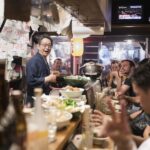
Golden Gai is where Shinjuku’s character turns up the volume. You’ll spend roughly an hour here, with dinner guided through the area’s bar-lined lanes. This is the kind of place where the vibe is part of the meal: narrow streets, packed storefronts, and lots of conversation spilling out at street level.
Why this stop works on a food tour:
- The food is tied to the bar culture. You’re tasting in the same environment locals actually use—quick, social, and focused on comfort.
- You get a sense of how Japanese nightlife is organized: not one big restaurant, but many tiny places with their own personality.
What to watch for: Golden Gai seating is often tight. A recent review specifically praised the guide for keeping the group on time and finding places to sit. That’s not fluff. If your group gets stuck at the door, the whole pacing suffers—and the rest of the meal starts to feel rushed.
In practical terms, you’ll want to arrive ready to move. Wear shoes that can handle uneven sidewalk edges and short spurts of staircases that small venues sometimes include.
Omoide Yokocho: Comfort-Food Energy Under the Signs
Next comes Omoide Yokocho, which has its own street rhythm—busy, casual, and built for eating fast and well. You’ll also spend about an hour here, with dinner served as you walk and stop.
This is often the part of a Shinjuku food night where the tour turns into a full-on dinner experience. The alley layout helps you understand how Japanese casual dining really works: you’re not just ordering a dish, you’re joining an atmosphere where the staff and the regulars know the flow.
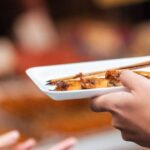
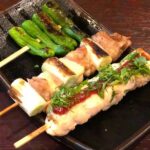
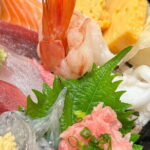
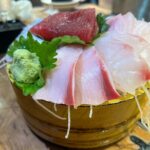
This stop tends to be where those classic crowd-pleasers show up, the ones you can’t exactly replicate at a hotel breakfast counter. On this tour, you may see items like pan-fried gyoza or crispy tonkatsu, and you’ll also get seafood options such as sashimi as part of the overall dish lineup.
The big value here is variety inside a single neighborhood. You’re not bouncing between random restaurants. You’re being routed through Shinjuku’s food logic, one alley at a time.
Kabukicho: Nightlife Edges and a Final Food Push
Kabukicho is the broad, bright spotlight of Shinjuku nightlife. It can look intimidating if you’ve only seen it from the train platform. On this tour, though, it becomes the last tasting zone—the place where the night feels like it’s cresting, not ending.
You’ll spend around an hour here, then return to α 107 Building to wrap the tour.
Why Kabukicho belongs in a food tour (even if it’s flashy):
- It’s a neighborhood where food is built for the moment—fast decisions, satisfying portions, and strong flavors after dark.
- It’s also where you learn how Japan handles nightlife energy: restaurants don’t vanish; they tighten into side streets and smaller storefronts that keep the scene human.
For many people, this is the point where you’ll start asking, Can I really eat more? That’s normal. One review put it bluntly: there’s more food than most people expect, and the feeling is closer to getting a complete dinner than a snack run.
If you want the experience to stay fun (not painful), plan for a slightly lighter day beforehand—especially on food-heavy cities where dinner choices alone can be a workout.
15 Dishes and 3 Drinks: The Real Value Math
At $72 per person for about 3 hours, the headline value is obvious: 15 dishes is enough for a full meal, not a tasting sampler. Do the math and it’s roughly $4.80 per dish on paper. Then add the guide, the movement between four eateries, and the drink component, and suddenly the price feels less like “a tour cost” and more like “a dinner package in prime neighborhoods.”
But here’s the more useful way to think about it: you’re buying time and access. In Shinjuku, figuring out which small places will actually feed you well is half the battle. This tour removes that decision load. You eat what the guide selects, you learn what’s typical, and you don’t waste your night guessing at menus.
A few more Tokyo tours and experiences worth a look


Drinks: What’s Included and How to Expect It
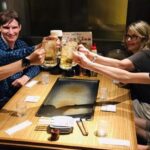
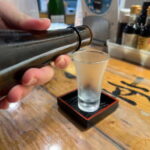
The tour description lists 3 drinks with alcoholic and non-alcoholic options, including sake in the lineup. One recent review mentioned receiving 2 drinks instead of 3, specifically one sake and one beer. That doesn’t mean the tour always changes—just that drink distribution may vary by timing, group flow, or restaurant rules in the moment.
So my practical advice:
- Decide ahead of time if you’re there for alcohol or for flavor and food.
- If you want to control your alcohol intake, choose the non-alcoholic option when you can. You’ll still get the pacing and the food education.
The Guide Factor: English Explanations That Pay Off
The guide is not just narration. This tour is built around the guide’s ability to connect food to place—what the dish is, how it’s eaten, and what to notice while you’re chewing.
Feedback repeatedly calls out guides for:
- Keeping the group on track and making sure everyone is seated
- Being friendly and patient, including when someone gets a bit lost
- Adding neighborhood context so the food makes sense in its real setting
Some guide names mentioned include Shane W, Fu, Ali, Yin, Daichi, Han, Kei, and Mao. I can’t promise you’ll get any specific person, but I can tell you what the best reviews are reacting to: clear, helpful communication plus real local navigation.
What You’ll Actually Learn
Even without a formal classroom vibe, you pick up useful cues:
- why certain dishes show up together in local dining patterns
- how Japanese meal structure works in casual spots
- how to order or react without freezing at a menu
That matters because once you understand the logic, you can keep enjoying Shinjuku after the tour ends.
Walking Pace, Stairs, and What to Bring
This is a walking food tour across compact neighborhoods. It’s not a slow cruise where you can take long breaks every other block. You’ll move between eateries and backstreet corridors, and you’ll spend real time sitting, eating, and then moving again.
A review also noted stairs at one stop with no lift. That doesn’t mean every venue is stair-only, but it does mean you should assume some parts may involve step-ups—especially inside small, older structures. If you need step-free access, consider messaging the operator directly before booking.
What to bring is straightforward:
- Cash (explicitly recommended)
- Comfortable shoes
- A light plan for the rest of your day so you don’t fight the portion size later
Is This Tour Right for You?
This tour is a strong match if:
- you want a full dinner without making 12 restaurant decisions
- you like casual Tokyo nights more than polished fine dining
- you want an English-speaking guide to explain what you’re eating and where you are
It’s less ideal if:
- you prefer quiet, low-foot-traffic sightseeing
- you get overwhelmed by loud nightlife zones
- you’re sensitive to lots of food in a short time window
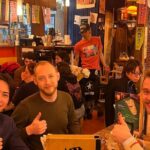
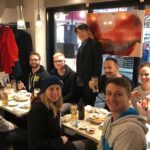
If you’re coming solo, it can be a good social structure. One review described conversation flowing easily in a mixed group. When food arrives quickly and the guide keeps pace, it’s easier to meet people and compare bites without awkward downtime.
Should You Book This Shinjuku Food Tour?
I’d book it if you want your Shinjuku night to feel like a real Tokyo meal—varied, guided, and efficient. 15 dishes across four local eateries is the kind of value that usually costs more when you try to assemble it yourself, especially in neighborhoods as maze-like as this.
Still, decide based on your appetite and your style. If you can handle walking and a heavy eating pace, this is a smart, high-reward way to learn the city by tasting it. If you want a light sampler night with plenty of breathing room, look for a shorter or smaller-portion food experience instead.
In short: if your goal is to eat well and understand Shinjuku fast, this tour is easy to justify.
FAQ
How long is the Shinjuku food tour?
It lasts 3 hours, with the evening split across the main neighborhood stops.
Where is the meeting point?
Meet in front of the blue AOKI sign next to the Starbucks in Nishi-Shinjuku (west exit).
What’s included in the price?
The tour includes an English-speaking guide, a city tour, 15 dishes, and 3 drinks, plus visits to 4 local eateries.
Do I need cash?
Yes. The tour information specifically asks you to bring cash.
Is the tour guided in English?
Yes, the live guide provides the tour in English.
Are drinks alcoholic or non-alcoholic?
Both options are included. The tour lists alcoholic and non-alcoholic drink choices.
Can I cancel and get a refund?
Yes. Free cancellation is available up to 24 hours in advance for a full refund.
Do you accommodate dietary restrictions or allergies?
The tour data doesn’t give a formal guarantee, but at least one recent review says the guide made accommodations for someone with food allergies. If this matters to you, contact the operator before booking.