REVIEW · TOKYO
Shinjuku: Food Tour – 15 Dishes at 4 Eateries
Book on Viator →Operated by Traveling Tokyo · Bookable on Viator
Fifteen bites, one neighborhood, zero guesswork. This Shinjuku food tour strings together the spots you’d otherwise miss—Kabukicho izakaya energy, Omoide Yokocho’s old lanes, and a local meal in Nishishinjuku—plus a photo moment at the Godzilla Head. It’s built for a quick Tokyo intro, without the stress of figuring out where to eat after a long day of walking.
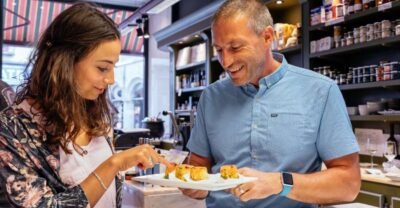
I especially like how the tasting-heavy format keeps you moving through variety: multiple dishes and drinks across four eateries, not just one big restaurant meal. I also appreciate the culture side—guides are repeatedly praised for explaining customs and neighborhood context in plain language, with examples like Dai, Naruto, Akia, Kaira, and Fu sharing history and local food details as you go. The main thing to consider: this is a walking route with a tight schedule, and the pace between stops can feel quick if you want lots of lingering time.
In This Review
- Key points before you go
- Shinjuku Eats Route: What the 3-Hour Flow Is Really Like
- Starting Point at AOKI Shinjukunishiguchi Honten: Getting Your Bearings Fast
- Kabukicho First Stop: Izakaya Energy and the Godzilla Photo Moment
- Omoide Yokocho Memory Lane: Old Izakayas Without the Guessing
- Nishishinjuku Local Favorite: The Meal Stop Many People Miss
- Fifteen Dishes and Drinks: How to Plan Your Appetite
- The Guides: Why the Cultural Notes Matter as Much as the Food
- Price and Value: Is $77.60 Actually a Good Deal?
- Who This Shinjuku Tour Fits Best
- Should You Book This Shinjuku Food Tour?
- FAQ
- How long is the Shinjuku food tour?
- How many dishes and eateries are included?
- What’s the group size?
- How much does it cost?
- Where does the tour start and end?
- What’s included in the price?
- What is not included?
- Is there a mobile ticket?
- Where is the meeting point in relation to transit?
- Can I cancel for a full refund?
- When do I get confirmation?
Key points before you go

- 15 dishes across 4 eateries for a lot of variety in a short outing
- Small group limit of 10 keeps the experience from turning into a herd
- Kabukicho, Omoide Yokocho, Nishishinjuku cover the Shinjuku spectrum from entertainment to everyday dining
- Godzilla Head photo stop gives you a memorable city landmark moment
- Professional expert guide + history/culture talk so you understand what you’re eating and where you are
Shinjuku Eats Route: What the 3-Hour Flow Is Really Like
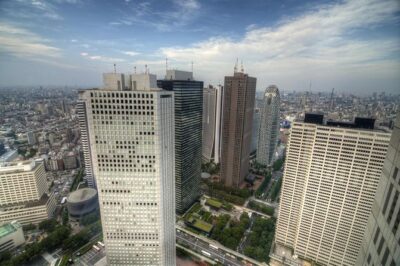
Shinjuku is one of Tokyo’s busiest restaurant zones, anchored by one of the world’s biggest train hubs. This tour takes that chaos and turns it into an easy plan: you get a guided route that clusters food stops in a way that makes sense for first-timers, even if Shinjuku feels overwhelming on your own.
What I like about the structure is that it reads like a neighborhood sampler. You’re not bouncing across Tokyo. You’re staying in the Shinjuku orbit—Kabukicho’s entertainment-district flavor, the old izakaya lanes of Omoide Yokocho, and Nishishinjuku’s more locals-first restaurant streets. In practical terms, this saves you time and reduces the mental load: show up, walk, eat, and learn what you’re looking at.
The 3-hour window also shapes expectations. It’s long enough for multiple tastings, and short enough to work as a dinner plan on a busy itinerary. You’ll want to arrive with some appetite and a willingness to keep up. If you prefer slow, leisurely wandering, you might wish you had more downtime between tastings.
You can also read our reviews of more food & drink experiences in Tokyo
Starting Point at AOKI Shinjukunishiguchi Honten: Getting Your Bearings Fast
Your tour begins at AOKI Shinjukunishiguchi Honten, at 1-chōme-8-5 Nishishinjuku, Shinjuku City, Tokyo 160-0023. That’s a helpful detail because Shinjuku can swallow you. A fixed meeting location gives you a clear anchor before the walking portion starts.
From the beginning, you’ll get the kind of framing that makes the rest of the night easier to enjoy. Shinjuku isn’t just about food. It’s also the station-area rhythm—crowds, signage, and quick shifts from shopping to nightlife. This is where the guide’s role matters: the early context helps you read the streets instead of just passing through them.
The tour ends back at the meeting point, which is another quiet convenience. Tokyo is easier when you don’t have to re-navigate at the end of a meal-filled outing. It also means you can plan your next step (a drink, a convenience-store snack, or a train ride home) without guessing how to get back.
Kabukicho First Stop: Izakaya Energy and the Godzilla Photo Moment
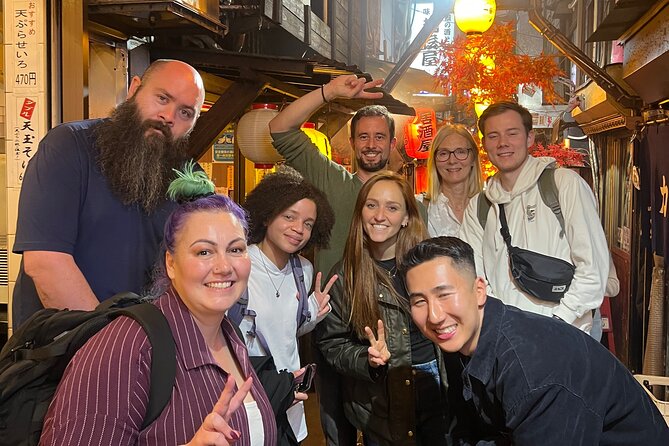
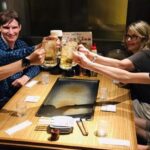
Kabukicho is the entertainment-district side of Shinjuku, known for its dense cluster of nightlife spots and neon-level attention. The tour spends about one hour here at a local restaurant, which is a sweet spot: long enough to actually eat, not just glance at the area.
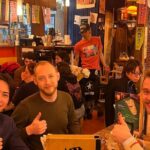
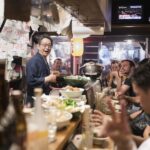
I love starting in Kabukicho for one reason: the contrast. If you’re coming from quieter Tokyo areas, Kabukicho is a fast orientation course in what Shinjuku is known for. You’ll likely see how the entertainment zone funnels people into small bars and casual dining rooms, where ordering is social and pace is part of the experience.
Then you get the iconic photo context. The tour includes a stop where the Godzilla Head towers above Kabukicho—a cinematic landmark that turns a busy street corner into something you’ll recognize later. It’s not just a picture for the album. It helps you connect what you ate with the setting: this is Shinjuku’s loud identity, and it’s right there in your frame.
One practical takeaway: in Kabukicho, you can expect narrow walkways, crowd patterns, and signage that changes quickly. Having a guide means you spend less time deciding and more time eating.
Omoide Yokocho Memory Lane: Old Izakayas Without the Guessing
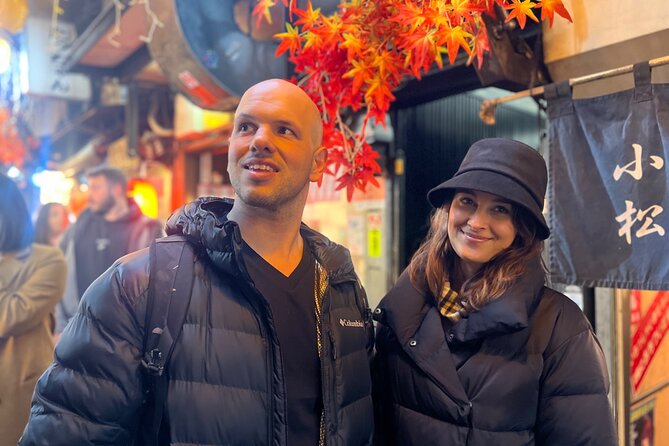
Next comes Omoide Yokocho, also called Memory Lane. This is the kind of place that can look simple from the outside—small lanes, compact storefronts, and an old-school izakaya vibe—but it’s also the kind of place where it’s easy to wander past what you actually want.
The tour gives you about 15 minutes here, largely as a walk-past moment (admission is listed as free). That short timing is smart. It keeps the experience moving without turning it into a long detour. And because this segment is focused on sights and atmosphere, you’ll have time to notice details: the feel of older dining streets and the way these lanes stay busy.
I like this stop because it adds texture. The tastings already cover flavor, but Omoide Yokocho covers tone—how Shinjuku can feel nostalgic even while the rest of Tokyo keeps evolving. It’s the kind of contrast that makes the food taste better, because your brain is switching gears between modern intensity and old-night Japan.
If you’re the type who likes to photograph tiny alley life, this is your quick hit. If you hate feeling rushed, treat this segment like a short street stroll rather than a sit-and-stare attraction.
Nishishinjuku Local Favorite: The Meal Stop Many People Miss
After the entertainment-district energy, the tour heads to Nishishinjuku—an area full of local restaurants that many tourists overlook. This is where the itinerary earns its keep: Nishishinjuku gives you a different slice of Shinjuku dining, one that feels less focused on nightlife spectacle and more on everyday ordering.
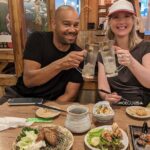
You get about one hour here with a dining stop at a local favorite. That matters because the point isn’t only to eat a lot. It’s to eat in places that feel like part of the neighborhood. In other words, you’re sampling Shinjuku as locals might recognize it.
The best guided food tours help you understand the menu logic. In feedback from recent groups, guides like Akia and Kaira have been praised for knowing what the food is supposed to mean and how to order or read the context. When you hear those details, the meal becomes more than a list of dishes. You start noticing patterns—comfort textures, regional influence, and how drinks pair with what’s on the plate.
There’s also a realistic expectation here: not every restaurant will be a slam dunk for every palate. One lower-rated experience pointed out that not all eateries matched their hopes. My advice is to treat this tour as variety-first. You’re paying for range across multiple tastings, not for one guaranteed perfect meal.
A few more Tokyo tours and experiences worth a look


Fifteen Dishes and Drinks: How to Plan Your Appetite
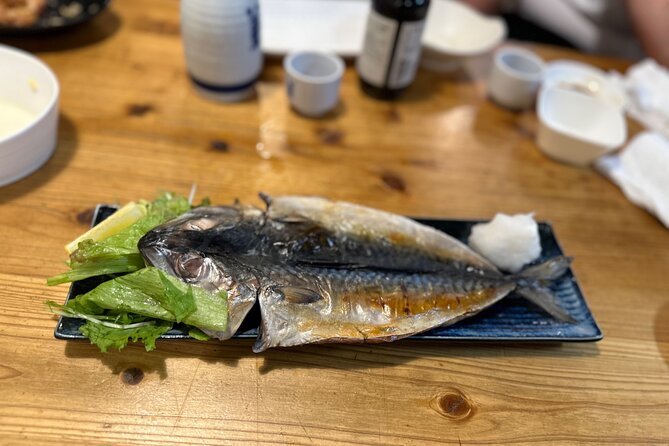
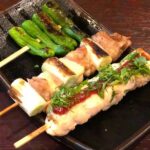
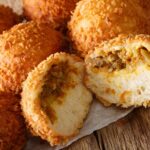
This tour is designed around 15 dishes at four eateries. That sounds like a marketing number, but in practice it’s a workable formula for Tokyo food tasting: enough variety to reduce the odds of a menu mismatch, without requiring you to commit to a full meal at one spot.
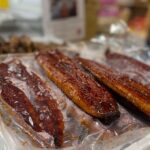
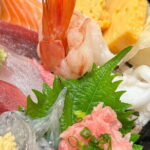
Because food and drinks are included, the real value comes from what you avoid. On your own, you’d need to research where to go, decide what to order, and then pay full restaurant prices for each choice. Here, you get the guide’s planning baked in. You also get the timing handled—multiple tastings happen inside the 3-hour window, which is hard to replicate when you’re solo.
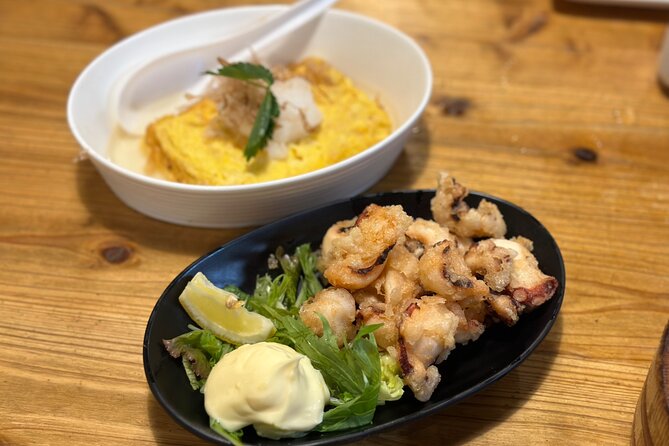
What I recommend: eat something light before you go, then treat the tour like your main meal. The servings are meant to fill you up across the route, and several high-rated experiences mention that people didn’t go to bed hungry. If you arrive starving and keep expectations realistic about pace, you’ll have a better time than if you arrive full and frustrated.
Also, remember the pace trade-off. This is not a slow, course-by-course dinner. It’s a walking tasting crawl. If you want long chats, plan to do them after the tour ends, when you’re not racing between restaurants.
The Guides: Why the Cultural Notes Matter as Much as the Food
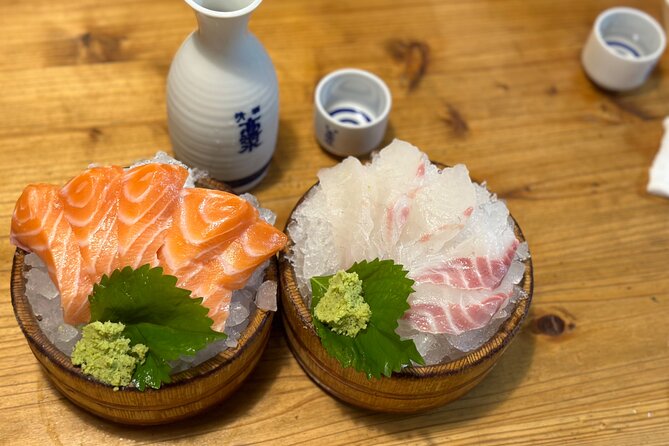
The included professional expert guide isn’t a bonus add-on here. It’s part of the product. In feedback from recent groups, guides were repeatedly praised for English clarity and for translating neighborhood cues into food-and-custom context.
You’ll see that in examples like:
- Dai being described as going above and beyond with history and neighborhood details, including unique Okinawan food notes
- Naruto pointing out cultural explanations and even taking groups into narrow alley spaces
- Fu and Naoya praised for both food focus and explanation
- Izzy and Akia noted for insight into customs and what you’re tasting
That’s the difference between eating and learning. A guide helps you understand why a dish is the way it is, what a drink is meant to do, and why Shinjuku’s food scene is shaped by its districts. And when you understand that, you’re less likely to judge a restaurant based only on taste. You also start appreciating variety: why Kabukicho may lean toward lively izakaya styles, why Omoide Yokocho feels older and more lane-based, and why Nishishinjuku can feel more grounded.
Balance matters too. One lower rating complained about pace and communication flow during the walk. That’s a reminder to arrive ready to keep up and to pay attention during transitions, because the guide is managing the group’s timing as much as the conversation.
Price and Value: Is $77.60 Actually a Good Deal?
At $77.60 per person, you’re paying for four guided restaurant visits worth of food and drinks, delivered inside a small group limit (max 10), with walking and culture context included. That’s not cheap by budget-travel standards, but it is often good value in a city where a single meal plus drinks can add up quickly.
Here’s the real way to judge the price: compare it to buying the experience components separately.
- A guided night gives you structure, timing, and shortcut access to spots you might not find.
- Fifteen dishes spread across multiple places increases your chance of loving the selection.
- The included drinks reduce the decision fatigue of ordering and pairing on your own.
And the small group size matters. When there are fewer people, it’s easier for the guide to keep track of dietary pace, questions, and movement through crowded areas. It also means you’ll likely spend more time in conversation during tastings.
If you’re very picky about food styles, you might not love every stop. But if you want a high-probability win—plenty of variety, guided navigation, and a Shinjuku overview—this price can make sense.
Who This Shinjuku Tour Fits Best
This is a strong match if:
- You’re doing Shinjuku as a first-time Tokyo stop and want a shortcut to key areas
- You want variety over one big restaurant gamble
- You like the idea of learning local context while eating, not just taking photos
- You prefer a small group with a limit of 10
It may be a weaker match if:
- You dislike walking between multiple eating places in a short time
- You need a slow, sit-down dinner rhythm
- You’re hoping for a perfectly even experience at every single restaurant stop
My rule of thumb: if you like food tours for the selection and the guidance, this one is built for you. If you prefer a single destination and long stays, choose a different style of dining plan.
Should You Book This Shinjuku Food Tour?
I think you should book this tour if you want a fast, organized way to taste Shinjuku’s range—Kabukicho nightlife energy, Omoide Yokocho lane atmosphere, and Nishishinjuku’s local restaurant feel—without spending your evening doing research.
I’d hesitate only if you know you hate tight schedules and lots of walking, or if you have a very narrow idea of what you want to eat. The tour is designed to keep moving, and some feedback points out that pace can be brisk.
One smart strategy: if you have two nights in Shinjuku, consider doing this on your earlier night. It helps you learn the neighborhood logic, so your later meals feel easier and more confident.
FAQ
How long is the Shinjuku food tour?
It runs for about 3 hours.
How many dishes and eateries are included?
You’ll sample 15 dishes across 4 eateries.
What’s the group size?
The tour has a maximum of 10 travelers.
How much does it cost?
The price is $77.60 per person.
Where does the tour start and end?
It starts at AOKI Shinjukunishiguchi Honten (1-chōme-8-5 Nishishinjuku, Shinjuku City, Tokyo 160-0023) and ends back at the meeting point.
What’s included in the price?
The tour includes a professional expert guide, food and drinks, and a city walking & culture tour.
What is not included?
Gratuity (optional) is not included.
Is there a mobile ticket?
Yes, it uses a mobile ticket.
Where is the meeting point in relation to transit?
The meeting point is listed as near public transportation.
Can I cancel for a full refund?
Yes. You can cancel up to 24 hours in advance for a full refund.
When do I get confirmation?
You receive confirmation at the time of booking.
If you want, tell me your travel dates and food comfort level (for example, are you excited for izakaya-style bites?), and I’ll suggest the best time of day to fit this into your Shinjuku plan.