REVIEW · TOKYO
Tokyo Your Way A Tailored Full Day Friendly Food Tour With Guide
Book on Viator →Operated by The Washoku Club Culture and Food Tours · Bookable on Viator
Tokyo can overwhelm you fast. This full-day, small-group food tour helps you sort out the city while tasting the stuff you’d otherwise miss. You start with the iconic chaos of Shibuya Crossing, then swing through shopping and pop-culture neighborhoods with a guide who keeps the day organized.
I especially like the round-trip hotel transfers and the focus on getting around by public transport. It also pays off at the table: soft drinks and water are included, plus you get lunch and dinner featuring wagyu, not just a few snack-sized bites.
One thing to consider: the pacing is active. This is mostly walking, with a mix of subways/trains, so it’s best if you’re comfortable moving for 6 to 7 hours.
In This Review
- Key takeaways
- Tokyo your way: getting your bearings without wasting hours
- Price and value: why $255.75 can make sense
- How the schedule feels: 11:00 am start and a 6–7 hour flow
- Shibuya Crossing: your first taste of Tokyo intensity
- MEGA Don Quijote and Akihabara: shopping, games, and instant souvenirs
- Takeshita Street in Harajuku: people-watching with snack potential
- Ameyoko Shopping Street: the under-the-rails food-and-fashion mix
- The food: wagyu meals plus non-alcoholic drinks
- Guides who actually manage the day (Hamada and Chisato)
- Who this tour suits best
- Should you book Tokyo Your Way A Tailored Full Day Friendly Food Tour?
- FAQ
- Is pickup from my Tokyo hotel included?
- How long is the tour, and what time does it start?
- What’s the group size limit?
- What food and drinks are included?
- Are alcoholic drinks included?
- Which neighborhoods and stops are part of the route?
- Can I customize the stops?
- Do I need to worry about weather?
Key takeaways
- Small group (max 8) so you get real attention instead of getting waved along.
- Hotel round-trip transfers reduce stress on a first trip.
- Wagyu lunch and dinner plus non-alcoholic drinks included.
- Public transport routing so you experience Tokyo like locals do.
- A flexible “Tokyo your way” style with customization of neighborhoods you want to prioritize.
- Pop-culture + food + shopping in one packed day, from Shibuya to Akihabara.
Tokyo your way: getting your bearings without wasting hours
The biggest win here is how the tour turns first-time Tokyo pressure into a simple plan. You don’t have to figure out which train line goes where or which streets are worth your time. With a guide, you can focus on the sights and the food instead of playing transit roulette.
I also like that the tour is built for a small group. The cap of 8 people matters because questions actually get answered, and the guide can adjust the day when your interests lean more food-forward or more shopping-forward. In past outings, guides like Hamada have been praised for mixing food stops with historic context, while Chisato stood out for being organized and for tailoring the schedule to what the group wanted.
If you’re the type who likes seeing Tokyo’s range in one day, this fits well: you get a blockbuster landmark (Shibuya), then you jump into the shopping and game-world energy of places like Akihabara and Harajuku.
You can also read our reviews of more food & drink experiences in Tokyo
Price and value: why $255.75 can make sense
$255.75 sounds like a lot until you map it against what’s included. This isn’t just a guide walking you around with no extras. You’re paying for a full 6 to 7 hours of guided time, plus transportation support from Tokyo hotels, plus meaningful food coverage.
Here’s what adds up:
- Hotel round-trip transfers are included, and that alone can save time and money compared with cobbling together your own rides.
- Soft drinks and water are included throughout the day.
- Lunch and dinner featuring wagyu are included, which is the kind of meal you’d often pay for separately at restaurants.
- Entry tickets are included (and several stops on the route are free, but the tour still handles admissions where needed).
In short, you’re paying for less hassle and more built-in value—especially if you’re aiming to eat well and hit multiple neighborhoods without spending your limited time figuring things out.
How the schedule feels: 11:00 am start and a 6–7 hour flow
The start time is 11:00 am, which is nice because you’re not waking up in Tokyo darkness for a “morning-only” tour. The day runs about 6 to 7 hours, and it’s “mostly walking,” with public transport used when it makes sense.
That timing matters for two reasons. First, it gives you daylight for the major neighborhoods, including Shibuya and Harajuku. Second, it helps you pace meals: lunch and dinner aren’t randomly sprinkled, so you’re not constantly hunting for food while tired.
One practical point: because it’s a public-transport day, you’ll want comfortable shoes and a small plan for cash/IC card habits. The tour uses the transit system like locals do, so you’ll follow a rhythm rather than bouncing in a car.
Shibuya Crossing: your first taste of Tokyo intensity
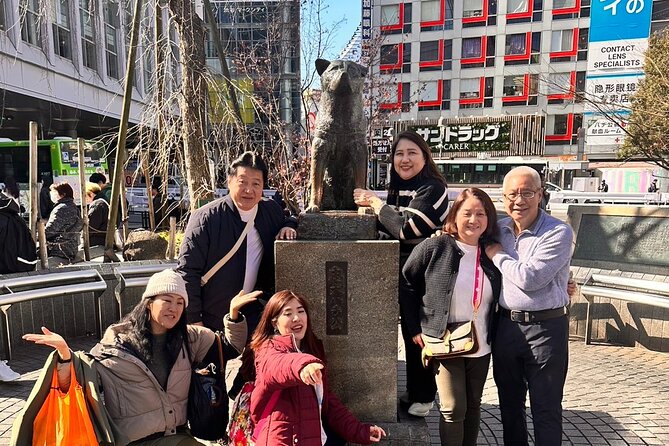
You begin at Shibuya Crossing, the famous pedestrian scramble near Shibuya Station (Hachikō exit area). You get about 30 minutes, and it’s the kind of stop where your brain needs a moment to calibrate. It’s controlled chaos, and you’ll see why it’s become a symbol of Tokyo’s “everyone moves at once” style.
What I like about starting here is how it sets the tone. After Shibuya, the day shifts from landmark energy to neighborhood variety, so you’re not stuck only in one type of experience. It also makes a good orientation point: you’ll spend the rest of the day recognizing parts of Tokyo you might otherwise find confusing.
This stop is effectively low-cost on the logistics side since it’s free, but it’s not low-impact. Even if you’ve seen photos, the scale in real life hits different.
MEGA Don Quijote and Akihabara: shopping, games, and instant souvenirs
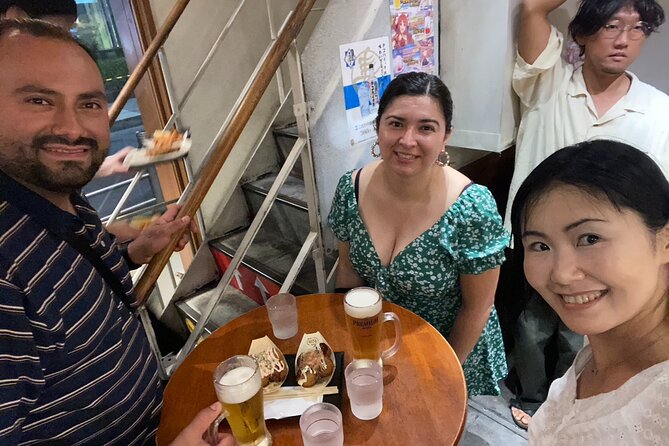
Next comes MEGA Don Quijote Shibuya for around 45 minutes. This is a big, no-frills shopping zone where you can grab everyday items, fun brands, and souvenirs at prices that feel approachable. It’s also a good place to understand Tokyo’s retail style: compact aisles, fast-moving crowds, and plenty of impulse-friendly finds.
From there, you head toward Akihabara. The tour includes Akihabara GiGO (about 30 minutes), a game center type of stop where you can play arcade games, try things like UFO catcher-style booths, and experience the “spend a little, have fun, move on” culture. It’s casual, it’s visual, and it’s easy to enjoy even if you’re not a hard-core gamer.
Then there’s the Pokémon Mega Center Tokyo (also about 30 minutes). If Pokémon is part of your Tokyo checklist, this is a straightforward win. Even if you don’t collect, you’ll still see the scale of the merchandising and the way Japan treats character fandom as a mainstream lifestyle.
One caution: if your idea of Tokyo is mostly temples and quiet parks, this portion is going to feel more electric and shopping-heavy than serene. That doesn’t make it worse—it just means your expectations should match the day’s mix.
A few more Tokyo tours and experiences worth a look



Takeshita Street in Harajuku: people-watching with snack potential
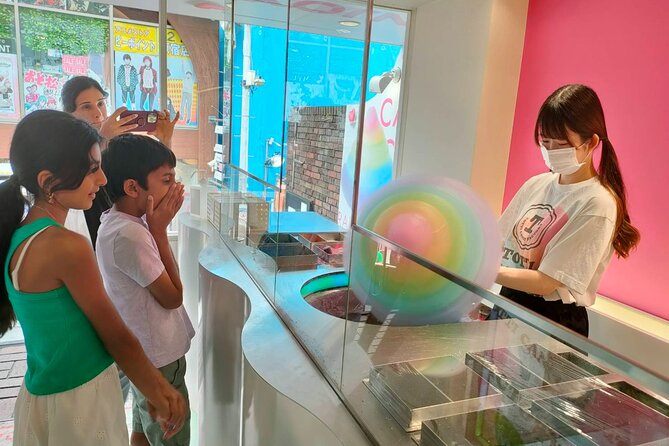
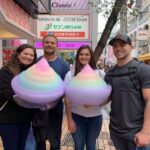
Takeshita Street gets about 30 minutes. This is Harajuku at its most style-on-display, with trendy youth fashion, small storefront energy, and plenty of street-level distractions. It’s the kind of place where you’ll notice details quickly—signage, outfits, and the constant flow of people around you.
I like this stop because it’s not just sightseeing. It’s an atmosphere stop. You can watch how Tokyo youth culture shows up in everyday life, and you can also use the time to grab a quick sweet or snack if the schedule allows (the tour includes food, but street snacks can still happen).
A practical note: Harajuku in the middle of the day can feel crowded. If you prefer slow, wide streets, keep your pace easy and treat this as an energetic contrast to the calmer neighborhoods later.
Ameyoko Shopping Street: the under-the-rails food-and-fashion mix
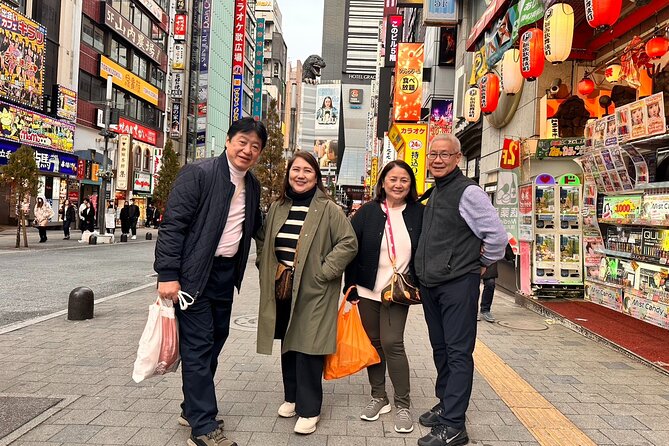
You finish with Ameyoko Shopping Street near Ueno/Okachimachi (again about 30 minutes). This market area sits under the rail line and is packed with shops—roughly 400 stores—selling everything from seafood and dried food to clothing and sweets.
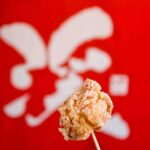
This is a great “wrap-up” stop because it feels like a real shopping district, not just a theme zone. If you like browsing, it’s hard not to get pulled in. If you’re food-motivated, it’s the right kind of chaotic where you can spot ingredients, snacks, and packaged treats that make good gifts.
Also, it’s one of the more “Tokyo-local” feeling areas on the route. You’ll see everyday shopping behavior rather than just tourist photography. Just keep an eye on where you’re walking—Ameyoko is busy, and the stalls and crowds create narrow lanes.
The food: wagyu meals plus non-alcoholic drinks
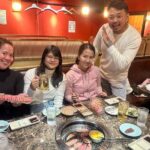
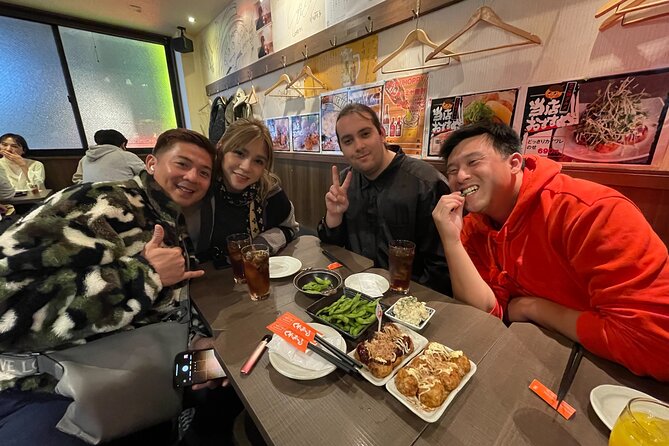
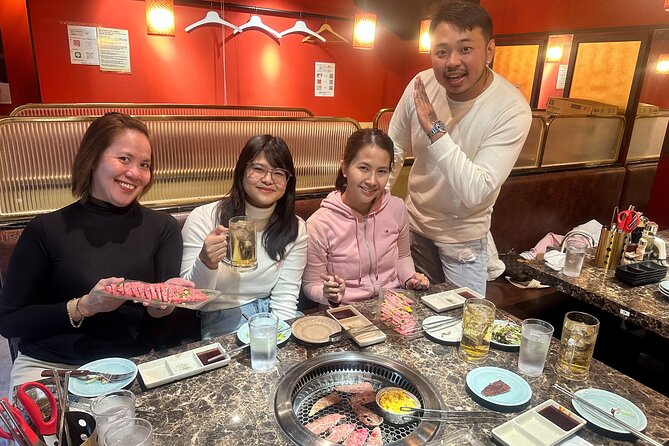
Food is a core part of this tour, not an afterthought. You get soft drinks and water, and you’ll have lunch and dinner with wagyu included. That matters because wagyu isn’t just a “nice-to-have.” It’s the kind of meal that changes the value equation quickly.
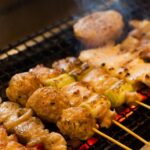
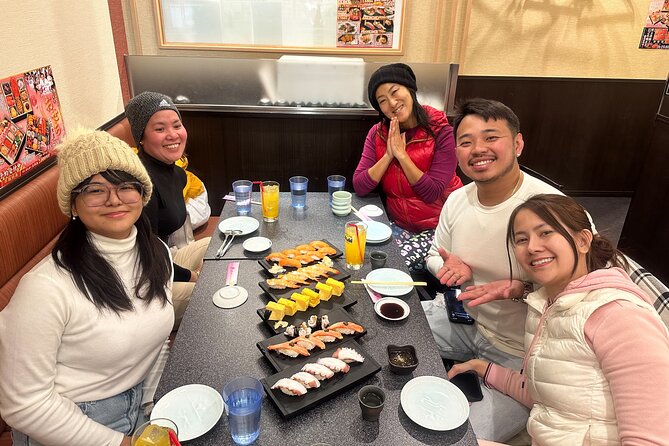
In real-world guided days with this company, included meals have been described as BBQ-style and sushi alongside the wagyu concept—so the food approach isn’t only one format. Expect the guide to steer you toward what makes sense in the neighborhood you’re in and what fits the day’s flow.
A useful way to think about it: you’re not trying to build a restaurant plan while also navigating Tokyo. Instead, the day organizes the meals for you and fills the gaps with local specialty tastings. If you want a food day without decision fatigue, this is the right structure.
One more practical note: alcoholic drinks aren’t included. You can buy them if you want, but the tour stays focused on non-alcoholic drinks as part of the package.
Guides who actually manage the day (Hamada and Chisato)
This is one of those tours where the guide can make or break it, and the pattern in the feedback is clear: guides do more than point.
Hamada has been praised for combining food stops with historic sites, including time around shrines, and for explaining context while keeping the pacing moving. Chisato has been praised for being organized, maximizing time in Tokyo, and for using public transit to keep the experience from turning into a predictable tourist loop. She’s also noted for being friendly and for listening to interests while planning the outing.
What you should take from that: when you book, set expectations with your guide style in mind. If you care about food first, say so. If you want more culture around shrines or historic context, mention it. The tour’s “Tokyo your way” customization means you’re not locked into a single rigid path.
Who this tour suits best
This is a strong fit for:
- First-time visitors who want a structured day and don’t want to spend hours plotting transit.
- People who enjoy food plus neighborhoods that show Tokyo’s modern energy.
- Anyone who likes at least some mix of shopping and pop culture (Shibuya, Akihabara, Harajuku).
It may be less ideal if you:
- Want a slow, mostly quiet day with heavy temple time as the main theme.
- Don’t enjoy crowds or fast-moving commercial streets.
- Need a lot of downtime built into the schedule (this is a guided walking-and-transit day).
Should you book Tokyo Your Way A Tailored Full Day Friendly Food Tour?
I’d book it if you want a day that checks boxes without making you do the hard thinking. The combination of hotel transfers, wagyu meals, and a small group makes it feel like a real service, not just a sightseeing walk.
Where you should be careful is matching the tour’s vibe to your taste. This route leans into Shibuya/Harajuku/Akihabara energy—shopping, games, and character fandom—along with market browsing and the restaurant centerpiece. If that mix sounds fun, you’ll likely enjoy the way the day flows.
Also, if your travel style includes asking questions and steering the day based on what you care about, this tour’s guide-driven approach is the main reason it works.
FAQ
Is pickup from my Tokyo hotel included?
Yes. The tour includes round-trip transfers from Tokyo hotels. There’s also an optional meet-up at your central location accommodation.
How long is the tour, and what time does it start?
The tour runs 6 to 7 hours and starts at 11:00 am.
What’s the group size limit?
This tour has a maximum of 8 travelers.
What food and drinks are included?
You get soft drinks and water, plus lunch and dinner with wagyu included.
Are alcoholic drinks included?
No. Alcoholic drinks are not included, though they are available to purchase.
Which neighborhoods and stops are part of the route?
The route includes Shibuya Crossing, MEGA Don Quijote Shibuya, Akihabara GiGO, Pokémon Mega Center Tokyo, Takeshita Street, and Ameyoko Shopping Street.
Can I customize the stops?
Yes. You can customize the tour by choosing from 3 to 4 locations based on your preferences.
Do I need to worry about weather?
Yes. The tour requires good weather. If it’s canceled due to poor weather, you’ll be offered a different date or a full refund.