REVIEW · KYOTO
Taste of Nishiki Market Walking Food Tour with Local guide
Book on GetYourGuide →Operated by Cooking Sun · Bookable on GetYourGuide
Kyoto’s snack trail beats guessing. I love the mix of food stops and temple-and-street walking that keeps it from feeling like a food-only line. I also like that your guide can adapt to what you’re into, with English support that keeps the why behind each bite clear. One thing to consider: tastings can include meat, seafood, wheat, and dairy, so you’ll want to flag allergies or restrictions early.
This is a small-group tour (up to 6 people) that starts in central Kyoto and ends at a calm shrine, so you get contrast: busy markets, then a slower finish. You’ll sample 6–10 local items at places like Yaoyaichi, Daimaru’s basement, and Nishiki Market, with a guide explaining what you’re eating and where to buy good take-home bites. If you’re coming with lots of luggage, note that large bags aren’t allowed—plan light and you’ll enjoy the walking a lot more.
In This Review
- Key Things You’ll Notice on This Kyoto Food Tour
- Price and Value: Is $77 a Fair Deal?
- Where It Starts: Starbucks Kyoto Sanjo Karasuma Building (Easy to Find)
- Rokkakudo Temple: A Calm Reset Before the Snacks
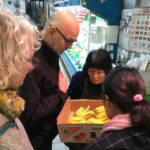
- Yaoyaichi Local Market: Seasonal Produce and Ingredient-Spotting
- Daimaru Department Store Basement: Comfortable Gourmet Shopping
- Nishiki Market: Kyoto’s Food Street, With a Real Game Plan
- Nishiki Tenmangu Shrine: The Easy, Quiet Ending
- What You Actually Eat: Think in Small Bites
- Your Guide Matters: Personal Touch and Practical Advice
- Best Fit: Who Will Enjoy This Most?
- Food Souvenirs You’ll Want to Buy Later
- Timing and Pace: Three Hours Goes Fast
- Should You Book This Kyoto Food Tour?
- FAQ
- How long is the Taste of Nishiki Market Walking Food Tour?
- Where do we meet for the tour?
- How many food tastings are included?
- Is the tour offered in English?
- Are there any dietary restrictions to be aware of?
- Is the tour suitable for people with mobility impairments?
Key Things You’ll Notice on This Kyoto Food Tour
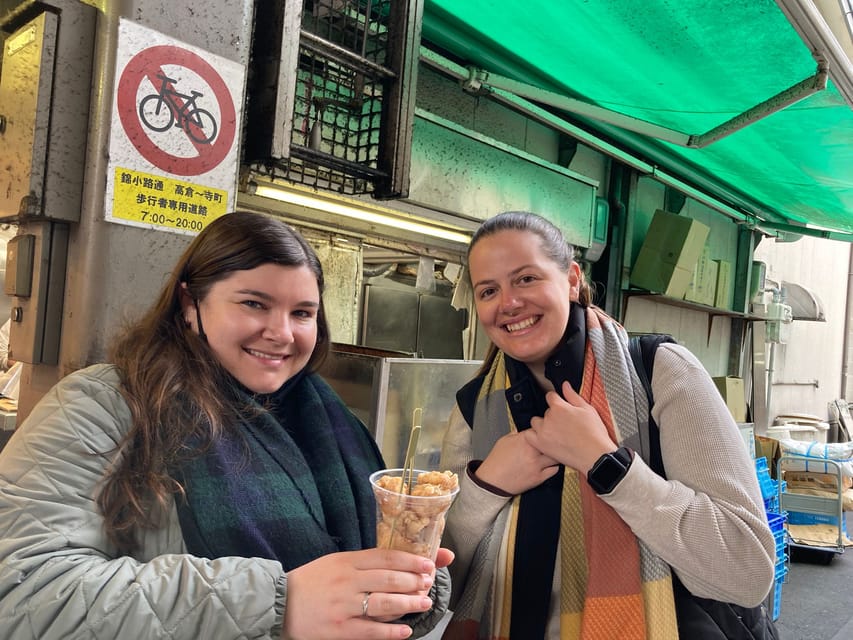
- Small group (up to 6): more chance to ask questions and get specific shopping advice
- Tastings at multiple stops: you’re not stuck with one market-food lineup
- Food + street + temple flow: Rokkakudo Temple and Nishiki Tenmangu Shrine add pause points
- Guide personalization: many guests mention guides like Kaoru or Rikka tailoring the experience to interests
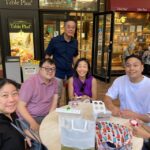
- Photo help can be part of the deal: some guides are happy to take photos and share them
Price and Value: Is $77 a Fair Deal?
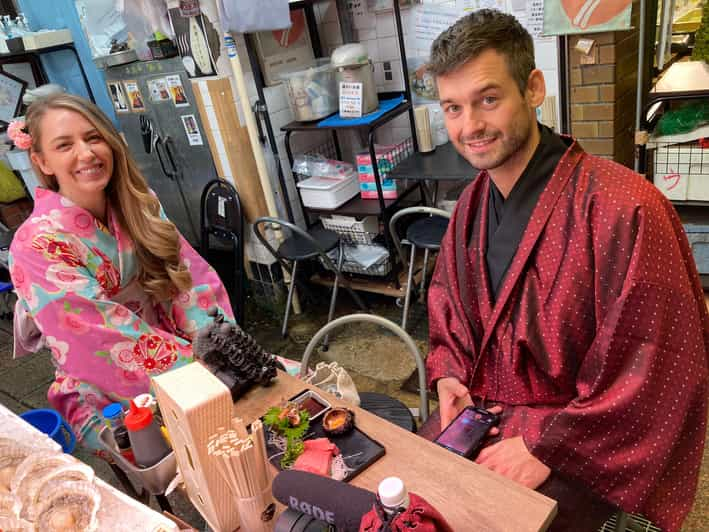
At $77 for about 3 hours, this tour sits in the midrange for Kyoto. The value comes from three practical things you’re buying, not just food.
First, you’re getting 6–10 tastings that you might not confidently choose on your own. Nishiki Market is famous, but it’s also crowded and noisy. A guide helps you skip the guesswork and focus on items that are worth paying attention to.
Second, you’re paying for someone to translate the menu logic. Japanese snacks and small dishes can look similar from the outside, but the reasons they’re sold—seasonal ingredients, local preferences, special shop routines—make the experience more meaningful.
Third, you’re getting a guided walking route through well-placed areas. You start at Starbucks Kyoto Sanjo Karasuma Building, then move through key stops tied to the city’s food culture, ending at Nishiki Tenmangu Shrine. That routing matters because you’ll cover ground on foot without feeling like you’re haphazardly roaming.
You can also read our reviews of more walking tours in Kyoto
Where It Starts: Starbucks Kyoto Sanjo Karasuma Building (Easy to Find)
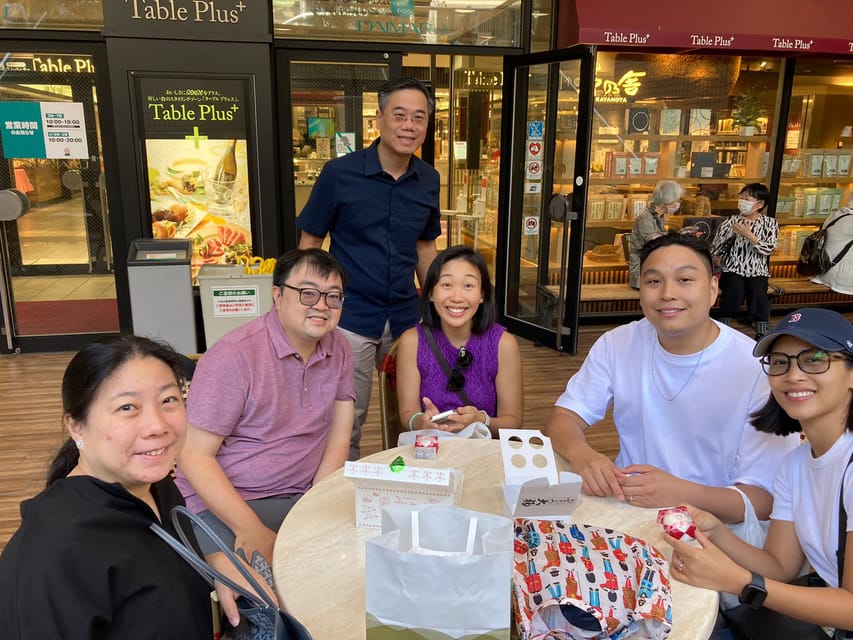
Meeting at Starbucks Kyoto Sanjo Karasuma Building is a blessing for first-timers. You get a clear, centrally located starting point, and you can re-check your bearings fast before you head into narrower streets.
This start location also makes the tour feel practical. It’s not a half-day “go meet us in a maze” situation. You’ll want to arrive a few minutes early, especially because the group is small and the guide is ready to move.
Also plan for the reality of Kyoto walking. You’ll be on your feet for most of the 3 hours. Bring comfortable shoes. You’ll be happier if you don’t spend the first 15 minutes already limping.
Rokkakudo Temple: A Calm Reset Before the Snacks
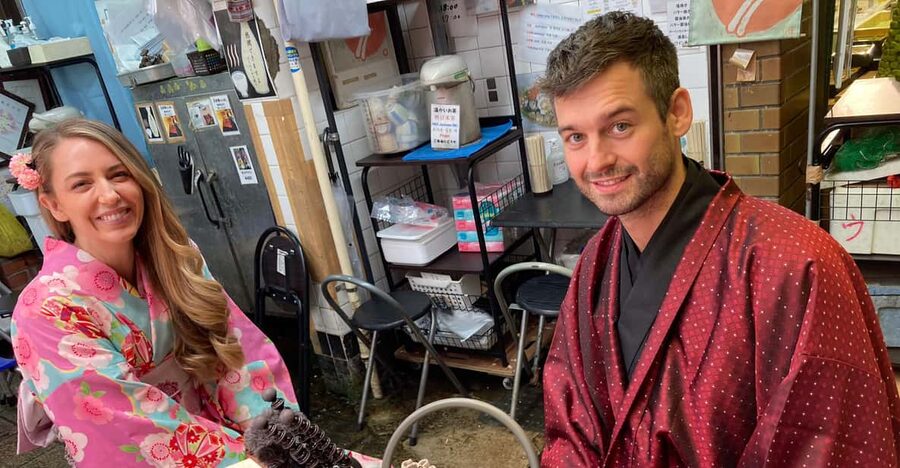
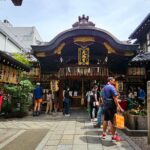
The tour begins with a peaceful temple stop at Rokkakudo Temple. This is more than a scenic photo break. It sets the rhythm: slow attention first, then food.
Why that matters: markets can feel like sensory overload. Starting with a quiet moment makes the later tastings land better. You’re less likely to rush through the food just because everything is happening at once.
If you enjoy noticing details—small rituals, temple layouts, quiet side streets—this stop gives you a breather before you head toward busier areas.
Yaoyaichi Local Market: Seasonal Produce and Ingredient-Spotting
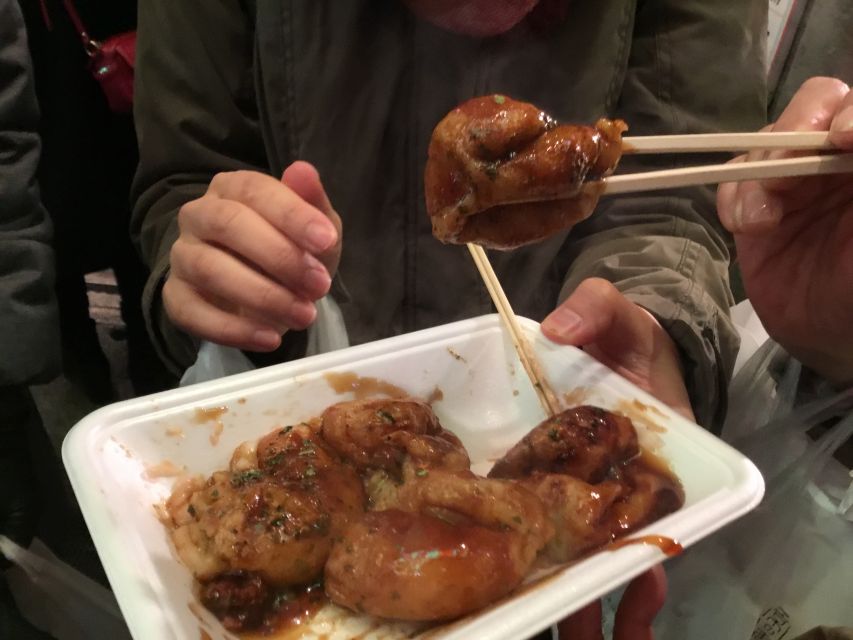
Next up is Yaoyaichi, a local market known for seasonal produce and unique ingredients. This part is great if you like understanding where flavors begin, not just what you’re tasting.
You might sample items such as popular local-style bread here. That’s a smart choice for a food tour because bread is easy to share, easy to compare, and it shows how locals think about simple everyday foods.
Practical tip: watch how your guide talks about what’s in season. Even without a deep food vocabulary, you can learn the practical “how to think” behind the market—what’s fresh now, what shops are known for, and how ingredients connect to the finished snack.
Tasting range at Yaoyaichi can be part of your overall 6–10 items for the day, depending on what’s available.
Daimaru Department Store Basement: Comfortable Gourmet Shopping
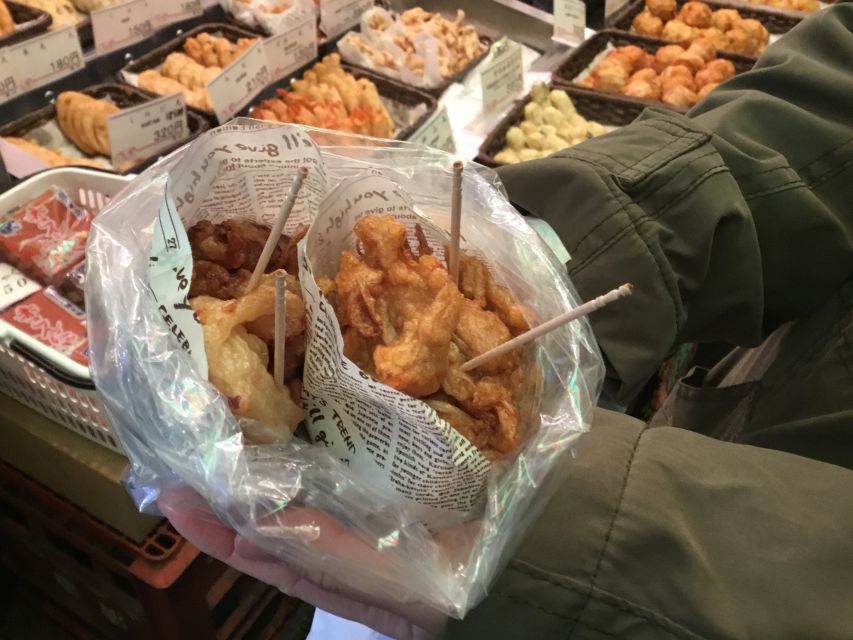
Then you’ll head to Daimaru Department Store’s basement—a good contrast to open-air markets. This is where Kyoto food culture shows up in a more structured, shop-to-shop way.
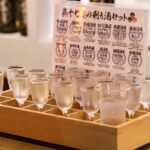
You’ll likely taste things like nikuman (meat buns), plus wagashi (traditional Japanese sweets) from long-running shops. These aren’t random samples. They’re popular enough that you’ll recognize the idea even if you can’t read the fine print.
Why I like this stop for value: department store basements are where you can often shop confidently. After the tour, you have a clear path to buy things for friends and family without playing guessing games.
If you’re thinking about culinary souvenirs, this is the section where you start building your “safe picks” list.
You can also read our reviews of more food & drink experiences in Kyoto
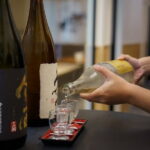
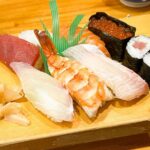
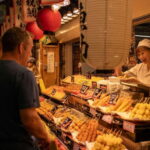
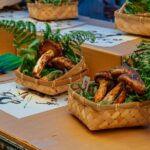
Nishiki Market: Kyoto’s Food Street, With a Real Game Plan
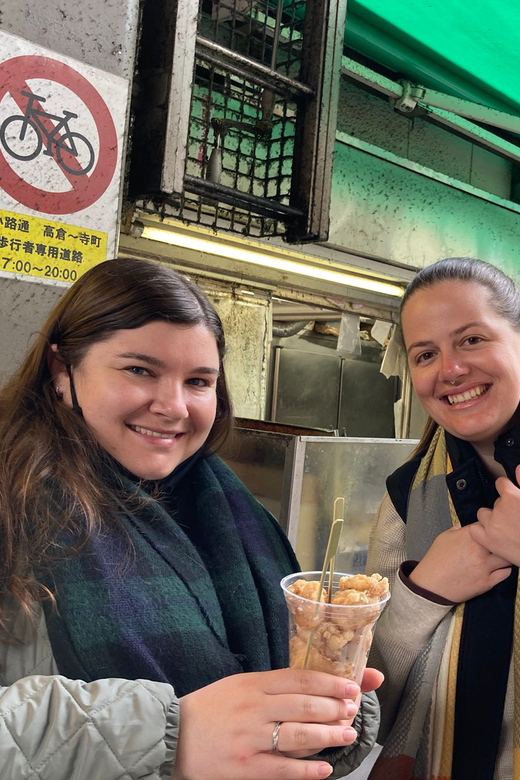
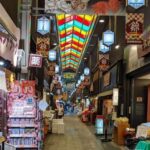
After Daimaru, you’ll walk into Nishiki Market, often called Kyoto’s Kitchen for a reason: it’s packed with edible variety, ready-to-eat snacks, and ingredients that turn into full meals later.
But here’s the reality. Nishiki is famous, so it can be crowded. Without a guide, it’s easy to wander, buy something average, and then feel like you missed the best stuff.
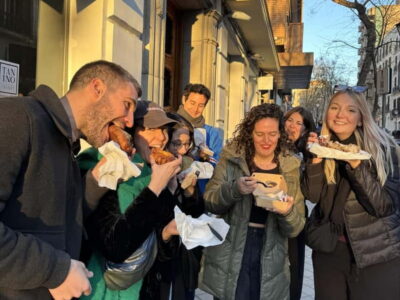
With this tour, you’re not just walking through. You’re tasting and learning. You might have examples like fresh specialties (including seafood items such as sashimi) and skewered wagyu beef. What you eat can vary based on participant preferences and shop availability, but the goal stays the same: small bites that show what Nishiki is about.
This is also where guide skill really shows. Some guides (like Rikka) have been praised for taking people to favorite stores and helping them try lots of small delicacies even in heavy crowds. That’s the difference between “I walked through Nishiki” and “I ate well in Nishiki.”
Nishiki Tenmangu Shrine: The Easy, Quiet Ending
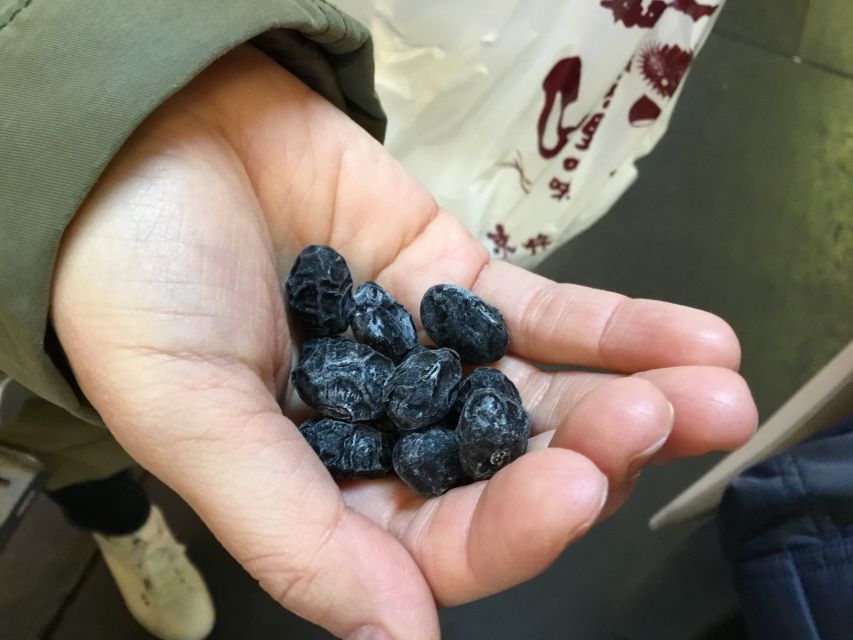
You’ll finish around Nishiki Tenmangu Shrine. Ending at a shrine is a smart move. After eating, walking, and asking questions, you get a calmer moment to catch your breath and let your stomach settle.
This ending also helps psychologically. You’re not stuck pushing into more crowded areas right after a food binge. You can decide what you want next—some people head for tea or a light meal after—while the tour is already done.
If you enjoy that “slow down” feeling after a busy street walk, this finish helps the whole tour feel complete.
What You Actually Eat: Think in Small Bites
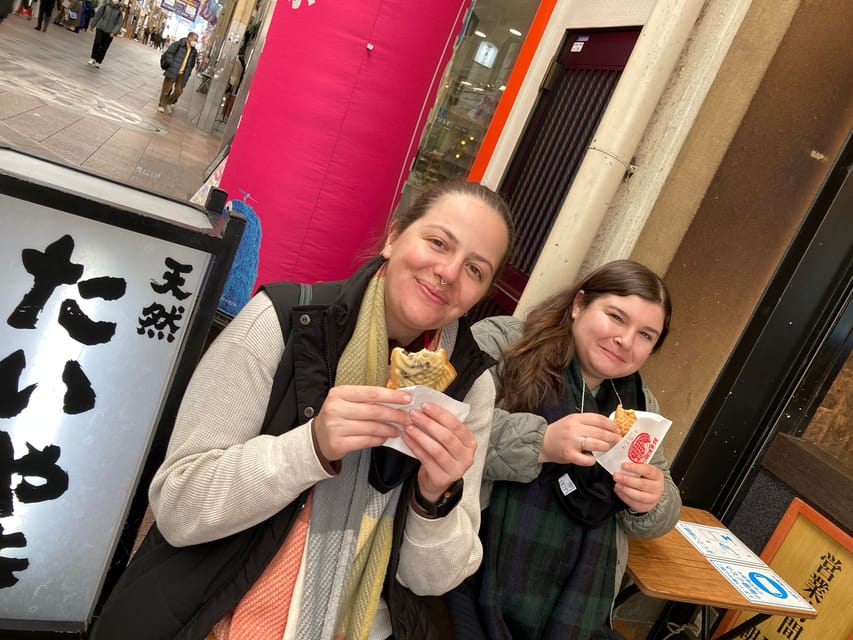
The tour includes tastings across multiple locations, totaling 6–10 items. Don’t expect one big meal. Expect a string of small, varied tastes.
That’s a plus. In a market like Kyoto’s, smaller bites let you compare flavors and shop styles without getting overly full. It also helps you discover what you truly like—sweet vs. savory, chewy vs. crispy, seafood vs. meat, wagashi vs. bread-based snacks—so your souvenir shopping later is smarter.
If you have allergies or dietary limits, take the restriction language seriously. The tour provider notes that meals may include meat, seafood, wheat, and dairy. If you need something specific handled, contact the provider ahead of time so they can advise what might be possible.
Your Guide Matters: Personal Touch and Practical Advice
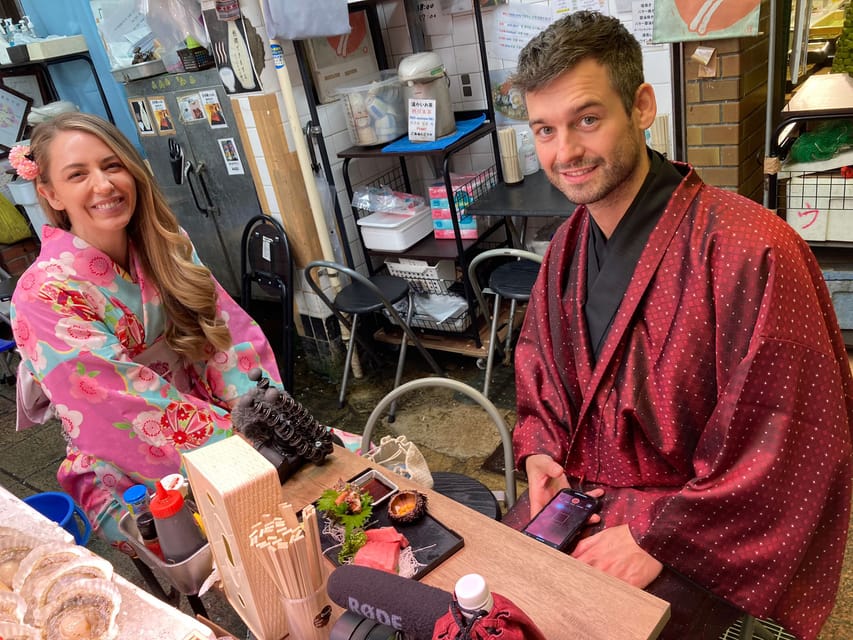
This is an English-language tour with a live guide, and the small group size is key. When you’re limited to 6 people, you get time to ask real questions instead of shouting over the crowd.
Some guides mentioned in guest experiences include Kaoru and Rikka, both praised for different strengths. Kaoru has been described as highly personal, with effort to customize the tour to what guests want. Rikka has been described as guiding people to favorite stores and even showing a temple stop that guests wouldn’t find easily on their own. Some guests also mention that Rikka helps with photos and sharing them afterward.
Even if your guide isn’t the same person, the pattern is clear: the tour experience improves when the guide reads your interests and adjusts the pacing.
Best Fit: Who Will Enjoy This Most?
This tour is a strong match if you:
- want a guided route through Nishiki without feeling lost
- like snack variety more than one formal meal
- enjoy shopping for gifts and want help picking items likely to travel well
- want a mix of food and culture with temple stops
It’s less ideal if you:
- have mobility impairments (the tour says it’s not suitable)
- hate walking for 3 hours on foot
- plan to bring large luggage (large bags aren’t allowed)
Food Souvenirs You’ll Want to Buy Later
One of the most practical reasons to do this tour is souvenir confidence. Nishiki-style snacks can be fun, but it’s hard to sort the truly good stuff from the “pretty package.”
By the time you’ve sampled items at Yaoyaichi, Daimaru, and Nishiki Market, you’ll have a short list of what you liked and what shops are known for. That makes your next shopping trip easier, and it also lowers the risk of buying something you end up not eating.
I treat food souvenirs like a tasting worksheet. After the tour, I’m not browsing from scratch. I’m buying with memory.
Timing and Pace: Three Hours Goes Fast
The tour runs about 3 hours, with stops that keep you moving but not running. You’ll meet at around 10:00 AM, with tastings and sightseeing spaced out across the morning, and the tour wraps in the early afternoon at Nishiki Tenmangu Shrine.
In practice, that means you can fit this into a Kyoto itinerary without losing a whole day. It’s a great “anchor activity” when you’re trying to plan smart neighborhoods rather than just stacking attractions randomly.
Should You Book This Kyoto Food Tour?
Book it if you want Kyoto food with a plan. The combination of multiple tasting stops (6–10 items), an English guide, and a small group makes this feel efficient. It also gives you a cultural rhythm—temple start, market exploration, quiet shrine finish—that’s nicer than rushing through food alone.
Skip it (or reconsider) if you’re strict about dietary needs and haven’t contacted the provider. Tastings can include meat, seafood, wheat, and dairy. If that’s a concern, communicate early so you don’t end up with “safe-but-boring” sampling.
If you like the sound of Nishiki Market but want to avoid the crowd chaos and the guesswork, this is exactly the kind of guided walk that turns a famous street into an enjoyable meal plan.
FAQ
How long is the Taste of Nishiki Market Walking Food Tour?
It’s about 3 hours long.
Where do we meet for the tour?
You meet at Starbucks Coffee Kyoto Sanjo Karasuma Building Store in Kyoto City.
How many food tastings are included?
The tour includes 6–10 local foods.
Is the tour offered in English?
Yes, the guide provides an English live tour.
Are there any dietary restrictions to be aware of?
The tour notes that tastings may include meat, seafood, wheat, and dairy. If you have allergies or restrictions, contact the provider in advance.
Is the tour suitable for people with mobility impairments?
The tour is not suitable for people with mobility impairments.