REVIEW · TOKYO
Tokyo Imperial Palace Historical Walk and Food Tasting Tour
Book on GetYourGuide →Operated by Fantasy Travel Japan · Bookable on GetYourGuide
Tokyo’s palace walls teach quietly. This Imperial Palace historical walk blends a guided route through Edo-era remnants with details you likely won’t spot on your own. I like how the tour keeps things practical: where to look, what to notice, and why each gate or garden matters.
My favorite part is the Imperial-only traditional snack, included as a special bite you can’t get on most other tours. Second, I really enjoy the guided history—especially the Edo castle story woven into the walk, with guides like Masa and Rini bringing structure and friendly explanations.
One thing to consider: the main emperor residence area is not open, and you’ll go through a security check to enter the Imperial Palace grounds. Plus, it’s a walking tour with a good portion outside, so plan for weather.
In This Review
- Key points before you go
- Why This Imperial Palace Walk Is Worth 2 Hours
- Meeting Point: Starbucks at Wada Works With the Right Start
- Security Checks and What You Can Actually See
- From Sakurada Tatsumi Yagura to Ote-Mon: Gates That Explain Power
- Sakurada Tatsumi Yagura
- Ote-Mon Gate
- Constable Guardhouse and Hyakunin Bansho Guardhouse
- Ninomaru Garden and Edo Castle Footprints You Can Walk Through
- Ninomaru Garden
- 諏訪の茶屋 (Suwa Tea House)
- 都道府県の木 (Trees of the Prefectures)
- Former Site of Edo Palace Ooku (Imperial Kitchen)
- Edo Castle Ruins and the Stone Hut Imperial Palace East Gardens
- Fujimi Defenses and Honmaru: The Route Ends With Big-Theme Stops
- Fujimi-tamon Defense House and Fujimi-yagura
- Site of Edo Castle Honmaru (Main Hall)
- 中之門跡 (Naka-no-Mon Ruins) and Obansho Guardhouse
- The Imperial-Only Snack and Vending Machine Drink
- Photo Stops: Where the Views Make Sense
- Comfort, Weather, and Who This Tour Fits Best
- Price and Value: How $19 Adds Up in Real Life
- Should You Book This Tokyo Imperial Palace Historical Walk and Food Tasting Tour?
- FAQ
- Where is the meeting point?
- How long is the tour?
- Is the emperor’s residence open to the public on this tour?
- Do we need to go through security screening?
- What food and drinks are included?
- Is the tour mostly indoors or outdoors?
- Is it accessible for wheelchair users?
- Can I cancel and get a refund?
Key points before you go
- Imperial-only snack plus a vending machine drink for a quick food break
- English-speaking guides (I saw Masa and Rini named in feedback) who explain what you’re looking at
- A route built around gates, guardhouses, and garden spaces connected to Edo castle history
- Security check required, and access is limited to public areas of the grounds
- Lots of photo opportunities, with help on where to aim your camera
Why This Imperial Palace Walk Is Worth 2 Hours
The Imperial Palace grounds can feel intimidating if you’re walking in cold without context. This tour fixes that by turning a large, quiet area into a clear story you can follow. You move at a comfortable pace, stopping often enough to actually see details, not just pass by them.
What makes it especially satisfying is the mix: history plus a small, included food moment. It’s not a long sit-down meal tour. It’s a focused 2-hour walk where the best stuff is the explanation—what those walls, gates, and guardhouses were for.
If you like Tokyo that’s more than neon, you’ll enjoy the calm, formal atmosphere here. And if you’re the type who likes to understand what you’re looking at before you take pictures, this works well.
You can also read our reviews of more walking tours in Tokyo

Meeting Point: Starbucks at Wada Works With the Right Start
The tour meets at スターバックス コーヒー 皇居外苑 和田倉噴水公園店 (Starbucks near the Imperial Palace East Gardens area). Your guide will be holding an air craft logo sign board for Fantasy Travel.
Starting at a familiar place like Starbucks is practical. It’s easy to find, and it gives you a clean mental reset before the walk begins. If you’re arriving from elsewhere in the city, this also helps you avoid the stress of guessing a less-obvious meeting location.
Tip: arrive a few minutes early so you can get your shoes on and your camera ready. The tour is short, and you’ll start walking soon after you meet.
Security Checks and What You Can Actually See
You do need to know this clearly: the emperor’s residence is not open to the public. Even with a guide, the experience is about the Palace grounds and historically meaningful structures you can access—not about seeing the emperor’s private living area.
You’ll also have to pass a security check to enter the Imperial Palace. Plan a smooth mindset here: follow instructions, move at the pace the guide sets, and expect some waiting.
A key nuance: the experience is most about the spaces around the palace—gates, guardhouses, garden areas, and the layout that reflects the area’s past, including how it connects to Edo-period power. If you’re coming in expecting a tour of the residence itself, you may feel like you want a closer look. But if you’re here for history in the open air, you’ll likely feel it was worth it.
From Sakurada Tatsumi Yagura to Ote-Mon: Gates That Explain Power
The walk begins with a sequence of stops that help you “read” the grounds like a map.
Sakurada Tatsumi Yagura
This is where the tour gets you oriented fast. You’ll visit the Sakurada Tatsumi Yagura and get guided context on what you’re seeing and why it’s placed where it is. It’s only a short stop, but it sets the pattern for the rest of the route: look for structures that show defense and control.
You can also read our reviews of more food & drink experiences in Tokyo



Ote-Mon Gate
Next is the Ote-Mon Gate, a focal point for understanding how entry and authority used to work. You’re not just looking at architecture—you’re learning how movement through gates was part of the system.
Constable Guardhouse and Hyakunin Bansho Guardhouse
After the main gate, you’ll move through guard-related stops: the Constable Guardhouse and the Hyakunin Bansho Guardhouse. These aren’t “extra” stops. They’re how you understand security logic across the grounds—what guard functions meant spatially, and why certain areas mattered.
This section is a good fit for first-timers to Tokyo history. You don’t need background knowledge. The guide takes your eyes from one point to the next and helps you connect them.
Ninomaru Garden and Edo Castle Footprints You Can Walk Through
Once the route hits the garden and deeper historical markers, the tour starts to feel like an outdoor timeline.
Ninomaru Garden
At Ninomaru Garden, you’ll see why the Imperial Palace grounds are loved for calm, orderly beauty. The garden stop also changes the pace slightly from gate-heavy viewing to more atmosphere and detail. Bring your camera here—you’ll have good angles.
諏訪の茶屋 (Suwa Tea House)
Then there’s 諏訪の茶屋, a short shopping and sightseeing stop. The time here is brief (about 5 minutes), so treat it as a quick look rather than a browsing session.
都道府県の木 (Trees of the Prefectures)
You’ll also stop at 都道府県の木. This is one of those small, clever moments that gives you a sense of how Japan’s regions connect to a single ceremonial landscape. It’s short, but it adds variety after the more formal structures.
Former Site of Edo Palace Ooku (Imperial Kitchen)
One of the most interesting pauses is the Former Site of Edo Palace Ooku (Imperial Kitchen). This is where the tour links the Imperial Palace area to earlier Edo-period functions. It’s not just about seeing old stone; it’s about understanding that the site had daily roles and that power structures influenced ordinary life too.
Edo Castle Ruins and the Stone Hut Imperial Palace East Gardens
Next come the Edo Castle Ruins and the Stone Hut Imperial Palace East Gardens. This is a strong “then-and-now” area. You’ll be walking in spaces that connect the Edo-era layout to the present-day grounds, which makes the story more tangible than reading it in a book.
Fujimi Defenses and Honmaru: The Route Ends With Big-Theme Stops
The later part of the tour leans into defense and the heart of the former castle layout.
Fujimi-tamon Defense House and Fujimi-yagura
You’ll visit Fujimi-tamon Defense House and Fujimi-yagura. These stops are useful because they explain practical defense design—where you’d expect pressure points, how line-of-sight and positioning work, and what those labels mean in real space.
Site of Edo Castle Honmaru (Main Hall)
Then you reach the Site of Edo Castle Honmaru (Main Hall). This is one of the stops that makes the whole walk click. You get a sense of where central authority would have operated, and why the earlier gates and guardhouses mattered.
中之門跡 (Naka-no-Mon Ruins) and Obansho Guardhouse
The route continues with 中之門跡 (the ruins of Naka-no-Mon) and the Obansho Guardhouse. Even as ruins, these points help you visualize the flow of movement and control. They’re also a nice reminder that you’re seeing remnants of a larger system, not isolated buildings.
By the end, you’ll have walked enough that the grounds stop feeling like a single huge complex. It starts to feel like a structured map with logic.
The Imperial-Only Snack and Vending Machine Drink
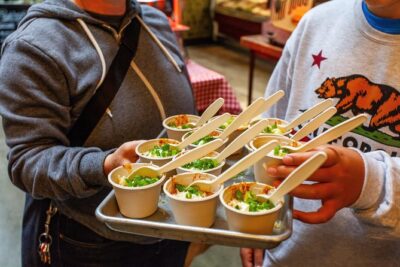
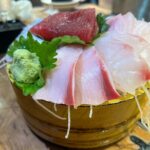
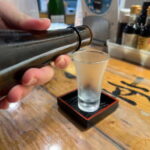
Here’s the part you’ll remember later, because it’s simple and specific: you get to eat 1 traditional snack only at the Imperial Palace, plus 1 drink from a vending machine near the store.
This isn’t a generic food stop where you get a random bite just to say food is included. The value is that the snack is tied directly to the Imperial Palace grounds. That means it acts like a cultural punctuation mark: you’re not just learning history—you’re experiencing a small piece of present-day tradition connected to the setting.
What I’d do: if you’re sensitive to timing, plan to eat right when the guide offers the snack. The tour is short, and you’ll want your energy for the later walking and photo stops.
Photo Stops: Where the Views Make Sense
This tour includes photos and places for photos, which matters more than it sounds. In big parks and palace grounds, it’s easy to take “pretty but useless” pictures—angles where you can’t read what you’re looking at.
With a guide, you’ll get pointed toward view spots and structure angles that help the photo match the story. And you’ll be moving through varied spaces: gates, guardhouses, garden areas, and ruins.
Practical tip: wear comfortable shoes and bring a camera if photography matters to you. The route is short, but you’ll still be walking on multiple surfaces and spending time outside.
Comfort, Weather, and Who This Tour Fits Best
This is not a sit-and-watch experience. It’s a walking tour, and a good portion of it is outside. Dress for rain or shine, and don’t try to “tough it out” in shoes that hurt. You’ll have a better time if your feet can handle the route.
The tour also isn’t suitable for wheelchair users. If mobility is a factor, you’ll want a different kind of tour with different access.
Who it suits best:
- First-time Tokyo visitors who want a calm cultural experience beyond the city rush
- People who love Edo-era context and want the story tied to places you can walk through
- Anyone who enjoys a short, structured itinerary rather than a day-long museum plan
Who might hesitate:
- If you only care about seeing the emperor residence itself, this won’t match that expectation since it’s not open to the public
- If you can’t handle security checks or outdoor walking, you may feel constrained
Price and Value: How $19 Adds Up in Real Life
At $19 per person for about 2 hours, this tour is strong value for a few reasons you can actually feel.
You get:
- An English-speaking guide
- A tightly focused route through major palace-adjacent highlights
- Help with photo spots
- One Imperial Palace traditional snack
- A vending machine drink
A lot of sightseeing in Tokyo can become expensive once you add guides, timed entries, and food. Here, the snack and drink are included, and the guide does the heavy lifting on context. The price feels fair because you’re paying for interpretation and access to a structured walk—not for a long transportation-heavy day.
Should You Book This Tokyo Imperial Palace Historical Walk and Food Tasting Tour?
I’d book this if you want an efficient, guided way to understand the Imperial Palace grounds and how they connect to Edo-period history. The snack portion makes it more memorable than a standard “photo and stroll” tour, and the guides you’ll hear about—like Masa and Rini—are clearly comfortable explaining the details in a friendly, approachable way.
I’d skip it if your main goal is to see the emperor residence itself, or if you’re not up for security checks and outdoor walking. But if your goal is learning what to notice and getting a small, included taste of tradition in a meaningful setting, this is one of the better short tours for your time.
FAQ
Where is the meeting point?
The tour meets at スターバックス コーヒー 皇居外苑 和田倉噴水公園店. The guide will be holding an aircraft logo sign board for Fantasy Travel, at coordinates 35.6831277, 139.7611623.
How long is the tour?
The tour lasts 2 hours.
Is the emperor’s residence open to the public on this tour?
No. The emperor’s residence is not open to the public, and the tour focuses on accessible areas of the grounds.
Do we need to go through security screening?
Yes. You have to complete a security check to enter the Imperial Palace grounds.
What food and drinks are included?
You get 1 traditional snack only at the Imperial Palace and 1 drink from a vending machine near the store.
Is the tour mostly indoors or outdoors?
It’s a walking tour with a good portion outside, so you should dress for the weather (rain or shine).
Is it accessible for wheelchair users?
No. The tour is not suitable for wheelchair users.
Can I cancel and get a refund?
Yes. Free cancellation is available up to 24 hours in advance for a full refund.