REVIEW · TOKYO
Flavors of Japan Food Tour in Tokyo
Book on Viator →Operated by Arigato Japan KK · Bookable on Viator
Tokyo tastes better on foot. This walking tour in Nihonbashi turns market nibbles into a fast crash course on Japanese flavor—especially wagashi sweets and tea. I like that you’re not just eating; you’re learning what makes key ingredients tick, from dashi stock to green tea. I also like the end-of-tour meal, because the Washoku lunch helps you connect the dots between bites and real restaurant ordering. The only catch: it runs about 3 hours, so if you need lots of sit-down time or you want a slow stroll, the pace may feel tight.
You’ll go with a small group (up to 10) and a local English-speaking guide, with a plan to hit nine shops and multiple region-based tastings. One drink is included, you get a mobile ticket, and it’s family-friendly. Still, expect some food stops to swap if schedules or weather shift, so you should keep a flexible mindset.
In This Review
- Key things I think you’ll enjoy
- Wagashi, tea, and the feeling of ordering confidently
- Nihonbashi as your food launch pad (and why the route works)
- Stop-by-stop: what each part is really doing for you
- The meetup and early flavor warm-up: Suruga Building
- Nihonbashi walking segment: where regional food becomes a story
- COREDO Muromachi 1: a transition point to craft, sweets, and tea
- Shrines and the bridge walk: keeping it human-scale
- The lunch that turns tastings into real ordering
- Depachika after lunch: where snack hunting gets easier
- What the included food really means for value
- Who this tour suits best (and who should choose something else)
- Practical planning tips before you go
- Should you book the Flavors of Japan Food Tour in Tokyo?
- FAQ
- Where do I meet for the tour?
- How long is the Flavors of Japan Food Tour?
- How many food stops and tastings are included?
- What lunch options can I choose?
- Is the tour vegetarian or vegan friendly?
- Is a drink included, and are there age limits?
- What happens if it rains or the weather is poor?
- What is the cancellation policy?
Key things I think you’ll enjoy
- Wagashi craft you can taste: see sweets being made, then eat your way through the results
- Regional flavor stops in one route: tastings tied to different places in Japan
- Foundational flavors like dashi and green tea: learn what you’re tasting and why it matters
- A proper Washoku lunch: choose your meal ahead, then talk through what you learned
- Depachika after lunch: guidance on where to grab the best after-lunch snacks
- Small group pace: max 10 people, which makes it easier to ask questions
Wagashi, tea, and the feeling of ordering confidently
If Japan food feels overwhelming on menus, this kind of tour is a practical fix. The point isn’t just to sample a bunch of items. It’s to give you the “starter kit” for recognizing Japanese flavors—sweet, savory, fermented, pickled, grilled—and connecting each bite to a traditional use.
The wagashi portion is a big deal here. You’re there to discover the art of Japanese sweets and see how they’re made. That matters because wagashi isn’t only dessert. It’s often about texture, seasonal shapes, and subtle flavors—things you’ll notice more once you understand the craft behind it. You also taste green tea, which helps you train your palate for bitterness, aroma, and how tea pairs with sweets.
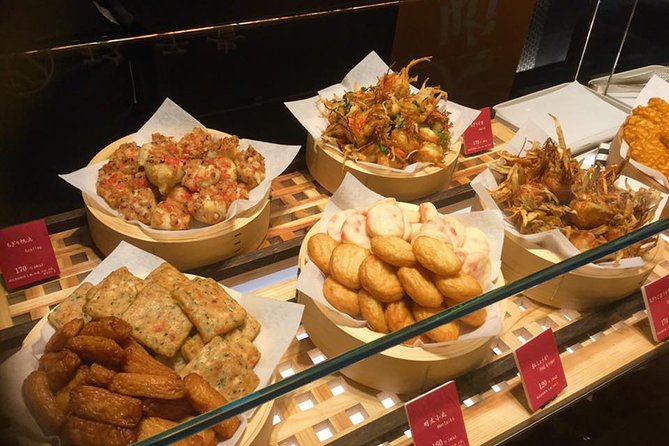
The food list reads like a greatest-hits sampler of Japanese comfort and street food:
- dashi (soup stock)
- tsukemono (pickled vegetables)
- satsuma imo (fried sweet potatoes)
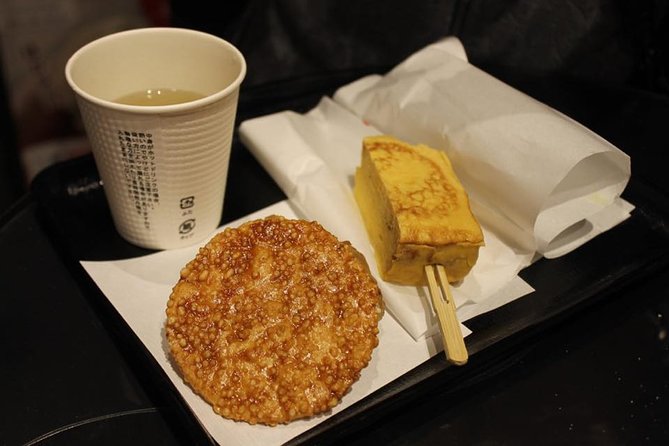
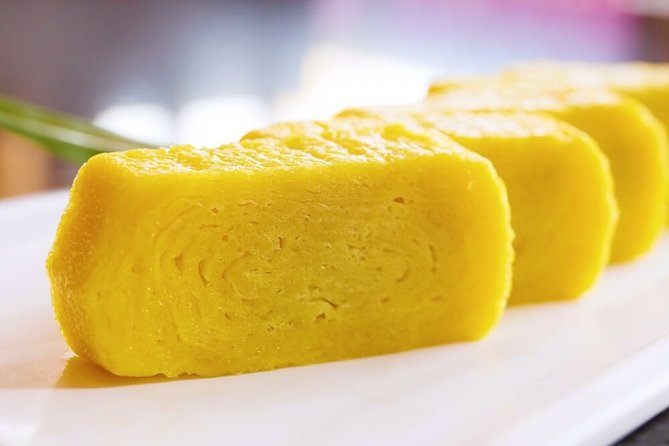
- tamagoyaki (Japanese egg roll)
- regional snacks plus special items like fish cakes from Kagoshima and eel sushi
- artistic wagashi desserts plus multiple green teas
I like that the tour keeps coming back to core ingredients and techniques. That turns lunch and dinner ordering later into something more than guesswork.
You can also read our reviews of more food & drink experiences in Tokyo

Nihonbashi as your food launch pad (and why the route works)
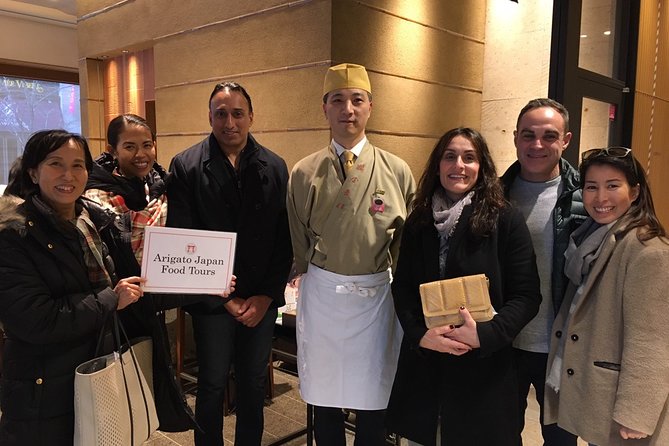
This tour is built around Tokyo’s Nihonbashi area, a solid choice because it’s both central and packed with food-focused stops. You meet at the Starbucks Coffee – Nihonbashi Suruga Building (Japan, Chuo City, Nihonbashimuromachi 1-chōme 7-1, Suruga Building 1F). The tour starts around 10:30am, though the meeting time is set for 10am. Expect a walking start soon after you meet your guide.
From there, you’re moving through a route that includes major shopping and food zones plus traditional landmarks. The itinerary includes stops in the broader Nihonbashi area, COREDO Muromachi 1, and shrines like Fukutoku Shrine and Suitengu Shrine, with the Nihonbashi Bridge on the route. You also pass by Nihonbashi Takashimaya, which matters if you’re the type who likes to shop for food items after you’ve learned what to look for.
A key detail: the structure is designed to hit nine shops along the way, with 7 food stops for tastings. That’s a lot of variation without turning the tour into a never-ending line of bites. For many people, that balance is exactly what they want on a short trip.
One practical note: the tour description says the exact spots can change due to restaurant schedules, public holidays, weather, or other factors. So if you’re a stick-to-the-plan person, keep expectations flexible.
Stop-by-stop: what each part is really doing for you
Here’s how I think about each phase of the tour, beyond the simple list of places.
The meetup and early flavor warm-up: Suruga Building
Your start at Starbucks isn’t about coffee flavor—it’s about getting organized and your guide setting the tone. The tour kicks off quickly after meeting, so you can settle in, hear what’s ahead, and start mentally building a map of Japanese flavors before you take the first bite.
Tip for you: arrive a few minutes early. Tokyo stations and building entrances can be confusing if you’re not using maps carefully.
Nihonbashi walking segment: where regional food becomes a story
In the Nihonbashi part of the walk, the guide focuses on regional flavors and local food culture. This is where you rack up the core tastings like wagashi, tsukemono, dashi, and more. The intent is clear: you’re sampling building-block ingredients that explain why Japanese cuisine is so popular around the world.
This segment is also where you’ll likely feel the biggest shift in how you read Japanese food labels. Even if you can’t pronounce everything yet, you’ll start to recognize categories:
- sweet vs. savory sweets (wagashi)
- salty-sour bites (pickles)
- umami bases (dashi)
- egg as a cooked comfort food (tamagoyaki)
A few more Tokyo tours and experiences worth a look


COREDO Muromachi 1: a transition point to craft, sweets, and tea
COREDO Muromachi 1 is more than a stop on a schedule. It acts like a neighborhood anchor for the next set of food experiences. The tour description specifically points you toward learning about the craft side of Japanese sweets and tea, and places like this often support that kind of structured tasting.
You’ll be learning while you eat. That’s the best way to remember flavors—by pairing what you taste with what you’re told.
Shrines and the bridge walk: keeping it human-scale
Stops like Fukutoku Shrine, Suitengu Shrine, and Nihonbashi Bridge add breathing room and context. They also remind you this is a city food route, not just a factory line of snacks. You’ll get small moments of Tokyo history and place identity while you’re still moving through the day.
If you’re worried about this turning too “touristy,” don’t. The shrines are there to mark space, not to replace the food. The food is still the main event.
The lunch that turns tastings into real ordering
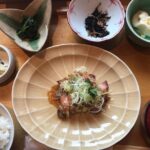
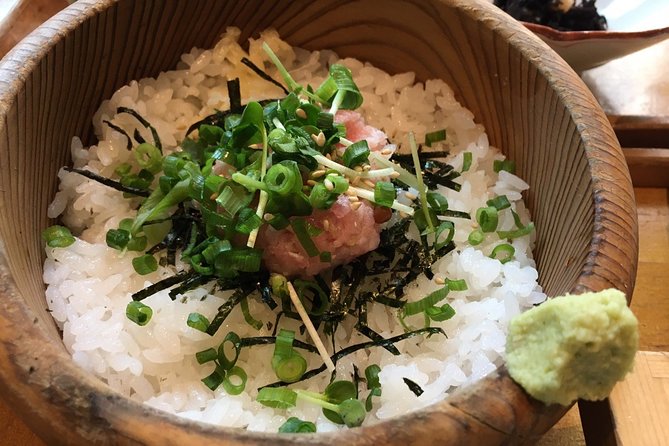
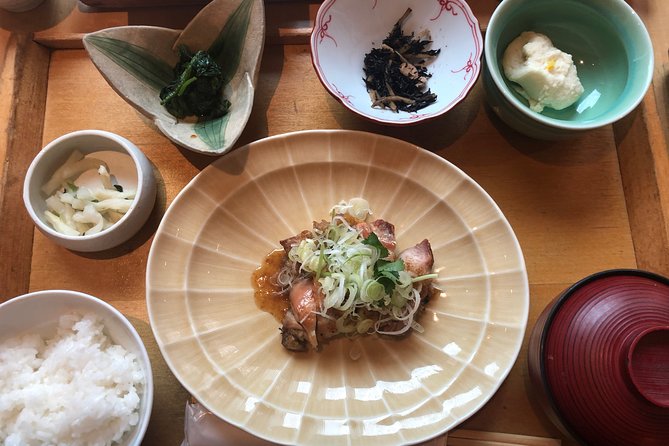
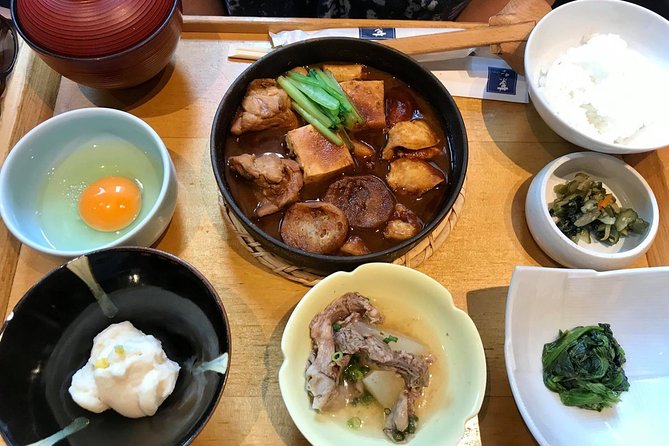
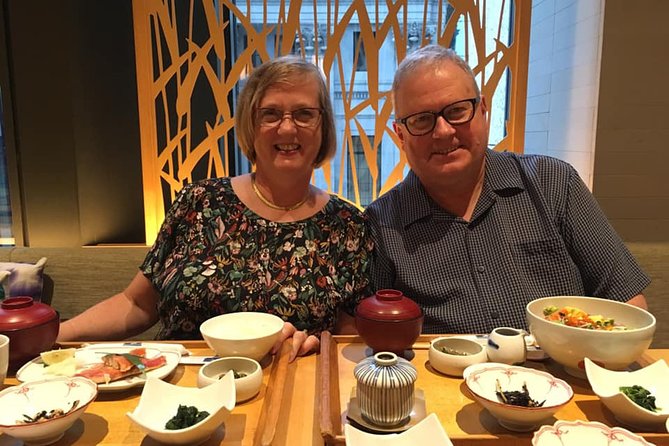
The last tasting is a full Washoku lunch for the group, with a discussion that ties together what you learned during the stops. This is a smart design. Many food tours stop after sampling. This one gives you a meal where you can practice how Japanese food works on a plate.
Your lunch choices (selected when booking) include:
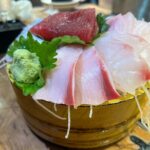
- soba, tempura, and sashimi sets
- grilled fish
- chicken
- sukiyaki
If you’re traveling for the first time and want to leave Japan with the confidence to order, this is one of the most useful parts of the tour. You learn what types of dishes go together, and you see how tasting basics like dashi and pickles fit into a broader meal.
Depachika after lunch: where snack hunting gets easier
After lunch, you continue into the Depachika, an underground market area. The guide points you toward directions for the best after-lunch snacks. Then you’re free to explore on your own.
This is a practical move. Depachika can be overwhelming when you’re wandering solo. With a guide’s pointing hand, you’ll leave knowing what to chase and what to skip.
Good to know: your meal is the finish of the structured part. Depachika is your chance to keep the momentum going at your pace.
What the included food really means for value
The tour costs $209 per person for about 3 hours, with one drink included. That price can feel steep if you’re comparing it to a standard walking food tour with small bites only. The value here comes from two things: the number of stops and the type of meal at the end.
You get:
- regional tastings across nine shops
- 7 food stops for tastings
- key items that represent different regions and categories (like Kagoshima fish cakes and eel sushi)
- Washoku lunch with real dish options
Also, it runs with a maximum of 10 travelers, which usually supports better pacing and more guide attention while you’re learning. If you’ve ever done a big group tour where you can’t ask questions, you’ll appreciate the small size.
One more detail that adds comfort: it’s described as good for rainy days. Weather can be a problem in Tokyo, so I like that they’re set up for at least some flexibility.
If the weather is truly bad, the tour requires good weather and may be canceled, then you’ll be offered a different date or a full refund. That’s worth factoring into your planning if you have tight days.
Who this tour suits best (and who should choose something else)
This is a great match if you want structure and clarity. You’ll get the most out of it if:
- you want a quick crash course on Japanese cuisine rather than random snacking
- you like learning as you go (wagashi craft, dashi base, green tea)
- you want a real lunch experience to anchor the day
- you prefer a smaller group
It’s also family-friendly, with children required to be accompanied by an adult. There’s a note that passport information copy is required for kids 10 and above, so plan accordingly.
Where you might want to think twice:
- If you hate walking between multiple locations, this may feel like too much movement for the time window.
- If you’re someone who only wants a short, low-effort sampler, you might prefer a lighter food experience instead.
Practical planning tips before you go
A few things will make your day smoother.
Choose your lunch thoughtfully. Since the lunch choice is made upon booking, pick what you actually want to eat—not what sounds safest. If you like seafood, the sashimi set or grilled fish may be more satisfying. If you’re craving warmth and comfort, sukiyaki is a good bet.
Come hungry, but pace yourself. With multiple tastings plus lunch, you’ll likely be eating in waves. The best approach is to taste everything, then save your strongest likes for your own snack hunt afterward in the Depachika.
Ask about pairings. The tour includes green teas and a variety of sweets and savory bites. If your guide offers tips on how to pair tea with wagashi or how dashi works, take note. Those little connections are what make the learning stick.
Book in advance if you can. The tour is commonly booked about 29 days in advance on average, so earlier planning helps you lock in a time that fits your Tokyo days.
Should you book the Flavors of Japan Food Tour in Tokyo?
If you want a short Tokyo experience that teaches you how Japanese food fits together—sweet, savory, tea, and regional identity—then this is a strong choice. I especially like the combination of wagashi craft + dashi/tea tastings + a full Washoku lunch. It turns food sampling into usable knowledge, which makes your next meal in Japan feel easier.
The price isn’t budget, but it’s not random either. You’re paying for a guided route across nine shops and a structured meal with choices, in a small group setting.
I’d skip it only if you want a totally free-form food day with no structure, or if you need lots of rest stops. Otherwise, it’s a smart way to spend half a day in one of Tokyo’s most food-friendly neighborhoods.
FAQ
Where do I meet for the tour?
You meet at Starbucks Coffee – Nihonbashi Suruga Building, in Chuo City, Nihonbashimuromachi 1-chōme 7-1 (Suruga Building 1F). The tour start time is listed as 10:30am.
How long is the Flavors of Japan Food Tour?
The tour is approximately 3 hours.
How many food stops and tastings are included?
The walk visits nine shops, with tastings at 7 food stops. You’ll also have a full Washoku lunch with the group.
What lunch options can I choose?
Lunch options include soba, tempura, and sashimi sets, grilled fish, chicken, or sukiyaki.
Is the tour vegetarian or vegan friendly?
The tour is listed as pescetarian, vegan, and vegetarian friendly.
Is a drink included, and are there age limits?
One drink is included. The minimum drinking age is listed as 21 years.
What happens if it rains or the weather is poor?
The tour is described as good for rainy days, but it also says it requires good weather. If it’s canceled due to poor weather, you’ll be offered a different date or a full refund. Spots may also change due to weather conditions.
What is the cancellation policy?
You can cancel for free up to 24 hours in advance for a full refund. If you cancel less than 24 hours before the experience’s start time, the amount paid is not refunded.